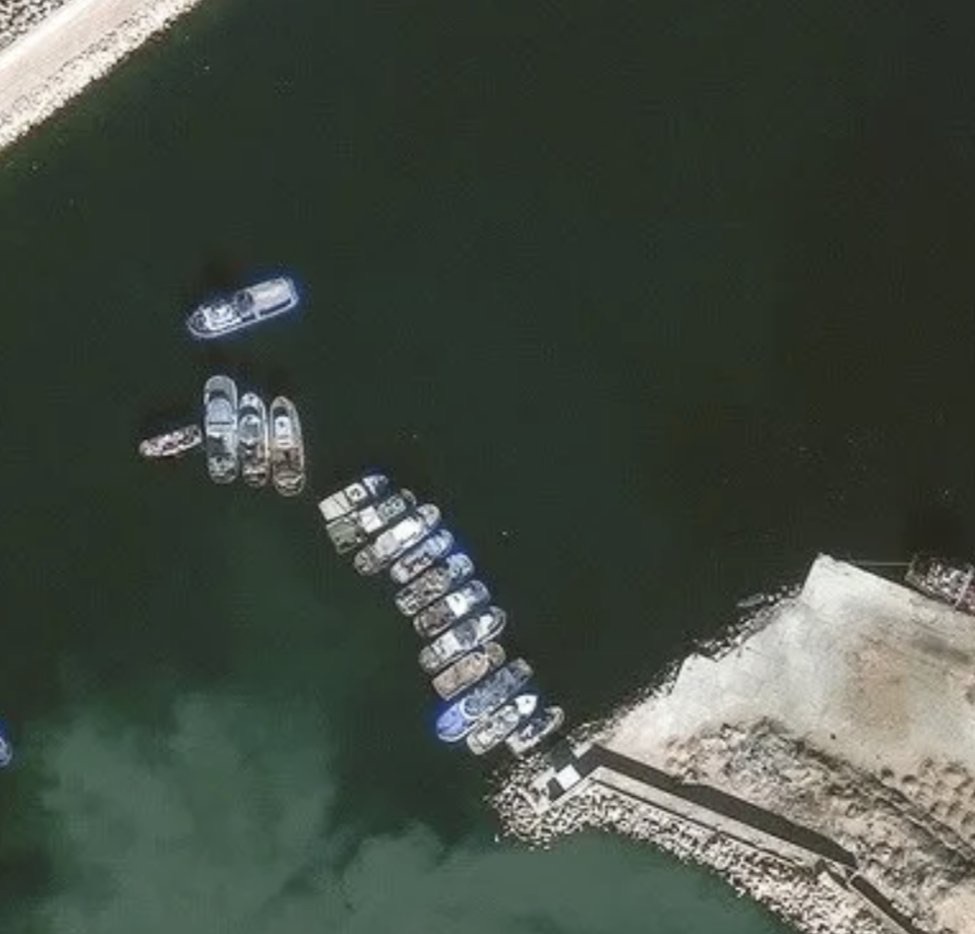
Russian arms convoy and warship escort attacked in Libya. Missile corvette sunk.

On November 21, 2026, a video was released online which showed a large explosion on the Russian warship Merkury while the ship was in port in Benghazi, Libya.
Video of the explosion on the Merkury.

Its believed the ship was struck with at least two unmanned surface vehicle (USV). 

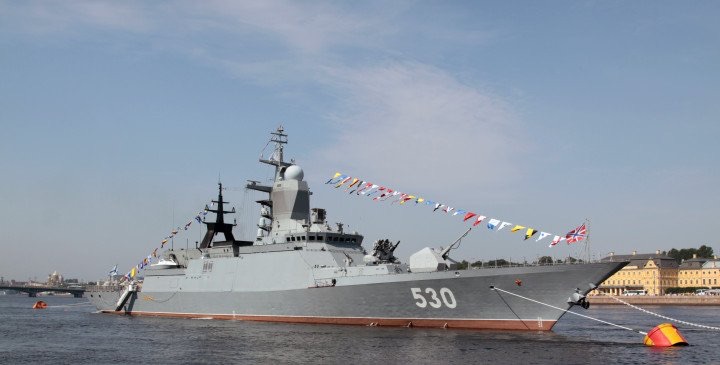
The Merkury is a Project 20380 Steregushchiy-class missile corvette commissioned in 2013 and assigned to the Russian Black Sea Fleet. While the ship is technically assigned to the Black Fleet, it has been operating from Northern Fleet bases in the Arctic amid the war in Ukraine. The ship showed up in Benghazi around two weeks ago escorting two Russian government-linked military cargo ships according to Naval News. The cargo ships it is escorting are similar to the Sparta II, which was struck in the Baltic yesterday, and are used for carrying arms exports. The ships are called the ASCALON and the ANASTASIIA.

The ASCALON (IMO 9198226) is a Russian-flagged roll-on/roll-off (Ro-Ro) cargo ship built in 1999. ANASTASIIA (IMO: 9349291) is a Russian-flagged general cargo and heavy-lift vessel built in 2006.

In late October, both ships were photographed on satellite imagery and identified by online researcher accounts on Twitter— Geoinsider and Sonarrow.
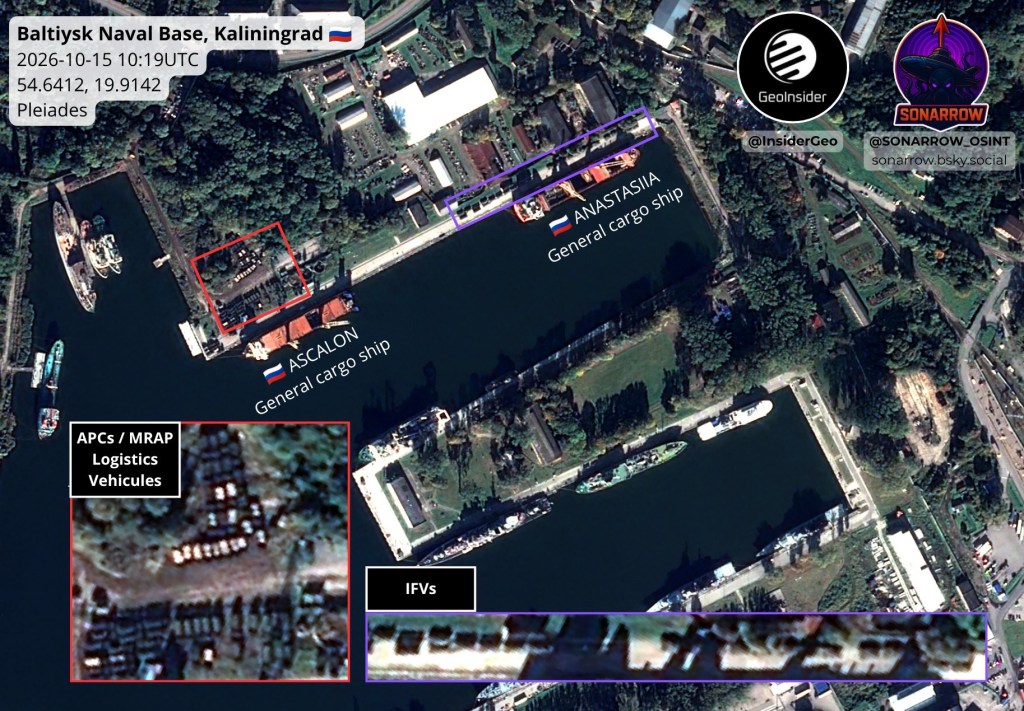
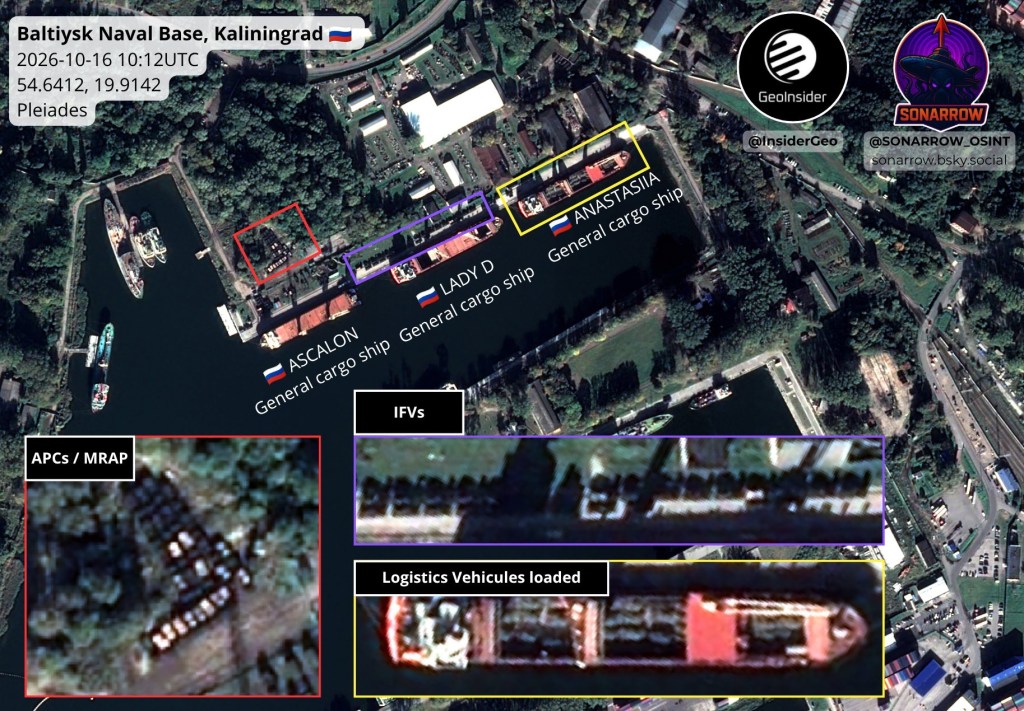
Geoinsider and Sonarrow traced the ships to Russian weapons convoys that were taking on cargo of military hardware while docked at the Russian Baltic Sea Headquarters in Baltiysk, Kaliningrad.

From there the ships disappeared until last night when the Russian warship, Merkury was targeted by Ukrainian USV’s and sunk.
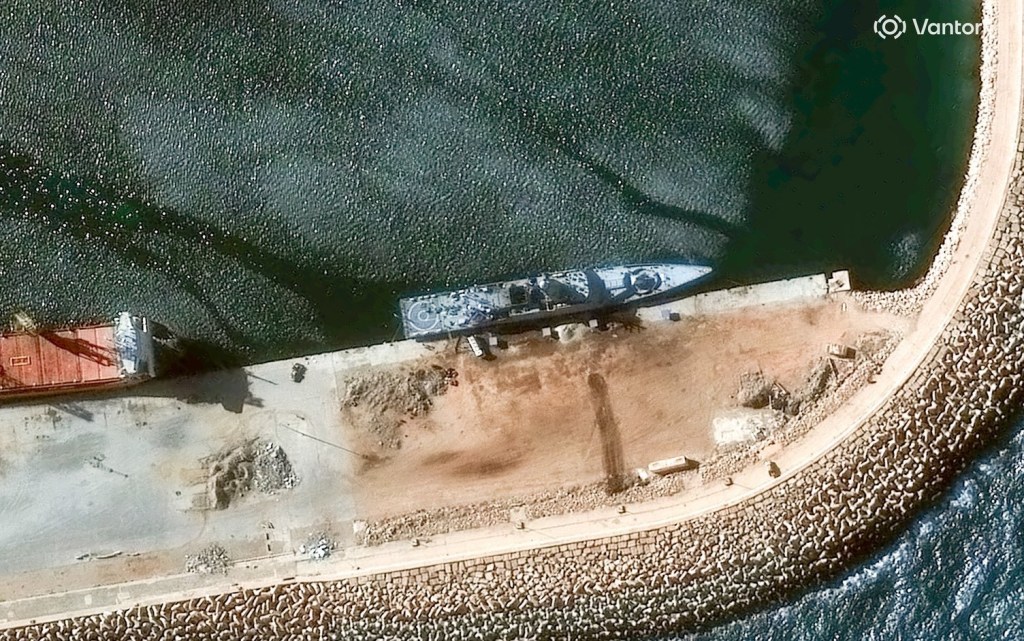
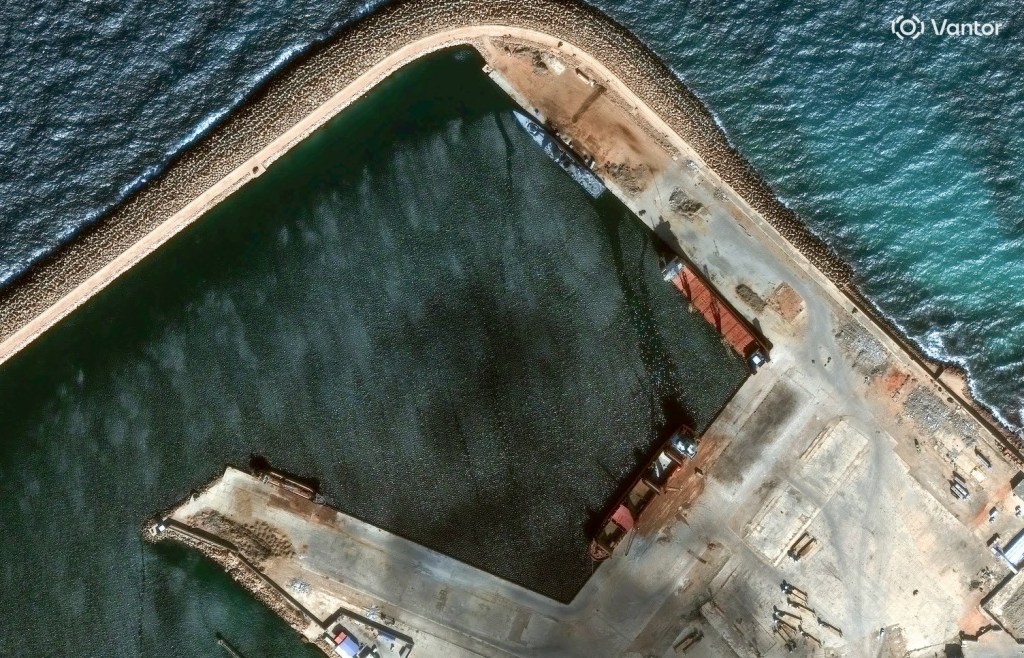
Here is a shot of the corvette from before the strike.
All three ships together.
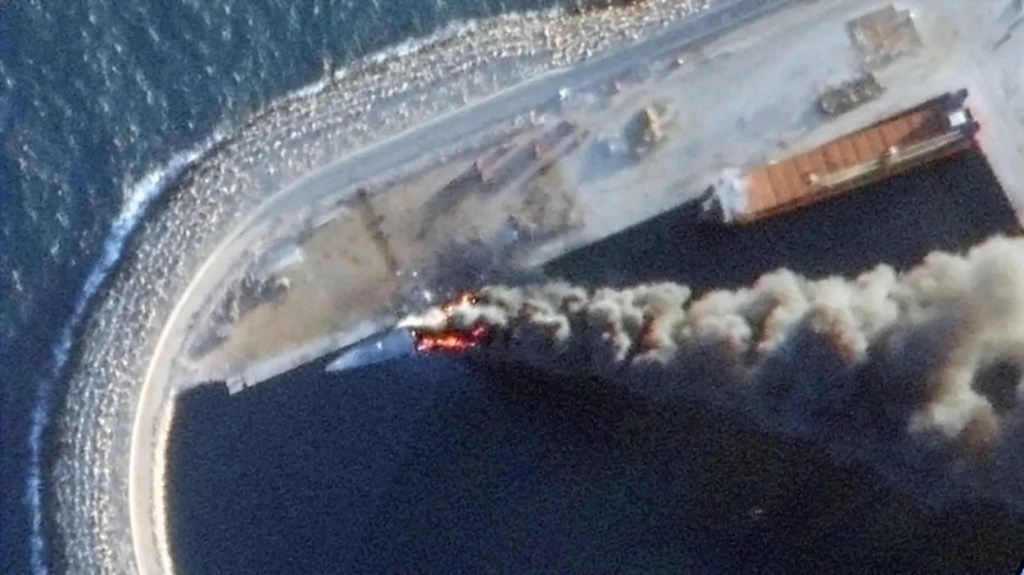
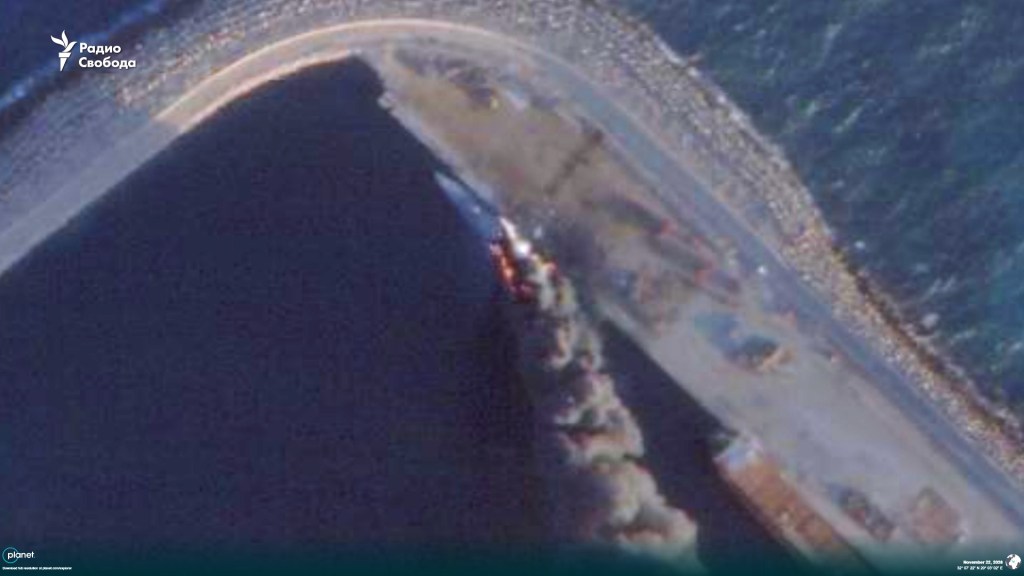
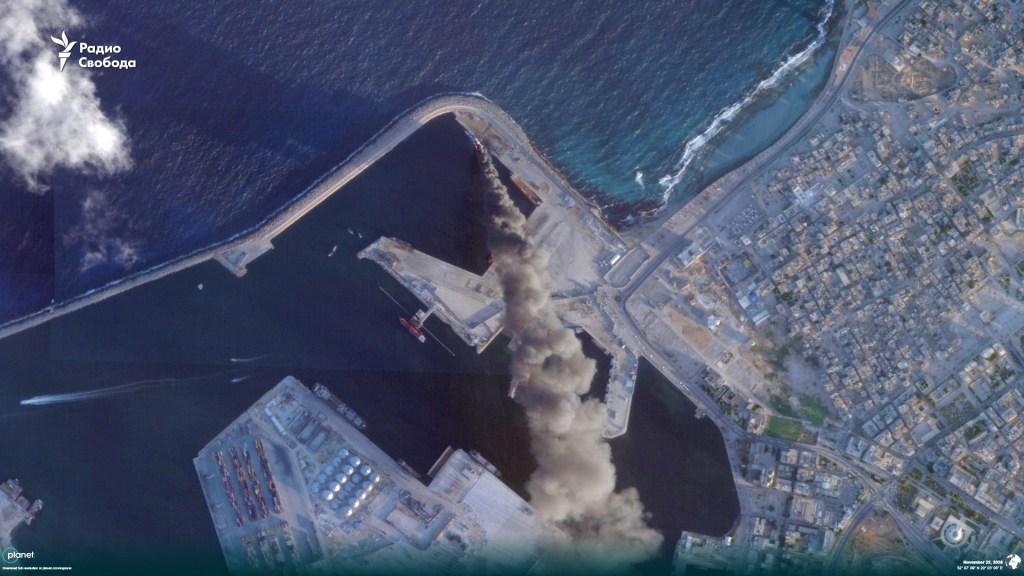
Satellites images of the Merkury on the morning after the strike. Flames and smoke pour from the vessel.
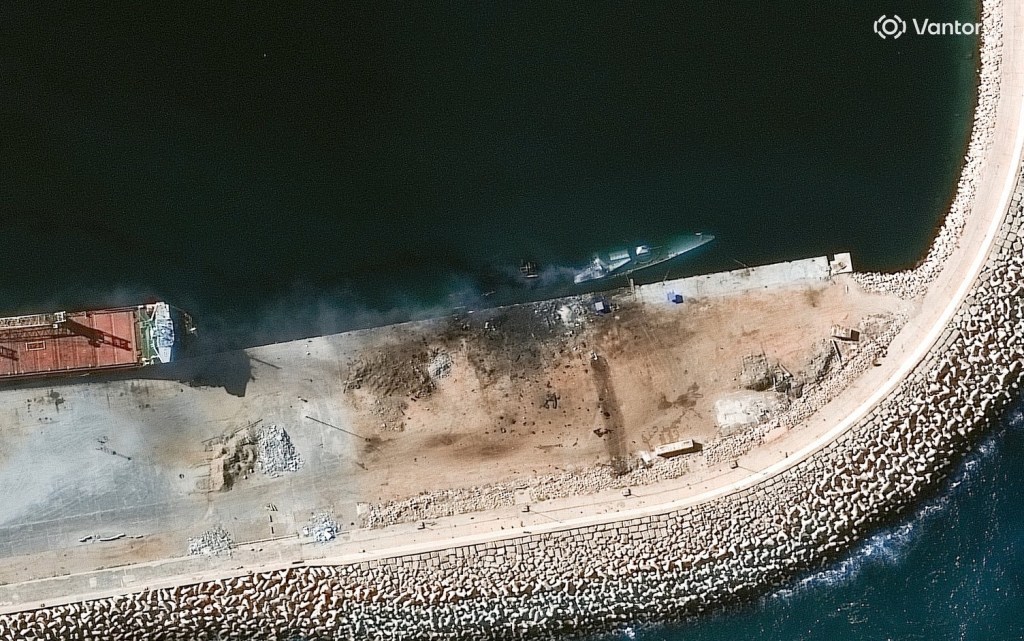
Here is afterwords. The fire has burned out but the ship is mostly submerged in the Benghazi harbor.

All three ships we’ve mentioned above were in port at the time of the attack. There is some indications that one of the cargo vessels was targeted by USV the next morning, while still in port.
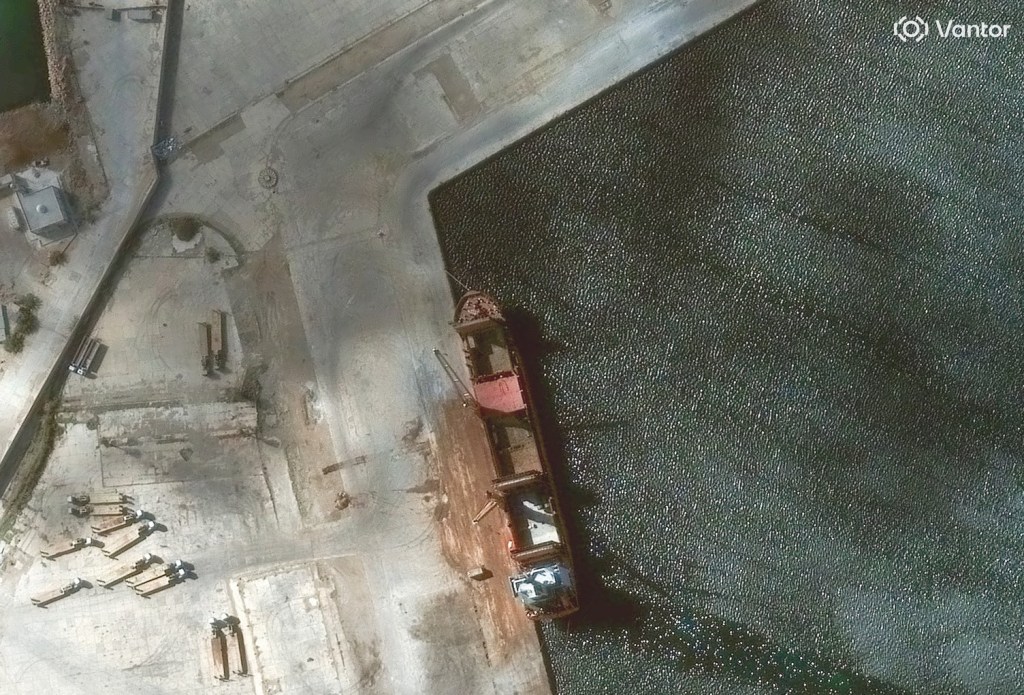
ANASTASIIA. We can see military cargo trucks in the cargo unloading area.
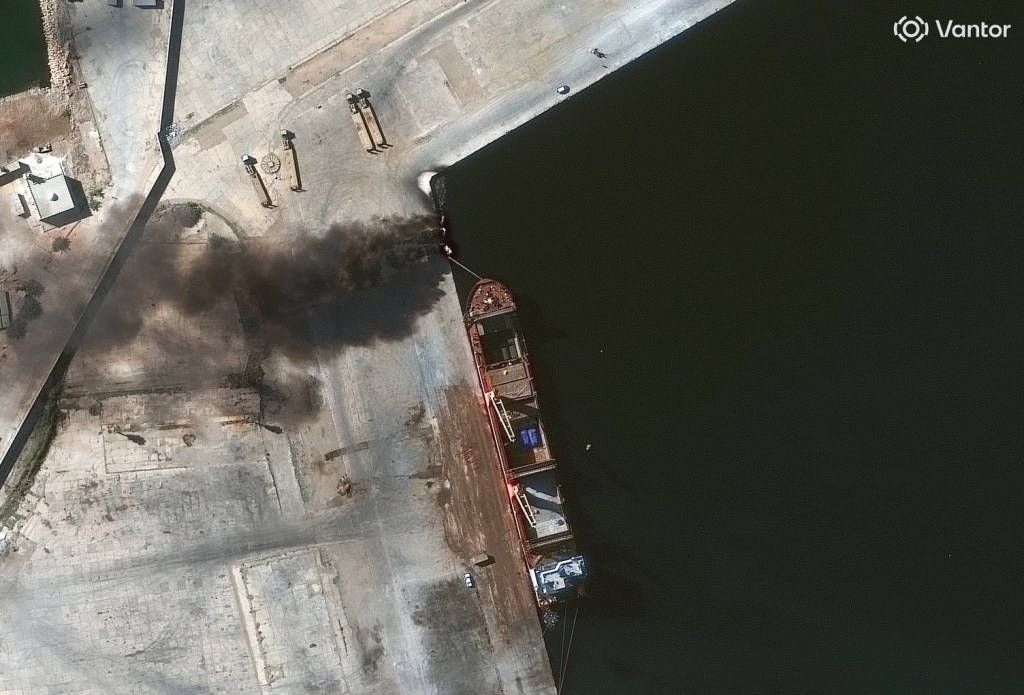
Here ANASTASIIA again shows near miss on an attempted hit by a USV as smoke comes from in front of the ships bow.
You can see here that in the aftermath of the attack that the port control was attempting to physically block the mouth of the harbor with small boats.

While they managed to avoid attention while in the port, the Ascalon was targeted and heavily damaged after its departure. 

The hit is on the port quarter, near the engine room. I believe the video was taken from a Libyan patrol helicopter, dispatched because of the USV threat. 

There are many theories as to how Ukraine managed to get its sea drones all the way to the Mediterranean waters around Libya. Some have suggested a mothership (Q-ship) that can track and follow the Russian ships and deploys the drones once in range. It’s also possible that the drones were launched from a nearby coastline with or without the state’s knowledge of the operation. There were accounts in the past of some Ukrainian forces countering Russian mercenaries in North Africa; if they are still there, it wouldn’t take much to coordinate this kind of strike if you already have people in the country.

Comments

One response to “Russian arms convoy and warship escort attacked in Libya. Missile corvette sunk.”

  1. Wahidullah Noorzai (وحیدالله نورزی) Avatar

    What makes this incident strategically significant is not simply the reported destruction of a Russian naval vessel, but the apparent extension of maritime vulnerability beyond the geographical boundaries of the principal battlefield.

    From a field-based operational perspective, the most important element is the relationship between the platform, its logistical support network, its protection arrangements, and the geography in which it operates. A warship does not exist in isolation. Its operational value depends on access to ports, refuelling, resupply, intelligence, escort capabilities, and the security of the wider movement network that sustains it.

    If the reported drone strikes are confirmed, Benghazi illustrates how the traditional assumption that distance from the main theatre provides relative protection is becoming increasingly difficult to maintain. Unmanned maritime systems can potentially extend the operational reach of a conflict, challenge established security arrangements, and expose logistical assets that may previously have been considered beyond the immediate threat environment.

    There is also a wider geopolitical dimension. Libya is not merely a geographical location on the Mediterranean coast; it is a fragmented political and security environment in which external actors, local authorities, strategic interests, and competing networks intersect. In such an environment, the security of a port cannot be assessed independently of the political conditions surrounding it.

    One important distinction, however, must be maintained between what the available evidence demonstrates and what remains an operational hypothesis. The precise launch location, command structure, intelligence preparation, and responsibility for the attack require independent verification. The visual evidence of an explosion and the subsequent damage cannot, by themselves, establish the entire operational chain.

    The deeper lesson is that strategic power is not measured only by the range of a weapon or the strength of a naval platform. It also depends on the ability to protect movement, sustain logistics, maintain access, and control the conditions under which military assets operate.

    In modern conflict, the battlefield is no longer defined exclusively by the front line. It increasingly extends into the routes, ports, support networks, and geographical spaces that sustain the capacity to fight. What happens to a vessel in port may therefore reveal vulnerabilities far beyond the vessel itself.

    Liked by 1 person

Leave a Reply