Early this morning, Ukrainian drone forces launched an attack on the Rostov-on-Don region of Russia, starting a large fire at a facility connected to the Novoshakhtinsk Oil Products Plant (also called NZNP or Yug Rusi). The facility isn’t the refinery but instead a riverside oil-loading terminal used to store and pump oil to ships on the Don River or trains. The Don River feeds out to the Sea of Azov and the Black Sea.
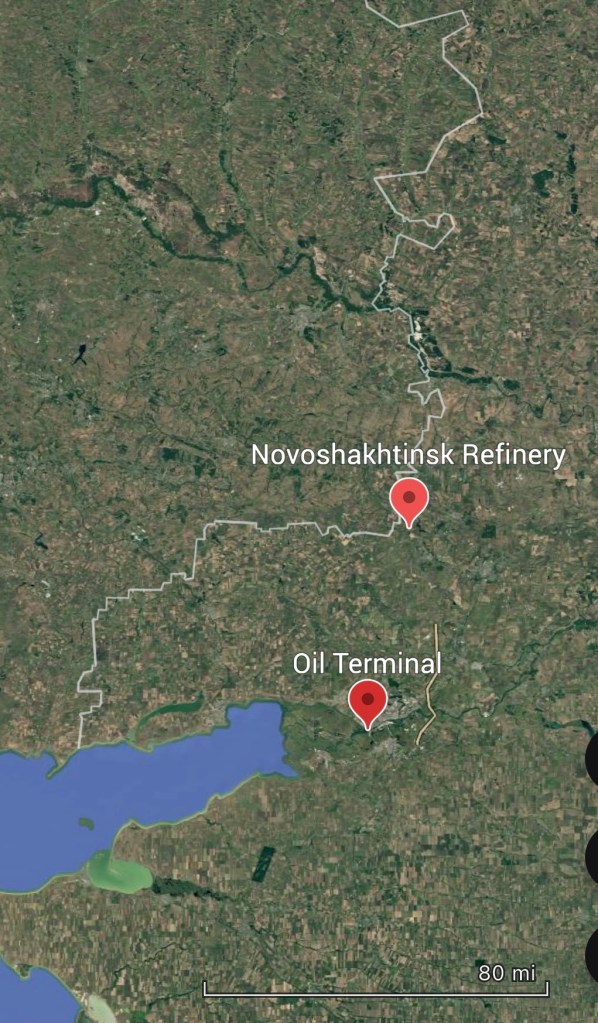
The facility mostly handles oil products from the Novoshakhtinsk Oil Refinery, 46 miles to the north. This facility was also attacked back on September 25, 2026, and a large fire resulted from it.
Google Earth view showing the location of the Oil Refinery and the Oil-Loading Terminal.
Videos circulating on multiple accounts on Telegram appeared to show large fires coming from the facility as well as thick smoke.
Ukraine has so far not taken credit for the attack. Russian authorities only admit that air defense was active this morning, but wouldn’t confirm damage to the site.
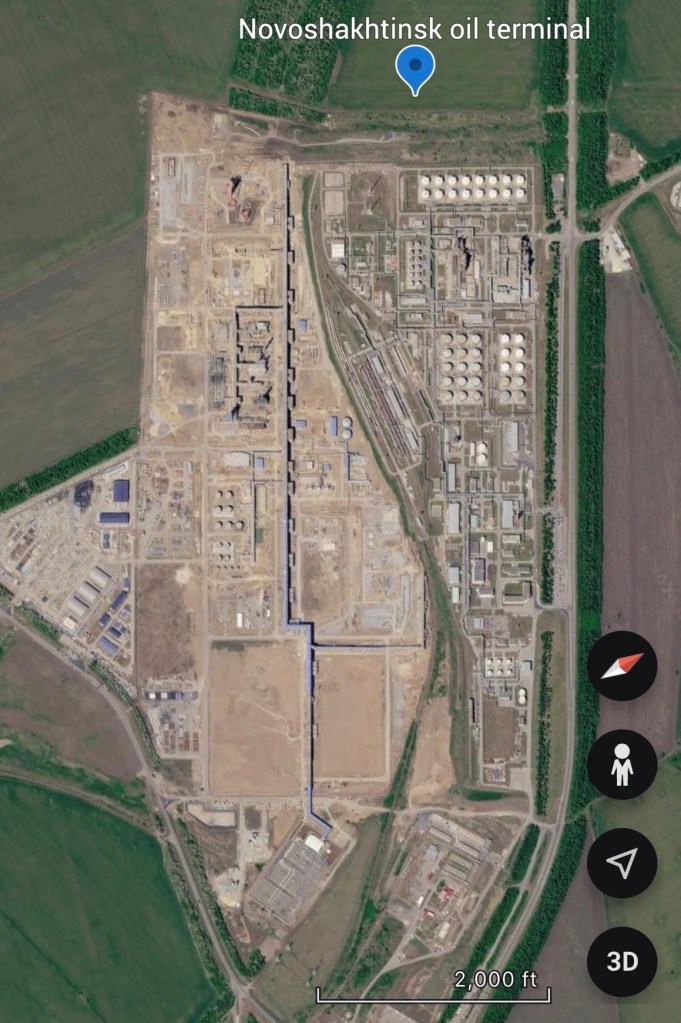
The location of the oil refinery can be seen below. It’s a large facility with room to grow. As mentioned before, the site has been targeted 5 times before, most recently on September 25, 2026.
Google Earth image of the Novoshakhtinsk Oil Products Plant (NZNP)The Oil-Loading Terminal
The site is one of the larger refineries in southern Russia. The facility processes 5.6 million tonnes of crude per year. The site mainly produces fuel oil (mazut), furnace fuel, marine fuel, diesel, and straight-run gasoline/naphtha.
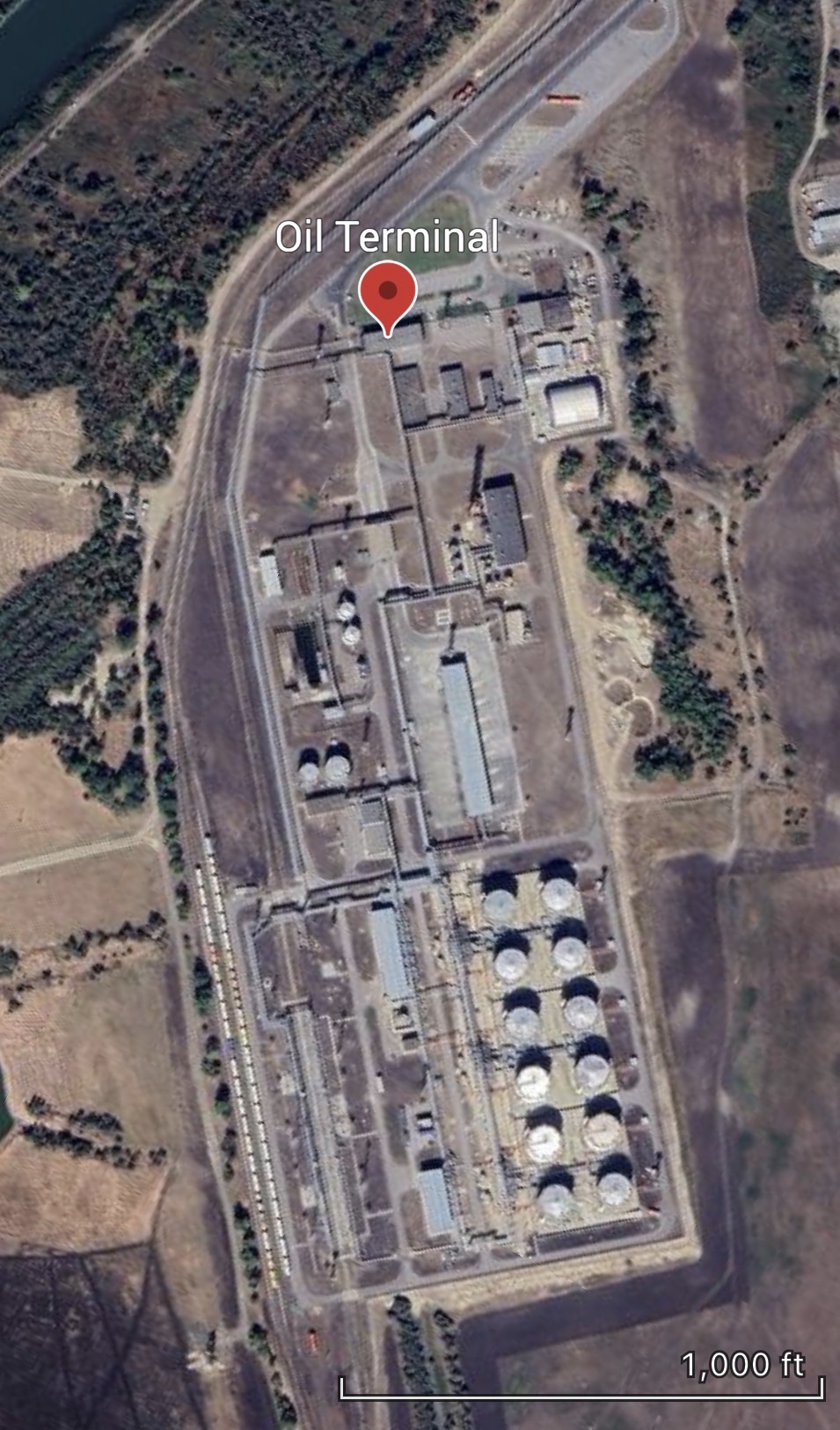
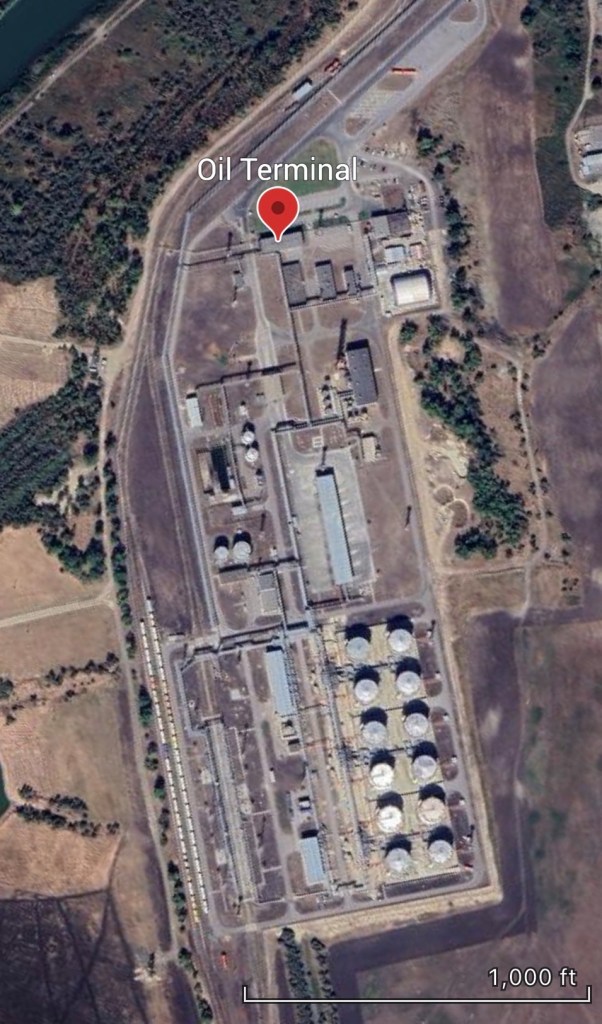
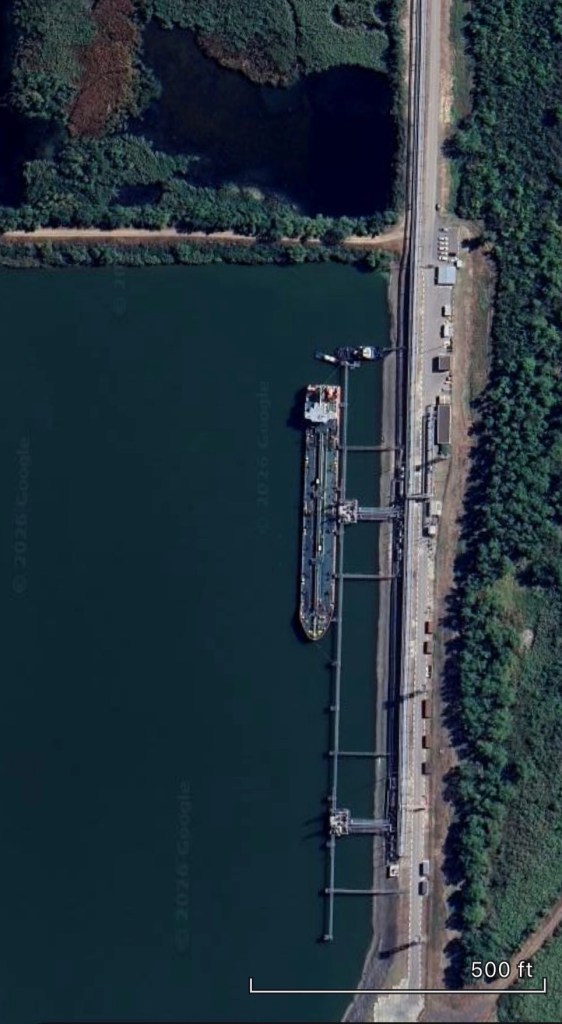
The Oil-Loading Terminal (shown below) sits almost 50 miles away on the River Don and handles loading onto trains and river barges. Products go to domestic southern Russian markets, military supply, and export (including via the Sea of Azov).
Image shows the river loading terminal.
This strike happened on the night of the day that U.S. President Donald Trump announced on social media a deal made with Russian President Vladimir Putin. The statement said that Russia will supply diesel to global and U.S. markets to help reduce fuel prices, leading to a temporary lift of US sanctions on Russian fuel.
Ukraine’s President Zelenskyy argued that the deal would not help in achieving peace and would instead allow Russia to continue its aggression. Even many of Trump’s fellow Republicans have condemned this agreement, the details of which can be seen in Trump’s post below.
U.S. President Donald Trump’s Truth Social post announcing the deal with Russia.
Most of the criticism of the deal stems from the low amounts of product actually being sent. Energy analysts and experts have said that the U.S. alone uses approximately 3.6 million to 3.9 million barrels of diesel a day (or roughly 414,000 tonnes), making the first shipment enough to cover one single day of U.S. use. The other shipments are larger, but the whole deal total only covers 3-4 days of America’s diesel needs.
This deal reverses many of the sanctions put on Russia, at least temporarily. It gives Russia financial relief at a time when Ukraine feels pressure is more important.
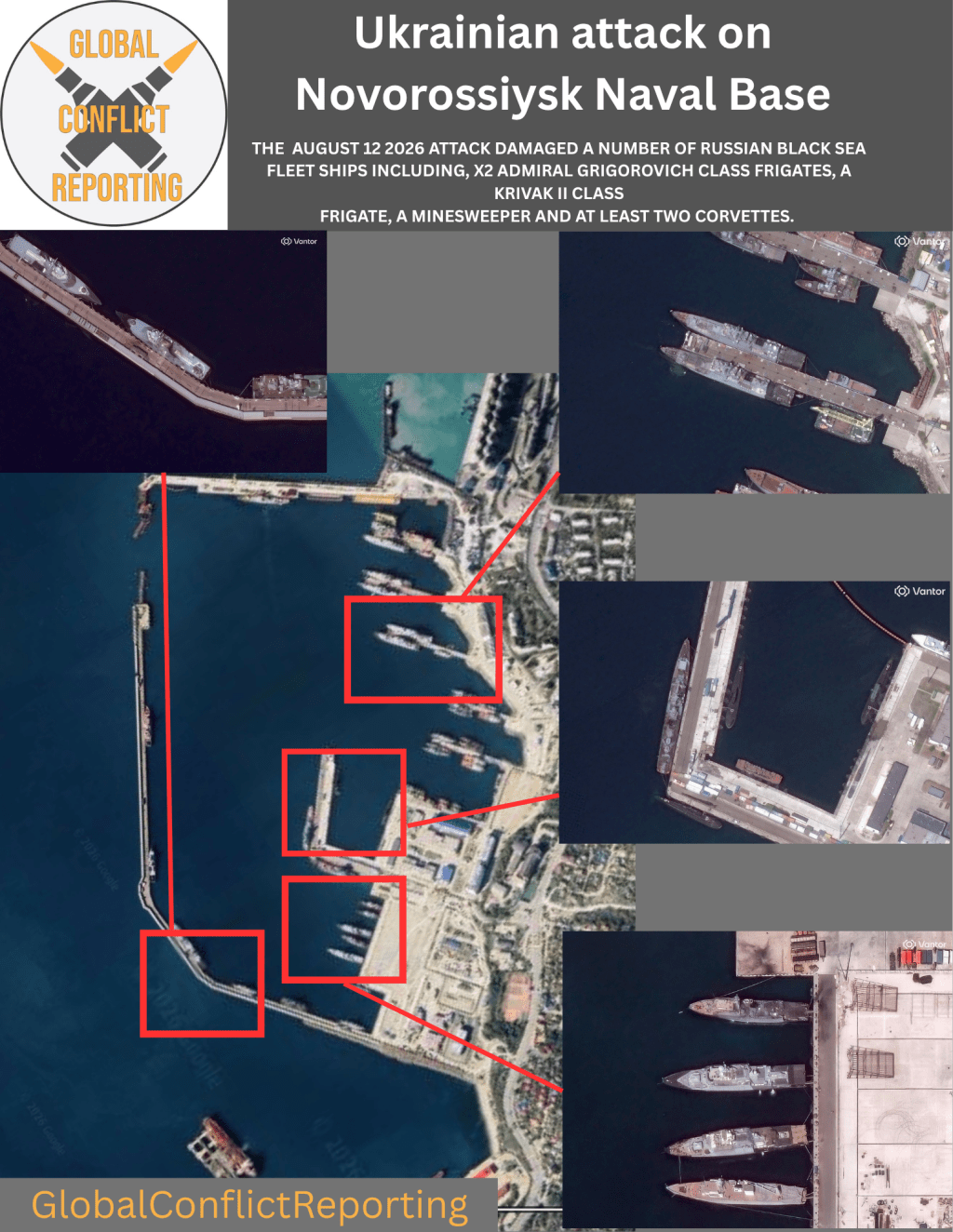
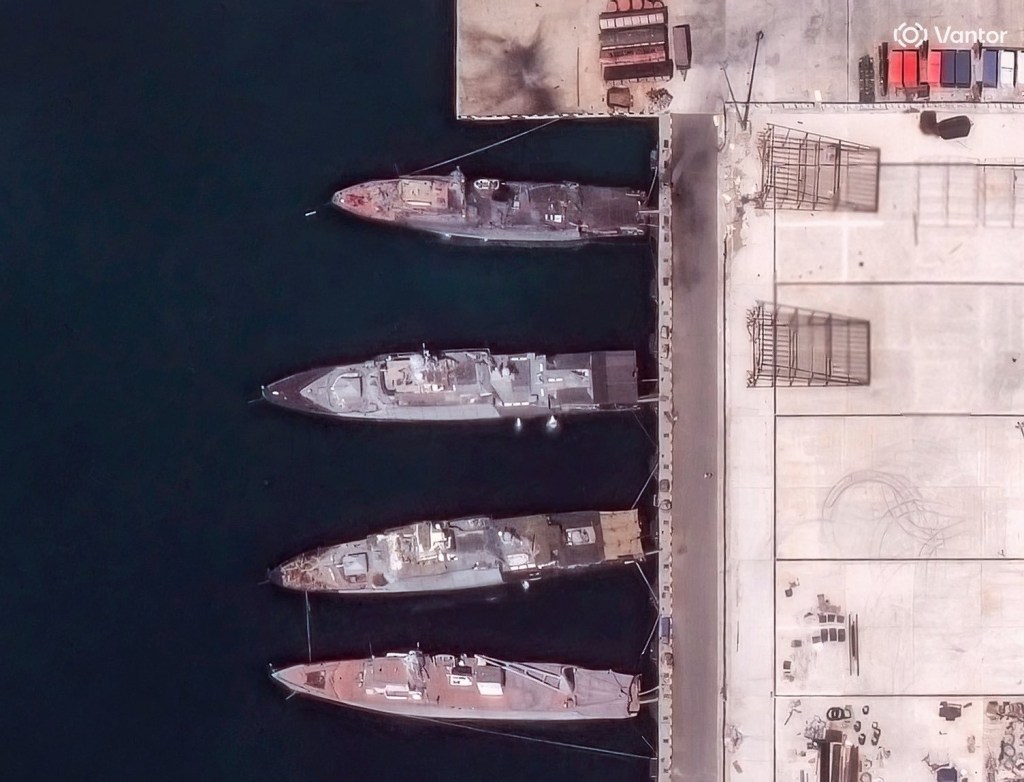
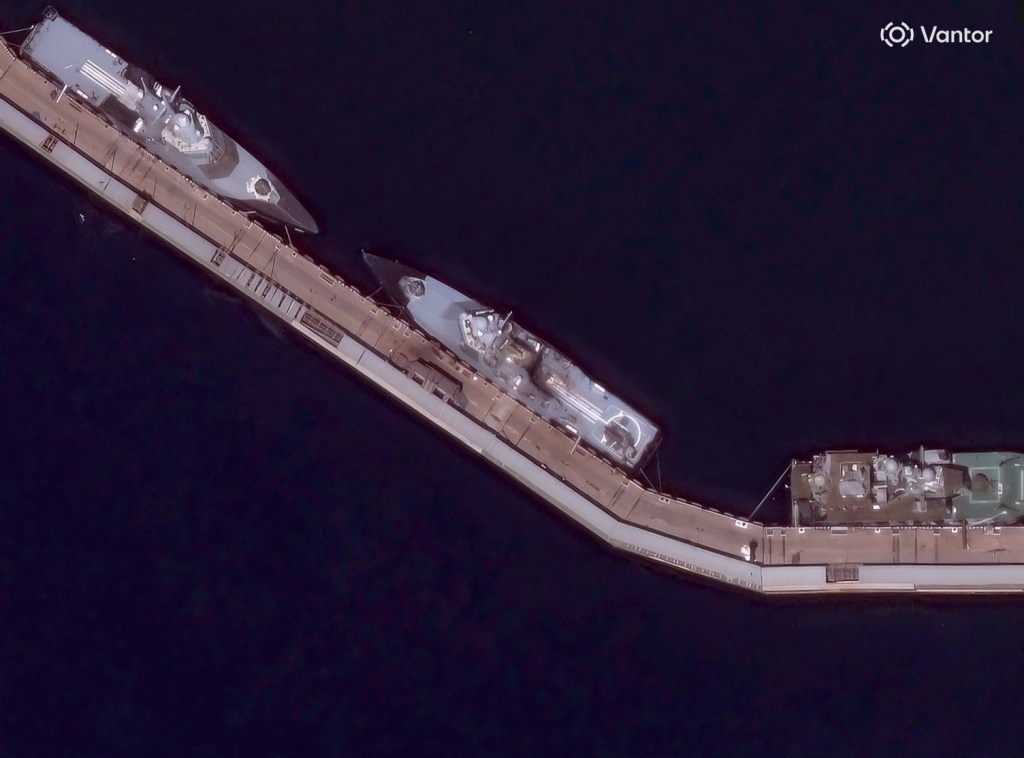
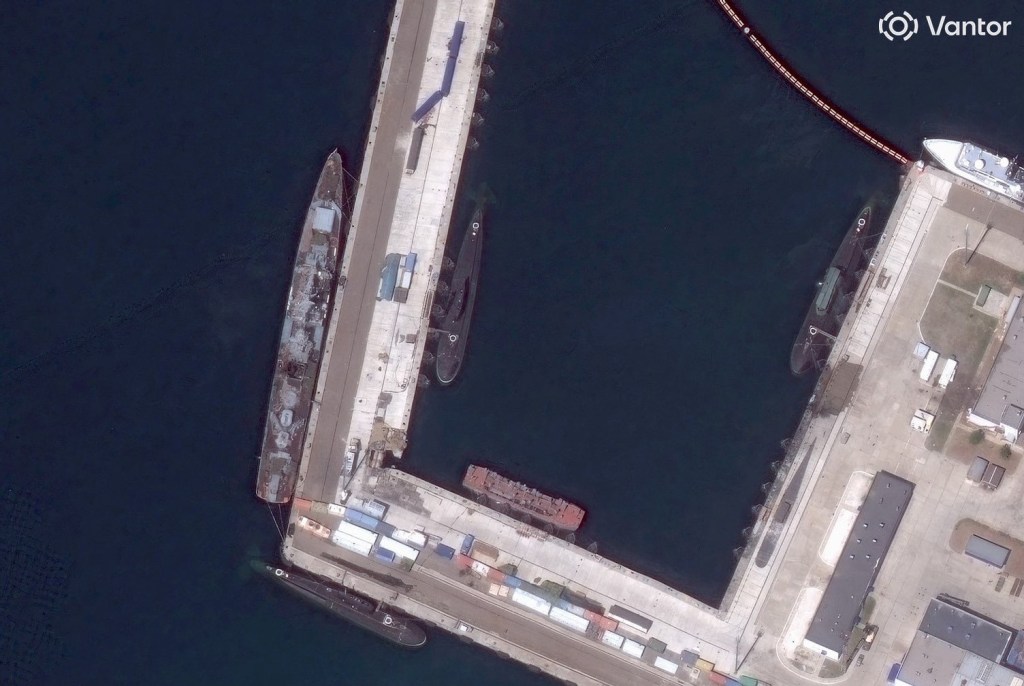
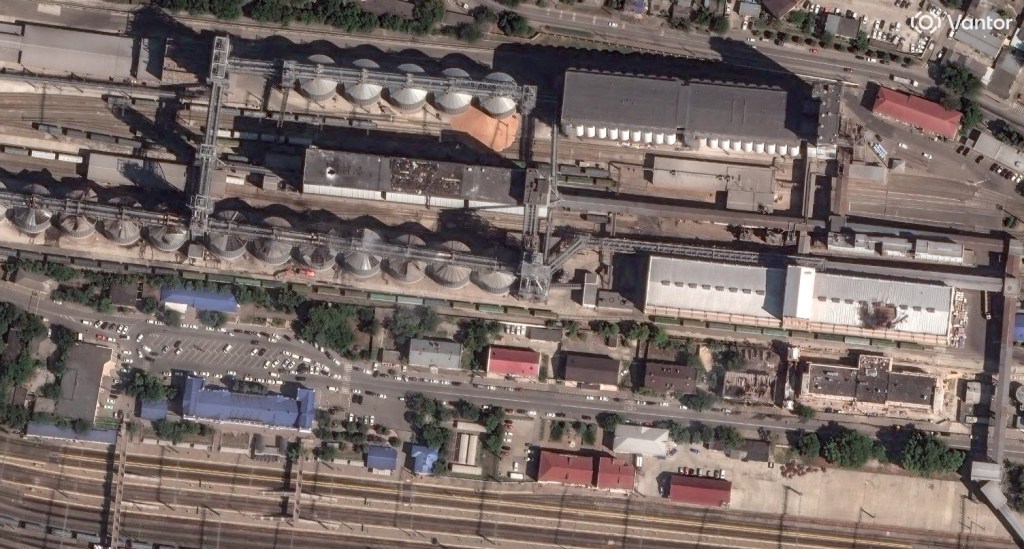
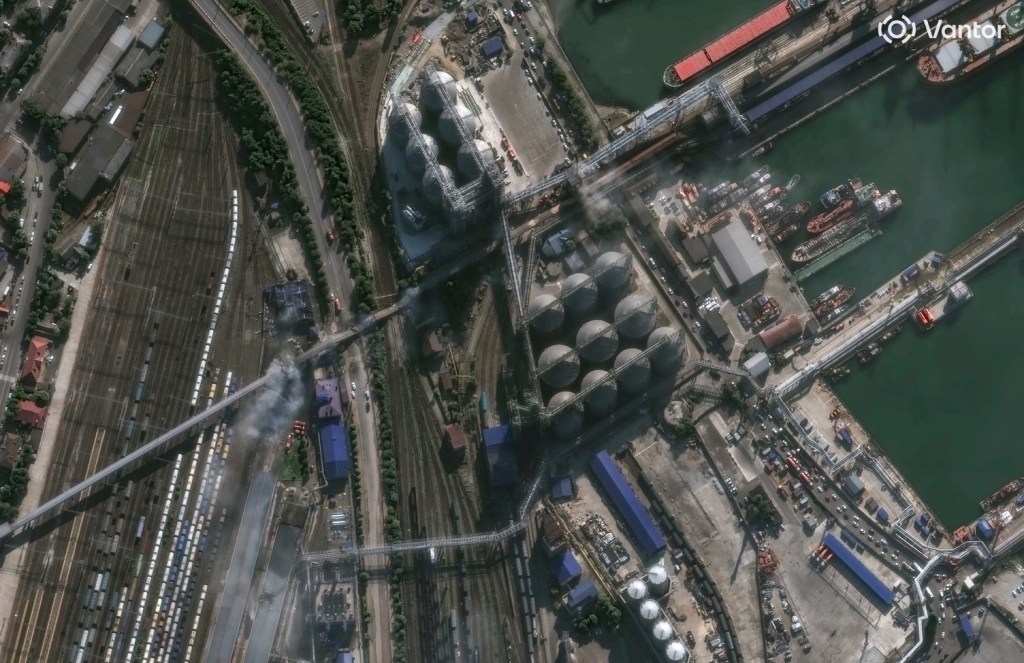
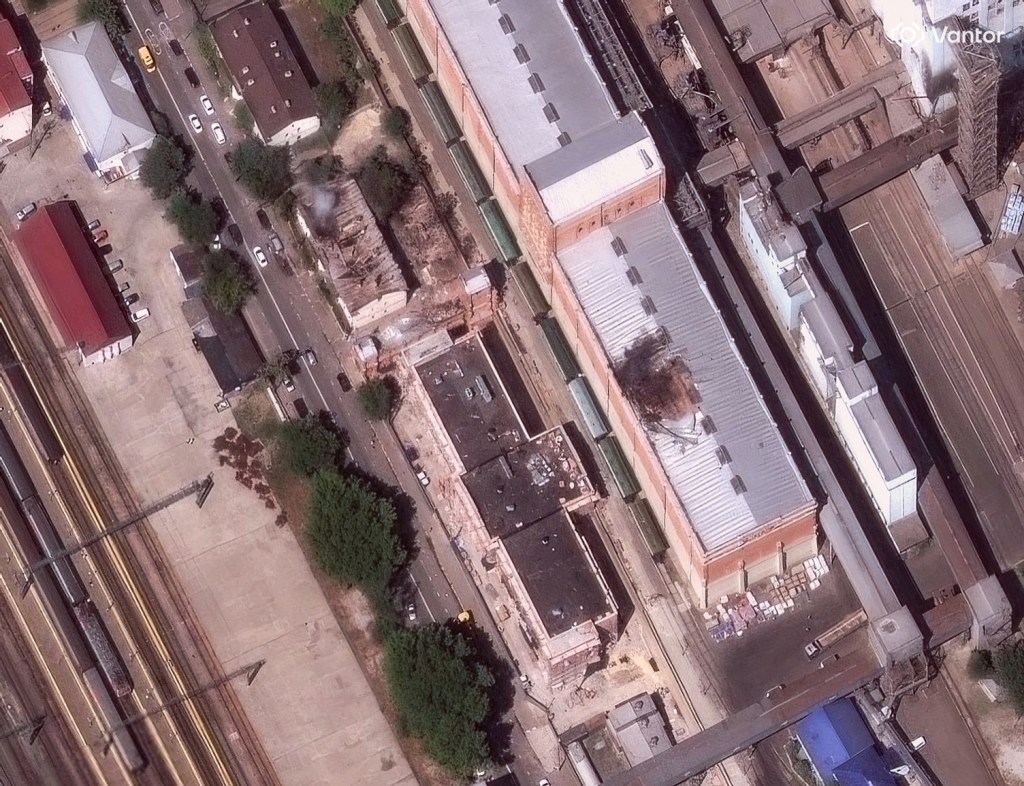
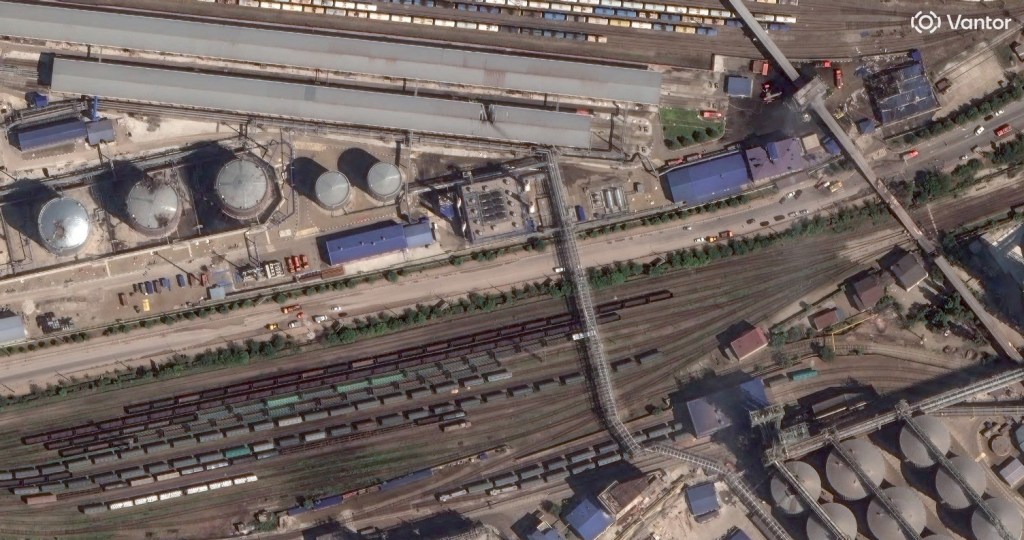
On Wednesday, August 12 2026, Ukranian forces launched a massive attack on the Russian Black Sea port city of Novorissiyskz. The attack was one of the largest that have hit the city and targeted warships at the naval base as well as at least two major grain terminals that were forced to shut down.
Ukrainian President Vladimir Zelenskyy described the attack as a success and said that Ukraine had launched a unique mixture of long-range drones and weapons to target Russian fleet vessels in the bay area of the city. He called out damage to Russia’s Admiral Essen and Admiral Makarov frigates, a large landing ship, a corvette, and other vessels were struck in the attack.
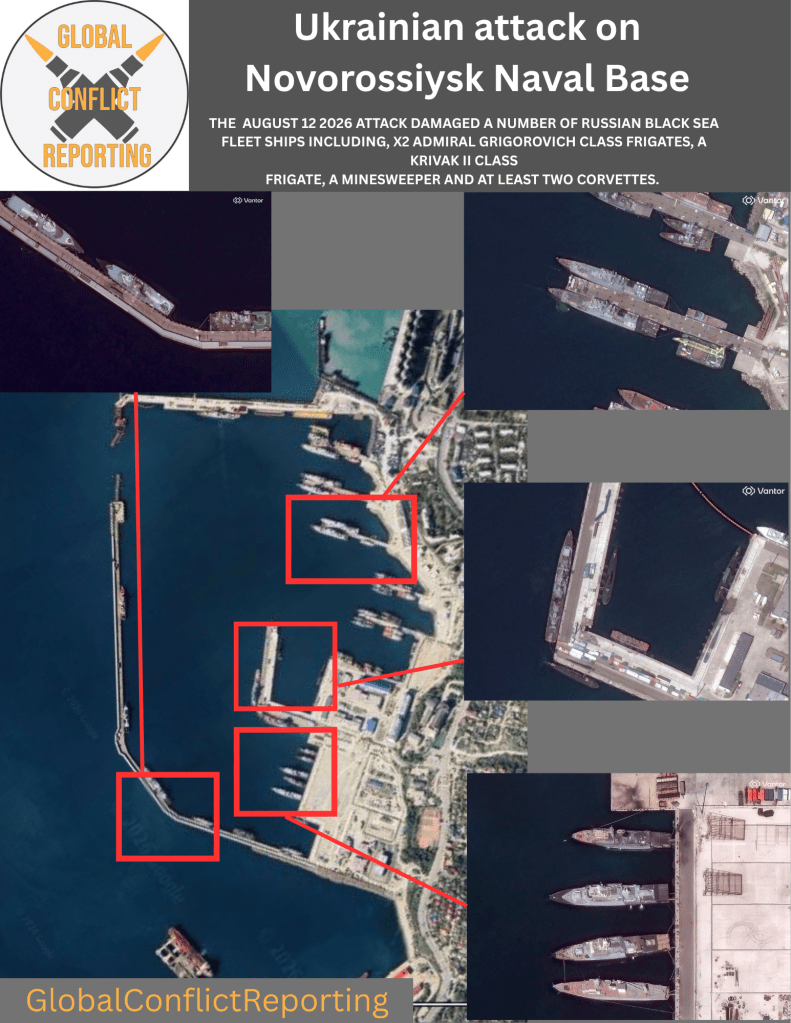
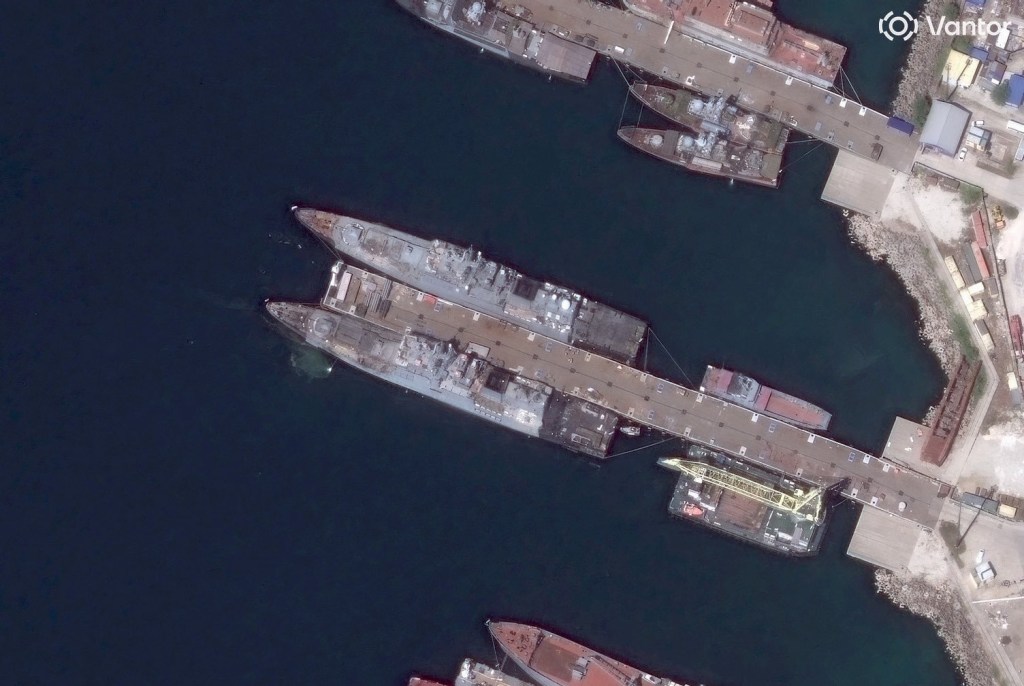
Satellite images below show the damage to the vessels.
Two Russian Project 11356R/Admiral Grigorovich class frigates, the Admiral Essen-class guided missile frigate (Top) and the Admiral Makarov (Bottom). Both capable of launching long range Kalibr cruise missile. The ships seem to have been hit multiple times including in the upper bow of the ship where the VLS cells are located.266M class minesweeper (top) shows signs of fire damage on the stern area as well as port areas around the ship.Two corvettes. Unknown class. Possible Project 22160. As the old navy saying goes, “Hot dog pack, Smokestack, Knife in the Back, two Guns in the Back — Krivak.” Project 1135M / Krivak II Class Guided Missile Frigate, Pitlivy. Damage to the ship appears to focus on the smoke stack. It’s possible the two Kilo class submarines were also damaged but it’s not clear.
The marks that were noted with the images look like what’s known as short-duration fires, indicative of a drone strike. That is a quick blast and maybe a bit of lingering fire. It’s a lot harder to tell from this resolution what exactly is damaged on the ships and surrounding area.
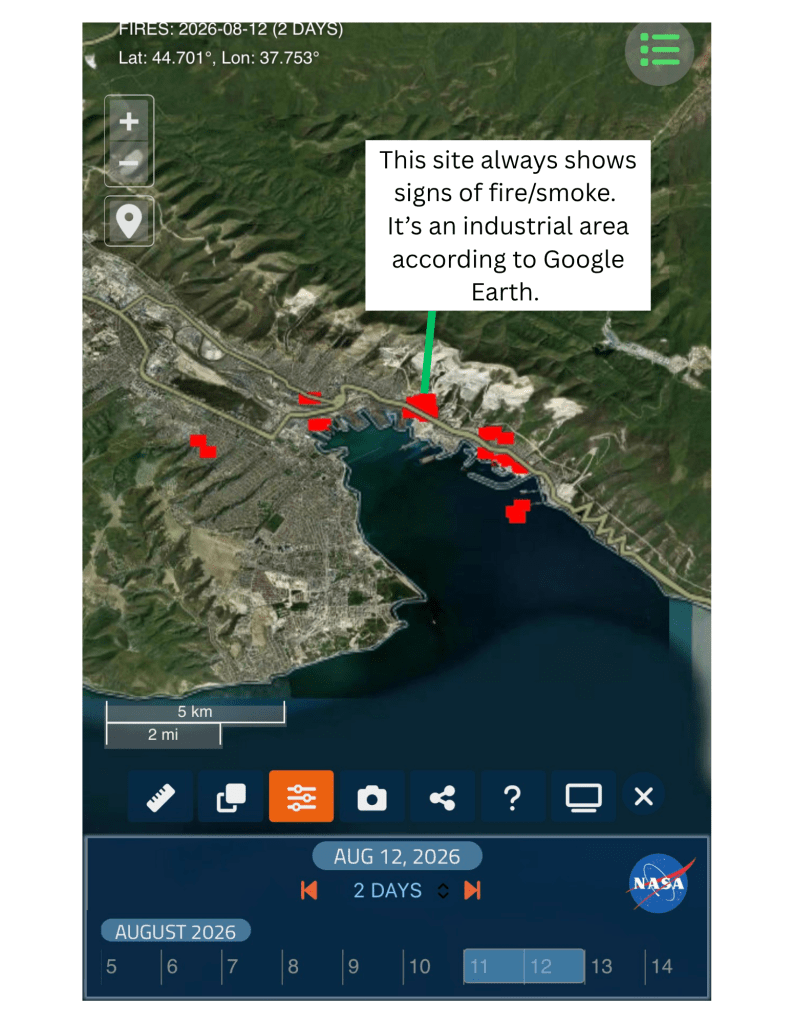
After the attacks NASA FIRMS detected fire at multiple areas around the city.
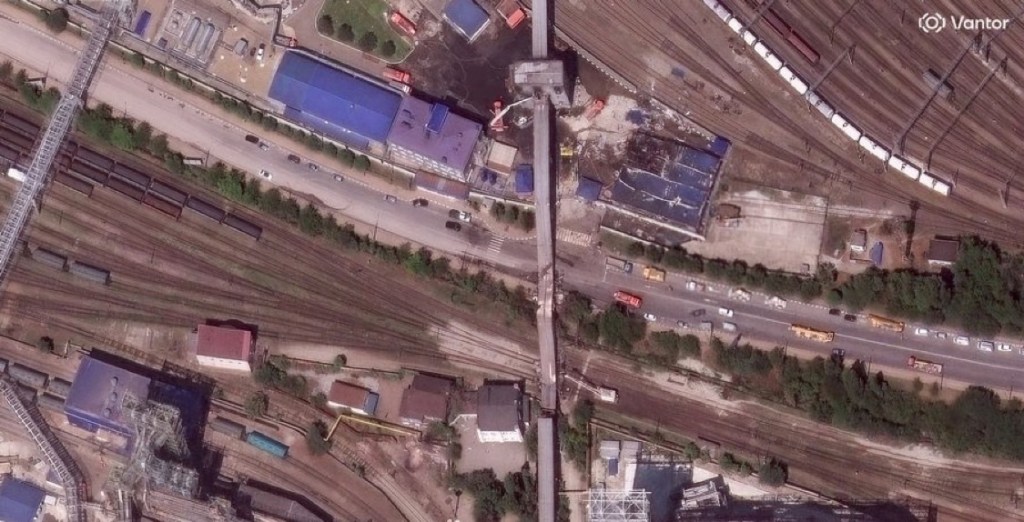
More images have been released online showing damage to grain and port infrastructure.
building damage at the grain facility. Loading terminal for the port damaged. More building damage. Bridge dropped across the train tracks, closing traffic on the road and the tracks. Better shot of the bridge. Before
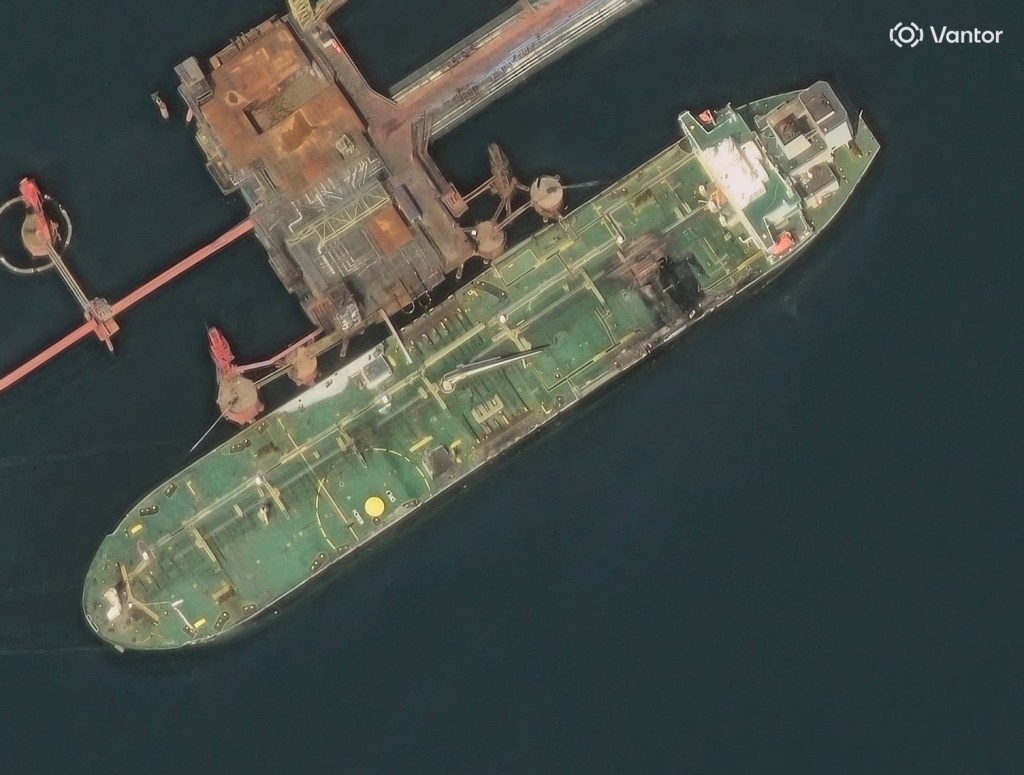
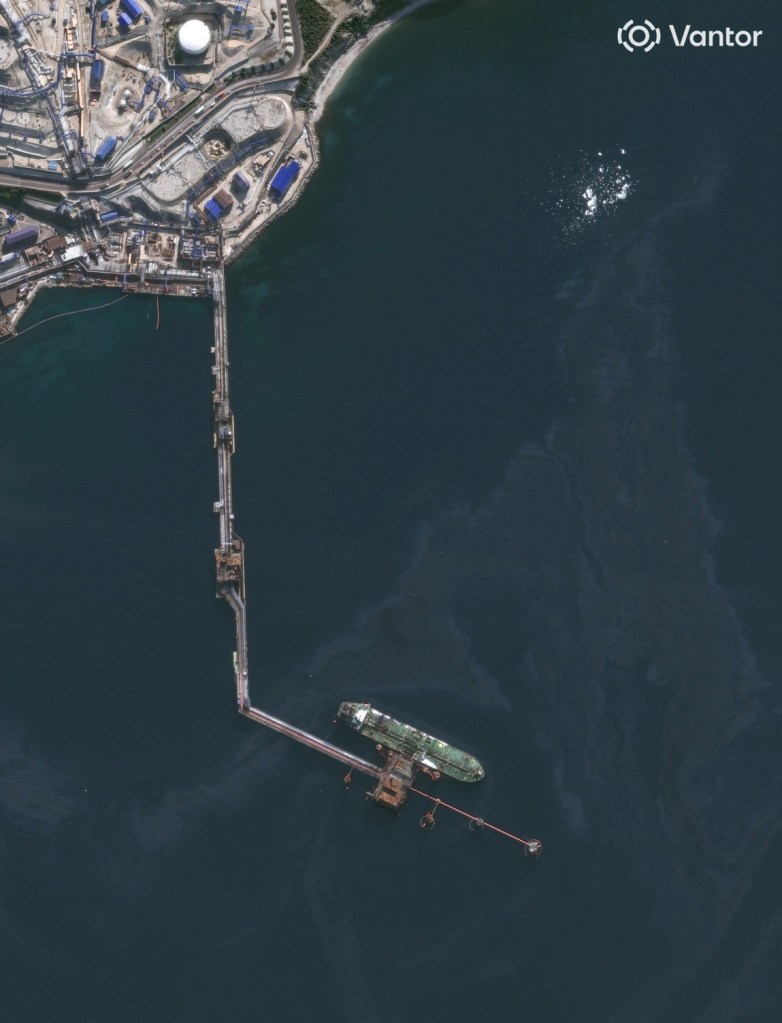
This image is thought to show an oil spill after a tanker was damaged during the attack.
Importance of Novorissiyskz and the fall of the Black Sea Fleet.
Novorossiysk has been important to Russia even before they were forced to pull what remained of the Black Sea Fleet out of Sevastopol in Crimea. Novorossiysk sits at the intersection of key transport corridors linking Russia to the Mediterranean, Middle East, Africa, Asia, and beyond, and connects to major rail and road networks serving Russia’s grain-producing regions in the south and Volga areas. The port handles a large percentage of Russia’s seaborne exports with some estimates putting it at around 20% of all exports. Grain, oil, and general goods all flow through the port.
Russia has invested in expanding the port at Novorossiysk but the recent attacks and the overall war have caused some delays in those plans.
The Black Sea Fleet, once one of the prides of all of the Russian military, is now functionally out of the war as the number of losses has crippled the fleet’s ability to project power.
Early in the war, the fleet was used to launch large, coordinated cruise missile strikes across Ukraine; however, early losses of key ships showed signs of things to come.
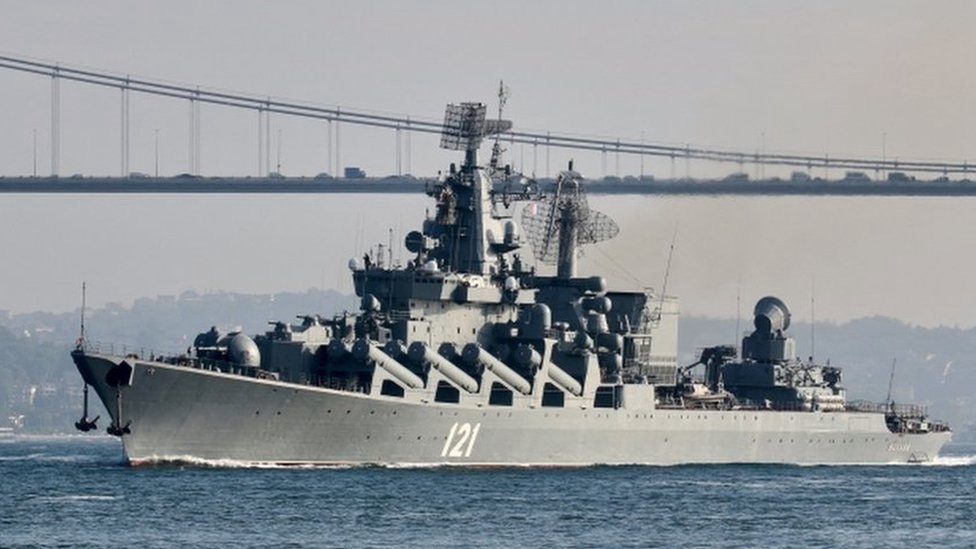
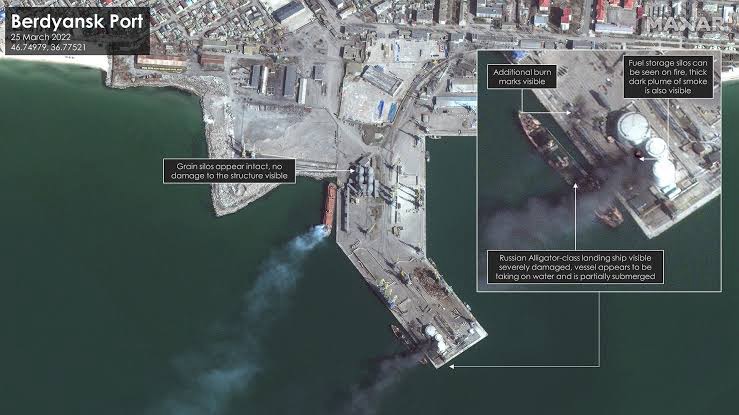
In March 2022, Ukraine took out the landing ship Saratov with a Tochka-U ballistic missile. The next month, the Black Sea Fleet flagship, the missile cruiser Moskva, was lost to a Ukrainian Neptune anti-ship missile. The sinking of the Moskva was a huge loss to Russian command and control, air defense coverage, and prestige.
Soviet era missile cruiser Moskva
By 2023, Ukraine was given stocks of high-tech Western munitions (Storm Shadow/SCALP) as well as improvements to their own domestically produced weapons. This allowed Ukraine to begin striking targets in Sevastopol in Crimea. Infrastructure, dry docks, and ships in port were all targeted, as well as the headquarters of the Black Sea fleet, which was destroyed. In September of 2023, the improved Kilo submarine Rostov-on-Don was struck while in dry dock in Sevastopol.
Destruction of the Black Sea Fleet Headquarters in Sevastopol in occupied Crimea.
Moving into 2023 Russia ability to resupply or conduct amphibious operations with its landing ships is severely degraded as multiple landing and supply ships are sunk. At this point Ukraine has moved on from missiles to surface based attack drones. Multiple Ropucha-class landing ships are lost. Russia was already moving some of the fleet out of Sevastopol by this point, dispersing the fleet to other locations, most ended up at Novocherkassk. Multiple maritime assessments by the United Kingdom and others say that at this point Russia’s Black Sea fleets freedom of maneuver was already under serious pressure.
In 2023-2024 Continued sea drone, aerial drone, and missile attacks made Sevastopol increasingly untenable as a primary operating base. Russia moved the bulk of its remaining major combatants to Novorossiysk on the Russian mainland coast. Key 2024 losses included additional landing ships (Caesar Kunikov), the corvette Ivanovets, the patrol ship Sergei Kotov, and others to USVs and missiles.
Satellite images shows the loss of a landing ship at the occupied port of Berdyansk.
An early war goal for Russia was the taking of the city of Odessa, a major grain and port that’s location was and is strategically important— especially to the defense of the fleet. Hundreds of articles written in the early days of the war covered the possibility of Russia attempting an amphibious landing to take Odessa. By early 2024, those articles have become irrelevant as the estimated 9-12 operational prewar landing ships have been attrited to 4.
Article covers a possible Russian amphibious landing of Odessa.
By mid-to-late 2024, Western assessments (including UK MoD) characterized the BSF’s surface strike role as “functionally inactive.” Russia retained the ability to launch Kalibr missiles from surviving surface ships and especially submarines, as well as from coastal batteries (Bastion-P and Bal systems), but large-scale surface operations in the western and central Black Sea had largely ceased. Ukraine successfully opened and sustained a maritime grain corridor (mainly from Odessa) under these conditions.
That brings us to now. The Russian Black Sea fleets most important assets are the ships that are already damaged and awaiting repairs. Repairs and maintenance have slowed to a crawl because ships in dry docks are often targeted and destroyed. Even Submarines faced growing threats from underwater drones and combined strikes. Surface ships and support vessels continued to take losses. By early 2026, Ukrainian Ministry of Defence assessments (corroborated in broad terms by independent analyses) indicated that approximately 30% of the fleets pre-war combat strength had been destroyed or seriously damaged. Some counts of major combatants and overall capability degradation run higher depending on their individual methodology.
Novorossiysk became the fleet’s last major functional base and primary concentration point. Russia fortified it with air defenses and other measures, and some submarines were fitted with counter-drone cages and partially submerged at berth for protection. However, Ukrainian long-range systems (aerial drones, Neptune variants, surface drones, and coordinated multi-domain packages) repeatedly have managed to reach the port.
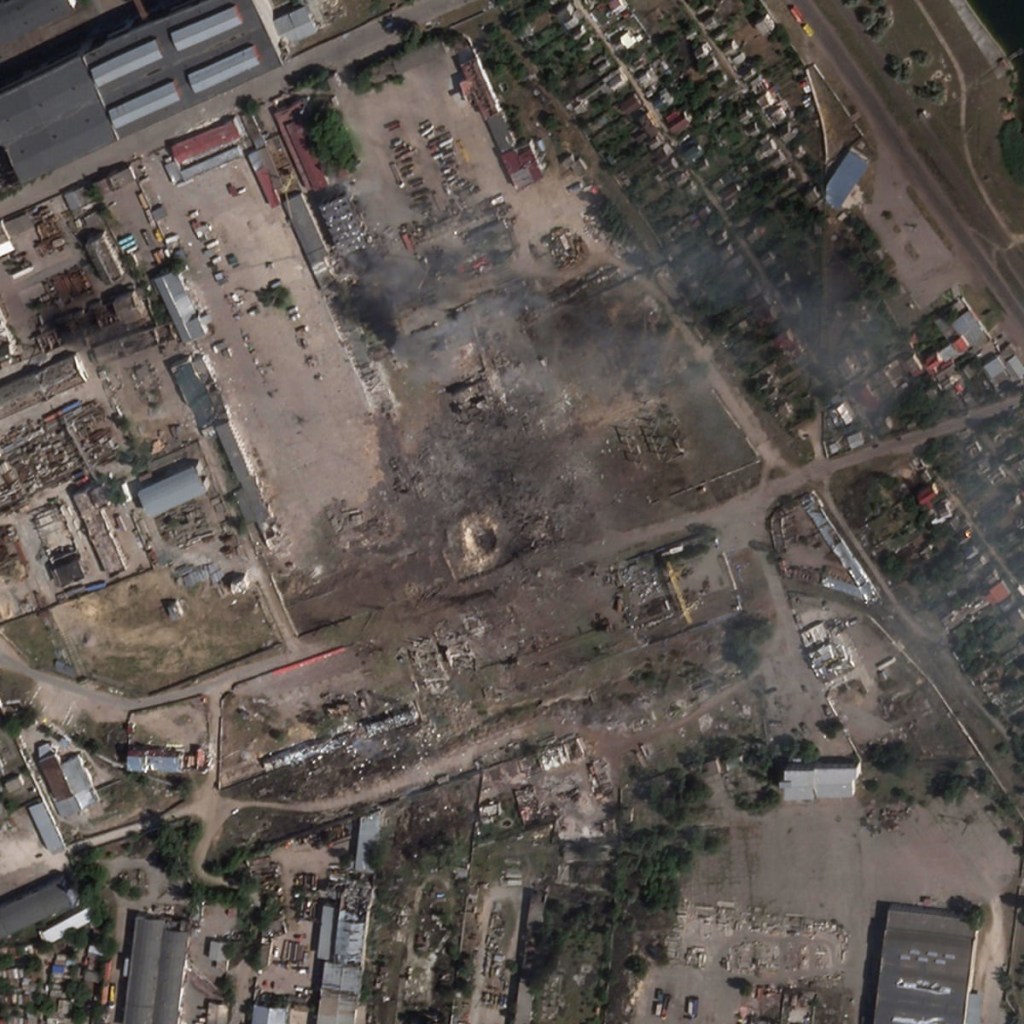
Image shows the aftermath of a Ukranian HIMAR strike on Nova Kakhovka, in Russia-occupied Kherson early in the war.
In the next month, Turkey will transfer a large quantity of surplus munitions to Ukraine. The list is made up exclusively of U.S. made long-range strike weapons and artillery platforms according to documents sent to the U.S. Congress. If approved, which it should be, the transfer marks one of the largest transfer of U.S. made weapons by a third country.
70 M39 ATACMS tactical ballistic missiles
2,500 M26 DPICM rockets
12x M270 MLRS launchers
47,000x 203mm DPICM artillery shells
The U.S. state department notified Congress of the transfer through documents delivered around August 3 and published in the Congressional Record on August 6,. Because the systems are American-made, U.S. authorization is required under the Arms Export Control Act for re-export. The U.S. government has indicated it is prepared to authorize the deal, describing it as consistent with its security assistance objectives. Delivery of the weapons will take place after the mandatory congressional review period (often cited as 15 days.) Congress is in recess at the moment and that 15 days will overlap and likely go through as the transfer doesn’t require Congress to approve, just that they don’t deny it.
The 12 HIMARS in the list are believed to make up the last of Turkeys HIMARS. Turkey is currently in the middle of an extensive modernization effort of its military so cleaning out some of its older equipment to make room for the new makes sense for them.
The list is made up of munitions that Ukraine has already used in this war previously. Some to great effect.
Video shows the deployment of M26 DPICM rockets against a Russian S-400 anti aircraft defense battery.. These HIMAR launched cluster munitions are highly effective against enemy infantry and any equipment that’s not spread out enough.
The relationship between Moscow and Ankara could be a full article itself covering all of the intricacies with many cases of cooperation and competition. Their relationship could be described as something like a cooperative rivalry. These two nations have worked together in areas like Syria and Turkey has vehemently supported Ukraine’s territorial integrity and right to defend itself.
M142 HIMARS
The M142 High Mobility Artillery Rocket System (HIMARS), is a light multiple rocket launcher (MRS) mounted on a M1140 truck frame. Developed in the 90’s for use by the U.S. Army, it saw its first operational combat use in the Iraq War.
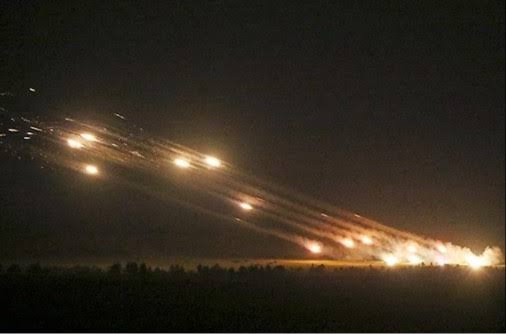
HIMARS being fired at nights
Now moving onto the munition, the ATACMS, which stands for Army Tactical Missile System, is a family of 24 inch surface-to-surface missiles. For our purposes we only have to talk about a couple specific ones.
M39 (ATACMS BLOCK I)
HIMARS launched inertial guidance short-range ballistic missile with a range of 16–103 miles (25–165 km). The missile carries 950 M74 Anti-personnel and Anti‑materiel (APAM) bomblets which can completely shred anything within around 140 square feet.
The M26 DPICM rockets being sent are also fired from the HIMAR (and the M270 MLRS) carries a cluster warhead filled with 644 M77 Dual-Purpose Improved Conventional Munitions (DPICM) submunitions designed to suppress area targets, armor, and personnel out to 20 miles (32 km).
The last munition talked about was the M509A1 203mm DPICM artillery shells, another cluster artillery munition. This one carries 180 M42/M46 dual-purpose anti-personnel and anti-armor submunitions out to the range of around 14-18 miles depending on the artillery used.
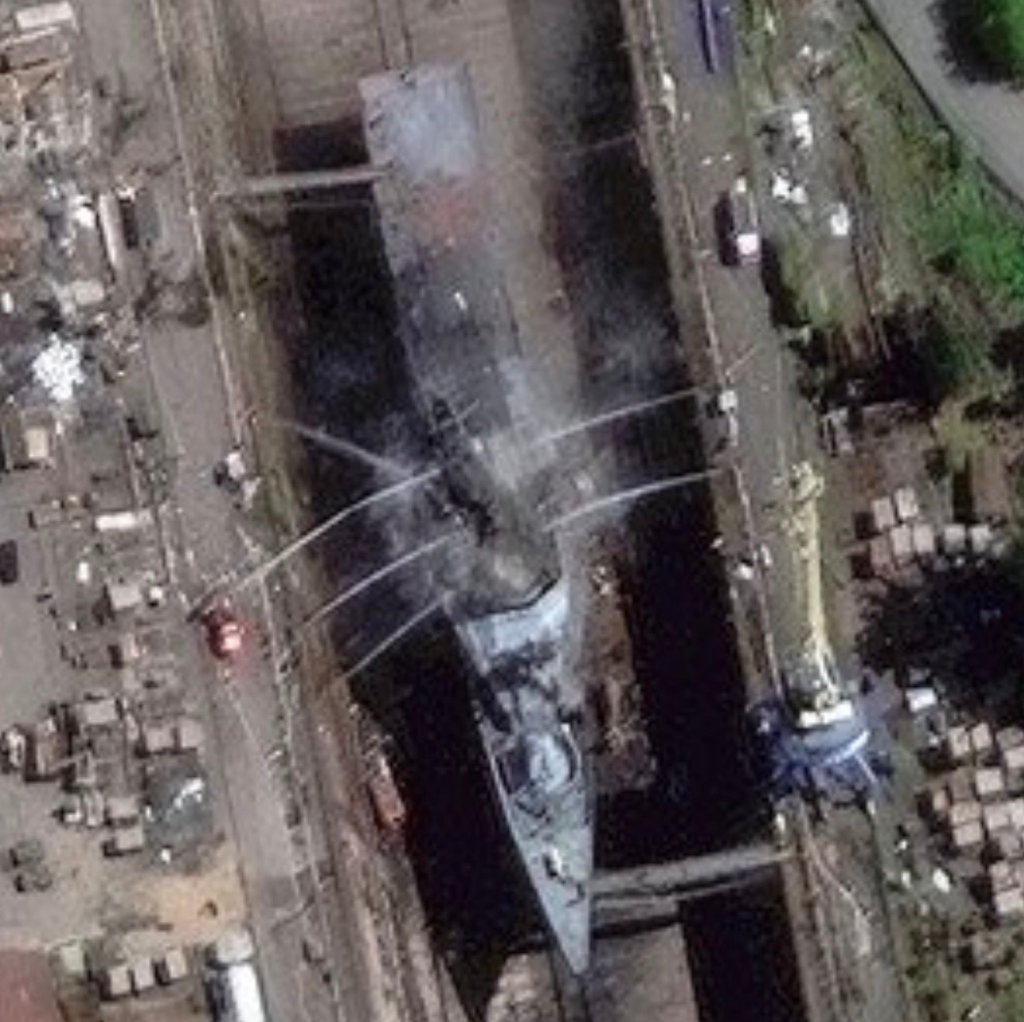
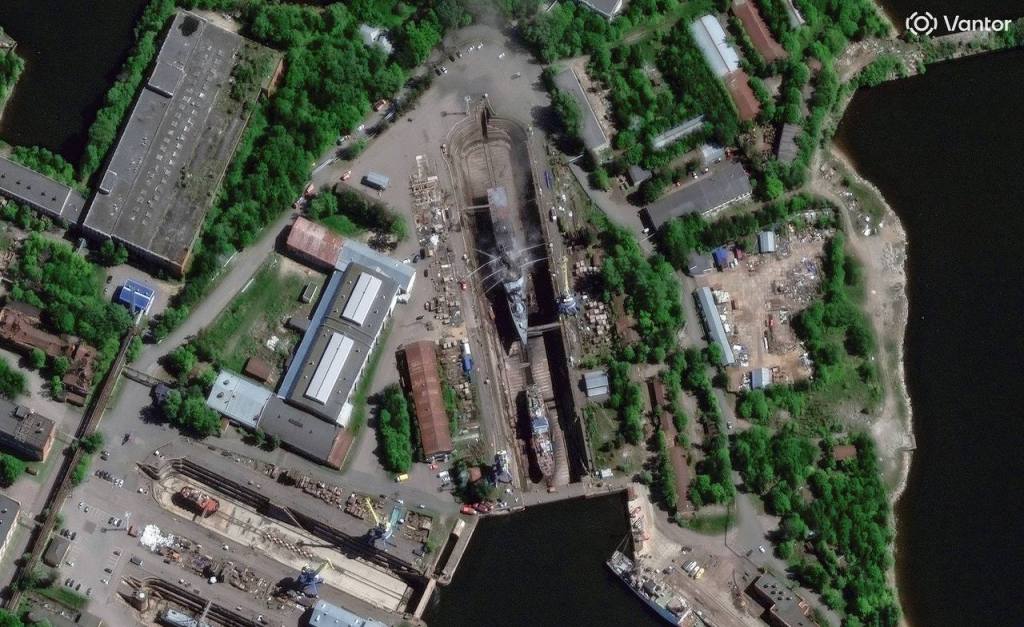
Satellite images and video shows the damage after yesterday mornings’ attack on the Russian warship Boikiy, a Project 20380/Steregushchiy-class Corvette in the Baltic Sea Fleet. The ship was attacked during a large Ukrainian drone wave that struck St. Petersburg and the Kronstadt naval base that’s nearby. The ship was struck twice in videos released by Ukraine. Video released later on shows fire crews battling a large fire near the center of the ship.
The ship was in drydock at the Kronstadt naval base near St. Petersburg. It has been there since February of this year receiving routine maintenance and repairs.
This ship is thought of by maritime experts as one of Russia’s most modern warships. it serves as a multipurpose corvette mainly designed for littoral zone operations, engagement of enemy submarines and surface ships, and gun support of landing operations.
⚓️🔥🔥 Russian Corvette Hit at Kronstadt
New satellite imagery shows Russian crews battling a fire aboard the guided missile corvette Boikiy after Ukrainian drones struck the vessel in dry dock at Kronstadt, the main base of Russia’s Baltic Fleet near St. Petersburg. Ukrainian… https://t.co/5EBEJFdgumpic.twitter.com/pkeZbaAKEz
— 🇺🇦 Ukraine Frontline_Daily (@ukraine_frontup) June 4, 2026
The ship carries a crew of 100 and displaces around 2,200 pounds. Its size has given it the classification of a “Frigate” in western navies as it’s a little bit bigger than what is generally considered to be a corvette.
While its size is on the small side its armament is anything but. It has a weight provision eight SS-N-25 missiles (KH-35) (NATO reporting name AS-20 ‘Kayak’) a Turbo-jet subsonic, anti-ship missile. After the first ship in the Steregushchiy was built the CIWS system was removed and replaced with x12 Redut VLS Cells loaded with 9M96E2 missiles (Used in the S-400 anti air system).
Global Conflict Reporting is a completely independent project run by one person, If you would like to support my work you can sign up for a membership on the Patreon (Link below), or one time/reoccurring donations through the website.
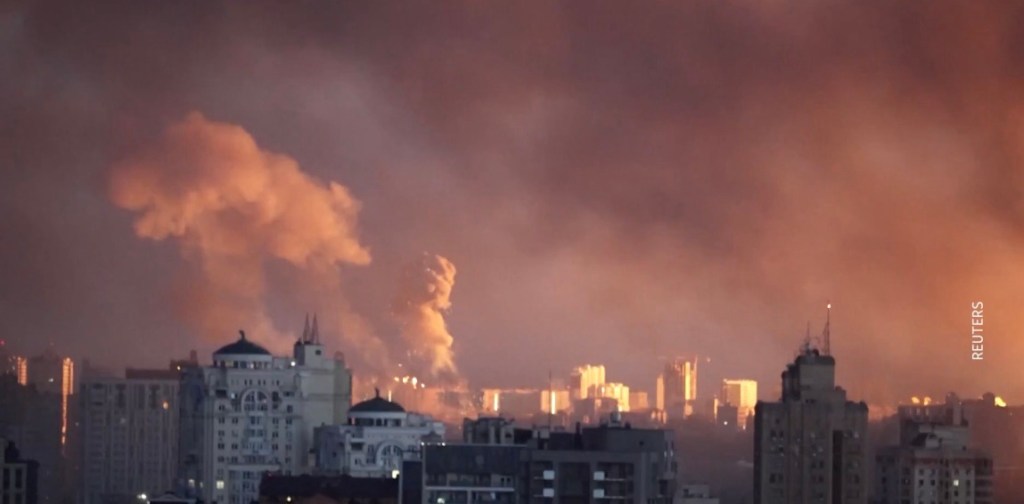
Overnight on May 23-24 2026, at least four people were killed and 100 wounded in one of the largest Russian air attacks in years. While strikes were launched across multiple regions, the main target was clear: the capital, Kyiv.
Video shows moments from the Russian attack on Kyiv.
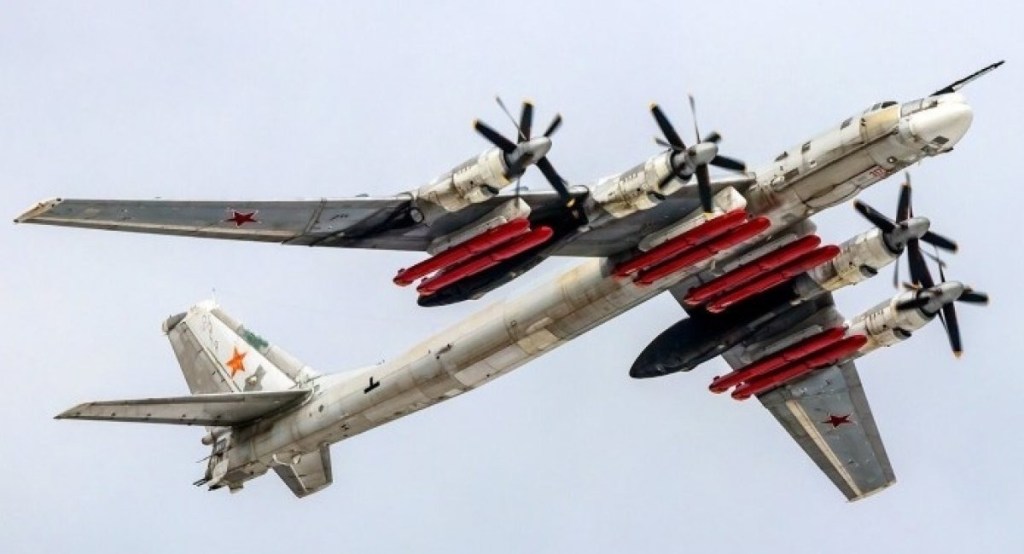
The city was hit with multiple Kh-101/Kalibr cruise missiles, Shahed drones, and ballistic missiles. After 1 a.m., explosions rang out across Kyiv following a warning from the United States and Europe that Russia might launch one of its hypersonic Oreshnik ballistic missiles. This was not only one of the largest recent attacks — it ranks among the largest of the entire war with 90 missiles (including 36 ballistic) and an estimated 600 drones being used in the attack.
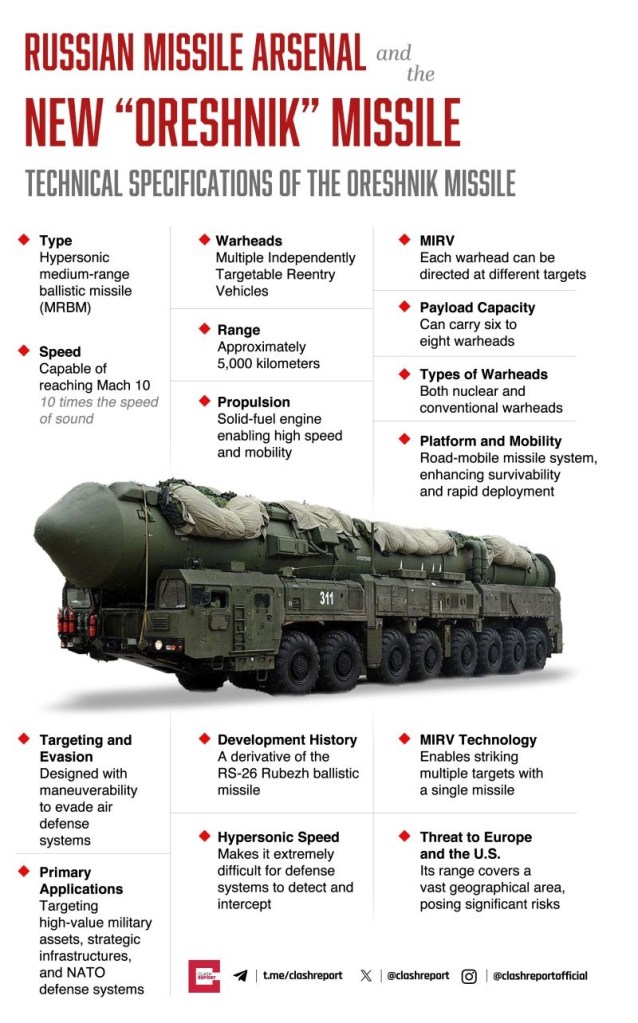
Videos from Bila Tserkva, a city roughly 40 miles (64 km) from Kyiv’s outskirts, captured the Oreshnik strike. It is not yet known what, if anything, was damaged or why that area was targeted in specific. Although the attack looked dramatic, the Oreshnik intermediate-range ballistic missile (IRBM) was designed primarily as a nuclear delivery system. It is very similar to Russia’s RS-26 Rubezh (NATO: SS-X-31), which was test-fired a handful of times but never fully fielded. Both missiles are equipped with multiple independently targetable reentry vehicles (MIRVs). These break apart into six individual submunitions during the exo-atmospheric flight phase, allowing them to strike separate targets — a capability ideal for delivering multiple nuclear warheads.
Some information of the Russian Oreshnik missile.
In its non-nuclear form – which lacks any conventional warhead and relies solely on kinetic energy – the Oreshnik has so far proved to be more of a threat than a practical battlefield weapon. Nuclear weapons experts have described its accuracy as “good enough to deliver a nuclear weapon, but not enough to deliver conventional weapons effectively.” Last night marked the third known use of the Oreshnik. It was deployed on November 20 2024 to hit Ukraines PA Pivdenmash facility in Dinipro, and again earlier this year on January 6 to hit the city of Lviv.
The hours-long attack sent Kyiv residents huddling in subway tunnels and other designated bomb shelters as Russia appeared to fire missiles at random. Russian Telegram channels shared a photo of a damaged apartment block and claimed it was the headquarters for the entire Ukrainian Army. One area hit particularly hard was the Lukyanivka district, north of Kyiv’s city center. That district is home to a missile production plant that has been targeted multiple times during the war. Apart from those specifics residential buildings, a market that burned down several schools, and a water supply facility along with damage reported in dozens of other locations across multiple districts.
“It’s important that this does not remain without consequences for Russia…“Decisions are needed – from the United States, from Europe and others.”
President Volodymyr Zelenskyy said on the Telegram messaging app, urging international action.
Ukraine’s Western allies have described the use of an IRBM as an escalation. Germany and the UK condemned the attack, while Kaja Kallas, the European Union’s top diplomat, accused Moscow of “a political scare tactic and reckless nuclear brinkmanship.”
Russia described the attack as retaliation for an attack they claim targeted student dormitories, among other recent Ukranian drone strikes. Ukraine says that they only strike “military and military supporting infrastructure.”
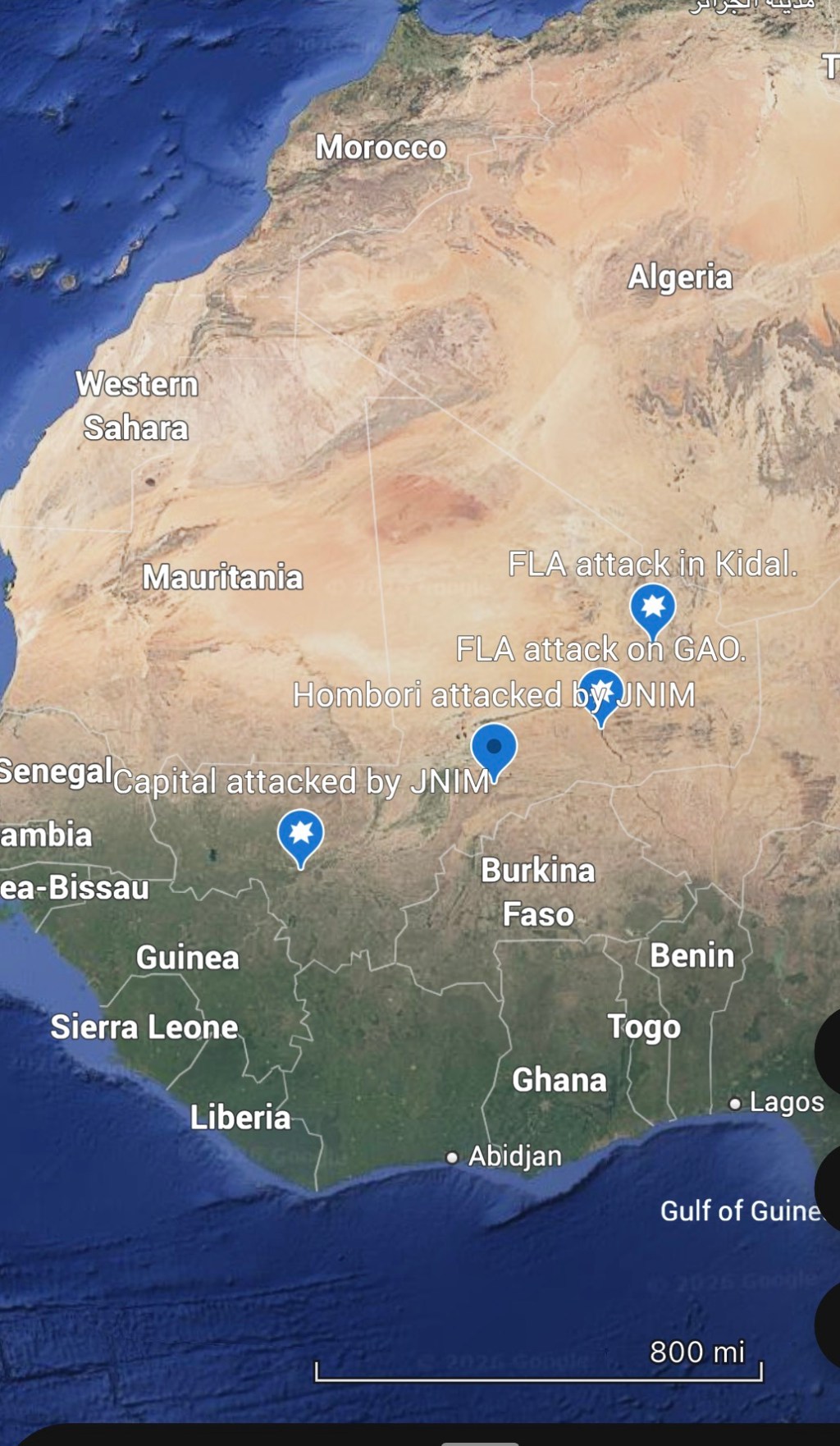
Five days ago on April 25th, armed Tuareg militia groups coordinated with Al-Qaeda Sahel affiliate Jihadist group and launched a coordinated attack on strategic positions across Mali, striking government and military sites and several key cities. These attacks forced the withdrawal of the Russian Africa Corp and Malian armed forces from several of the cities they were defending.
Since the initial attack it’s been reported that the countries Minister of Defense–Sadio Camara, was killed by a suicide truck bombing that targeted his residence in the town of Kati, a suburb of the capital in Bamako. Government spokesman Issa Ousmane Coulibaly read a statement on state tv in the aftermath that said Camera was killed when “a vehicle laden with explosives and driven by a suicide attacker targeted the minister’s residence”.
Minister of Defense for Mali Junta, Sadio Camara.
The statement went on to say that Camera had killed several of his attackers in an exchange of gunfire before the explosion. The explosion collapsed Cameras residence and also destroyed a nearby mosque, killing a number of worshippers. Mali state TV also reported three members of Camera’s family also died in the attack.
Mali’s current leader is said to be in hiding in the aftermath of the attack, at this time nobody has seen or heard from him, many believe him to have been killed in the attack but that is not confirmed. Regional African sources report he was present in Kati at the time of the attack but was moved by military convoy to Samanko camp, a camp for the special forces men he once commanded before taking power in the coup. Had he been killed it’s very likely the group responsible would have taken credit for it.
(Update: Gen Assimi Goita is confirmed to be alive. His office photographed him in a meeting with Russian ambassador, Igor Gromyko.)
Assimi Goïta, President of Mali
Attacks were reported in the capital city of Bamako in the south, and Gao and Kidal in the North. While the government claimed a successful defense, videos were released from Gao and Kidal showing Malian and/ Russian forces pulling out while being filmed by the attack militias.
Multiple videos and reports from the region indicate that the Tuareg rebels have taken complete control of Kidal. This is a large strategic hub in the north of the country and is also considered a homeland of the Tuareg people.
General Goïta led two coups, one in August 2020 which resulted in the ousting elected President Ibrahim Boubacar Keïta amid massive protests over corruption and failure to stop the insurgency and another in May 2021 when he removed the interim civilian president. The Junta and General Goïta promised a quick return to civilian rule and elections but instead, the junta consolidated power. In July 2025, a transitional parliament granted Goïta a renewable five-year presidential term.
Mali has been in a near-continuous war since a 2012 Tuareg rebellion in the north. This was focused mostly on the Azawad region. This rebellion was hijacked by jihadists, leading to French intervention, a 2015 peace deal, and repeated flare-ups. The country remains deeply divided: the south (Bamako/Kati) is the political/military heartland, while the north and center are contested by separatists and jihadists. Do
The junta expelled French forces (Operation Barkhane) in August of 2022 and UN peacekeepers (MINUSMA) in June of 2023, citing ineffectiveness. They turned to Russia for security help, Russia sent infamous mercenary company Wagner Group which arrived sometime in 2022 then Wagner was rebranded/replaced by the Russian state-linked Africa Corps after the death of Yevgeny Prigozhin. Russian forces have fought alongside Malian troops against both jihadists and Tuareg rebels, helping retake some northern areas (Kidal in 2023).Results, however, have been limited with violence persisting and widespread accusations of civilian abuses. On top of everything, the junta has faced growing isolation from the West and ECOWAS.
Footage released by the Russian African Corps showing their fighting in Mali over the last few days.
The fighting is still ongoing. Looking at reports from all sides we are able to get a sense of where the current hotspots still remain.
-Northern Mali.
(Kidal, Gao, Sévaré/Mopti areas)
Clashes continue. Tuareg rebels (FLA) m claim control of Kidal and parts of Gao and other towns. Russia’s Africa Corps confirmed it withdrew from Kidal on April 27 after heavy fighting, alongside Malian troops. Rebels say they are holding positions across the north in areas like Goa and near Timbuktu.
-Bamako and Kati
Malian authorities say they have largely repelled the main assaults and describe a “fragile calm” in the capital and Kati military base. However, multiple eyewitness and social-media reports from April 27th describe heavy gunfire, several large explosions, and drone sightings near Sénou International Airport (just south of Bamako). Flights have resumed but remain limited.
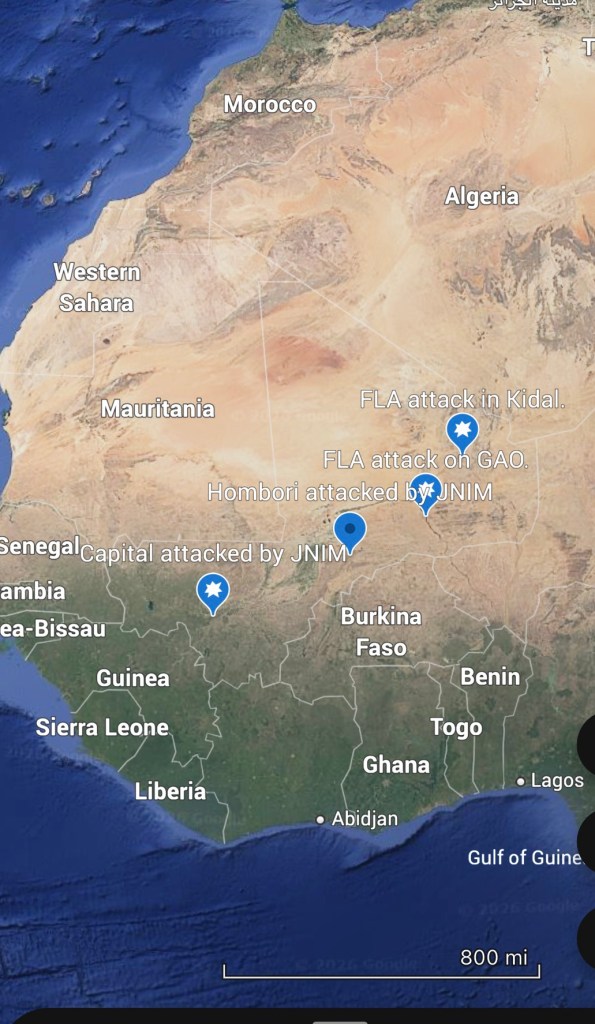
Today (April 30th), video footage shows that JNIM fighters have taken the town of Hombori, in the area of central Mali.
The JNIM/FLA coalition attacked and took control of the Malian military base in Hombori, Mopti region in central Mali this morning. pic.twitter.com/r0k9NrbSHl
Bamako has seen sporadic fighting in the lead up to this large attack, often supply routes would be attacked. In 2024 JNIM launched an attack that targeted Malian Army and Wagner Group bases, a gendarmerie training center in Faladie, and areas near Modibo Keita International Airport. Until now this was the largest attack on Junta targets since the coup.
Clashes are ongoing between the Azawad Liberation Front (FLA) and the Malian Armed Forces (FAMa) in the rural commune of Gourma-Rharous in the Timbuktu Region. pic.twitter.com/CYMz0Tup3u
In 2025 JNIM enforced a months-long fuel blockade by attacking tankers and supply routes from Côte d’Ivoire, Senegal, and elsewhere. This created a de facto siege on Bamako and southern Mali, causing severe fuel shortages, blackouts, long lines for fuel and food, and economic hardship. It was designed to pressure the junta without needing to attack the city directly.
Pro-government and Junta sources insist that the military beat back the attackers on all fronts however no new footage or other evidence has been released that gives credit to those claims and in fact, the evidence we do have aadds more support to the contrary.
Over the past 24 hours, the Africa Corps’ aviation has conducted multiple strikes against identified concentrations and camps belonging to the Azawad Liberation Front (FLA) and Jama'at Nusrat al-Islam wal-Muslimin (JNIM), an affiliate of Al-Qaeda in the Islamic Maghreb. pic.twitter.com/GdvYlIt5sU
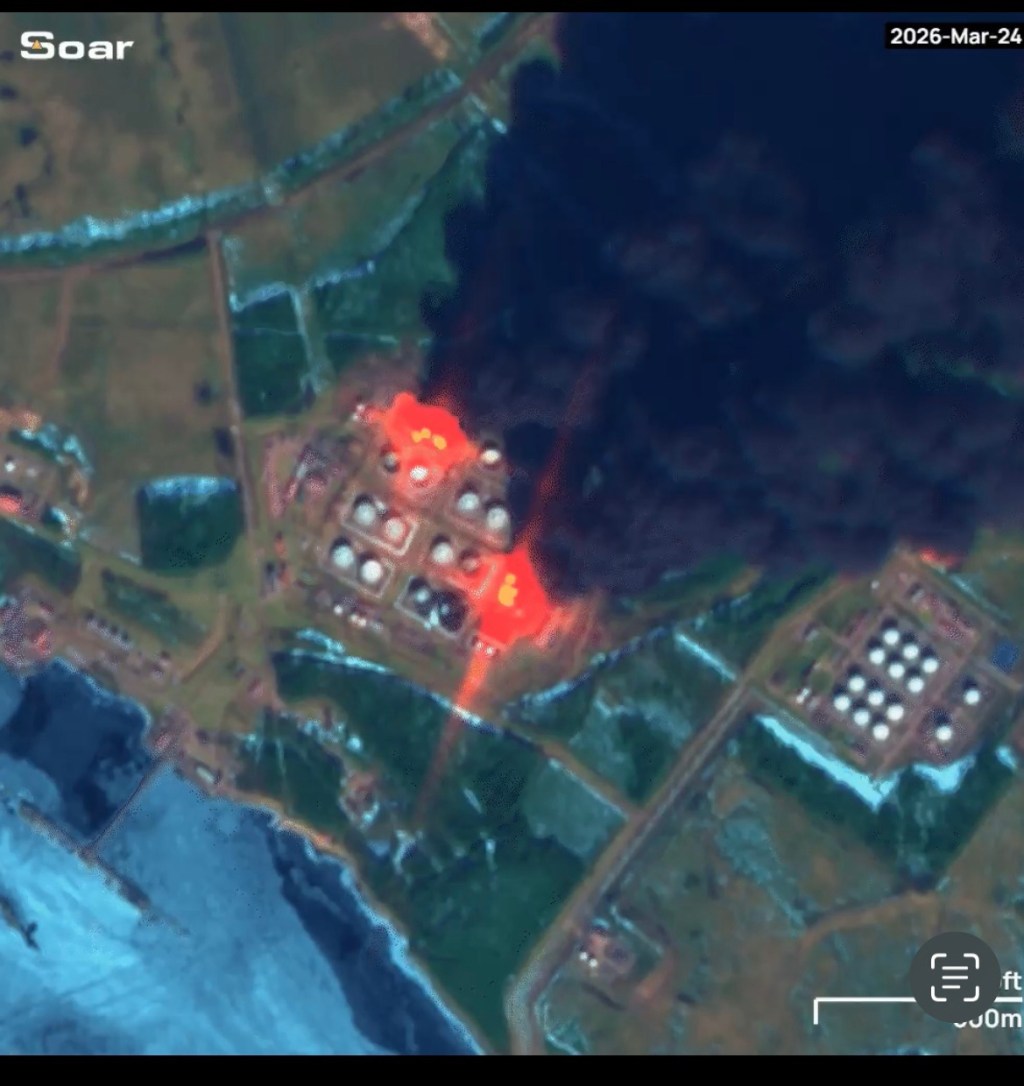
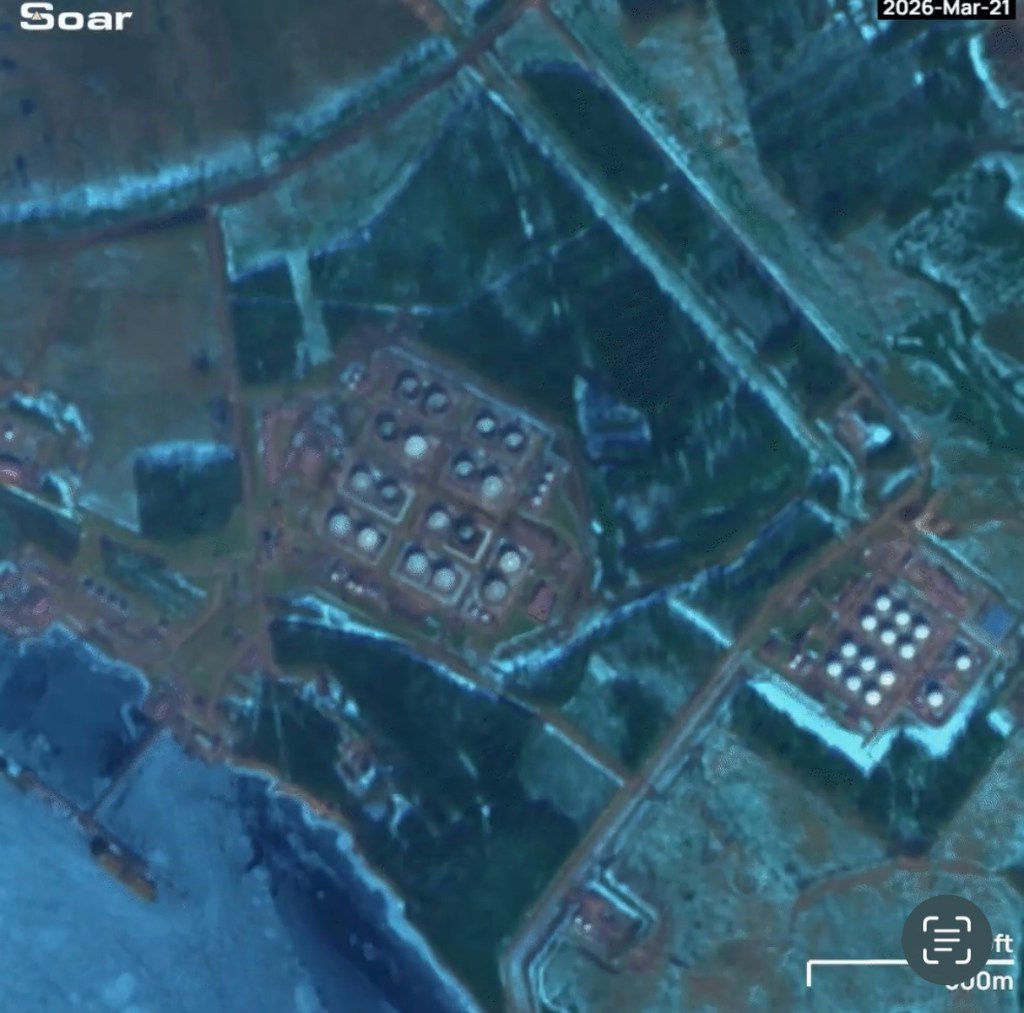
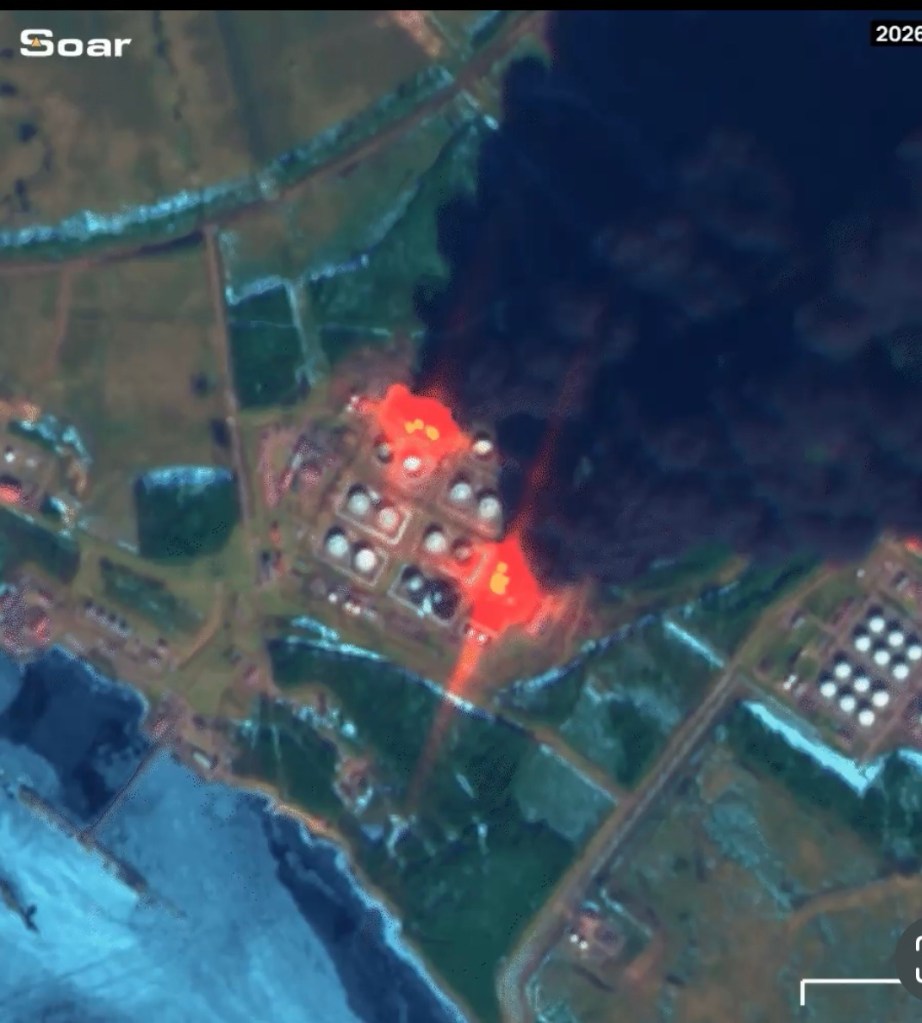
On March 22nd going into the 23rd Ukraine launched a large-scale drone attack on the Primorsk Oil Port in the Leningrad region, in the coast of the Gulf of Finland.
Image taken March 21st 2026 of the Primorsk Oil Port shows the terminal before the strike. Satellite image released by Soar and taken March 24th, 2026 shows the result of the attack with multiple destroyed and damaged oil storage tanks.
Ukrainian forces launched a long-range coordinated attack using multiple Kamikaze drones which traveled through hundreds of miles of Russian air defense and struck the facility, damaging multiple fuel storage tanks in the compound. Leningrad Governor Alexander Drozdenko publicly confirmed fires in “several fuel reservoirs” and said emergency crews had been fighting the blaze while workers were evacuated.
The fires were still burning 48 hours after.
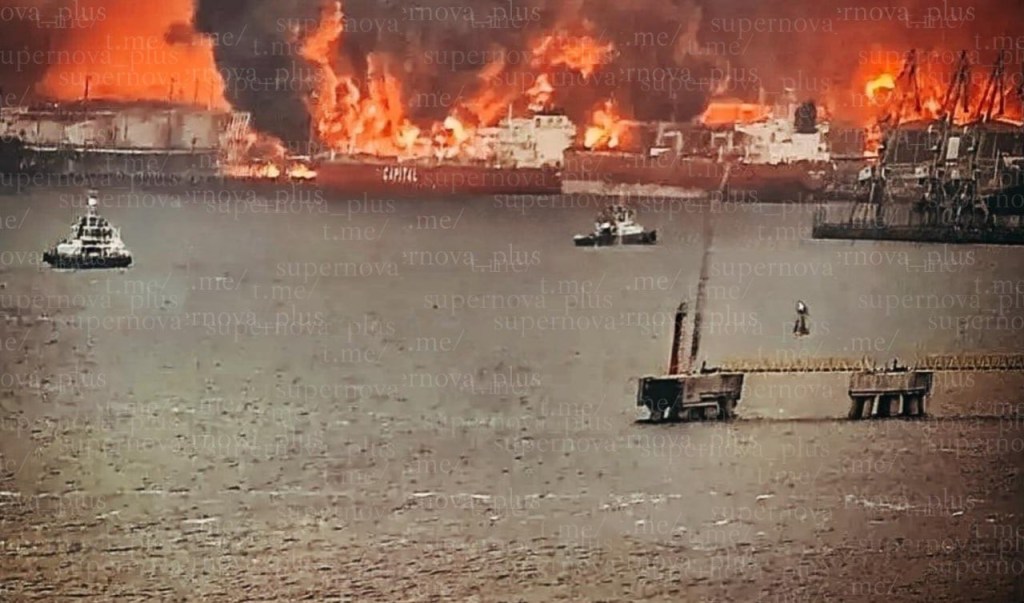
An image taken after the attack on Ust-Luga.
On the next night night a similar attack was carried out directly across the Gulf of Finland on the Ust-Luga terminal, along with many other oil production facilities in that general area in what Ukraine is calling the single largest night of drone attacks in the war.
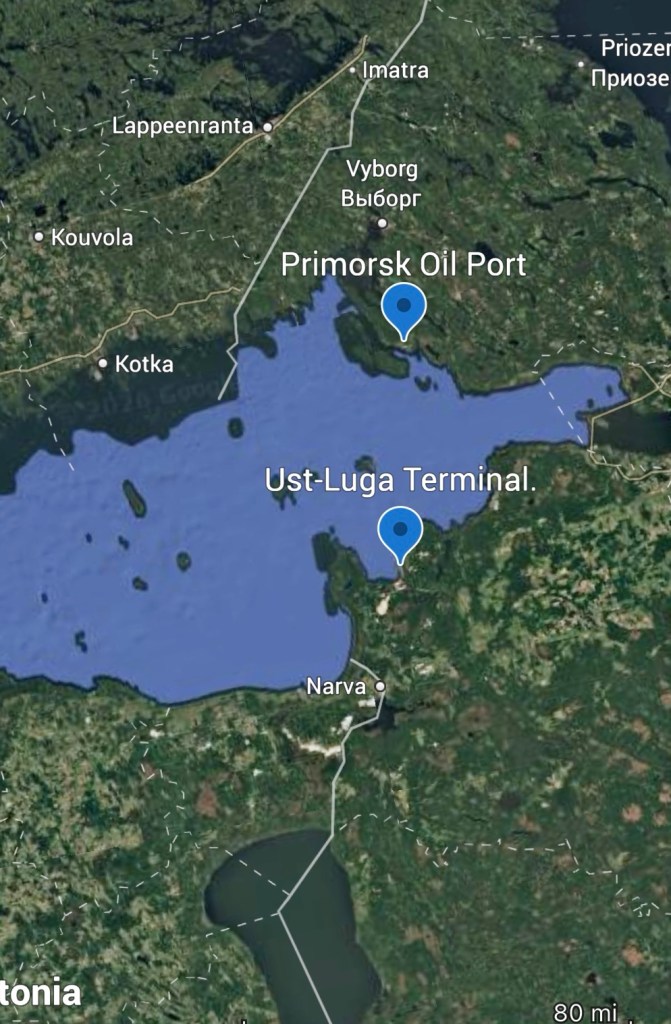
No satellite images have been released yet but we’ve plotted out both locations on Google Earth to show the proximity of the terminals to each other.
As of this month the attacks in Russia’s oil industry has caused a drop in exports by 40%. Ukraine is attempting to disrupt any Russian infrastructure that finances the ongoing war. Both sites halted production on Wednesday.
Around the time the Ust-Luga site was hit, one Ukrainian drone landed in Latvia and one crashed at an Estonian power station without causing damage.
A source that spoke to Reuters told them that the reserves had been lit on fire and that Ust-Luga had been sealed off.
The attack damaged oil loading stands as well as the tanks. The tanks are a fairly easy thing to replace but the equipment to transfer the oil to the ships is more expensive and harder to get making these strikes more devastating than just hitting the oil.





You must be logged in to post a comment.