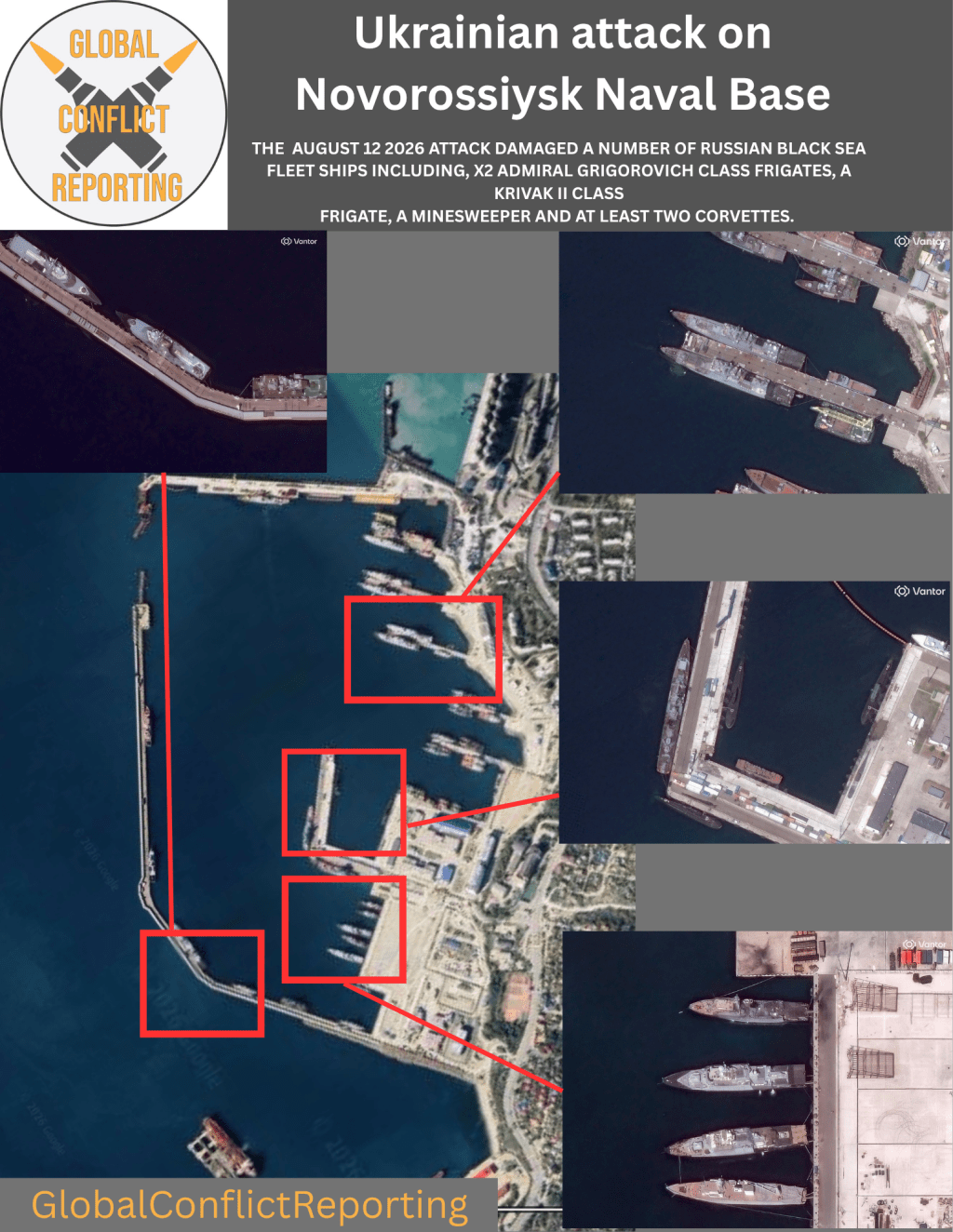
On Wednesday, August 12 2026, Ukranian forces launched a massive attack on the Russian Black Sea port city of Novorissiyskz. The attack was one of the largest that have hit the city and targeted warships at the naval base as well as at least two major grain terminals that were forced to shut down.
Ukrainian President Vladimir Zelenskyy described the attack as a success and said that Ukraine had launched a unique mixture of long-range drones and weapons to target Russian fleet vessels in the bay area of the city. He called out damage to Russia’s Admiral Essen and Admiral Makarov frigates, a large landing ship, a corvette, and other vessels were struck in the attack.
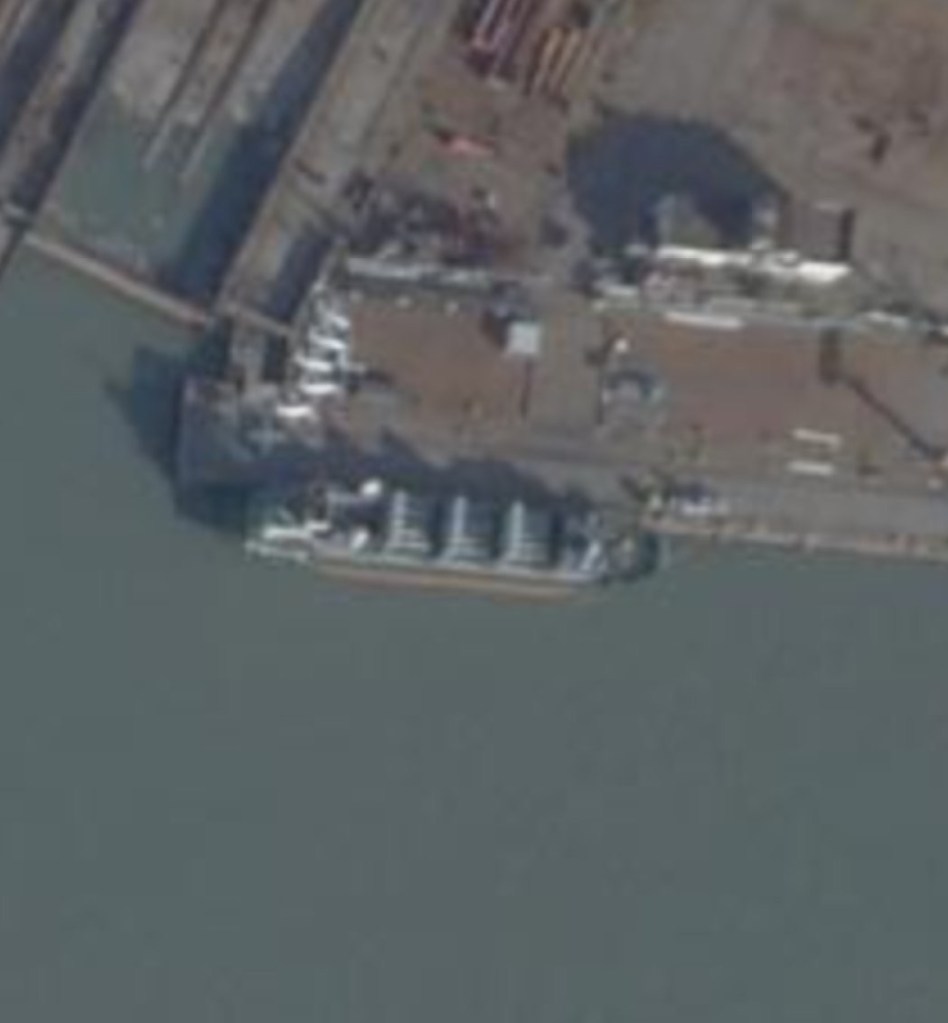
Satellite images below show the damage to the vessels.
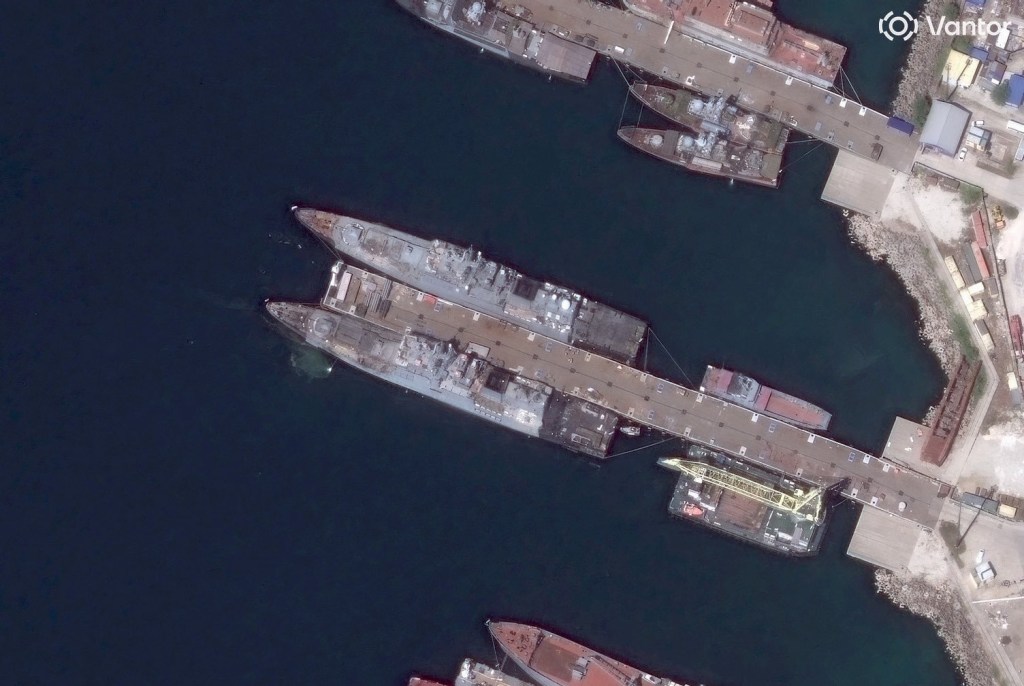
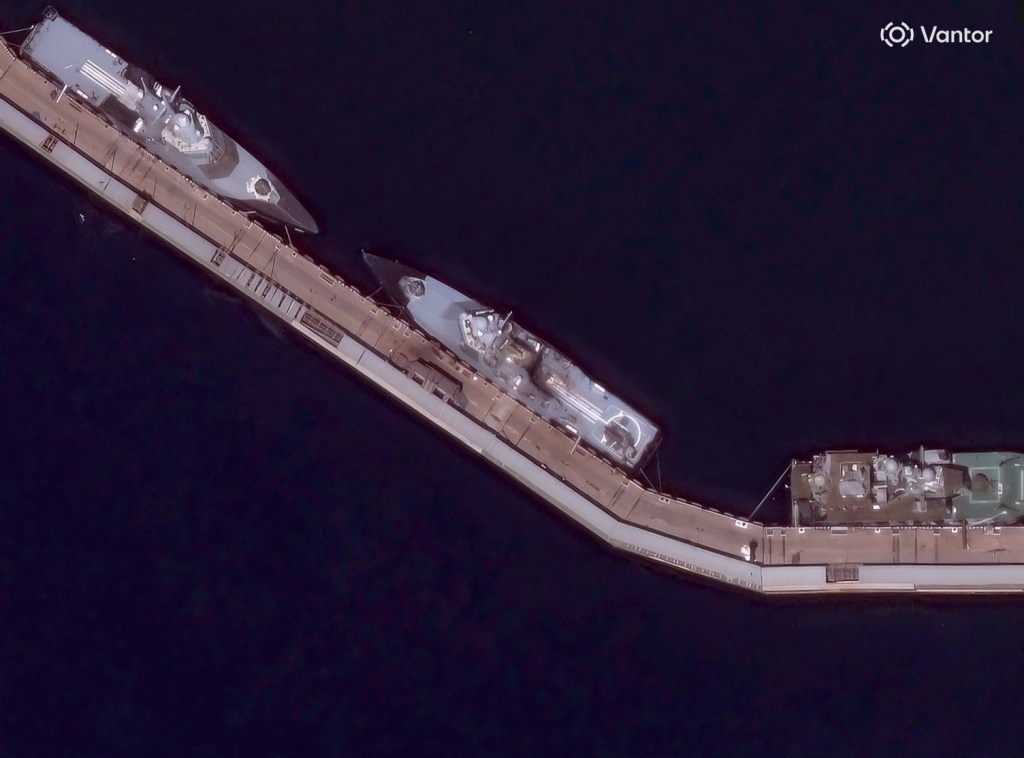
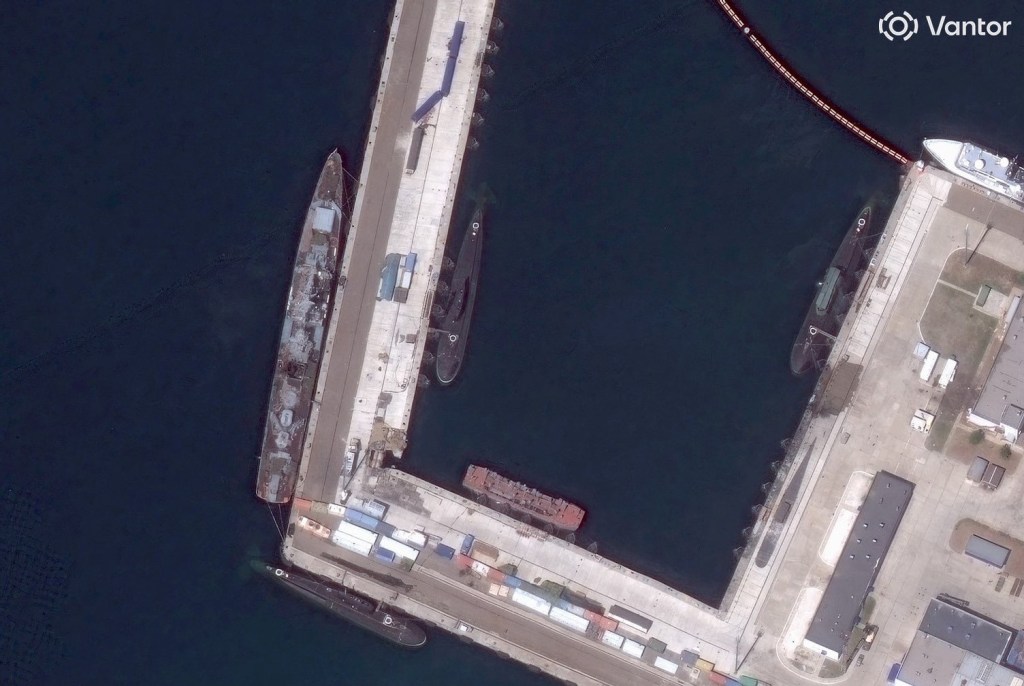
Project 1135M / Krivak II Class Guided Missile Frigate, Pitlivy. Damage to the ship appears to focus on the smoke stack. It’s possible the two Kilo class submarines were also damaged but it’s not clear.
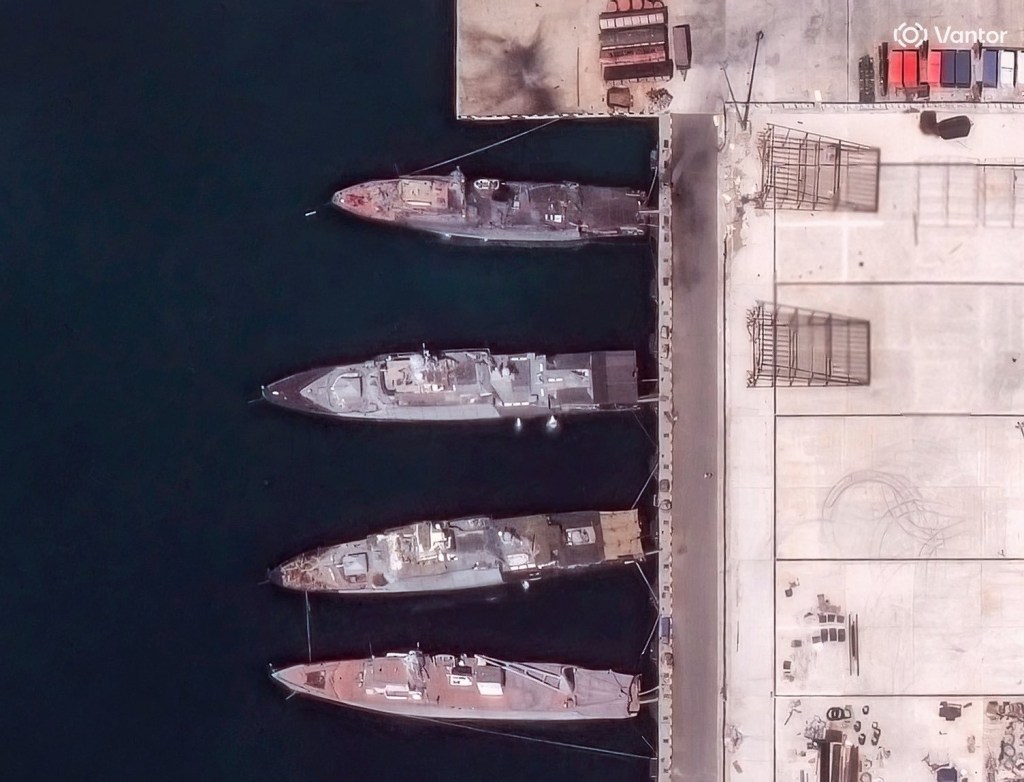
The marks that were noted with the images look like what’s known as short-duration fires, indicative of a drone strike. That is a quick blast and maybe a bit of lingering fire. It’s a lot harder to tell from this resolution what exactly is damaged on the ships and surrounding area.
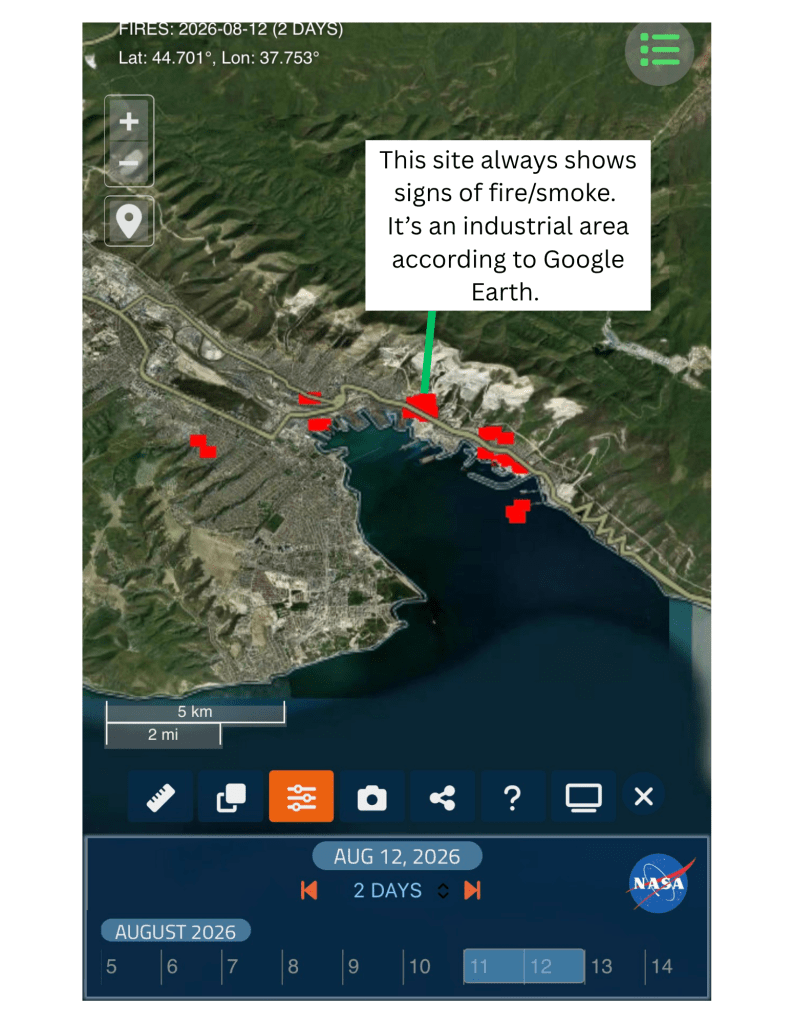
After the attacks NASA FIRMS detected fire at multiple areas around the city.
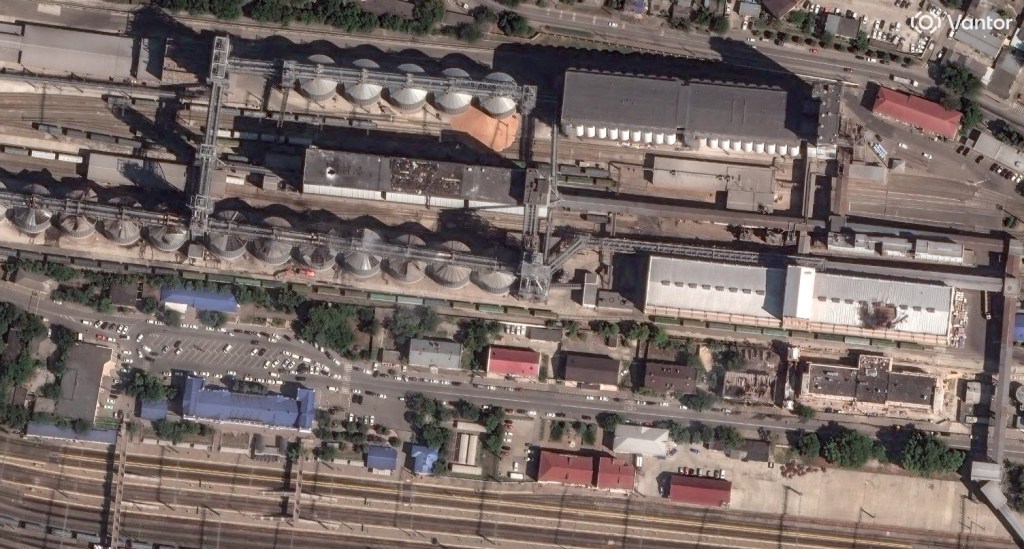
More images have been released online showing damage to grain and port infrastructure.
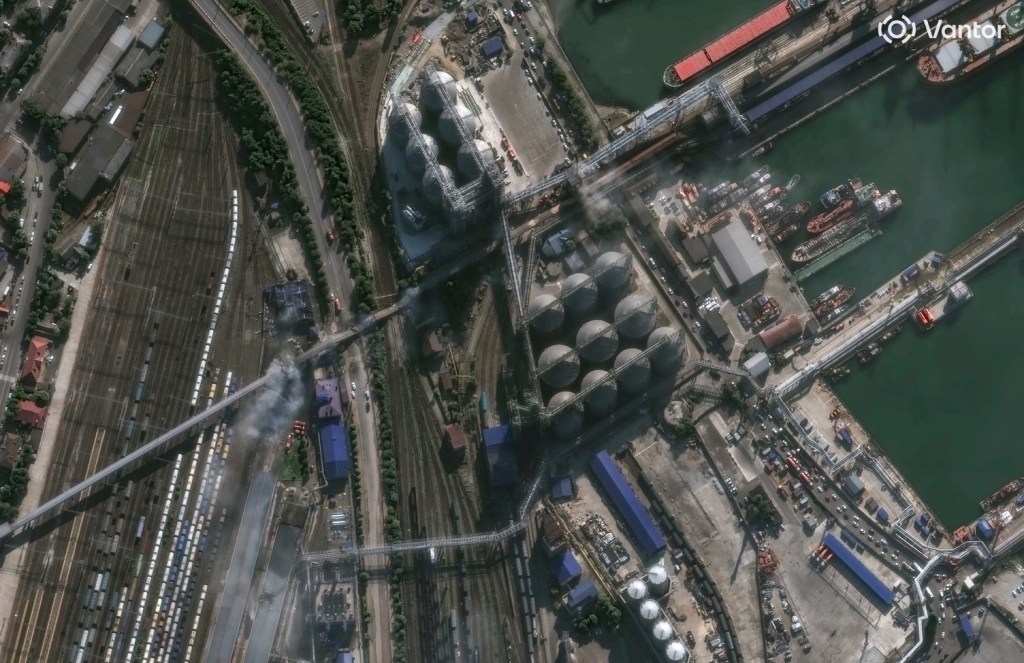
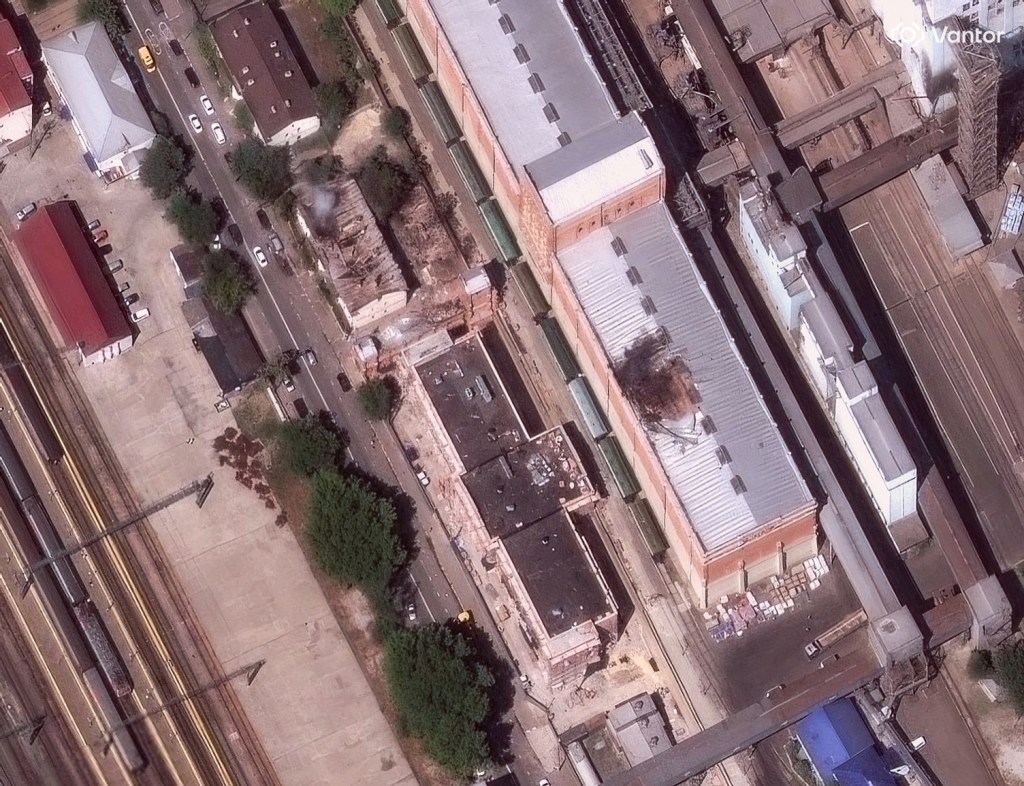
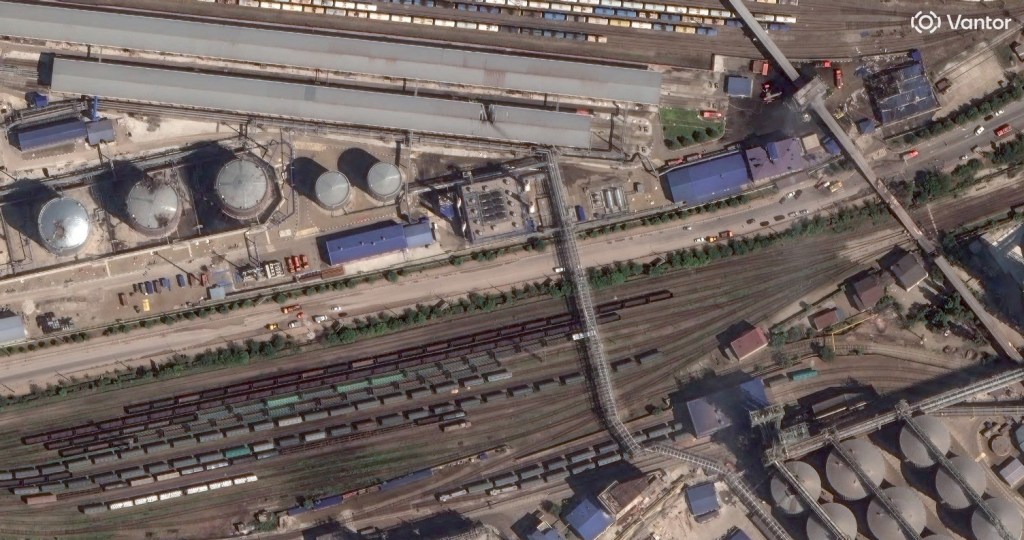
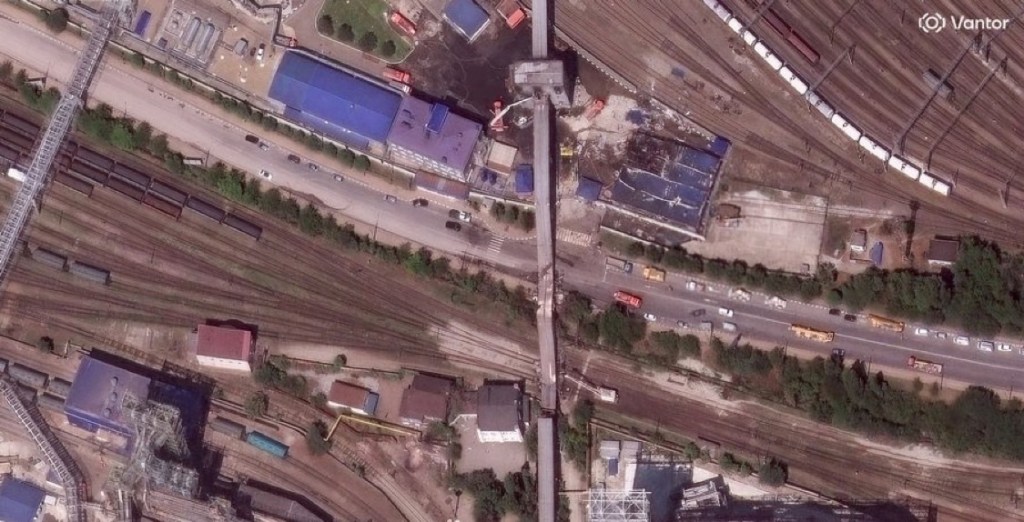
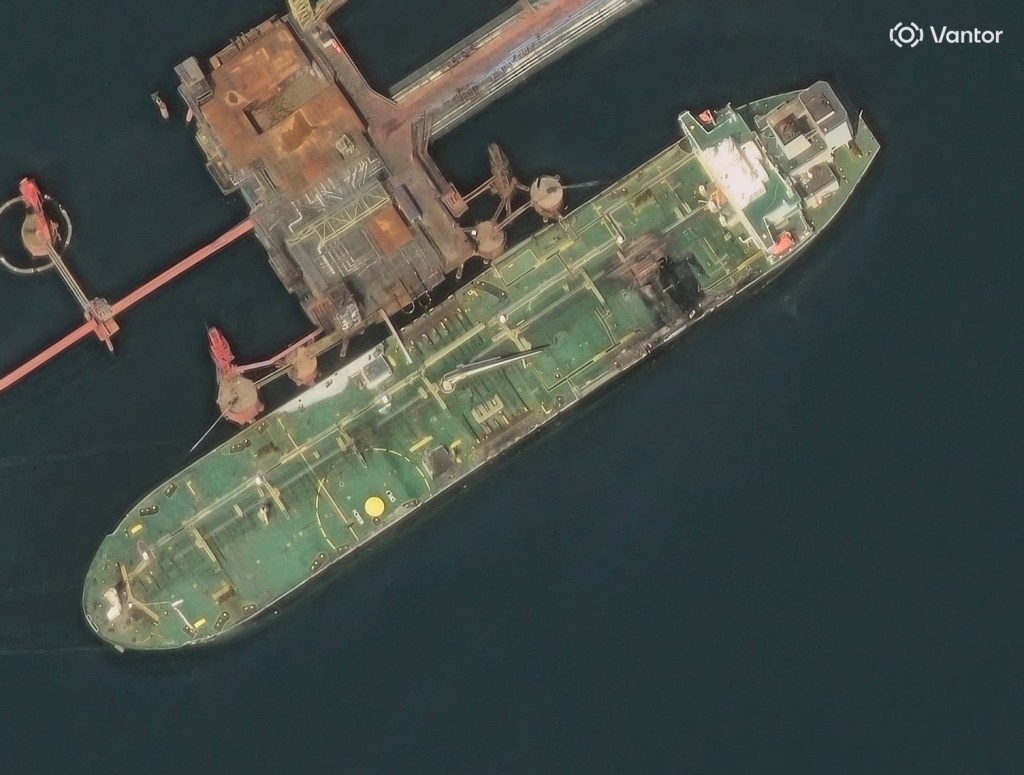
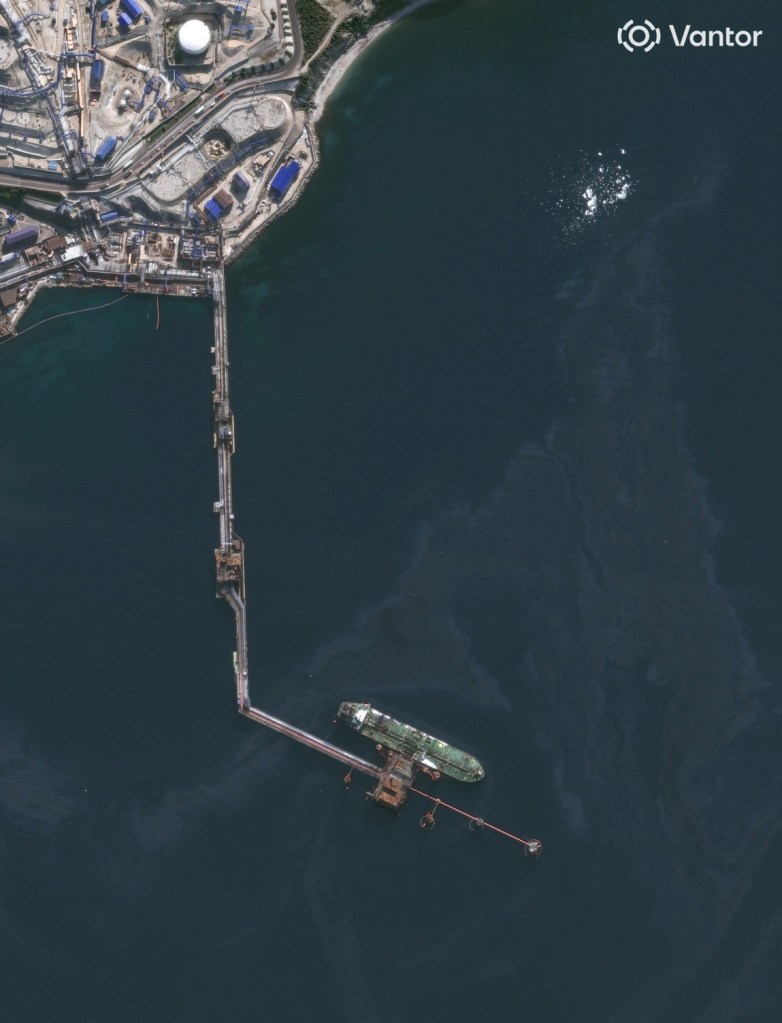
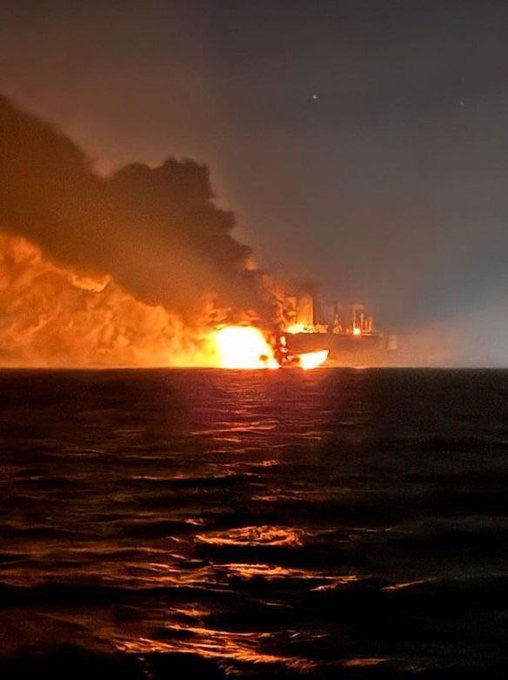
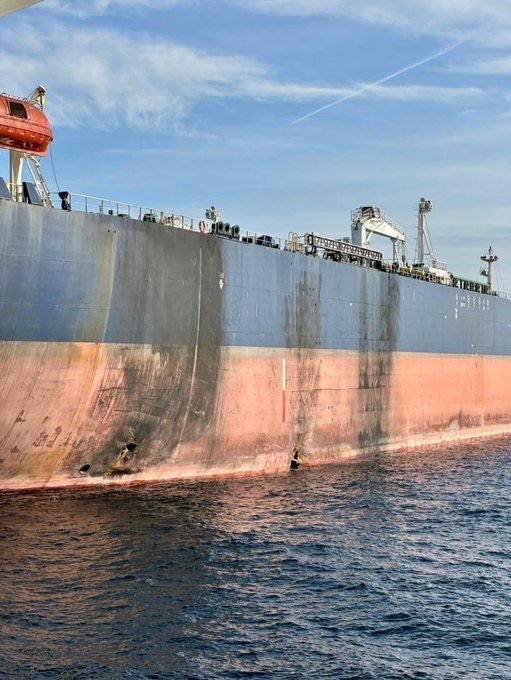
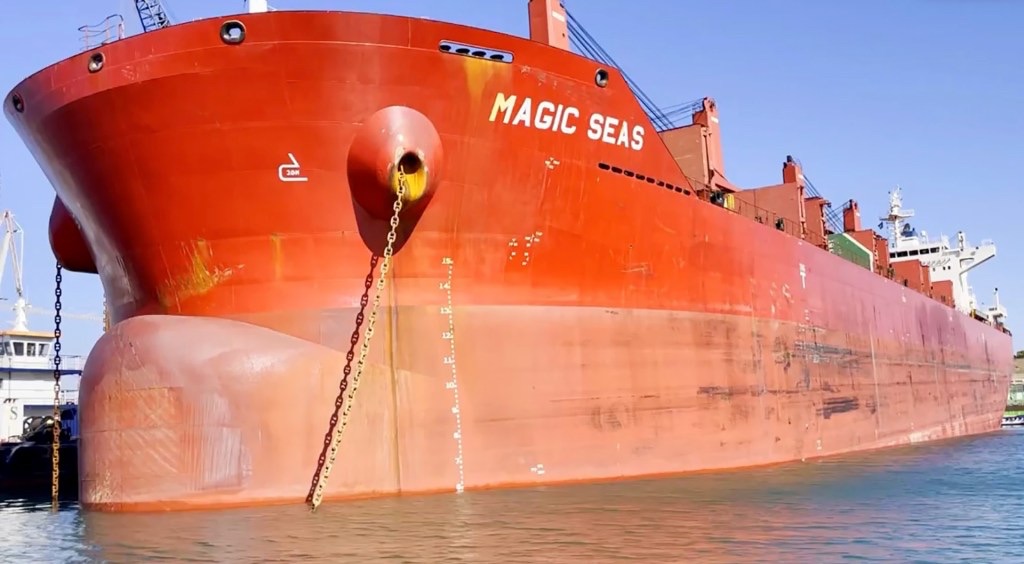
This image is thought to show an oil spill after a tanker was damaged during the attack.
Importance of Novorissiyskz and the fall of the Black Sea Fleet.
Novorossiysk has been important to Russia even before they were forced to pull what remained of the Black Sea Fleet out of Sevastopol in Crimea. Novorossiysk sits at the intersection of key transport corridors linking Russia to the Mediterranean, Middle East, Africa, Asia, and beyond, and connects to major rail and road networks serving Russia’s grain-producing regions in the south and Volga areas. The port handles a large percentage of Russia’s seaborne exports with some estimates putting it at around 20% of all exports. Grain, oil, and general goods all flow through the port.
Russia has invested in expanding the port at Novorossiysk but the recent attacks and the overall war have caused some delays in those plans.
The Black Sea Fleet, once one of the prides of all of the Russian military, is now functionally out of the war as the number of losses has crippled the fleet’s ability to project power.
Early in the war, the fleet was used to launch large, coordinated cruise missile strikes across Ukraine; however, early losses of key ships showed signs of things to come.
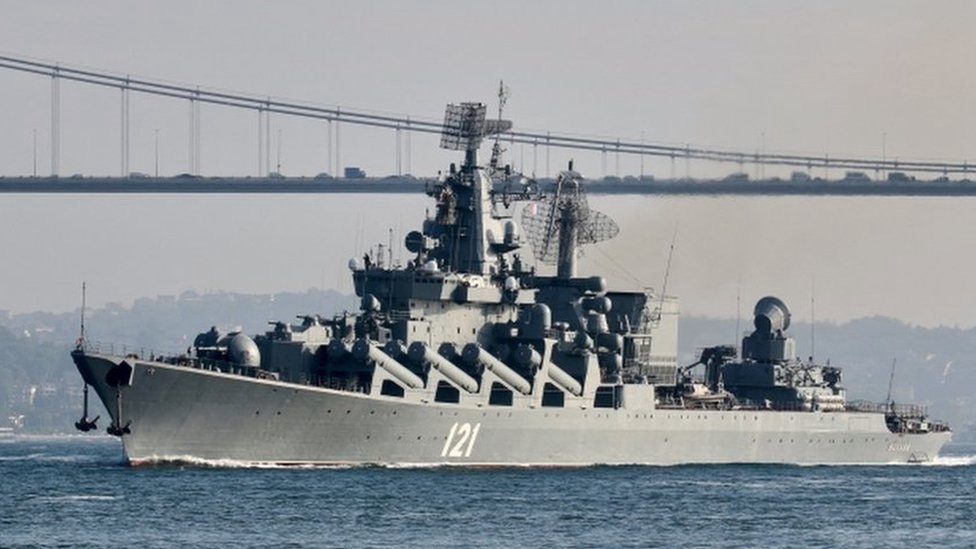
In March 2022, Ukraine took out the landing ship Saratov with a Tochka-U ballistic missile. The next month, the Black Sea Fleet flagship, the missile cruiser Moskva, was lost to a Ukrainian Neptune anti-ship missile. The sinking of the Moskva was a huge loss to Russian command and control, air defense coverage, and prestige.
By 2023, Ukraine was given stocks of high-tech Western munitions (Storm Shadow/SCALP) as well as improvements to their own domestically produced weapons. This allowed Ukraine to begin striking targets in Sevastopol in Crimea. Infrastructure, dry docks, and ships in port were all targeted, as well as the headquarters of the Black Sea fleet, which was destroyed. In September of 2023, the improved Kilo submarine Rostov-on-Don was struck while in dry dock in Sevastopol.
Moving into 2023 Russia ability to resupply or conduct amphibious operations with its landing ships is severely degraded as multiple landing and supply ships are sunk. At this point Ukraine has moved on from missiles to surface based attack drones. Multiple Ropucha-class landing ships are lost. Russia was already moving some of the fleet out of Sevastopol by this point, dispersing the fleet to other locations, most ended up at Novocherkassk. Multiple maritime assessments by the United Kingdom and others say that at this point Russia’s Black Sea fleets freedom of maneuver was already under serious pressure.
In 2023-2024 Continued sea drone, aerial drone, and missile attacks made Sevastopol increasingly untenable as a primary operating base. Russia moved the bulk of its remaining major combatants to Novorossiysk on the Russian mainland coast. Key 2024 losses included additional landing ships (Caesar Kunikov), the corvette Ivanovets, the patrol ship Sergei Kotov, and others to USVs and missiles.
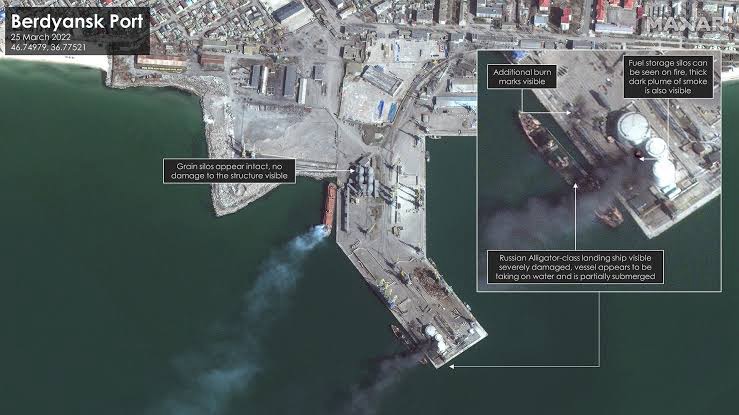
An early war goal for Russia was the taking of the city of Odessa, a major grain and port that’s location was and is strategically important— especially to the defense of the fleet. Hundreds of articles written in the early days of the war covered the possibility of Russia attempting an amphibious landing to take Odessa. By early 2024, those articles have become irrelevant as the estimated 9-12 operational prewar landing ships have been attrited to 4.
By mid-to-late 2024, Western assessments (including UK MoD) characterized the BSF’s surface strike role as “functionally inactive.” Russia retained the ability to launch Kalibr missiles from surviving surface ships and especially submarines, as well as from coastal batteries (Bastion-P and Bal systems), but large-scale surface operations in the western and central Black Sea had largely ceased. Ukraine successfully opened and sustained a maritime grain corridor (mainly from Odessa) under these conditions.
That brings us to now. The Russian Black Sea fleets most important assets are the ships that are already damaged and awaiting repairs. Repairs and maintenance have slowed to a crawl because ships in dry docks are often targeted and destroyed. Even Submarines faced growing threats from underwater drones and combined strikes. Surface ships and support vessels continued to take losses. By early 2026, Ukrainian Ministry of Defence assessments (corroborated in broad terms by independent analyses) indicated that approximately 30% of the fleets pre-war combat strength had been destroyed or seriously damaged. Some counts of major combatants and overall capability degradation run higher depending on their individual methodology.
Novorossiysk became the fleet’s last major functional base and primary concentration point. Russia fortified it with air defenses and other measures, and some submarines were fitted with counter-drone cages and partially submerged at berth for protection. However, Ukrainian long-range systems (aerial drones, Neptune variants, surface drones, and coordinated multi-domain packages) repeatedly have managed to reach the port.



 Global Conflict Reporting
You must be logged in to post a comment.