The status regarding the safety of the path through the Strait of Hormuz is now in question after the Iranian Revolutionary Guards Corp (IRGC) Navy announced that the main shipping channel has been mined. The IRGC released a map showing the alternative paths ships must take through the strait.
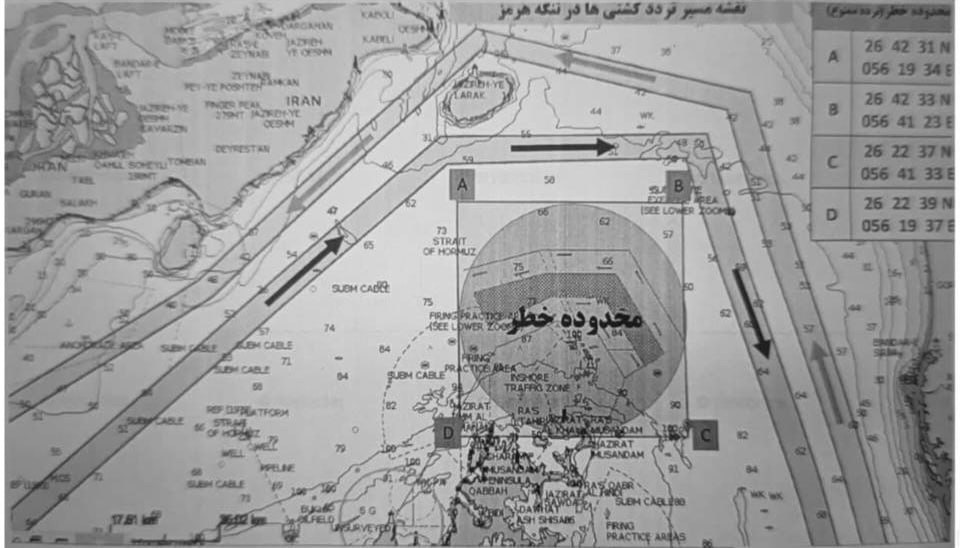
As the map shows, ships coming through the Strait must pass to the North of Larak Island, traveling south of Qeshm Island.
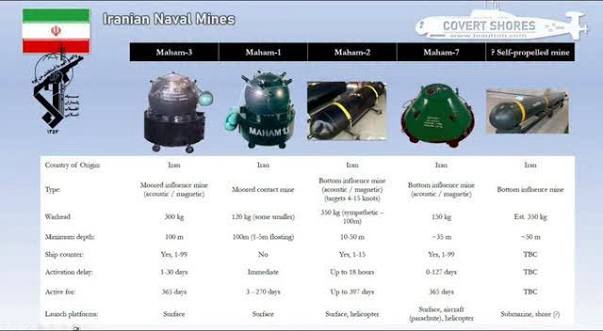
Iran started placing mines in March of 2026, however some reports say that U.S. intelligence tracked Iranian mining preparation earlier than that. The numbers differ depending on who your asking, but officials in the U.S. believe that Iran only managed to place somewhere in between “less than 10” and “not more than a few dozen”. The mines are only one part of the issue as Iran retains the ability to strike at ships by other means, such as drones or with whatever limited number of anti-ship missile launchers they have left.
The Strait of Hormuz
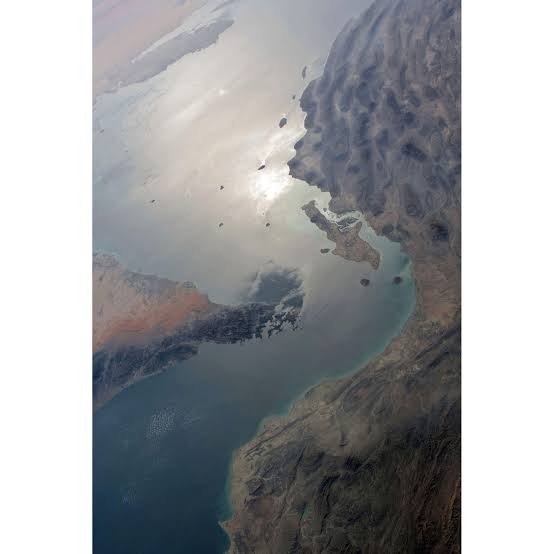
The Strait of Hormuz is one of the world’s most important waterways. It connects the Persian Gulf to the Gulf of Oman and the Arabian Sea. What makes the strait so important is the volume of traffic that moves through it. As of 2026, approximately 21 million barrels of oil pass through the strait each day.
Iran sees the strait as the perfect chokepoint, which it (among others) has used in the past as a geopolitical chess piece. The lack of alternative routes for tankers to enter or exit the Persian Gulf means any disruption in traffic flow creates a huge problem for countries that rely on Middle Eastern oil. The strait only being 21 miles wide at its narrowest makes it easy for Iran to cover the strait with even shorter range weapons. At that distance drones could reach a ship in minutes, and faster munitions would strike their target in seconds.
Even with the ceasefire in place, traffic through the strait has remained at a standstill. Most shipping companies have chosen not to risk the journey. Insurance costs have more than doubled from their pre-war levels, placing further strain on the shipping industry. As of this writing on April 10, only seven ships have made the transit in the past 24 hours.
Iran’s Demands on Vessels Transiting the Strait
Iran has imposed several specific conditions that ships must meet to be allowed through the strait. These requirements, enforced primarily by the IRGC Navy, include mandatory prior coordination and explicit permission from Iranian military authorities. Vessels must submit detailed documentation—such as crew lists, cargo manifests, ownership details, and voyage plans—for vetting to confirm they have no ties to “hostile” nations (primarily the United States or Israel). Ships are also required to follow a new northerly route closer to the Iranian coast, passing either side of Larak Island while avoiding the central “Area of Danger” marked on IRGC maps due to alleged mines. In addition, many tankers—especially oil and gas carriers—are required to pay tolls, often described as safe-passage fees, that can reach up to $2 million per vessel or roughly $1 per barrel of oil. Iran has stated that only vessels from “non-hostile” or friendly nations receive priority, and some ships may face inspections. These conditions remain in force even though the strait is nominally open under the ceasefire.
At this time, the strait is considered “open” as a condition of the ceasefire with the U.S.; however, Iran has imposed the conditions described above, which the U.S. appears to have accepted for now. This acceptance is potentially problematic because it lends credibility to Iran’s assertion that it controls the strait. It does not. Passage through straits like Hormuz is governed by UNCLOS—the United Nations Convention on the Law of the Sea—specifically Articles 37–44. These provisions classify the Strait of Hormuz as a strait used for international navigation and prohibit coastal states from controlling access, imposing tolls (or safe-passage fees), or discriminating against vessels based on flag, owner, or destination. The rules governing the Strait of Hormuz and similar international straits are considered customary international law, meaning even states that have not ratified UNCLOS are expected to abide by them. Iran’s attempts to assert control therefore violate international law.
In the past, the U.S. and other powers have regularly conducted “freedom of navigation” operations through the strait to uphold these UNCLOS provisions and push back against Iran’s claims.
The situation remains fluid as ceasefire negotiations continue.
 Global Conflict Reporting
Leave a comment