On September 5, 2026, U.S. forces struck and disabled three Iranian crude oil tankers after Iran’s Islamic Revolutionary Guard Corps (IRGC) fired ballistic missiles at elements of the U.S. Navy, according to a report by U.S. Centcom.
Iranian forces fired upon an unnamed aircraft carrier and guided-missile destroyer, which evaded the Iranian missiles. No U.S. personnel were harmed, according to the statement from CENTCOM.
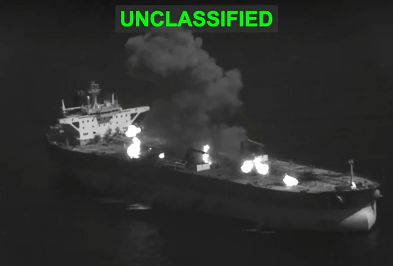
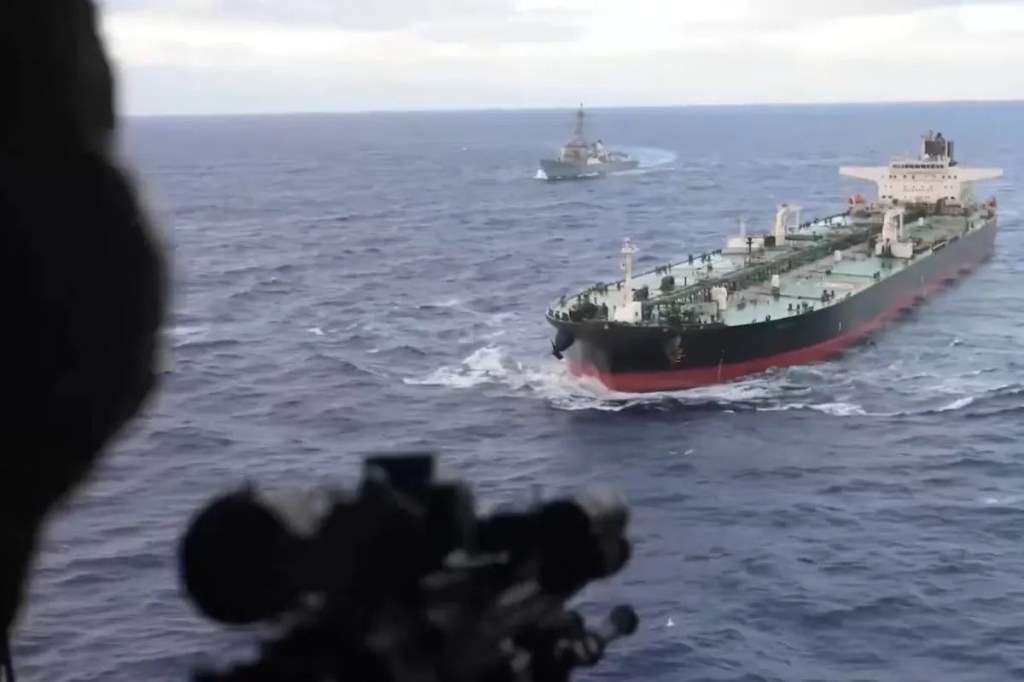
In response to the attack, U.S. forces targeted and disabled the M/V Downy near Kharg Island and the M/T Stark 1 near Jask. A third tanker, the unladen, Kylo also sometimes referred to as the Noxen, was also hit and completely destroyed in the Gulf of Oman.
Video is the strikes. M/V Downy (IMO:9218480)
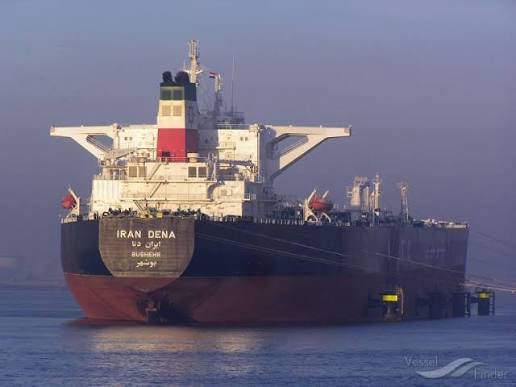
M/V Downy is a 22 year old, 296,977 ton, Iran-flagged Very Large Crude Carrier (VLCC). Downy (IMO 9218480) was struck in the stern with the intent of diabling its steering.
M/T Stark 1 IMO:9171450)
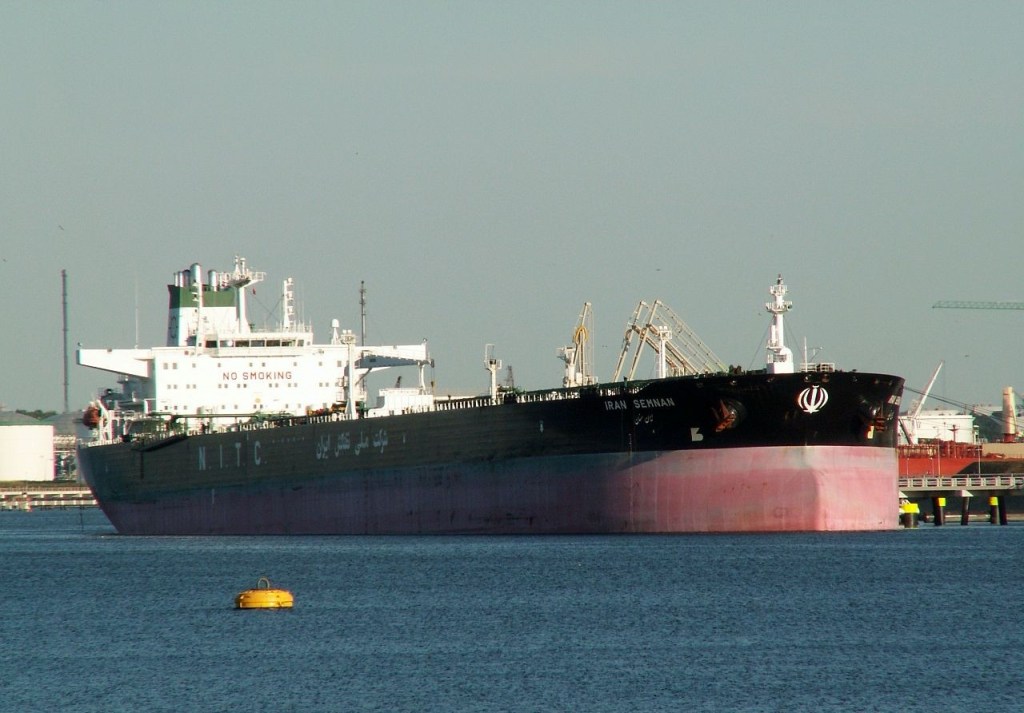
26 year old, 159,681 ton, Iran-flagged Suezmax tanker Stark I (IMO 9171450) suffered a similar hit. It’s believed both of these were disabled rather than destroyed because they were loaded. (Judging by their draft)
Kylo (IMO:9189146)
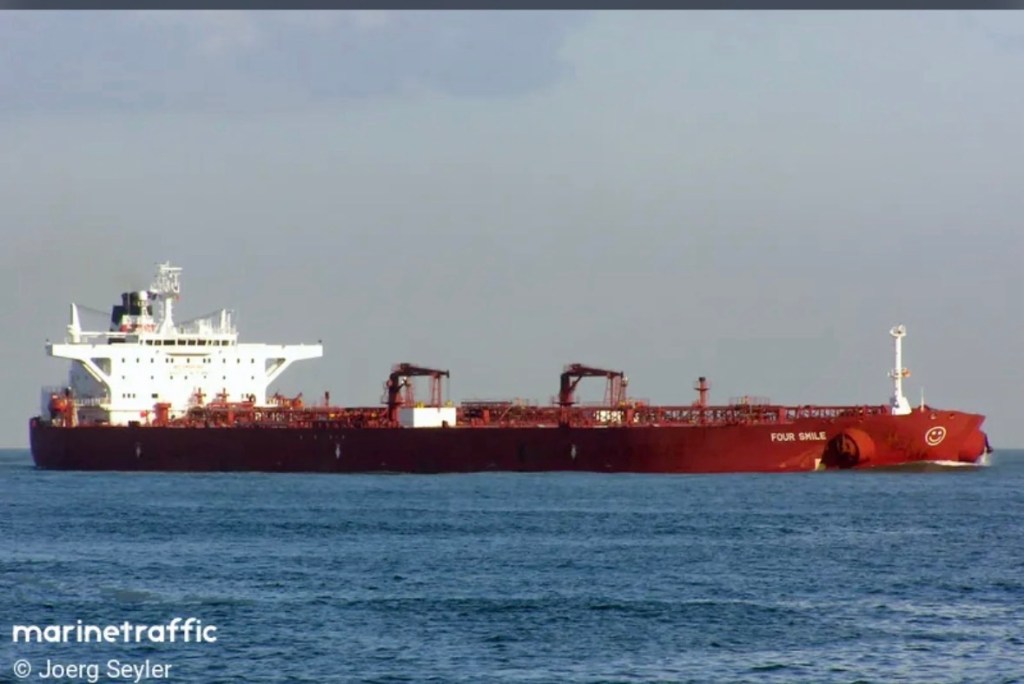
The Kylo is Comoros-flagged, and a 25 year old. The 160,573 ton Suezmax tanker was anchored to the east of the Strait of Hormuz admid other ships waiting to load. Per the video it was hit with multiple pieces of ordnance.
These tankers are apart of the Iranian shadow fleet—a fleet of ships that use concealing tactics (illegal flag and name changes) to hide, not so much what they are hauling but where it’s from.
Video taken by the crew of the Iranian general cargo ship Iran Shahed (IMO:9184691) ,which recorded the radio call of the U.S. aircraft in the minutes before the strike on the M/T Stark 1. The fighter pilot gave the crew three minutes to evacuate the stern of the ship.
“Let the message to the IRGC be clear: If you shoot at two of our ships, we will impose an even higher economic cost, taking out three of yours,” said Adm. Brad Cooper, CENTCOM commander. “We will not hesitate to defend American forces, and if necessary, destroy Iran’s limited and exposed oil fleet.”
September 1, 2026, Jordanian air defenses engaged 13 Iranian ballistic missiles that entered the country’s airspace and destroyed 10 of them. The Jordan Armed Forces said the remaining three landed in remote, unpopulated areas. Jordan reported no injuries, no deaths, and no significant damage to property.
Iran’s Islamic Revolutionary Guard Corps said the barrage was aimed at Camp Titin, a small U.S. Marine training camp south of Aqaba used to train Jordanian forces along the Gulf of Aqaba. Iranian state media claimed the strike destroyed military buildings and helicopters and killed a large number of U.S. personnel. Those claims have not been independently verified. Two U.S. officials told Reuters there were no reported U.S. casualties at facilities in Jordan based on initial information.
Video shows the Iranian ballistic missile impacting near the city of Aqaba.
This was the second Iranian attack into Jordan in roughly 48 hours. Overnight August 30–31, Iran launched missiles and drones at U.S.-linked sites in the kingdom, including the Muwaffaq Salti / Azraq area, after a U.S. strike on Larak Island in the Strait of Hormuz. The two exchanges are the first major kinetic back-and-forth since the June U.S.–Iran Memorandum of Understanding expired in August.
The latest Iranian fire came after a wave of U.S. strikes on September 1. Iranian media and local reports said explosions were heard in Chabahar, Bandar Abbas, Qeshm Island, Konarak, Jask, Sirik, and Minab. CENTCOM did not name those cities. It said U.S. forces struck IRGC air-defense sites, radar systems, maritime assets and facilities, mine-laying capabilities, and communications sites, following attempted IRGC attacks on commercial shipping in the Strait of Hormuz and on American service members.
Video reported to show the U.S. bombardment of Sirik.
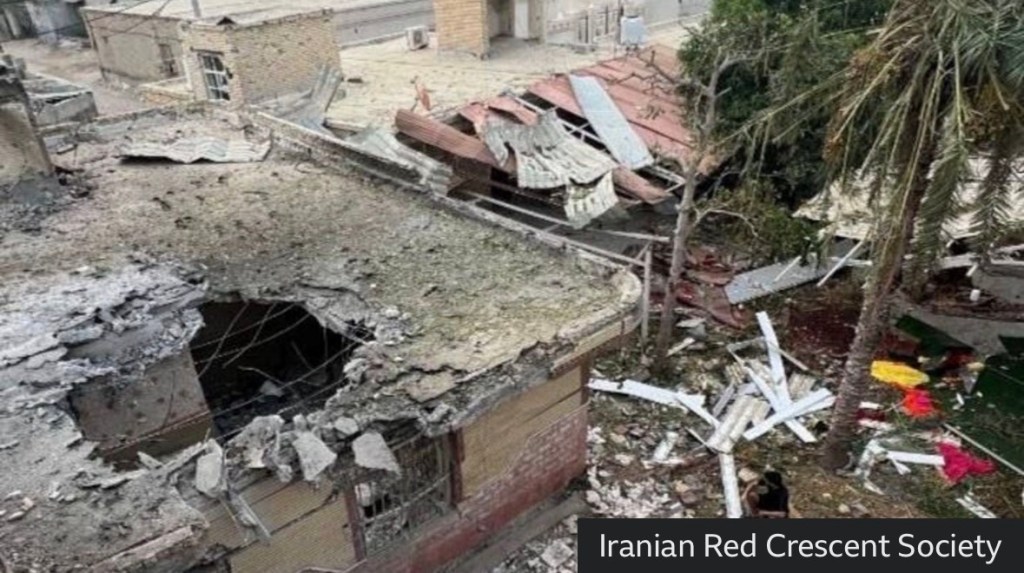
Iranian officials say one of those strikes hit a home during a wedding ceremony in Kuhestak, in Sirik County, killing four people, including a child, and wounding 67 others. Reported figures have varied. The United States says it does not target civilians.
Video taken from Sirik and obtained by GCR confirms that a U.S. strike hit the area. It does not confirm what was hit. Precision geolocation is difficult with the footage currently available. A second video shows the building Iranian media identified as the wedding site. The clip shows a damaged structure. It does not, on its own, prove a wedding was underway.
Video captured in the aftermath of the incident shows a residential style building on fire. Image from the Iranian Red Crescent Society, showing the house which was the site of a bombing in Sirik. This was the site of the alleged wedding celebration.
“Unfortunately, this is a residential building. And unfortunately, this happened during my daughter’s wedding ceremony,” Ali Mallahi, father of the bride and owner of the building, said in a video broadcast by Iranian state media.
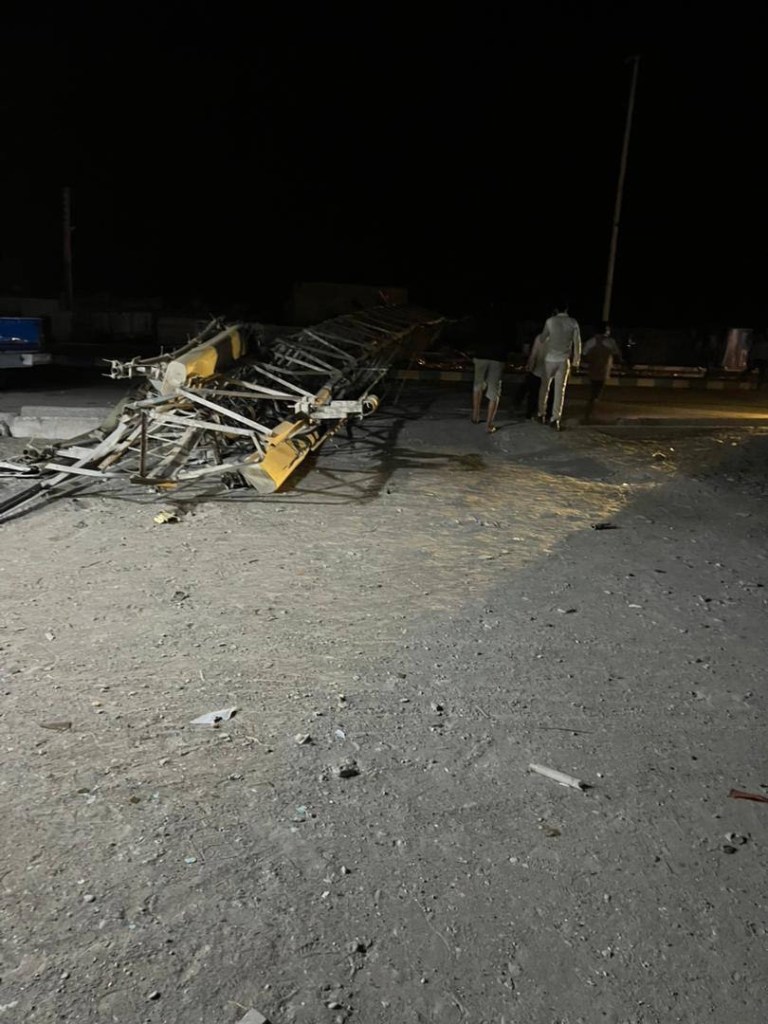
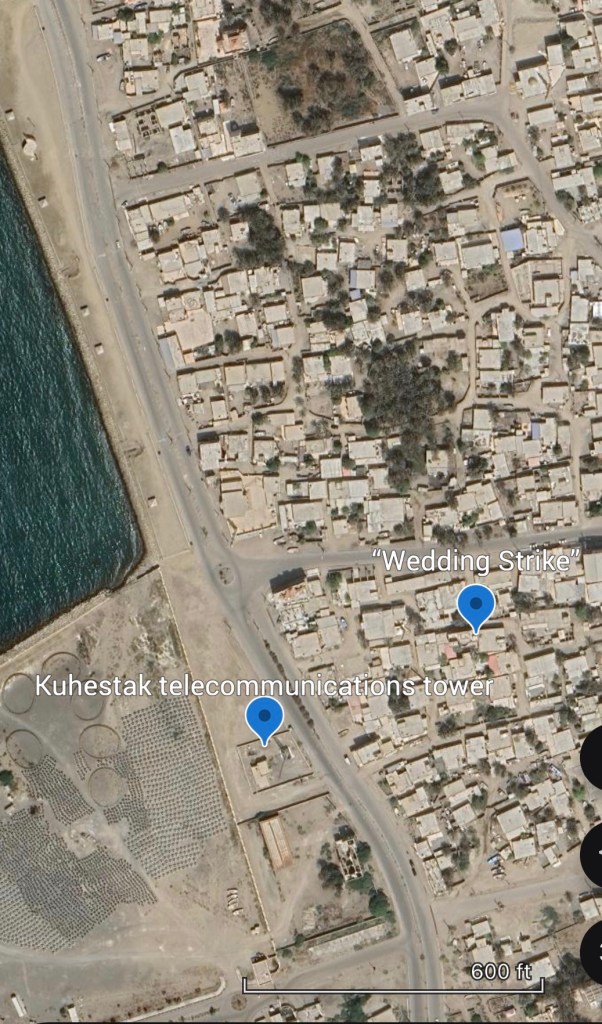
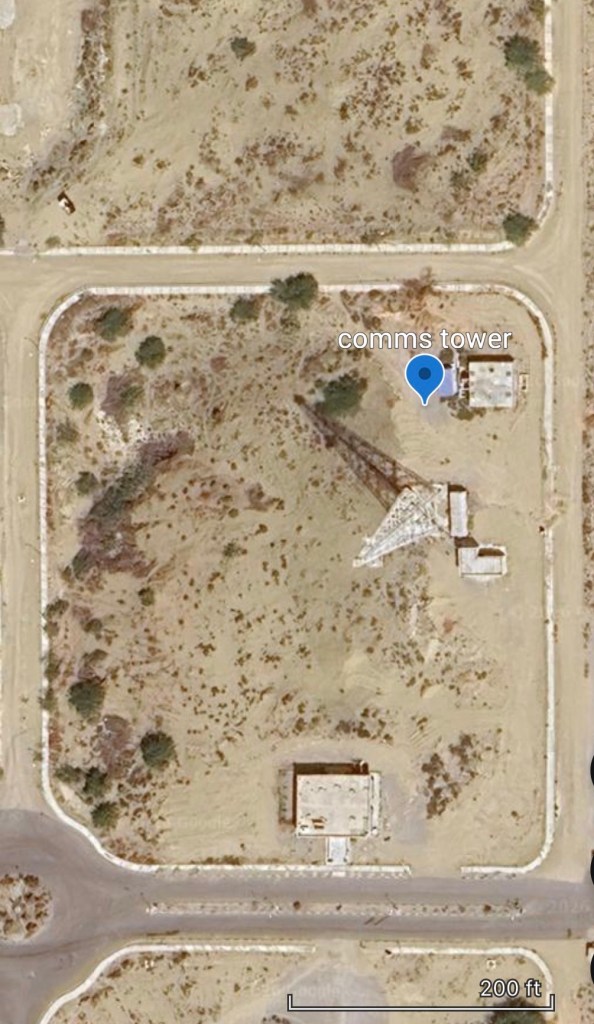
Looking at maps of the area, the U.S. targeted a telecommunications tower in the vicinity of the house, which was struck.
Kuhestak telecommunications tower in SirikThis Google Earth Image shows how close the house and Telecom tower are to each other.
It appears just from looking at the map, the images, and the video from the scene that if the strike on the house wasn’t intentional, it was possibly hit in a U.S. strike that missed its original target, which is only 143 meters away from the house where the wedding celebration was said to be taking place. A tragedy, but one that happens in war often enough. The U.S. faced a similar situation during the raid on Venezuela when one of its upgraded AGM-88 HARM missiles missed its target and hit an apartment.
President Donald Trump said the U.S. operation was a response to Iranian forces attempting to lay more mines in the Strait of Hormuz. Sirik was one of multiple reported aimpoints in that wave, not a standalone strike.
In the hours after the U.S. attacks, IRGC missile forces appear to have targeted Camp Titin in Jordan. Iranian state media presented the camp as a successful hit. Footage obtained by GCR of one incoming missile does not show an intercept and appears to show the weapon striking the side of a mountain rather than a developed part of the camp. That can mean several things: the missile was already going to miss anything that mattered, the air-defense battery chose not to spend an interceptor on it, or the system was occupied with other tracks. Jordan has absorbed a large volume of Iranian fire since the start of hostilities. The more likely reading of this particular clip is that the missile was heading into the high ground around Aqaba and was not assessed as enough of a threat to engage. That is what the video appears to show. It does not prove a successful strike on the camp, and it does not prove Jordanian or U.S. air defenses were out of ammunition.
Today’s exchange is a return to open kinetic strikes. That is a sharp contrast with late August, when U.S. officials leaned hard on economic pressure — including the “Economic Outcast” / “economic D-Day” track and talked as if large new bombing campaigns were no longer the main tool. Limited strikes and intercepts are not the same thing as a full restart of the February war. They are also not the pause Washington had been describing.
Military actions are often used in conjunction with economic pressure to reach a goal. In most cases, military action, nor economic action alone, is enough. Using them together adds extra pressure. It also appears that the military strikes are supporting the economic strikes by targeting radars, air defense, and missile sites near the coast that Iran has tried to use to maintain control over the strait.
CENTCOM said after the strikes:
“U.S. forces struck Islamic Revolutionary Guard Corps (IRGC) targets including air defense sites, radar systems, maritime assets and facilities, mine laying capabilities, and communications sites.
The strikes follow recent attempted attacks by the IRGC against commercial shipping in the Strait of Hormuz and against American service members.
More than 50,000 U.S. service members are currently operating across the Middle East and remain vigilant, lethal, and prepared to continue executing operations directed by the Commander in Chief.”
In the following days, Iran is claiming that the U.S. strike on the wedding is a war crime, a claim being repeated by many in Iran, including Iranian foreign ministry spokesman Esmaeil Baqaei. Iranian authorities say another 14 people were killed in separate attacks that took place at the same time.
CENTCOM video
Author note.
I know this strike was several days before I posted about it. In some cases, I’m not able to verify the footage I’m sent or that I find, and it takes me a while to go through my steps to verify that footage is what it is claiming to be. While GCR does often cover breaking news, its mission is more about analysis and verification. Thank you always for all the support.
Please feel free to comment. I always want to do better. I’m not trained in any of this stuff. Writing, conflict reporting, and analysis is something I’ve taught myself how to do, and I know there are areas I can improve, so please, if you have a question, comment, or anything that can help me improve. Message me on Facebook or I can be reached through the email found on the contact me page.
On Tuesday July 7 2026, the U.S. launched a wave of strikes on Iran in retaliation for recent strikes carried out in international shipping by Iran. U.S. Central Command (CENTCOM) put the following statement following the strikes.
Video from Bandar Abbas showed explosions as the U.S. Air Force and Navy carried out their strikes over 80 targets, including 60 IRGC speedboats in and near the Strait of Hormuz.
Video shows U.S.Strikes on Bandar Abbas.
The U.S. also targeted Iranian air defense systems, command and control networks, coastal radar sites, and anti-ship missile capabilities. This is the largest strike since the ceasefire was agreed upon in April.
Further explosions were reported in Sirik and as far as Kharg Island, Iran’s largest oil facility handling 90% of its oil export. The U.S. previously struck targets on the island in April; however, it stuck to just hitting military sites and infrastructure and leaving the oil export untouched.
Official U.S. of the strikes
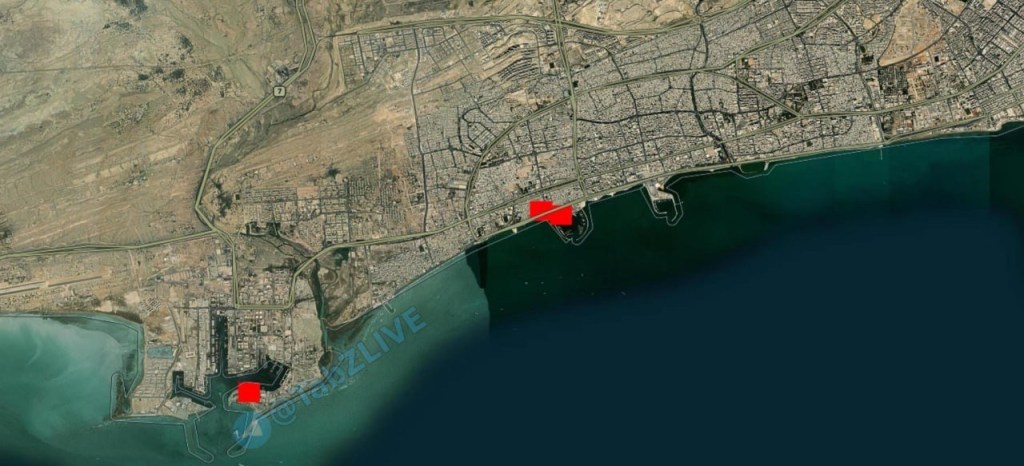
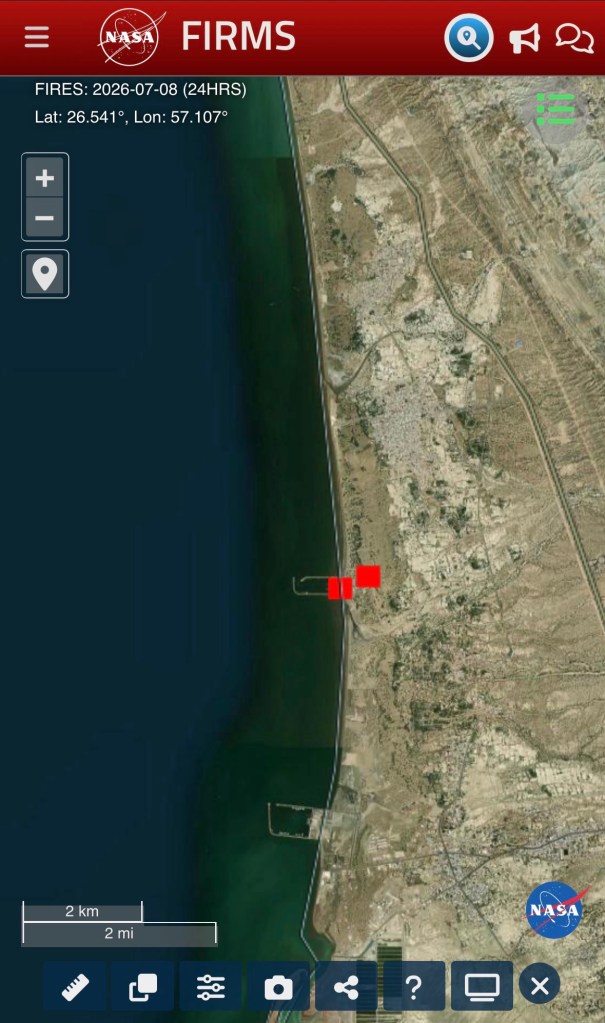
NASA Firms is a satellite program used primarily to track wildfires. That data can also be used to track combat strikes. Some area show on FIRMS every days, such as industrial zones however tonight shows multiple fires where we wouldn’t expect to see fires in Iran, and specially looking at Bandar Abbas and the Geruk area.
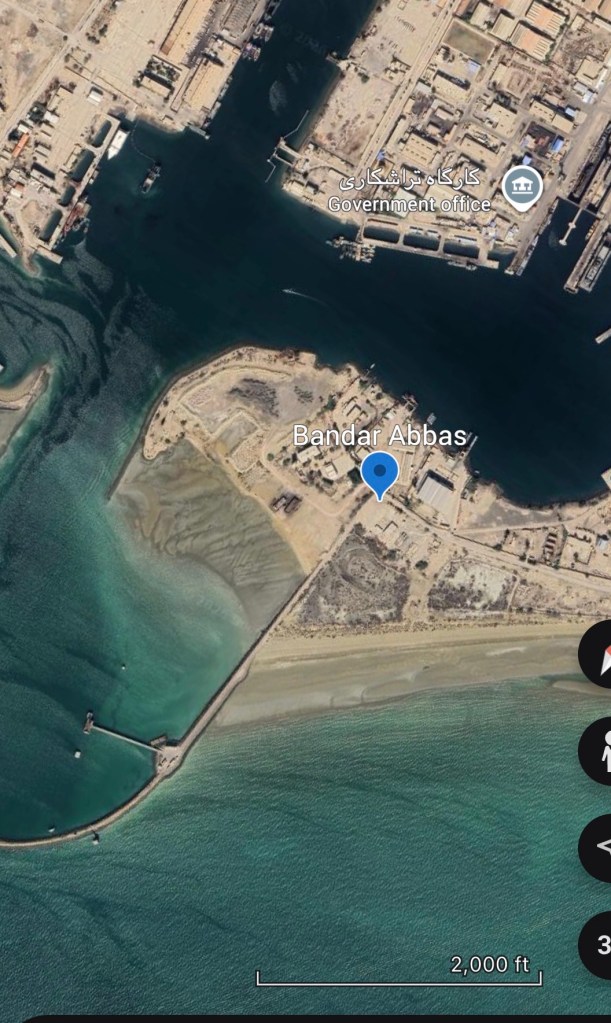
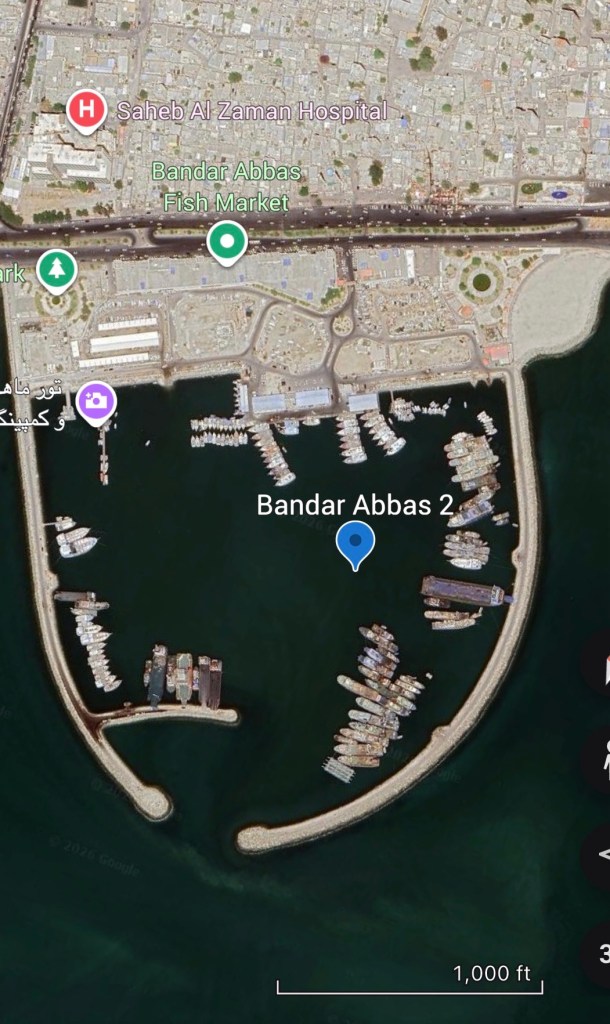
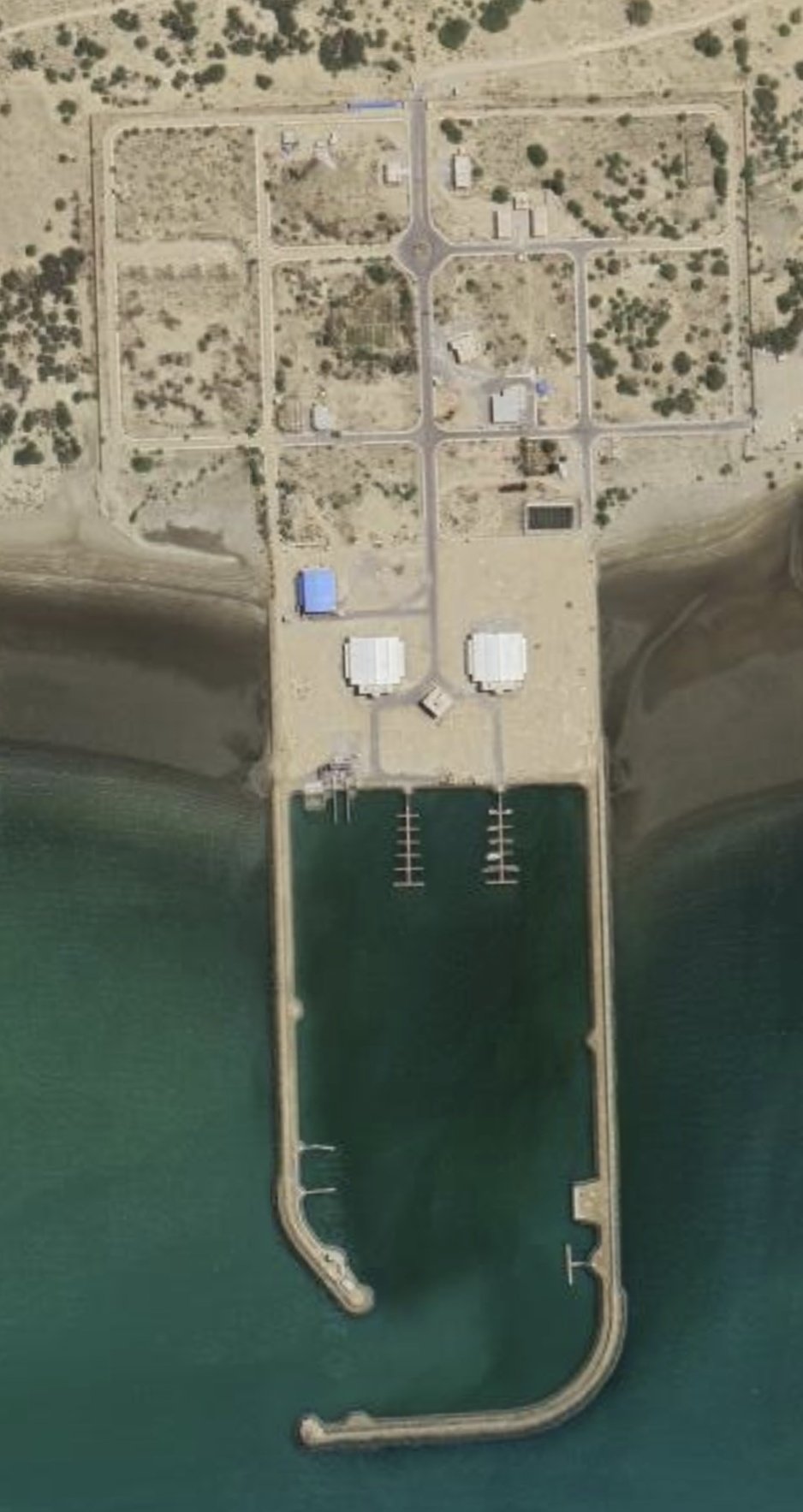
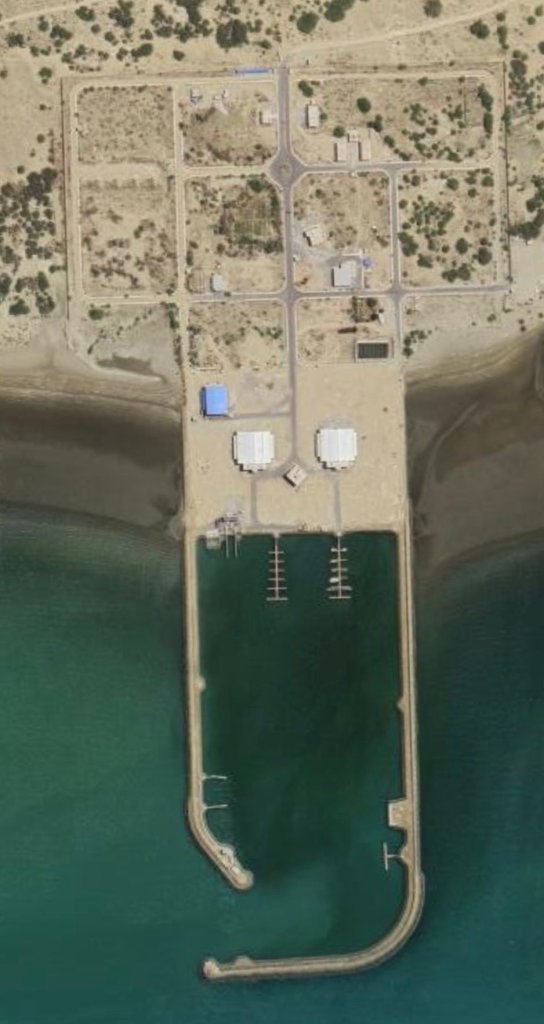
Strikes one and two in Bandar Abbas show what seems to be strikes on the port where smaller IRGC patrol boats are kept. Video from the city confirms this as well. Close up on the port to the left. Second portNASA FIRMS shows potentially two locations struck here at Sarkhur Tahruyi. The boat dock itself as well as what looks to be a comms tower of some sort. This comms antenna is right beside the dock and also shows signs of being struck.
Iranian response
Khatam al-Anbiya Central, Iran’s top joint military command, put out a statement saying that the U.S. had committed a “blatant act of aggression” by targeting parts of southern Iran. The statement said Iranian armed forces would deliver a “crushing response.” The command also said that it would accept no U.S. interference in the management of the Strait of Hormuz and that the only safe passage for commercial shipping and tankers was the route Iran has laid out.
In the hours after Bahrain was the first to report incoming Iranian drones and missiles, they announced their people should seek shelter and that their army was engaging hostile missiles. Kuwait also received incoming fire.
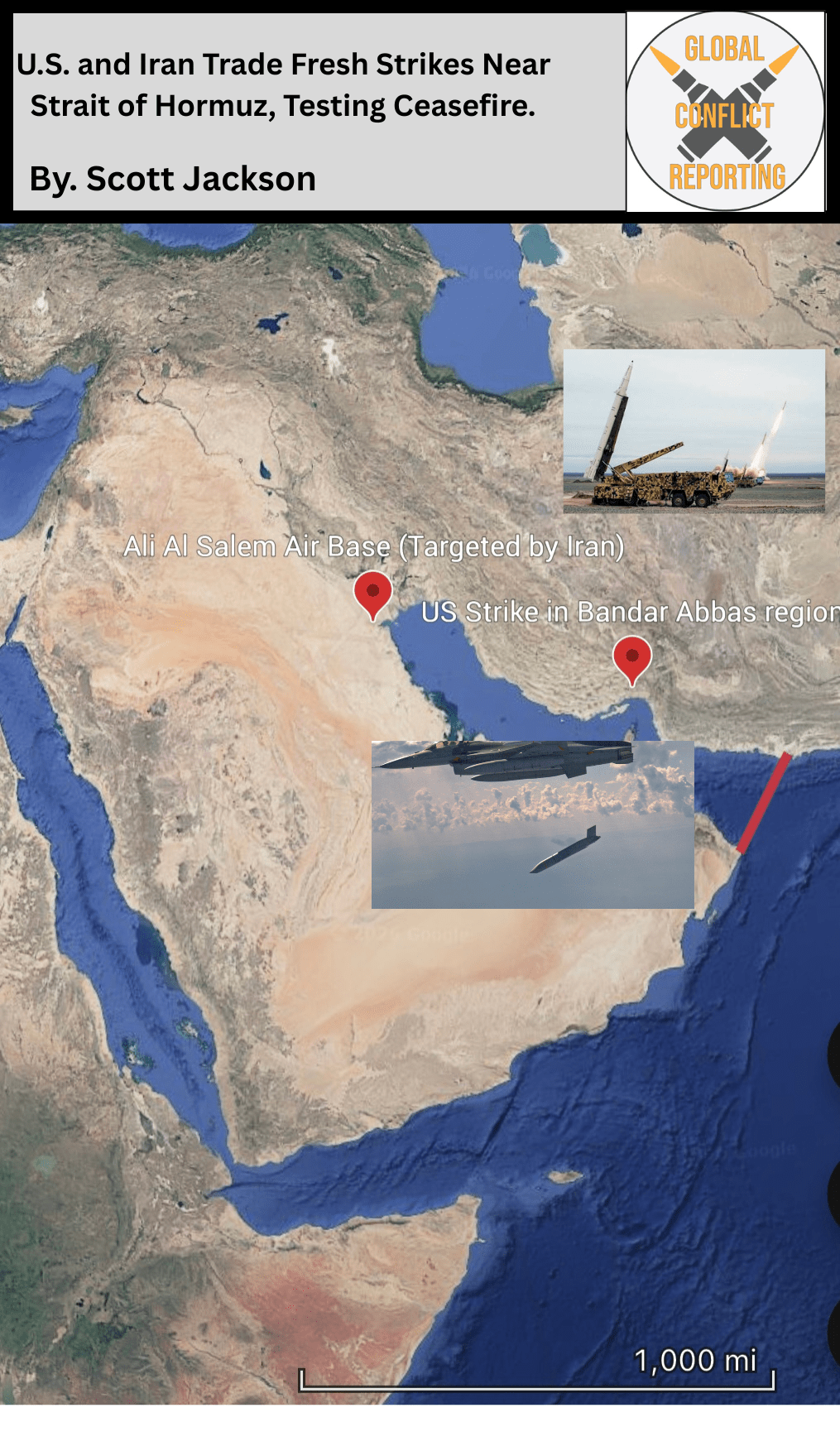
Just after midnight local time on the night going into June 1 2026, Iran’s Islamic Revolutionary Guard Corps (IRGC) launched a short-range ballistic missile (SRBM) targeting the Ali Al Salem Air Base in Kuwait, a key hub for U.S. and coalition forces. Kuwaiti air defenses intercepted the Fateh-110 missile, but falling debris caused minor injuries to five U.S. personnel and contractors.
According to U.S. Central Command (CENTCOM), American forces had conducted self-defense strikes over the weekend against Iranian military targets on Qeshm Island and near Goruk in southern Iran. The strikes hit Iranian air defense systems, a ground control station linked to drone operations, and facilities associated with one-way attack drones. CENTCOM stated the action was in response to Iran’s downing of a U.S. MQ-9 drone over the Persian Gulf and attempts to mine the Strait of Hormuz in recent days.
Iran has released footage of the interception of a U.S. MQ-1 drone it shot down yesterday.
After heavy losses among its MQ-9 drones, American regime appears to be turning back to the older MQ-1 fleet. pic.twitter.com/Lnas1GJMmg
Local residents in Sirik County, Hormozgan Province, reported hearing multiple explosions around 4:00 a.m. local time on Sunday, with additional blasts roughly 30 minutes later. Eyewitness accounts and online reports indicated that an IRGC Navy facility near the village of Goruk was struck, consistent with CENTCOM’s description of the targets. Iranian sources says they launched their missile at the airbase which this attack was launched from.
The exchange comes amid a fragile ceasefire in the ongoing 2026 Iran War. While official negotiations between the U.S. and Iran continue, progress has stalled. Iranian officials have conditioned further talks on an end to Israel’s military operations in Lebanon. Both sides have accused each other of violating the ceasefire in recent weeks through limited but recurring strikes. U.S. president Donald Trump has said on social media that he believes that Tehran wants to reach a deal however iranian officials have expressed some concern and frustration over the “constantly changing” U.S. negotiating stance.
للتنبيه العاجل: وقف إطلاق النار بين إيران والولايات المتحدة يُعدّ، من دون أي لبس، وقفاً شاملاً لإطلاق النار في جميع الجبهات، بما في ذلك لبنان. وإن انتهاك هذا الوقف في أي من الجبهات يُعد انتهاكاً له في جميع الجبهات. وتتحمل الولايات المتحدة وإسرائيل مسؤولية تبعات أي انتهاك للهدنة. https://t.co/ib3qupctnk
This war, which was started by the U.S. officially on February 28 has killed thousands of people, mainly in Iran and Lebanon. It has also caused economic hardship around the globe by pushing up energy prices since Iran effectively closed the Strait of Hormuz, a vital global supply route for oil and liquefied natural gas. While a number of vessels have been escorted through the strait in the last week, it will take several months before prices start trending back down.
The U.S. points for the negotiations have been publicly released and widely reported. They include Iran reopening the Strait of Hormuz, free of tolls, and restoring international commercial shipping. While there has been progress made here, Iran has continued to demand a right to manage the strait (jointly with Oman). The United Nations Convention on the Law of the Sea (UNCLOS), has rules about waterways like this remaining international seaways open to global trade. The other large point for the US in the negotiations is the Iranian stockpile of enriched Uranium. In October 2025 Iran officially ended the 2015 JCPOA and declared there was no more restrictions on its nuclear program. Iran claims it has a right to enrich uranium (Current estimates have their stocks of uranium enriched to a near weapons grade 60%) for commercial/use however nuclear experts argue it would take little effort to convert the material for use in nuclear weapons. Iran already poses many long range missiles that could be changed into nuclear missiles if they went that route.
Global Conflict Reporting is a completely independent project run by one person, If you would like to support my work you can sign up for a membership on the Patreon (Link below), or one time/reoccurring donations through the website.
Wednesday, May 27, 2026, U.S. forces launched a fresh wave of strikes on Iranian targets, primarily in southern Iran. The strikes came after U.S. Central Command (CENTCOM) reported that Iran had launched a ballistic missile toward a U.S. base in Kuwait. The missile was reported as being intercepted by Kuwait forces. Hours earlier, Iran had launched a wave of four one-way attack drones, which were shot down by U.S. forces.
This exchange continues a pattern of back-and-forth attacks in the past week – from both sides – that has put the fragile April ceasefire to the test as negotiations are currently ongoing. A further 60 day ceasefire is awaiting a signature from U.S. President Donald Trump today.
Timeline of strikes
Here’s a timeline of events over the past week to provide clearer context:
May 25, 2026
Iran attempted to deploy naval mines near the Strait of Hormuz, posing risks to U.S. forces and shipping. U.S. forces responded by sinking IRGC vessels involved in the mine-laying efforts. Iran then fired surface-to-air missiles (SAMs) at U.S. aircraft. These actions set the stage for the clashes that followed.
[Video Placeholder: Claimed intercepted missile tracking an F-35 or related footage]
May 26, 2026 (Monday)
U.S. CENTCOM carried out “self-defense” strikes in southern Iran, primarily in the Bandar Abbas area. The targets included Iranian missile launch sites and boats allegedly attempting to emplace naval mines in or near the Strait of Hormuz.
The U.S. described the operation as necessary to protect troops and maritime traffic during the ongoing ceasefire. Some Iranian personnel were reported killed. Iranian officials viewed the strikes as a violation of the ceasefire.
May 27, 2026 (Tuesday)
U.S. forces shot down four Iranian one-way attack drones that were threatening the Strait of Hormuz area. They also struck an Iranian ground control station near Bandar Abbas International Airport to prevent a fifth drone launch.
May 28, 2026 (Wednesday/Thursday, ongoing)
The U.S. carried out additional defensive strikes near Bandar Abbas, targeting a military/ground control site linked to drone threats. U.S. forces intercepted Iranian drones. CENTCOM emphasized restraint while defending U.S. forces and interests.
Video reportedly shows the U.S. attack on Bandar Abbas. A cruise missile can be seen flying through the sky before it strikes a target out of view of the camera.
In response, Iran’s Islamic Revolutionary Guard Corps (IRGC) launched a retaliatory ballistic missile (and reportedly a drone) attack toward a U.S. air base. The IRGC claimed it targeted the base responsible for the strikes near Bandar Abbas, which has been widely linked to facilities in Kuwait. Kuwait activated its air defenses and intercepted the incoming missile(s) and drones. No major casualties were reported. The IRGC called the strike a “serious warning” and threatened more decisive action if U.S. aggression continues.
🇮🇷 #Iran – 🇺🇸 #US: The IRGC has released a statement claiming responsibility for a missile strike against what it described as a “US military airbase” in Kuwait, allegedly in response to new American "defensive" strikes on an Iranian military site.
CENTCOM labeled Iran’s attack an “egregious ceasefire violation.” Iran also reported incidents involving warning shots at ships in the Hormuz area.
Iranian sources dispute the U.S. claim of conducting purely self-defense strikes, arguing that Iran was only responding to aggressive U.S. actions.
The White House and Tehran are currently working on a 60-day extension of the ceasefire to allow more time for negotiations.
BREAKING: The Iranian Air Defense Force published this video showing the shootdown of an AGM-158B JASSM-ER stealth cruise missile launched by the U.S. military against a military site in Iran this morning.#OperationEpicFury#OperationLionsRoarpic.twitter.com/tCtBiaEQjm
— Babak Taghvaee – The Crisis Watch (@BabakTaghvaee1) May 28, 2026
Video released from the IRGC shows the shoot down of a US AGM-158B JASSM-ER stealth cruise missile. The video is the view from a thermal detection systems, which is built around passive Infrared signals which can detect stealth aircraft because of the heat they emit. Earlier in the war a U.S. F-35 was struck because it was detected and tracked with this technology.
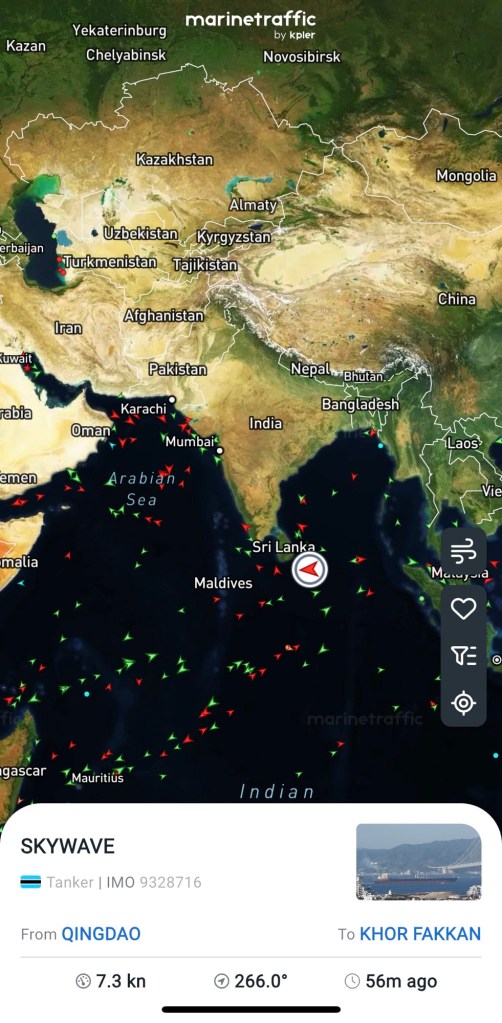
On Tuesday, May 19, 2026, U.S. forces seized an Iranian vessel in the Indian Ocean. The vessel was the Very Large Crude Carrier (VLCC) Skywave (IMO: 9328716). The story was originally reported by The Wall Street Journal, citing three U.S. officials. Ship-tracking data showed that the Skywave was sailing west of Malaysia on Tuesday after exiting the Malacca Strait. The Wall Street Journal reported that the ship was boarded overnight while it was halfway between Malaysia and Sri Lanka. The U.S. has not yet confirmed the seizure.
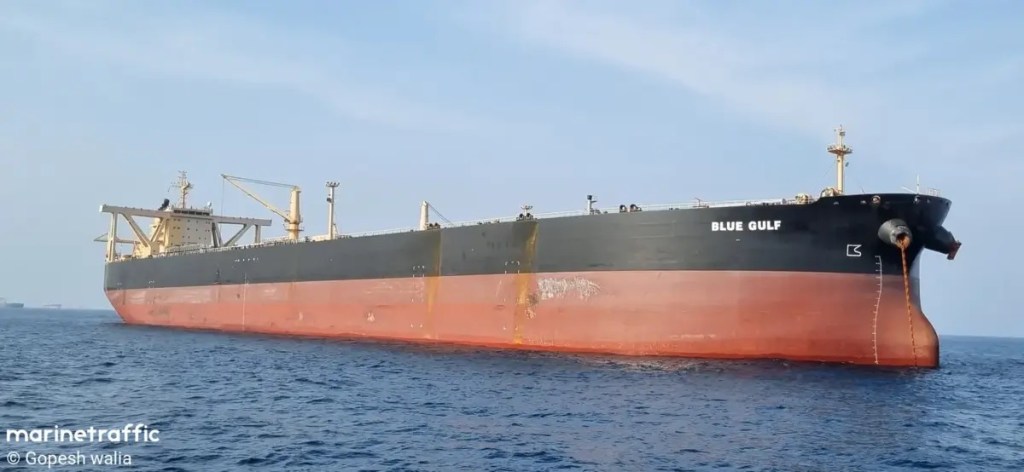
Image shows the ship before its name change to Skywave.
The ship is currently flagged in Botswana, a known cover for shadow tankers. As a landlocked country, Botswana has no national maritime or ship registry. Other maritime tracking sites list it as flagged in Comoros–another common shadow-fleet jurisdiction–providing probable evidence that the vessel routinely changes its flag. The ship changed its name in 2025 after it was sanctioned by the U.S. At that time, when it was called the Blue Gulf, it was registered in Palau.
Lloyd’s List Intelligence reports that the ship loaded more than a million barrels of crude oil at Kharg Island in February before heading to Asian waters. It is not publicly known whether the ship was able to offload its cargo in Asian ports.
Image from MarineTraffic shows a current reported position of Skywave.
This is the third time the U.S. has seized an Iranian tanker, following the seizures of the Majestic X and Tifani in April, both in the Indian Ocean. These operations form part of a blockade of Iranian shipping into the Persian Gulf as well as a broader crackdown on Iranian shipping worldwide. Iran’s tanker fleet generates revenue for the regime, which is then used to fund its military and proxy forces. The seizures tie into the wider U.S.–Israeli Operation Epic Fury and the effort to dismantle Iran’s nuclear program, among other objectives. Iran has denounced the actions as “armed piracy” and a violation of the fragile ceasefire established in April.
The Department of Justice and the Office of Foreign Assets Control (OFAC) also announced today that they are sanctioning an additional 19 tankers linked to the Iranian oil trade. The move is part of a campaign the U.S. calls “Economic Fury.”
The US action is a blockade of Iran’s ports and coastline, not a blockade of the Strait of Hormuz. Enforcement will occur inside Iran’s territorial seas and in international waters. In addition to this blockade, the Joint Force, through operations and activities in other areas of responsibility, like the Pacific Area of Responsibility under the command of Admiral Paparo, will actively pursue any Iranian flagged vessel or any vessel attempting to provide material support to Iran….This includes Dark Fleet vessels carrying Iranian oil. As most of you know, Dark Fleet vessels are those illicit or illegal ships evading international regulations, sanctions or insurance requirements. More than 10,000 sailors, Marines and Airmen, over a dozen ships and dozens of aircraft are executing this mission.
Chairman of the Joint Chiefs of Staff General Dan Caine,
Background
Tensions between the United States and Iran have escalated over Tehran’s nuclear program and its support for proxy militias across the Middle East. Operation Epic Fury, a coordinated U.S.–Israeli campaign launched earlier this year, combines naval interdictions, expanded economic sanctions, and intelligence operations to disrupt Iran’s shadow tanker fleet and starve the regime of the oil revenue that funds its military and destabilizing activities. The fragile ceasefire negotiated in April 2026 offered only a temporary pause in hostilities; both sides continue to accuse each other of violations, keeping the region on edge as the U.S. presses forward with its goal of preventing Iran from achieving nuclear breakout capability.
Earlier today, Iranian forces launched an attack on several targets across the Middle East, releasing videos showing the launch of cruise missiles and anti-ship ballistic missiles from mobile truck launchers. This appears to have been a response to a U.S. operation carried out this morning, which escorted two merchant ships through the Strait of Hormuz and out of the Persian Gulf.
During the U.S. mission, dubbed “Project Freedom,” several U.S. AH-64 Apache and MH-60 Seahawk helicopters sank six Iranian boats that the U.S. claimed were threatening commercial shipping. During the operation, it was also reported that Iran had launched new attacks aimed at American warships as well as merchant vessels.
During a press conference, Navy Adm. Brad Cooper, head of U.S. Central Command (CENTCOM), spoke with the press. Below are some key points.
“We have an enormous amount of capability and firepower concentrated in and around the strait, including AH-64 Apache and MH-60 Seahawk helicopters used just this morning to eliminate six Iranian small boats threatening commercial shipping. So we’re backing up commitment with action,” he continued. “We also have A-10s, F-15s, F-16s, F/A-18s, F-35s, EA-18 Growlers, RC-135s, KC-46s, and KC-135 fixed-wing aircraft, and numerous U.S. warships, including destroyers, two carrier strike groups, an amphibious readiness group, and a Marine Expeditionary Unit.”
Remarks to media today from Adm. Brad Cooper, CENTCOM commander, on Project Freedom: pic.twitter.com/kIFFLf2vpd
“The cruise missiles were going after both U.S. Navy ships, but mostly after commercial shipping,” Cooper added when asked about attacks so far. “We defended both ourselves and, consistent with our commitment, we defended all those commercial ships.”
Guided-missile destroyer USS Pinckney (DDG 91) observes a merchant vessel while on patrol enforcing the U.S. blockade against Iran. As of today, 50 commercial vessels have been redirected by U.S. forces to ensure compliance. pic.twitter.com/wm7onmQCke
“The President has also said that if the process [Project Freedom] is interfered with, we will react forcefully. And over the last 12 hours, Iran has interfered. The IRGC [Islamic Revolutionary Guard Corps] has launched multiple cruise missiles, drones, and small boats at ships we are protecting. We have defeated each and every one of those threats through the clinical application of defensive munitions.”
“I can confirm there’s been no U.S. military ship hit, and there’s been no U.S.-flagged ship that has been hit.”
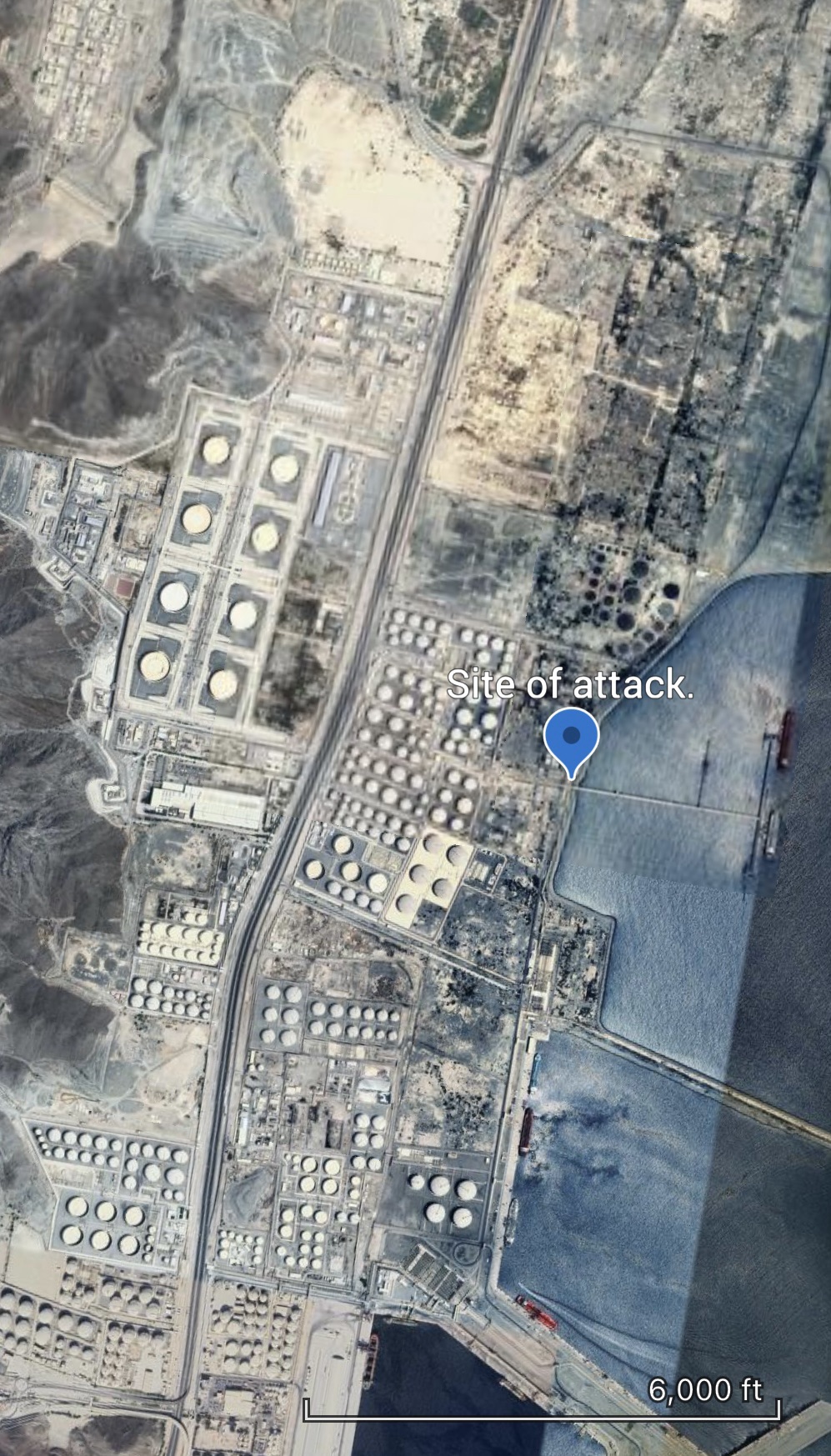
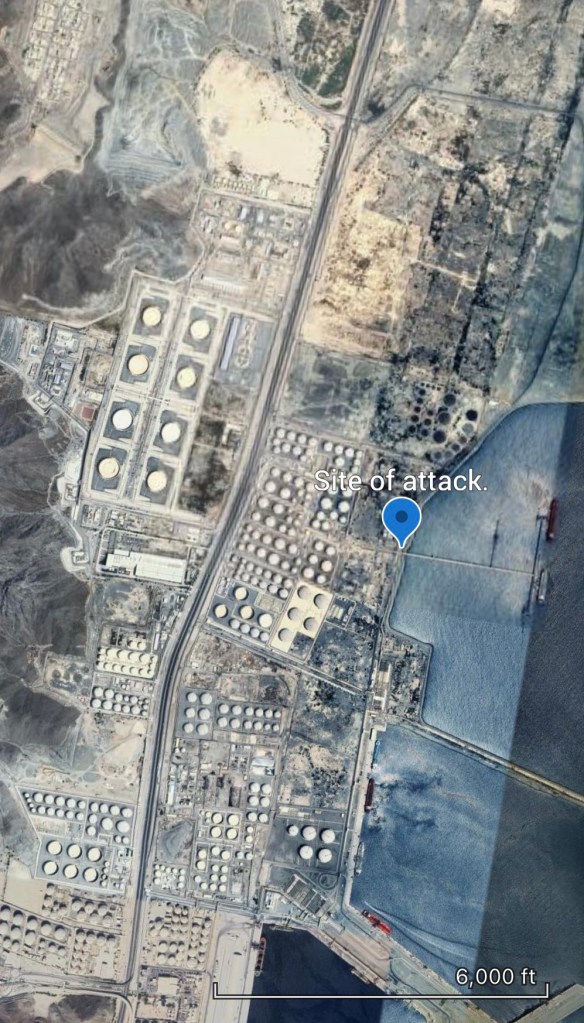
The UAE Minister of Defence said on social media that UAE air defense systems “engaged 12 ballistic missiles, 3 cruise missiles, and 4 UAVs launched from Iran, resulting in 3 moderate injuries.” The minister was referring to three Indian nationals moderately injured in a drone strike on the Fujairah Oil Industry Zone. The attack appears to have hit the connecting pipes that lead to a terminal used to load oil onto tankers.





You must be logged in to post a comment.