By. Scott Jackson
04/15/2024
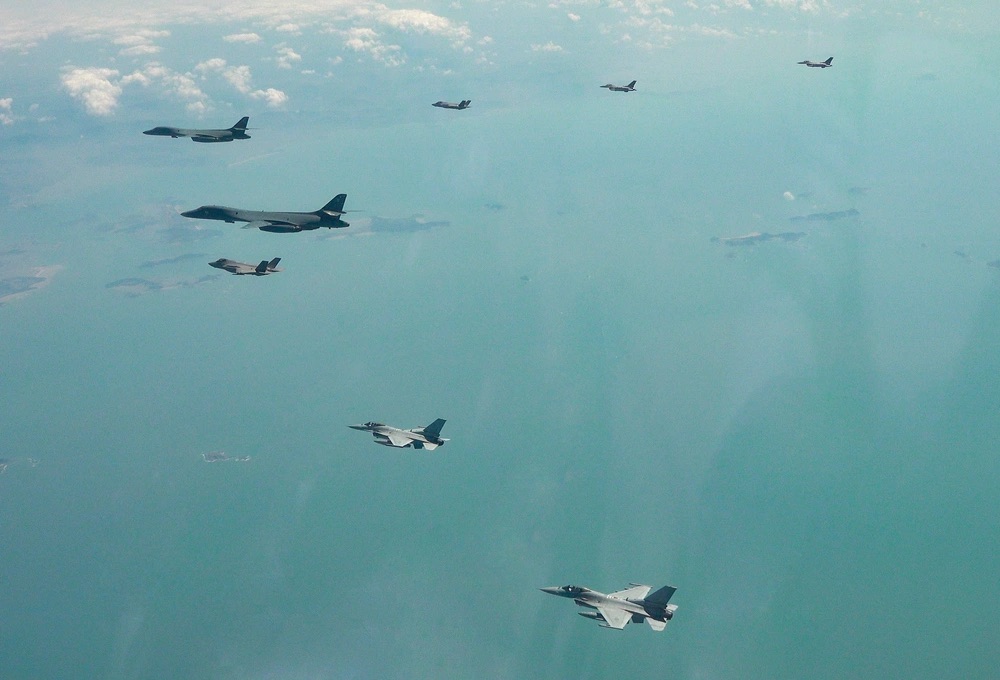
Earlier today a pair of U.S. Air Force B-1B Lancers flew across the pacific to train with air units from the Republic of Korea (South Korea).The bombers were joined by two U.S. F-16s and two F-35 Lightning’s II from They carried out what the Air Force is calling offensive and defensive counter air training.
These missions are important for improving and honing the combat skills between the partner nations as they develops combat procedures with newly acquired tech like the F-35, which given its massive increase in technology requires years of training to fully unlock its full potential on the battlefield.
I’ve had the chance to speak with several 5th gen fighter pilots (F-22 and F-35 both) one told me that you can get almost lost or freeze up when trying to process all of the data that the F-35 will give you.F-35 crashes (or less serious incidents) have happened because problems happened while pilots were distracted or they simply got overwhelmed. The F-35 especially demands a huge cognitive load. I’ll add an article of somebody else bringing this up. -Scott
https://www.businessinsider.com/test-pilot-f-35-demands-more-than-great-flying-skills-2023-11
“Our two nations will continue to enhance combined training to deter and respond to North Korean threats through close cooperation,”
-the South Korean defense ministry said.
“The training demonstrated the combined extended deterrence posture of the ROK-U.S. alliance in response to North Korea’s advancing nuclear and missile threats,” the Defense Ministry said in a press statement. “It also aimed to enhance interoperability between the two forces.”
This action also had the added effect of being a “show of force” to North Korea as well as other countries in the area (China and Russia). On the day North Korea was celebrating the birthday of Dictator Kim Jung Un’s great Grandfather and North Korean state founder , Kim Il Sung.
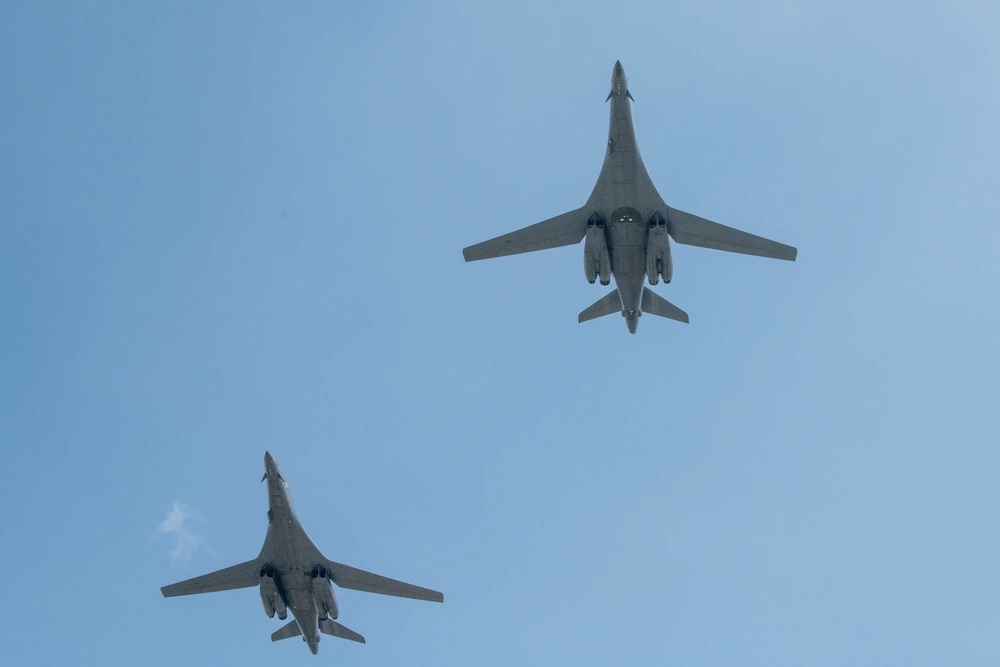
The bombers then did a quick flyover of the Osan Airbase and then left the area.
It’s expected that this will cause a reaction in North Korea. North Korean missile teat have been carried out in the aftermath of these bomber missions in the past. The U.S. and South Korea are likely to increase patrols until things cool down.
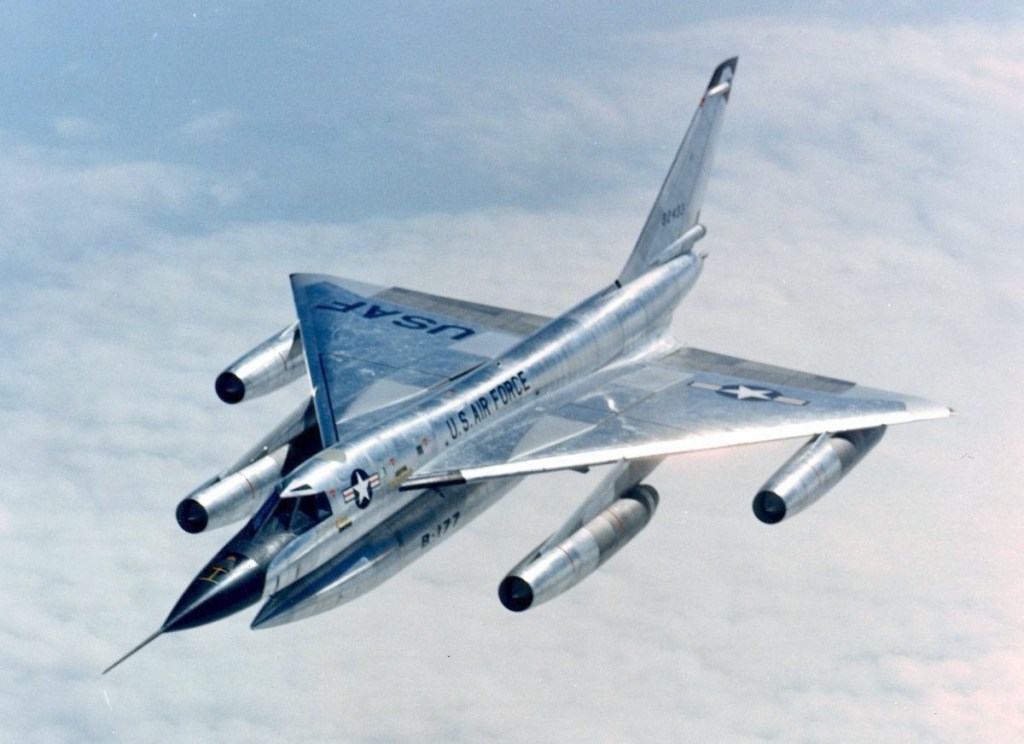
The Rockwell (now Boeing) B-1b lancer, affectionately called “the bone” by those who know and love her is a swept-wing long-range strategic bomber in the U.S. Air Force. The bomber was developed as a way to combine the payload of the B-52’s with the speed of the Convair B-58 Hustler. Originally the Air Force had chose the B-70 Valkyrie for the task, a high altitude bomber with similar speed and altitude capability as the U-2. Around the early 50’s the Soviet unions interceptors at the day couldn’t keep up and the B-70 would have been able to simply fly right past them. However as Surface to Air missile systems improved the ability to fly very fast at low altitudes became the doctrine the Air Force wanted to pursue.

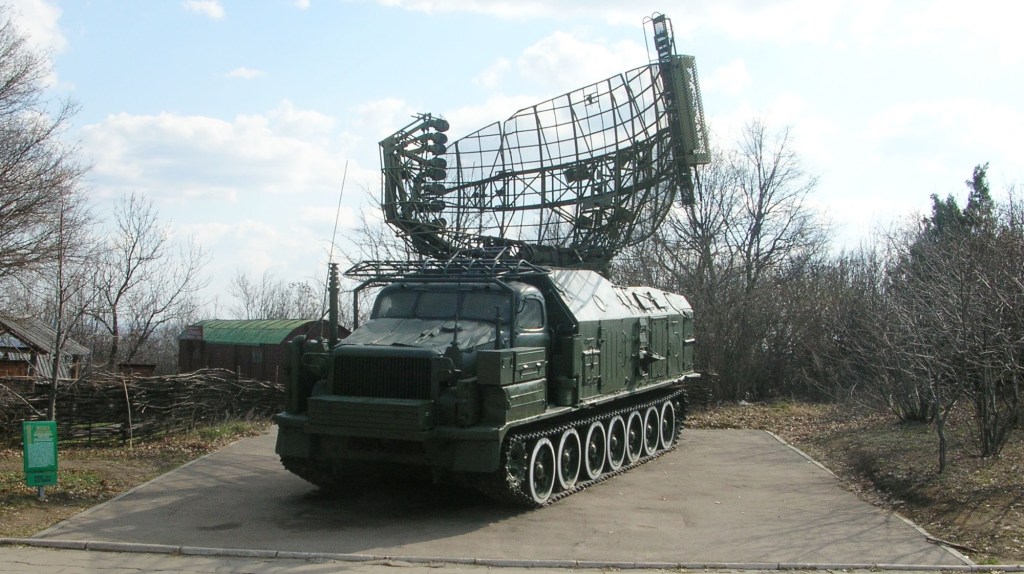
Radars of the day (and today) have several weaknesses, one being that they are only as effective as they can reach with their waves. Terrain and the horizon are the biggest factors here so a bomber flying low enough and far enough away can avoid most radar instillations.
The bone was chosen as its ability to fly low and at high speed would keep the crews and aircraft safe as well as make it more likely they could continue their mission. You might ask why the B-52 of the day, which is still in operation (with some upgrades) was spared from the chopping block like the idea for the B-70 and the answer was because it’s huge fuel capacity made it able to operate at lower altitudes longer and upgraded conventional munitions capability made it able strong asset for nuclear deterrence as well as conventional warfare. However the Air Force uses both bombers for different reasons. Nobody is going to ask the Stratofortress to go zipping through a canyon and pop over a valley to hit a target.
I have the perfect video that displays the capabilities of the B-1 and why even still today these monsters are still considered one of the baddest planes in the arsenal.
The jet is surprisingly low and if you didn’t know he was coming you would only have a couple very precious seconds to react. That’s why.
Anyway I could write all day about this plane but I think I’ve said enough for now.
Thank you for reading. I hope you get as much out of what I’m doing here as I get out of making these reports. If so I would invite you to join my Patreon. Doing that would help me more than I can describe. I’ve kept it as cheap as possible to become a member. It’s only a $1.00. However a dollar from even half of my Facebook followers would be a life changing amount of money for me and for this page.

Thank you for all the support over the years. Here’s to many more.

-Scott


Leave a Reply