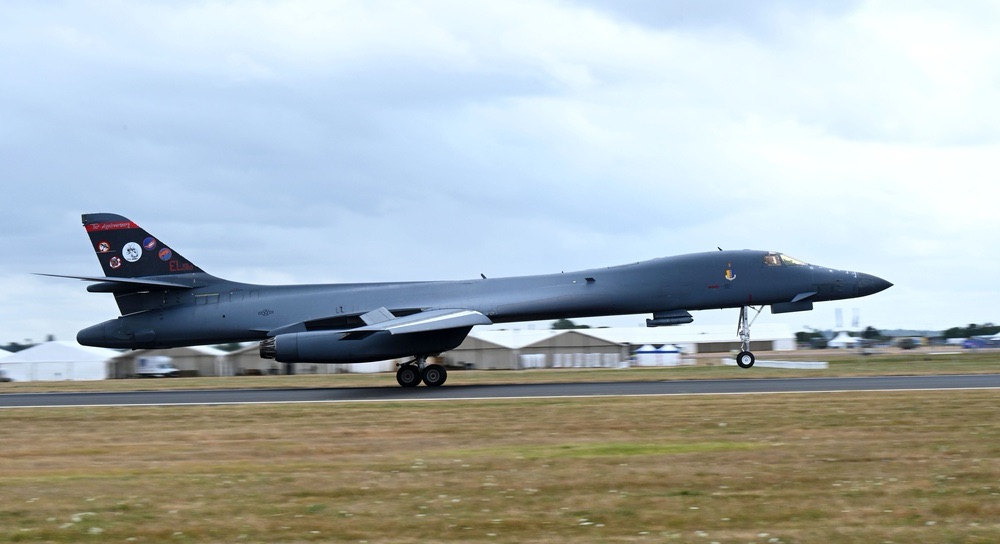
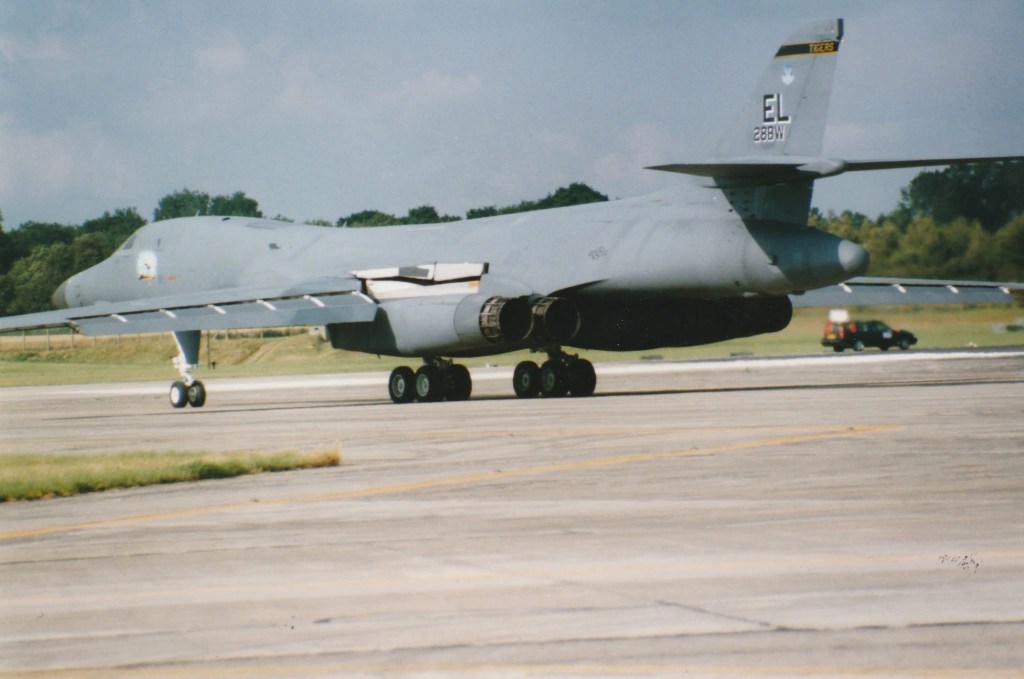
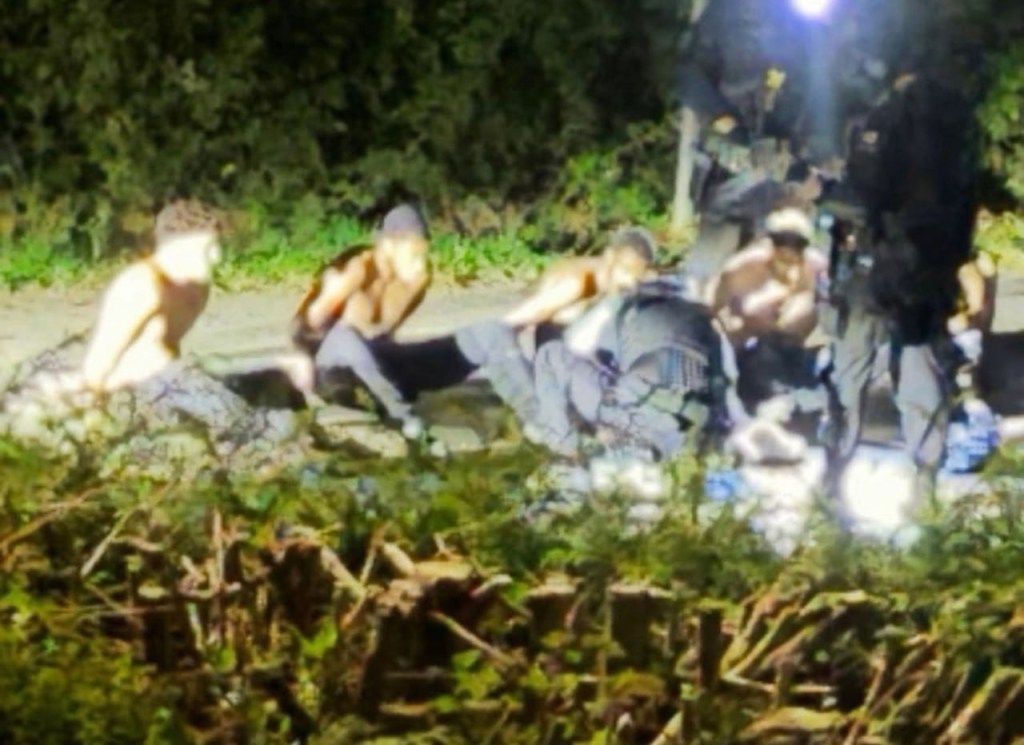
On the morning of September 27th, 2026, Gloucestershire police arrested five men that police believe to have been attempting to break onto RAF Fairford, currently home to a number of US B-1B Lancer bombers.
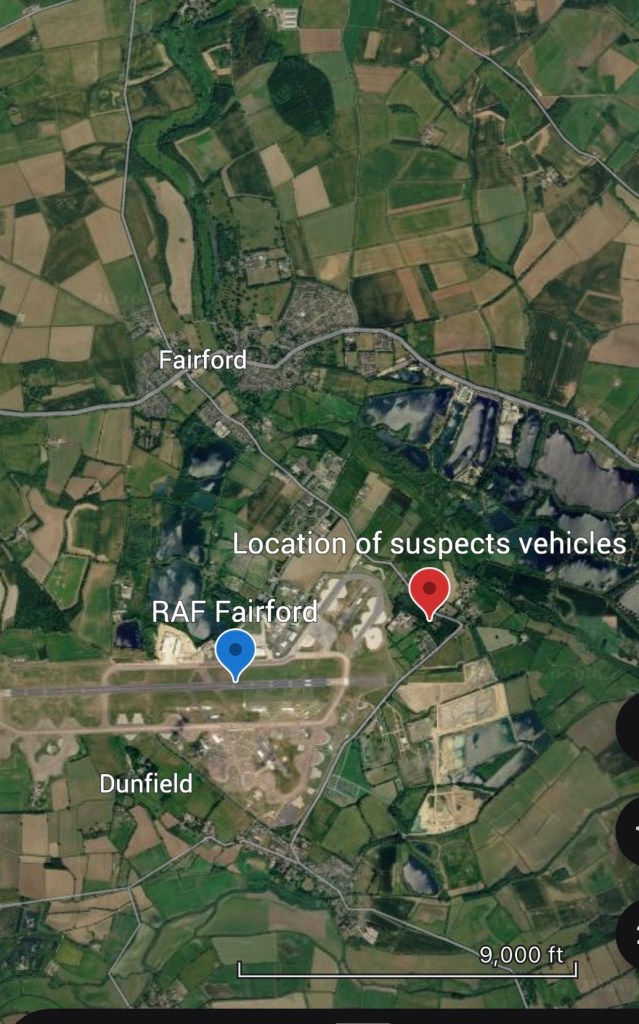
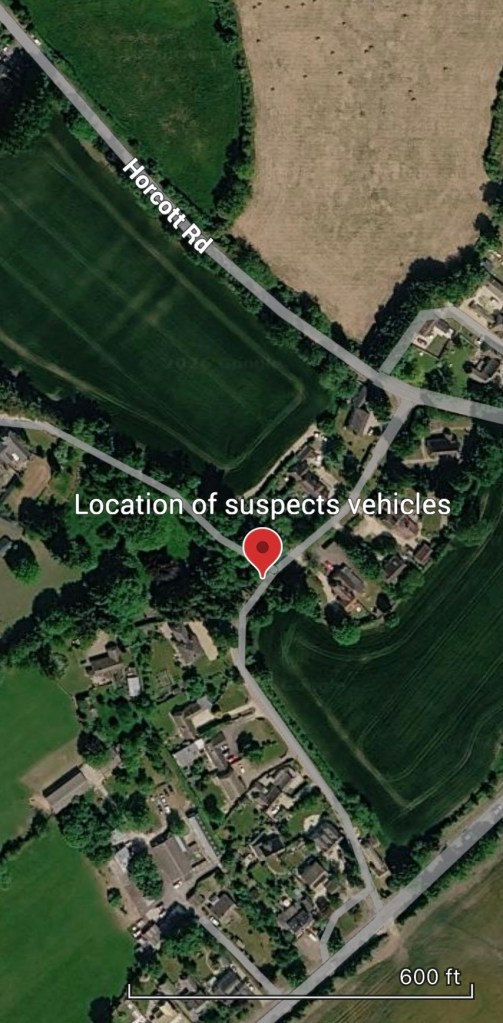
The men were stopped several hundred meters from Crash Gate 6A. Close to the base but not on it, as some reporting has suggested.
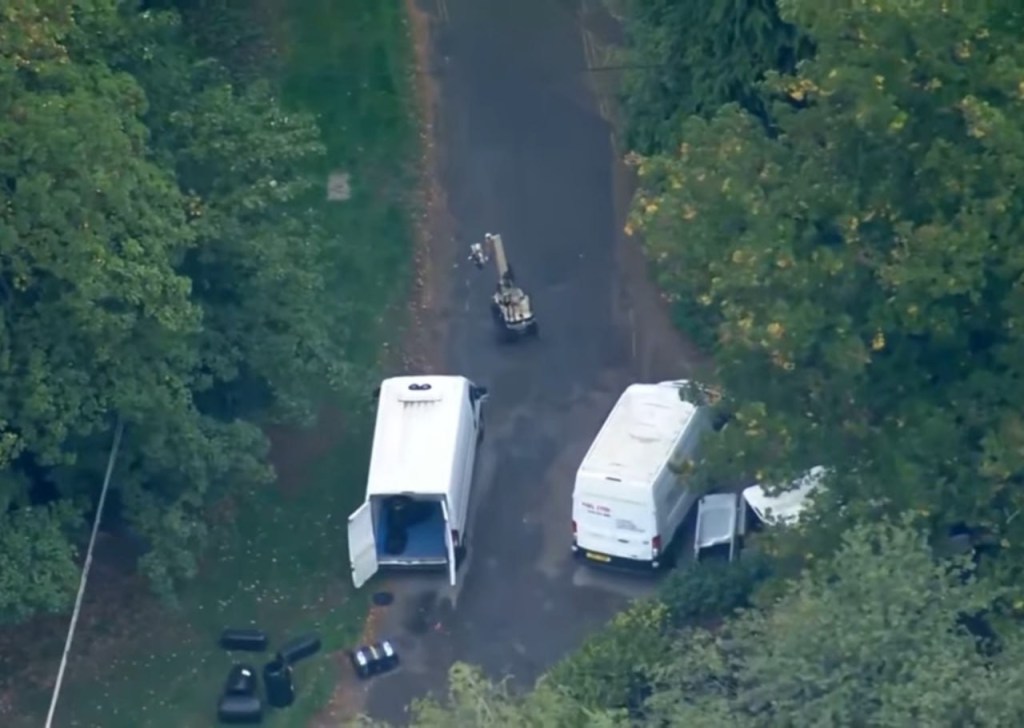
A major incident was declared after the arrest. About 85 households in Whelford were evacuated to a nearby leisure centre, and a 400-metre cordon was placed around the vehicles while the Army’s explosive ordnance disposal team examined them. Officials said they believe the incident is contained. Counter Terrorism Policing is leading the investigation into the men and their motives.
“I saw a group of Middle Eastern-looking youngguys running off through the trees. Some of them had masks or balaclavas on, and they all scattered ahead of us as we drove back past,” a local farmer told the Daily Telegraph. She continued, “Some of them ran into the fields, and some of them turned to run towards the air base… I mean, you don’t see masked men running around at half one in the morning in the countryside near a secure air base and not have concerns.”
The local preferred to stay anonymous for safety reasons.
The men were apprehended outside of the base under the Explosives Act, with EOD examining their vehicles. Broadcast aerial footage from CNN and others has shown EOD robots removing large black items from the back of the van; however, police have not yet confirmed their contents. Other outlets have reported chemicals/explosives, but that hasn’t been confirmed anywhere yet.
RAF Fairford is home to the 501st Combat Support Wing and has been used by U.S. bombers for missions against Iranian missile infrastructure after London authorised that use earlier in the conflict. A U.S. Air Force spokesperson at the base told CNN that, for operational security reasons, the service would not discuss specific force protection measures. Photographs from Sunday showed at least one B-1B on the tarmac.
While a motive has not been established, U.S. President Donald Trump said the suspects were “looking to do big damage” and had been “under view for a long time.” However, multiple UK reports contradict this and say the operation to apprehend the men was not intelligence-led and rather started when a member of the public called 999 and voiced their suspicions and concern. Local detectives are reporting that they are investigating any link to Iran, but officers have declined to comment on origin or sponsorship. This is a natural line of question given the base’s importance in U.S. operations during the conflict with Iran, with U.S. bombers flying strike missions from RAF Fairfield to Iran. Iran’s Islamic Revolutionary Guard Corps earlier warned that any base used for attacks on Iranian territory would be treated as a legitimate target. Since that threat, the base has been under a heightened security posture.
Prime Minister Andy Burnham said the situation would be deeply concerning for local residents and urged the public not to speculate while the investigation continues.
Update 09/28/2026
According to the British police, the five men that were arrested were all British nationals from London and all in their early 20s. This morning, they were released on bail pending the completion of the investigation.
“Thanks to the excellent work of the army’s explosive ordnance disposal team, the scene is now safe, and the residents of Whelford will shortly be returning home,” British interior minister Shabana Mahmood said.
While nobody has come out and said it, it appears from the wording in the quote above that explosives were discovered at the scene and later handled by the EOD; however, that hasn’t been confirmed yet.
An investigation is now ongoing to determine if these individuals were acting for a foreign state, unknowingly or else. A common tactic used by intelligence agencies has been to outsource intelligence work by making content with people inside of a country, and then paying them for whatever task they need done. The task starts as things somebody wouldn’t question like delivering a package or taking a picture, and they see how far they can get you to go as the task gets more and more complicated and/ or illegal. There are documented cases of Russia using this tactic in Ukraine and Poland as part of their ongoing hybrid warfare campaign. There is no current connection to Russian intelligence; however, it could be that UK authorities believe a page has been taken out of Russia’s playbook.
This page will be updated when further information is released.
Some other great articles from across the web.
https://www.mirror.co.uk/news/uk-news/raf-fairford-nine-things-know-37708487
https://theaviationist.com/2026/09/27/major-incident-raf-fairford/




You must be logged in to post a comment.