By. Scott Jackson
06/29/2025
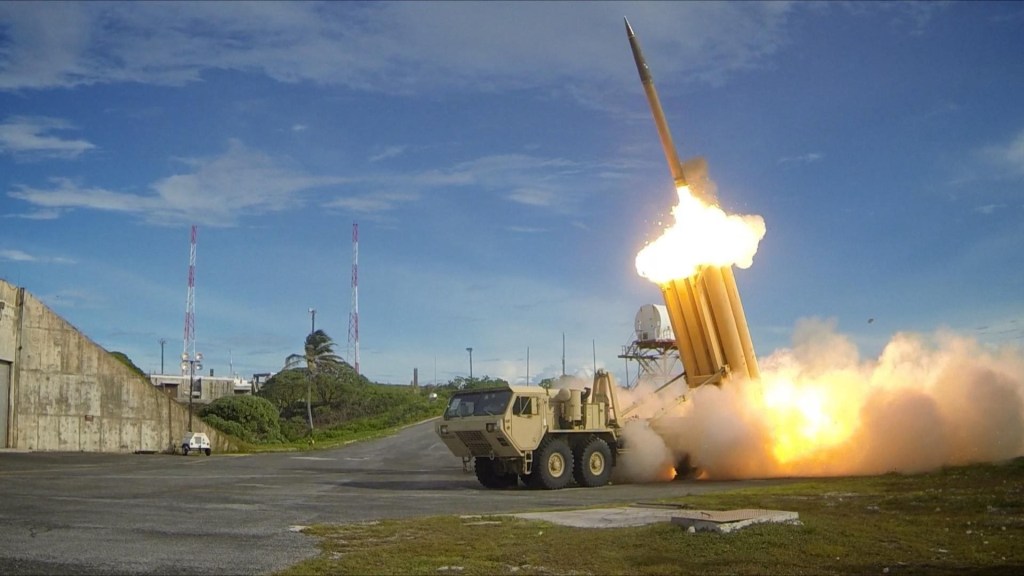
A recent report released by the DoD has annonced that the U.S. has burned through around 15-20% of its global stockpile of interceptor missiles used in the THAAD system, while shooting down Iranian ballistic missiles, defending Israel from attack. THAAD only had its first combat interception last year but its effectiveness has already been well proven and with the data from its recent interceptions its performance will only improve.
THAAD, or the Terminal High-Altitude Area Defense is a U.S. air defense system that can engage and destroy short-, medium-, and intermediate- range ballistic missiles, inside the earths atmosphere or outside of it.
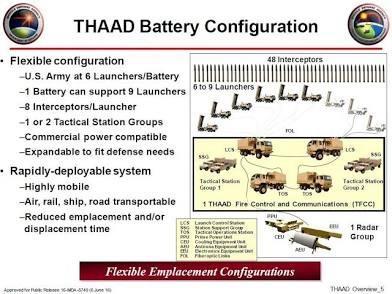
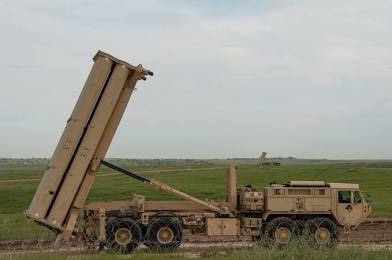
The U.S. currently has Seven THAAD batteries. Each are made up of at least six truck-mounted launchers with eight interceptor missiles each. The launcher can be reloaded once every half hour. The system is capable of supporting up to 9 launchers.
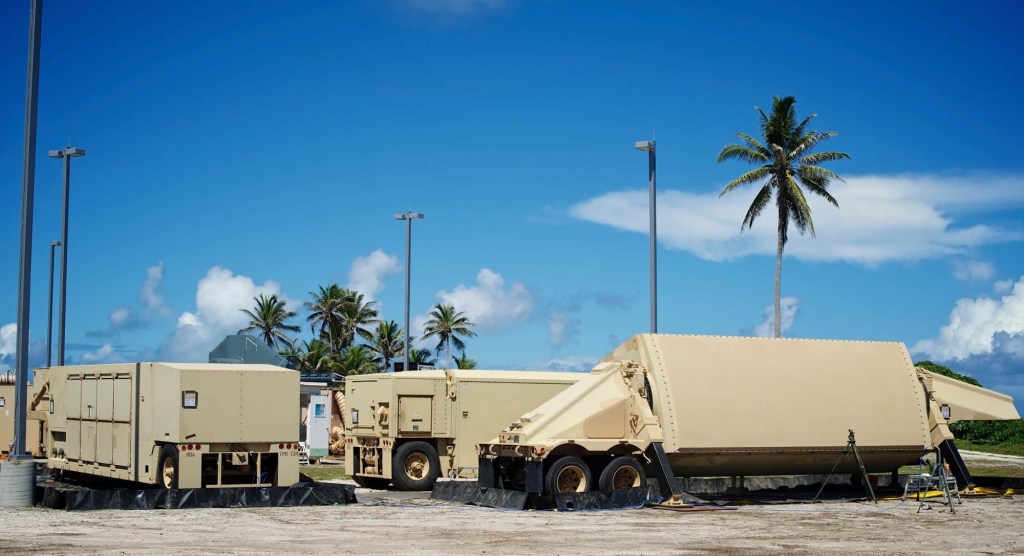
The battery also consist of a ground based radar. The Army Navy/Transportable Radar Surveillance or AN/TPY-2. The AN/TPY-2 consist of 4 elements: an antenna unit, electronics unit, power and cooling, all on independent trailers. The X-band radar is capable of tracking targets out to between 500 and 1900 miles depending on mode and conditions. The radar is what gives THAAD its impressive accuracy. Note that the launchers can also utilize other radar if problems arise, such as any of the ship based Agis platforms.
There is also the THAAD Fire Control and Communications (TFCC) which controls the overall operation of the system and also relays fire control informations to other systems like Patriot and other elements in the joint force. The TFCC includes two main stations: the Tactical Operation Station (TOS) and the Launch Control Station (LCS) . TOS and LCS incorporate wireless datalinks, networking equipment, and fiber optic cable interfaces.
With near permanent THAAD batteries deployed to South Korea, Israel, and Guam, one can see its importance on some of the most high stress potential future and current conflicts. Finding a solution to a munition shortage problem in this area should become a high priority for the US as well as some of its partners who have bought the system. Defending the airspace during any conflict is paramount and could mean the difference between victory or defeat especially for the U.S. who doctrinally, look to maintain control of the airspace they are operating in.
With near-permanent US operated THAAD batteries deployed to South Korea, Israel, and Guam, one can see its importance in some of the most high-stress potential future and current conflict zones. Finding a solution to the munition shortage problem in this area should become a high priority for the US and its partners who have purchased the system. Defending airspace during any conflict is paramount and could mean the difference between victory and defeat, especially for the US, which doctrinally aims to maintain control of the airspace it operates in.
To combat the shortage in the weapon systems munitions Lockheed Martin has invested in streamlining the process for the production of these highly technical missiles, up to 500 missiles a year for the U.S. ,instead of the current number that hovers around 300. South Korea has chosen to invest more in its own domestic systems hoping to be able to reduce the reliance on the system. The UAE will likely be getting a replenishment of their stock from the U.S.’s stockpile. Overall the U.S. is pushing its NATO allies to develop their own domestic systems as to take some of the pressure off of the THAAD system, and create a more multi-layered threat protection. THAAD works best when supported by other counters to different types of air threats. One example of this is the MIM-104 Patriot system.
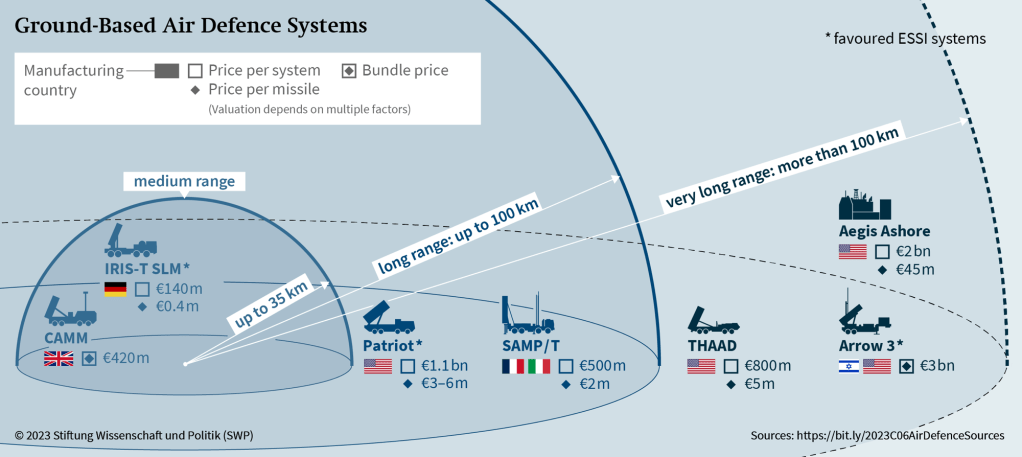
THAAD will continue to be an important part of the United States overall missile defense strategy.
 Global Conflict Reporting
Leave a comment