Tag: Defense

  • Jordan intercepts 10 of 13 Iranian ballistic missiles after U.S. strikes in southern Iran.

    Jordan intercepts 10 of 13 Iranian ballistic missiles after U.S. strikes in southern Iran.

    September 1, 2026, Jordanian air defenses engaged 13 Iranian ballistic missiles that entered the country’s airspace and destroyed 10 of them. The Jordan Armed Forces said the remaining three landed in remote, unpopulated areas. Jordan reported no injuries, no deaths, and no significant damage to property.

    Iran’s Islamic Revolutionary Guard Corps said the barrage was aimed at Camp Titin, a small U.S. Marine training camp south of Aqaba used to train Jordanian forces along the Gulf of Aqaba. Iranian state media claimed the strike destroyed military buildings and helicopters and killed a large number of U.S. personnel. Those claims have not been independently verified. Two U.S. officials told Reuters there were no reported U.S. casualties at facilities in Jordan based on initial information.

    Video shows the Iranian ballistic missile impacting near the city of Aqaba.

    This was the second Iranian attack into Jordan in roughly 48 hours. Overnight August 30–31, Iran launched missiles and drones at U.S.-linked sites in the kingdom, including the Muwaffaq Salti / Azraq area, after a U.S. strike on Larak Island in the Strait of Hormuz. The two exchanges are the first major kinetic back-and-forth since the June U.S.–Iran Memorandum of Understanding expired in August.

    The latest Iranian fire came after a wave of U.S. strikes on September 1. Iranian media and local reports said explosions were heard in Chabahar, Bandar Abbas, Qeshm Island, Konarak, Jask, Sirik, and Minab. CENTCOM did not name those cities. It said U.S. forces struck IRGC air-defense sites, radar systems, maritime assets and facilities, mine-laying capabilities, and communications sites, following attempted IRGC attacks on commercial shipping in the Strait of Hormuz and on American service members.

    Video reported to show the U.S. bombardment of Sirik.

    Iranian officials say one of those strikes hit a home during a wedding ceremony in Kuhestak, in Sirik County, killing four people, including a child, and wounding 67 others. Reported figures have varied. The United States says it does not target civilians.

    Video taken from Sirik and obtained by GCR confirms that a U.S. strike hit the area. It does not confirm what was hit. Precision geolocation is difficult with the footage currently available. A second video shows the building Iranian media identified as the wedding site. The clip shows a damaged structure. It does not, on its own, prove a wedding was underway.
    Video captured in the aftermath of the incident shows a residential style building on fire.
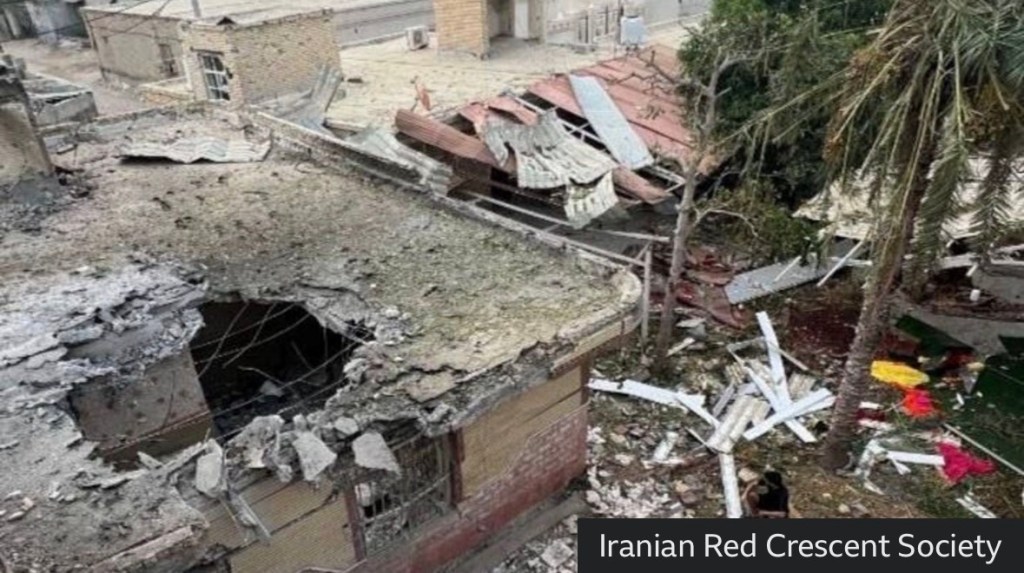
    Image from the Iranian Red Crescent Society, showing the house which was the site of a bombing in Sirik. This was the site of the alleged wedding celebration.

    “Unfortunately, this is a residential building. And unfortunately, this happened during my daughter’s wedding ceremony,” Ali Mallahi, father of the bride and owner of the building, said in a video broadcast by Iranian state media.

    Looking at maps of the area, the U.S. targeted a telecommunications tower in the vicinity of the house, which was struck.
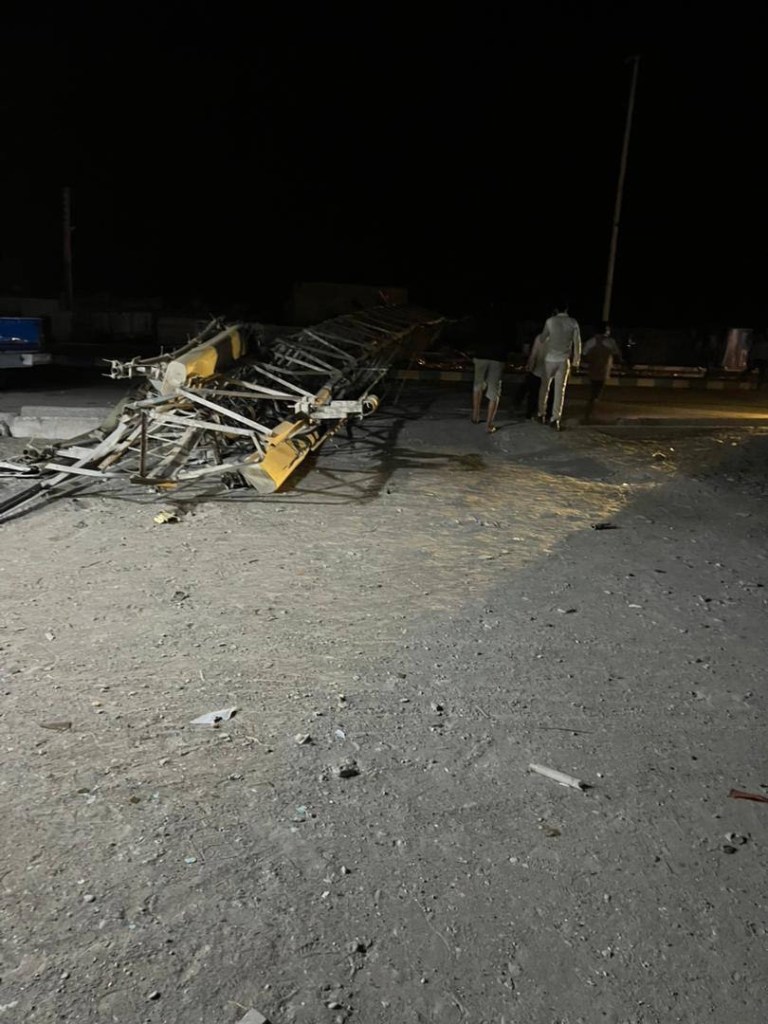
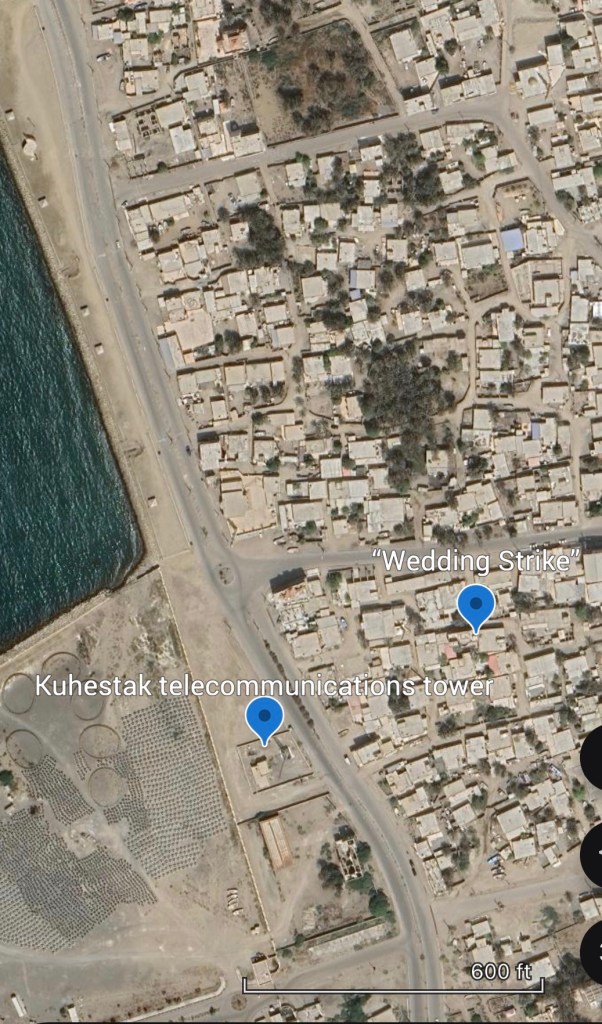
    Kuhestak telecommunications tower in Sirik
    This Google Earth Image shows how close the house and Telecom tower are to each other.

    It appears just from looking at the map, the images, and the video from the scene that if the strike on the house wasn’t intentional, it was possibly hit in a U.S. strike that missed its original target, which is only 143 meters away from the house where the wedding celebration was said to be taking place. A tragedy, but one that happens in war often enough. The U.S. faced a similar situation during the raid on Venezuela when one of its upgraded AGM-88 HARM missiles missed its target and hit an apartment.

    President Donald Trump said the U.S. operation was a response to Iranian forces attempting to lay more mines in the Strait of Hormuz. Sirik was one of multiple reported aimpoints in that wave, not a standalone strike.

    In the hours after the U.S. attacks, IRGC missile forces appear to have targeted Camp Titin in Jordan. Iranian state media presented the camp as a successful hit. Footage obtained by GCR of one incoming missile does not show an intercept and appears to show the weapon striking the side of a mountain rather than a developed part of the camp. That can mean several things: the missile was already going to miss anything that mattered, the air-defense battery chose not to spend an interceptor on it, or the system was occupied with other tracks. Jordan has absorbed a large volume of Iranian fire since the start of hostilities. The more likely reading of this particular clip is that the missile was heading into the high ground around Aqaba and was not assessed as enough of a threat to engage. That is what the video appears to show. It does not prove a successful strike on the camp, and it does not prove Jordanian or U.S. air defenses were out of ammunition.

    Today’s exchange is a return to open kinetic strikes. That is a sharp contrast with late August, when U.S. officials leaned hard on economic pressure — including the “Economic Outcast” / “economic D-Day” track and talked as if large new bombing campaigns were no longer the main tool. Limited strikes and intercepts are not the same thing as a full restart of the February war. They are also not the pause Washington had been describing.

    Military actions are often used in conjunction with economic pressure to reach a goal. In most cases, military action, nor economic action alone, is enough. Using them together adds extra pressure. It also appears that the military strikes are supporting the economic strikes by targeting radars, air defense, and missile sites near the coast that Iran has tried to use to maintain control over the strait.

    CENTCOM said after the strikes:

    “U.S. forces struck Islamic Revolutionary Guard Corps (IRGC) targets including air defense sites, radar systems, maritime assets and facilities, mine laying capabilities, and communications sites.

    The strikes follow recent attempted attacks by the IRGC against commercial shipping in the Strait of Hormuz and against American service members.

    More than 50,000 U.S. service members are currently operating across the Middle East and remain vigilant, lethal, and prepared to continue executing operations directed by the Commander in Chief.”

    In the following days, Iran is claiming that the U.S. strike on the wedding is a war crime, a claim being repeated by many in Iran, including Iranian foreign ministry spokesman Esmaeil Baqaei. Iranian authorities say another 14 people were killed in separate attacks that took place at the same time.

    CENTCOM video

    Author note.

    I know this strike was several days before I posted about it. In some cases, I’m not able to verify the footage I’m sent or that I find, and it takes me a while to go through my steps to verify that footage is what it is claiming to be. While GCR does often cover breaking news, its mission is more about analysis and verification. Thank you always for all the support.

    Please feel free to comment. I always want to do better. I’m not trained in any of this stuff. Writing, conflict reporting, and analysis is something I’ve taught myself how to do, and I know there are areas I can improve, so please, if you have a question, comment, or anything that can help me improve. Message me on Facebook or I can be reached through the email found on the contact me page.

    -Scott
  • U.S. Navy Announces AIM-424 ‘Malice’ LRAAM.

    U.S. Navy Announces AIM-424 ‘Malice’ LRAAM.

    This week, the AIM-242 Malice, a LRAAM (Long Range Air-to-air Missile), was announced by the U.S. Navy. 

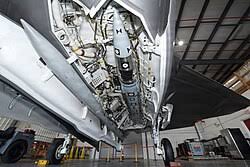
    We don’t know much about the missile, but what we do know is that it was quietly worked on by Raytheon and is capable of hitting targets over 250 nautical miles (463 kilometers) away, according to Navy reporting. Its 13.5″ diameter and aerodynamic profile were built for range as well as for the ability to be carried by fighters with internal weapons bays.

    The missile was officially announced on August 22, 2026, at the Tailhook symposium in Reno, Nevada. The Navy announced there that the weapon was already in flight testing and being developed for deployment on the Boeing F/A-18E/F Super Hornet, the Lockheed Martin F-35, and the future F/A-XX program.  

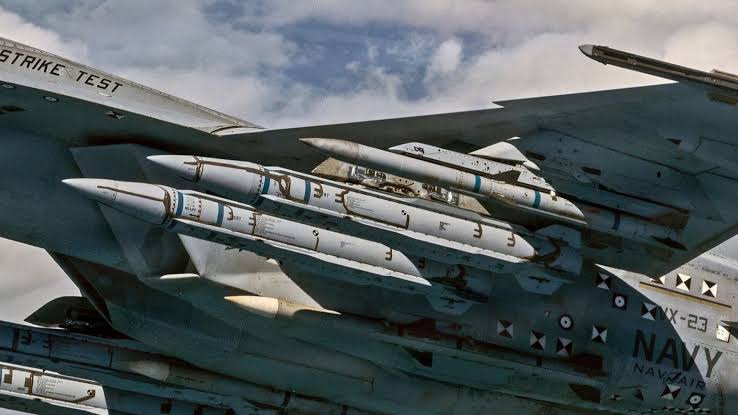
    Two AIM-424

    It’s thought that the development of the AIM-424 comes from the Long-Range Engagement Weapon (LREW) special access program first disclosed to the public in 2017. At the time, the US Air Force was looking for a two-stage air-to-air missile that could be carried in the internal weapons bay of a stealth fighter (F-35 or F-22), a similar use case to AIM-424.

    The range of the AIM-424 has been quoted as around 250 nautical miles, which is similar to the publicly reported upper limits of the AIM-174B Gunslinger, which is a derivative of the sea-based RIM-174B Standard Extended Range Active Radar Missile (ERAM, Standard Missile-6, or SM-6). What the AIM-424 brings to the table is versatility, as the Gunslinger is a much larger missile and currently only known to be carried by the Boeing F/A-18E/F Super Hornet. 


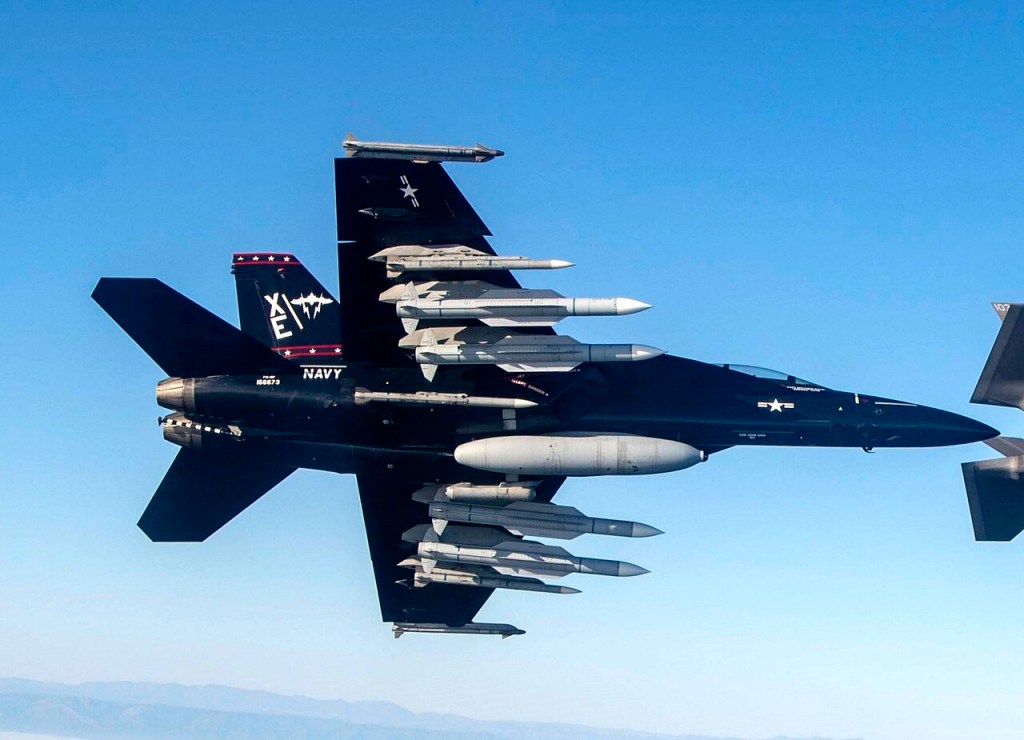
    A U.S. Navy Boeing F/A-18F Super Hornet (BuNo 166673) of Air Test and Evaluation Squadron 9 (VX-9) flies over the Point Mugu Sea Range in Southern California (USA), 24 September 2024. The aircraft carries two AIM-9X Sidewinder missiles, three AIM-120 AMRAAM and four AIM-174B long-range air-to-air missiles, an infrared search and track system (IRST) in a modified drop tank on its centerline, as well as an ATFLIR targeting pod on its left cheek station.

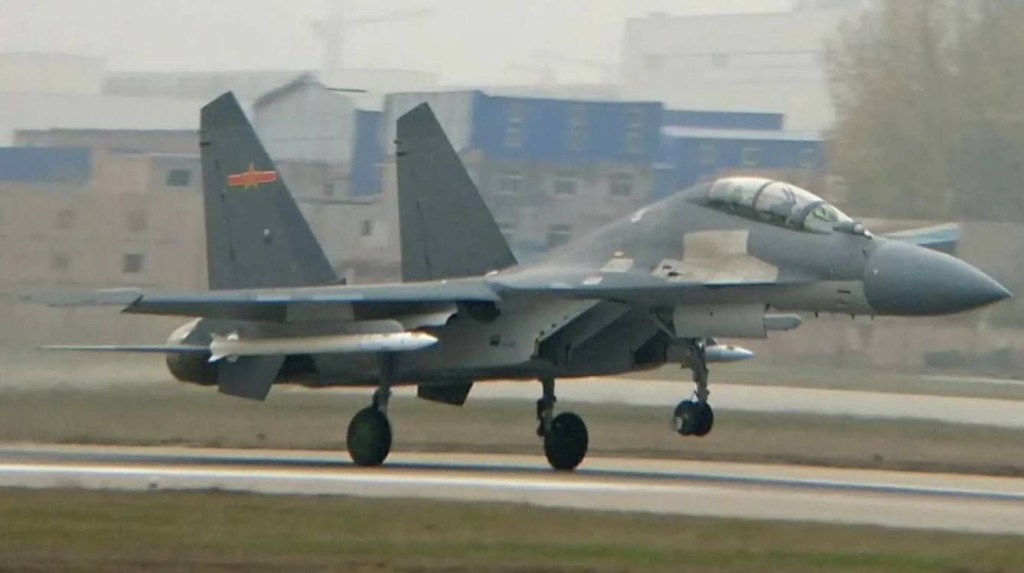
    The U.S. Air Force and Navy have both put a priority on extending the engagement range of its fighters as the U.S.’s potential enemies extend the range of their armaments. China fields the PL-17 with a reported range of over 300 miles.

    PLA Air Force J-16, armed with the PL-17 long-range air-to-air missile

    An important caveat to all of this is that the published range figures are usually much larger than what the missile can reasonably expect to make a hit on a target. The range is tested using high altitude, in good weather conditions, against a non-maneuvering target. The tests don’t use any sort of jamming or defensive countermeasures. Taking these factors into account, the range these that any air-to-air missile can expect to score a kill is much shorter than what is published. 

    In air-to-air combat, you have a concept of the No-Escape Zone (NEZ). This is the volume of space in which the target cannot defeat the missile through pure kinematics (turning away, accelerating, diving, or any combination of those) no matter how well the pilot flies. Outside the NEZ, the probability of kill (Pk) falls off steeply. For many conventional solid-rocket missiles (most of them), the NEZ is often roughly one-third (or less) of the advertised maximum range.

     A related concept is the practical effective engagement range against an alert, maneuvering fighter that is using countermeasures. That distance is usually even shorter than the pure kinematic NEZ once you factor in real-world degradation factors. 

    Most missiles that use solid rocket fuel burn their fuel very quickly, most medium range within the first 10-12 seconds of launch. After that, burnout the missile is coasting. It is a finite amount of energy that it must manage all the way to the target. Course corrections and drag come into play, and at very long range, the missile could simply lose all energy and “go ballistic”, keeping a straight course and falling to the Earth. 

    While these factors are all important it shows why companies are continuing to push the envelope and produce these long range systems, as the more you can push the ideal range, the longer range that the missile will have under less than ideal combat situations where the enemy is jamming the missile, and using ever tool he has to evade.

  • Turkey to send a large package of surplus US made munitions to Ukraine

    Turkey to send a large package of surplus US made munitions to Ukraine

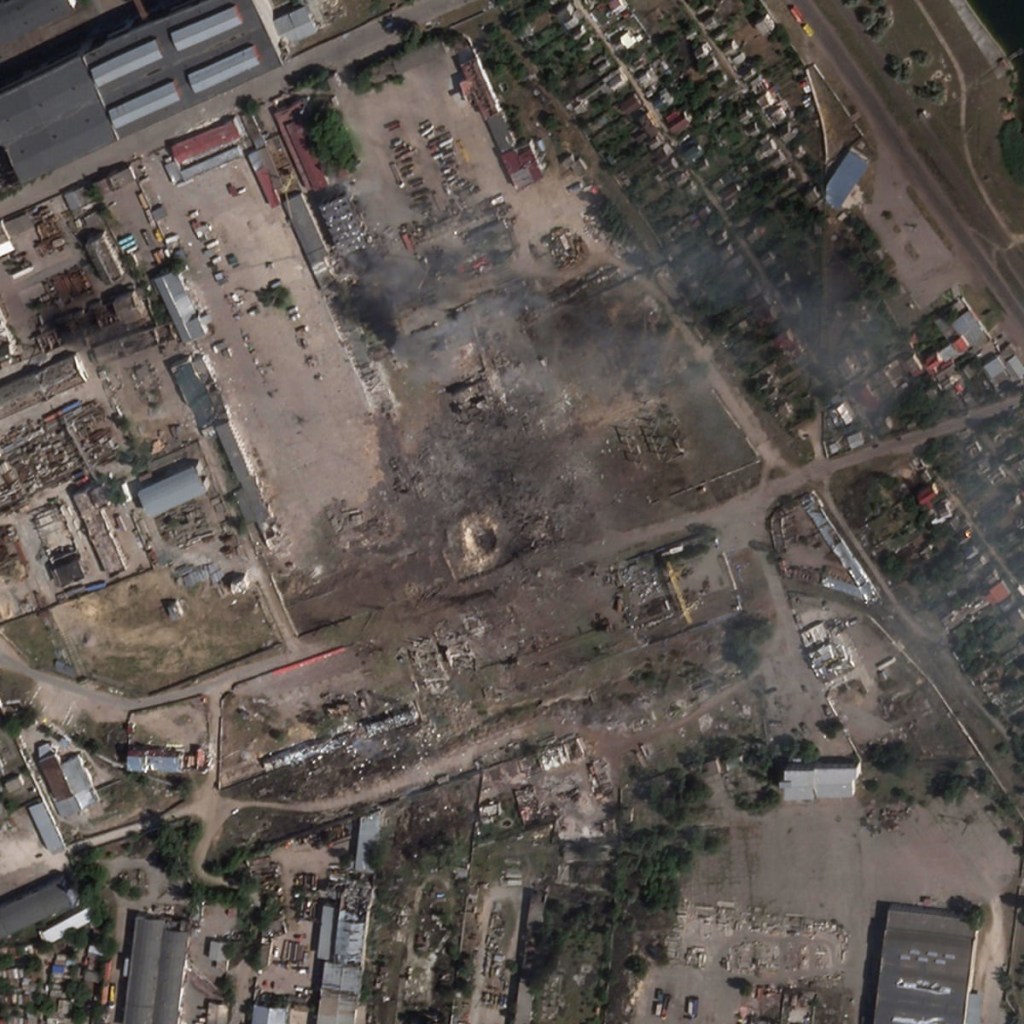
    Image shows the aftermath of a Ukranian HIMAR strike on Nova Kakhovka, in Russia-occupied Kherson early in the war.

    In the next month, Turkey will transfer a large quantity of surplus munitions to Ukraine. The list is made up exclusively of U.S. made long-range strike weapons and artillery platforms according to documents sent to the U.S. Congress. If approved, which it should be, the transfer marks one of the largest transfer of U.S. made weapons by a third country.

    • 70 M39 ATACMS tactical ballistic missiles 
    • 2,500 M26 DPICM rockets 
    • 12x M270 MLRS launchers 
    • 47,000x 203mm DPICM artillery shells

    The U.S. state department notified Congress of the transfer through documents delivered around August 3 and published in the Congressional Record on August 6,. Because the systems are American-made, U.S. authorization is required under the Arms Export Control Act for re-export. The U.S. government has indicated it is prepared to authorize the deal, describing it as consistent with its security assistance objectives. Delivery of the weapons will take place after the mandatory congressional review period (often cited as 15 days.) Congress is in recess at the moment and that 15 days will overlap and likely go through as the transfer doesn’t require Congress to approve, just that they don’t deny it.

    The 12 HIMARS in the list are believed to make up the last of Turkeys HIMARS. Turkey is currently in the middle of an extensive modernization effort of its military so cleaning out some of its older equipment to make room for the new makes sense for them.

    The list is made up of munitions that Ukraine has already used in this war previously. Some to great effect.

    Video shows the deployment of M26 DPICM rockets against a Russian S-400 anti aircraft defense battery.. These HIMAR launched cluster munitions are highly effective against enemy infantry and any equipment that’s not spread out enough.

    The relationship between Moscow and Ankara could be a full article itself covering all of the intricacies with many cases of cooperation and competition. Their relationship could be described as something like a cooperative rivalry. These two nations have worked together in areas like Syria and Turkey has vehemently supported Ukraine’s territorial integrity and right to defend itself.


    M142 HIMARS

    The M142 High Mobility Artillery Rocket System (HIMARS), is a light multiple rocket launcher (MRS) mounted on a M1140 truck frame. Developed in the 90’s for use by the U.S. Army, it saw its first operational combat use in the Iraq War.

    HIMARS being fired at nights

    Now moving onto the munition, the ATACMS, which stands for Army Tactical Missile System, is a family of 24 inch surface-to-surface missiles. For our purposes we only have to talk about a couple specific ones.

    M39 (ATACMS BLOCK I)

    HIMARS launched inertial guidance short-range ballistic missile with a range of 16–103 miles (25–165 km). The missile carries 950 M74 Anti-personnel and Anti‑materiel (APAM) bomblets which can completely shred anything within around 140 square feet.

    The M26 DPICM rockets being sent are also fired from the HIMAR (and the M270 MLRS) carries a cluster warhead filled with 644 M77 Dual-Purpose Improved Conventional Munitions (DPICM) submunitions designed to suppress area targets, armor, and personnel out to 20 miles (32 km).

    The last munition talked about was the M509A1 203mm DPICM artillery shells, another cluster artillery munition. This one carries 180 M42/M46 dual-purpose anti-personnel and anti-armor submunitions out to the range of around 14-18 miles depending on the artillery used.

  • U.S. Resumes Strikes on Iran. 

    U.S. Resumes Strikes on Iran. 

    On Tuesday July 7 2026, the U.S. launched a wave of strikes on Iran in retaliation for recent strikes carried out in international shipping by Iran. U.S. Central Command (CENTCOM) put the following statement following the strikes. 


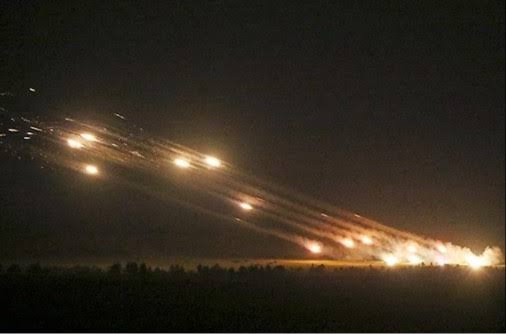
    Video from Bandar Abbas showed explosions as the U.S. Air Force and Navy carried out their strikes over 80 targets, including 60 IRGC speedboats in and near the Strait of Hormuz.

    Video shows U.S.Strikes on Bandar Abbas.

    The U.S. also targeted Iranian air defense systems, command and control networks, coastal radar sites, and anti-ship missile capabilities. This is the largest strike since the ceasefire was agreed upon in April.

    Further explosions were reported in Sirik and as far as Kharg Island, Iran’s largest oil facility handling 90% of its oil export. The U.S. previously struck targets on the island in April; however, it stuck to just hitting military sites and infrastructure and leaving the oil export untouched.

    Official U.S. of the strikes

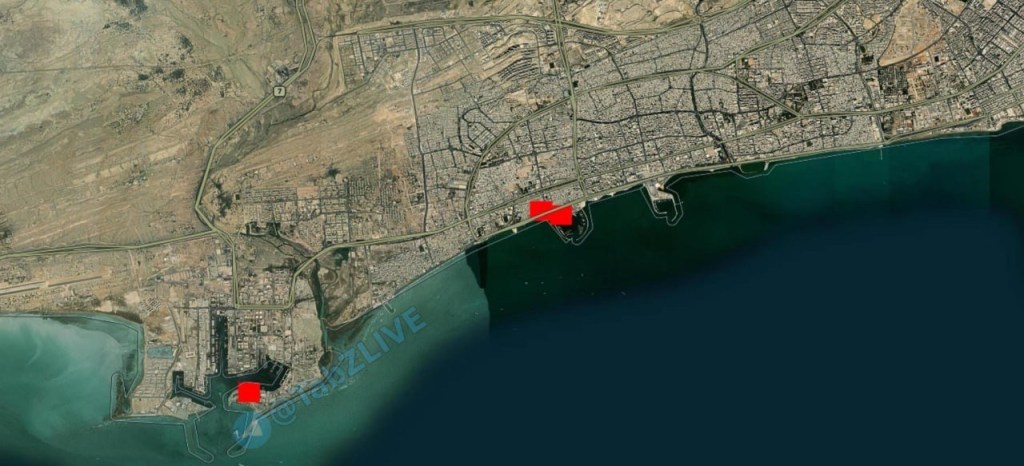
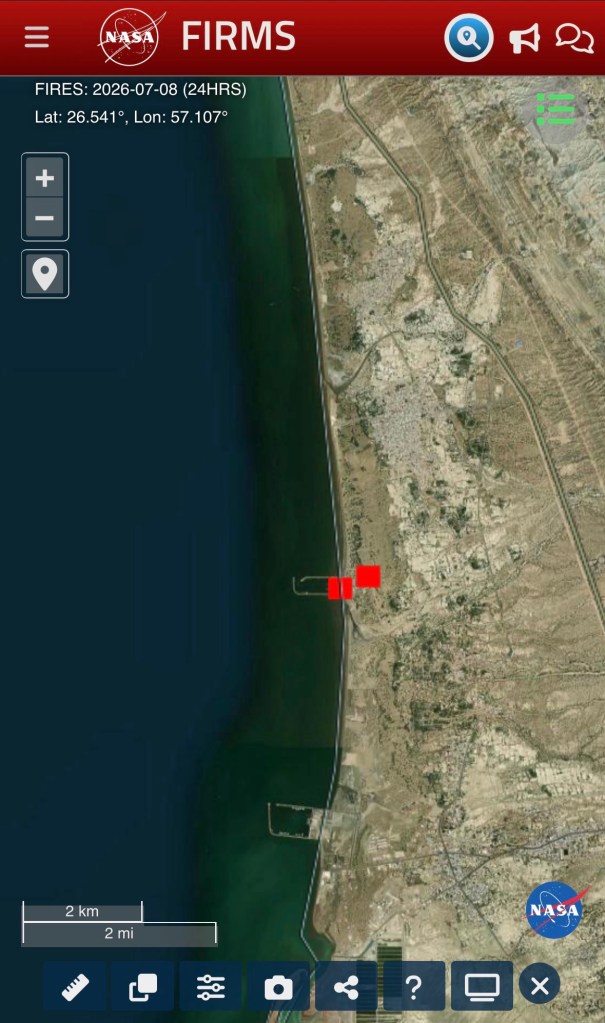
    NASA Firms is a satellite program used primarily to track wildfires. That data can also be used to track combat strikes. Some area show on FIRMS every days, such as industrial zones however tonight shows multiple fires where we wouldn’t expect to see fires in Iran, and specially looking at Bandar Abbas and the Geruk area.

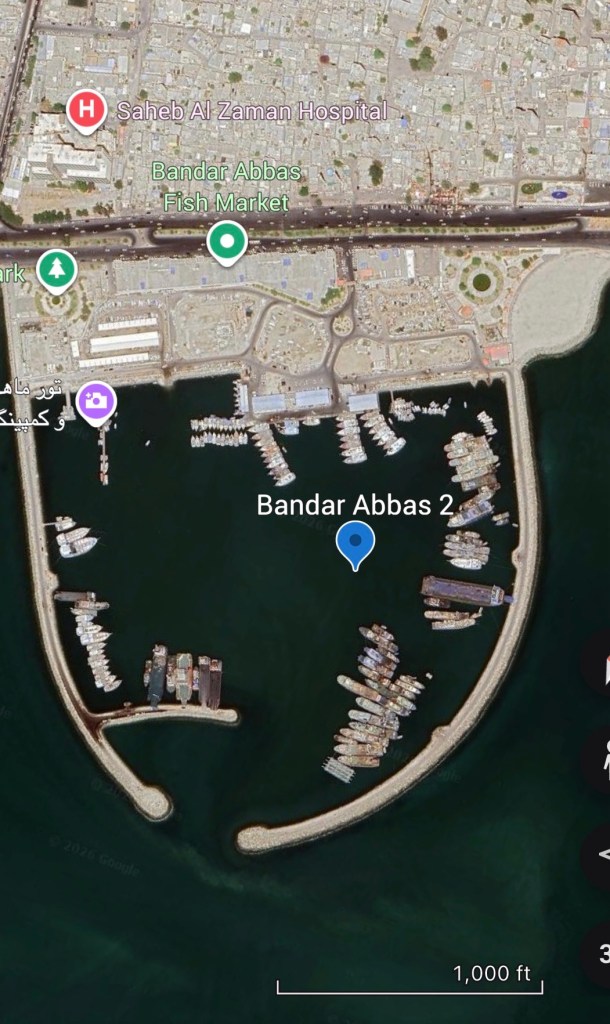
    Strikes one and two in Bandar Abbas show what seems to be strikes on the port where smaller IRGC patrol boats are kept. Video from the city confirms this as well.
    Close up on the port to the left.
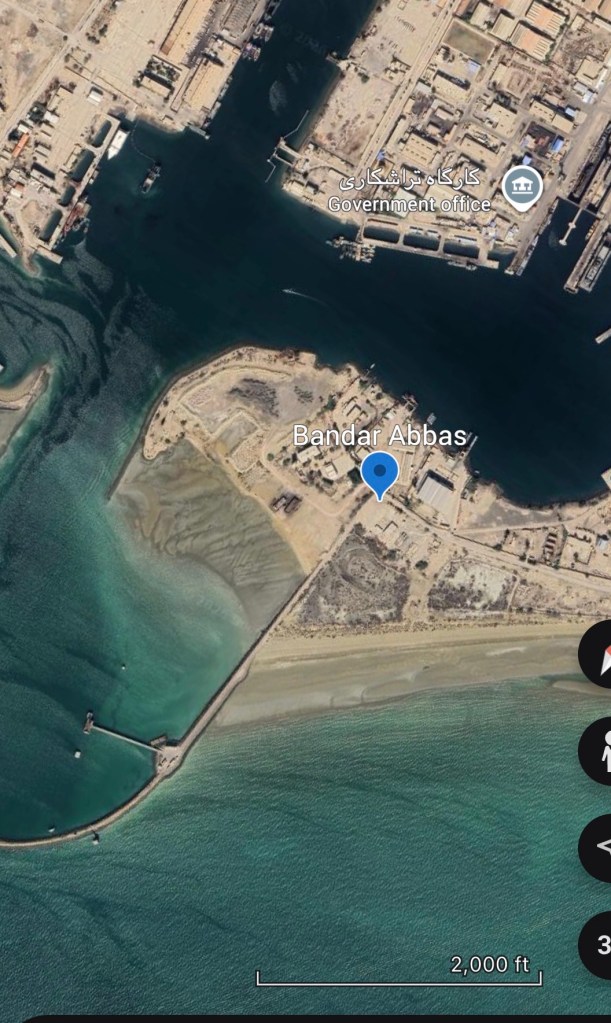
    Second port
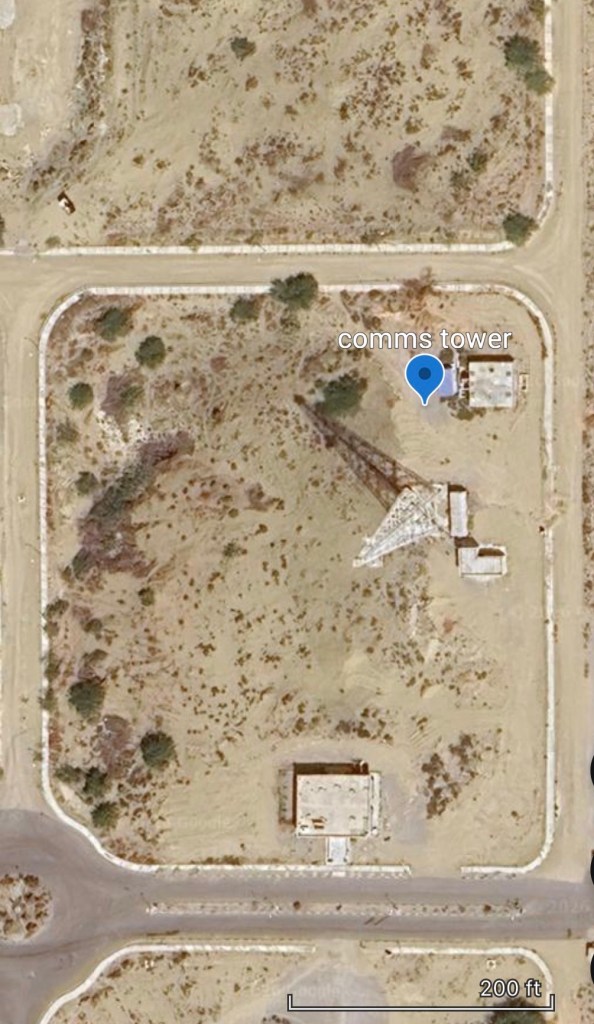
    NASA FIRMS shows potentially two locations struck here at Sarkhur Tahruyi. The boat dock itself as well as what looks to be a comms tower of some sort.
    This comms antenna is right beside the dock and also shows signs of being struck.

    Iranian response

    Khatam al-Anbiya Central, Iran’s top joint military command, put out a statement saying that the U.S. had committed a “blatant act of aggression” by targeting parts of southern Iran. The statement said Iranian armed forces would deliver a “crushing response.” The command also said that it would accept no U.S. interference in the management of the Strait of Hormuz and that the only safe passage for commercial shipping and tankers was the route Iran has laid out.

    In the hours after Bahrain was the first to report incoming Iranian drones and missiles, they announced their people should seek shelter and that their army was engaging hostile missiles. Kuwait also received incoming fire.

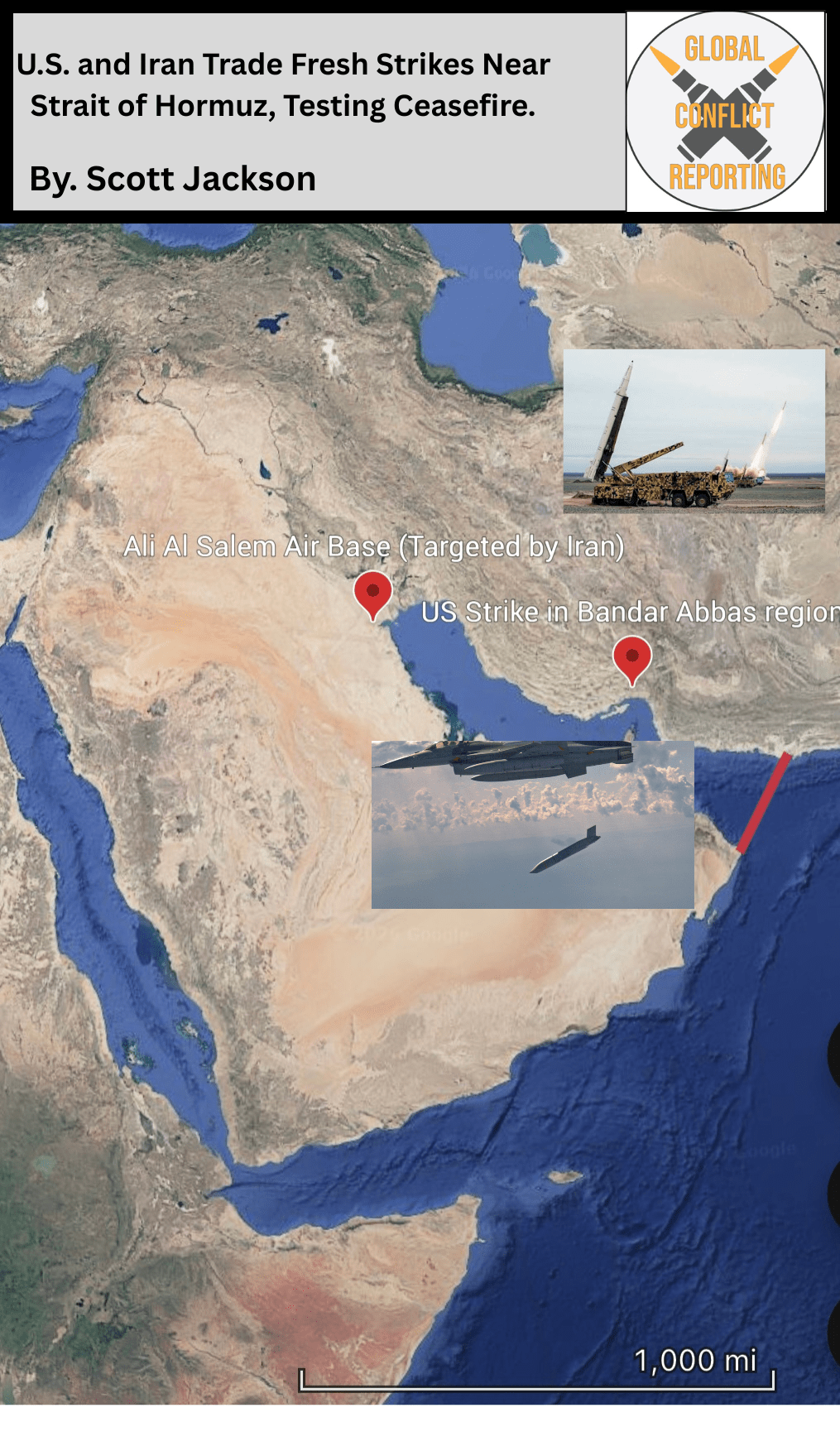
  • U.S. and Iran Trade Fresh Strikes Near Strait of Hormuz, Testing Ceasefire

    U.S. and Iran Trade Fresh Strikes Near Strait of Hormuz, Testing Ceasefire

    Wednesday, May 27, 2026, U.S. forces launched a fresh wave of strikes on Iranian targets, primarily in southern Iran. The strikes came after U.S. Central Command (CENTCOM) reported that Iran had launched a ballistic missile toward a U.S. base in Kuwait. The missile was reported as being intercepted by Kuwait forces. Hours earlier, Iran had launched a wave of four one-way attack drones, which were shot down by U.S. forces.

    This exchange continues a pattern of back-and-forth attacks in the past week – from both sides – that has put the fragile April ceasefire to the test as negotiations are currently ongoing. A further 60 day ceasefire is awaiting a signature from U.S. President Donald Trump today.

    Timeline of strikes

    Here’s a timeline of events over the past week to provide clearer context:

    May 25, 2026

    Iran attempted to deploy naval mines near the Strait of Hormuz, posing risks to U.S. forces and shipping. U.S. forces responded by sinking IRGC vessels involved in the mine-laying efforts. Iran then fired surface-to-air missiles (SAMs) at U.S. aircraft. These actions set the stage for the clashes that followed.

    [Video Placeholder: Claimed intercepted missile tracking an F-35 or related footage]

    May 26, 2026 (Monday)

    U.S. CENTCOM carried out “self-defense” strikes in southern Iran, primarily in the Bandar Abbas area. The targets included Iranian missile launch sites and boats allegedly attempting to emplace naval mines in or near the Strait of Hormuz.

    The U.S. described the operation as necessary to protect troops and maritime traffic during the ongoing ceasefire. Some Iranian personnel were reported killed. Iranian officials viewed the strikes as a violation of the ceasefire.

    May 27, 2026 (Tuesday)

    U.S. forces shot down four Iranian one-way attack drones that were threatening the Strait of Hormuz area. They also struck an Iranian ground control station near Bandar Abbas International Airport to prevent a fifth drone launch.

    May 28, 2026 (Wednesday/Thursday, ongoing)

    The U.S. carried out additional defensive strikes near Bandar Abbas, targeting a military/ground control site linked to drone threats. U.S. forces intercepted Iranian drones. CENTCOM emphasized restraint while defending U.S. forces and interests.

    Video reportedly shows the U.S. attack on Bandar Abbas. A cruise missile can be seen flying through the sky before it strikes a target out of view of the camera.

    In response, Iran’s Islamic Revolutionary Guard Corps (IRGC) launched a retaliatory ballistic missile (and reportedly a drone) attack toward a U.S. air base. The IRGC claimed it targeted the base responsible for the strikes near Bandar Abbas, which has been widely linked to facilities in Kuwait. Kuwait activated its air defenses and intercepted the incoming missile(s) and drones. No major casualties were reported. The IRGC called the strike a “serious warning” and threatened more decisive action if U.S. aggression continues.

    CENTCOM labeled Iran’s attack an “egregious ceasefire violation.” Iran also reported incidents involving warning shots at ships in the Hormuz area.

    Iranian sources dispute the U.S. claim of conducting purely self-defense strikes, arguing that Iran was only responding to aggressive U.S. actions.

    The White House and Tehran are currently working on a 60-day extension of the ceasefire to allow more time for negotiations.

    Video released from the IRGC shows the shoot down of a US AGM-158B JASSM-ER stealth cruise missile. The video is the view from a thermal detection systems, which is built around passive Infrared signals which can detect stealth aircraft because of the heat they emit. Earlier in the war a U.S. F-35 was struck because it was detected and tracked with this technology.

  • Confirmed- US fighter jet shot down over Iran. C-SAR mission ongoing for pilots.

    Confirmed- US fighter jet shot down over Iran. C-SAR mission ongoing for pilots.

    (Updated)

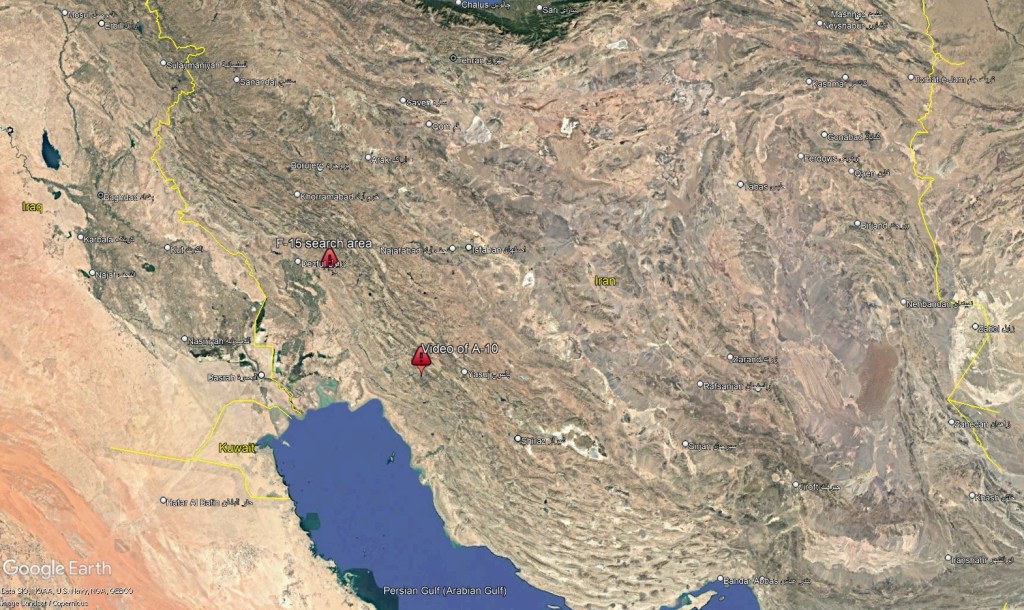
    The videos have all been geolocated by GCR to an area of western/southwestern Iran. The search area appears very large — two of the videos when geolocated show areas at least 150 miles apart. One is a bridge going over the Karun River in Khuzestan province, the other video shows an A-10 thought to be providing air cover for C-SAR assets located 150 miles south near Kohgiluyeh and Boyer-Ahmad province.

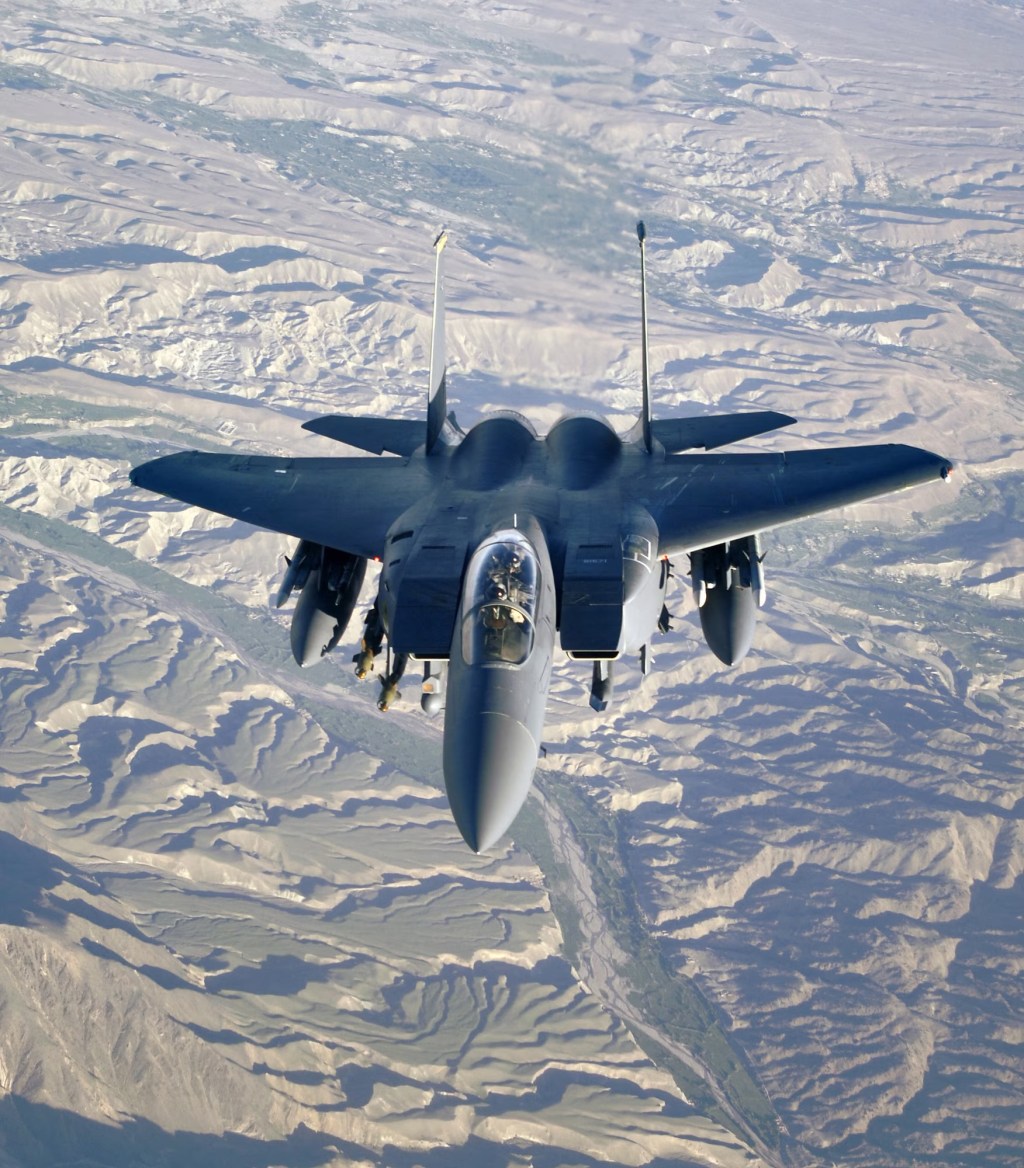
    A U.S. Air Force fighter has been shot down over Iran according to two U.S. officials who spoke with the Washington Post. The fighter, an F-15E Strike Eagle from the 494th Fighter Squadron (“Panthers,” 48th Fighter Wing, RAF Lakenheath, UK), carries a crew of two ,pilot and a weapons systems officer, both of whom are still missing after go ejecting from the aircraft.

    Currently a search and rescue mission is underway for the crew. Video verified by GCR shows HC-130J Combat King II aircraft flying low over parts of Iran. This tanker is also shown refueling at least two HH-60G Pave Hawk helicopters, which specialize in C-SAR (Combat search and rescue) operations. Other videos from the same region show additional U.S. aircraft flying low over the area where the plane was thought to have been downed. In another video the search and rescue assets take small arms fire from the Iranian military/IRGC. Also shown in these videos is an HC-130 Combat King II which acts as a mobile surveillance platform and specializes in C-SAR missions.

    Some of the early GCR geolocation work showing the general search area.

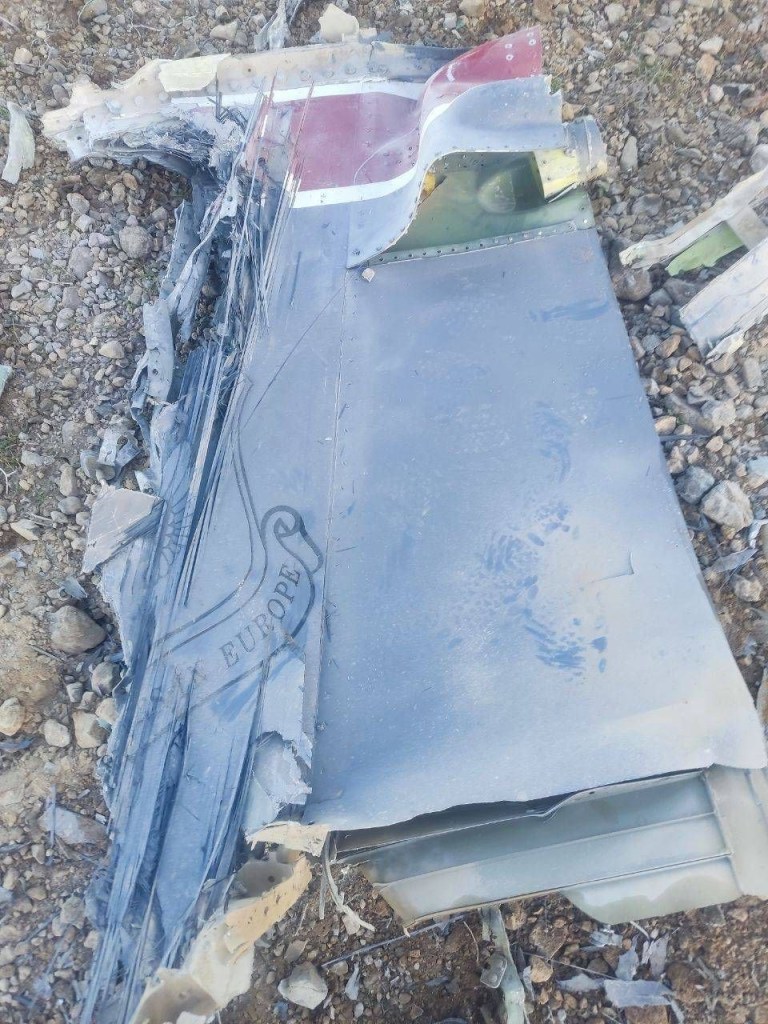
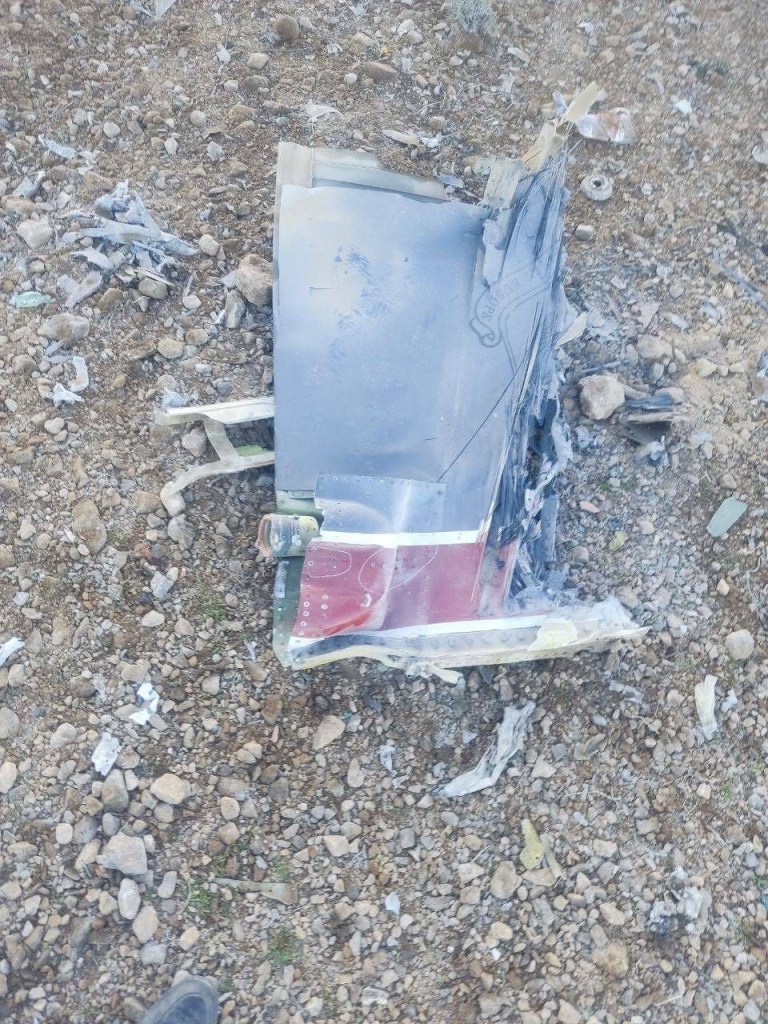
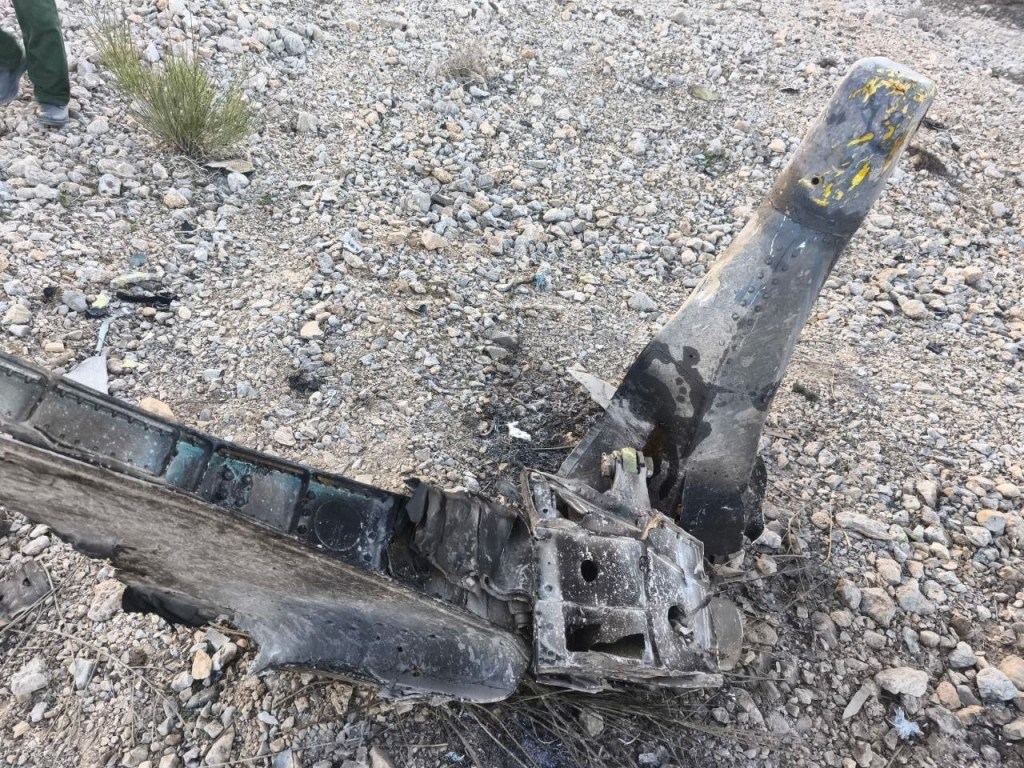
    This news is less shocking than it could be, as this morning images appeared on Iranian state media that appeared to show the wreckage from a U.S. fighter. Iranian outlets (including Tasnim and IRIB) initially claimed the downed jet was an F-35 stealth fighter, but quickly aligned their reporting with the visible wreckage, which clearly matches an F-15E Strike Eagle. The debris shows burned and fragmented sections of the vertical tail, wings, and fuselage, with distinctive markings including the “LN” tail code, red/yellow band, “EUROPE” script, and U.S. Air Forces in Europe badge, consistent with the 494th FS aircraft.

    Iranian state television has gone further, urging civilians in the area to search for the missing American crew and offering rewards for their capture. The IRGC is treating the incident as a major propaganda victory.

    This is a rapidly developing story as part of the ongoing U.S./Israeli Operation Epic Fury. U.S. officials have confirmed the loss to select media, but CENTCOM has not yet issued a full public statement. GCR will continue monitoring and geolocating new videos as they emerge.

    Update 5:38 EST

    One pilot has been found and has been recovered. During the course of the search and rescue operation the rescue aircraft came under small arms fire. The helicopters were hit and but made it back to base. One A-10 was hit but made it back to friendly territory before ejecting according to CBS and The New York Times. Iran released a video showing a surface to air missile of some kind striking the A-10.

  • Buildup continues; signals potential attack on Iran.

    Buildup continues; signals potential attack on Iran.


    The United States military is continuing a buildup of forces which are signaling that an attack on Iran could be imminent. While recent movements have brought offensive might to the region, some of the important elements that one would expect to see, weren’t there. That changed today when a number of aircraft moved from US based in the continental US and Europe moved towards the Middle East and the CENTCOM area off Responsibility (AOR).

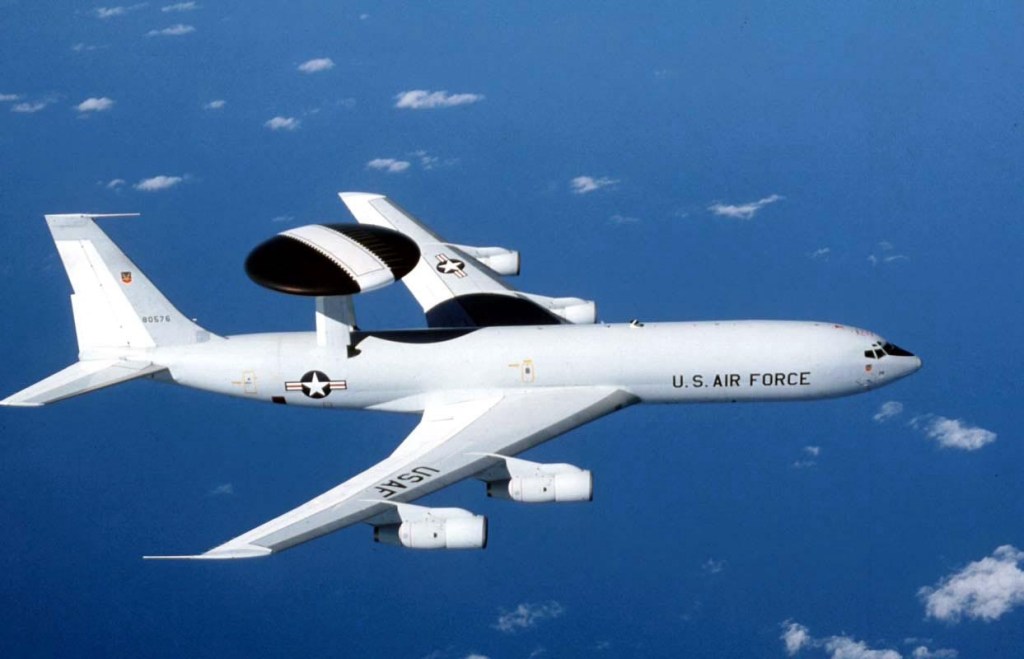
    First off we have two E-3G Sentry Airborne Early Warning and Control (AEW&C) Aircraft that were seen departing Elmendorf Air Force Base in Alaska on Monday (Feb.16), DENALI01/02, arrived at RAF Mildenhall early on Tuesday at about 5:30AM Eastern (Feb.17). We expect them to continue on towards the Middle East however this could just be a routine rotation. Still something to watch. These planes are the eyes, ears and command of the US forces, coordinating air and ground forces and using their long range radar to look at the big picture. 

    RAF Lakenheath in Suffolk, at about 5AM Eastern time UK showed the arrival of 12 F-22 Raptors Stealth Fighters from the1st Fighter Wing supported by KC-46A Pegasus and KC-135 Stratotanker aerial refuelling tankers. They were flying out of Langley, Virginia. The F-22 Raptor is America’s most dominant air-to air platform and is usually tasked with air defense and air superiority but can also carry a number of ground attack weapons internally in its weapons bay. It was used in Syria to strike a number of ground targets, (usually with 1000lb JDAMS and GBu-39 SDB’s) and is useful for hitting high value targets in a hostile airspace using its stealth to open up air corridors for other strikers. I’d like to note that several days before Operation Midnight Hammer, when US B-2 Spirit bombers attacked Iran’s nuclear facilities, a similar crossing of F-22’s took place. 

    UK Reporting on the arrival.

    https://ukdefencejournal.org.uk/american-stealth-fighters-arrive-in-uk-in-iran-build-up/

    A large number of F-16′ “Vipers” have also been reported on the move as well, according to open source flight tracking. At least 36 from various bases including Aviano Air Base in Italy, Spangdahlem Air Base in Germany and McEntire Joint National Guard Base (JNGB) in South Carolina. F-16’s are one of the ultimate multi-role aircraft of their time and can be used for almost anything. Air defense, ground attack, SEAD/DEAD, CAS, anything you ask of it, the F-16 can do, making it the true workhorse of the US Air Force. These will add to the limited number of F-16’s already in the region. 

    The last aviation asset on the move is a U-2 Dragon Lady spy plane on its way to the region, the U-2 conducts high altitude surveillance but can also serve as a communications link between some assets that cannot communicate with each other such as the F-22 and F-35. 

    The US navy is reporting to some outlets that an additional Arleigh Burke-class guided missile destroyer, USS Pinckney (DDG-91) has been deployed to the region.The Pinckney departed Singapore about a week ago after some maintenance and repairs. 

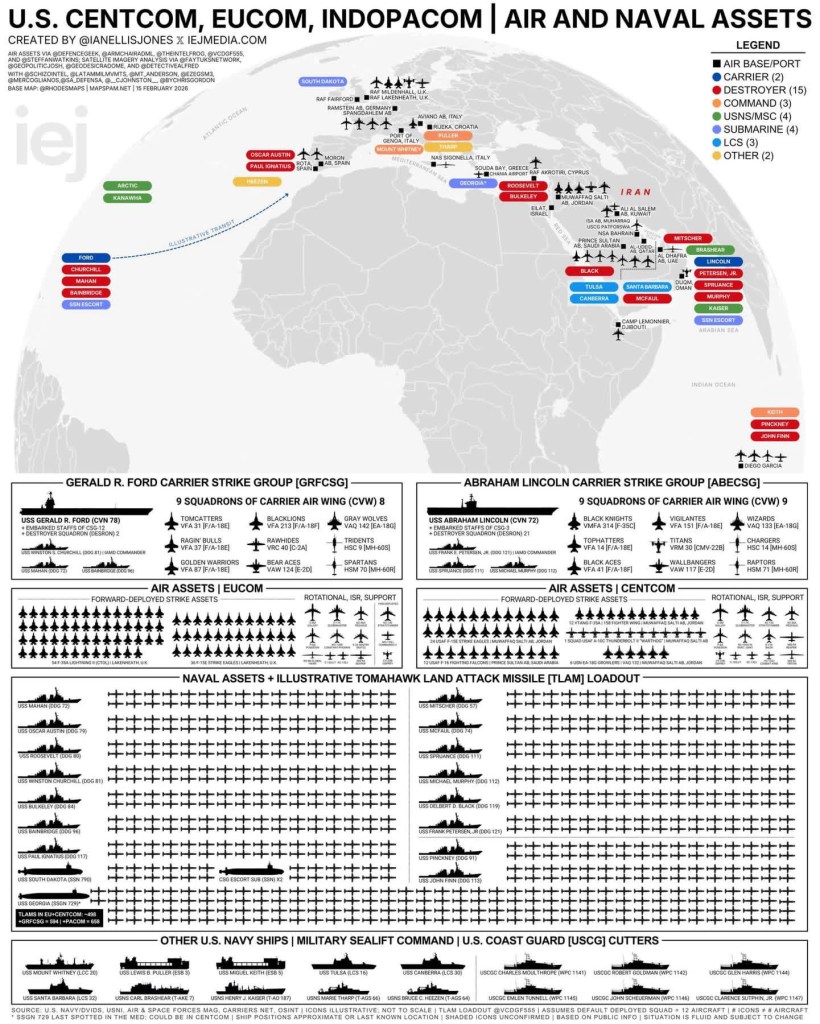
    What was already sent.

    GCR has covered the buildup since the first signs that Trump could decide to launch strikes on Iran. A link to the previous post can be found here.

    And here.

    Another useful map can be found here, created by analysts and writer Ian Ellis which shows a visual representation of what has been moved and where.

    These U.S. forces will almost undoubtedly be supported and assisted by the forces of the Israeli IDF who have a sizable Air Force as well, all of which they will no doubt make available.

    Another unseen element not mentioned is the U.S. bomber fleet which can be called to strike targets anywhere in the U.S. with minimal notice in less than 24 hours.

    The U.S. and Iran concluded their most recent set of negotiation talks early on Tuesday, Supreme leader Khamenei, talking about the arrival of the U.S. aircraft carriers to the region warned in Iranian media that that Iran’s weaponry could “sink them to the bottom of the sea.”

    “Our missile program is none of America’s business,”

    Khamenei declared in a speech.