US Forces kill senior operative of Terror Group Hurras al-Din in Syria.
The aftermath of the airstrike that killed Muhammad Salah al-Za’bir in Northwestern Syria.
On January 30th US CENTCOM (Central Command) forces conducted an airstrike in northwestern Syria targeting a senior operative of the US classified Terror group Huertas Al-Din (HaD) an affiliate of Al-Qaeda. The target was Muhammad Salah al-Za’bir a former ISIS member who later went on to become a member of the Syrian At-Qaeda branch. Not much else is known about him besides that CENTCOM describes him as a “Senior member” in the group.
A statement from CENTCOM on the strike:
“The airstrike is part of CENTCOM’s ongoing commitment, along with partners in the region, to disrupt and degrade efforts by terrorists to plan, organize and conduct attacks against civilians and military personnel from the U.S., our allies, and our partners throughout the region and beyond”
It ends with a warning from commander of CENTCOM, Gen. Michael Erik Kurilla.
“CENTCOM will continue to hunt and kill or capture terrorists and defend our homeland against groups that plot to attack U.S. and allied personnel,”
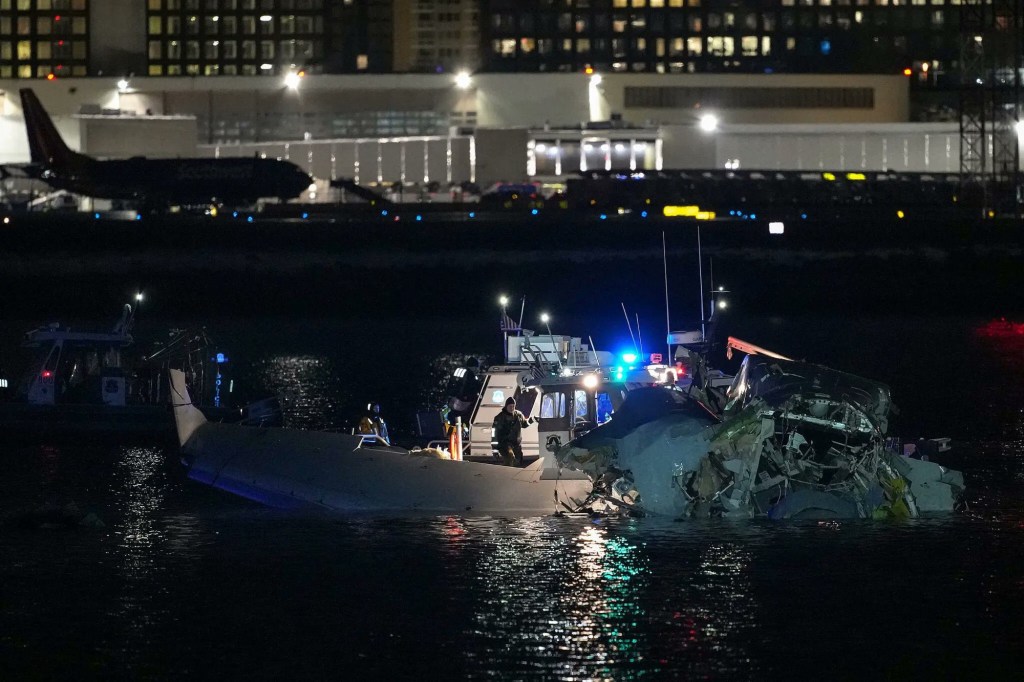
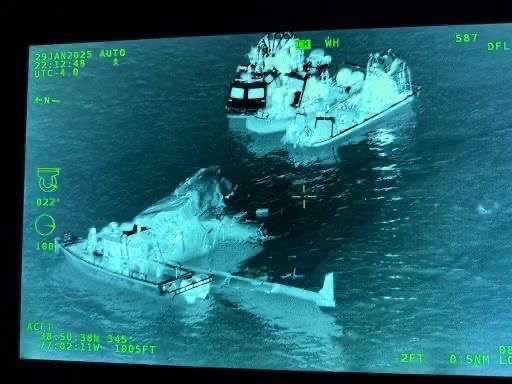
Wreckage of Flight 5342Search and rescue efforts underway.Images from a rescue helicopter show the debris in the river.
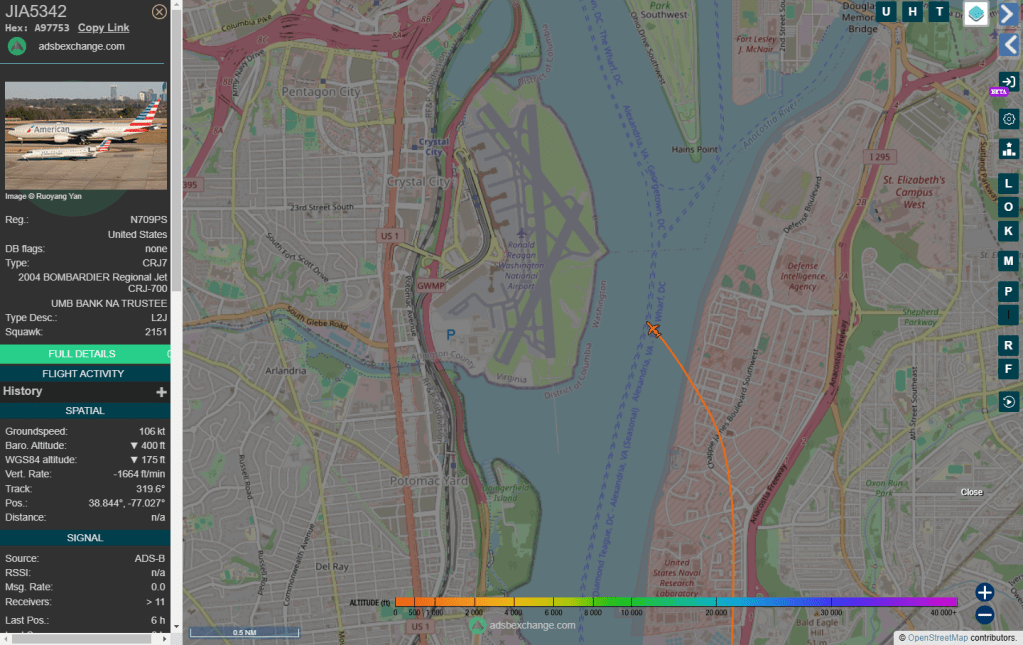
PSA Flight 5342, a Bombardier CRJ700 passenger jet ,registered N530EA, was on a Wichita, Kansas -to-D.C path when on final approach for runway 33 at Ronald Regan Airport (DCA) when a Blackhawk helicopter, carrying 3 people collided with the plane sending it into the Potomac river with its 60 passengers and 4 crew aboard. One person on the ground was also killed as both aircraft fell into the river.
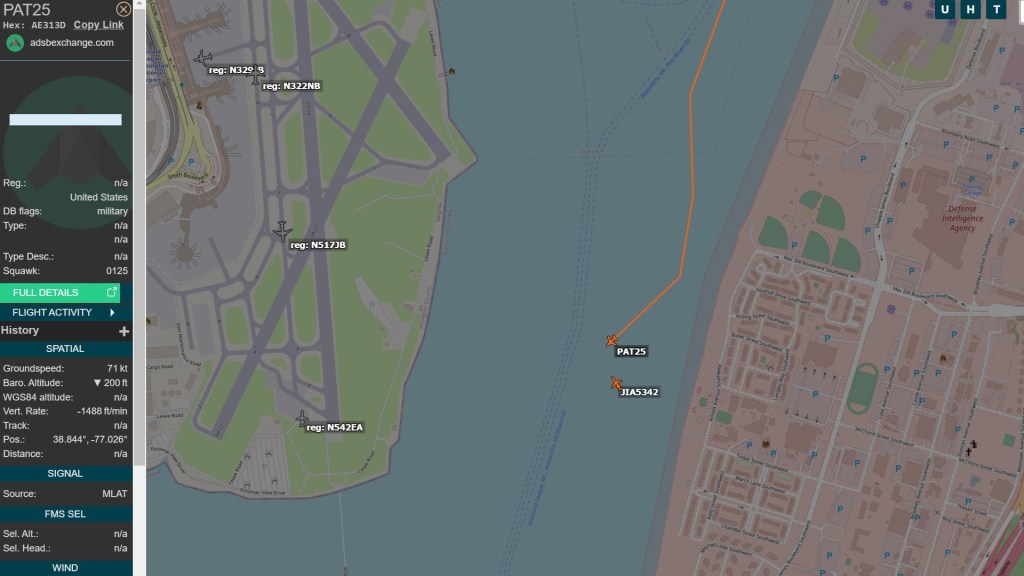
ADS-B exchange shows the flight of the CRJ at the time of impact.ADS-B shows the path of the Blackhawk before impact.
A search a rescue effort involving over 300 people has failed to turn up any survivors. 18 body’s have been pulled from the river at the time of writing.
Initially, there was some confusion on the identity of the helicopter as it was first mistakenly reported as apart of the DC metro police fleet and then again misidentified as UH-60 used for VIP transport. Heather Chairez, a spokesperson for the joint task force-National Capital Region confirmed the aircraft was a UH-60 Blackhawk on a training mission.
Airports have altitude restrictions for helicopters, usually keeping them around 200ft above ground level at the point of impact the plane would have been around 400-500 ft. Audio released after the accident confirms that the plane was pointed out to the helicopter crew. It’s likely that when asked to confirm they could see the plane, they might have looked at another plane that was coming in at the same time to land on a different runway. The plane was in a blind spot that would have been difficult to see.
More information will come out in the following days. This is all based on information I’ve gathered from statements given by officials as well as open sources and could possibly be flawed.
Info will be added here as it come out.
Updates.
Helicopter was with Bravo Company 12th Aviation Battalion at Fort Belvoir, Virginia. It was conducting a training flight at the time of the crash.
Several aviation enthusiasts around the DC area have said that a crash like this around Ronald Reagan was a case of “when not if” Helicopters regularly fly that route down the river coming within a couple hundred feet of airplanes on final.
Hi, this is Scott. I just wanted to say that my heart goes out to those affected by this accident. Tragedies like this are the hardest for me to write about but I know that doesn’t compare to the pain felt by those affected.
Statement from new U.S. Secretary of Defense Pete Hegseth.
The U.S. Secretary of Defense Pete Hegseth was sworn in the day before yesterday. This is some of what he had to say today in a messages to the forces.
“…The President gave us a clear mission: achieve Peace through Strength. We will do this in three ways – by restoring the warrior ethos, rebuilding our military, and reestablishing deterrence.
-We will revive the warrior ethos and restore trust in our military. We are American warriors. We will defend our country. Our standards will be high, uncompromising, and clear. The strength of our military is our unity and our shared purpose.
-We will rebuild our military by matching threats to capabilities. This means reviving our defense industrial base, reforming our acquisition process, passing a financial audit, and rapidly fielding emerging technologies. We will remain the strongest and most lethal force in the world.
—We will reestablish deterrence by defending our homeland — on the ground and in the sky. We will work with allies and partners to deter aggression in the Indo-Pacific by Communist China, as well as supporting the President’s priority to end wars responsibly and reorient to key threats.
We will stand by our allies – and our enemies are on notice.
All of this will be done with a focus on lethality, meritocracy, accountability, standards, and readiness.
I have committed my life to warfighters and their families.
Just as my fellow soldiers had my back on the battlefield, know that I will always have your back. We serve together at a dangerous time. Our enemies will neither rest nor relent.
And neither will we. We will stand shoulder to shoulder to meet the urgency of this moment.
Like each of you, I love my country and swore an oath to defend the Constitution. We will do that each and every day,”
-End statement
Pete Hegseth during his confirmation hearing.
Hegseth, a veteran and former Fox News personality only narrowly won his confirmation for SecDef with a Vice President tie breaker after the 3 republicans in the Senate joined with every democrats to vote no. His confirmation hearing was filled with allegations of past misconduct( that he denies) and claims that he is too inexperienced in leading a large organization like the U.S. military.
Russian oil refinery struck by a wave of Ukrainian drones.
Ukraines most effective strategy throughout the war has been the destruction of Russian logistics on the frontlines and behind the lines using missiles and drones. This constant picking away at the Russian war machines supplies has kept Russia pulling for stockpiles nobody thought would ever be needed. Supplies that went untouched for decades are now being pulled from occasionally (especially with regard to armored vehicles). This strategy worked so well that Ukraine decided to expand on it with unrelenting attacks on Russian oil production. The thought is simple: try to make fighting the war too costly to continue to fight.Russia is supposed to be an oligarchy and no matter how many of their rich and powerful Putin has thrown out of windows they do still hold some power in the country and can cause him problems.
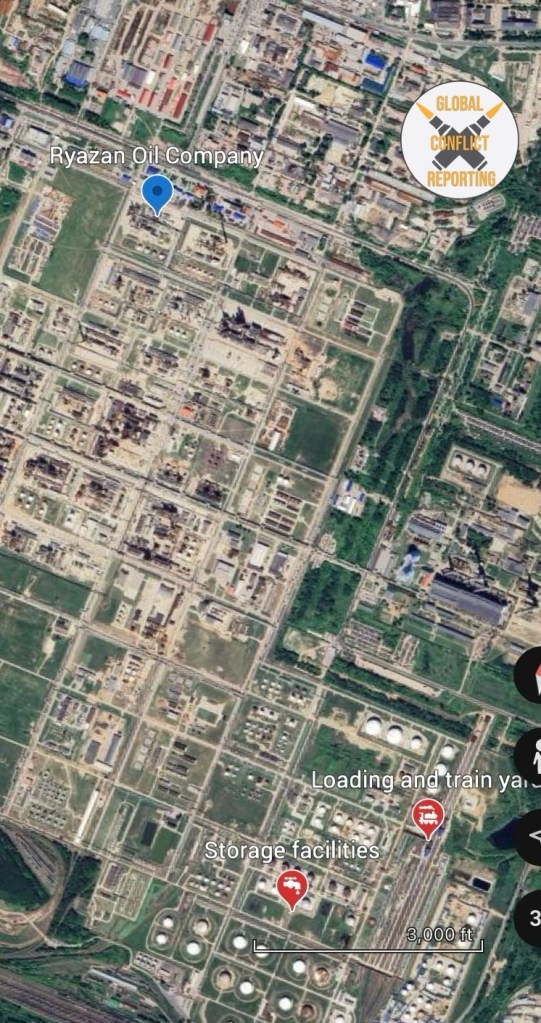
Overview of the Ryazan Oil RefineryLoading and storage area, both of which sustained damage in the attack.
The refinery targeted was the Ryazan oil refinery almost 300 miles from Ukraine. It has been targeted by drones multiple times in the past 72 hours and has suspended all operations. The most recent attack took place on January 26th at 1:00AM (Russia time) Video discovered of one of the attacks shows a massive fireball as a result.
The full extent of the damage is yet unknown but we do know that among the damaged equipment that the oil storage was set ablaze as well as equipment used to load the product into rail cars.Russian media claims that the plants AVT-4 unit, which processes the crude oil into fuel distillates, was heavily damaged.
The Ryazan oil refinery is one of Russia largest with the capacity to process 17 million metric tons of oil a year.The profit from this oil is used to fund Russia’s war in Ukraine which is growing costlier as the years go by. Neither side can keep this up forever but with these attacks on important and valuable Russian targets Ukraine hopes to tip the scales in their favor.
Andriy Kovalenko, a reporter in Ukraine said on his Telegram channel ” The refinery plays an important role in providing fuel for both the civilian and military-industrial complex of Russia,”.
Good afternoon. This is the return of the GCR Daily Briefing. For those who are new this is a daily article I used to do where I pick a couple headlines from around the world and I do a little write up on it. The world is increasingly turbulent and it’s more important than ever to stay up to date in the events taking place in our world.
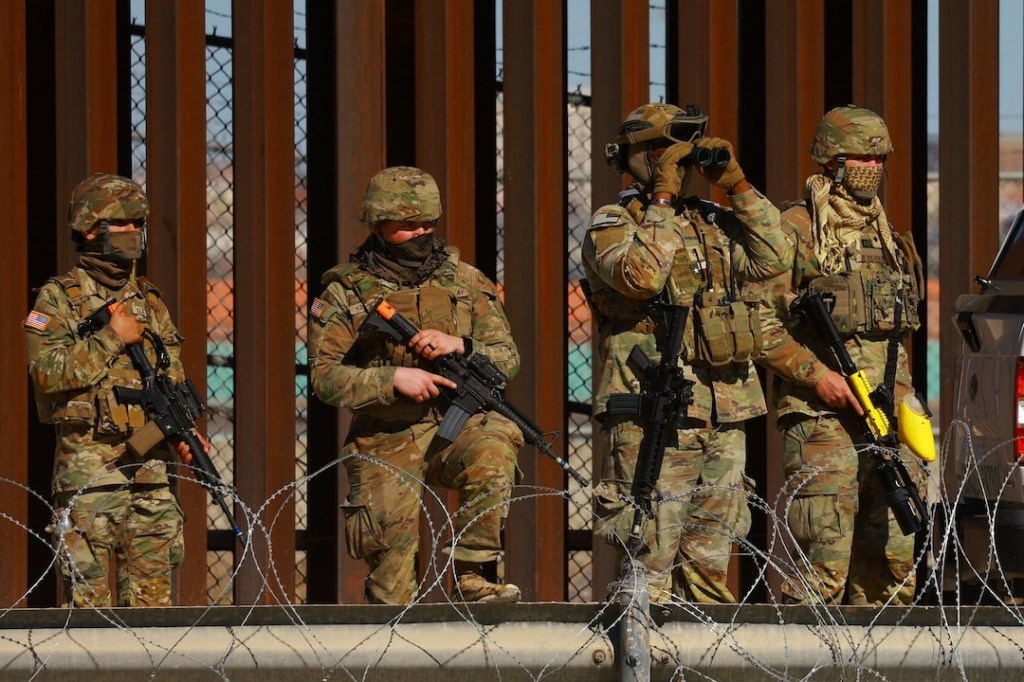
US President Trump orders 1000 national guard to the border.
The Pentagon-on the orders of President Donald Trump, has ordered 1,500 troops to join the already 2,500 soldiers to the US and Mexican border.These forces are ordered to “to support the activities of the Secretary of Homeland Security in obtaining complete operational control” and provide troops and supplies. The soldiers will also help build border fortifications and walls. These troops are apart of a larger force of 10,000 that will eventually make it to the border to help Customs and Border Protection (CBP) according to a leaked CBP memo being reported in the press.
This is all apart of a larger immigration policy put in place on the Trumps administrations first day in office. Surging troops to the border as well as using DoD bases as makeshift “holding facilities” until ICE can build more facilities. The above mentioned memos show that ICE will be drastically increasing the number of ICE holding facilities.
Trumps plan is to use the military to completely seal the border from migrants and asylum seekers. Migrants, who have long come to the U.S. to work in the farm industry will be picked up crossing into the US and deported before being able to ask for asylum or any sort of hearing.
At this point the southern border is effectively closed. Even those trying to enter the country legally have been turned away. This policy is likely to affect food prices for a time as the USDA Economic Research Service reported that in agriculture the number of migrant laborers was 59 percent and another 45% in the animal farm industry.
//UK
UK navy shadows Russian spy ship through the English Channel.
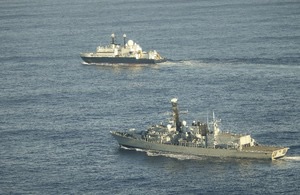
HMS Somerset shadows Russian Spy ship Yantar.
This week a Russia Spy ship (technically an oceanography ship),Yantar (also know as Cruys) has been shadowed by the UK Navy this week as the ship made its way through the English Channel.
In November this ship had been loitering above the area where several undersea cables were but was surprised by a Royal Navy Submarine when it surfaced near them to let the Yantar crew know that they were being closely monitored and warned them off. The ship left the area for the Mediterranean but returned this week and has been shadowed by the HMS Somerset(F82), a Type 23 Frigate.
The Russian Spy Zship Yantar.
Russian ships have even connected to sabotage of undersea cables in the recent past in the Baltic so no chances are being given in in the English Channel.. The Yantar is equipped with a small submersible that can be used to go down to the ocean floor and tamper with communications and power cables, potentially adding devices to the cables so Russia can access the data.
The UK has taken a lead role in countering the threat of Russian attacks on critical undersea infrastructure in the European seas and oceans. They have announced they will send several P-8 Poseidon and Rivet Joint maritime patrol and surveillance aircraft for the Baltic Sentry activity announced after the damage to the ESTLINK2 cable. Baltic Sentry is a NATO mission that aims to bring different maritime and aerial assets into the Baltic area and integrate them into the protection of the area.
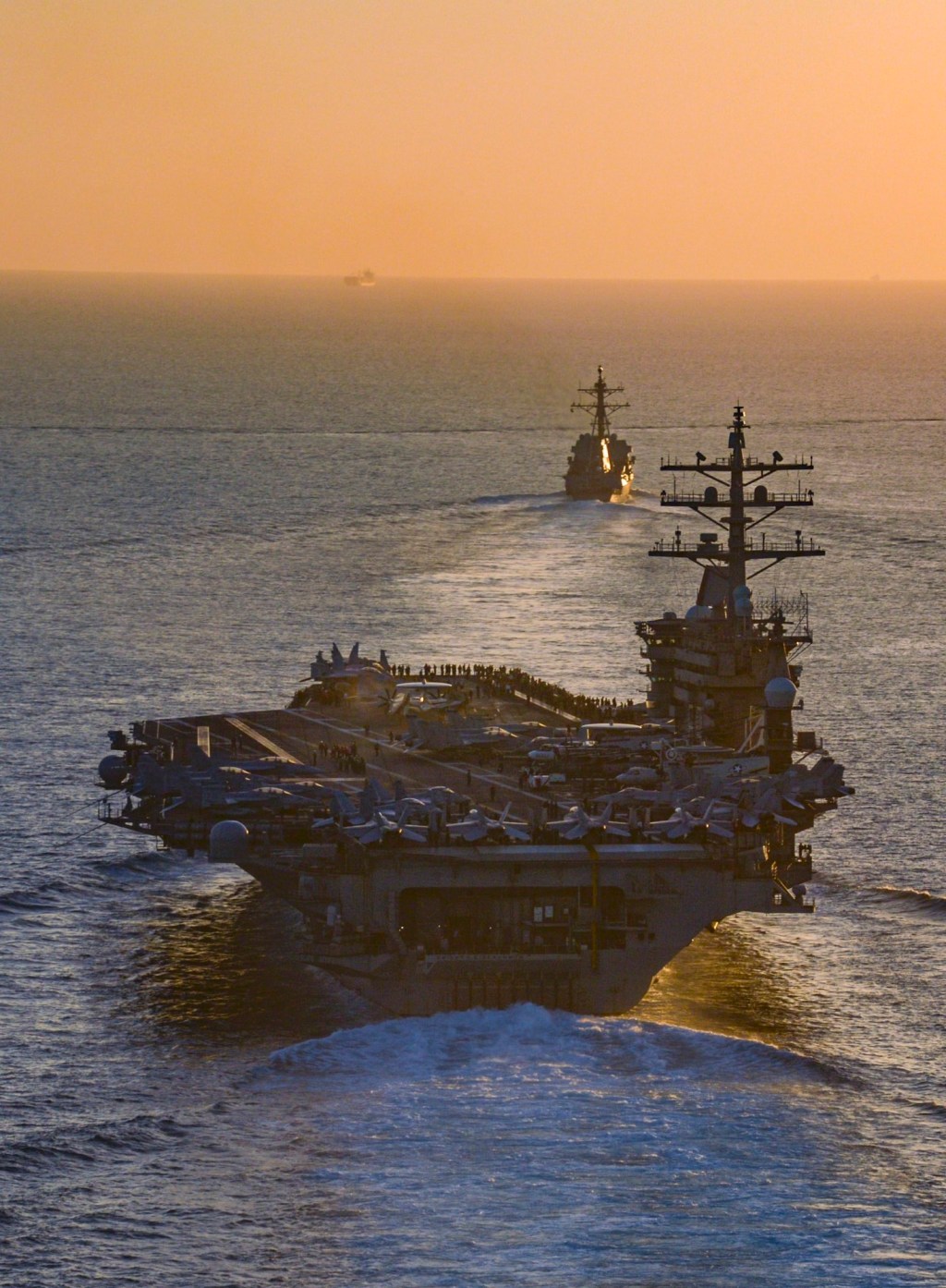
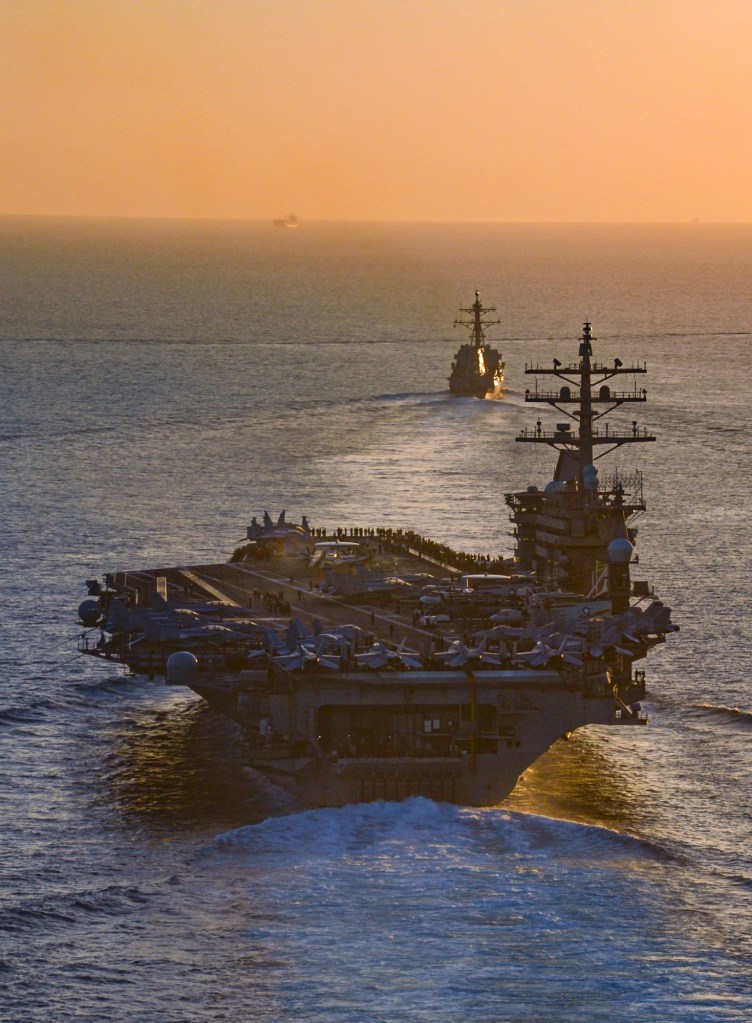
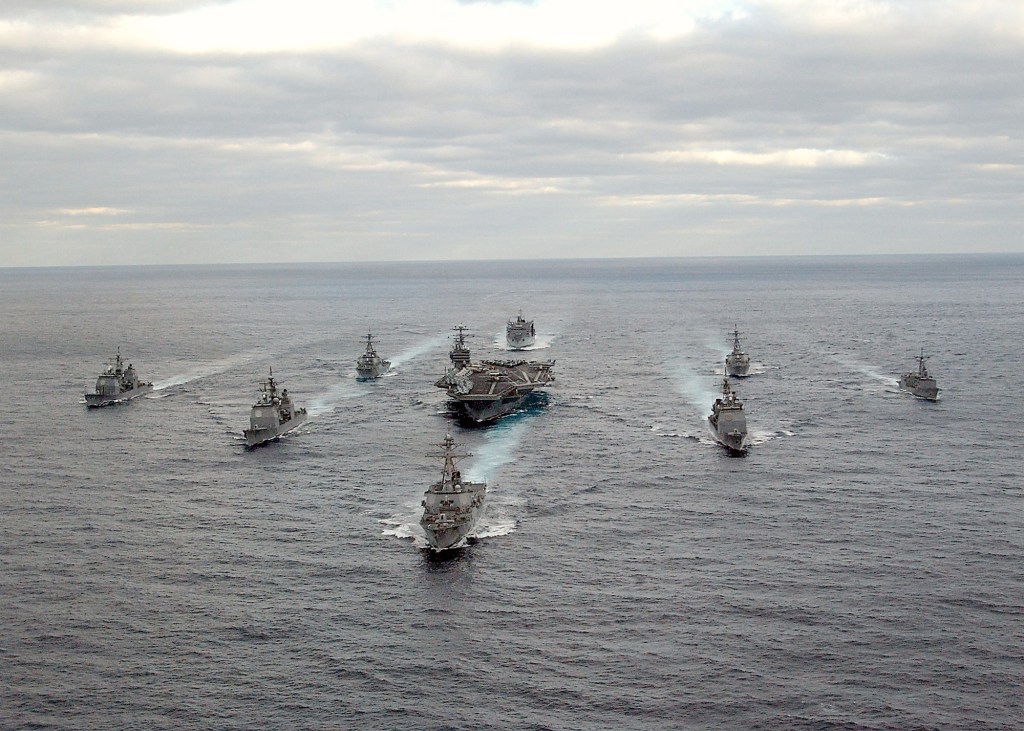
The US military has been engaged in defensive operations against the Yemeni Houthis for the past 15 months in the waters of the Red Sea and in the Arabian Sea as well as the sky’s above Yemen. Several different US carrier strike groups have been deployed into the area to protect the billions of dollars of international commerce that moves through the Red Sea daily heading to and from the Suez Canal. The Houthis have targeted any ship they believe is connected in any way to America or Israel as a way to show support for Palestinian terror group Hamas and their war with Israel in Gaza.
The Head of Naval Surface Forces Vice Admiral Brendan McLane revealed at a Surface Navy Association conference that was attended by journalists from The War Zone( TWZ is great, I always recommend them when they come up) just how many munitions had been expended in the operation. Statements made by the Vice Admiral also give us a more detailed look at how the operation has been going and what US forces as well as their European allies have been dealing with. US CENTCOM which is the United States military command over The Middle East region regularly puts out reports and social media post however they can sometimes be sparse with the details.
The U.S. Navy Surface Fleet has expended 400 individual munitions against the Iranian backed Houthis.
The Vice Admiral also gave an example of the current state of modern surface warfare by talking about a recent engagement that the sailers aboard the Arleigh Burke class destroyer USS Spruance (DDG 111).
“They were in a fight where they shot down 3 anti-ship ballistic missiles(ASBM), 3 anti-ship cruise missile (ASCM) and 7 one-way [unmanned aerial vehicles, or UAVs],” McLane said. “So that’s how it kind of rolls up.”
USS Spruance (DDG 111) after its return to its homeport, Naval Base San Diego, Cali
I’d like to break down the specific munitions, what they are used for, and maybe most importantly- the cost to the American taxpayers.
USS Chung-Hoon (DDG 93) fires an SM-2 missile.
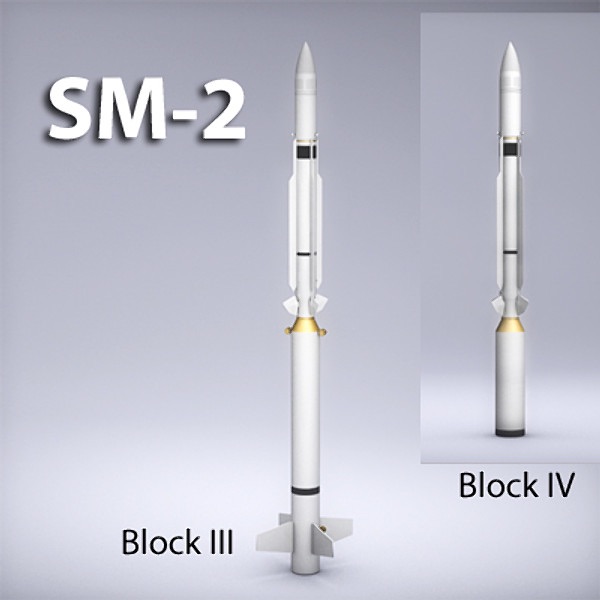
SM-2 missiles (RIM-66)
120 expended. This missile is the workhorse of US navy air defense, being used to take out incoming anti ship missiles as well as other
missiles and incoming enemy jet fighters.. High speed-highly maneuverable and considered one of the best in the world at what it does. The Sm-2 has a reported range of 90 nautical miles and can reach an altitude of 65,000 ft. A cornerstone of the fleets layered air defense systems.
SM-2
Cost vary on specific missile block but these come in at roughly $2 million USD per.
The U.S. is reported to have around 12,000 of these in its stocks.
US Aegis Destroyer intercepts Medium-Range Ballistic Missile with new SM-6 SWUP Missile.
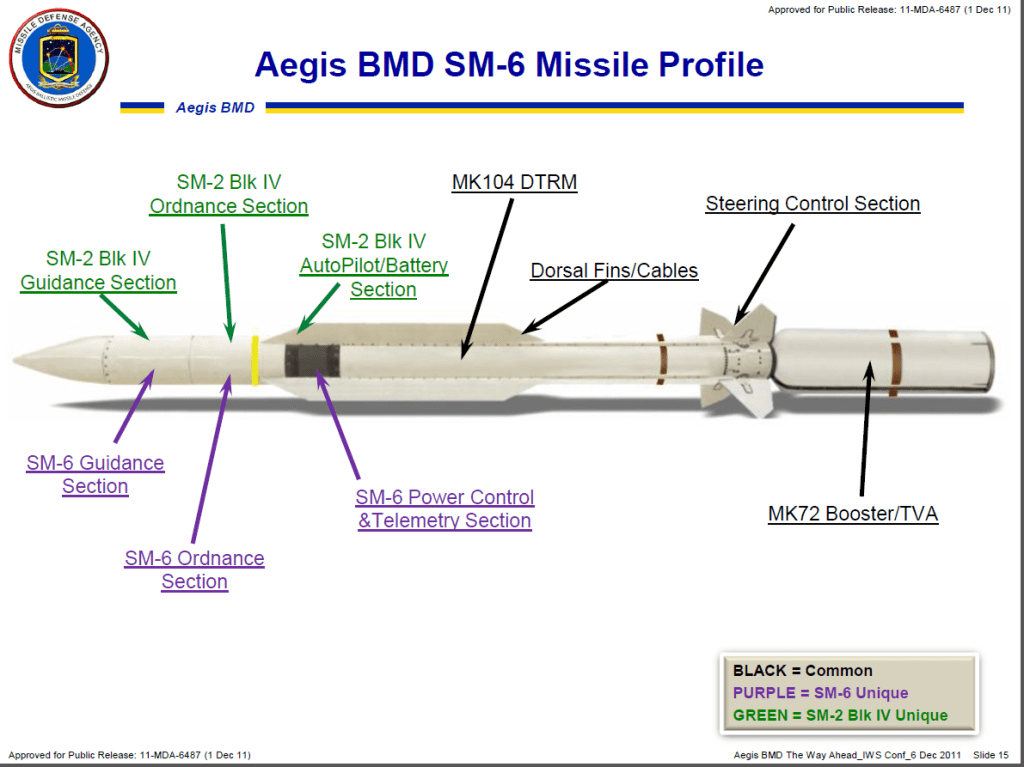
SM-6 missiles (RIM-174)
80 expended
This is a newer addition to the fleet and the navy has a more limited stock of these missile with only 500 being reported to have been delivered according to the Raytheon website.
Coming equipped with the active radar seeker found in the Air-to-air AIM-120C AMRAAM, This missile is capable of a wide range of task being capable of defensive anti air against missile (including ballistic missile in their final terminal phase) as well as manned and unmanned air units. Its high speed also makes it a useful anti surface weapons although it’s high cost makes other weapons better choices. The thought behind this missile was warship today have limited space and a weapon that can effectively do everything is a benefit. The explosive warhead as opposed to a hit-to-kill style missile makes this missile capable of potentially defeating the Chinese DF-21D and DF-25B anti-ship ballistic missiles.
SM-6 missile profile.
Cost average around $3.9 million per.
A combined 20 expended from the
Sea sparrow and the SM-3.
Sea Sparrow launch
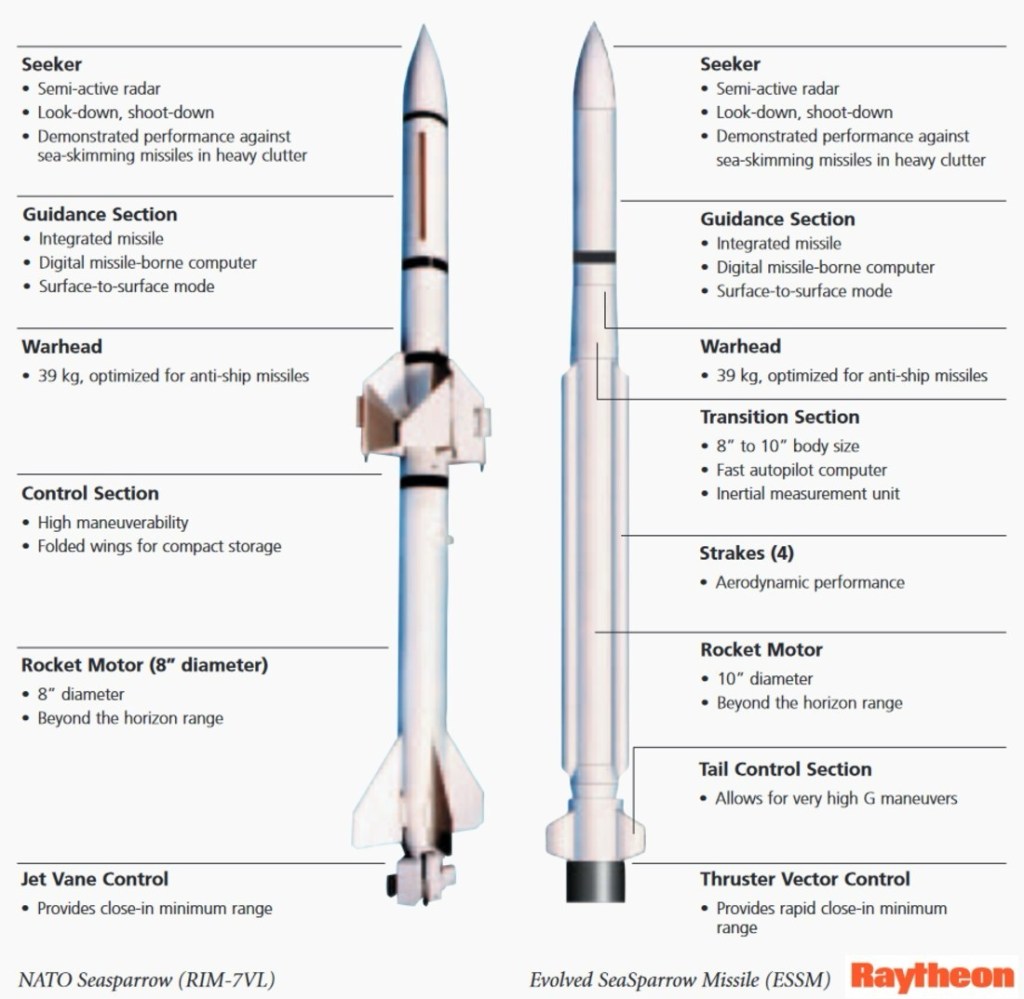
Sea Sparrow ESSM
Medium-range, semi-active homing missile that makes flight corrections via radar and midcourse data uplinks. The missile provides reliable ship self-defense capability against agile, high-speed, low-altitude anti-ship cruise missiles (ASCMs), low velocity air threats (LVATs), such as helicopters, and high-speed, maneuverable surface threats
Sea Sparrow Profile
$787K – $972K depending on configuration
SM-3 launched from the USS McCampbell (DDG 85) intercepts ballistic missile .
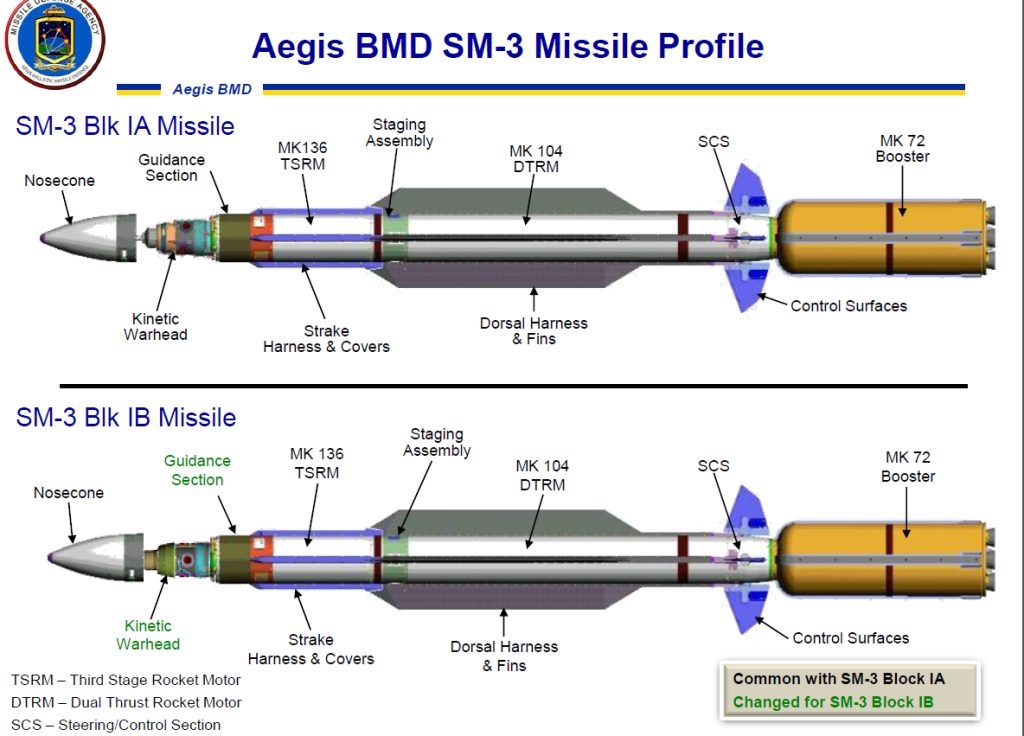
SM-3 (RIM-161)
The SM-3 is the main ballistic missile defense of the fleet. It uses its powerful kinetic energy to utilize a hit-to-kill method of attack. It has a lower production rate than everything else on the list which also puts a heavy cost on these missile, especially if you have to fire more than one at a time.
SM-3 missile profile
Anywhere from $10 million to $30 million (this price likely to come down some as missile production is ramped up as announced earlier today.
While the expenditure of these weapons is something to be concerned about it only highlights the logistical issues that the US would have in a near peer, great power conflict when the amount of munitions expended in the Red Sea over the past year would equal only several days of fighting in say the pacific against China. Addressing these procurement and cost issues is paramount if the US is to remain a dominant force on the world’s stage.







 Global Conflict Reporting
You must be logged in to post a comment.