Tag: geopolitics

  • Explosion in Venezuela linked to CIA.

    By. Scott Jackson


    12.30.2025

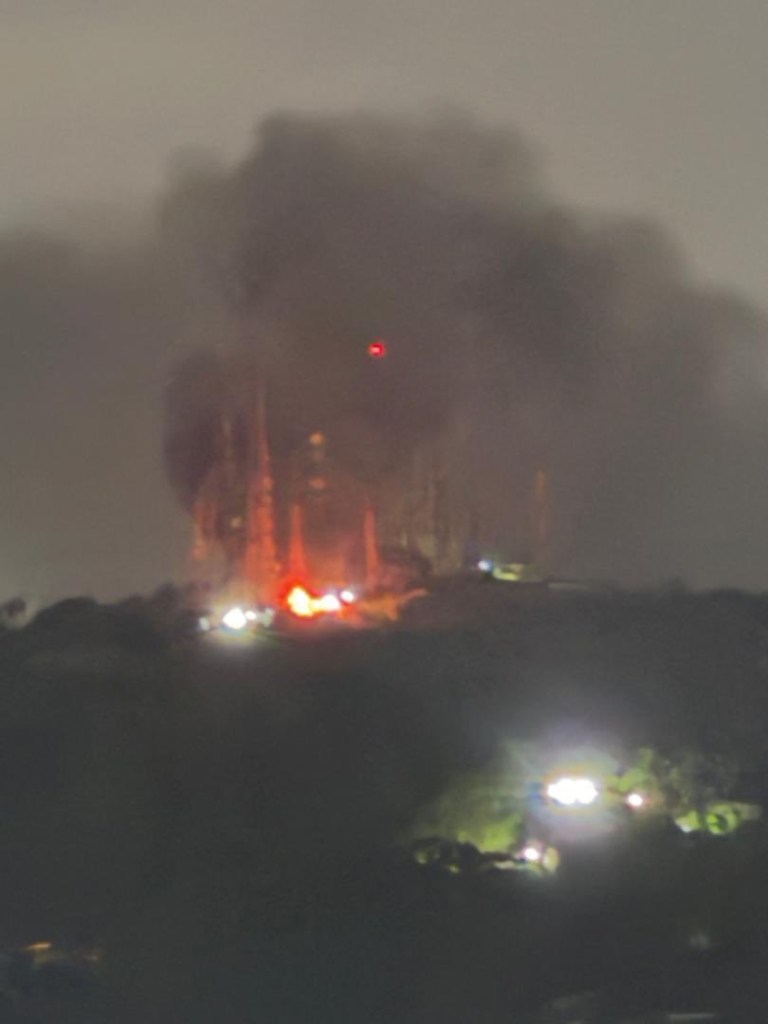
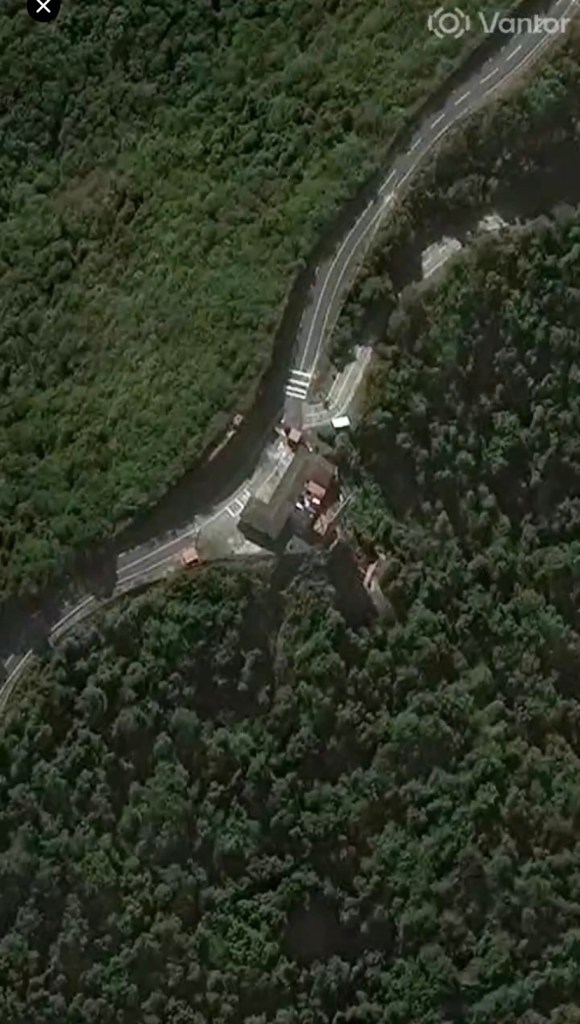
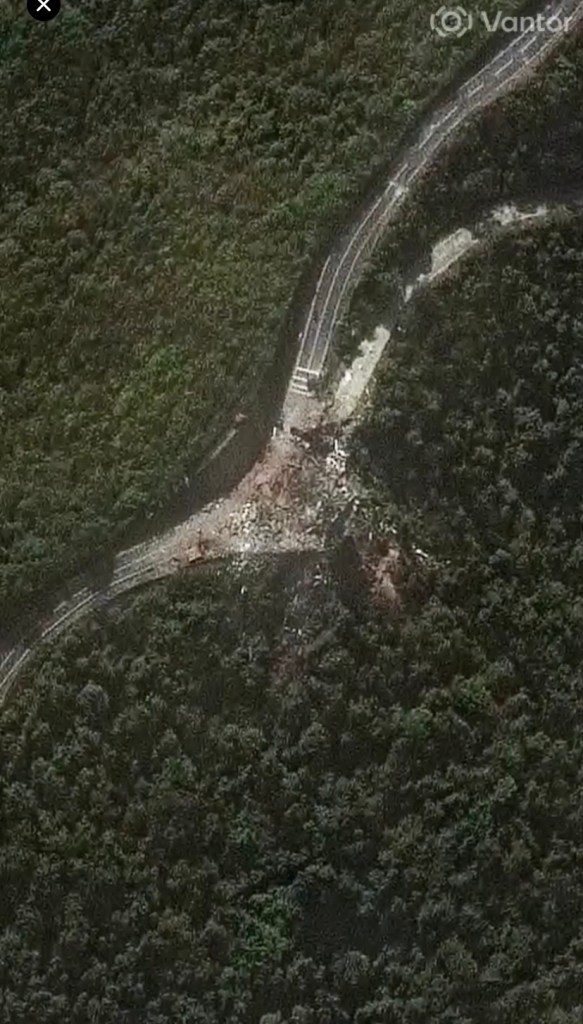
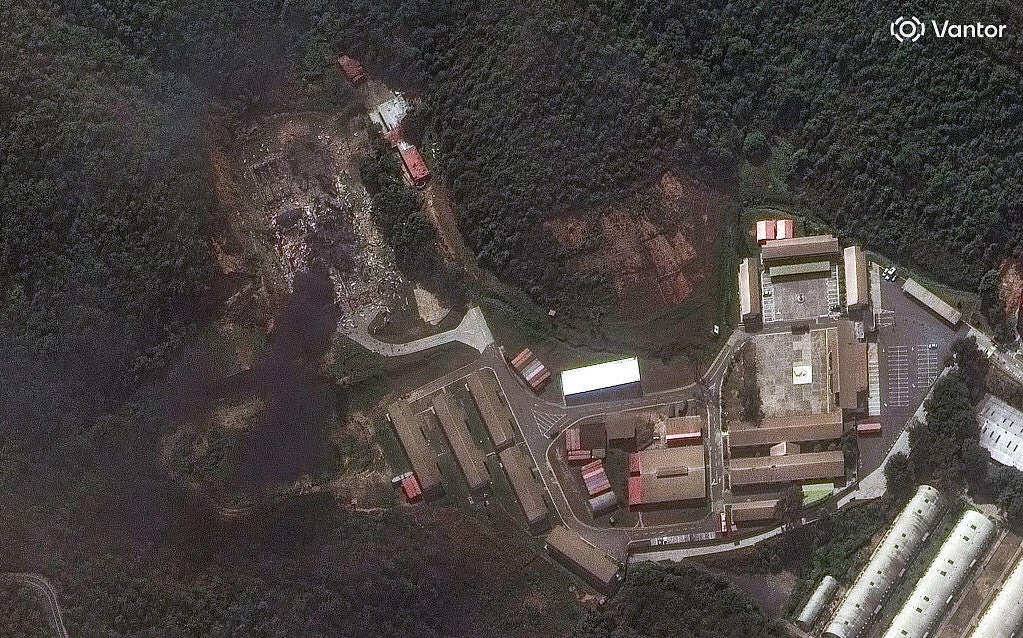
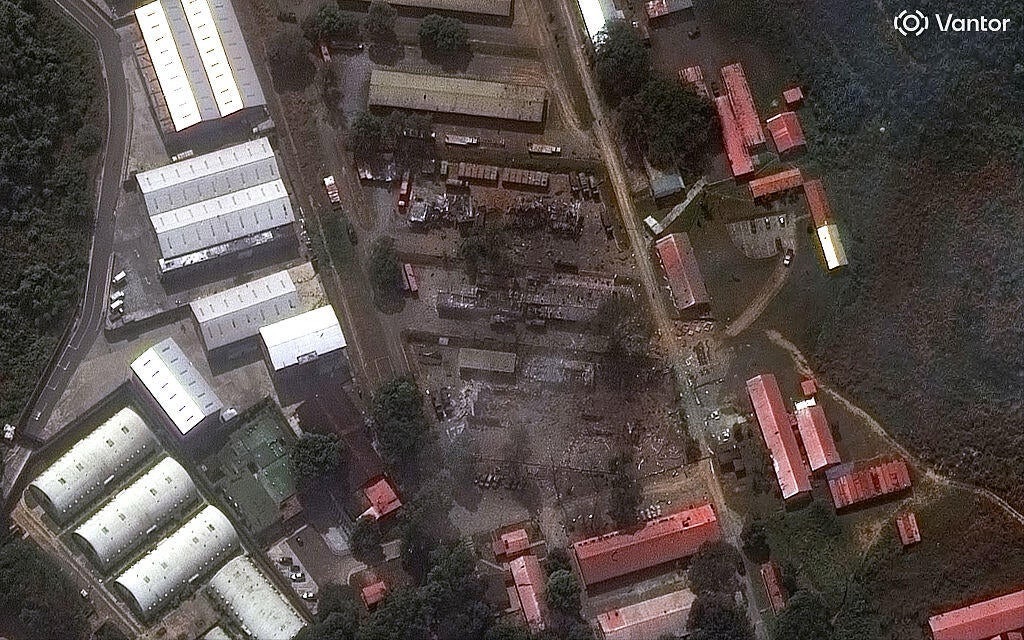
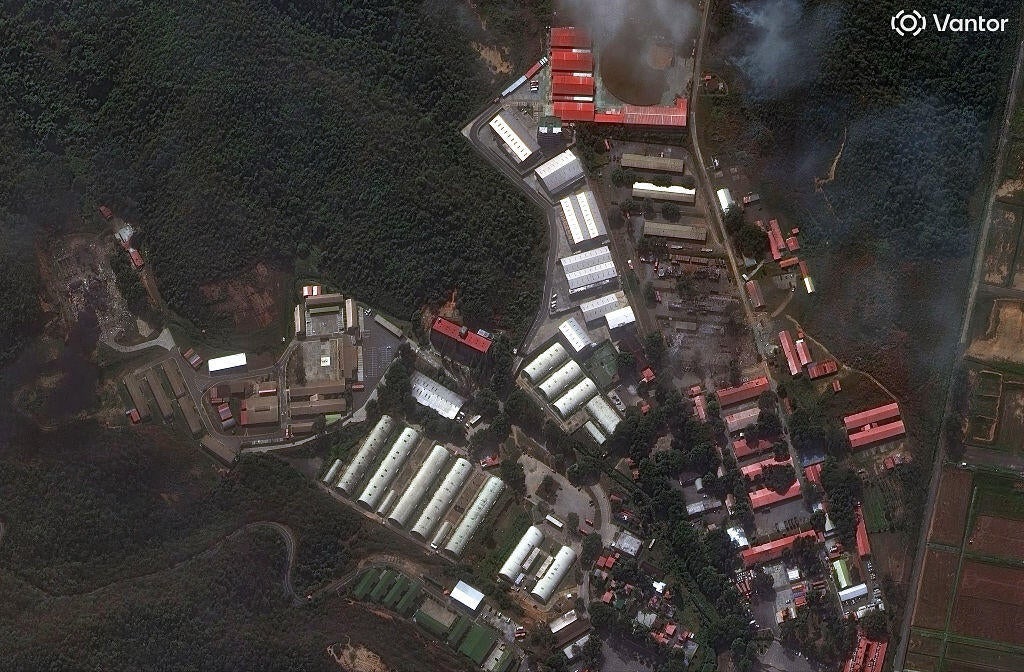
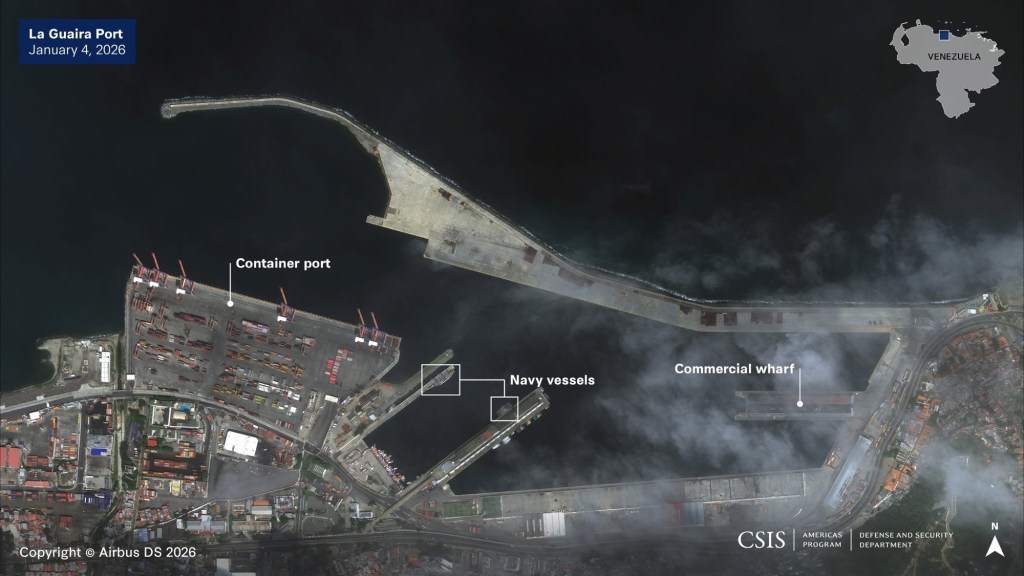
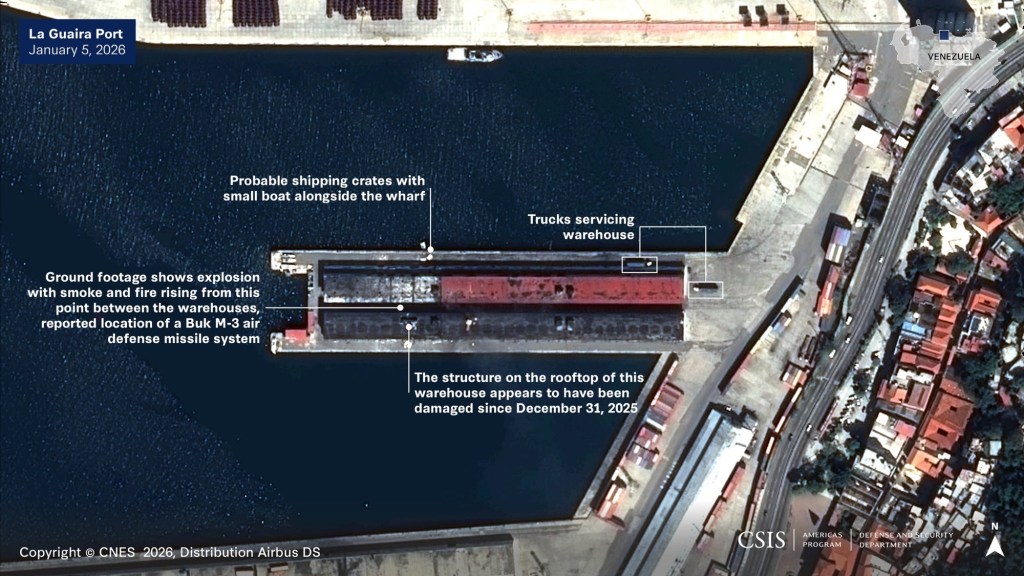
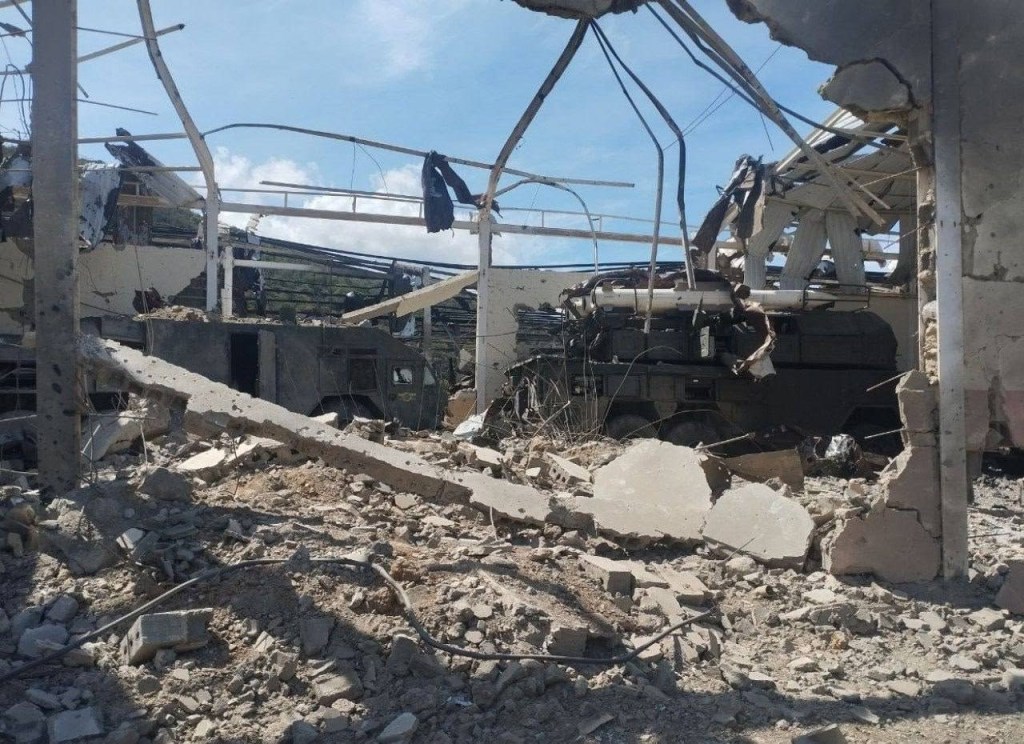
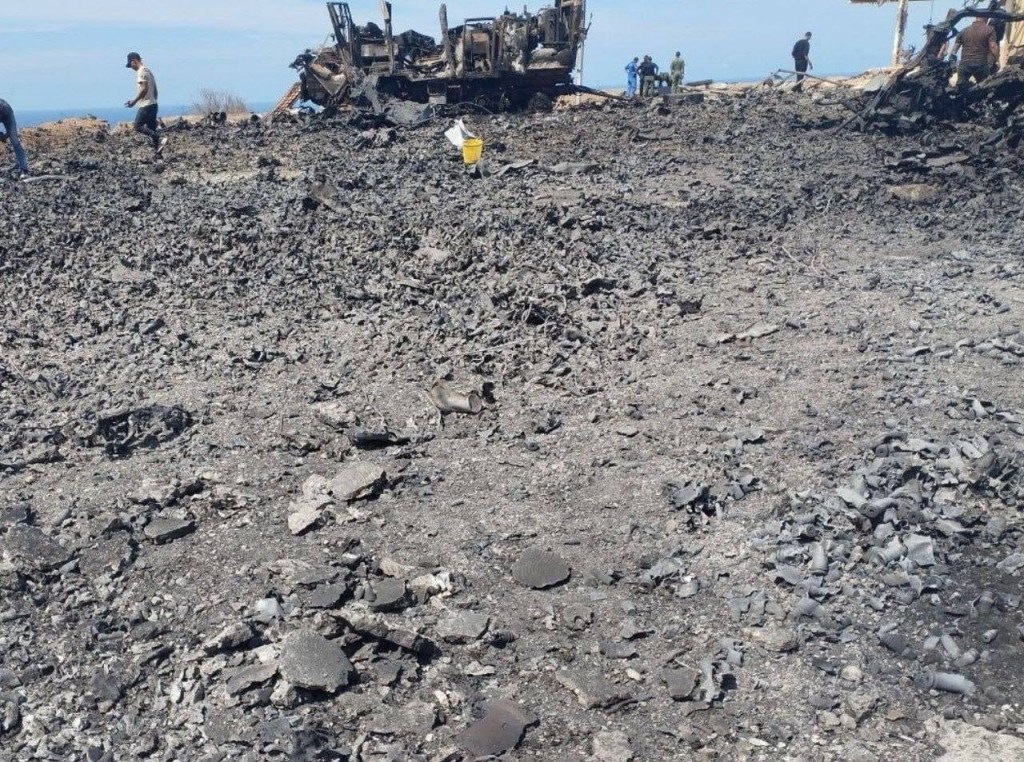
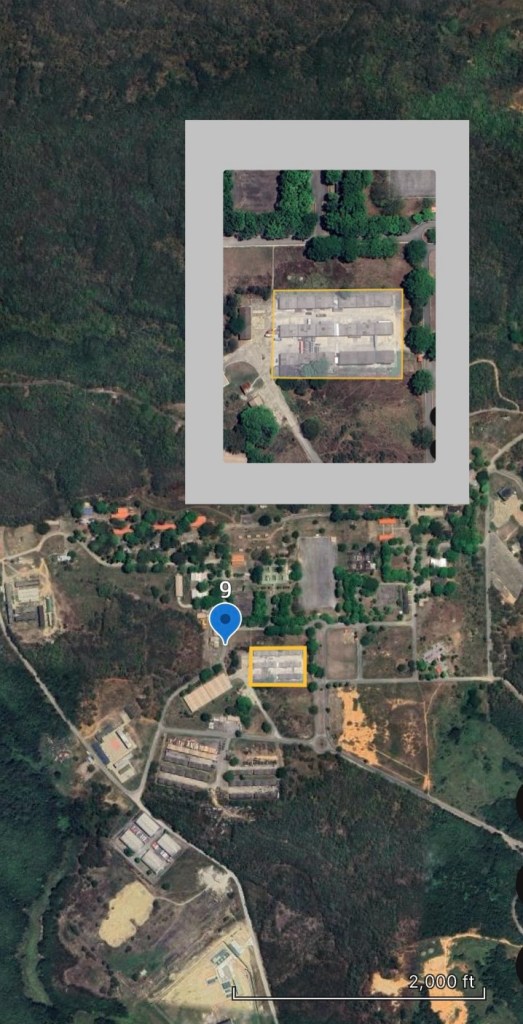
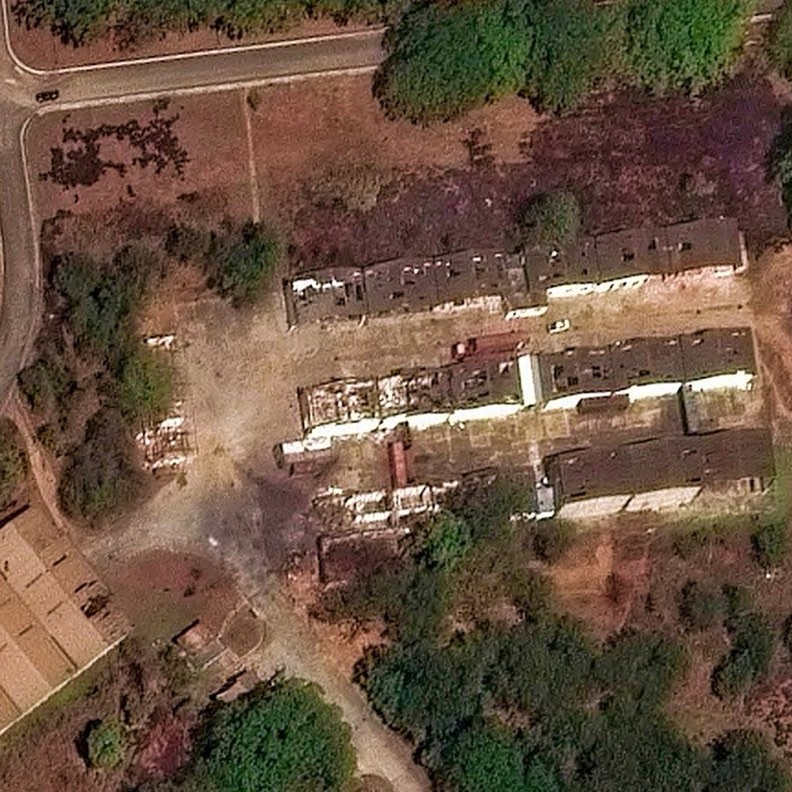
    Last week on the night of December 24th, the CIA carried out a covert drone strike on a port facility located on the coast of Venezuela. This report is based off the statements made by the White House,  CNN’s exclusive coverage of the incident and video from the facility that has been online since before the attack was linked to the U.S.

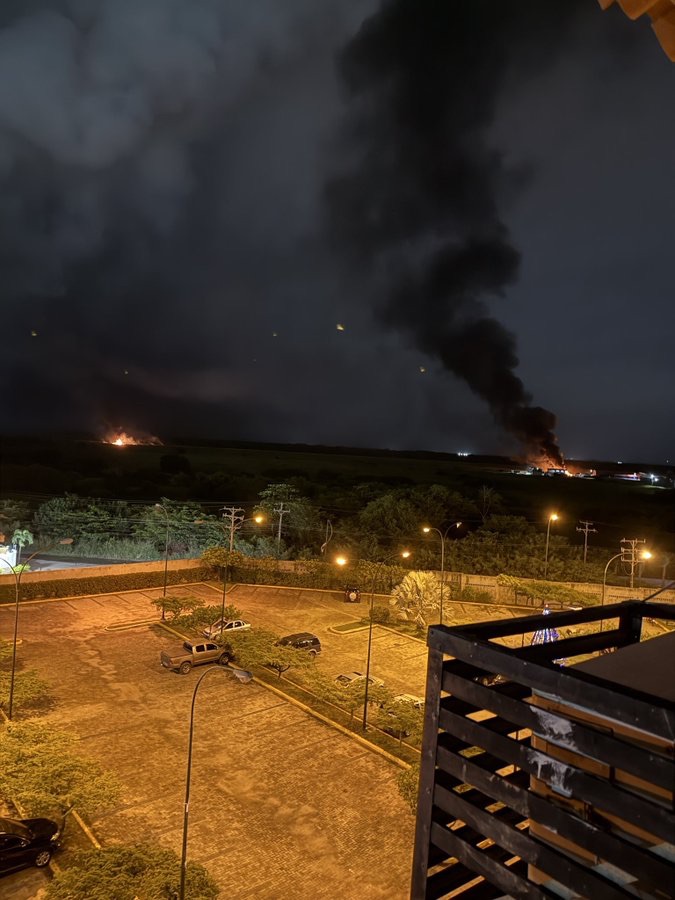
    Tweet with several videos highlighting the aftermath of the explosion.

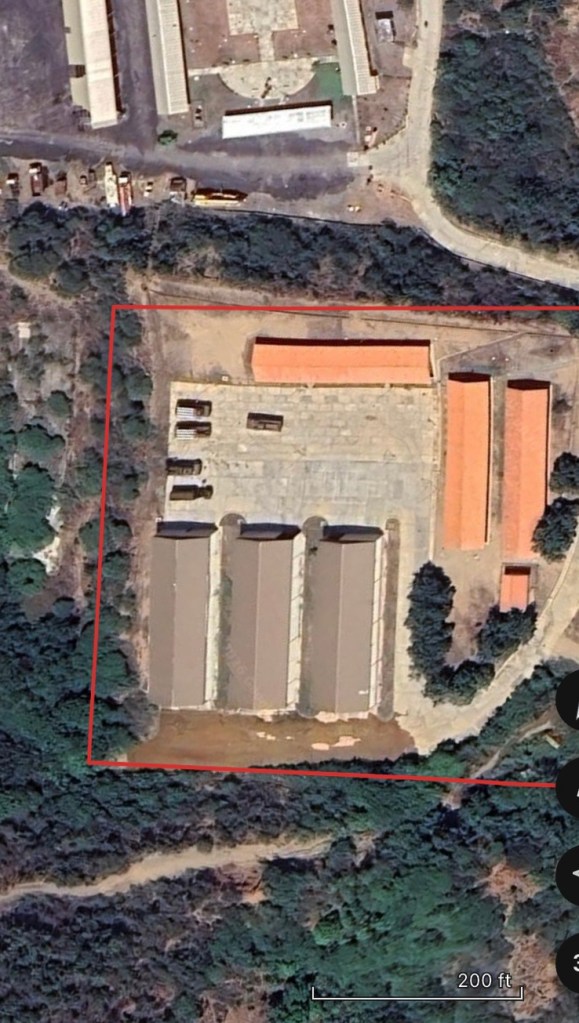
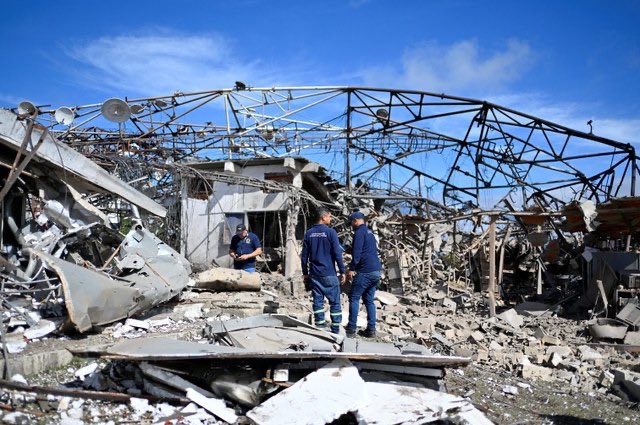
    The attack targeted an out of the way port in Maracaibo, that the U.S. believed to have been used by Tren de Aragua in the packing and transport of drugs. Drugs were allegedly stored at a warehouse on the port and then later loaded onto boats for smuggling. The building is owned by Primazol, a chemical production company. According to CNN’s source nobody was present at the time of the attack. 

    The CNN report said two of their sources told them that the strike was carried out with the help of US Special Operations Forces. The report goes on to say that this claim was denied. Col. Allie Weiskopf, a spokesperson for US Special Operations Command said  “Special Operations did not support this operation to include intel support.”So if they did participate, they aren’t saying, which is kind of the nature of special forces, so no surprise there. We know that the White House last month authorized special forces and the CIA  to carry out  operations in the region. 

    This operation was first revealed by the President himself in a much overlooked comment last week however, he kept most of the details to himself. On Monday the president was asked about the strike by Republican doner, John Catsimatidis who has a radio show, to which the president responded “We just knocked out — I don’t know if you read or you saw — they have a big plant, or a big facility, where the ships come from. Two nights ago, we knocked that out. So we hit them very hard,”

    Trump was later asked for more details and said “there was a major explosion in the dock area where they load the boats up with drugs” and that an “implementation area” was “no longer around.”

    One of the sources that CNN is referencing in their article claims that while the strike was successful destroying the building and the boats(as well as the alleged drugs), the source says it’s mostly symbolic because of the amount of similar facilities. 

    The U.S. has launched 30 strikes on boats allegedly loaded with drugs and bound for the states. Targeting the boats is only a temporary fix for a complex problem. Land strikes were always going to be required if the goal of the White House was ending the flow of drugs from Venezuela, which supplies tons and tons of cocaine which when it reaches the US is often turned into crack cocaine, a much more potent and deadly version of the drug. 

    US Intel has long pointed at high ranking members of the Nicolás Maduro regime as the leaders of the Tren de Aragua cartel. With Maduro right at the head.  These strikes and the buildup of military forces are aimed squarely at putting pressure on president Maduro. The question that’s been raised is “to what end?” 

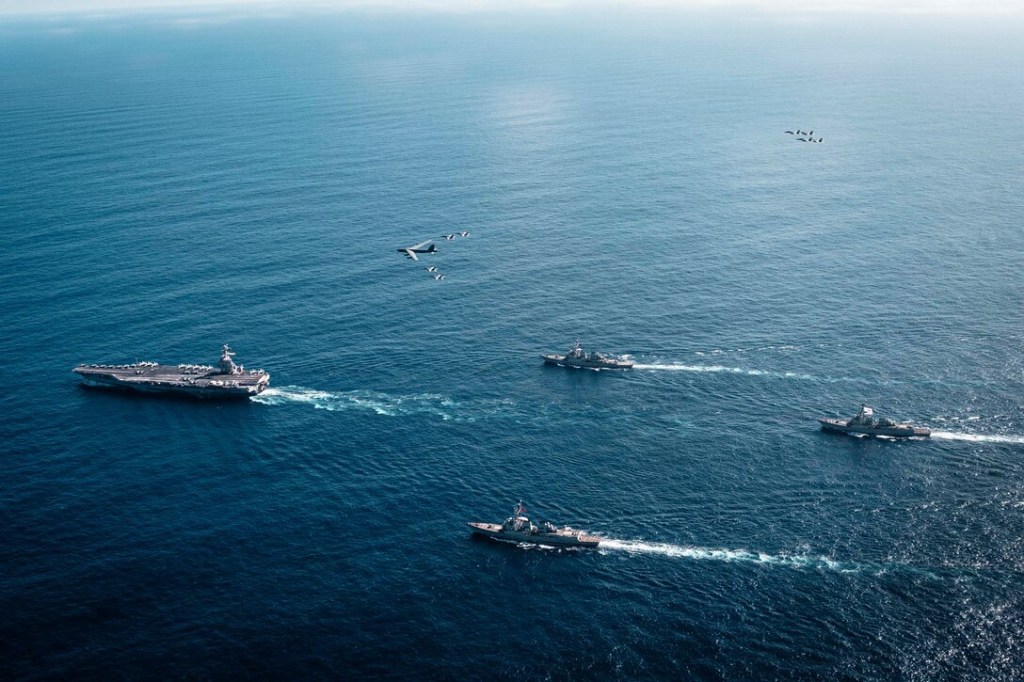
    The U.S. is gathering a large number of forces into the Caribbean, likely to support more ground strikes in the future. The U.S. has also implemented a blockade on all oil products leaving Venezuela having detained at least two ships already. 

  • U.S. Christmas Day strikes in Nigeria.

    By. Scott Jackson


    12.26.2025

    On the 25th of December 2025 US forces launched a wave of strikes on ISIS-West Africa (ISIS-WA)  targets in Sokoto State in Northwestern Nigeria. The White House cited attacks on members of the African country’s Christian population as the reason for the strikes.

    The attacks were carried with reportedly more than a dozen BGM-109 Tomahawk Land Attack Cruise Missiles (TLAM) launched from the Arleigh Burke-class guided-missile destroyer, USS Paul Ignatius (DDG-117), which its believed the ship was in the Gulf of Guinea at the time. Video was released by AFRICOM on Christmas Day showing the launch of a single TLAM.

    Locals reported explosions in the small town of Jabo about 10 miles from the state’s capital. 

    The attack was carried out with the support of the Nigerian government who in a statement mentioned exchanging intelligence with the U.S.

    While the White House says the strikes are because ISIS-WA are targeting and killing Christians, we lack a specific recent incident that shows this group is specificly killing based on religion. ISIS-WA often targets government and civil defense forces as well as their rival in the region Boko Haram. Religion isn’t usually a factor or at least not the main factor as ISIS-WA, more often than not, kills Muslim and other religions as well as Christians. All that being said Nigeria has had a rash of kidnappings lately and in one instance gunmen abducted hundreds of schoolchildren from a Catholic school woth the aim to get ransom money

    https://www.pbs.org/newshour/amp/world/nigerians-welcome-release-of-130-schoolchildren-and-teachers-kidnapped-from-catholic-school

    These strikes signal an increased interest in the country by the U.S. who have largely withdrawn from Africa during this administration. Earlier this year US president Donald Trump declared Nigeria a “country of concern” which could be a precursor to stronger involvement by the U.S. like sanctions.

  • Navy aircraft operate in the Gulf of Venezuela.

    By. Scott Jackson


    12.10.2025

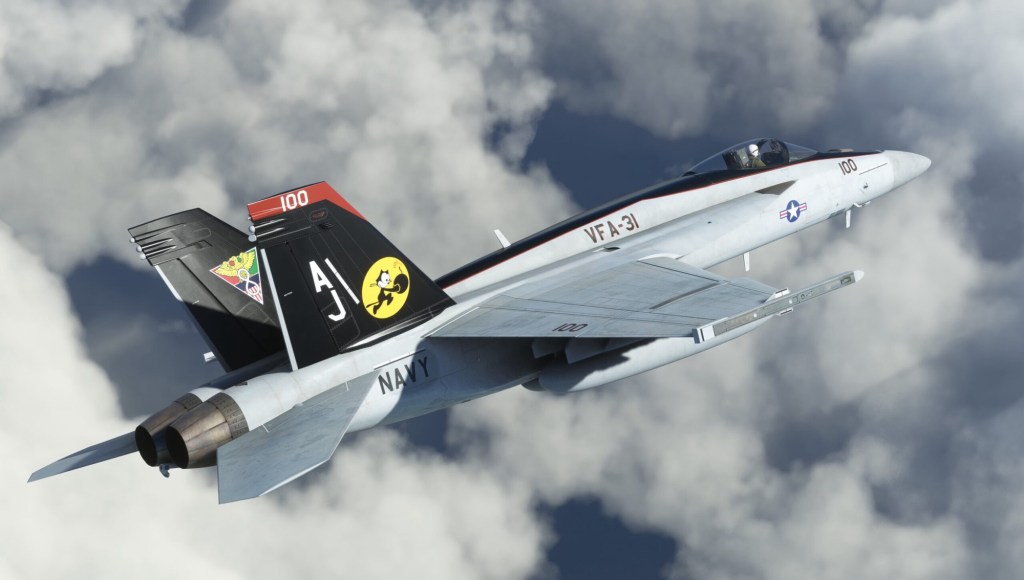
    Two F/A-18’s were seen flying deep into the Gulf of Venezuela on the 9th, staying there for around 40 minutes according to flight tracking data. The Gulf of Venezuela is a fairly small body of water surrounded on three sides by parts of Venezuela. At its widest the Gulf is only around 150 miles wide (West to East) and 75 miles long (North to South) and the opening of the mouth of the area is only 52 miles wide. Venezuela’s border extends out from its coast 12 miles in every direction not leaving much room for the jets to operate. Venezuela actually claims all of the Gulf as an area of importance to them and considers it all their territory, a claim which the US has debated and challenged for decades.

    Image from FlightRadar24 showing the two F/A-18 Super Hornets in the Gulf of Venezuela. Call signs- RHINO11 and RHINO12.

    Working alongside the F/A-18’s were at least two of the EA-18G Growlers Electronic Warfare aircraft which went into an orbit a couple hundred miles north of the Gulf. Grizzly 1 and Grizzly 2 are the call signs.

    Image from FlightRadar24 show the F/A-18 SuperHornets and north of them the EA-18 Growlers.

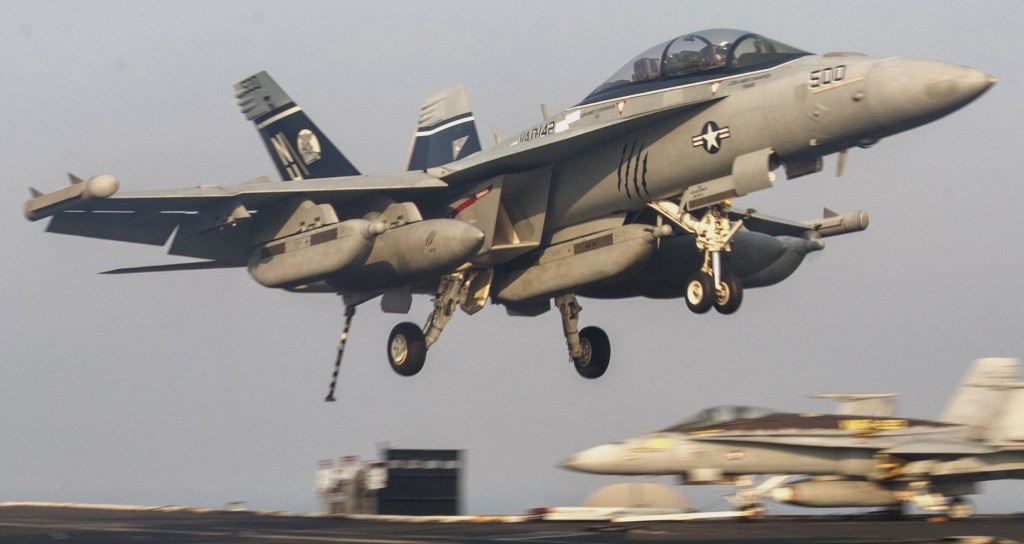
    The Growler specializes in electronic attack. Using its overpowering Next Generation Jammer pod carried underwing, it can disrupt modern radar systems on air defense or other air units allowing the growler and other allied planes to get in and out of a mission area without being seen in cases where old radar are being used.

    Electronic attack and radar jamming are poorly understood by most people and there is a lot about the NGJ pods (and even the legacy AN/ALQ-99 Tactical Jamming System) that is still classified. However these jamming pods work by attacking the connection between a radar and its target and can reflect a distorted signal back to the receiver.A jamming pod can disrupt a radar by flooding the radar with noise (think of looking into a spotlight)—injecting false signals, alter the timing, or deceiving the radar into tracking a “ghost” location. The tactical advantages of this are obvious, making the growler also amazing at anti-radar and anti air defense missions, also known as SEAD/DEAD. Suppression or Destruction of Enemy air defense. The growlers here could have been jamming the radar for the SuperHornets but more likely they were gathering intelligence on the signals that Venezuela was sending out, in case they are needed for a future strike missions. The last of its features I’d like to point out is the growlers APG-79 Active Electronically Scanned Array (AESA) Radar which it was probably using here to scan the Venezuelan coastline.

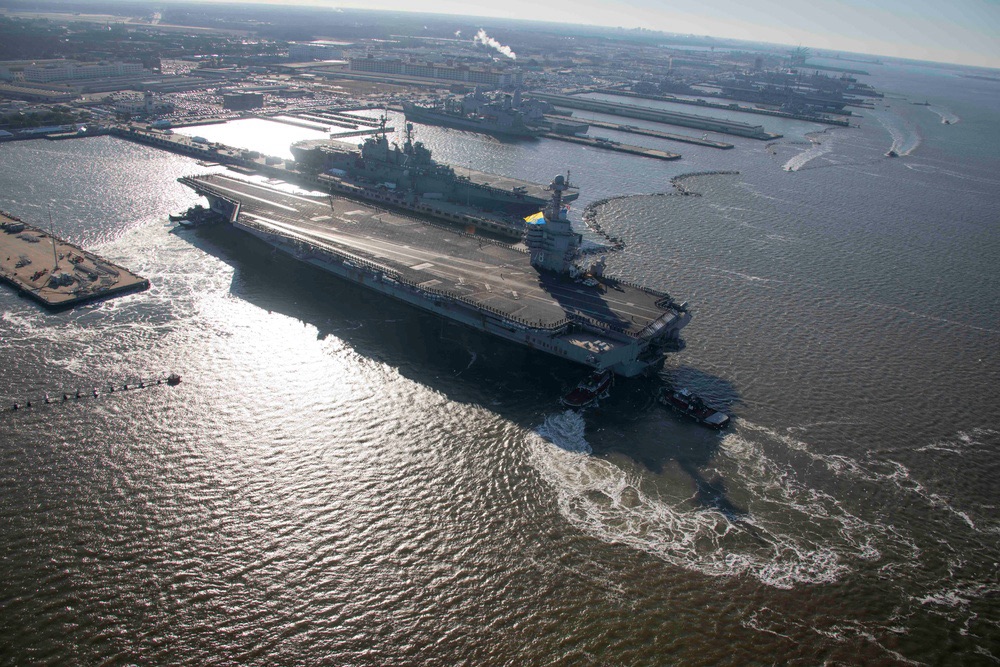
    It’s believed both the Super Hornets as well as the Growlers are operating from the aircraft carrier USS Gerald R Ford (CVN-78) which arrived in the Caribbean last month.

    The article I’m liking too is more reading for how the growlers jamming actually works and what some lf the systems limitations are. Highly recommend.

    https://theaviationgeekclub.com/us-navy-ea-18g-growler-pilot-explains-why-jamming-pods-dont-turn-a-non-stealth-aircraft-into-a-stealth-aircraft/amp/

    Two KC-46A Aerial Refueling planes.

    Another event that was missed yesterday was a transfer of several aircraft (possibly Growlers) from Naval Air Station Whidbey Island in Washington State to the Caribbean. Their presence was noted by flight trackers who also often listen to radio comms between aircraft and Air Traffic Control. They were ferried to the Caribbean by two KC-46A Pegasus aerial refueling jets.
    An image showcasing the E/A-18 Growler and its multiple Jamming pods.This one is also packing several anti-radiation missiles that can be set to launch automatically when detecting an enemy radar.

    US aircraft have probed Venezuelan air defense in this same area before utilizing at least one Boeing RC-135 Rivet Joint reconnaissance aircraft along with several other unidentified aircraft. The US has recently been very public with its aircraft operations in the Caribbean, possibly as a sign to the Maduro regime of its willingness and ability to escalate the situation further if President Trump’s demands aren’t met.

    Flightradar24 showing an RC-135 Rivet Joint and several unknown aircraft operating off the coast of Venezuela.

    In response to an email inquiry sent by GCR to USSOUTHCOM we received this statement from a SOUTHCOM Spokesperson. .

    “We conduct routine, lawful operations in international airspace, including over the Gulf of Venezuela. We will continue to fly safely, professionally, and in accordance with international law to protect the homeland, monitor illicit activity, and support stability across the Americas.”

  • PLAN deployments; Satellite imagery shows an up close look at China’s navy.

    By.Scott Jackson


    12/08/2025

    The following incredibly clear images show several PLAN (People’s Liberation Army Navy) vessels operating in the Philippine sea. The images show just a small snapshot of the currently reported 90 vessels operating around parts of the Pacific. 

    From the left : Type 055/Renhai-class cruiser Yan’an sailing alongside the Type 903A/Fuchi-class replenishment ship, the Luomahu, both tailed by the unidentified Type 054A/JIangkai II-class frigate. Image from Vantor.

    The images are from US satellite company Vantor and show a the Type 055/Renhai-class cruiser Yan’an, an unidentified Type 054A/JIangkai II-class frigate, a Type 903A/Fuchi-class replenishment ship, the Luomahu, and the Type 075/Yushen class LHD, the Hainan.

    Type 075/Yushen class LHD, the Hainan.

    The ships shown are currently operating in the Philippine Sea, according to officials with the Australian Defense Force. 

    According to Adm. David Johnson, chief of Australia’s defense force “We are aware the task group is composed of four ships, a Yushen landing helicopter dock assault, a Renhai-class cruiser, a Jiangkai-class frigate and Fuchi-class replenishment vessel, an Australian P-8 observed the task group on the evening of the second of December in the Philippine Sea, approximately 500 nautical miles north of Palau,”

    Speaking in a Senate hearing meeting Adm. Johnson said “We will continue to monitor this task group as we learn more about its direction, its purpose and intent,”

    Image of Task Group 107 which circumnavigated Australia in early 2025.


    In February and March of this year a PLAN task force made waves when it sailed around Australia.Task Group 107 made up of the Jiangkai-class frigate Hengyang, the Renhai-class Cruiser Zunyi, and the Fuchi-class replenishment vessel Weishanhu were tracked throughout their journey by Australian maritime surveillance – Australian P-8 Poseidon aircraft.

    Image of a Royal Australian Air Force P-8 Poseidon.

    The Task force circumnavigated Australia and at one point carried out live fire drills only several miles outside of the eastern coast of Australia.


    The ships seen in the Vantor image are a good look at the PLAN capabilities.One of its biggest threats is its large destroyer, the Type 55.

    The Type 55/ Renhai-class guided- missile stealth cruiser is China’s largest of its missile carrying ships. Technically china classifies this ship as a destroyer but the size makes it more closer to what the rest of the world would consider a cruiser. It has a substantial armament with 112 vertical launchers putting it just under the 122 Ticonderoga and just over the 90-96 cells of the Arleigh Burke. The Renhai-class can launch a mixture of armaments of missiles from these cells. Anti-air, anti-sub, anti-ship and land attack missiles can all be launched from this system. Maritime combat analyst predict that in a conflict the Renhai-class will be used in the second island chain as one of its heavy hitters while smaller class ships defend closer to home. China currently possesses 8 of these. These ships have allowed China to extend its maritime operations further, including to the Middle East.
    The frigate, a Type 54 JIangkai II-class Is very similar to the Type 55 in that they were both heavily inspired by the French La Fayette-Class stealth frigate.

    French La Fayette-Class

    The Type 54 frigate is one of its most numerous ships in the PLAN with around 40 in service. Each carries a 36 cell HHQ-16 vertical launch system designed for medium range air defense.


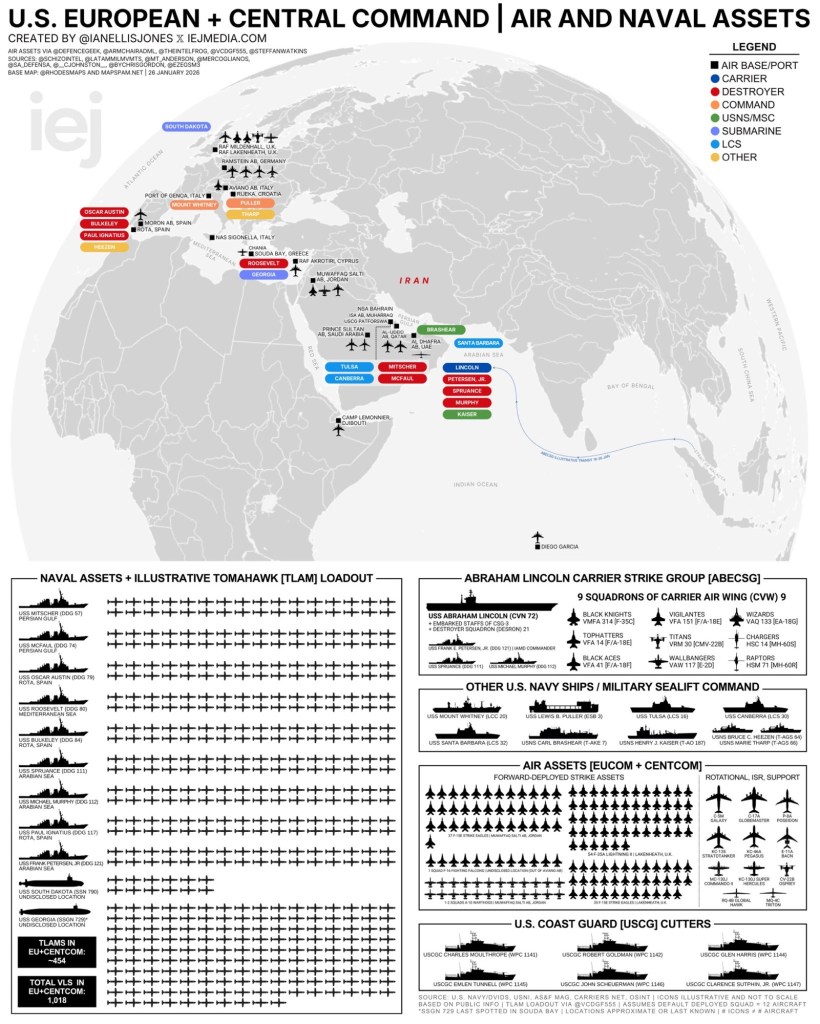
    This image was made by Twitter user Ian Ellis. Ellis produces high quality, informative infographics and reports on a wide range of defense topics. This one shows a number of the currently deployed ships in the People’s Liberation Army Navy. The group shown in orange is the ships we have in the satellite images. The locations of the ships were discovered by Ellis and other investigators who track Chinese fleet movements. Several methods can be used for this task, such as Sentinels satellite hub, and maritime tracking services.

    I wanted to shout out Ellis for his always quality work. Follow him at @Ianellisjones on Twitter. 
  • Russian shadow fleet ships attacked in the Black Sea.

    By. Scott Jackson


    11.29.2025

    Today Ukraine announced that its military had launched attacks on two sanctioned Russian Oil tankers operating in the Black Sea. 

    The ships, identified as the Gambian-flagged Kairos and Virat were empty at the time of the attacks and it is reported they were heading to the Russian city of Novorossiysk, a major port and oil hub for Russia especially in the Black Sea region. 

    Tanker Virat after the attack. Mostly minor damage on this ship.

    During an interview with Turkish broadcaster NTV, Abdulkadir Uraloğlu,the transport and infrastructure minister for Turkey, said the attacks took place within the country’s exclusive economic zone.

    The Russia shadow fleet oil tanker Virat stopped near Turkey after it was attacked by Ukranian sea drones.

    This attack is being reported by Ukraine as a joint operation between the SBU’s 13th Main Directorate of Military Counterintelligence with the Ukrainian Navy. The operation was carried out with Ukrainian “Sea Baby” drones which can travel long distances.

    Video of the events were relesed across social media.

    Russia’s shadow fleet

    Both ships attacked have been under sanctions by the UK and European Union. However these two ships and the many more like them continue to find Russia’s nearly four year long war. They continue to haul Russias crude oil and funnel money to Moscow, fueling Russias economy.

    “The Russian shadow fleet has become almost a tumour on global shipping,” said Elisabeth Braw, a senior fellow with the Atlantic Council’s Transatlantic Security Initiative.

    “The shadow fleet has grown exponentially, and Western governments have tried sanctioning specific vessels … but every time that happens, another vessel enters the shadow fleet.”

    These Russian shadow ships often carry “flags of convenience” often being flagged in places with little knowledge or experience in maritime affairs, places like the Gambia and Cook Islands.

    Ships that’s are sanctioned have no access to western ports and personnel. They are barred from trading from many nations however are still able to find buyers in China and even in Europe. Some European nations still buy Russian gas and oil either directly or through a third party.

    The Russian shadow fleet is made up of as many as a reported 1500 ship as of 2024 highlighting the ineffectiveness of the western sanctions to slow the flow of Russian oil. This is one reason why Ukraine has taken such an interest in targeting Russian oil production choosing instead to attempt to stop it at its source.

  • Italian fighters intercepted a rare Russian plane over the Baltic Sea. 

    By.Scott Jackson


    11.24.2025

    Last week, Italian Aeronautica Militare Eurofighter Typhoons intercepted a TU-134 “Black Pearl” over the Baltic Sea while taking part in their routine Baltic Air Policing (BAP). The Black Pearl is a pretty rare sight only spotted in the Baltic twice since 2020. “Black Pearl” is the name given to the plane by western military analysts, its actual NATO designation is “Crusty-B”.

    The Typhoons were stationed at Ämari Air Base in Estonia. They recently replaced the Italian F-35’s that were stationed at the same base. The Italians are taking part in the multinational NATO operation Eastern Sentry.

    The TU-134 “Black Pearl” accompanied by two Su-30SM2 and a SU-24.

    At the time of interception of “The Black Pearl”, a modified version of the civilian Tupolev TU-134, the district plane was being accompanied by two Sukhoi Su-30SM2 “Flankers” and what is believed to be a Su-24MR “Fencer”. The “Flankers” are operated by the Russian Navy, while the “Fencer” is from the Russian Air Force.  

    Sukhoi Su-24 Flanker.
    Italian Typhoon tailing the two SU-30’s.

    The Black Pearl is a Tu-134UBL (now Tu-134A-4 VIP transport) that was at one time used to train pilots and navigators of Russia’s strategic bomber forces. Anything from the Tu- 160’s to the Tu-22M3 and Tu-95MS. The Russians added a very sharply pointed, bomber-like nose and a black paint job. The jet is now mostly used as a VIP transport. As it was encountered over the Baltic it’s likely it was hauling Russian VIPs to the Russian enclave in Kaliningrade. 

    NATO air command shared the images on November 21st, but implied that the images weren’t taken that day. 

    The plane was intercepted in 2020 by F-16’s from the Belgium Air Force that were also conducting a BAP. They managed to capture an inferred image of the plane from the F-16’s Sniper Advanced Targeting Pod. 

    IR imagery of the Black Pearl taken from the Sniper pod of a Bulgarian F-16.

    The Black Pearl is an interesting variant of an aircraft that you don’t see very much anynore.

    It’s believed the Black Pearl was shepherding the fighters for delivery to the 4th Guards Naval Assault Aviation Regiment of the 34th Mixed Aviation Division, assigned to Baltic Fleet Aviation and based at Chernyakhovsk Air Base in Kaliningrad, according to KEY.AERO.

  • Iran suspected of hijacking crude oil tanker in Strait of Hormuz.

    M/V Talara

    By.Scott Jackson


    11.14.2025

    This morning(11.14.2025), the Greek owned, Marshall Islands flagged crude oil tanker M/V Talara was ambushed and seized by forces of the Iranian Revolutionary Guards Corp(IRGC) while transiting the Gulf of Oman. 

    The M/V Talara departed from the port of Ajman in the United Arab Emirates(UAE), for a short trip to Singapore according to the ships AIS data which can be viewed publicly on maritime tracking services. The British maritime risk assessment group Vanguard reported that the ship was surrounded by Three Iranian IRGC fast attack craft while near the strait of Hormuz. Contact with the ship was lost at this time and at 8:22am local time the ship reportedly turned towards the direction of Iran. It’s last signal was around 12:06PM still on a course towards Iran. 

    Iranian fast attack patrol boats.

    At the time of the incident a Northrop Grumman MQ-4C Triton with the U.S. Navy was present in the strait and was seen circling the area where the incident took place. According to media reports no damage or casualties are reported at this time. 

    Flight tracking data showing the MQ-4C Triton during the incident. This shows us where the ship was seized and turned towards Iran. The drone never went into Iran, interference can sometimes distort a flight path.

    In a statement Columbia shipmanagement, the company who manages the ship said “The vessel, carrying a cargo of high-sulphur gasoil, was transiting the Indian Ocean during its passage from Sharjah, United Arab Emirates to Singapore when contact was lost at around 0822 local time on Friday, 14 November, 2025 approximately 20 nautical miles off the coast of Khor Fakkan, United Arab Emirates.”

    The company said they are working closely with the relevant authorities. They added “The safety of the crew remains our foremost priority,”

    The ship is owned by the Greek Coronis Family Group of Companies. They have yet to release a statement of any kind. 

    Merchant vessels have been advised of the incident and warned to practice caution while transiting the Strait of Hormuz. 

    The ship is believed to be sitting in port somewhere in the Khuran (or Clarence) Strait, a smaller strait inside of the strait of Hormuz. Tomorrow’s satellite imagery should tell us more.

    Khuran (or Clarence) Strait, where the ship is believed to be held.