Tag: geopolitics

  • Russia Hits Kyiv with One of the Largest Attacks of the War – Oreshnik IRBM Used

    Russia Hits Kyiv with One of the Largest Attacks of the War – Oreshnik IRBM Used

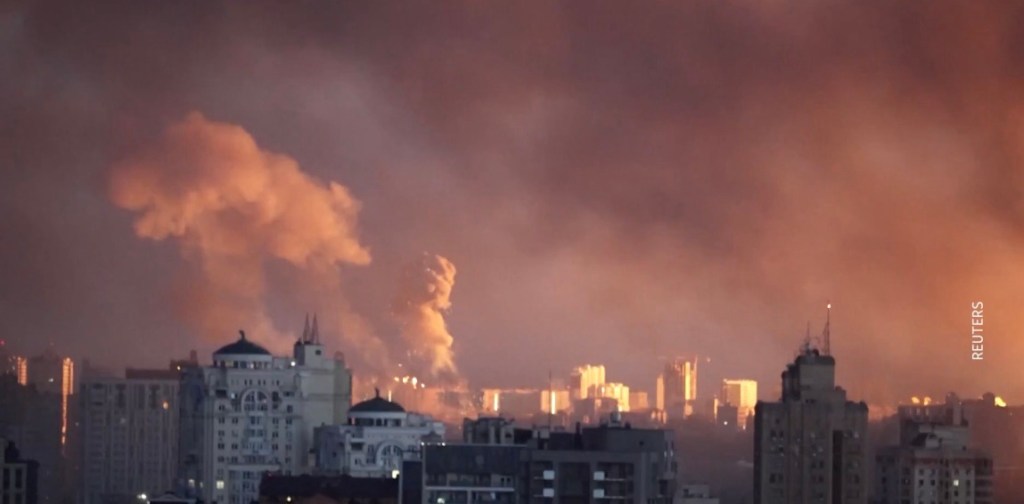
    Overnight on May 23-24 2026, at least four people were killed and 100 wounded in one of the largest Russian air attacks in years. While strikes were launched across multiple regions, the main target was clear: the capital, Kyiv.

    Video shows moments from the Russian attack on Kyiv.

    The city was hit with multiple Kh-101/Kalibr cruise missiles, Shahed drones, and ballistic missiles. After 1 a.m., explosions rang out across Kyiv following a warning from the United States and Europe that Russia might launch one of its hypersonic Oreshnik ballistic missiles. This was not only one of the largest recent attacks — it ranks among the largest of the entire war with 90 missiles (including 36 ballistic) and an estimated 600 drones being used in the attack.
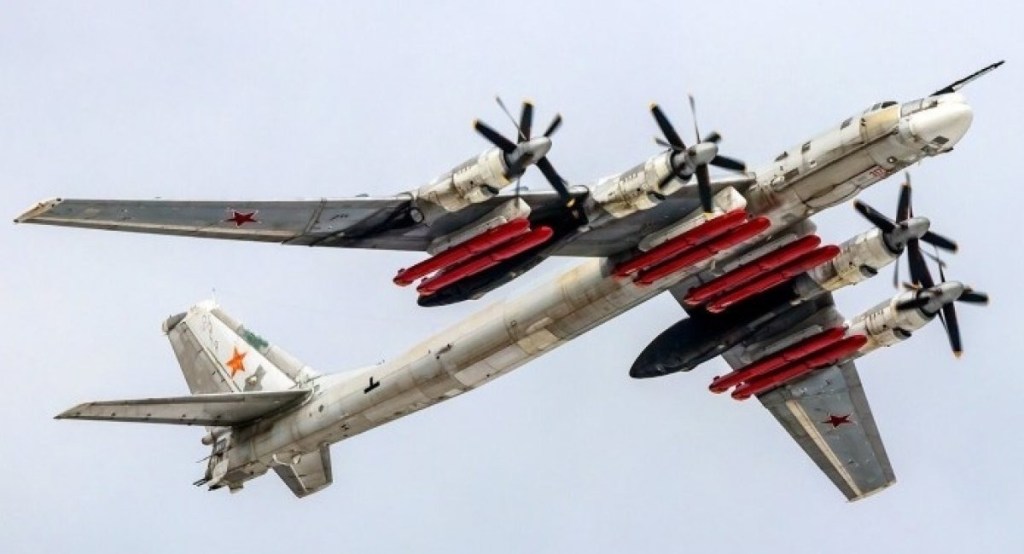
    Russian Tupolev TU-95 (NATO: Bear) carrying KH-101 (NATO: AS-23 “Kodiak”) Cruise missile.
    Video of the Oreshnik strike.

    Videos from Bila Tserkva, a city roughly 40 miles (64 km) from Kyiv’s outskirts, captured the Oreshnik strike. It is not yet known what, if anything, was damaged or why that area was targeted in specific. Although the attack looked dramatic, the Oreshnik intermediate-range ballistic missile (IRBM) was designed primarily as a nuclear delivery system. It is very similar to Russia’s RS-26 Rubezh (NATO: SS-X-31), which was test-fired a handful of times but never fully fielded. Both missiles are equipped with multiple independently targetable reentry vehicles (MIRVs). These break apart into six individual submunitions during the exo-atmospheric flight phase, allowing them to strike separate targets — a capability ideal for delivering multiple nuclear warheads.
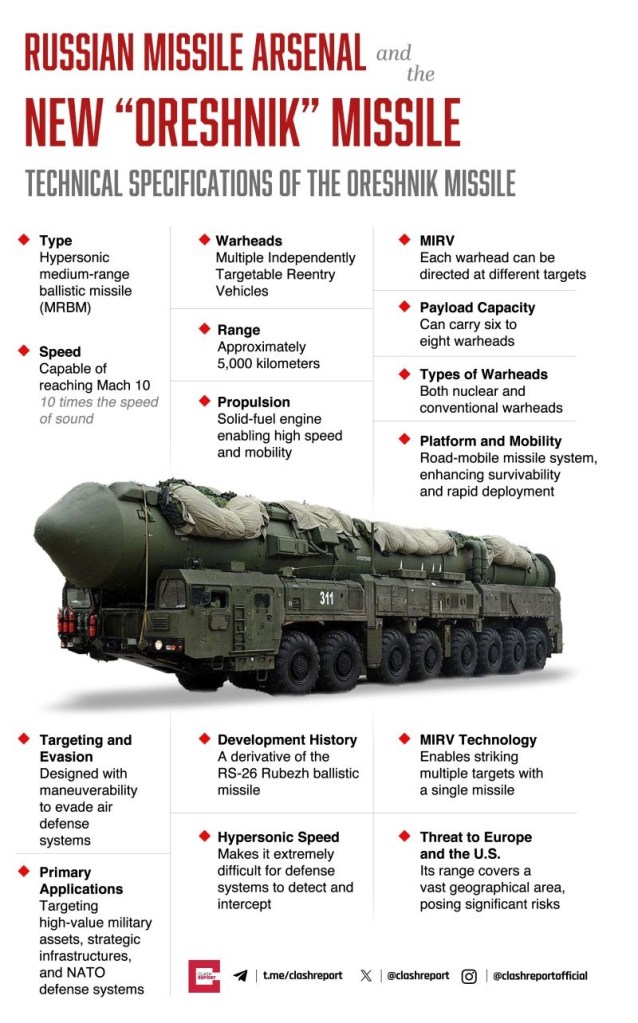
    Some information of the Russian Oreshnik missile.

    In its non-nuclear form – which lacks any conventional warhead and relies solely on kinetic energy – the Oreshnik has so far proved to be more of a threat than a practical battlefield weapon. Nuclear weapons experts have described its accuracy as “good enough to deliver a nuclear weapon, but not enough to deliver conventional weapons effectively.” Last night marked the third known use of the Oreshnik. It was deployed on November 20 2024 to hit Ukraines PA Pivdenmash facility in Dinipro, and again earlier this year on January 6 to hit the city of Lviv.

    The hours-long attack sent Kyiv residents huddling in subway tunnels and other designated bomb shelters as Russia appeared to fire missiles at random. Russian Telegram channels shared a photo of a damaged apartment block and claimed it was the headquarters for the entire Ukrainian Army. One area hit particularly hard was the Lukyanivka district, north of Kyiv’s city center. That district is home to a missile production plant that has been targeted multiple times during the war. Apart from those specifics residential buildings, a market that burned down several schools, and a water supply facility along with damage reported in dozens of other locations across multiple districts.

    “It’s important that this does not remain without consequences for Russia…“Decisions are needed – from the United States, from Europe and others.”

    President Volodymyr Zelenskyy said on the Telegram messaging app, urging international action.

    Ukraine’s Western allies have described the use of an IRBM as an escalation. Germany and the UK condemned the attack, while Kaja Kallas, the European Union’s top diplomat, accused Moscow of “a political scare tactic and reckless nuclear brinkmanship.”

    Russia described the attack as retaliation for an attack they claim targeted student dormitories, among other recent Ukranian drone strikes. Ukraine says that they only strike “military and military supporting infrastructure.”
  • U.S. Seizes Iranian Tanker in Indian Ocean

    U.S. Seizes Iranian Tanker in Indian Ocean

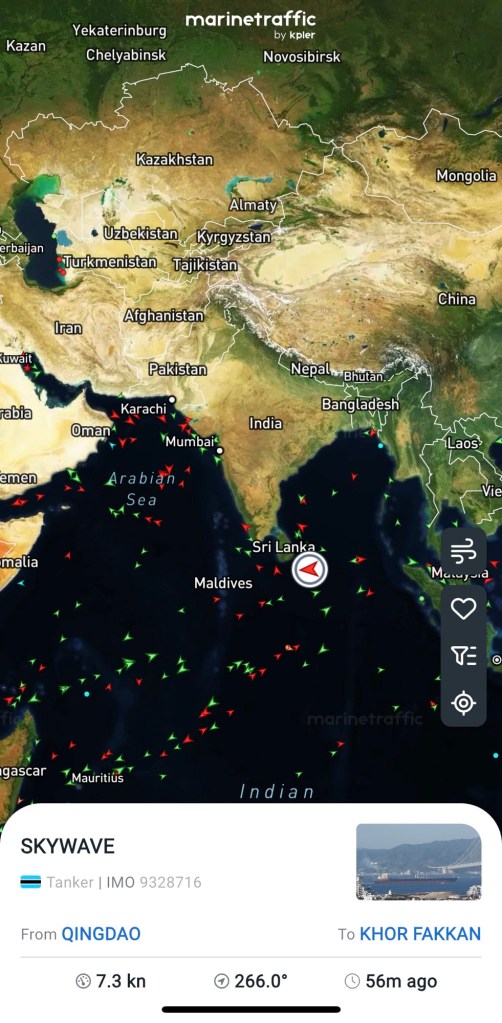
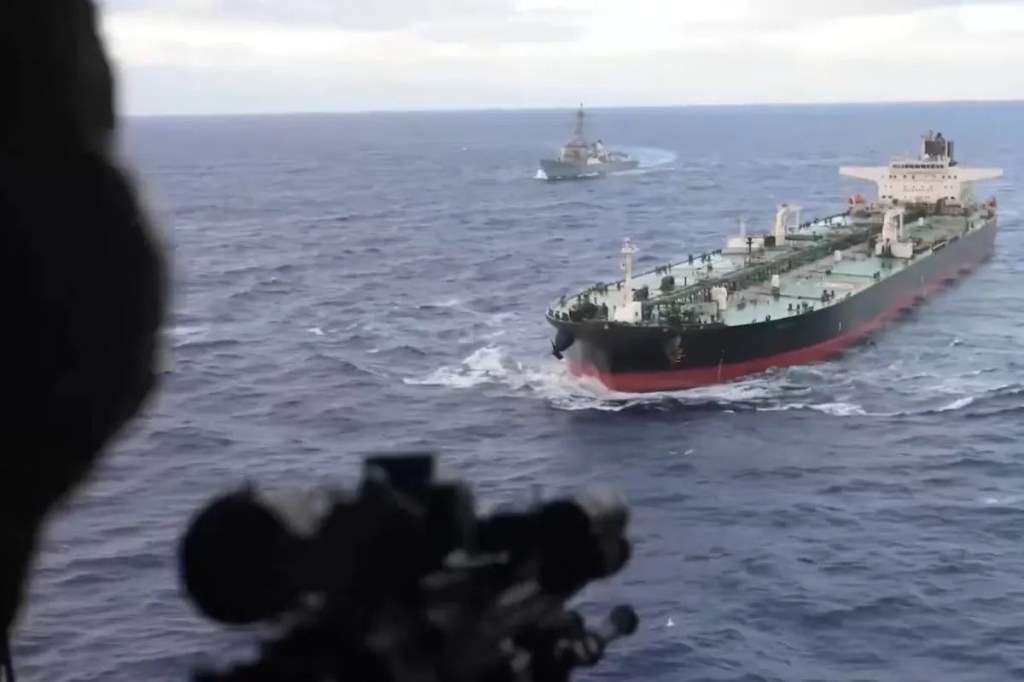
    On Tuesday, May 19, 2026, U.S. forces seized an Iranian vessel in the Indian Ocean. The vessel was the Very Large Crude Carrier (VLCC) Skywave (IMO: 9328716). The story was originally reported by The Wall Street Journal, citing three U.S. officials. Ship-tracking data showed that the Skywave was sailing west of Malaysia on Tuesday after exiting the Malacca Strait. The Wall Street Journal reported that the ship was boarded overnight while it was halfway between Malaysia and Sri Lanka. The U.S. has not yet confirmed the seizure.

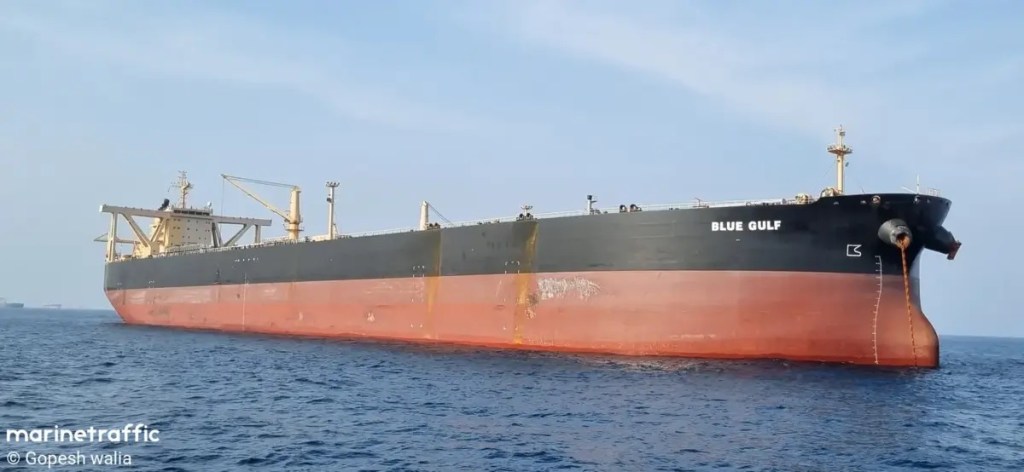
    Image shows the ship before its name change to Skywave.

    The ship is currently flagged in Botswana, a known cover for shadow tankers. As a landlocked country, Botswana has no national maritime or ship registry. Other maritime tracking sites list it as flagged in Comoros–another common shadow-fleet jurisdiction–providing probable evidence that the vessel routinely changes its flag. The ship changed its name in 2025 after it was sanctioned by the U.S. At that time, when it was called the Blue Gulf, it was registered in Palau.

    Lloyd’s List Intelligence reports that the ship loaded more than a million barrels of crude oil at Kharg Island in February before heading to Asian waters. It is not publicly known whether the ship was able to offload its cargo in Asian ports.

    Image from MarineTraffic shows a current reported position of Skywave.

    This is the third time the U.S. has seized an Iranian tanker, following the seizures of the Majestic X and Tifani in April, both in the Indian Ocean. These operations form part of a blockade of Iranian shipping into the Persian Gulf as well as a broader crackdown on Iranian shipping worldwide. Iran’s tanker fleet generates revenue for the regime, which is then used to fund its military and proxy forces. The seizures tie into the wider U.S.–Israeli Operation Epic Fury and the effort to dismantle Iran’s nuclear program, among other objectives. Iran has denounced the actions as “armed piracy” and a violation of the fragile ceasefire established in April.

    The Department of Justice and the Office of Foreign Assets Control (OFAC) also announced today that they are sanctioning an additional 19 tankers linked to the Iranian oil trade. The move is part of a campaign the U.S. calls “Economic Fury.”

    The US action is a blockade of Iran’s ports and coastline, not a blockade of the Strait of Hormuz. Enforcement will occur inside Iran’s territorial seas and in international waters. In addition to this blockade, the Joint Force, through operations and activities in other areas of responsibility, like the Pacific Area of Responsibility under the command of Admiral Paparo, will actively pursue any Iranian flagged vessel or any vessel attempting to provide material support to Iran….This includes Dark Fleet vessels carrying Iranian oil. As most of you know, Dark Fleet vessels are those illicit or illegal ships evading international regulations, sanctions or insurance requirements. More than 10,000 sailors, Marines and Airmen, over a dozen ships and dozens of aircraft are executing this mission.

    Chairman of the Joint Chiefs of Staff General Dan Caine,

    Background

    Tensions between the United States and Iran have escalated over Tehran’s nuclear program and its support for proxy militias across the Middle East. Operation Epic Fury, a coordinated U.S.–Israeli campaign launched earlier this year, combines naval interdictions, expanded economic sanctions, and intelligence operations to disrupt Iran’s shadow tanker fleet and starve the regime of the oil revenue that funds its military and destabilizing activities. The fragile ceasefire negotiated in April 2026 offered only a temporary pause in hostilities; both sides continue to accuse each other of violations, keeping the region on edge as the U.S. presses forward with its goal of preventing Iran from achieving nuclear breakout capability.

  • Mali Update: MoD killed; sporadic clashes ongoing across the country.

    Mali Update: MoD killed; sporadic clashes ongoing across the country.

    Five days ago on April 25th, armed Tuareg militia groups coordinated with Al-Qaeda Sahel affiliate Jihadist group and launched a coordinated attack on strategic positions across Mali, striking government and military sites and  several key cities. These attacks forced the withdrawal of the Russian Africa Corp and Malian armed forces from several of the cities they were defending. 

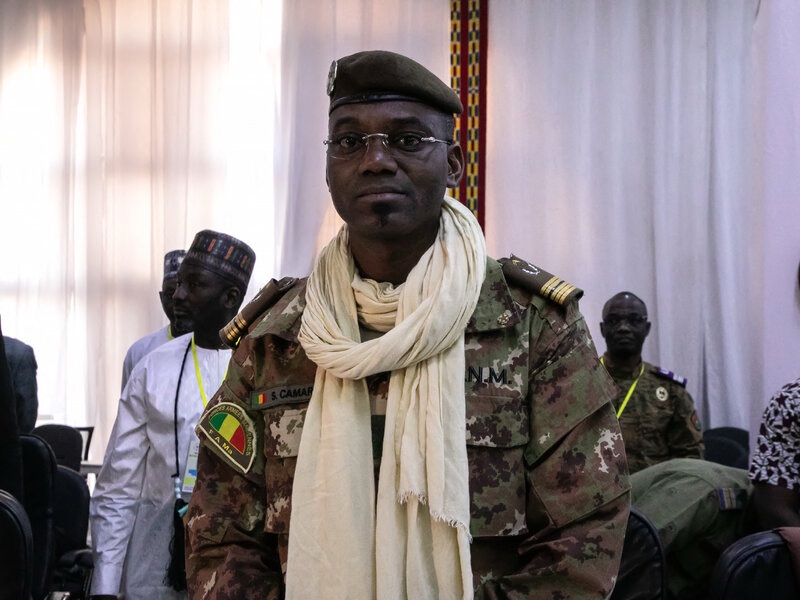
    Since the initial attack it’s been reported that the countries Minister of Defense–Sadio Camara, was killed by a suicide truck bombing that targeted his residence  in the town of Kati, a suburb of the capital in Bamako. Government spokesman Issa Ousmane Coulibaly read a statement on state tv in the aftermath that said Camera was killed when “a vehicle laden with explosives and driven by a suicide attacker targeted the minister’s residence”.

    Minister of Defense for Mali Junta, Sadio Camara.

    The statement went on to say that Camera had killed several of his attackers in an exchange of gunfire before the explosion. The explosion collapsed Cameras residence and also destroyed a nearby mosque, killing a number of worshippers. Mali state TV also reported three members of Camera’s family also died in the attack. 

    Mali’s current leader is said to be in hiding in the aftermath of the attack, at this time nobody has seen or heard from him, many believe him to have been killed in the attack but that is not confirmed. Regional African sources report he was present in Kati at the time of the attack but was moved by military convoy to Samanko camp, a camp for the special forces men he once commanded before taking power in the coup. Had he been killed it’s very likely the group responsible would have taken credit for it. 

    (Update: Gen Assimi Goita is confirmed to be alive. His office photographed him in a meeting with Russian ambassador, Igor Gromyko.) 

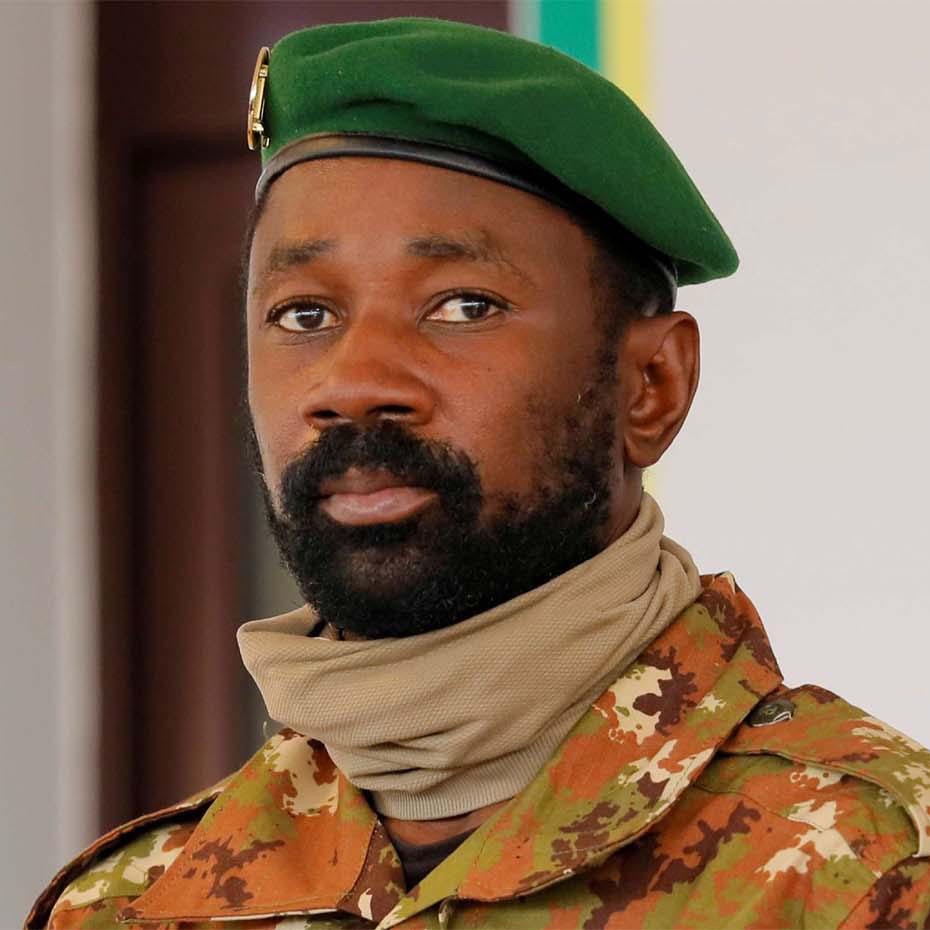
    Assimi Goïta, President of Mali

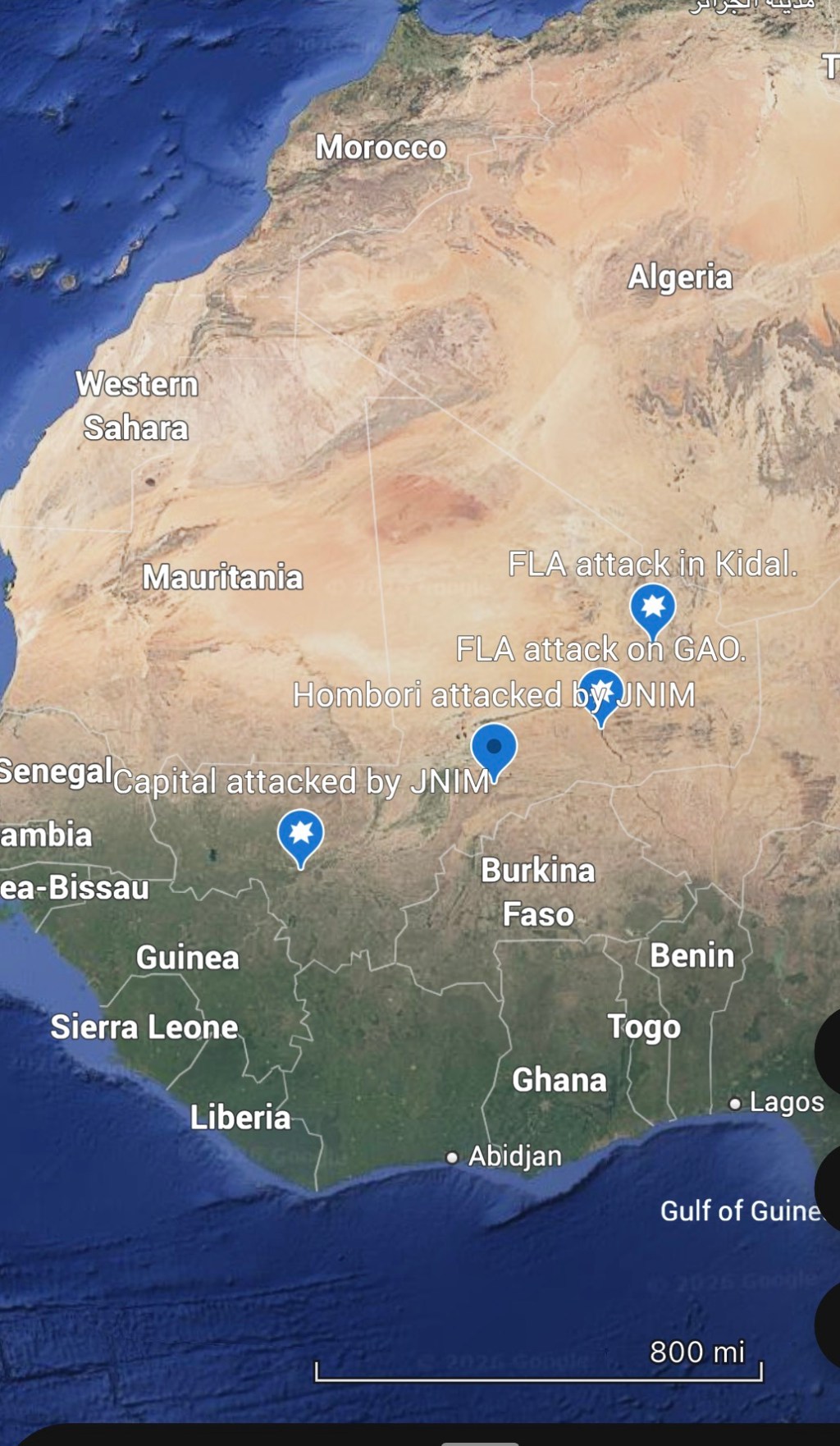
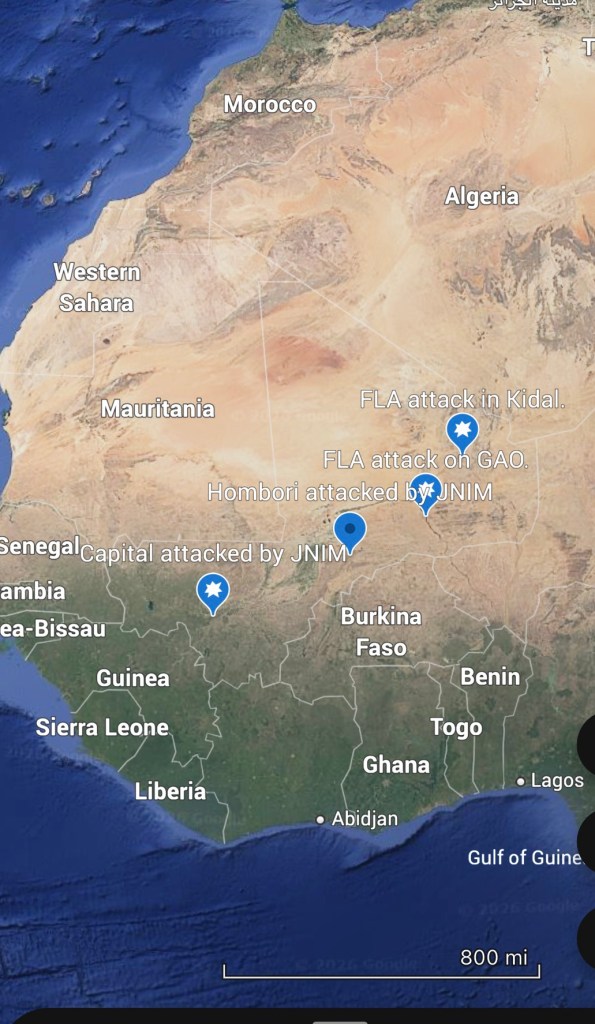
    Attacks were reported in the capital city of Bamako in the south, and Gao and Kidal in the North. While the government claimed a successful defense, videos were released from Gao and Kidal showing Malian and/ Russian forces pulling out while being filmed by the attack militias. 

    Multiple videos and reports from the region indicate that the Tuareg rebels have taken complete control of Kidal. This is a large strategic hub in the north of the country and is also considered a homeland of the Tuareg people.

    Background

    General Goïta led two coups, one in August 2020 which resulted in the ousting elected President Ibrahim Boubacar Keïta amid massive protests over corruption and failure to stop the insurgency and another in May 2021 when he removed the interim civilian president. The Junta and General Goïta promised a quick return to civilian rule and elections but instead, the junta consolidated power. In July 2025, a transitional parliament granted Goïta a renewable five-year presidential term.

    Mali has been in a near-continuous war since a 2012 Tuareg rebellion in the north. This was focused mostly on the Azawad region. This rebellion was hijacked by jihadists, leading to French intervention, a 2015 peace deal, and repeated flare-ups. The country remains deeply divided: the south (Bamako/Kati) is the political/military heartland, while the north and center are contested by separatists and jihadists. Do

    The junta expelled French forces (Operation Barkhane) in August of 2022 and UN peacekeepers (MINUSMA) in June of 2023, citing ineffectiveness. They turned to Russia for security help, Russia sent infamous mercenary company Wagner Group which arrived sometime in 2022 then Wagner was rebranded/replaced by the Russian state-linked Africa Corps after the death of Yevgeny Prigozhin. Russian forces have fought alongside Malian troops against both jihadists and Tuareg rebels, helping retake some northern areas (Kidal in 2023).Results, however,  have been limited with violence persisting and widespread accusations of civilian abuses. On top of everything, the junta has faced growing isolation from the West and ECOWAS. 

    Footage released by the Russian African Corps showing their fighting in Mali over the last few days.

    The fighting is still ongoing. Looking at reports from all sides we are able to get a sense of where the current hotspots still remain. 

    -Northern Mali. 

    (Kidal, Gao, Sévaré/Mopti areas)

    Clashes continue. Tuareg rebels (FLA) m claim control of Kidal and parts of Gao and other towns. Russia’s Africa Corps confirmed it withdrew from Kidal on April 27 after heavy fighting, alongside Malian troops. Rebels say they are holding positions across the north in areas like Goa and near Timbuktu.


    -Bamako and Kati

    Malian authorities say they have largely repelled the main assaults and describe a “fragile calm” in the capital and Kati military base. However, multiple eyewitness and social-media reports from April 27th describe heavy gunfire, several large explosions, and drone sightings near Sénou International Airport (just south of Bamako). Flights have resumed but remain limited.

    Today (April 30th), video footage shows that JNIM fighters have taken the town of Hombori, in the area of central Mali.

    Bamako has seen sporadic fighting in the lead up to this large attack, often supply routes would be attacked. In 2024 JNIM launched an attack that targeted Malian Army and Wagner Group bases, a gendarmerie training center in Faladie, and areas near Modibo Keita International Airport. Until now this was the largest attack on Junta targets since the coup.

    In 2025 JNIM enforced a months-long fuel blockade by attacking tankers and supply routes from Côte d’Ivoire, Senegal, and elsewhere. This created a de facto siege on Bamako and southern Mali, causing severe fuel shortages, blackouts, long lines for fuel and food, and economic hardship. It was designed to pressure the junta without needing to attack the city directly. 

    Pro-government and Junta sources insist that the military beat back the attackers on all fronts however no new footage or other evidence has been released that gives credit to those claims and in fact, the evidence we do have aadds more support to the contrary. 

  • Strait of Hormuz Chaos Returns: Iran Fires on Ships as Ceasefire Talks Hang in the Balance”

    Strait of Hormuz Chaos Returns: Iran Fires on Ships as Ceasefire Talks Hang in the Balance”

    April 18th Status of the Strait

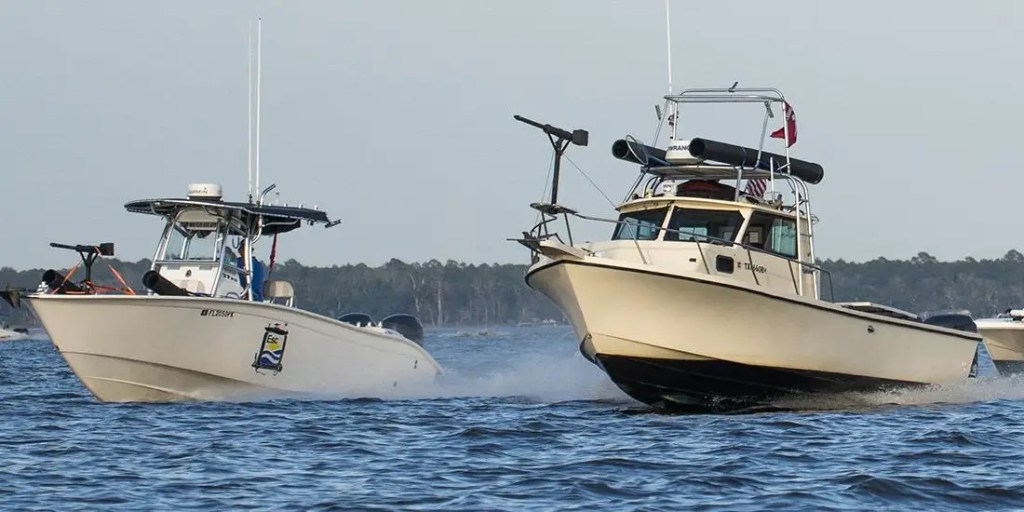
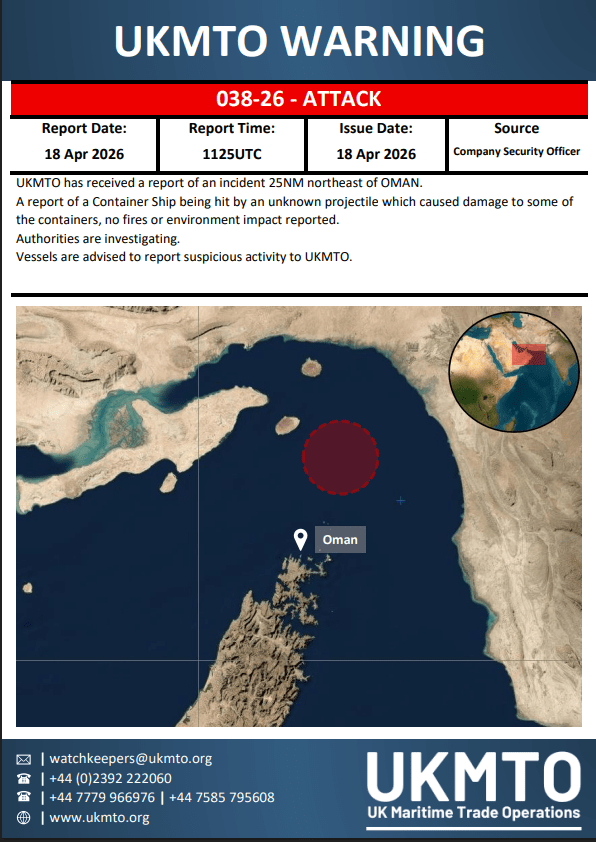
    After a brief opening yesterday, Iran has reimposed restrictions on traffic through the Strait of Hormuz. This has once again caused chaos, as ships attempting to make the trip have been forced to turn around—this time under direct threat of fire. Yesterday, a number of vessels attempted to make the trip before abruptly turning back toward the Gulf. This happened again this morning, with at least two ships reporting to the United Kingdom Maritime Trade Organization (UKMTO) that they had been fired upon by small IRGC gunboats. The vessel, whose name has not been released yet, reported to UKMTO that it was 20 nautical miles (nm) off the coast of Oman when the incident took place. The tanker and crew are reported safe at this time. The captain reported receiving no radio contact from the gunboats. Iran has made no official statement of the incident at this time. 

    Yesterday an announcement was made to ships attempting to make the voyage through the strait. It was recorded on the bridge of one of the vessels; this is the bridge of the Bhagya Laxmi but multiple vessels reported hearing the message or one similar.

    Iran Claims U.S. Breaches of Trust

    Iran claims the United States has made repeated “breaches of trust,” with some officials going so far as to accuse the U.S. of “acts of piracy.” The Khatam al-Anbiya Central Headquarters—the top operational command-and-control hub for the Armed Forces of Iran—released a televised statement specifically citing “repeated breaches of trust” as the reason for reimposing “strict management and control” over the Strait. They accused the U.S. of continuing a naval blockade of Iranian ports despite previous good-faith agreements. From their perspective, the U.S. should have ceased the ongoing blockade. Whether that was part of an agreement the U.S. made with Iran during the ceasefire put in place last week, we do not know. The current blockade was never mentioned specifically in any reporting I have seen on the terms of the April 7–8 ceasefire. No formal announcement was made on what exactly was agreed upon in the ceasefire. For now, we only know the terms that have been announced publicly by both sides.

    “For this reason [U.S. continued naval blockade], control of the Strait of Hormuz has reverted to its previous state, and this strategic waterway is under the strict management and control of the armed forces.”

    “Until the United States restores the complete freedom of navigation for vessels from an Iranian origin to a destination, and from a destination back to Iran, the situation in the Strait of Hormuz will remain strictly controlled and in its previous state.”

    -Statement on Iranian State Media from the Khatam al-Anbiya Central Headquarters

    U.S. and Iran Ceasefire: What We Know

    The April 7–8 ceasefire stopped the wave of U.S. and Israeli attacks on Iran and was supposed to reopen the Strait of Hormuz for tankers and other maritime traffic. The specifics of the agreement are not publicly known, but we can review what both sides have stated publicly or through official announcements.

    The main point is that the ceasefire imposed a two-week halt to the fighting. While those two weeks are quickly coming to an end, both sides appear interested in negotiations and, at a minimum, an extension of the ceasefire.

    • The U.S. and Israel would stop all offensive operations against Iran.
    • Iran would cease its “defensive operations” and retaliatory strikes, provided U.S. and Israeli attacks stop.

    The Strait of Hormuz was a major U.S. condition in the agreement:

    • Iran agreed to the “complete, immediate, and safe opening” of the strait for commercial shipping during the ceasefire period.
    • Passage is coordinated by Iran’s Armed Forces, with “due consideration of technical limitations.”
    • Iran (and Oman) may charge transit fees to fund reconstruction.
    • The U.S. has said it will help manage traffic buildup. Iran has since declared the strait fully open for the remainder of the ceasefire.

  • Strait of Hormuz update.

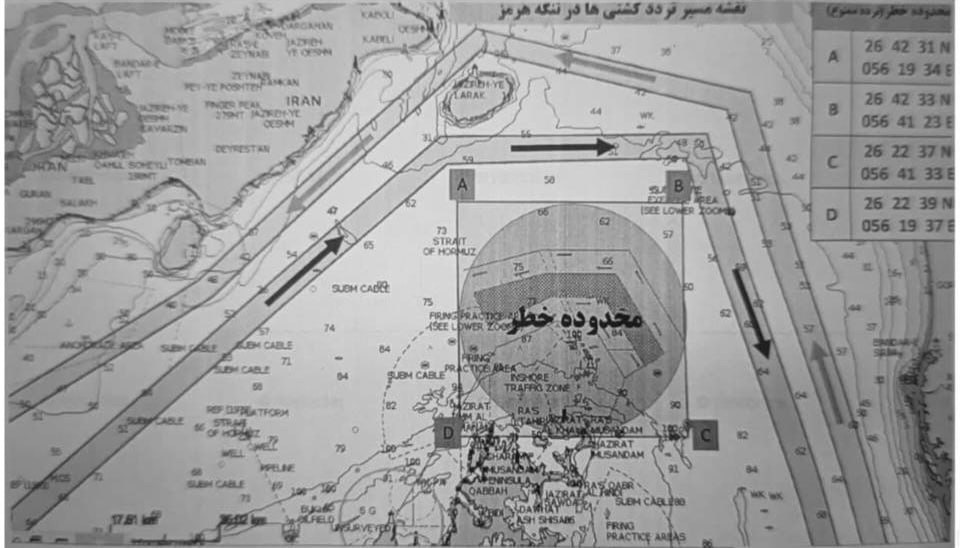
    The status regarding the safety of the path through the Strait of Hormuz is now in question after the Iranian Revolutionary Guards Corp (IRGC) Navy announced that the main shipping channel has been mined. The IRGC released a map showing the alternative paths ships must take through the strait.

    Map released by Iran showing the safe path through the strait.

    As the map shows, ships coming through the Strait must pass to the North of Larak Island, traveling south of Qeshm Island.

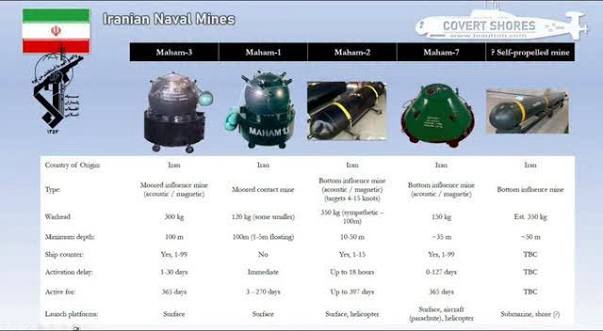
    Iran started placing mines in March of 2026, however some reports say that U.S. intelligence tracked Iranian mining preparation earlier than that. The numbers differ depending on who your asking, but officials in the U.S. believe that Iran only managed to place somewhere in between “less than 10” and “not more than a few dozen”. The mines are only one part of the issue as Iran retains the ability to strike at ships by other means, such as drones or with whatever limited number of anti-ship missile launchers they have left.

    Diagram from Covert Shores showing the different types of Iranian sea mines.

    The Strait of Hormuz

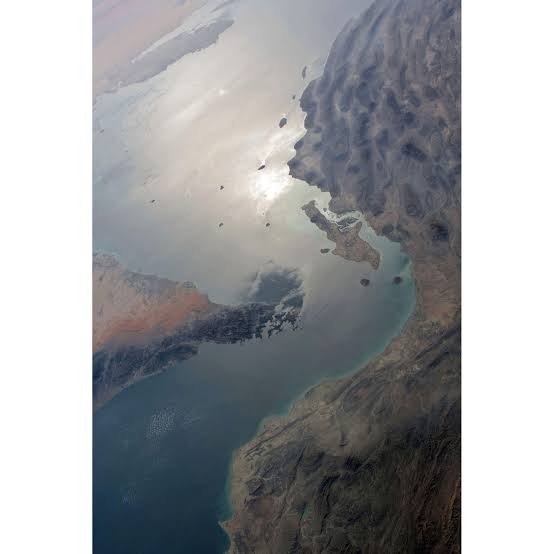
    The Strait of Hormuz is one of the world’s most important waterways. It connects the Persian Gulf to the Gulf of Oman and the Arabian Sea. What makes the strait so important is the volume of traffic that moves through it. As of 2026, approximately 21 million barrels of oil pass through the strait each day.

    Iran sees the strait as the perfect chokepoint, which it (among others) has used in the past as a geopolitical chess piece. The lack of alternative routes for tankers to enter or exit the Persian Gulf means any disruption in traffic flow creates a huge problem for countries that rely on Middle Eastern oil. The strait only being 21 miles wide at its narrowest makes it easy for Iran to cover the strait with even shorter range weapons. At that distance drones could reach a ship in minutes, and faster munitions would strike their target in seconds.

    Even with the ceasefire in place, traffic through the strait has remained at a standstill. Most shipping companies have chosen not to risk the journey. Insurance costs have more than doubled from their pre-war levels, placing further strain on the shipping industry. As of this writing on April 10, only seven ships have made the transit in the past 24 hours.

    Iran’s Demands on Vessels Transiting the Strait

    Iran has imposed several specific conditions that ships must meet to be allowed through the strait. These requirements, enforced primarily by the IRGC Navy, include mandatory prior coordination and explicit permission from Iranian military authorities. Vessels must submit detailed documentation—such as crew lists, cargo manifests, ownership details, and voyage plans—for vetting to confirm they have no ties to “hostile” nations (primarily the United States or Israel). Ships are also required to follow a new northerly route closer to the Iranian coast, passing either side of Larak Island while avoiding the central “Area of Danger” marked on IRGC maps due to alleged mines. In addition, many tankers—especially oil and gas carriers—are required to pay tolls, often described as safe-passage fees, that can reach up to $2 million per vessel or roughly $1 per barrel of oil. Iran has stated that only vessels from “non-hostile” or friendly nations receive priority, and some ships may face inspections. These conditions remain in force even though the strait is nominally open under the ceasefire.

    At this time, the strait is considered “open” as a condition of the ceasefire with the U.S.; however, Iran has imposed the conditions described above, which the U.S. appears to have accepted for now. This acceptance is potentially problematic because it lends credibility to Iran’s assertion that it controls the strait. It does not. Passage through straits like Hormuz is governed by UNCLOS—the United Nations Convention on the Law of the Sea—specifically Articles 37–44. These provisions classify the Strait of Hormuz as a strait used for international navigation and prohibit coastal states from controlling access, imposing tolls (or safe-passage fees), or discriminating against vessels based on flag, owner, or destination. The rules governing the Strait of Hormuz and similar international straits are considered customary international law, meaning even states that have not ratified UNCLOS are expected to abide by them. Iran’s attempts to assert control therefore violate international law.

    In the past, the U.S. and other powers have regularly conducted “freedom of navigation” operations through the strait to uphold these UNCLOS provisions and push back against Iran’s claims.

    The situation remains fluid as ceasefire negotiations continue.

  • Russian Oil Terminals Struck n the Coast of the Baltic. 

    Russian Oil Terminals Struck n the Coast of the Baltic. 

    On March 22nd going into the 23rd Ukraine launched a large-scale drone attack on the Primorsk Oil Port in the Leningrad region, in the coast of the Gulf of Finland. 

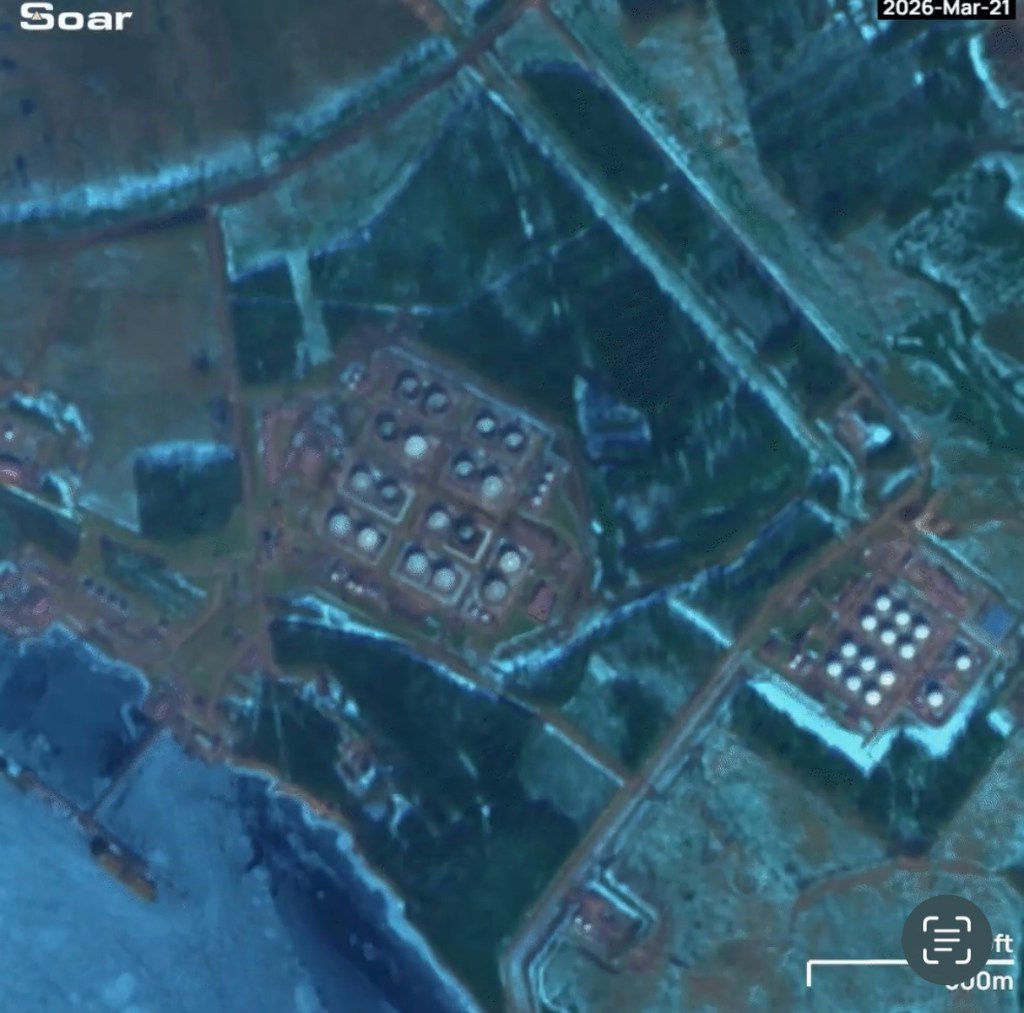
    Image taken March 21st 2026 of the Primorsk Oil Port shows the terminal before the strike.
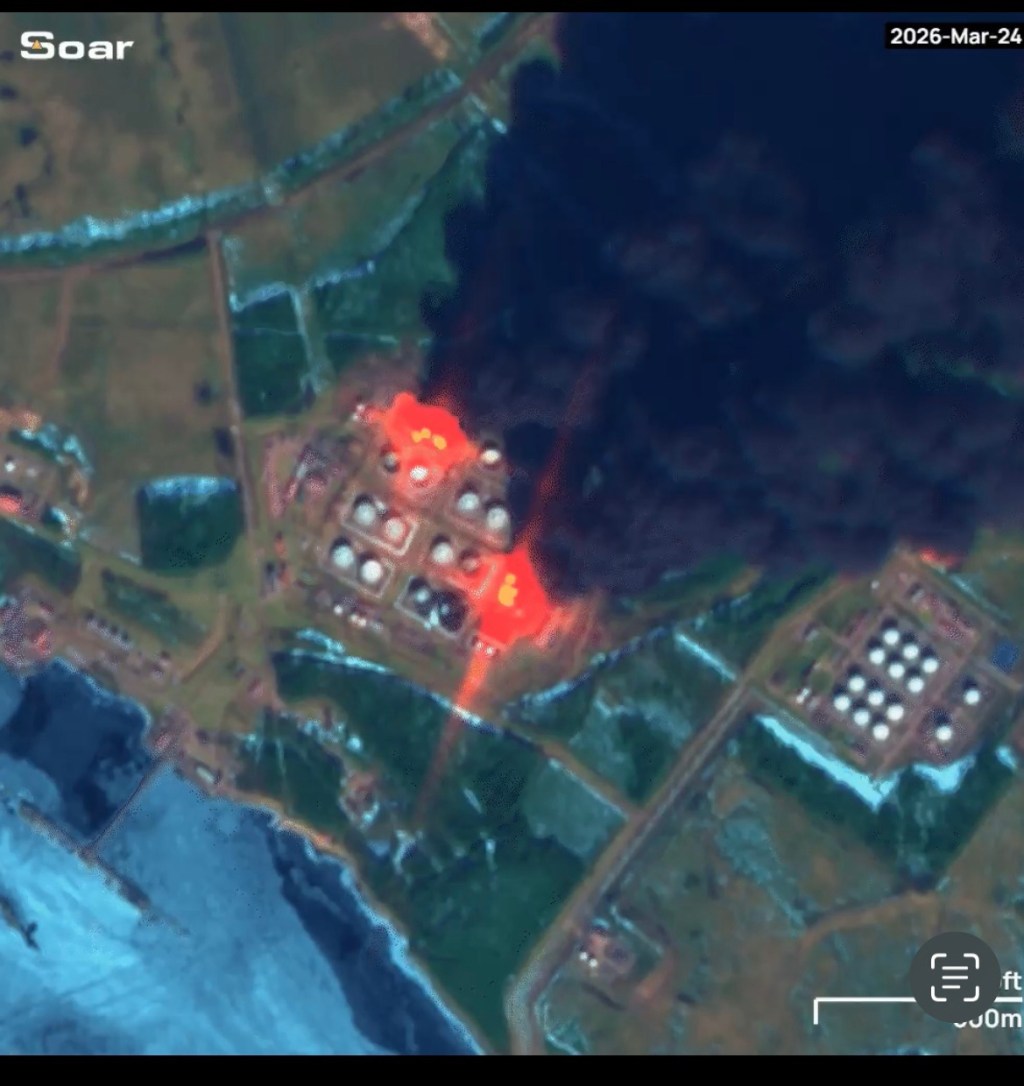
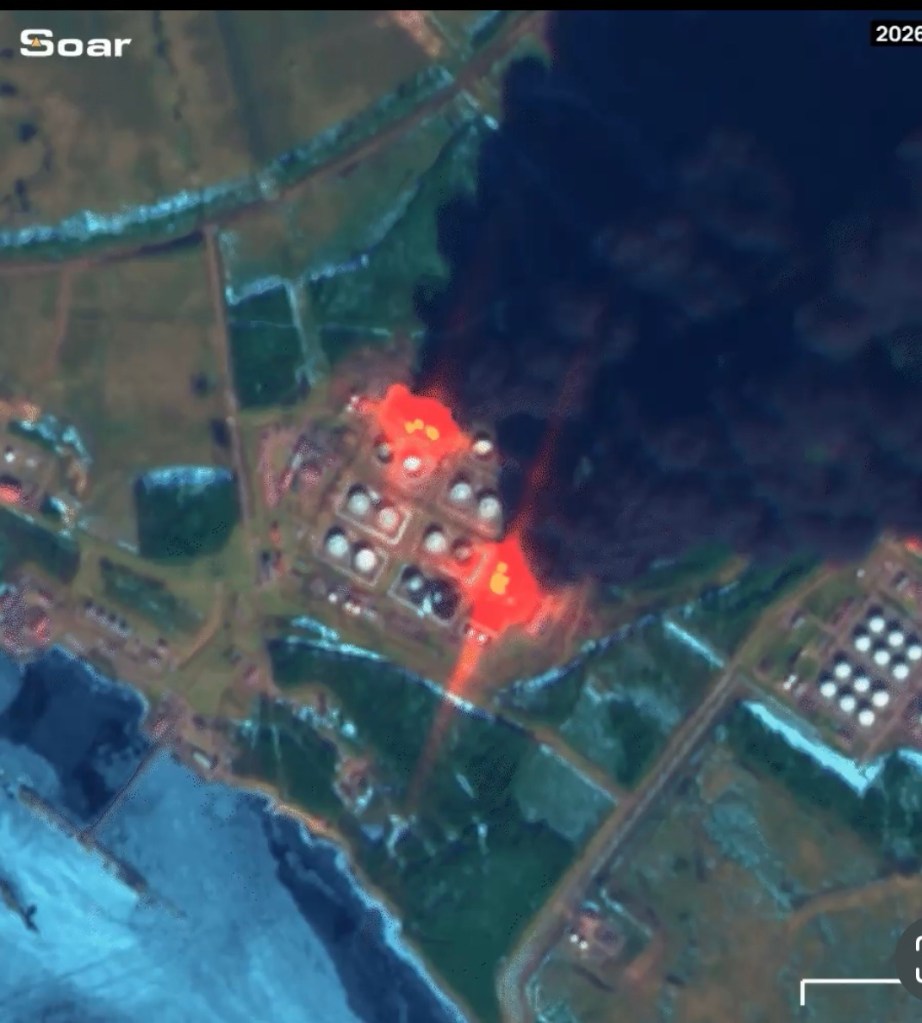
    Satellite image released by Soar and taken March 24th, 2026 shows the result of the attack with multiple destroyed and damaged oil storage tanks.

    Ukrainian forces launched a long-range coordinated attack using multiple Kamikaze drones which traveled through hundreds of miles of Russian air defense and struck the facility, damaging multiple fuel storage tanks in the compound. Leningrad Governor Alexander Drozdenko publicly confirmed fires in “several fuel reservoirs” and said emergency crews had been fighting the blaze while workers were evacuated. 

    The fires were still burning 48 hours after.

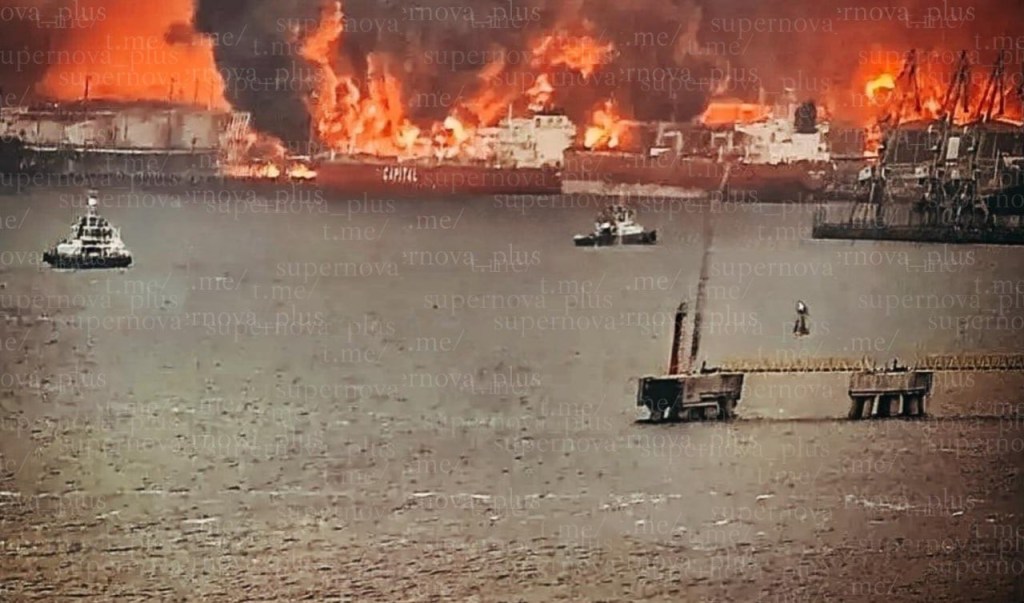
    An image taken after the attack on Ust-Luga.

    On the next night night a similar attack was carried out directly across the Gulf of Finland on the Ust-Luga terminal, along with many other oil production facilities in that general area in what Ukraine is calling the single largest night of drone attacks in the war. 

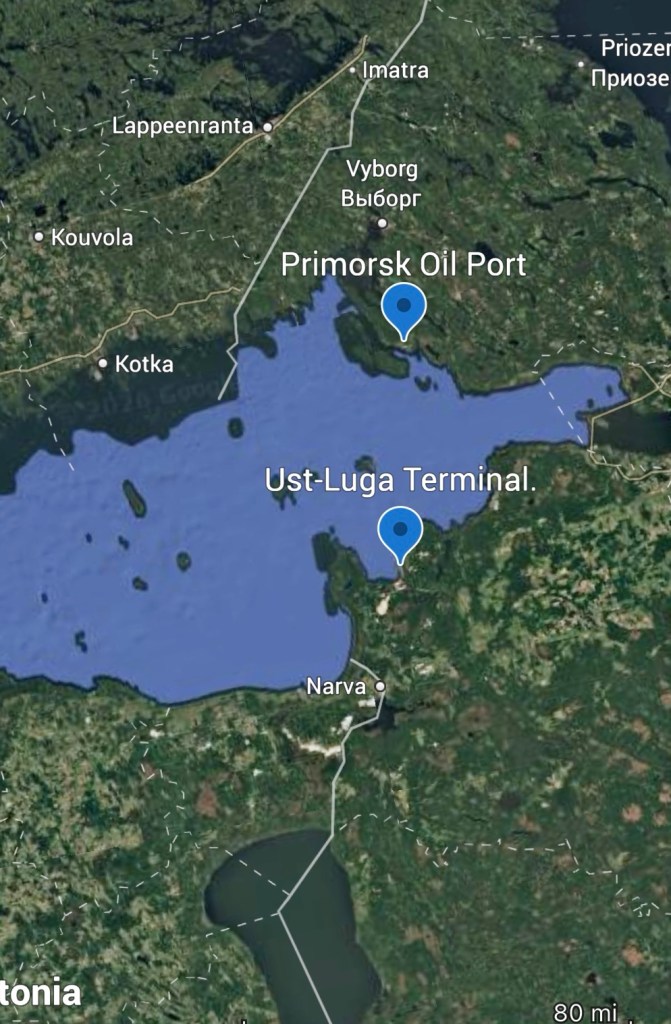
    No satellite images have been released yet but we’ve plotted out both locations on Google Earth to show the proximity of the terminals to each other.

    As of this month the attacks in Russia’s oil industry has caused a drop in exports by 40%. Ukraine is attempting to disrupt any Russian infrastructure that finances the ongoing war. Both sites halted production on Wednesday.

    Around the time the Ust-Luga site was hit, one Ukrainian drone landed in Latvia and one crashed at an Estonian power station without causing damage.

    A source that spoke to Reuters told them that the reserves had been lit on fire and that Ust-Luga had been sealed off.

    The attack damaged oil loading stands as well as the tanks. The tanks are a fairly easy thing to replace but the equipment to transfer the oil to the ships is more expensive and harder to get making these strikes more devastating than just hitting the oil.

  • Israel Launches Strikes on Several Key bridges in Southern Lebanon.

    Israel Launches Strikes on Several Key bridges in Southern Lebanon.

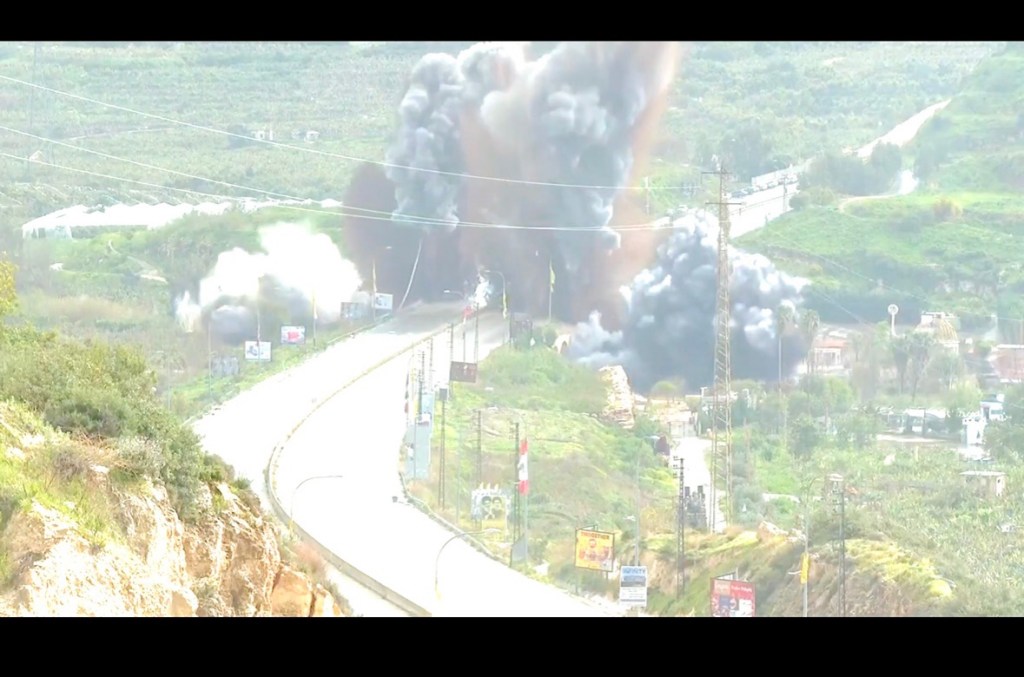
    Video of the strike.

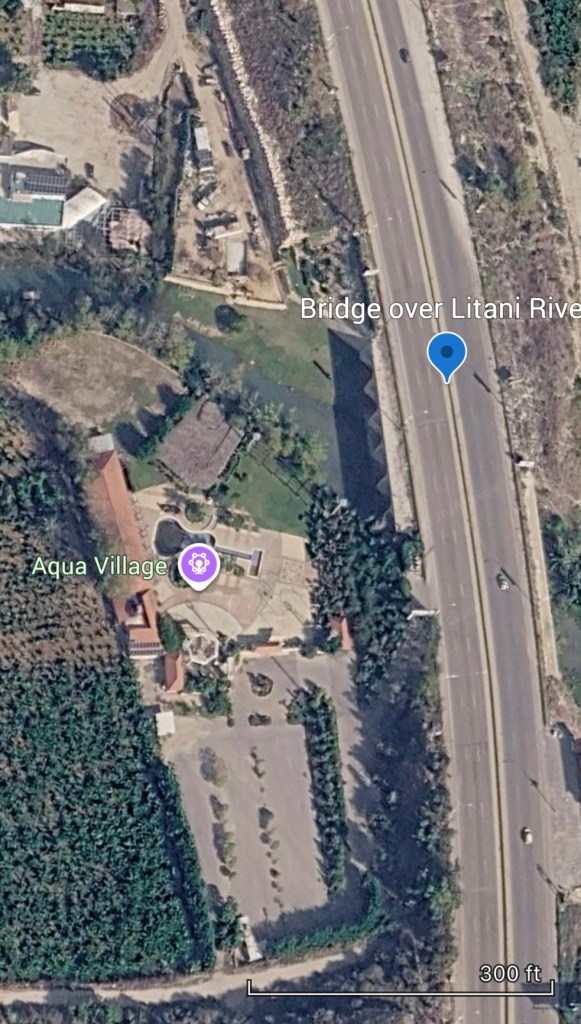
    On Sunday(March 22, 2026) , Israel launched strikes on several bridges in southern Lebanon including the main Qasmiyeh Bridge over the Litani River with the aim of cutting off Hezbollah supply routes from the north coming to the areas Israel will be pushing into. 

    The area from the strikes shown in Google Earth (33.323951°N 35.264620°E)

    The strikes come as Israel continues limited ground operations in southern Lebanon, launched earlier this month, aimed at pushing Hezbollah away from the border following months of rocket fire across the border. 

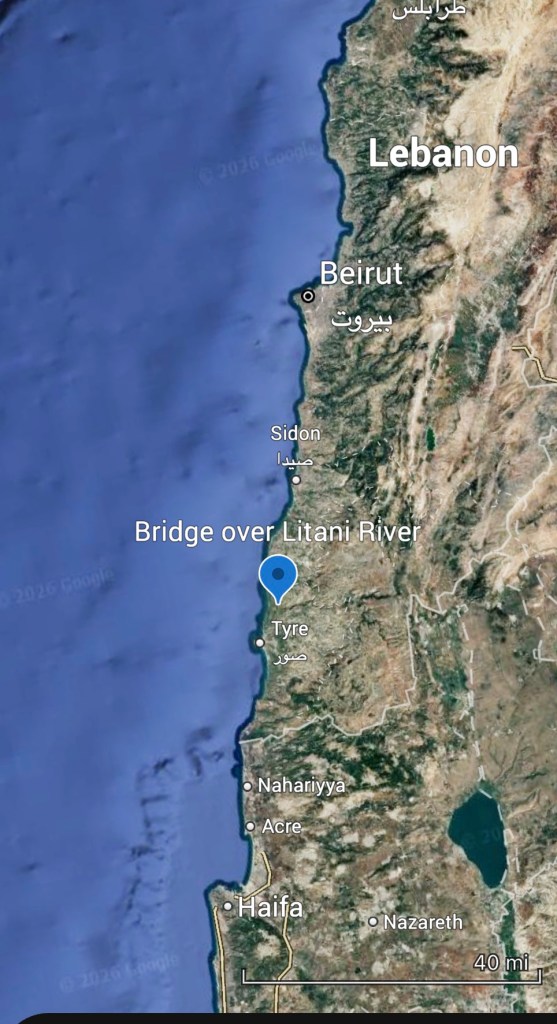
    Image showing wider view of the area. The site is less than 15 miles from the Israeli border.

    The Litani River lies roughly 30 km north of the Israeli border and has long been a strategic line under UN Security Council Resolution 1701 (2006), which requires the area south of it to be free of armed groups other than the Lebanese army and UN peacekeepers—something Israel says Hezbollah has repeatedly violated. That’s claim is proven by videos of Hezbollah fighters launching shoulder fired rockets into Northern Israeli border post that were circulating in social media around the time of the start of the operation into Gaza.

    According to the Israeli military, Hezbollah uses these crossings over the Litani River (especially the Qasmiyeh Bridge) to transport fighters, weapons, rockets, and launchers southward. “The Hezbollah terrorist organization uses these crossings to transfer thousands of weapons, rockets and rocket launchers, which it uses to carry out terror attacks from the area south of the Litani River against IDF troops and Israeli civilians,” the IDF stated. The strikes are intended to disrupt what Israel describes as Hezbollah’s exploitation of civilian infrastructure for military resupply from northern Lebanon into the southern border zone.

    Southern Lebanon has had an evacuation order in place as Israel has said they will be going forward with a planned invasion into southern Lebanon. The Israeli Defence Minister Israel Katz has said that they ordered the IDF to speed up the destruction of houses and villages in southern Lebanon calling them “a threat to Israel”. Katz also said prime minister Benjamin Netanyahu instructed the IDF to take out the bridges, and giving the order “to immediately destroy all the bridges over the Litani River that are used for terrorist activity” to “prevent Hezbollah terrorists and weapons from moving south”.Katz described the moves as part of a broader effort to accelerate home demolitions in ‘frontline villages’ using models from Gaza’s Beit Hanoun and Rafah, while warning Lebanon’s government that failure to disarm Hezbollah would lead to ‘damage to infrastructure and loss of territory.

    Lebanese President Joseph Aoun condemned the strikes as a ‘dangerous escalation’ and ‘flagrant violation of Lebanon’s sovereignty,’ describing them as ‘a prelude to a ground invasion.’ Hezbollah has not issued an m statement on today’s bridge attacks, but the group has previously vowed to respond to any Israeli operations in the south.

    The conflict between Israel and Lebanon has displaced more than one million people across Lebanon, around 20% of the population, with southern villages being the most affected. Aid groups warn that destroying key bridges could further isolate communities and hinder humanitarian access to those who cannot evacuate. 

    The strikes have raised international concerns over further escalation, though no immediate response has come from any of the major powers, regional or beyond.