Yesterday on May 29th, 2025, a South Korea Lockheed P-3 Orion MPA took off from its Pohang base at 1:43PM and crashed shortly after takeoff. The South Korean Navy after getting responders to the site of the crash, a crash which was caught partially on video, annonced that all 4 of the crew had died in the crash and subsequent explosion.
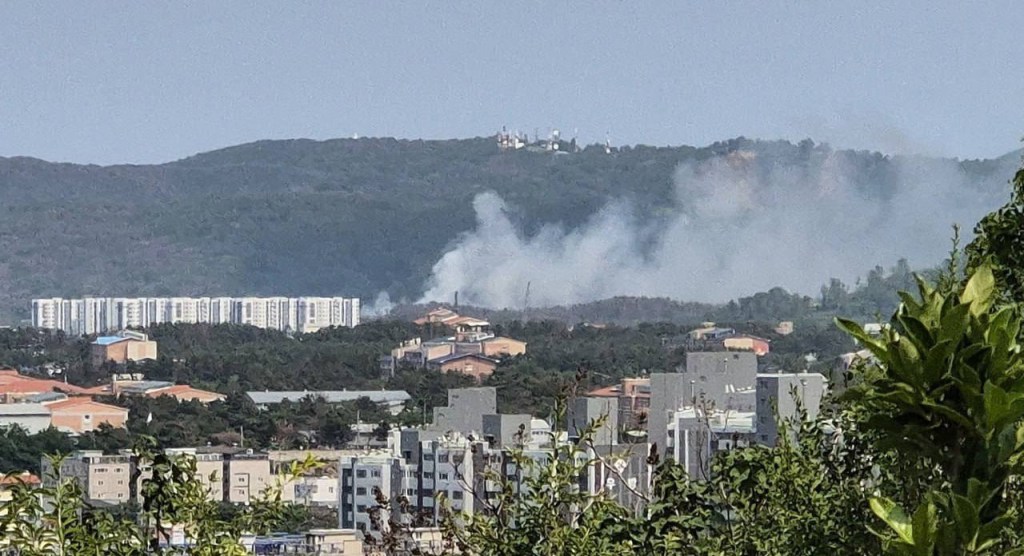
Still image taken from the video showing the crash of the P-3.
The South Korean Navy is conducting an investigation into why the plane went down appointing the vice chief of naval operations to investigate the incident.
From what we know from the preliminary information It seems after takeoff for a routine training mission the crew of 4 had issues with the plane and attempted to bring it back in for a landing. Not being able to make it back to the airfield the crew seems to have made the decision to put it down into a less dense area striking what looks like the outskirts of a farm.
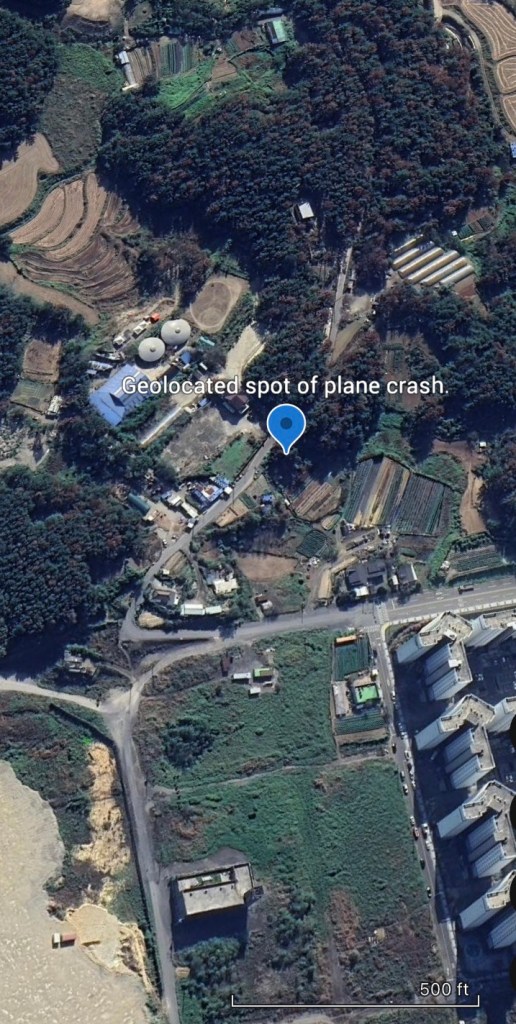
Scott here.The crew should be commended for managing to get the plane over a less populated area than where they were when it appears problems with the plane started. They saved alot of lives not letting this plane crabs into the many residential areas around here. Just several hundred feet from where they crashed is a large apartment complex.
Close approximation of where the plane crashed. These apartments appeared in a lot of the footage locals were taking of the crash which helped with geolocation efforts.
This crash sadly ends the 30 year safety record for the aging but still reliable P-3 Orion. This plane has seen decades of use as a maritime patrol plane as well as a capable ASW (Anti-Submarine warfare) hunter. The plane can be loaded up with dozens of sonar bouy’s which can detect subs as well as the torpedos and depth charges which can be dropped once an enemy sub has been detected. The Orion also has the ability to carry several Harpoon Anti-Ship missiles.
The South Koreans originally acquired 8 P-3C aircraft but liked them so much they latwr doubled that by adding 8 more P-3CK variants (P-3B variants thag were modified by South Korean).
While the investigation is still ongoing for a cause defense analyst have noted the immense strain put on these craft as the South Korean Navy only have a limited number compared to say Japan who operate around 100 of them. This offers broader coverage as well as the increased availability for these planes to rotate through maintenance.
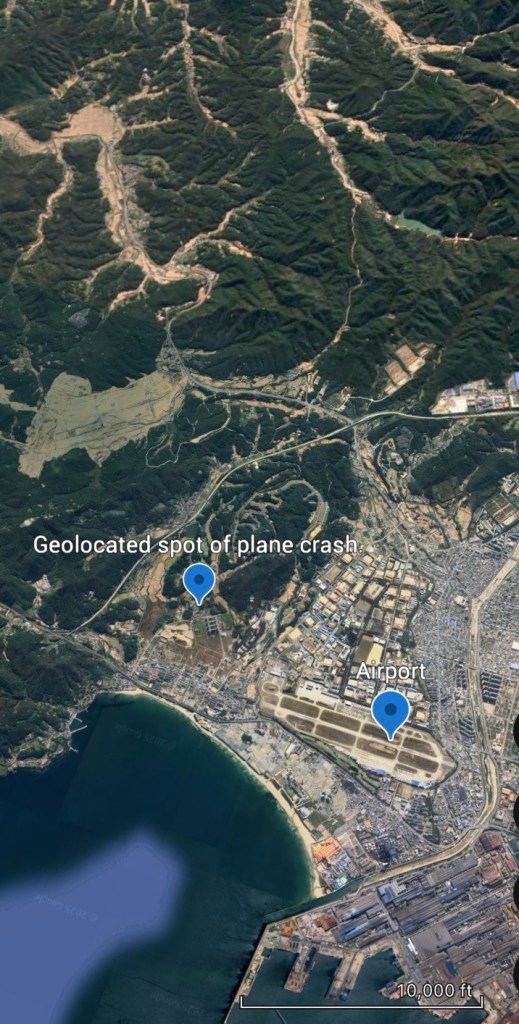
Overview of the area.
Thank you for reading. I’m always open for questions, comments, tips and will entertain the idea of collaboration if you have an interesting project you can get me excited about.
I’m currently working towards starting a podcast of sorts. Well I have several podcast ideas at least. Give me some time, it’s a new platform I’ve never done and will take a lot of research and practice before I’m comfortable with that. If you would like to be apart of that send me an email and tell little about your story and why it applies to what we do here.
This article was fun to write as I was able to get back into geolocation. Nobody online,to my knowledge, had yet worked out the crash site. Usually I’m able to check my work with one of the Geolocation experts but no luck this time.
If you would like to further support my work you can make a one time donation here.
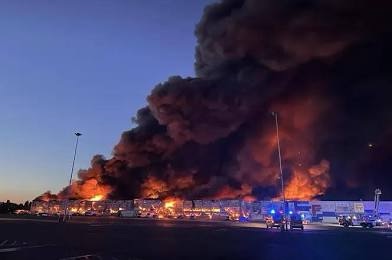
Last year Warsaw’s largest shopping center, Marywilska 44, was burned down leading to a year long investigation that was only concluded earlier this month. That investigation, led to the arrest of several Polish nationals acting as Russian operatives and connected to the Russian state and the GRU, Russia’s secret police.
“We already know for sure that the large fire on Marywilska was the result of arson ordered by Russian services. The actions were coordinated by a person staying in Russia. Some of the perpetrators are already in custody, the rest have been identified and are being sought,”
Polish Prine Minister Donold Tusk writing on Twitter.
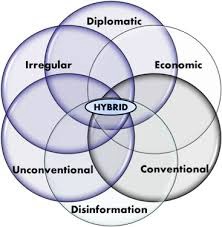
This case of arson was one of several terrorist acts linked to Russia, all being carried out in the weeks leading up the Marywilska 44 fire. Arson is the focus of this article however attempted cyberattacks are another regular occurrence in countries that have shown support for Ukraine since Russia’s invasion. In early 2024 shipments of pillows, cosmetics and sex toys were filled with explosions being detonated in British Birmingham, Leipzig in Germany and in Warsaw, Poland. All of this is apart of an ongoing hybrid warfare campaign being waged by Russia on Poland (among others) as backlash for their support to Ukraine.
Back to the shopping center Investigators in Poland are working with those in Lithuania for a similar series of sabotage activities believed to be linked to Russia according to a statement by Justice Minister Adam Bodnar and Interior Minister. Tomasz Siemoniak. Since some of the perpetrators in Poland had been arrested Polish authorities believe they have enough evidence to directly tie Russia to these crimes and Bodnar and Siemoniak continued in their statement: “Based on the evidence collected, we know that the fire was the result of arson committed at the request of the Russian security services. We have in-depth knowledge about the course of the arson, as well as the way in which the perpetrators documented it.”
The immediate response to these attacks has been the closure of the Russian Consulate in Warsaw Poland however its still believed Russian operatives are carrying out other operations in Poland with several abductions being linked and a string of arson’s. Another consulate had been closed previously by Poland citing its link to a cyberattack, acts of sabotage, as well as other intelligence activities.
This highlights Russia’s willingness and want to wage a sort of hybrid war, using terrorism and other more covert methods in an aim to punish those it views as hostile to Russia. In October of 2024 MI5 Director General Ken McCallum had this to say of the GRU was “…on a sustained mission to generate mayhem on British and European streets”. A Romanian man was attested in 2024 in Birmingham after settling fire to a DHL warehouse on behalf of Russia.
The Baltic nations have also had to deal with this extensively as Russian ships regularly attack underwater cables by dragging their anchors over them. Severing the lines. NATO warships often follow Russian linked ships now, even going so far as to have submarines tail these cargo ships.
Actions like the one here have led to a wave of diplomatic closures as European/western countries,one by one, board up embassy’s and ban Russian diplomats from entry.
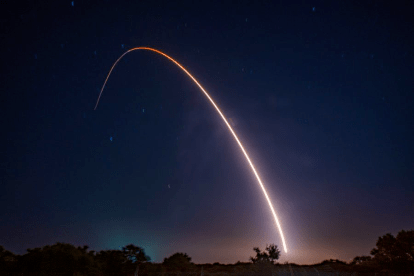
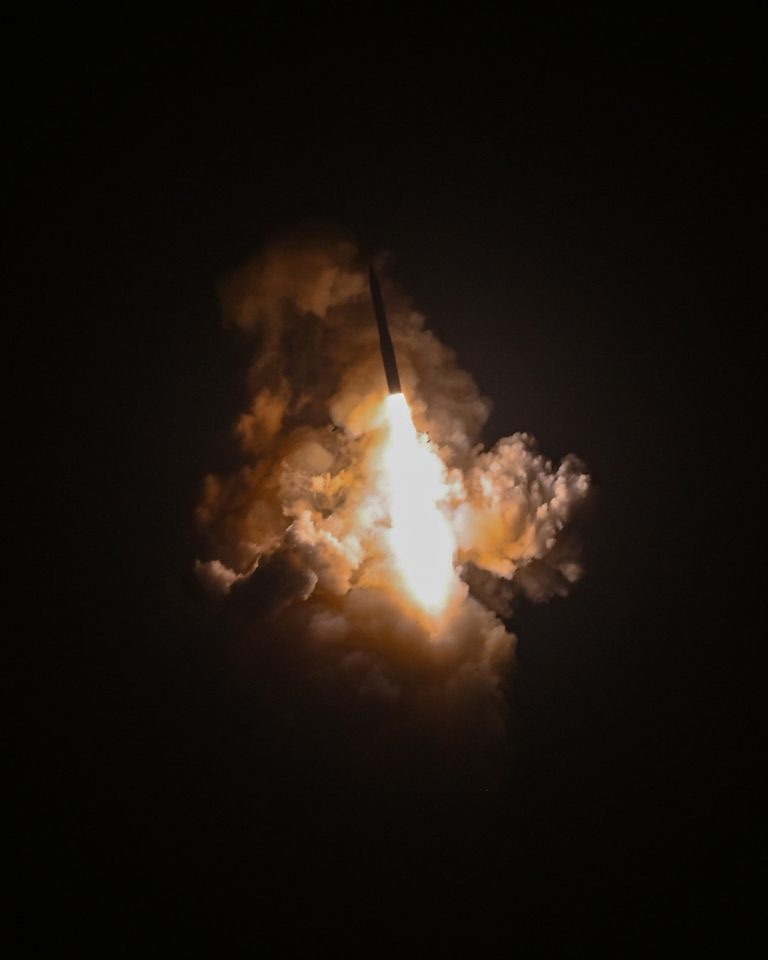
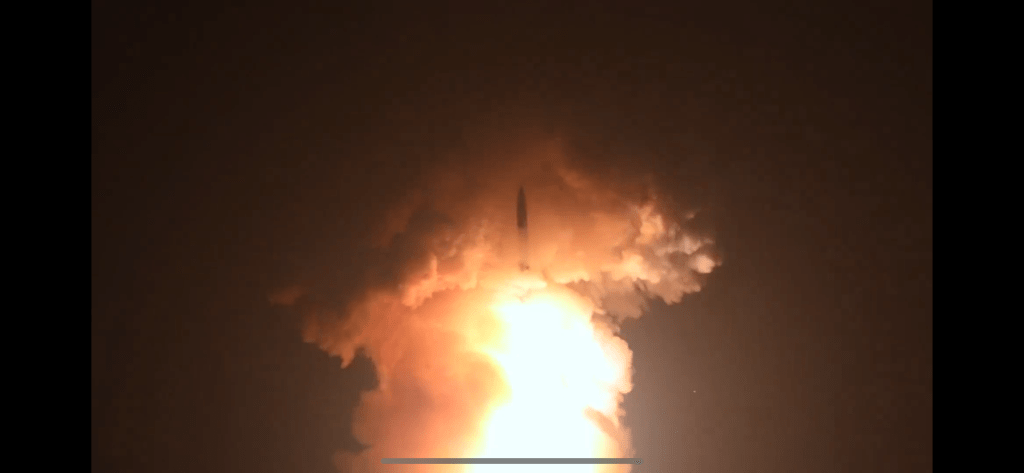
On May, 21st at 12:01 AM pacific time the United States Air Force carried out unarmed test launch of the Minuteman III Intercontinental Ballistic Missile from Vandenberg Space Force Base, Calif. the launch was carried out by the U.S. Air Force Global Strike Command.
Video of the launch.
The missile was launched from a silo and was carrying a single Mk21 high-fidelity reentry vehicle.
Minuteman III Intercontinental Ballistic Missile launches during an operational test
For the Minuteman III test launch a randomly selected missile was selected from Malmstrom Air Force Base, Montana and brought to the Western Test Range at Vandenberg.
The test range is located on the very coast of the base giving the military a great line of sight for their radars and other sensors to collect telemetry and other data.
Still image showing the missile silo opening at Vandenberg.Image shows the location I believe to be the launch site an Vandenberg.
“This ICBM test launch underscores the strength of the nation’s nuclear deterrent and the readiness of the ICBM leg of the triad,” said Gen. Thomas Bussiere, commander of the Air Force Global Strike Command. “This powerful safeguard is maintained by dedicated Airmen – missileers, defenders, helicopter operators and the teams who support them – who ensure the security of the nation and its allies.”
The test was conducted and overseen by Vanderberg’s 377th Test and Evaluation group. Established in 2021, The 377th are the nations only squadron dedicated to testing the nations ICBM stocks.
Minuteman III remains the bedrock of our nations strategic deterrent and the unwavering dedication of the airmen who ensure its readiness are a testament to its inherent lethality. Their expertise and commitment are vital to maintaining the credible force for peace.” Col. Dustin Harmon, 377th Test and Evaluation group.
According to the measurements taken by the, U.S. Army Space and Missile defense command’s Ronald Reagan ballistic Missile Defense Test Site, the ICBM’s reentry vehicle flew 4,200 miles and impacted a predetermined target spot near the USASMDC’s Ronald Reagan Ballistic Missile Defense Command, (AKA RTS) on Kwajalein Atoll in the Republic of the Marshall Islands.
These test launches serve several purposes such as putting the readiness of the U.S. ICBM’s on display as well as testing the reliability and accuracy of the systems and providing important data.
The RTS uses wide an array of systems to collect every bit of data including its advanced, high speed optical and long range tracking and imaging radar systems. RTS also analyzes the data collected.
This all falls under the ‘Glory Trip’ missions.
The Minuteman III is currently being phases out and replaced by the LGM-35A Sentinel. The Sentinel is set to replace all 450 Minuteman III missiles and have a service until the 2070’s.
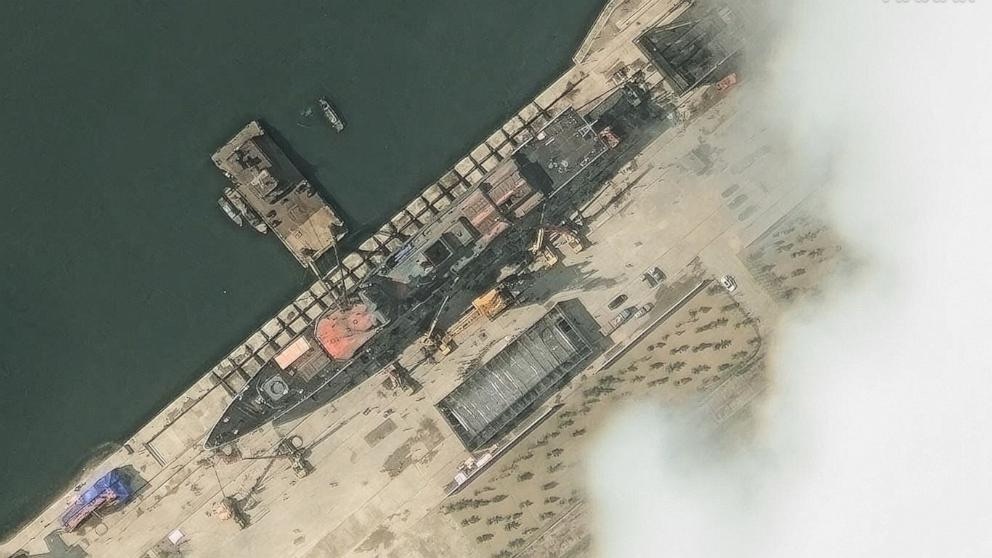
Yesterday, North Korea’s leader, Kim Jung Un along with a group of military and state leaders were present for the launch of the countries newest warship from the shipyard in the northeastern port of Chongjin.
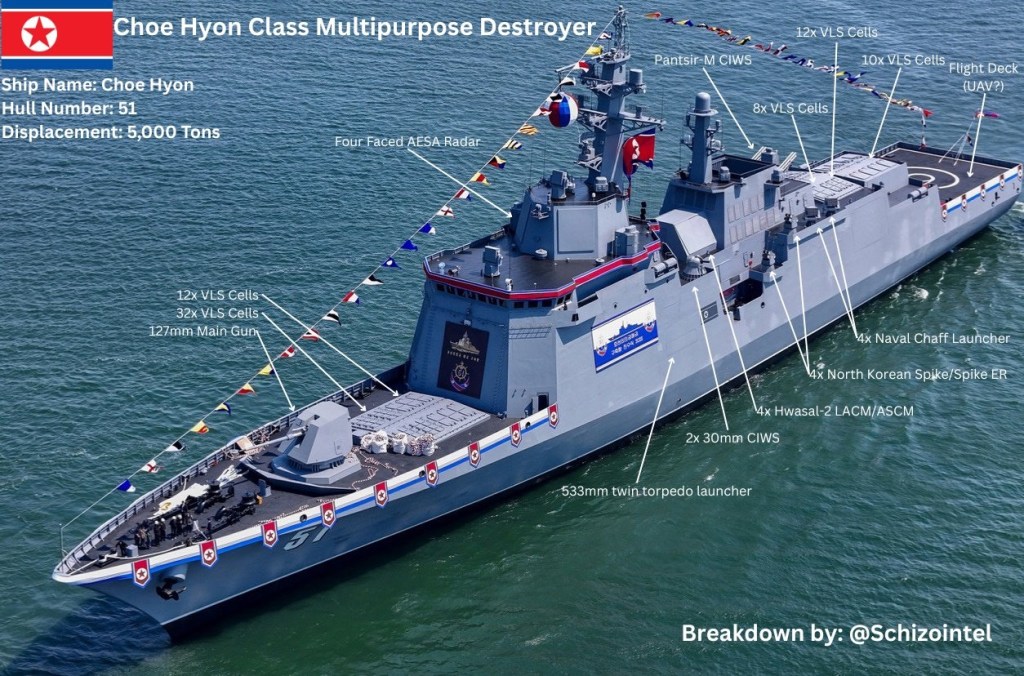
The ship is the 2nd of the yet officially unnamed class of guided missile ships launched in the past two months. The first in the series was called the Choe Hyon.
Choe Hyon diagram.
That launch was an absolute disaster as the guided missile destroyers stern slipped off the transport cradle that was to carry it into the water. The stern of the ship was thus stuck while the rest of it kept moving causing an as of yet unknown amount of damage to the destroyer as it capsized.
In a shocking turn, the North Korean state run news were quick to confirm what happened and KCNA put out this statement
“Due to inexperienced command and operational carelessness, the parallel movement of the bogies could not be guaranteed, resulting in the launching sled in the stern detaching first and causing the ship to capsize. The ship’s balance was destroyed due to a rupture in the hull in some sections, and the bow section was unable to detach from the keel.”
This is a sharp contrast to the North Koreans love of secrecy with all things involving their military. Washington analyst have speculated this indicates a shift in North Korean thinking as they move forward with their attempt to build a blue-water capable fleet to extend their maritime presence into the pacific and beyond. Adding in the idea that the country likely wanted to get ahead of the news cycle before the satellites had a chance to do a fly over.
Kim himself was more than displeased as he threw fury and accusations out in the aftermath. According to NK state run media Kim accused the military and the shipbuilders of incompetence. He called the incident as followed
“…serious accident and criminal act caused by absolute carelessness, irresponsibility and unscientific empiricism.”
-North Korean leader Kim Jung Un
Further, KCNA reported
“Kim Jong Un made [a] stern assessment, saying that it was a serious accident and criminal act caused by absolute carelessness, irresponsibility … and could not be tolerated,”
He has called for a meeting of the ruling Workers party in June where the “irresponsible errors” can be delt with.
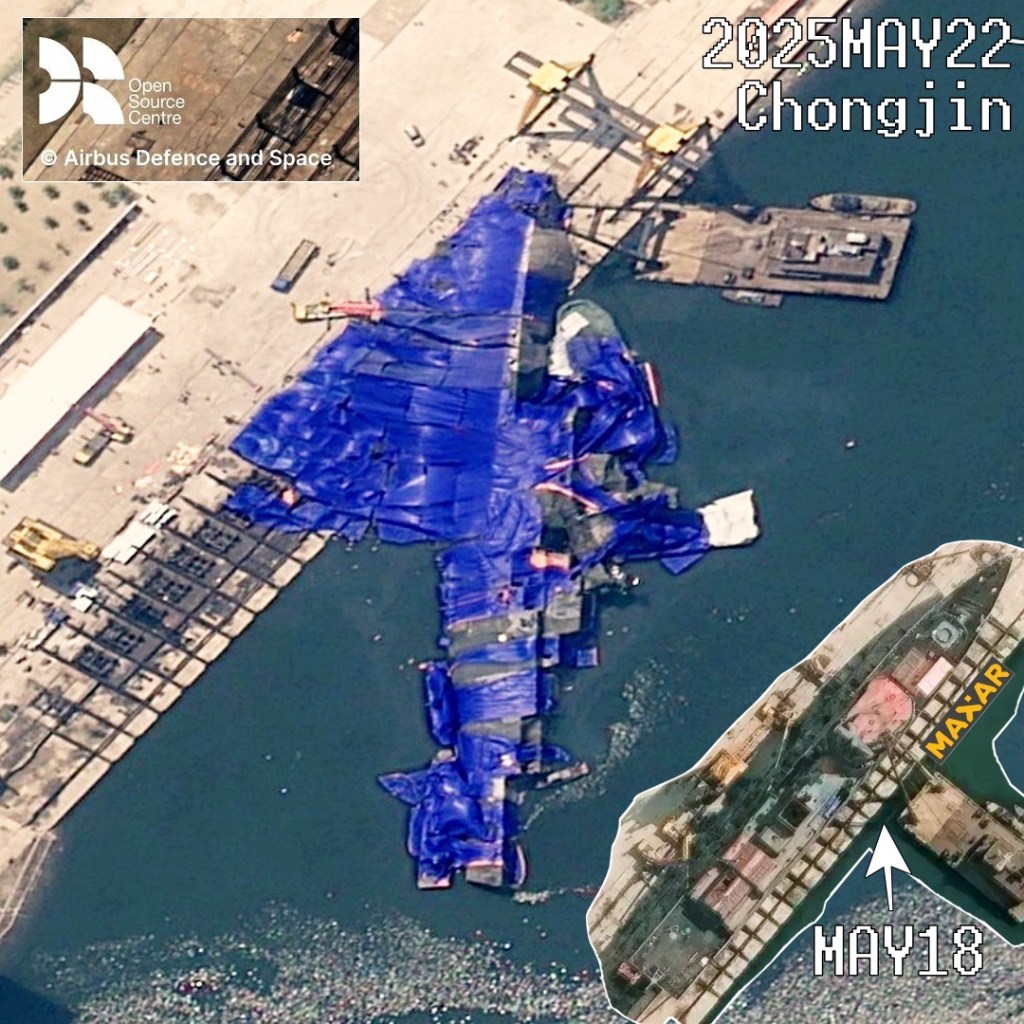
Satellite image showing the aftermath of the destroyer launch accident. NK has covered the ship in tarps to hide as much from view as possible.
Satellite footage was released showing the current condition of the ship. Tarps were used to hide specific information. This type of side launch is a more difficult way to launch a ship requiring grater skill than simply sliding it in bow first.
“The urgent restoration of the destroyer is not a simple practical issue, but a political issue directly related to rhetoric authority kd the country”
Kim Jung Un.
Kim has called for the ship to be repaired and operational within a month which is unlikely. The damage caused is likely to be severe.
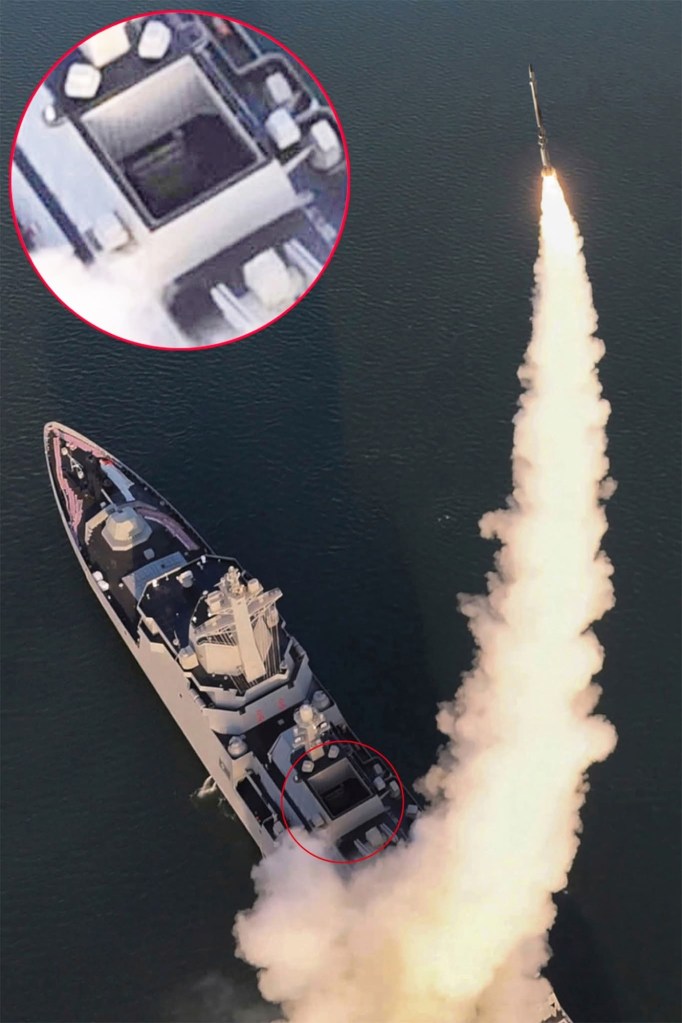
While North Korea has a small Navy building a missile destroyer is not something North Korean shipyards have done more than once, launching the Choe Hyon last month in April. However many have wondered just how North Korea managed to build a ship like the Choe Hyon so quickly. One reason is the new military cooperation between Russian and North Korea, Russia is able to offer help and advice on shipbuilding to North Korea and North Korea has given soldiers, missiles and other support. Another reason the ship was built so quick is because the ship has zero propulsion as of when it was photographed during some live fire weapons testing. A sign of corners being cut during its production in an effort to rush a destroyer program, a program that Kim Jung Un knows will give his country more renown.
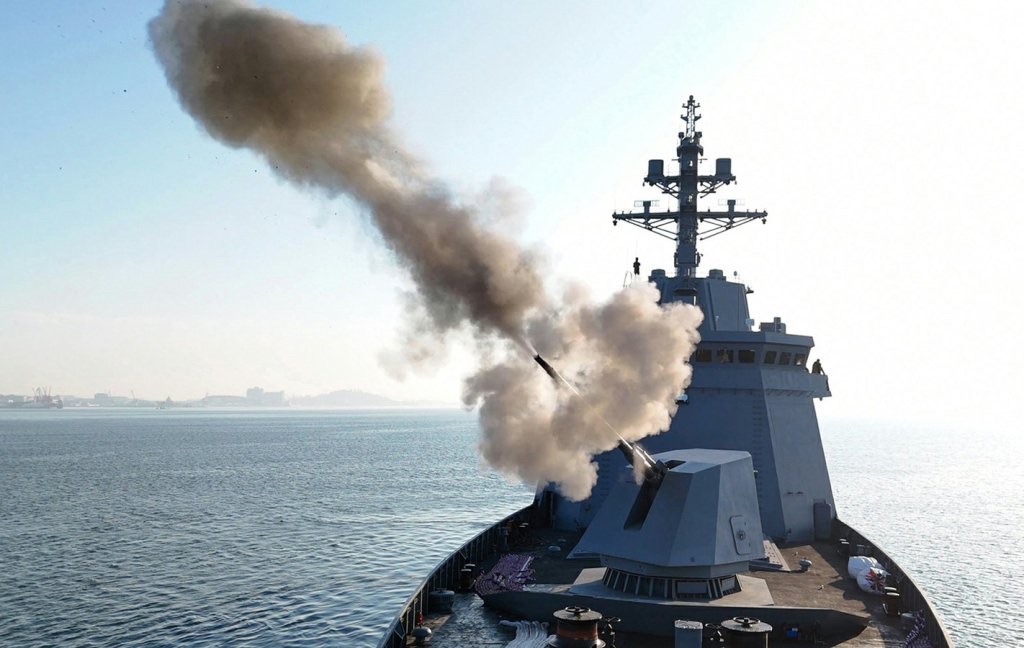
A shot of North Korean guided missile destroyer Choe Hyon during its live fire weapons testing. We can see a large open spot where the propulsion machinery for the ship would usually be.
Without propulsion the Choe Hyon was almost certainly towed out of the harbor for its weapons testing.
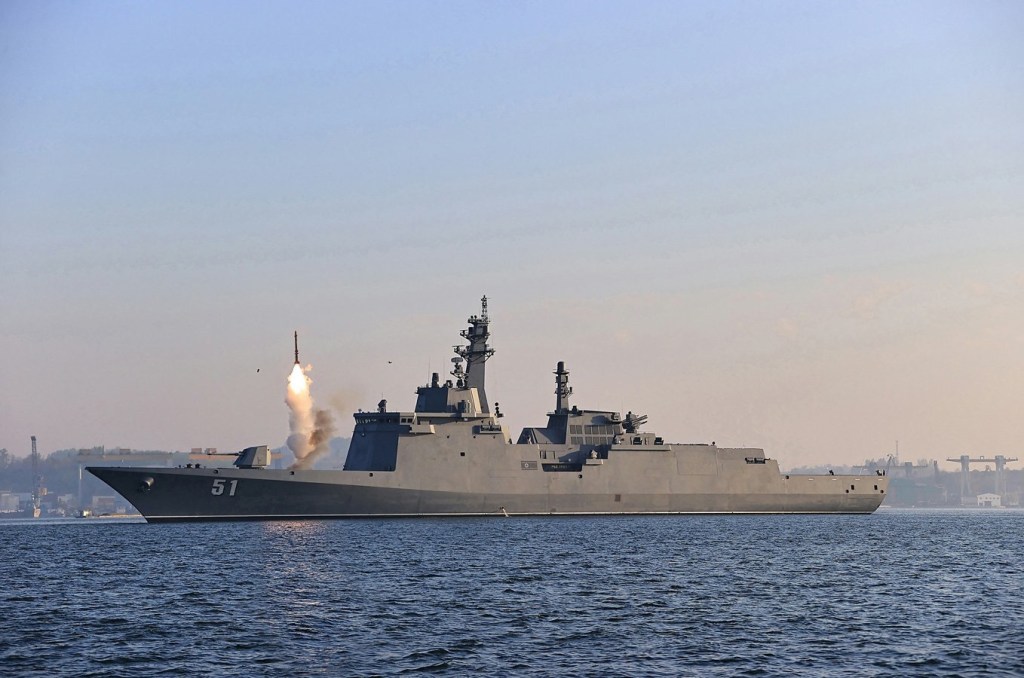
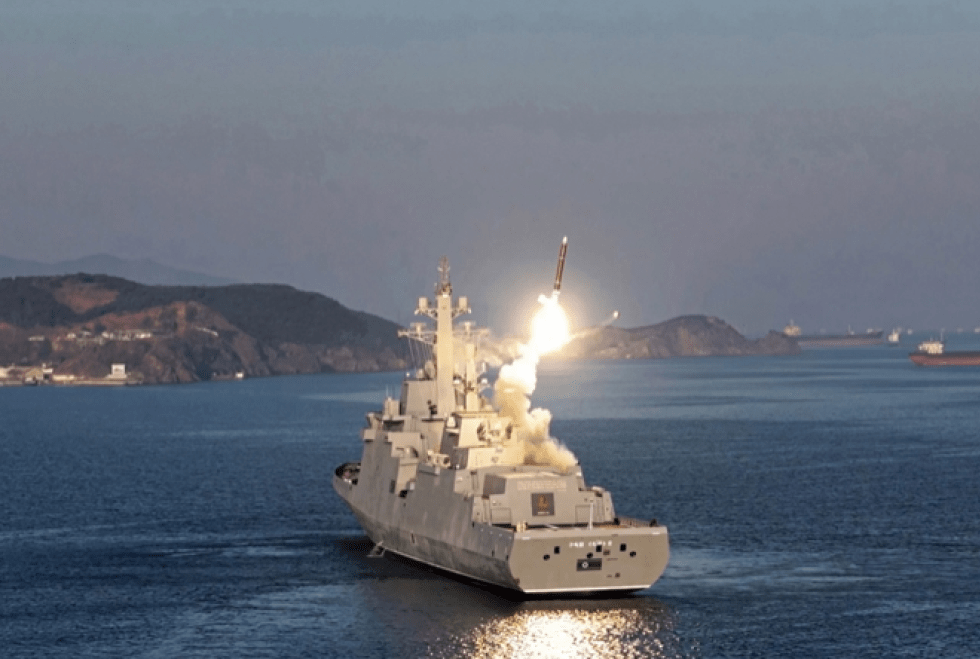
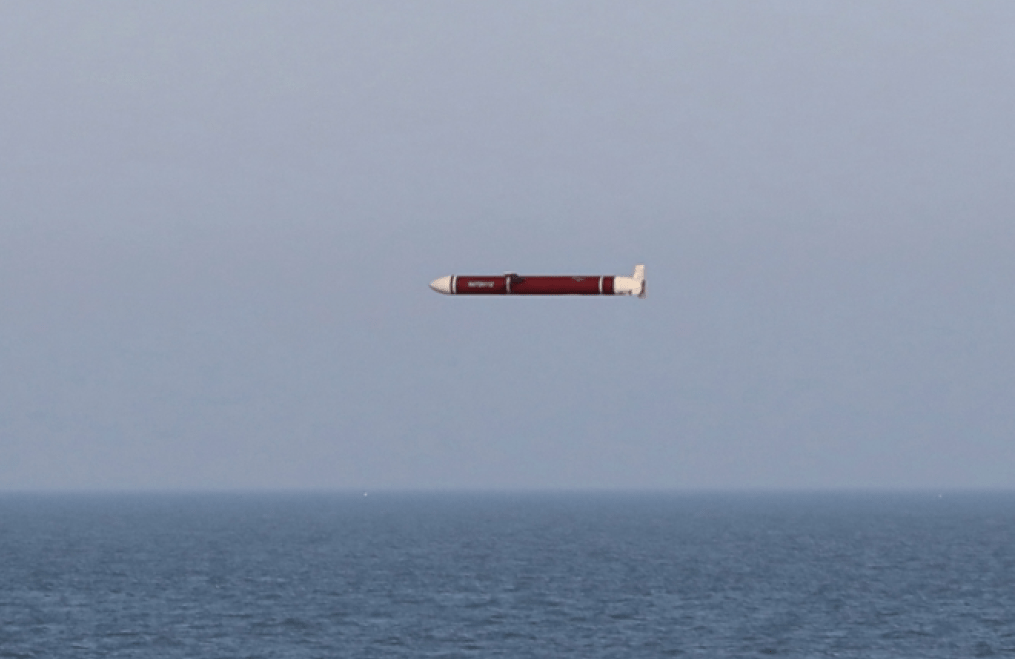
Choe Hyon and its unlucky sister ship carry an impressive arsenal of weapons that were seen during the before mentioned weapons demonstration. A large amount of Vertical Launch System (VLS) cells. One of the main missiles loaded will likely be a before, unknown air defense missile that we have little info on. Other missile include a supersonic cruise missile and extra large launch cells for ballistic missiles. In total these destroyers have 76 VLS cells broken up into 4-5 different sizes for different munitions.
While the different size launch cells have some advantages, having your missile stock made up of that diverse of a stock also has its drawbacks, especially if you want these ships to focus on air defense as has been reported.
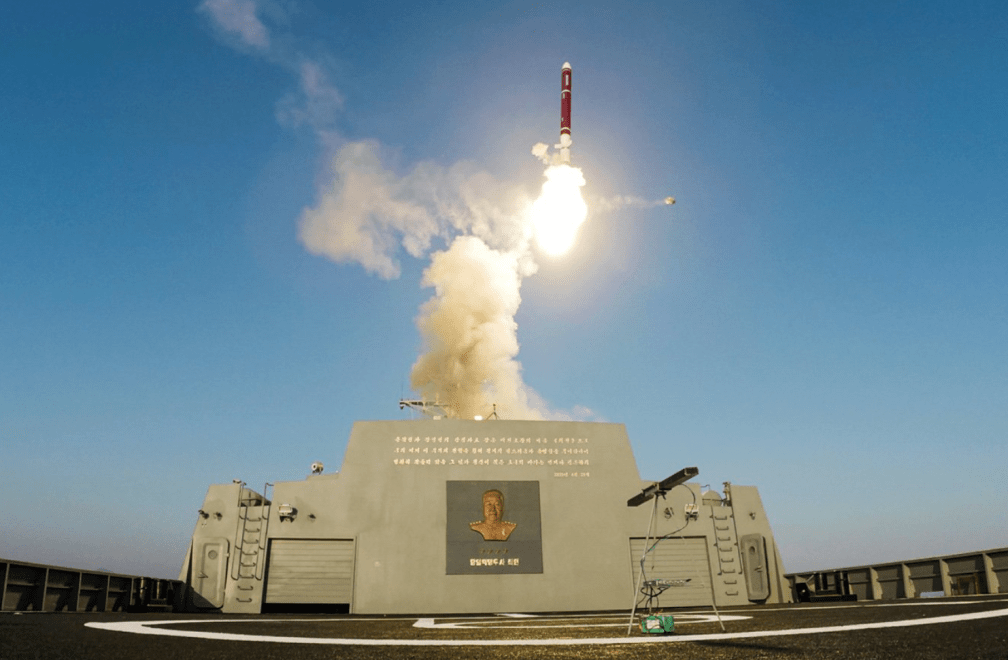
The launch of an apparent surface-to-air missile from the foward set of 32 VLS cells. Launch of a Hwasal-2 (or a similar)Long Range Cruise Missile.Another shot of Hwasal-2 taken from the flight deck.Close up of the missile.
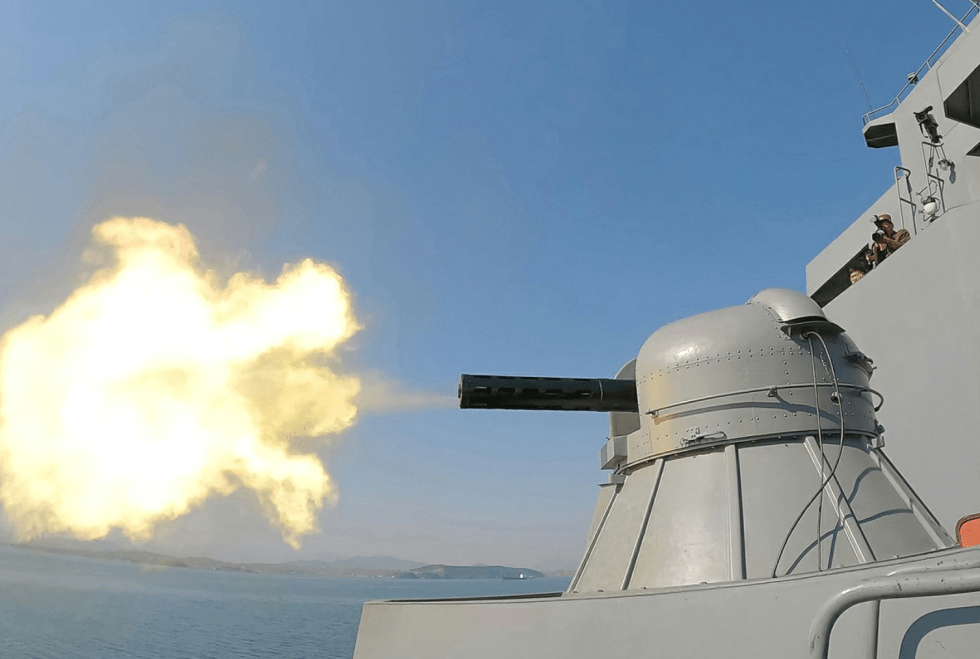
The ships are also equipped with the 127mm caliber main gun on the bow as well as 2 AK-630 CIWAS (Close in weapons system).
The ability of these destroyers to be utilized as long range missile platforms is the most interesting and strongest assets for this set of ships. Analysts have questioned whether this ability, even on what probably only amounts to a token capability for North Korea is enough to put it high on the list of targets should hostilities break out with the U.S. or other western powers.
Over the past several days the North Atlantic Treaty organization or NATO has carried out a series of large navel focused exercises across the Baltic, North Atlantic, Mediterranean and Norwegian Seas.
For those who don’t know NATO is a military alliance between 32 member nations. Formed in 1949 as a way to provide collective defense to its members from the then perceived threat posed by the Soviet Union. It remained in place after the fall of the Soviet Union and the Warsaw Pact.
The fighting forces of of NATO are made up of the military’s of the nations that make up the treaty by rotating voluntary forces. However NATO keeps several permanent navel fleets standing as apart of NRF- NATO’s Response Force. The fleets are made up of mostly destroyers and frigates from rotating in from member nations with the supply ships used by the fleet being the only constant.
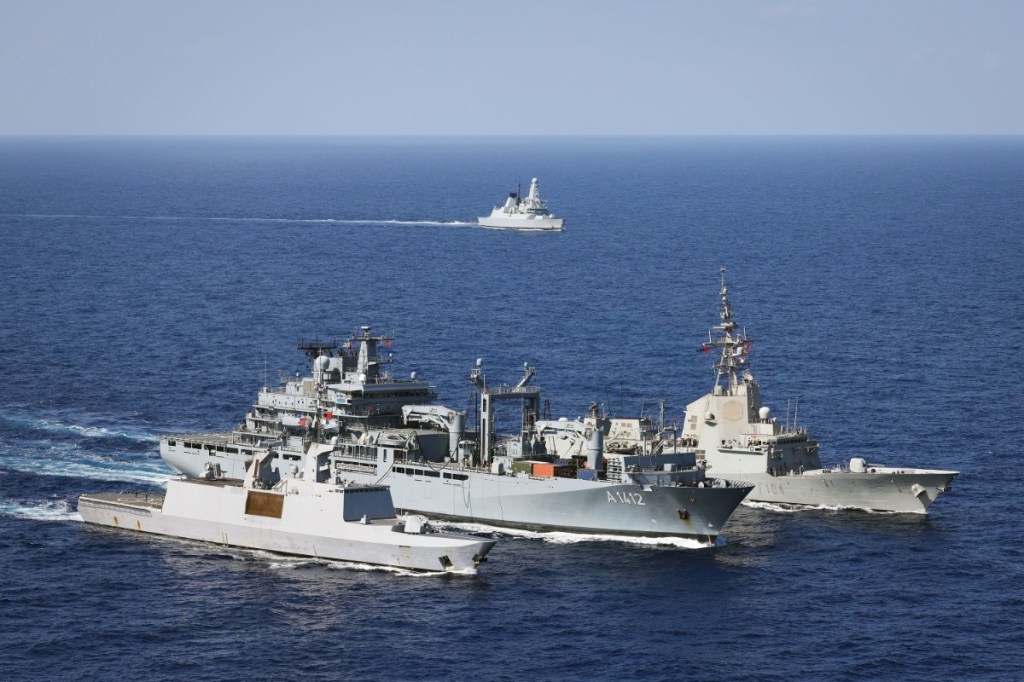
Some of rhe ships of Standing NATO Maritime Group Two (SNMG2).
The past weeks exercises not only focused on their specific goals (which I’ll get to below) but showcased the just massive amount of firepower and capabilities that NATO and its combined nations can field. Let’s take a closer look.
Dynamic mongoose 25
“Dynamic Mongoose is NATO’s largest and most intensive annual anti-submarine warfare exercise in Northern European waters. This year’s version, Dynamic Mongoose 25, has come to an end. It was both a great success and a memorable experience. With over 10 countries participating—with submarines, frigates, support ships, helicopters, Maritime Patrol Aircraft, and coast guard vessels—we have truly shown we are stronger together.”
Royal Netherlands Navy Commodore Arjen S. Warnaar, Commander of Standing NATO Maritime Group 1 (SNMG1)
Brining together frigates, submarines, support ships and aviation maritime patrol craft Dynamic Mongoose is the largest ASW exercises conducted annually by NATO. The event was hosted by the Icelandic Coast Guard and involved personnel and equipment from more than 10 member nations all led by NATO’s Allied Maritime Command (MARCOM). Carried out in the waters of the North Atlantic the forces would carry out different scenarios all designed around Anti Submarine Warfare and all of its complexities. The event teaches the crews how different crews and assets with very different abilities can work together to solve problems.
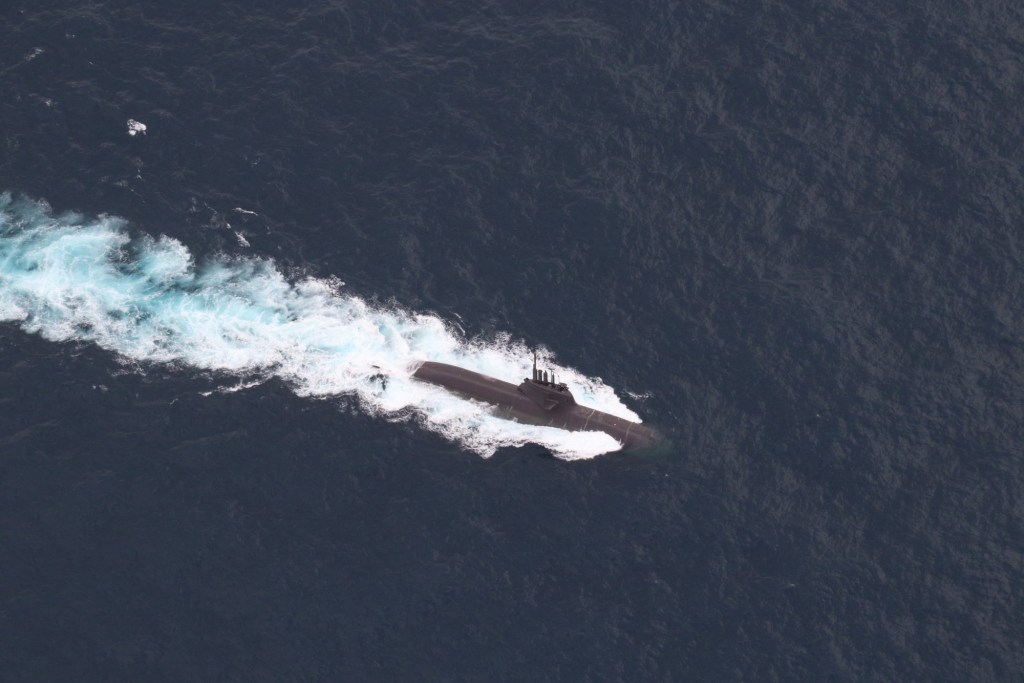
Dynamic mongoose had the participating sides rotate through hunting and evading in complex undersea warfare scenarios in the challenging conditions of the North Atlantic waters.
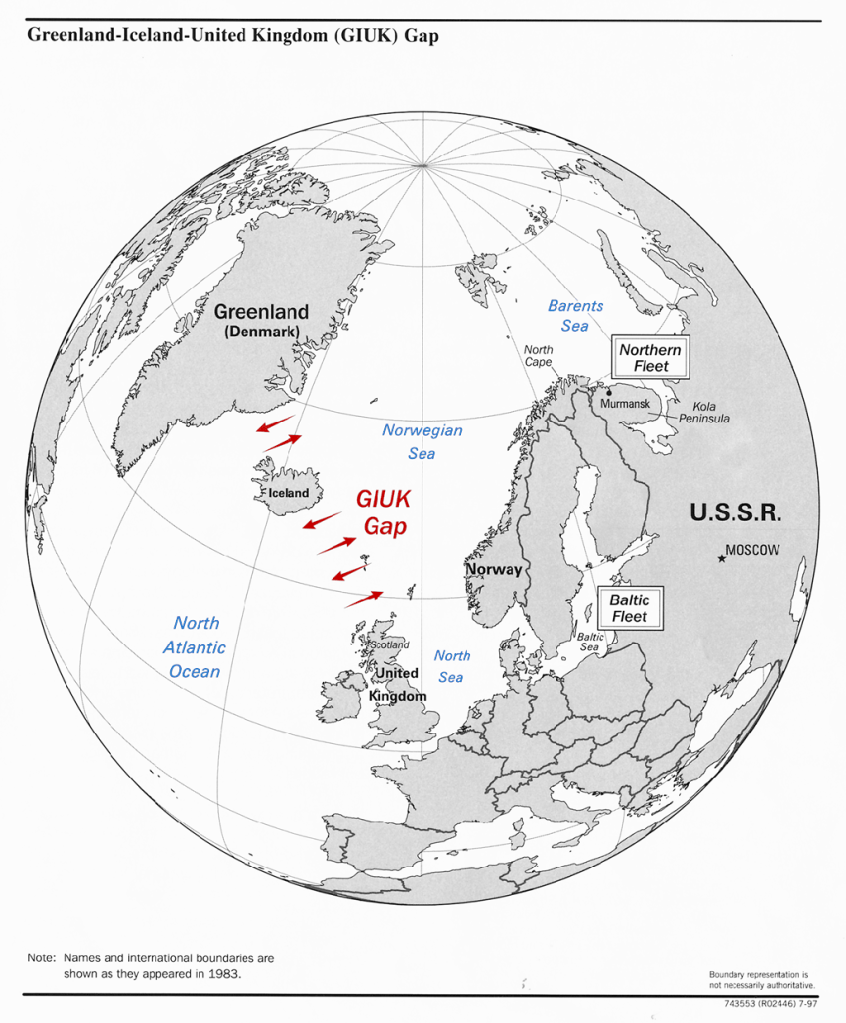
The GIUK-N Gap was a big focus for the event and is a key maritime corridor between Greenland, Iceland, and the United Kingdom/Norway. This event focused on an area that would be one of the most important areas should the capabilities become necessary. In a war between NATO and Russia for example, thag corridor would likely be a hot spot for submarines and has been considered strategically important since the beginning of the 20th century.
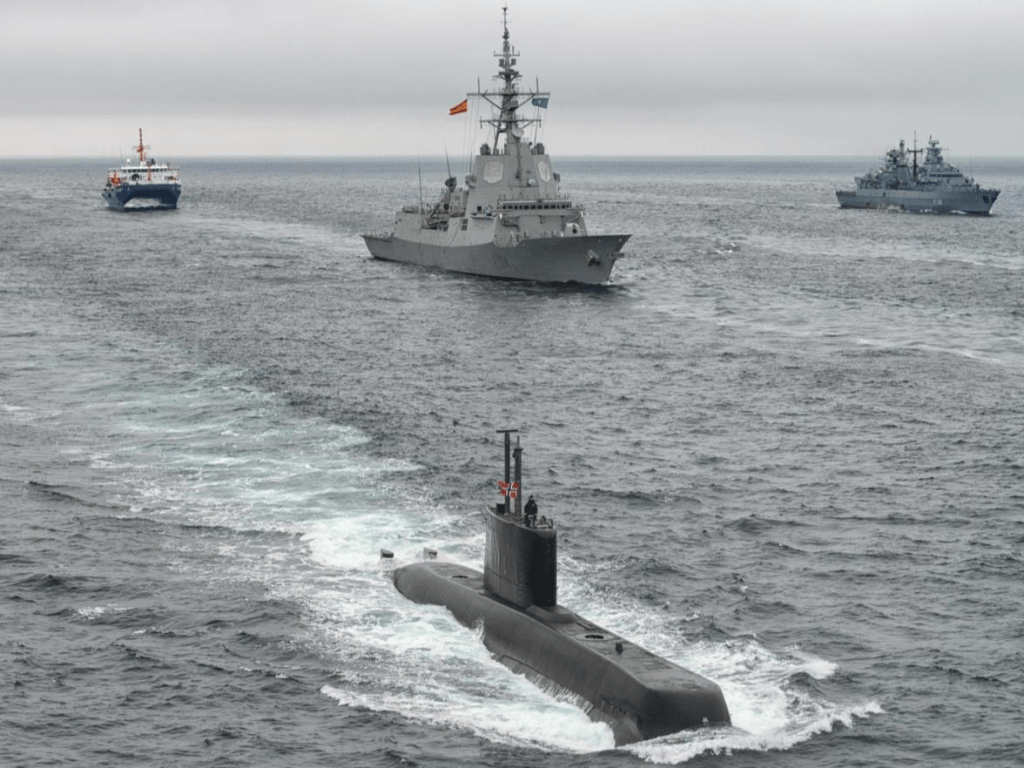
A map showing the GIUK-N Gap. Images from a previous year’s Dynamic Mongoose.
Formidable shield 25
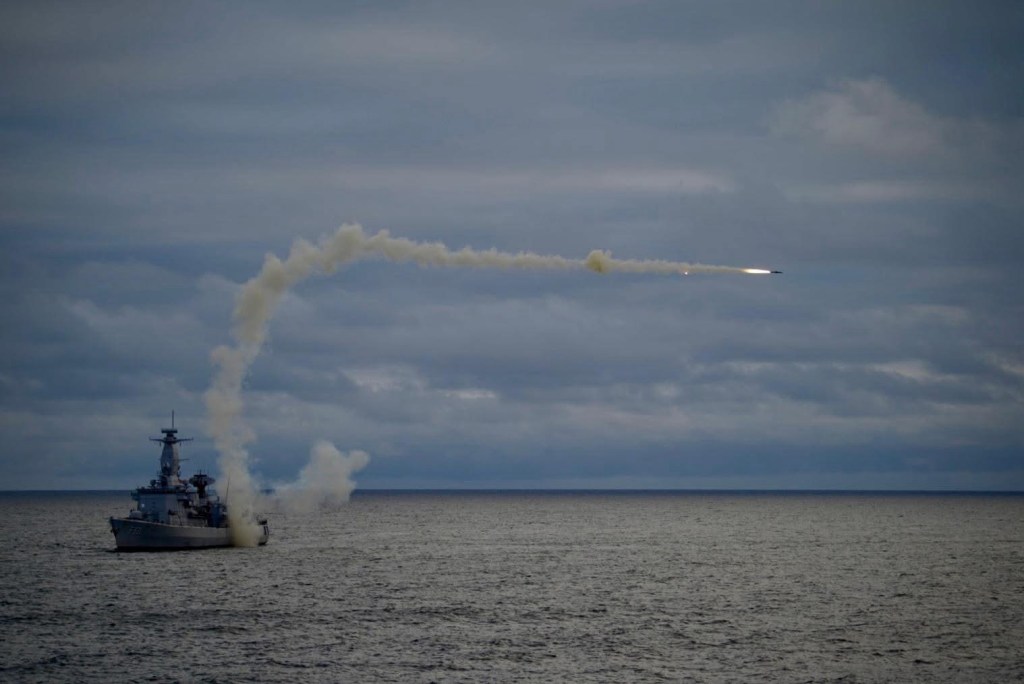
Belgian navy frigate BNS Louise-Marie fires off a Sea Sparrow missile.
Participating nations include crews, ships from Belgium, Canada, Denmark, France, Italy, The Netherlands, Norway, Spain, U.K., and U.S. with the Australians providing a radar sensor for data collection only.
Formidable Shield is the biennially (During the odd numbered years) occurring largest live fire exercise carried out in Europe. This year the event was carried out from Norway and the United Kingdom and the North Sea and Atlantic.
This exercise focuses on Integrated air and missile defense among the different nations focusing on interoperability and the different procedures. In an overall defense plan, knowing your allies capabilities and their procedures and process is a positive. Learning what they can do, how do they do it, and how can everybody come together to strengthen everybody else.
This years event was carried out with the ships of the U.S. 6th Fleet and executed by Naval Striking and Support Forces NATO (STRIKFORNATO) and with participation from 11 member nations.
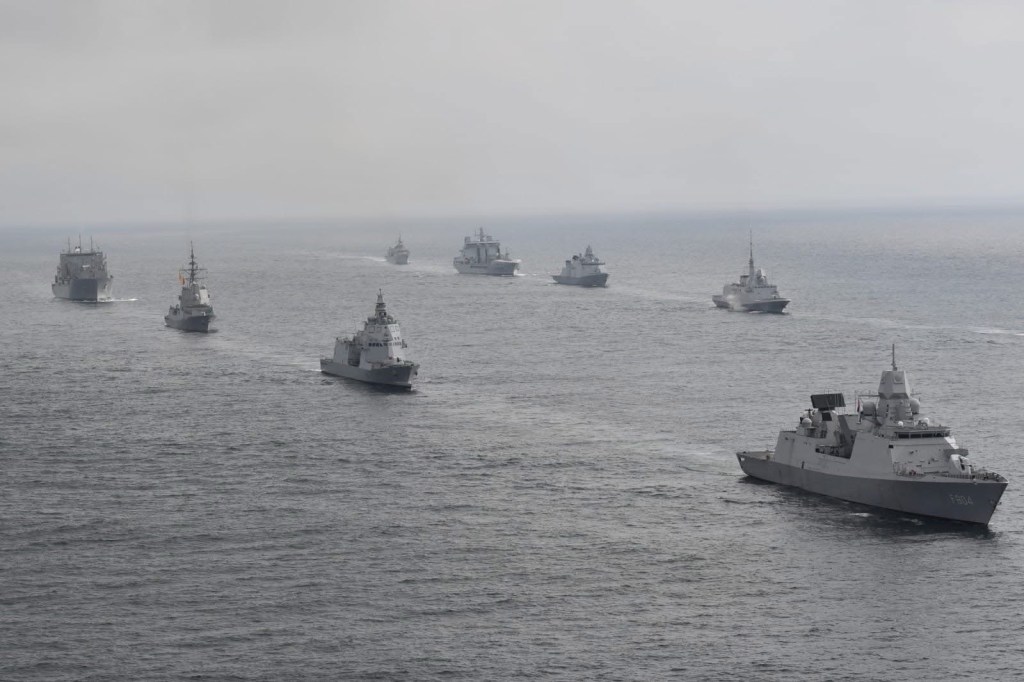
NATO’s SNMG1 fleet taking part in Formidable shield 25.
“There is simply no substitute for the training and learning that occurs when we operate in these intensely realistic scenarios…Training as a collective using NATO command and control reporting structure forges the bonds of interoperability and strengthens the alliance as a whole. Exercises like ASD/FS are critical for refining our collective integrated air and missile defense capabilities, ensuring we can respond effectively to any threat from any direction and maintain a credible deterrent posture.”
Capt. Michael Dwan, Commander, Task Group 154.64 and STRIKFORNATO’s U.S. Maritime Ballistic Missile Defense Assets Advisor
Netherlands Navy HNLMS De Ruyter (F804) De Zeven Provinciën-class guided-missile frigate served as the command ship for the event which will last for 3 weeks. During that time the participating ships will conduct live fire drills against unmanned drone and surface targets as well as subsonic, supersonic, and ballistic targets. Multiple nations ground based air defense systems will also be involved with the exercise.
The event is in part put together by UK defense company QinetiQ who supply alot of the targets that will be used as well as helps with range measurements.
Mediterranean strike
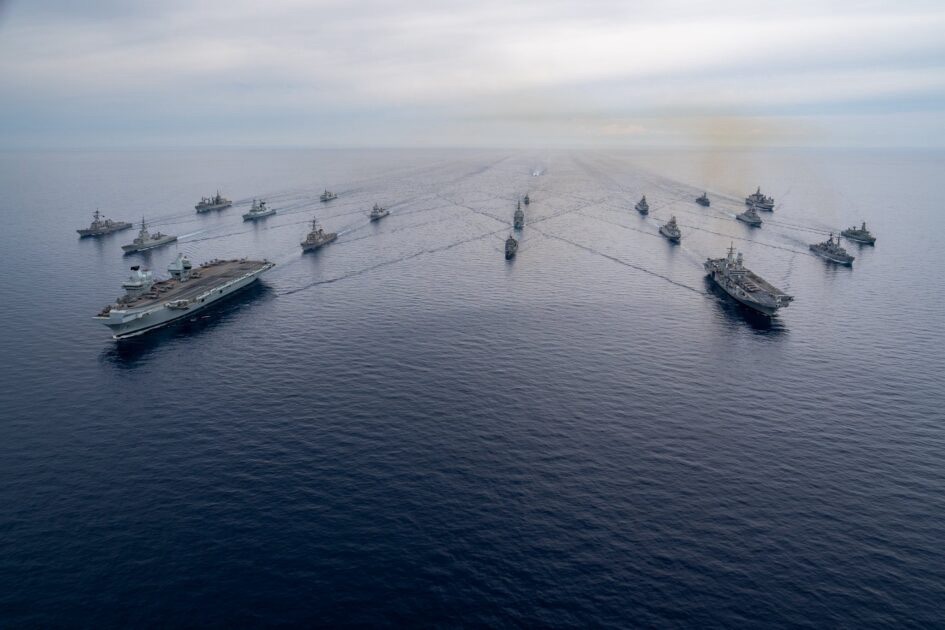
Royal Navy aircraft carrier HMS Prince of Wales (RO9), left and Italian Navy aircraft carrier ITS Cavour (550), right, lead the Mediterranean fleet.
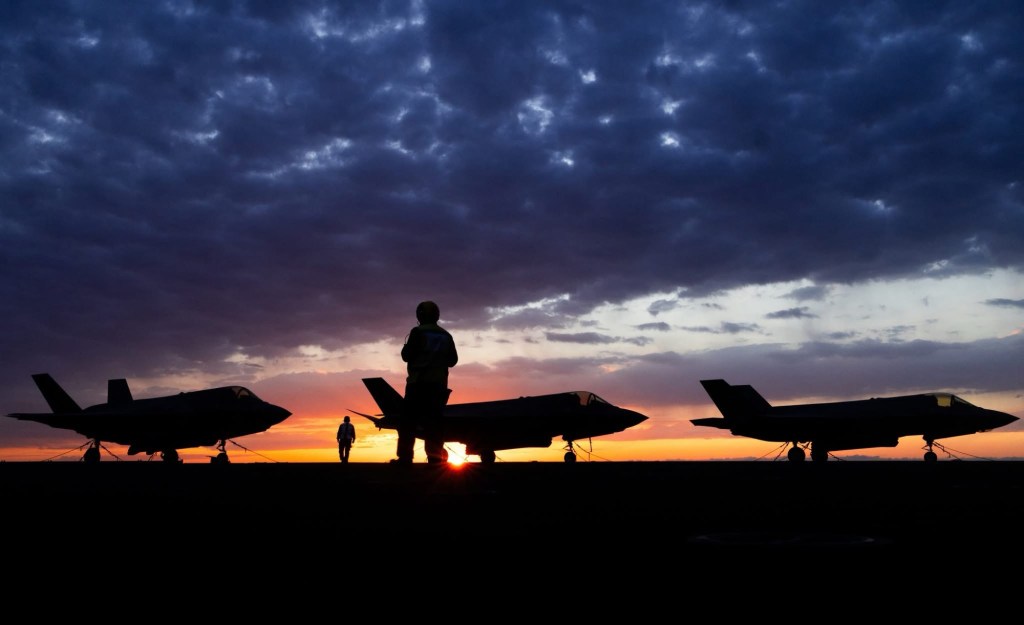
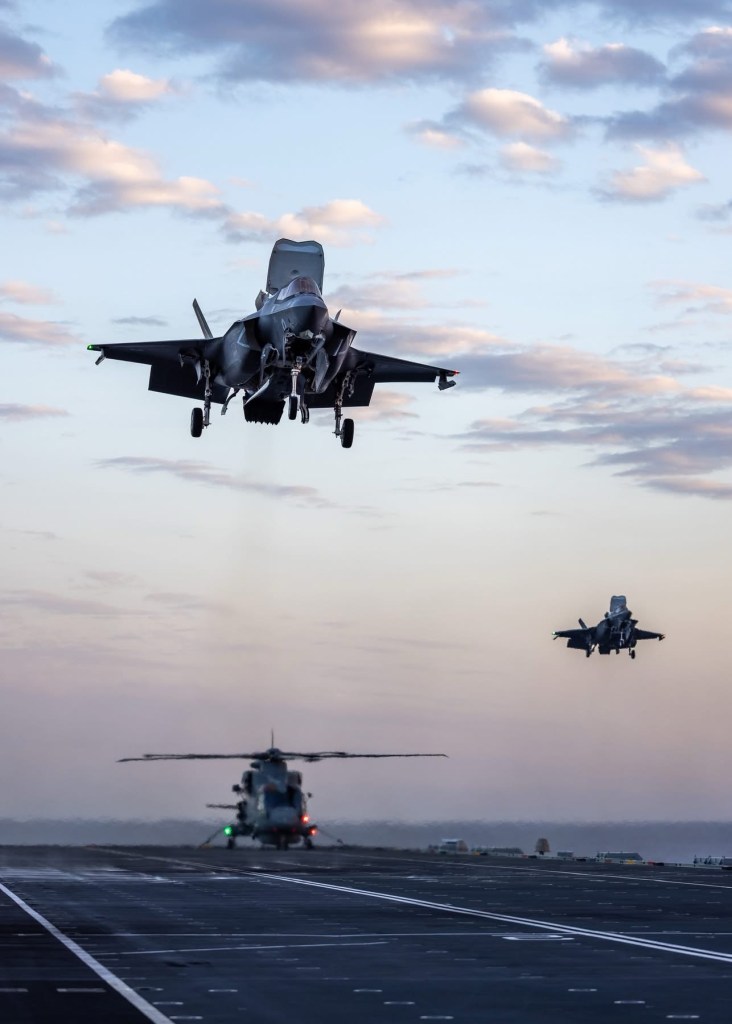
Med strike is a large exercise ptaking place in the Mediterranean. It’s brought together one of the largest military navel fleets seen in decades and includes, 21 ships from the UK and Italian navy’s. 3 submarines, 41 aircraft( half of which are F-35B’s) 19 helicopters and 10 maritime patrol aircraft and more than 8,000 crew and sailers.
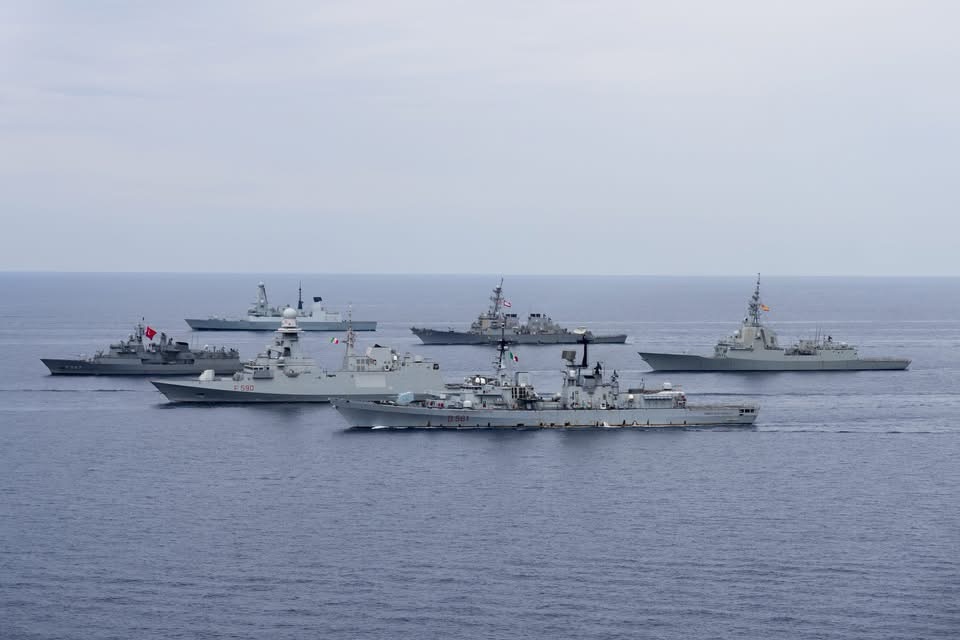
Like most of these events this one has a large focus on multi-national cooperation between the different nations involved. Canada, France, Italy, Portugal, Norway, Spain,Turkey, UK and the United States. The participants will work together on several drills including, live fire exercises, air defense exercises, anti-submarine warfare, and drill covering defense against hostile drones. Also one drill will focus on cross deck flying between some of the F-35s utilizing both carrier decks for takeoff and landing.
Some images from the exercise.
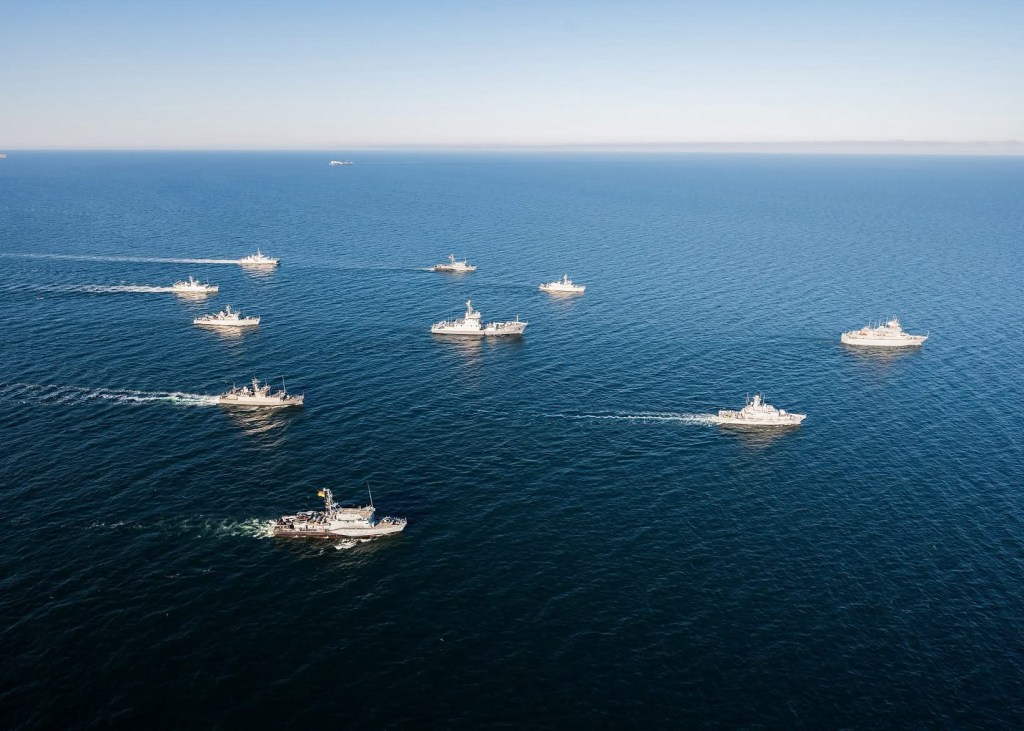
Open Spirit
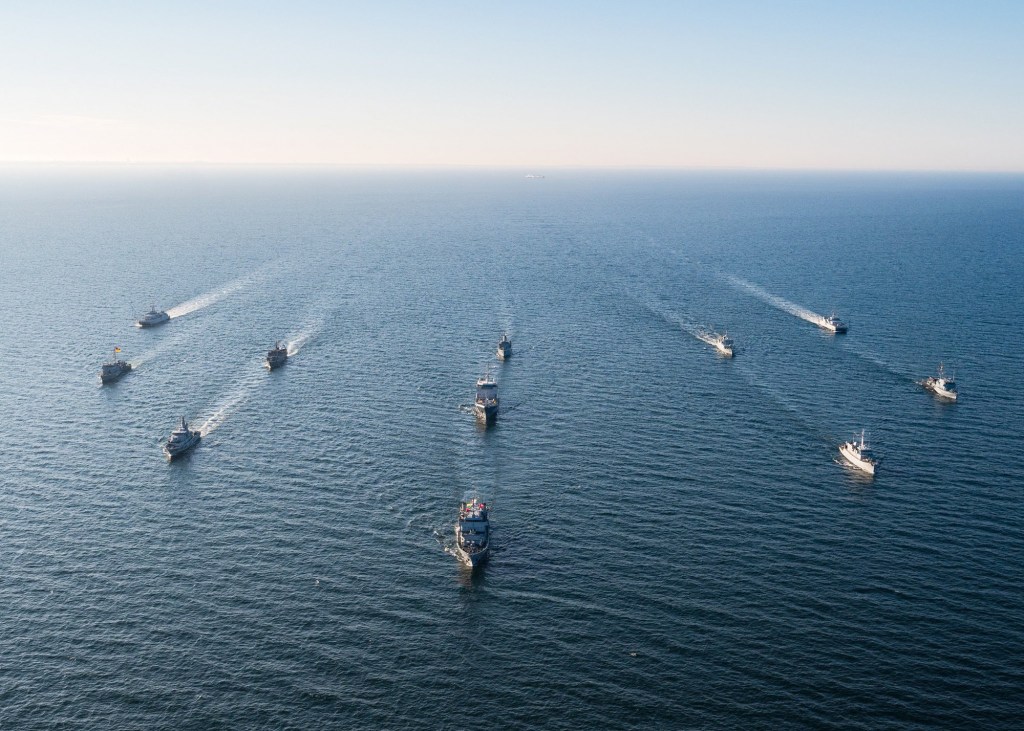
Ships from 11 nations come together in the Baltic for Open Spirit.
Open spirit is less of an exercise and more of a yearly operation however I thought I would mention it as well since it is happening now.
During the world’s two great wars, WW1 and WW2 the waters of the Baltic were heavily mined. Estonia, Latvia and Lithuania rotate yearly on leading this NATO event which see ships coming in to attempt to locate and destroy these “Historic weapons”. Last year’s event found around 40 weapons in the waters off of Estonia and was joined by a ship from the Finnish Navy for their very first NATO operation.
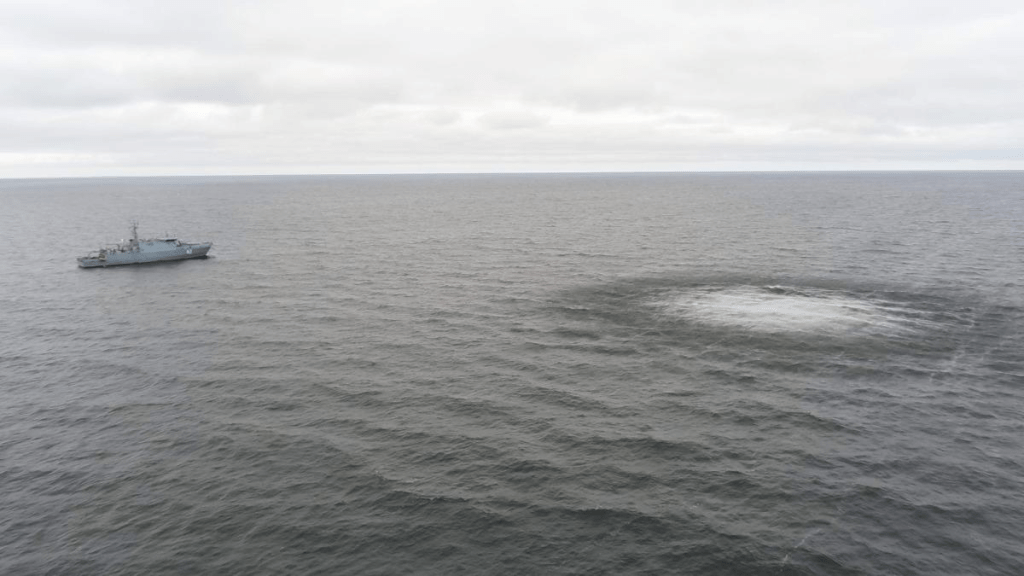
This year the focus will be on Lithuania and success is already at hand as the first of the years weapons have been found and disposed of. An explosive device was located some 38 nautical miles from Klaipėda port gate, in Lithuania by French minesweeper FS Andromeda which is currently sailing with Standing NATO Mine Countermeasures Group 1 (SNMCG1)
An image from Open Spirit 24 showing the destruction of a historic weapons on the seabed.
This operation makes the waters of the Baltic much safer for general maritime activities. Since 1997, just in Lithuania more than 200 mines, bombs, torpedoes, the remains of 17 sunken ships and two aircraft have been discovered.
All of these exercises have one major theme in common which I think is important. All of them focus mainly on how to accomplish the task while utilizing every nations strengths and working together. The working together part is a big one. NATO would crumble if these very different nations didn’t share a common focus. I suspect that the early days of the treaty were filled with a lot of communication breakdowns.
I want to thank each and every one of you for being here and reading. It’s through the support I’ve received that has brought GCR to where it is today. While I feel we have accomplished some major goals I still want to do more and with you all behind me it’s not a question of if but when. I have some major projects in the works right now and a good number of you will already have access to those when they drop on Patreon.
I can finally say that the plan is to do a big weekly recap show and possibly another if I can find some people interested in being interviewed. I’m looking to talk to people who are knowledgeable about the regions we cover or people who have interesting stories related to conflict or geopolitics. That will all drop for the members on Patreon, they have been patient long enough and I think they deserve something special. If you want access to that when it drops as well as other future benefits I’ll link to the Patreon below. It’s $1 dollar a month.
Anyway I just wanted to let everybody know about what I have going on and what I’d like to accomplish this week. I’m excited to do something new. I love writing but this will have me outside of my comfort zone and that will be good. If people like it maybe I’ll make it a daily or every couple days kind of thing.
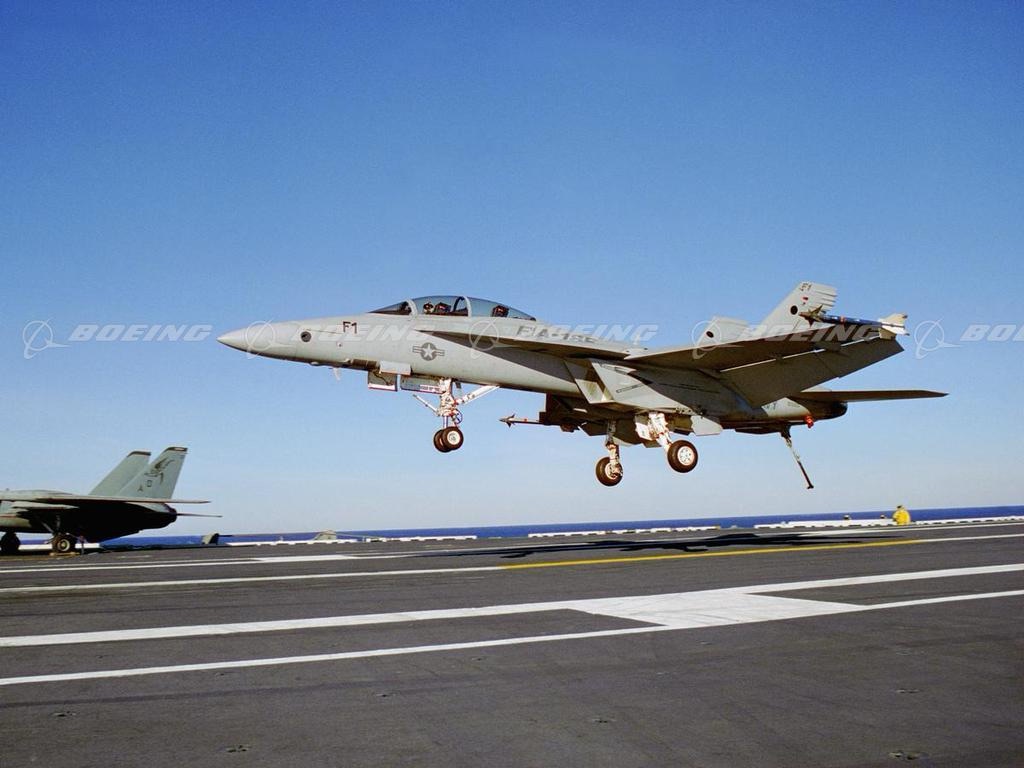
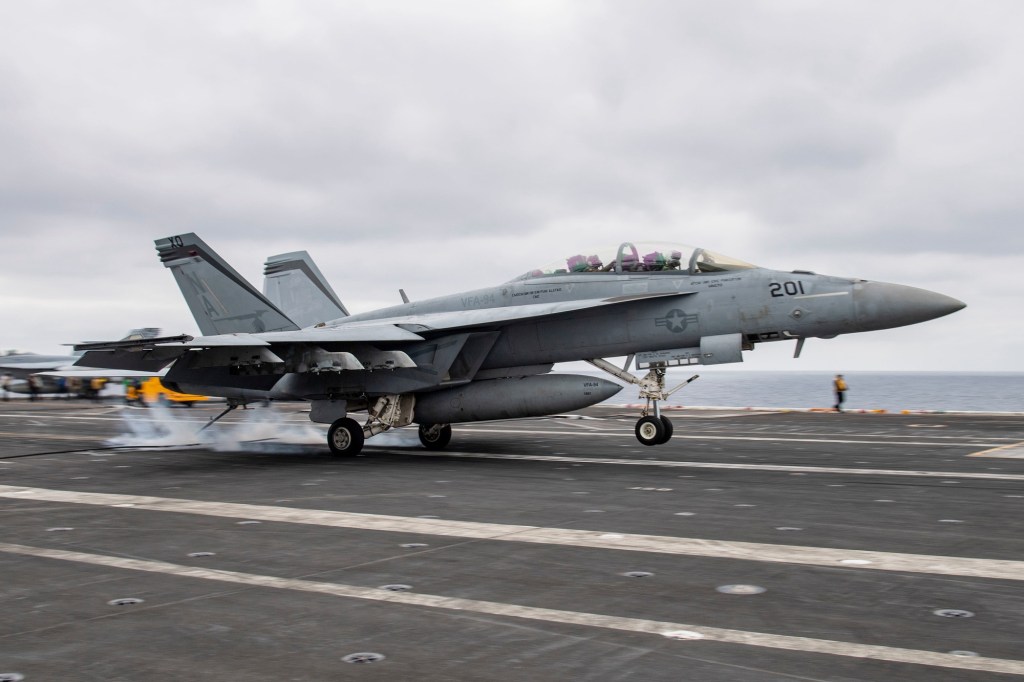
Today according to the U.S. Navy an F/A-18 Super Hornet was lost overseas from the USS Harry S. Truman (CVN 75). The jet and its two aviators were attempting to land when an “arrestment failure” occurred. The plane failed to catch it wire or the wire broke, either way the plane went off the end of the ahip causing the pilot and weapons officer to eject into the Red Sea.
Both pilot and weapons officer were picked up by a rescue helicopter from the Truman. They suffered minor injuries but are alive. The jet was not recovered.
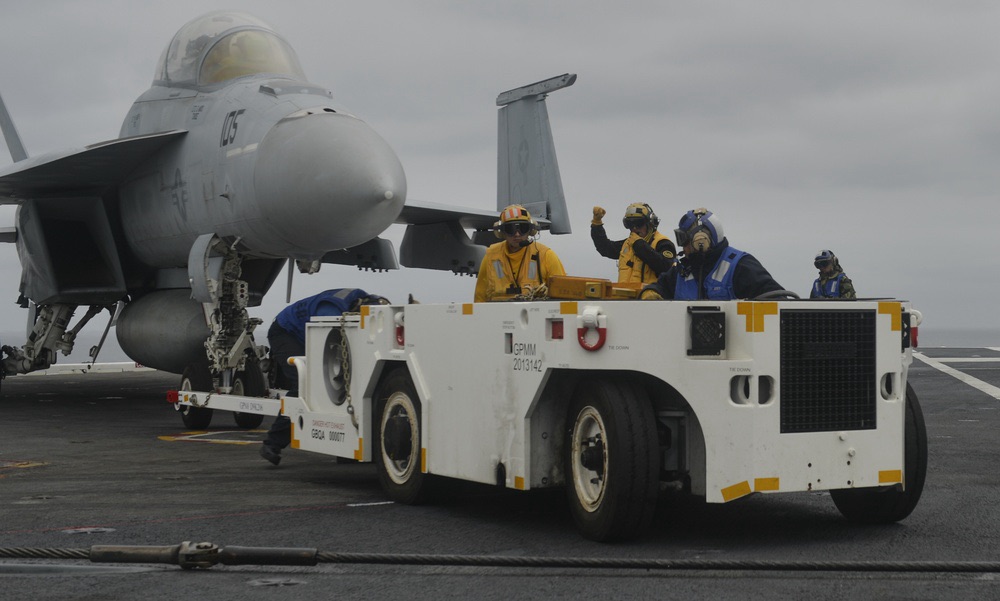
This is the second loss of a Super Hornet this week. The first was caused by an accident during a high speed turn where the hanger crew lost control of the jet and a towing trailer. No injuries reported there.
Super Hornet and towing tractor.
The Truman was also reportedly fired upon earlier on Tuesday according to CNN. This was in the hours before the ceasefire was announced. I don’t believe the two events from today are related.
The F/A-18 cost around 70 million dollars.
Reached out to centcom for a statement, I’ll update with a response if received. I’ve had good luck when emailing them but it’s hit or miss with the DoD.
Thank you for reading. I hope you get as much out of what I’m doing here as I get out of making these reports. If so I would invite you to join my Patreon. Doing that would help me more than I can describe. I’ve kept it as cheap as possible to become a member. It’s only a $1.00. However a dollar from even half of my Facebook followers would be a life changing amount of money for me and for this page.
Thank you for all the support over the years and as we continue to grow and evolve.
Today after many weeks and several false starts the U.S. and Ukraine have signed a mineral deal giving the US access to Ukraines large swath of natural resources as well as acting as an implied security guarantee for Ukraine. While the U.S. has provided support through the course of the Russian invasion of Ukraine, there were times when that support was seen as lacking or even pulled completely this deal should see the U.S. as having a stake in the future of Ukraine. This comes as US president Donald Trump attempts to negotiate a peace deal between Russia and Ukraine.
A map showing the vast mineral deposits in Ukraine.
“this partnership allows the United States to invest alongside Ukraine, to unlock Ukraine’s growth assets, mobilize American talent, capital and governance standards that will improve Ukraine’s investment climate and accelerate Ukraine’s economic recovery.”
Treasury Secretary Scott Bessent.
From Ukraine
“Together with the United States, we are creating the Fund that will attract global investment to our country.”
Ukraine’s Economic Minister Yulia Svyrydenko
This deal gives the US some stake in Ukraine’s future which will likely translate into other trades and deals down the road.
While this deal doesn’t stop the way it does cause a problem for Russia, as does anything that strengthens the ties between US and Ukraine.
This deal was announced earlier this year but was put on hold after a blow up in the Oval Office the two presidents, Donald Trump and Ukraine President Zelenskyy, got into an argument over the war essentially boiled down to Ukraine wanted a security guarantee and the U.S. didn’t want to commit under those terms. There is more but it’s been talked about enough elsewhere.
This is a developing story and will be updated later.
Thank you all for reading. Your continued support paramount to the success of this page. This all might be wrote by me but I consider it my gift to all of you. If you would like to further support independent reporting you can sign up for my $1.00 Patreon page where I will be adding podcast and e books in the future. A single donation button is also included through the buy me a coffee link. Both are appreciated.
I have many goals for the future of GCR and through the support and donations I have received we have already managed to build a website as well as purchase improved tools that make my job a little easier.







 Global Conflict Reporting
You must be logged in to post a comment.