Category: Maritime/Shipping

  • Russian “Shadow Fleet” Tanker Seized in the Mediterranean.

    M/T Grinch (IMO:9288851)

    By. Scott Jackson


    01/22/2026

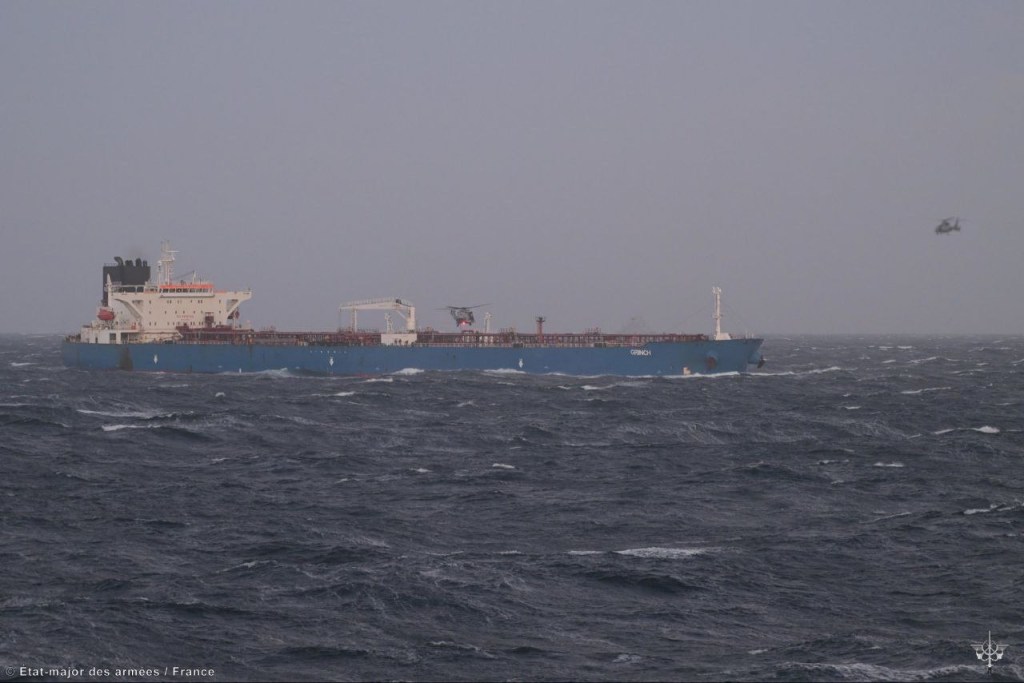
    Today French forces seized a Russian “shadow fleet” tanker that was sailing in the Mediterranean. The vessel, an oil tanker flagged from Comoros called ‘Grinch’ (IMO:9288851) was seized in the Alboran Sea, in the Western Mediterranean. The Grinch was boarded on suspicion of flying a false flag, as well as being under international sanctions. 
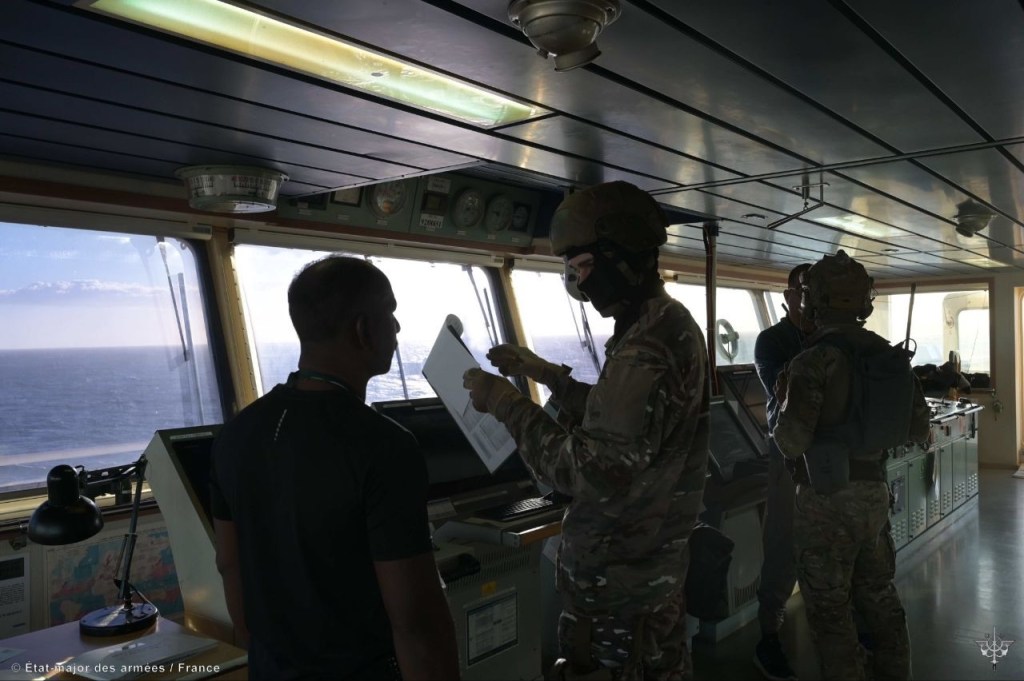
    French investigators onboard the Grinch.

    The operation was carried out in partnership with UK forces who provided intelligence. 

    “The operation was conducted on the high seas in the Mediterranean, with the support of several of our allies. It was carried out in strict compliance with the United Nations Convention on the Law of the Sea.”

    French President Emmanuel Macron said after the Grinch was seized.

    He also said 

    “We are determined to uphold international law and to ensure the effective enforcement of sanctions,” Macron explained. “The activities of the ‘shadow fleet’ contribute to financing the war of aggression against Ukraine.”

    The operation was first announced with a press release from the French Navy
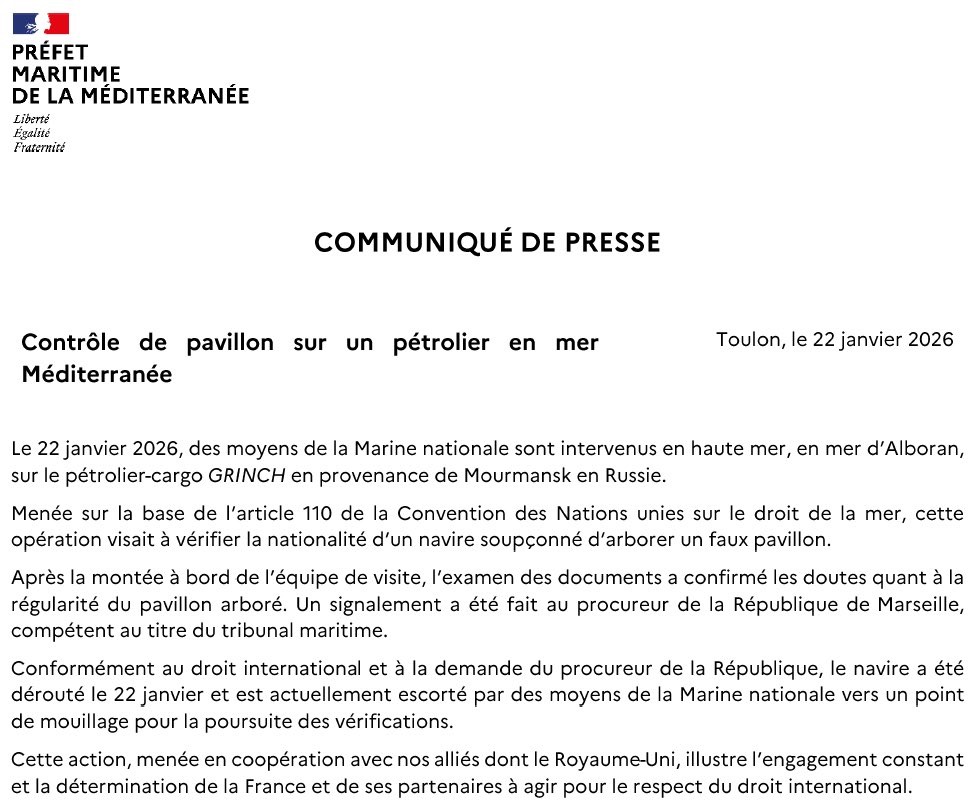
    French Navy  press release translated below. 

    “On January 22, 2026, French Navy assets intervened on the high seas, in the Alboran Sea, on the cargo tanker GRINCH, en route from Murmansk, Russia.

    Conducted on the basis of Article 110 of the United Nations Convention on the Law of the Sea, this operation aimed to verify the nationality of a vessel suspected of flying a false flag.

    After the boarding team, the examination of the documents confirmed the doubts regarding the validity of the flag being flown. A report was filed with the Public Prosecutor in Marseille, who has jurisdiction under the maritime court

    In accordance with international law and at the request of the public prosecutor, the vessel was diverted on January 22 and is currently being escorted by French Navy vessels to an anchorage for further investigations.

    This action, carried out in cooperation with our allies, including the United Kingdom, illustrates the unwavering commitment and determination of France and its partners to uphold international law.”

    End translation. 
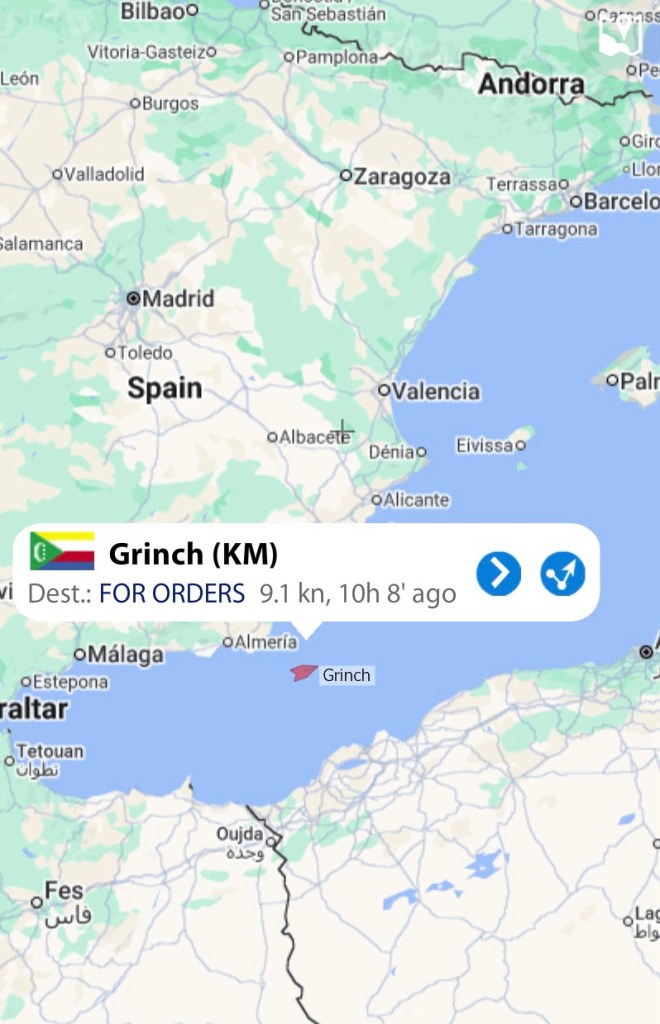
    Last recorded position of the Grinch.

    The “shadow fleet” operated by Russia has received a lot of attention in the past,but even more so in the past couple months as both European and U.S. forces have seized multiple vessels suspected of being used to transport Russian oil. These ships are know for using clandestine means and  “deceptive shipping practices” to bypass international sanctions put on Russia for its war in Ukraine. 

    These ships, while called a “shadow” or “dark” fleet operate in the open, with multinational crews (sometimes even carrying Ukrainian crews) using aging ships with many of them being bought for exorbitant prices from the same western nations that sanction Russia in the first place . These ships will use techniques like changing their name and flag to avoid tracking by investigators and law enforcement. 

    Western powers are taking a stronger stance against Russia’s shadow fleet and Russia is responding, on Monday Russia sent the Project 20380 Steregushchiy-class corvette Boikiy to escort one of its tankers through the English Channel. 
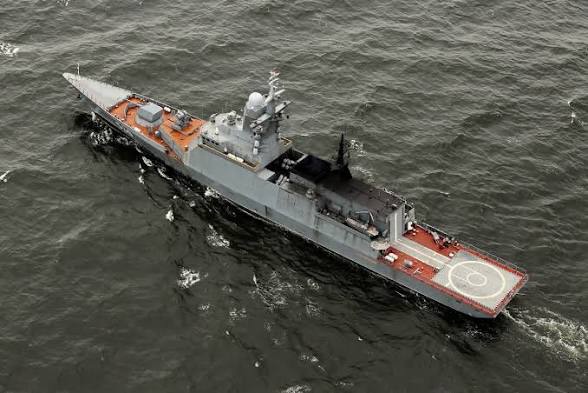
    Project 20380 Steregushchiy-class corvette Boikiy

    The UK especially has signaled its willingness to step up the fight against these ships, specificly as a joint effort. Foreign Secretary Yvette Cooper saying to Politico “We stand ready to work with allies on stronger enforcement around the shadow fleet,” 

    She also didn’t rule out using the oil seized from these tankers to support Ukrainian war efforts. This gives Russia two choices, risk having their oil money being used to find their enemies or having their oil storage depots sit full. Neither option is ideal especially as Ukraine continues to target Russian oil depots with drones and missiles. 

    It’s possible that western actions against Russia’s shadow fleet could become a large flashpoint between Russia and western nations, especially if Russia responds to increased pressure with force, bringing the two sides to conflict.  
  • U.S. forces seize two tankers, one in the Caribbean and one in the Atlantic.

    By. Scott Jackson


    01/07/2026

    This morning U.S. forces have seized two tankers. The first, the M/T Marinera (formerly the M/T Bella-1) is a tanker that fled from U.S. forces while trying to get to Venezuela late last month. It has been tailed by a U.S. Coast Guard cutter since around December 17th and was taken somewhere between the UK and Iceland. The second ship is the M/V Sophia which was seized in the Caribbean.

    The seizure of the Marinera doesn’t come as a surprise as a number of analysts, experts and people interested in world events followed along as the U.S. moved Special Forces assets to the UK and the ship attempted to evade U.S. forces for several weeks. It has been under near constant surveillance since it fled from US forces while trying to enter Venezuela in December.

    On social media the U.S. European command put out a statement that said “The vessel was seized in the North Atlantic pursuant to a warrant issued by a U.S. federal court after being tracked by USCGC Munro”

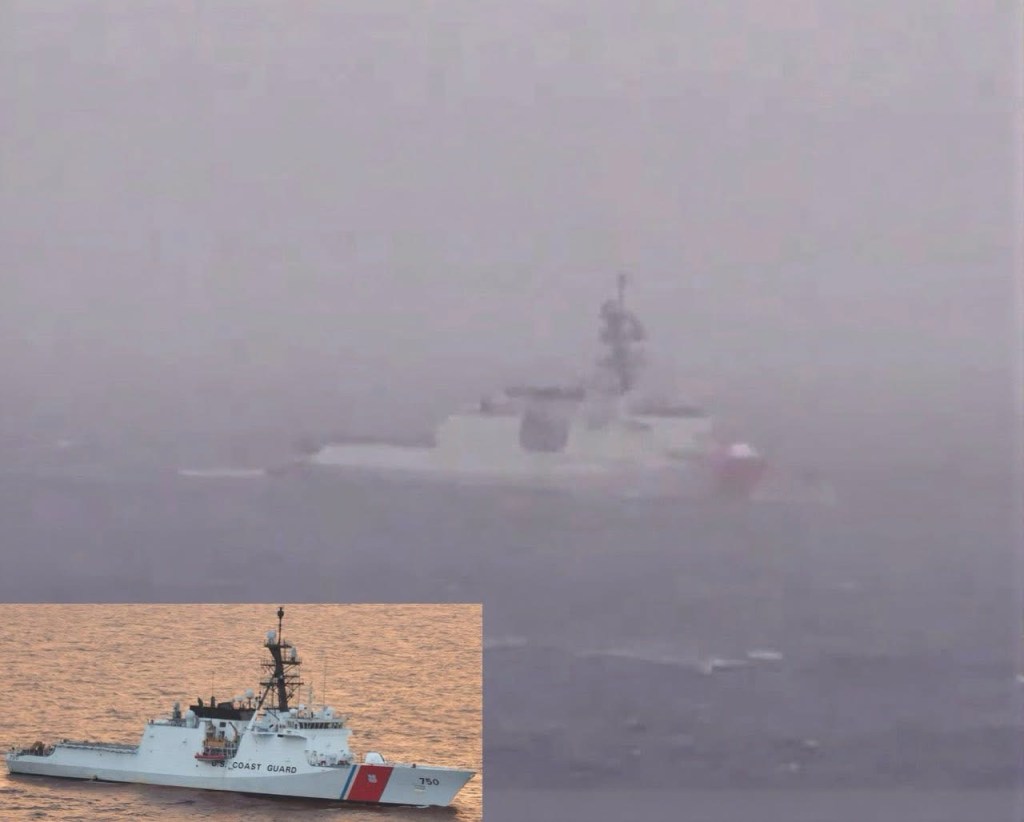
    The USCGC Munro is a Legend-Class National Security Cutter.

    USCGC Munro, photo taken from the deck of the Bella-1 several days ago.

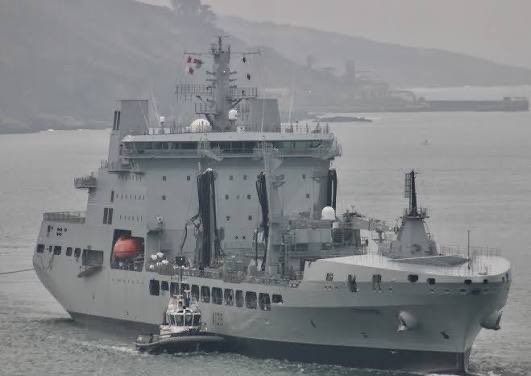
    The armed forces in the United Kingdom had a large part to play in the operation including offering basing support to U.S. forces and deploying RFA Tideforce, a Tide-class tanker to the area. 

    RFA Tideforce

    The Marinera is being accused of international sanctions evasion. As UK Defence Secretary John Healey MP said “ This ship, with a nefarious history, is part of a Russian-Iranian axis of sanctions evasion which is fuelling terrorism, conflict, and misery from the Middle East to Ukraine.” 

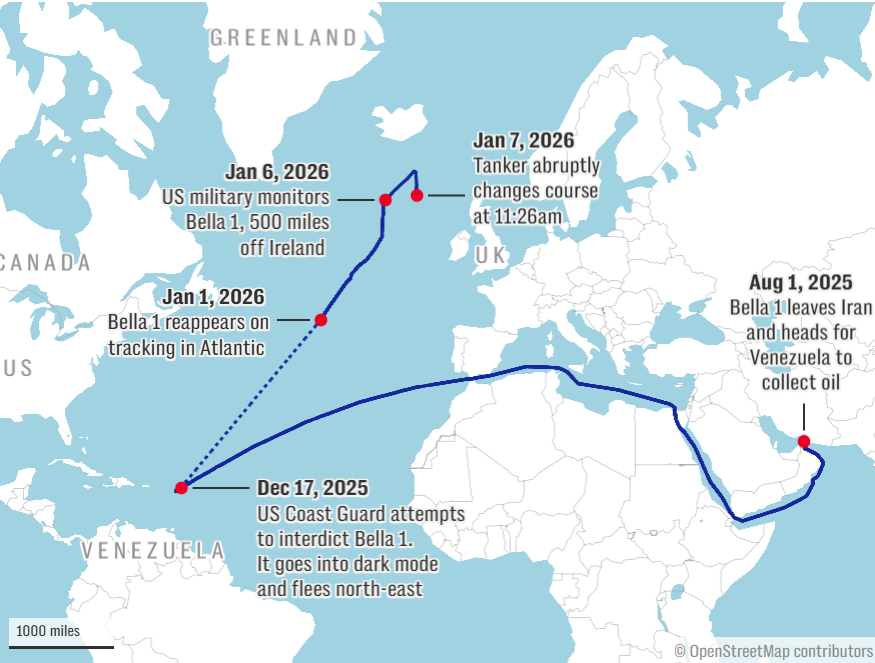
    Map of the known course of the Marinera since August.

    Specifically the Bella-1 is sanctioned by the U.S. under its counter-Iran sanctions, sanctions attempting to curtail Iran’s efforts of destabilizing the Middle East. 

    Efforts the ship took to change and hide its identity and throw off its pursuers show that the ship is well connected to the international fleet of shadow ships. The ship already had a Russian flag onboard, likely in case of a scenario like this, or from potential cases in the past where it had changed its identity. 

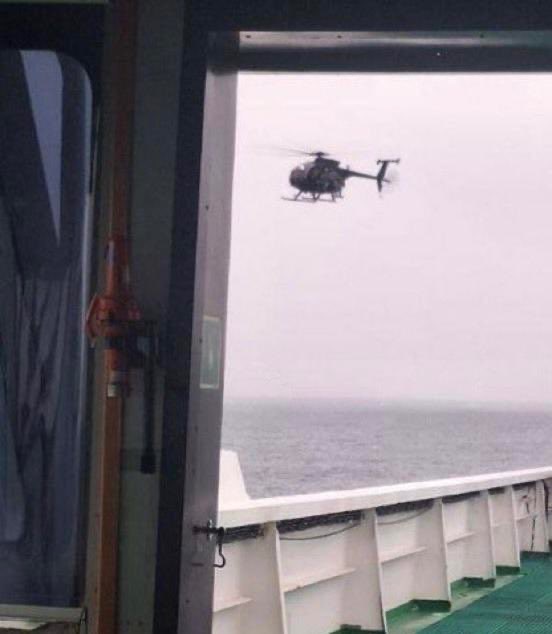
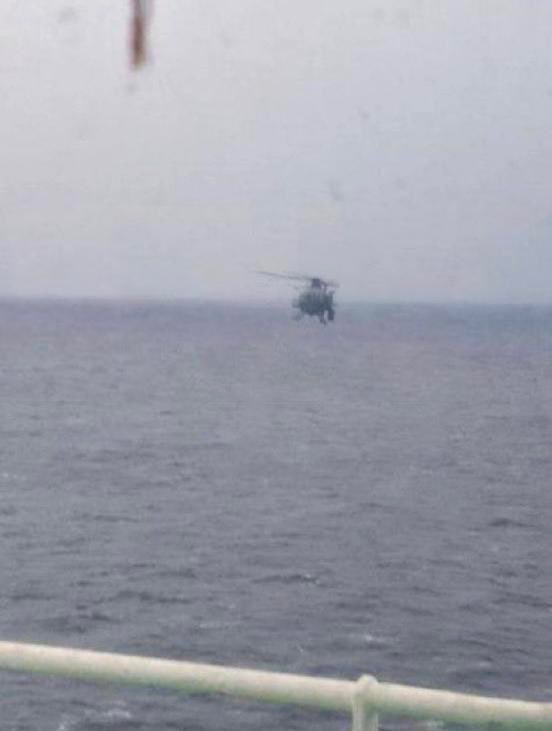
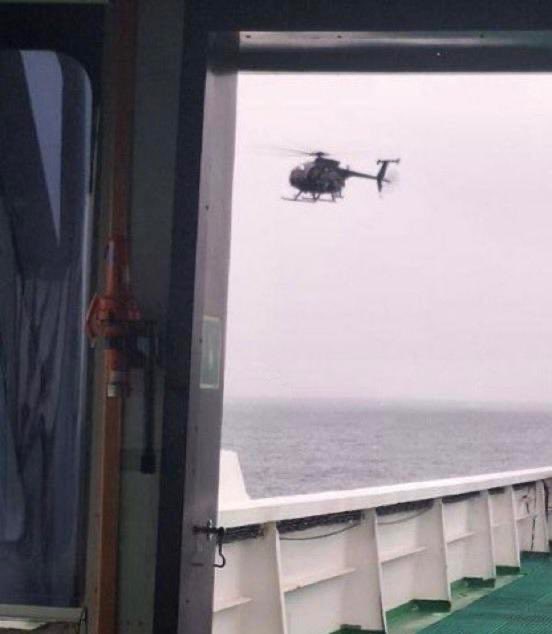
    Two images taken from the Marinera show a little bird helicopter from the 160th Nightstalkers as the US prepared to board the ship.

    The Russian’s had reportedly sent a several warships including a submarine to escort the tanker to Russian waters however they never intervened during the seizure. L

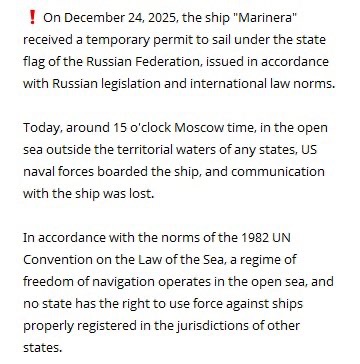
    A statement from the Russian Ministry of Transport.

    As far as the M/V Sophia. All we know is that the U.S. seized the ship as it was trying to leave Venezuelan waters with its transponder off, attempting to conceal its location. The ship is not registered to any state and was said to be conducting “illicit activities” in Caribbean waters. Its reported destination was China.

    I’ve included the video that was shared of the seizure of the M/V Sophia by the U.S.


    If you have any information about this article or any others. Email me at

    GlobalConflictReporting@Proton.me

    Shoutout to my buddy Andy who was emailing me about this situation this morning as I was getting woke up. I was able to be halfway informed before I even knew anything was going on.

  • PLAN deployments; Satellite imagery shows an up close look at China’s navy.

    By.Scott Jackson


    12/08/2025

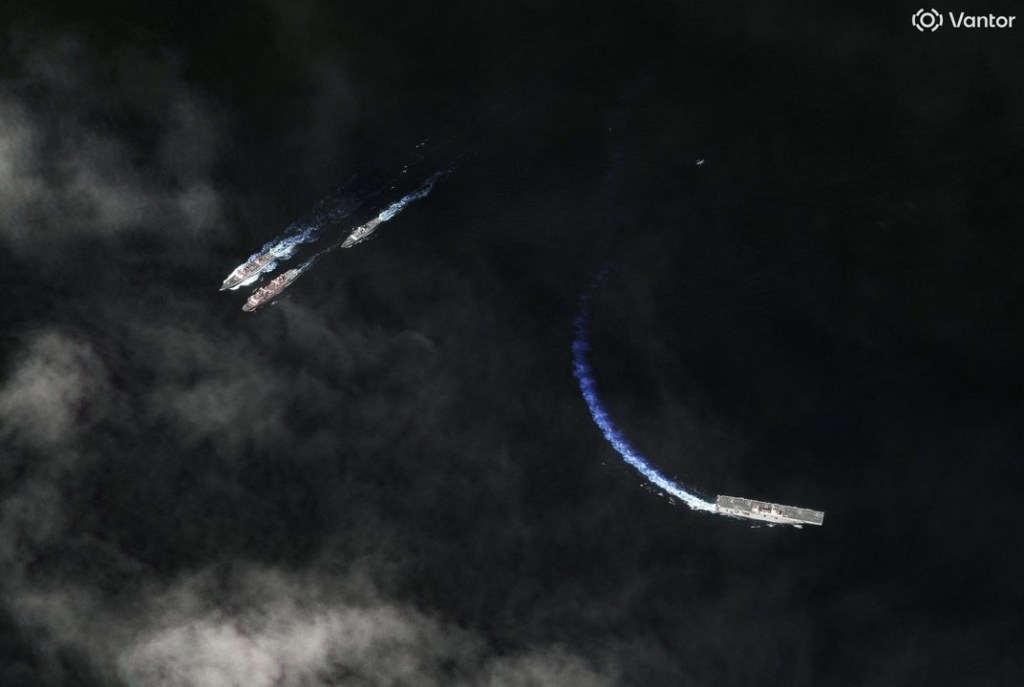
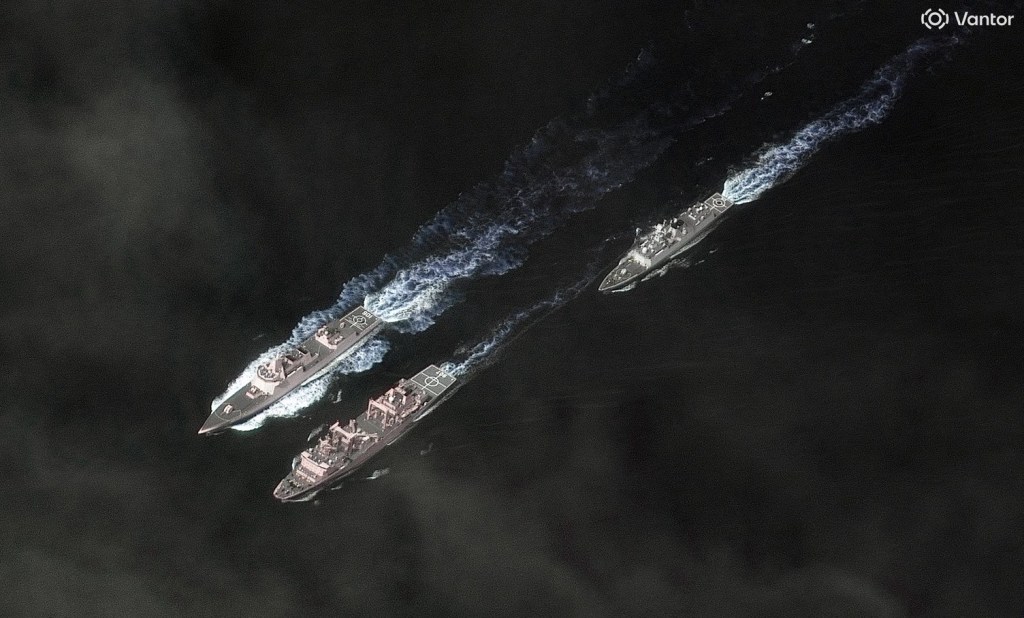
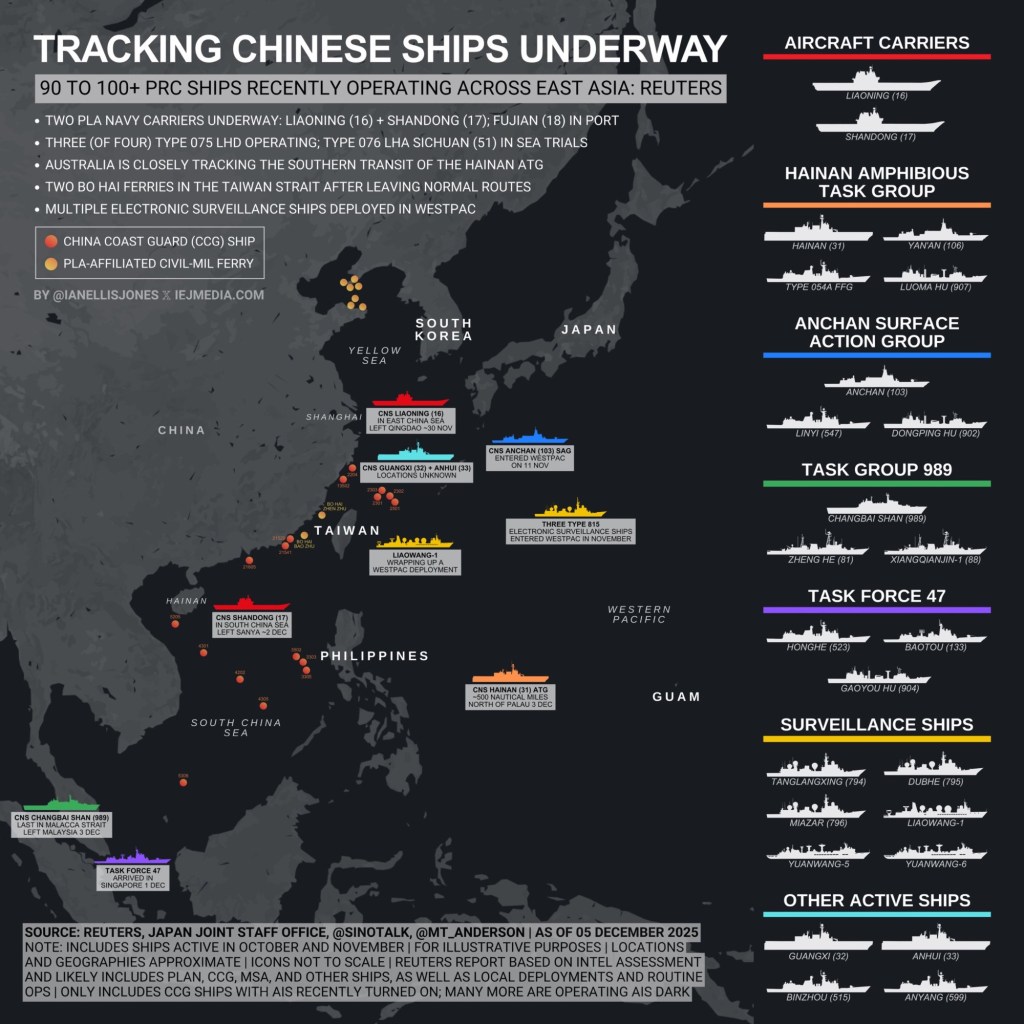
    The following incredibly clear images show several PLAN (People’s Liberation Army Navy) vessels operating in the Philippine sea. The images show just a small snapshot of the currently reported 90 vessels operating around parts of the Pacific. 

    From the left : Type 055/Renhai-class cruiser Yan’an sailing alongside the Type 903A/Fuchi-class replenishment ship, the Luomahu, both tailed by the unidentified Type 054A/JIangkai II-class frigate. Image from Vantor.

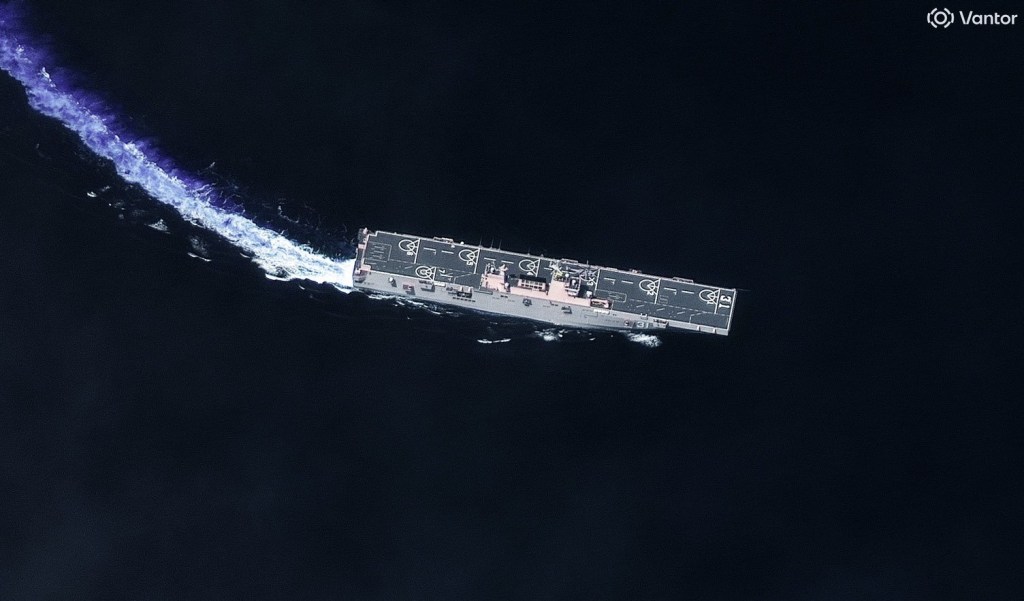
    The images are from US satellite company Vantor and show a the Type 055/Renhai-class cruiser Yan’an, an unidentified Type 054A/JIangkai II-class frigate, a Type 903A/Fuchi-class replenishment ship, the Luomahu, and the Type 075/Yushen class LHD, the Hainan.

    Type 075/Yushen class LHD, the Hainan.

    The ships shown are currently operating in the Philippine Sea, according to officials with the Australian Defense Force. 

    According to Adm. David Johnson, chief of Australia’s defense force “We are aware the task group is composed of four ships, a Yushen landing helicopter dock assault, a Renhai-class cruiser, a Jiangkai-class frigate and Fuchi-class replenishment vessel, an Australian P-8 observed the task group on the evening of the second of December in the Philippine Sea, approximately 500 nautical miles north of Palau,”

    Speaking in a Senate hearing meeting Adm. Johnson said “We will continue to monitor this task group as we learn more about its direction, its purpose and intent,”

    Image of Task Group 107 which circumnavigated Australia in early 2025.


    In February and March of this year a PLAN task force made waves when it sailed around Australia.Task Group 107 made up of the Jiangkai-class frigate Hengyang, the Renhai-class Cruiser Zunyi, and the Fuchi-class replenishment vessel Weishanhu were tracked throughout their journey by Australian maritime surveillance – Australian P-8 Poseidon aircraft.

    Image of a Royal Australian Air Force P-8 Poseidon.

    The Task force circumnavigated Australia and at one point carried out live fire drills only several miles outside of the eastern coast of Australia.


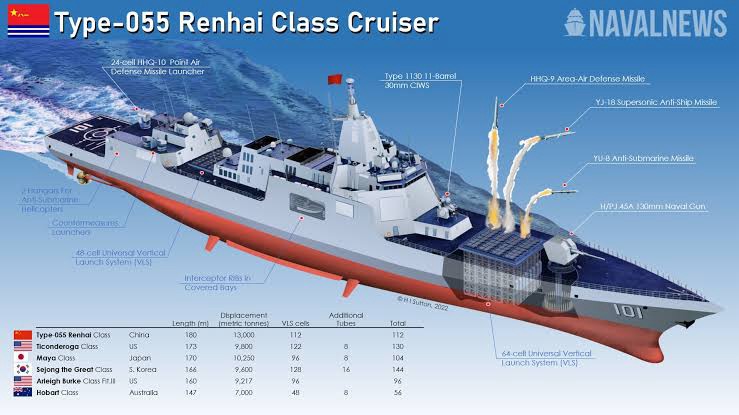
    The ships seen in the Vantor image are a good look at the PLAN capabilities.One of its biggest threats is its large destroyer, the Type 55.

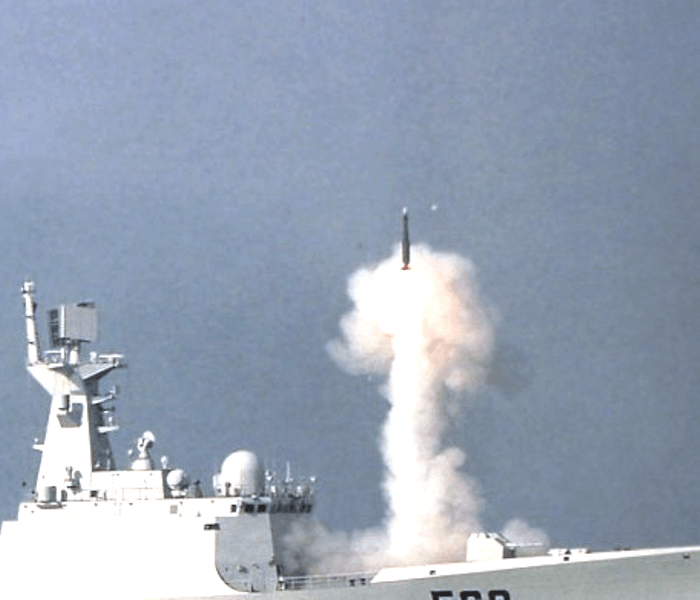
    The Type 55/ Renhai-class guided- missile stealth cruiser is China’s largest of its missile carrying ships. Technically china classifies this ship as a destroyer but the size makes it more closer to what the rest of the world would consider a cruiser. It has a substantial armament with 112 vertical launchers putting it just under the 122 Ticonderoga and just over the 90-96 cells of the Arleigh Burke. The Renhai-class can launch a mixture of armaments of missiles from these cells. Anti-air, anti-sub, anti-ship and land attack missiles can all be launched from this system. Maritime combat analyst predict that in a conflict the Renhai-class will be used in the second island chain as one of its heavy hitters while smaller class ships defend closer to home. China currently possesses 8 of these. These ships have allowed China to extend its maritime operations further, including to the Middle East.

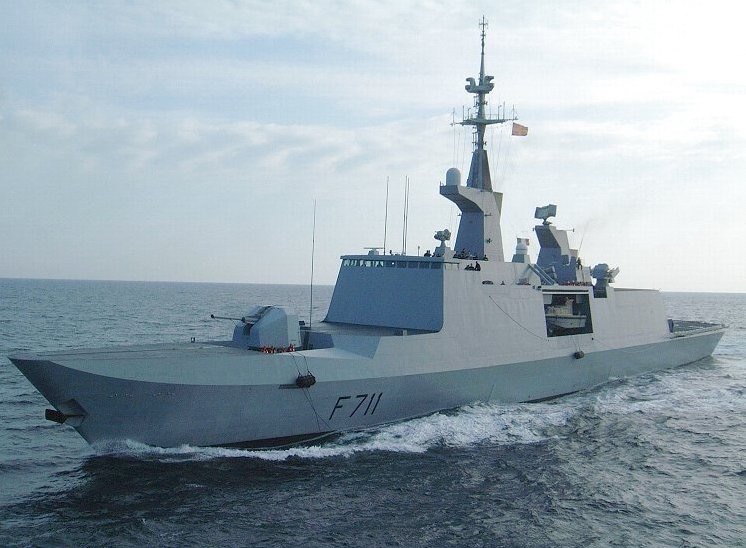
    The frigate, a Type 54 JIangkai II-class Is very similar to the Type 55 in that they were both heavily inspired by the French La Fayette-Class stealth frigate.

    French La Fayette-Class

    The Type 54 frigate is one of its most numerous ships in the PLAN with around 40 in service. Each carries a 36 cell HHQ-16 vertical launch system designed for medium range air defense.


    This image was made by Twitter user Ian Ellis. Ellis produces high quality, informative infographics and reports on a wide range of defense topics. This one shows a number of the currently deployed ships in the People’s Liberation Army Navy. The group shown in orange is the ships we have in the satellite images. The locations of the ships were discovered by Ellis and other investigators who track Chinese fleet movements. Several methods can be used for this task, such as Sentinels satellite hub, and maritime tracking services.

    I wanted to shout out Ellis for his always quality work. Follow him at @Ianellisjones on Twitter. 
  • Russian shadow fleet ships attacked in the Black Sea.

    By. Scott Jackson


    11.29.2025

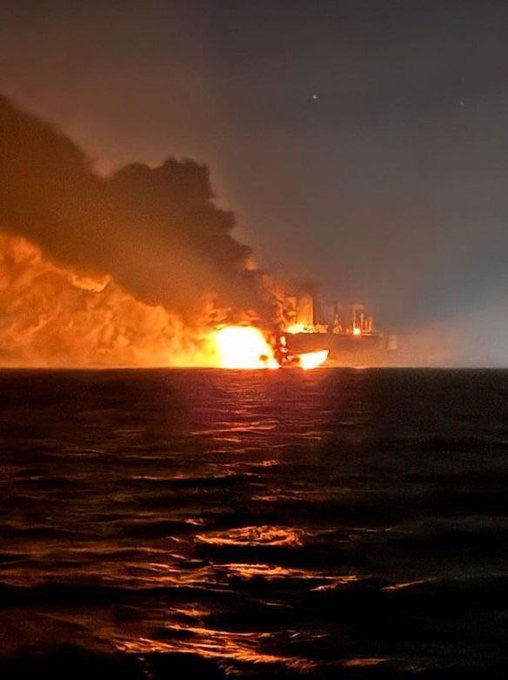
    Today Ukraine announced that its military had launched attacks on two sanctioned Russian Oil tankers operating in the Black Sea. 

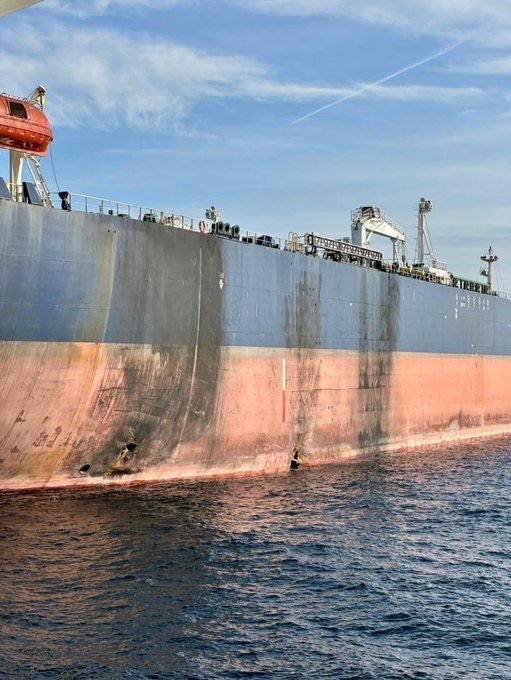
    The ships, identified as the Gambian-flagged Kairos and Virat were empty at the time of the attacks and it is reported they were heading to the Russian city of Novorossiysk, a major port and oil hub for Russia especially in the Black Sea region. 

    Tanker Virat after the attack. Mostly minor damage on this ship.

    During an interview with Turkish broadcaster NTV, Abdulkadir Uraloğlu,the transport and infrastructure minister for Turkey, said the attacks took place within the country’s exclusive economic zone.

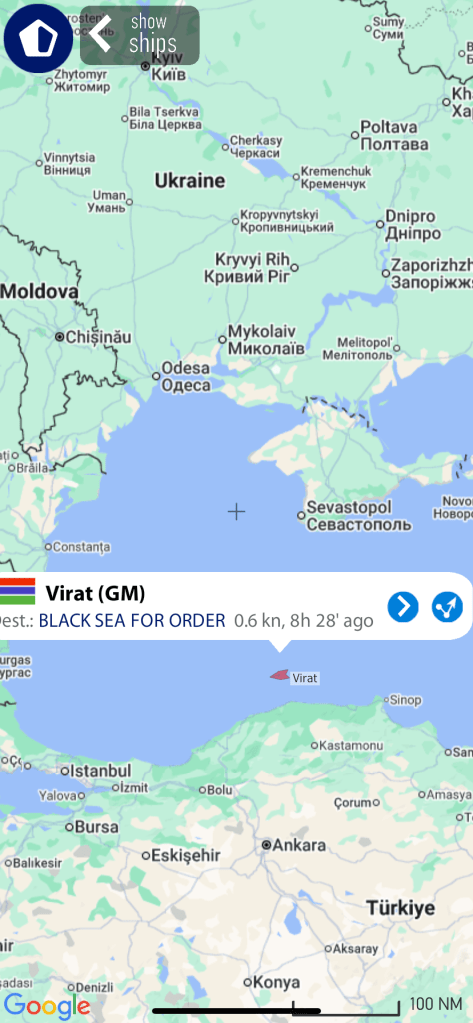
    The Russia shadow fleet oil tanker Virat stopped near Turkey after it was attacked by Ukranian sea drones.

    This attack is being reported by Ukraine as a joint operation between the SBU’s 13th Main Directorate of Military Counterintelligence with the Ukrainian Navy. The operation was carried out with Ukrainian “Sea Baby” drones which can travel long distances.

    Video of the events were relesed across social media.

    Russia’s shadow fleet

    Both ships attacked have been under sanctions by the UK and European Union. However these two ships and the many more like them continue to find Russia’s nearly four year long war. They continue to haul Russias crude oil and funnel money to Moscow, fueling Russias economy.

    “The Russian shadow fleet has become almost a tumour on global shipping,” said Elisabeth Braw, a senior fellow with the Atlantic Council’s Transatlantic Security Initiative.

    “The shadow fleet has grown exponentially, and Western governments have tried sanctioning specific vessels … but every time that happens, another vessel enters the shadow fleet.”

    These Russian shadow ships often carry “flags of convenience” often being flagged in places with little knowledge or experience in maritime affairs, places like the Gambia and Cook Islands.

    Ships that’s are sanctioned have no access to western ports and personnel. They are barred from trading from many nations however are still able to find buyers in China and even in Europe. Some European nations still buy Russian gas and oil either directly or through a third party.

    The Russian shadow fleet is made up of as many as a reported 1500 ship as of 2024 highlighting the ineffectiveness of the western sanctions to slow the flow of Russian oil. This is one reason why Ukraine has taken such an interest in targeting Russian oil production choosing instead to attempt to stop it at its source.

  • Troubled Constellation-class frigate program scrapped

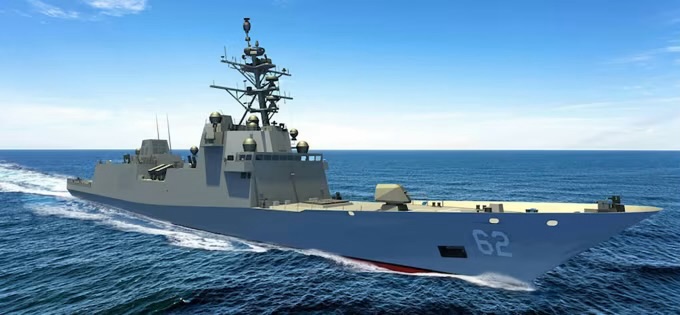
    A render of the Constellation-Class by

    By.Scott Jackson


    11.26.2025

    Today, the Secretary of the Navy John Phelan announced that the U.S. navy would be walking away from the Constellation-Class frigate program and putting more effort towards further new class of warships able to be built quicker. The navy says they have a need for 73 small surface ships. 

    Under terms set with shipbuilder Fincantieri Marinette Marine, the Wisconsin shipyard will finish the first two ships in the series. So  Constellation(FFG-62) and Congress (FFG-63) will still be built, however the other four ships that had been ordered will not be. 

    In the past the plan was for the navy to build 20 of these ships at around $1.1 billion a piece. A navy factsheet called the class a “an agile, multi-mission warship,” capable of operating in open ocean or coastal environments, “providing increased combat-credible forward presence that provides a military advantage at sea,” 

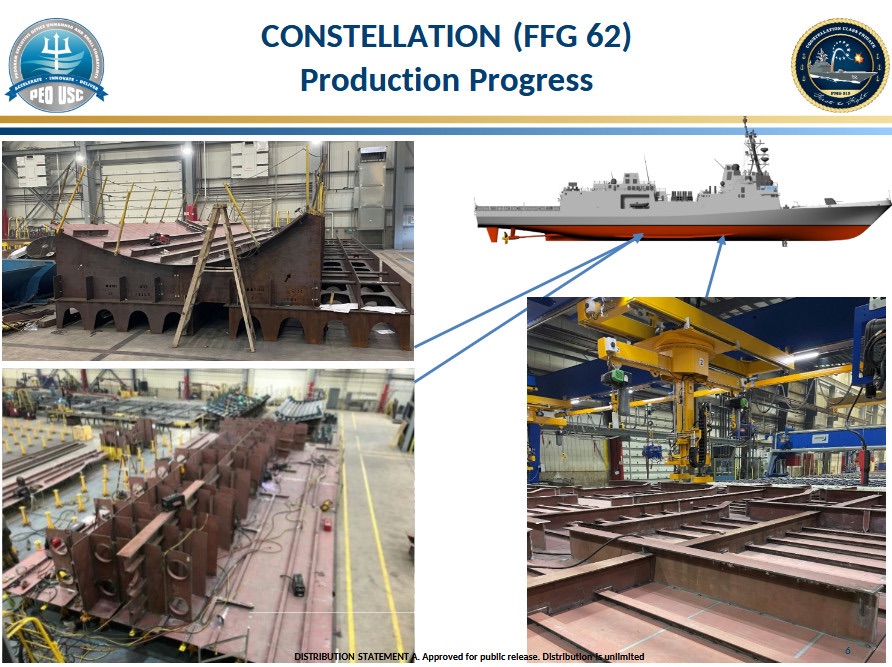
     The program’s costs have continued to rise since the original announcement,mostly due to design additions and changes. Recently, images were shared online that showed that the ship was nowhere near complete. At an estimated displacement of 7,200 tons the whole point of the program was to fill a gap between the 10,000-ton Arleigh Burke-class guided-missile destroyers – the workhorse of the US fleet – and 3,500-ton littoral combat ships. (Another ship seen mostly as a failure.) At the beginning of the program the Constellation-Class was seen as a way to get hulls in the water faster, as it was based on an Italian design, with specific modifications for the U.S. navy’s needs.  Those modifications are part of what slowed down the production of the ship as those modifications expanded and cost ballooned, leaving the ship being dreadfully behind schedule. Its 2026 launch was pushed to 2029.

    An update shared in April of 2025 showing the current progress of the ship.

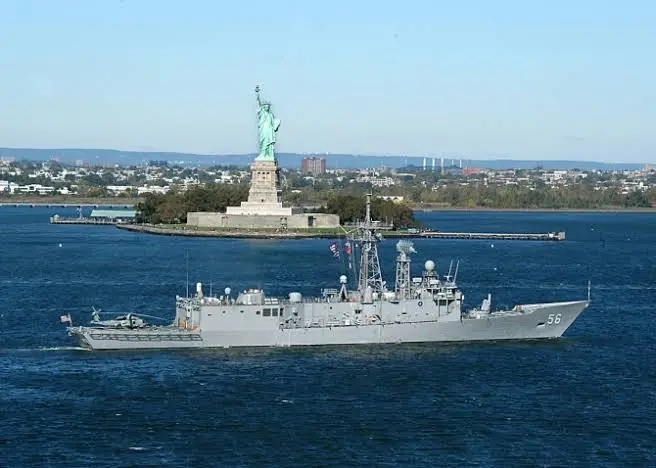
    The U.S. navy hasn’t had a frigate in its inventory since the decommissioning of the Oliver Hazard Perry-class USS Simpson (FFG-55) in 2015. 

    Oliver Hazard Perry-class USS Simpson (FFG-55) passing the Statue of Liberty in New York City.

    The Constellation-Class was seen as a way to quickly add ships to the U.S. navy. An important goal now more than ever as the military is allegedly making a shift to counter growing threats in the Pacific. China, according to a Pentagon report, is expected to have around 400 ships(50 of them frigates) in the water by the end of this year, a huge leap from the current U.S. number of 240 ships and submarines. This is troubling to analysts who believe the nation with the larger fleet will win. 

    “We are reshaping how the Navy builds its fleet. Today, I can announce the first public action is a strategic shift away from the Constellation-class frigate program,” reads the statement from Secretary of the Navy John Phelan. “The Navy and our industry partners have reached a comprehensive framework that terminates, for the Navy’s convenience, the last four ships of the class, which have not begun construction.”

    A defense official who is quoted by USNI is quoted saying “A key factor in this decision is the need to grow the fleet faster to meet tomorrow’s threats. This framework seeks to put the Navy on a path to more rapidly construct new classes of ships and deliver capabilities our war fighters need in greater numbers and faster,”

     It’s no secret that America has a major shortage in shipbuilding capability allowing the Fincantieri Marinette Marine to continue to operate and build the two Constellation-class ships will keep the workers employed for several more years and allow the shipbuilding firm the chance to bid in future U.S. navy contracts when they are finished.

  • Iran suspected of hijacking crude oil tanker in Strait of Hormuz.

    M/V Talara

    By.Scott Jackson


    11.14.2025

    This morning(11.14.2025), the Greek owned, Marshall Islands flagged crude oil tanker M/V Talara was ambushed and seized by forces of the Iranian Revolutionary Guards Corp(IRGC) while transiting the Gulf of Oman. 

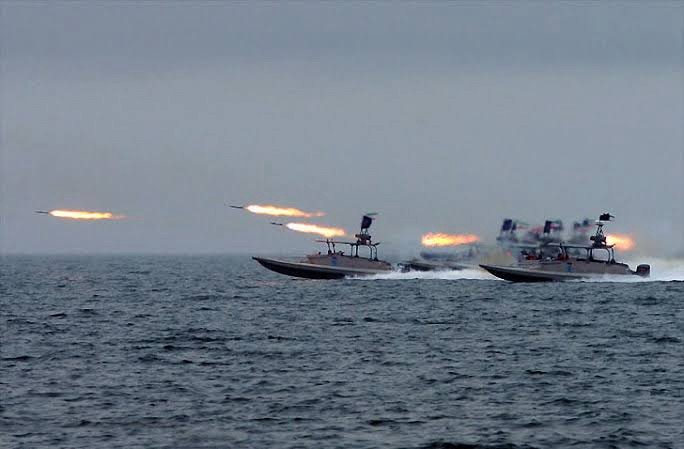
    The M/V Talara departed from the port of Ajman in the United Arab Emirates(UAE), for a short trip to Singapore according to the ships AIS data which can be viewed publicly on maritime tracking services. The British maritime risk assessment group Vanguard reported that the ship was surrounded by Three Iranian IRGC fast attack craft while near the strait of Hormuz. Contact with the ship was lost at this time and at 8:22am local time the ship reportedly turned towards the direction of Iran. It’s last signal was around 12:06PM still on a course towards Iran. 

    Iranian fast attack patrol boats.

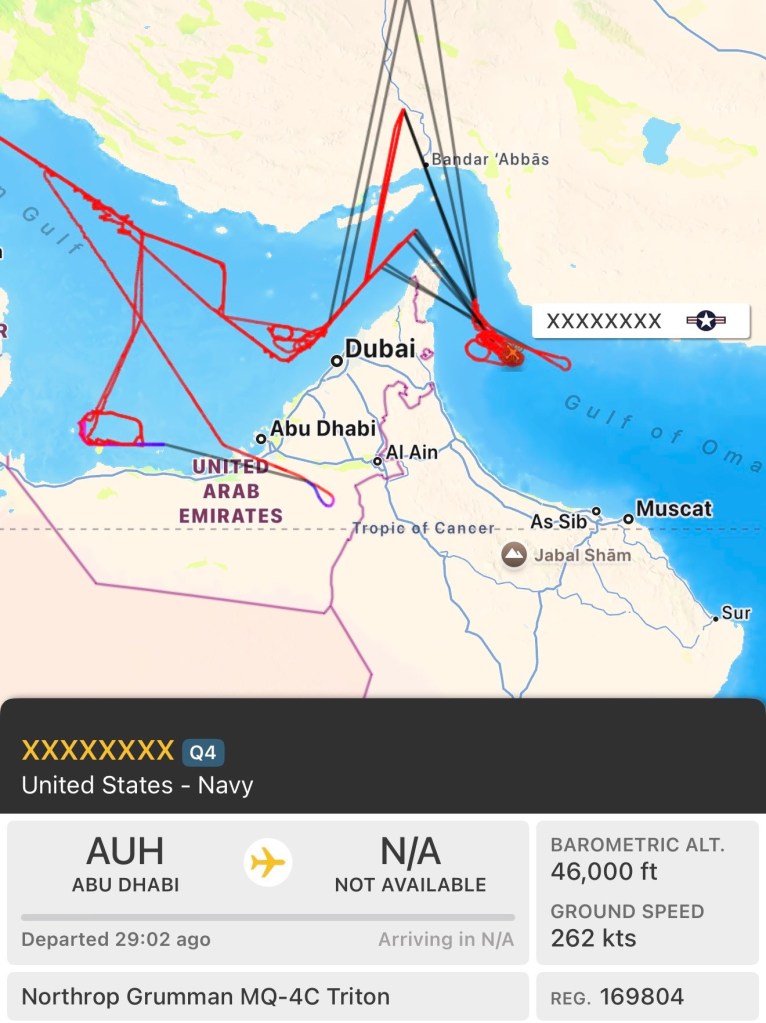
    At the time of the incident a Northrop Grumman MQ-4C Triton with the U.S. Navy was present in the strait and was seen circling the area where the incident took place. According to media reports no damage or casualties are reported at this time. 

    Flight tracking data showing the MQ-4C Triton during the incident. This shows us where the ship was seized and turned towards Iran. The drone never went into Iran, interference can sometimes distort a flight path.

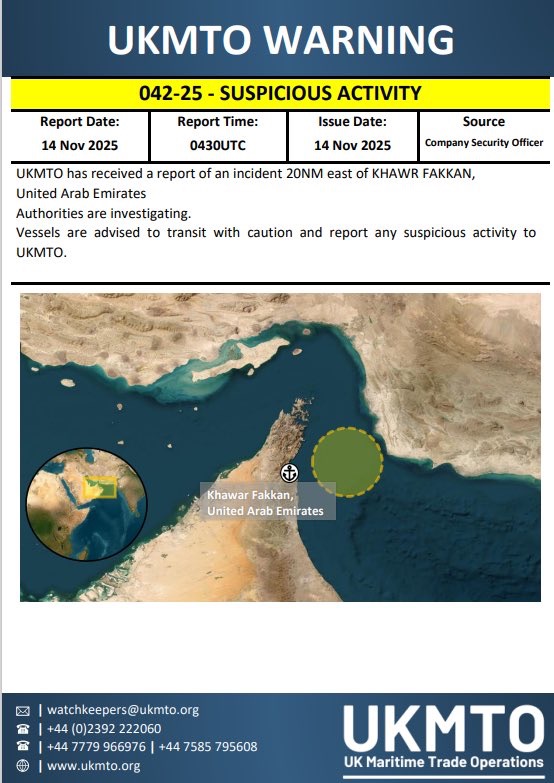
    In a statement Columbia shipmanagement, the company who manages the ship said “The vessel, carrying a cargo of high-sulphur gasoil, was transiting the Indian Ocean during its passage from Sharjah, United Arab Emirates to Singapore when contact was lost at around 0822 local time on Friday, 14 November, 2025 approximately 20 nautical miles off the coast of Khor Fakkan, United Arab Emirates.”

    The company said they are working closely with the relevant authorities. They added “The safety of the crew remains our foremost priority,”

    The ship is owned by the Greek Coronis Family Group of Companies. They have yet to release a statement of any kind. 

    Merchant vessels have been advised of the incident and warned to practice caution while transiting the Strait of Hormuz. 

    The ship is believed to be sitting in port somewhere in the Khuran (or Clarence) Strait, a smaller strait inside of the strait of Hormuz. Tomorrow’s satellite imagery should tell us more.

    Khuran (or Clarence) Strait, where the ship is believed to be held.

  • Fire aboard USS New Orleans (LPD-18) while at anchor in Okinawa Japan

    By. Scott Jackson


    08/21/2025

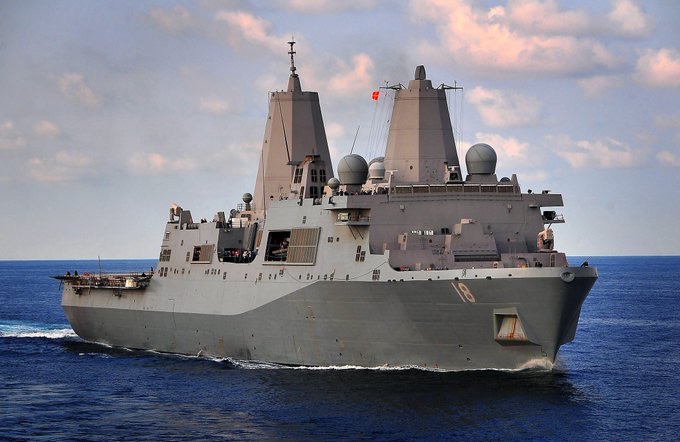
    A fire aboard the San Antonio-class amphibious transport ship USS New Orleans (LPD-18) has, after 12 hours, been extinguished according to the U.S. Navy 7th fleet. The ship was anchored in the harbor at Okinawa at the time of the fire and it at least appears that the marines were not currently on the ship, however 2 sailers received minor injuries during the incident and were treated on board.

    Video during the efforts to control the fire as tugboats cool down the metal of the hull with water.

    The crew fighting the fire was assisted by sailors from another San Antonio-class amphibious transport ship, USS San Diego (LPD-17) which was moored at the White Beach Navel Facility. The crew was also assisted by the Japanese Coast Guard and military.

    At this time the cause of the fire is still under investigation. The ship remains in Nakagusuku bay.

    The New Orleans is apart of the Navy’s forward-deployed amphibious forces based in Japan.

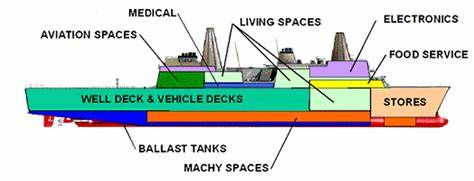
    The fire began at 4:00 PM on August 20th. Judging by where the tugs are spraying it appears the fire started near the living spaces and stores of the ship.

    The navy overhauled how it fights fires after a 2020 fire on the big deck amphibious warship, USS Bonhomme Richard (LHD-6) burned for four days and resulted in the total loss of the ship.