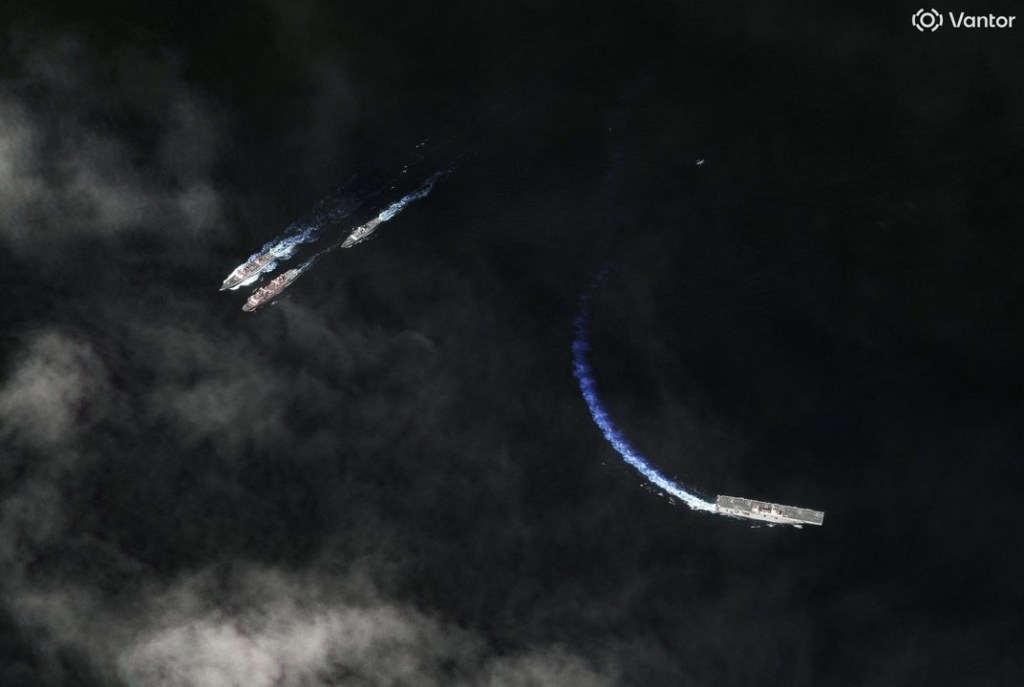
The following incredibly clear images show several PLAN (People’s Liberation Army Navy) vessels operating in the Philippine sea. The images show just a small snapshot of the currently reported 90 vessels operating around parts of the Pacific.
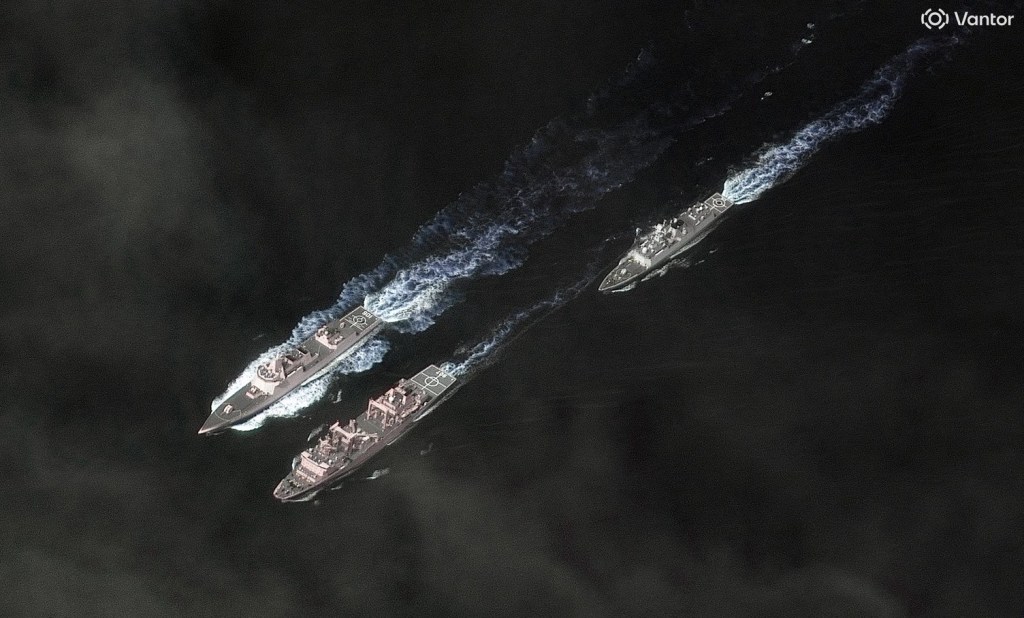
From the left : Type 055/Renhai-class cruiser Yan’an sailing alongside the Type 903A/Fuchi-class replenishment ship, the Luomahu, both tailed by the unidentified Type 054A/JIangkai II-class frigate. Image from Vantor.
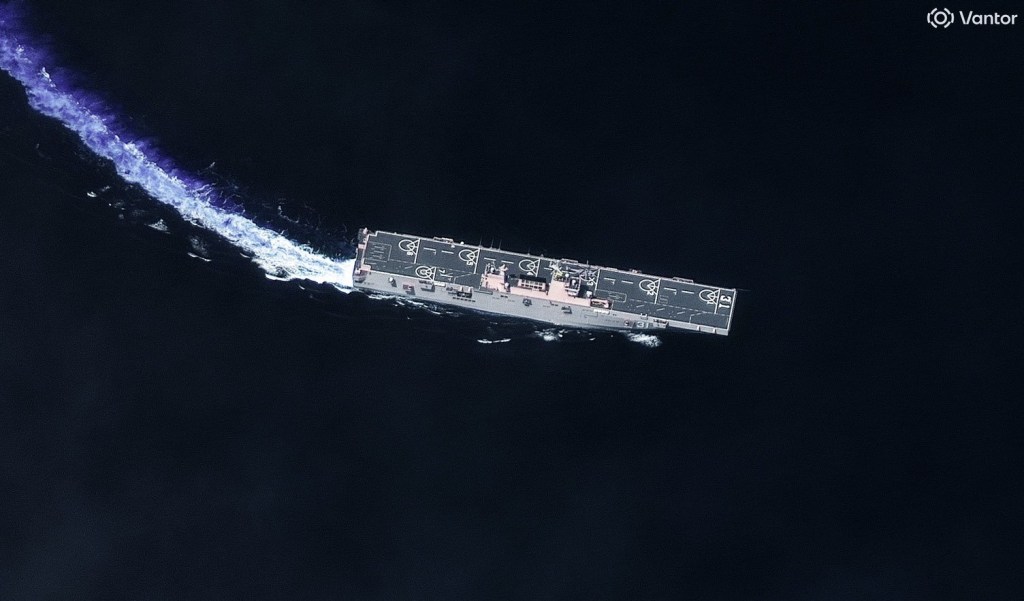
The images are from US satellite company Vantor and show a the Type 055/Renhai-class cruiser Yan’an, an unidentified Type 054A/JIangkai II-class frigate, a Type 903A/Fuchi-class replenishment ship, the Luomahu, and the Type 075/Yushen class LHD, the Hainan.
Type 075/Yushen class LHD, the Hainan.
The ships shown are currently operating in the Philippine Sea, according to officials with the Australian Defense Force.
According to Adm. David Johnson, chief of Australia’s defense force “We are aware the task group is composed of four ships, a Yushen landing helicopter dock assault, a Renhai-class cruiser, a Jiangkai-class frigate and Fuchi-class replenishment vessel, an Australian P-8 observed the task group on the evening of the second of December in the Philippine Sea, approximately 500 nautical miles north of Palau,”
Speaking in a Senate hearing meeting Adm. Johnson said “We will continue to monitor this task group as we learn more about its direction, its purpose and intent,”
Image of Task Group 107 which circumnavigated Australia in early 2025.
In February and March of this year a PLAN task force made waves when it sailed around Australia.Task Group 107 made up of the Jiangkai-class frigate Hengyang, the Renhai-class Cruiser Zunyi, and the Fuchi-class replenishment vessel Weishanhu were tracked throughout their journey by Australian maritime surveillance – Australian P-8 Poseidon aircraft.
Image of a Royal Australian Air Force P-8 Poseidon.
The Task force circumnavigated Australia and at one point carried out live fire drills only several miles outside of the eastern coast of Australia.
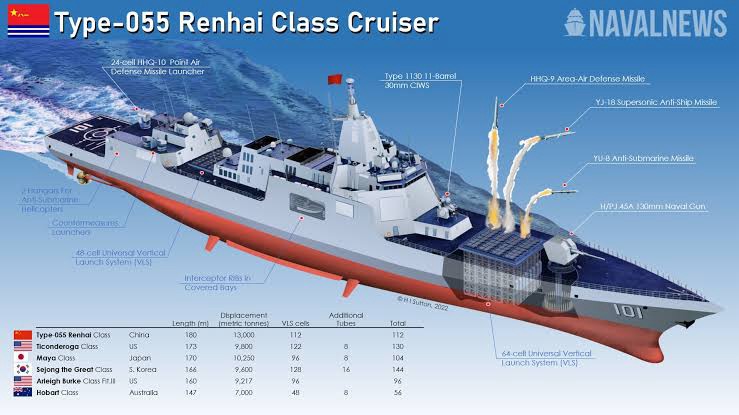
The ships seen in the Vantor image are a good look at the PLAN capabilities.One of its biggest threats is its large destroyer, the Type 55.
The Type 55/ Renhai-class guided- missile stealth cruiser is China’s largest of its missile carrying ships. Technically china classifies this ship as a destroyer but the size makes it more closer to what the rest of the world would consider a cruiser. It has a substantial armament with 112 vertical launchers putting it just under the 122 Ticonderoga and just over the 90-96 cells of the Arleigh Burke. The Renhai-class can launch a mixture of armaments of missiles from these cells. Anti-air, anti-sub, anti-ship and land attack missiles can all be launched from this system. Maritime combat analyst predict that in a conflict the Renhai-class will be used in the second island chain as one of its heavy hitters while smaller class ships defend closer to home. China currently possesses 8 of these. These ships have allowed China to extend its maritime operations further, including to the Middle East.
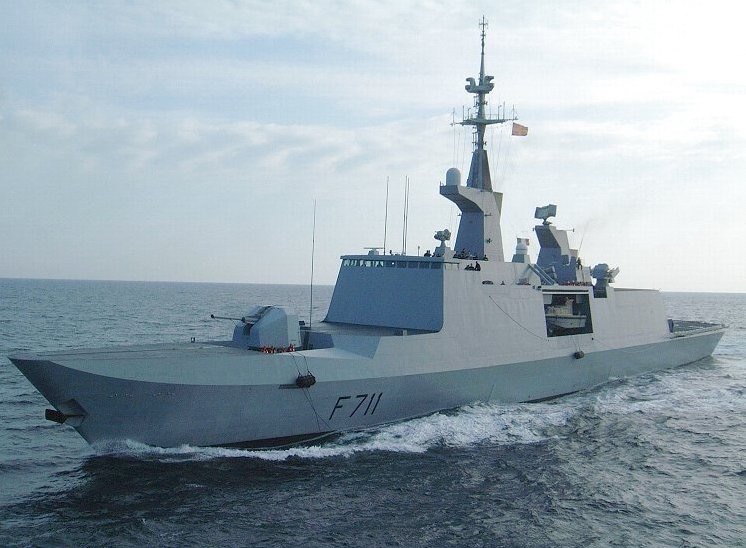
The frigate, a Type 54 JIangkai II-class Is very similar to the Type 55 in that they were both heavily inspired by the French La Fayette-Class stealth frigate.
French La Fayette-Class
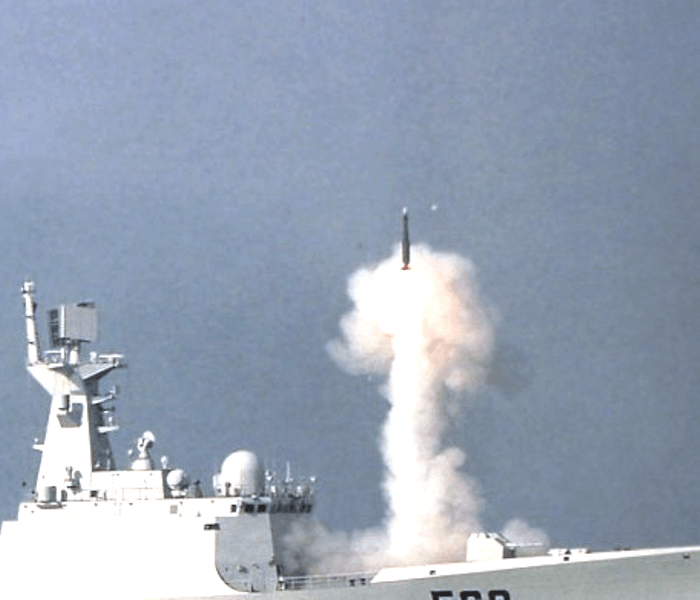
The Type 54 frigate is one of its most numerous ships in the PLAN with around 40 in service. Each carries a 36 cell HHQ-16 vertical launch system designed for medium range air defense.
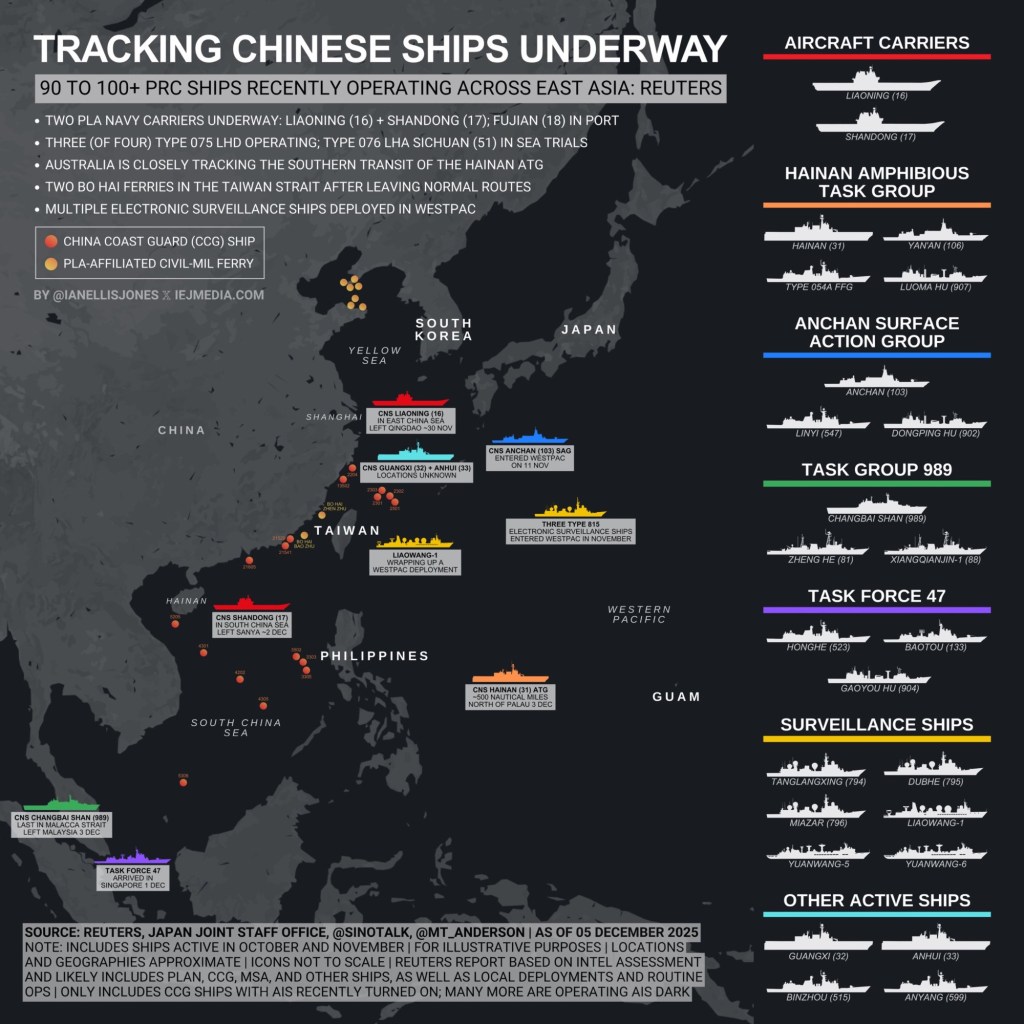
This image was made by Twitter user Ian Ellis. Ellis produces high quality, informative infographics and reports on a wide range of defense topics. This one shows a number of the currently deployed ships in the People’s Liberation Army Navy. The group shown in orange is the ships we have in the satellite images. The locations of the ships were discovered by Ellis and other investigators who track Chinese fleet movements. Several methods can be used for this task, such as Sentinels satellite hub, and maritime tracking services.
I wanted to shout out Ellis for his always quality work. Follow him at @Ianellisjones on Twitter.
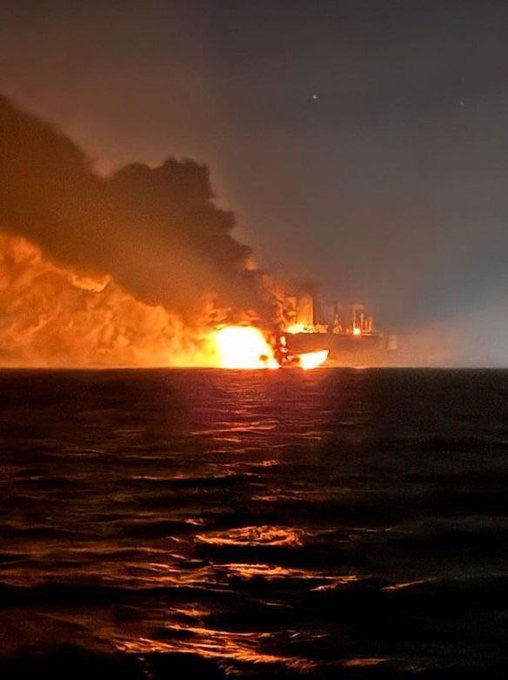
Today Ukraine announced that its military had launched attacks on two sanctioned Russian Oil tankers operating in the Black Sea.
The ships, identified as the Gambian-flagged Kairos and Virat were empty at the time of the attacks and it is reported they were heading to the Russian city of Novorossiysk, a major port and oil hub for Russia especially in the Black Sea region.
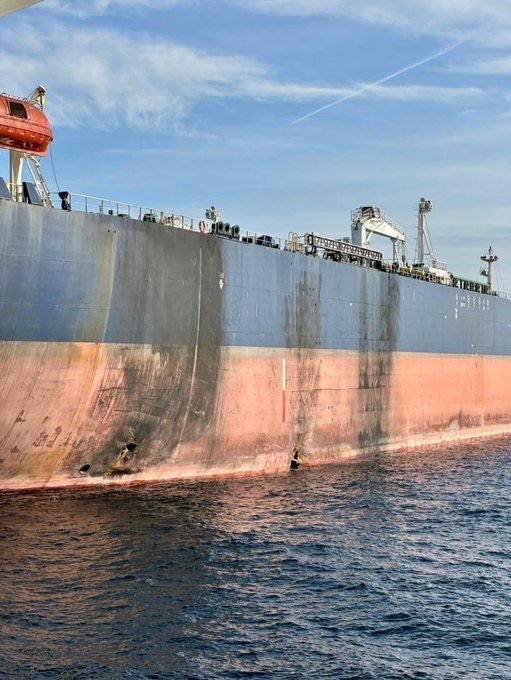
Tanker Virat after the attack. Mostly minor damage on this ship.
During an interview with Turkish broadcaster NTV, Abdulkadir Uraloğlu,the transport and infrastructure minister for Turkey, said the attacks took place within the country’s exclusive economic zone.
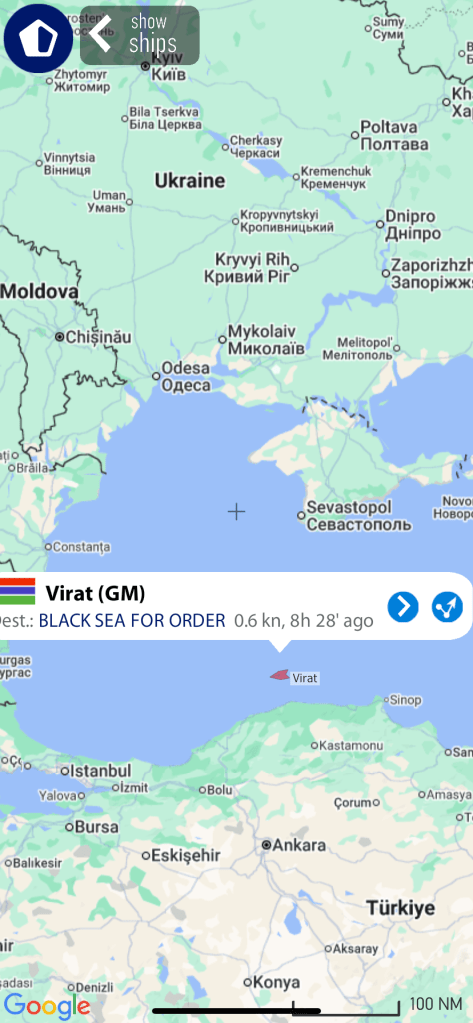
The Russia shadow fleet oil tanker Virat stopped near Turkey after it was attacked by Ukranian sea drones.
This attack is being reported by Ukraine as a joint operation between the SBU’s 13th Main Directorate of Military Counterintelligence with the Ukrainian Navy. The operation was carried out with Ukrainian “Sea Baby” drones which can travel long distances.
Video of the events were relesed across social media.
Морські дрони СБУ Sea Baby уразили в Чорному морі два підсанкційні танкери тіньового флоту РФ KAIRO та VIRAT.
Це була спільна операція 13-го Головного Управління військової контррозвідки СБУ з ВМС України.
The Russian dark fleet oil tankers Kairos (left) and Virat (right) were heavily damaged in the Black Sea yesterday after being targeted by a number of Ukrainian USVs. pic.twitter.com/cH9re9neTM
Both ships attacked have been under sanctions by the UK and European Union. However these two ships and the many more like them continue to find Russia’s nearly four year long war. They continue to haul Russias crude oil and funnel money to Moscow, fueling Russias economy.
“The Russian shadow fleet has become almost a tumour on global shipping,” said Elisabeth Braw, a senior fellow with the Atlantic Council’s Transatlantic Security Initiative.
“The shadow fleet has grown exponentially, and Western governments have tried sanctioning specific vessels … but every time that happens, another vessel enters the shadow fleet.”
These Russian shadow ships often carry “flags of convenience” often being flagged in places with little knowledge or experience in maritime affairs, places like the Gambia and Cook Islands.
Ships that’s are sanctioned have no access to western ports and personnel. They are barred from trading from many nations however are still able to find buyers in China and even in Europe. Some European nations still buy Russian gas and oil either directly or through a third party.
The Russian shadow fleet is made up of as many as a reported 1500 ship as of 2024 highlighting the ineffectiveness of the western sanctions to slow the flow of Russian oil. This is one reason why Ukraine has taken such an interest in targeting Russian oil production choosing instead to attempt to stop it at its source.
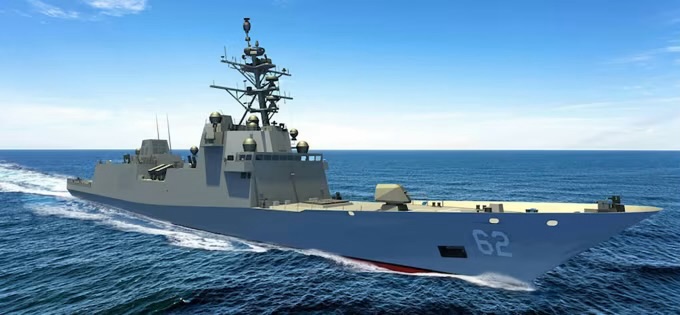
Today, the Secretary of the Navy John Phelan announced that the U.S. navy would be walking away from the Constellation-Class frigate program and putting more effort towards further new class of warships able to be built quicker. The navy says they have a need for 73 small surface ships.
Under terms set with shipbuilder Fincantieri Marinette Marine, the Wisconsin shipyard will finish the first two ships in the series. So Constellation(FFG-62) and Congress (FFG-63) will still be built, however the other four ships that had been ordered will not be.
In the past the plan was for the navy to build 20 of these ships at around $1.1 billion a piece. A navy factsheet called the class a “an agile, multi-mission warship,” capable of operating in open ocean or coastal environments, “providing increased combat-credible forward presence that provides a military advantage at sea,”
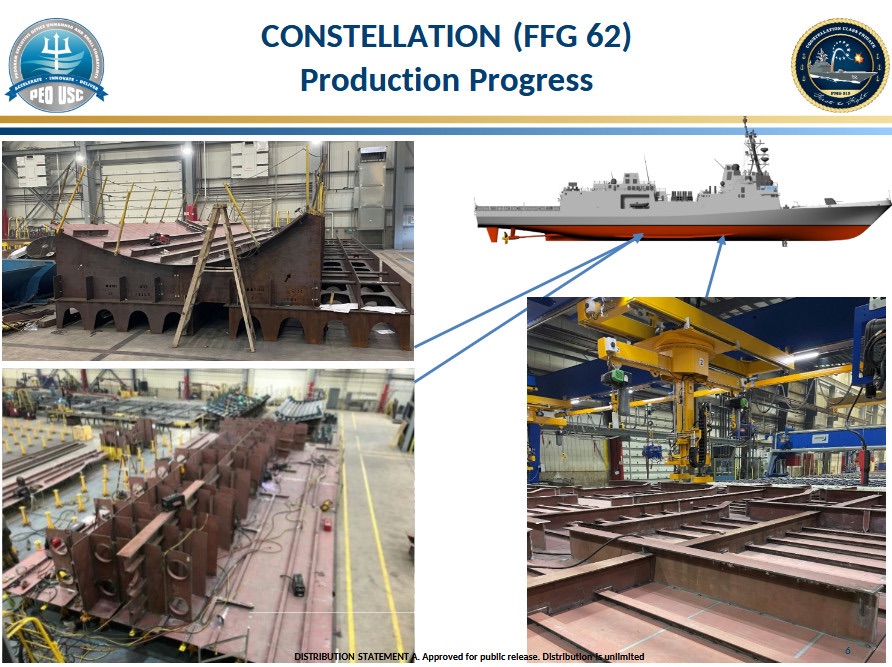
The program’s costs have continued to rise since the original announcement,mostly due to design additions and changes. Recently, images were shared online that showed that the ship was nowhere near complete. At an estimated displacement of 7,200 tons the whole point of the program was to fill a gap between the 10,000-ton Arleigh Burke-class guided-missile destroyers – the workhorse of the US fleet – and 3,500-ton littoral combat ships. (Another ship seen mostly as a failure.) At the beginning of the program the Constellation-Class was seen as a way to get hulls in the water faster, as it was based on an Italian design, with specific modifications for the U.S. navy’s needs. Those modifications are part of what slowed down the production of the ship as those modifications expanded and cost ballooned, leaving the ship being dreadfully behind schedule. Its 2026 launch was pushed to 2029.
An update shared in April of 2025 showing the current progress of the ship.
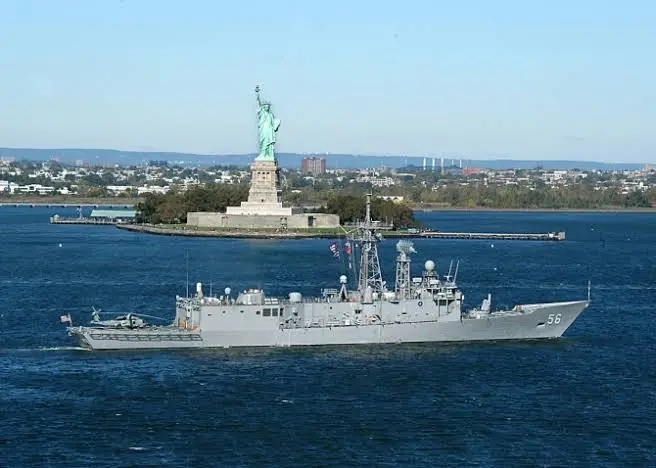
The U.S. navy hasn’t had a frigate in its inventory since the decommissioning of the Oliver Hazard Perry-class USS Simpson (FFG-55) in 2015.
Oliver Hazard Perry-class USS Simpson (FFG-55) passing the Statue of Liberty in New York City.
The Constellation-Class was seen as a way to quickly add ships to the U.S. navy. An important goal now more than ever as the military is allegedly making a shift to counter growing threats in the Pacific. China, according to a Pentagon report, is expected to have around 400 ships(50 of them frigates) in the water by the end of this year, a huge leap from the current U.S. number of 240 ships and submarines. This is troubling to analysts who believe the nation with the larger fleet will win.
“We are reshaping how the Navy builds its fleet. Today, I can announce the first public action is a strategic shift away from the Constellation-class frigate program,” reads the statement from Secretary of the Navy John Phelan. “The Navy and our industry partners have reached a comprehensive framework that terminates, for the Navy’s convenience, the last four ships of the class, which have not begun construction.”
A defense official who is quoted by USNI is quoted saying “A key factor in this decision is the need to grow the fleet faster to meet tomorrow’s threats. This framework seeks to put the Navy on a path to more rapidly construct new classes of ships and deliver capabilities our war fighters need in greater numbers and faster,”
It’s no secret that America has a major shortage in shipbuilding capability allowing the Fincantieri Marinette Marine to continue to operate and build the two Constellation-class ships will keep the workers employed for several more years and allow the shipbuilding firm the chance to bid in future U.S. navy contracts when they are finished.
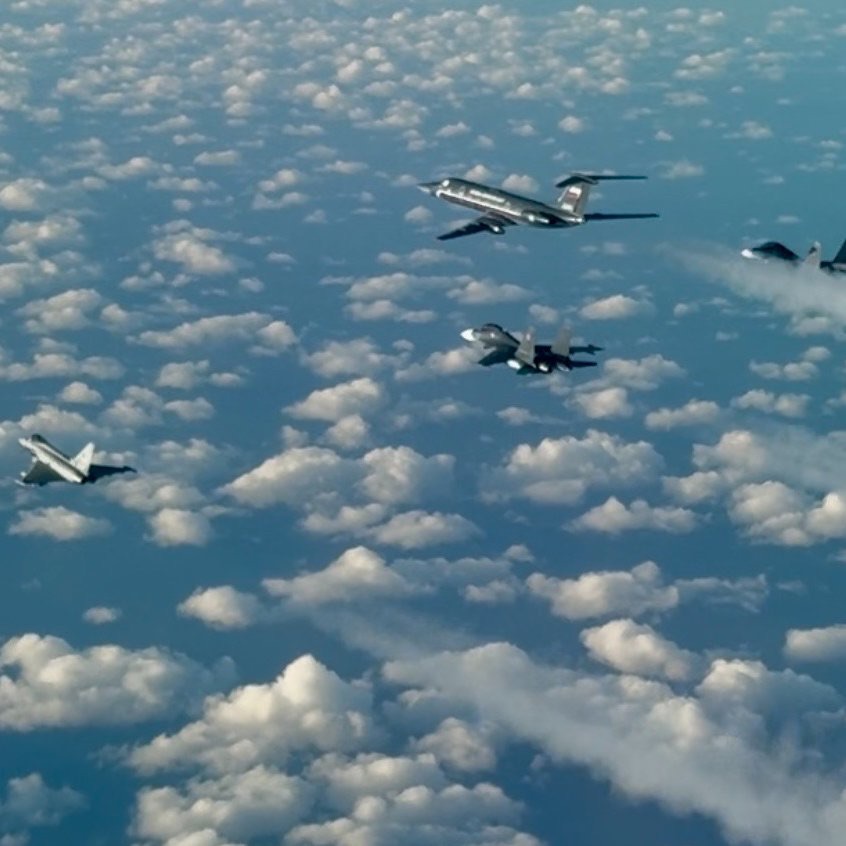
Last week, Italian Aeronautica Militare Eurofighter Typhoons intercepted a TU-134 “Black Pearl” over the Baltic Sea while taking part in their routine Baltic Air Policing (BAP). The Black Pearl is a pretty rare sight only spotted in the Baltic twice since 2020. “Black Pearl” is the name given to the plane by western military analysts, its actual NATO designation is “Crusty-B”.
The Typhoons were stationed at Ämari Air Base in Estonia. They recently replaced the Italian F-35’s that were stationed at the same base. The Italians are taking part in the multinational NATO operation Eastern Sentry.
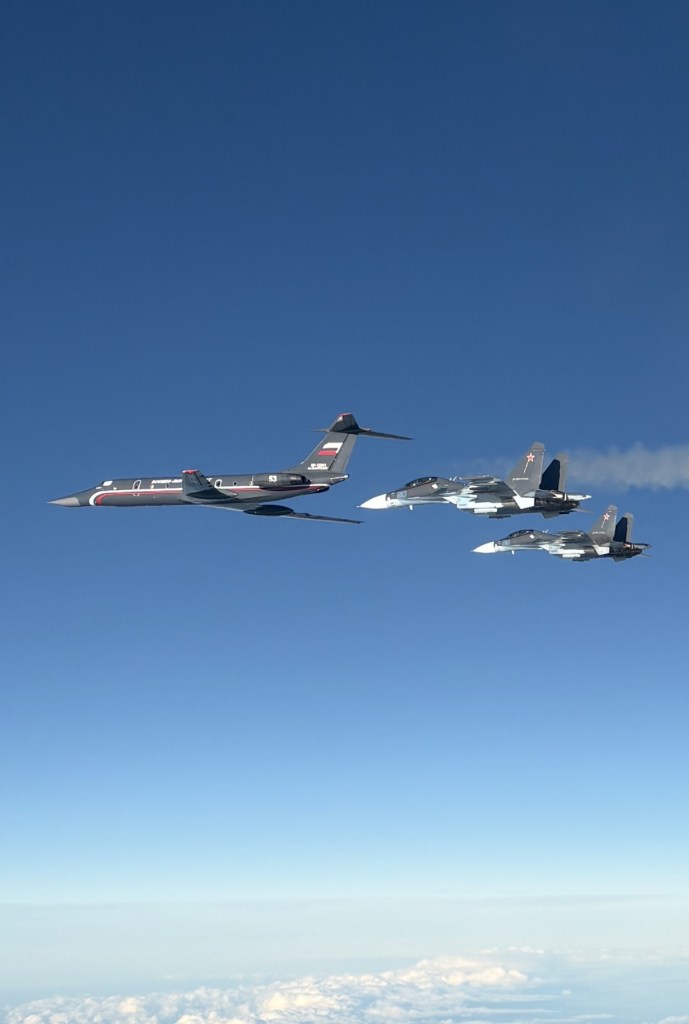
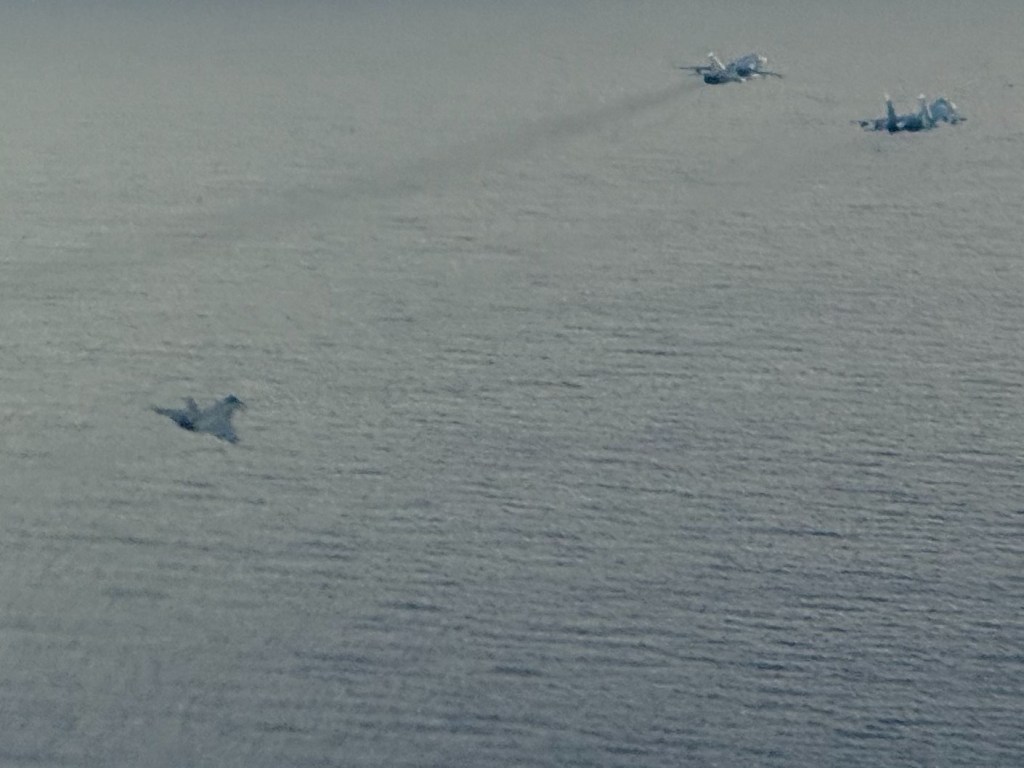
The TU-134 “Black Pearl” accompanied by two Su-30SM2 and a SU-24.
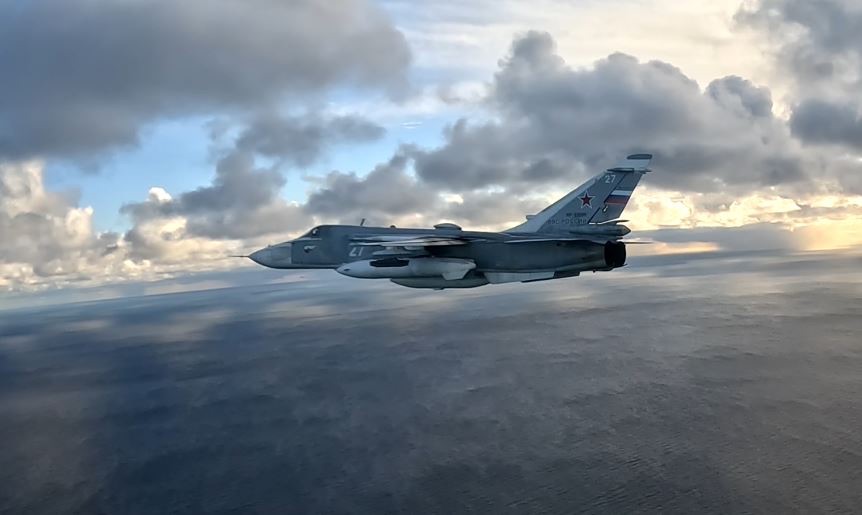
At the time of interception of “The Black Pearl”, a modified version of the civilian Tupolev TU-134, the district plane was being accompanied by two Sukhoi Su-30SM2 “Flankers” and what is believed to be a Su-24MR “Fencer”. The “Flankers” are operated by the Russian Navy, while the “Fencer” is from the Russian Air Force.
Sukhoi Su-24 Flanker. Italian Typhoon tailing the two SU-30’s.
The Black Pearl is a Tu-134UBL (now Tu-134A-4 VIP transport) that was at one time used to train pilots and navigators of Russia’s strategic bomber forces. Anything from the Tu- 160’s to the Tu-22M3 and Tu-95MS. The Russians added a very sharply pointed, bomber-like nose and a black paint job. The jet is now mostly used as a VIP transport. As it was encountered over the Baltic it’s likely it was hauling Russian VIPs to the Russian enclave in Kaliningrade.
NATO air command shared the images on November 21st, but implied that the images weren’t taken that day.
Over the last week 🇮🇹 jets deployed at Amari 🇪🇪scrambled to intercept multiple 🇷🇺 assets. NATO Air Policing in the Baltic region ensures security of @NATO airspace under Eastern Sentry#EasternSentry is enhancing flexibility and strength to NATO's posture on the eastern flank pic.twitter.com/UElLnTi7VJ
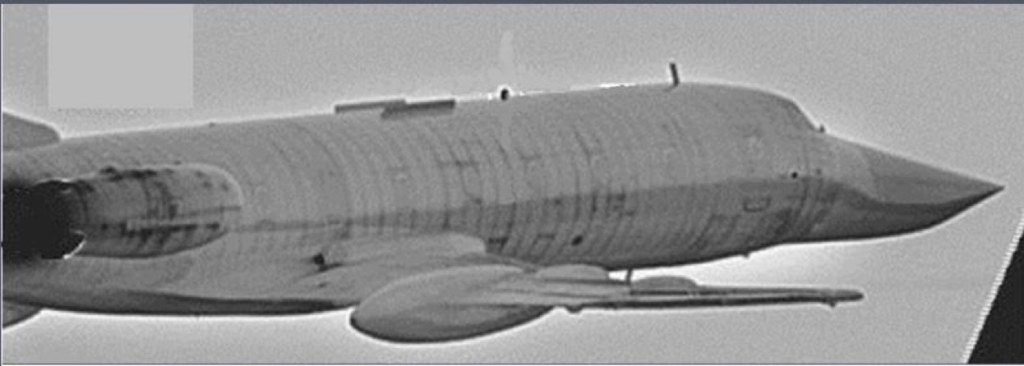
The plane was intercepted in 2020 by F-16’s from the Belgium Air Force that were also conducting a BAP. They managed to capture an inferred image of the plane from the F-16’s Sniper Advanced Targeting Pod.
IR imagery of the Black Pearl taken from the Sniper pod of a Bulgarian F-16.
The Black Pearl is an interesting variant of an aircraft that you don’t see very much anynore.
It’s believed the Black Pearl was shepherding the fighters for delivery to the 4th Guards Naval Assault Aviation Regiment of the 34th Mixed Aviation Division, assigned to Baltic Fleet Aviation and based at Chernyakhovsk Air Base in Kaliningrad, according to KEY.AERO.
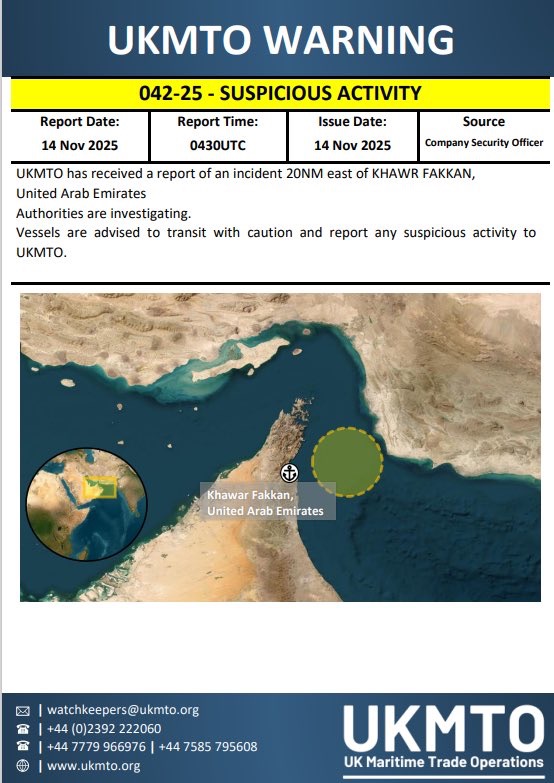
This morning(11.14.2025), the Greek owned, Marshall Islands flagged crude oil tanker M/V Talara was ambushed and seized by forces of the Iranian Revolutionary Guards Corp(IRGC) while transiting the Gulf of Oman.
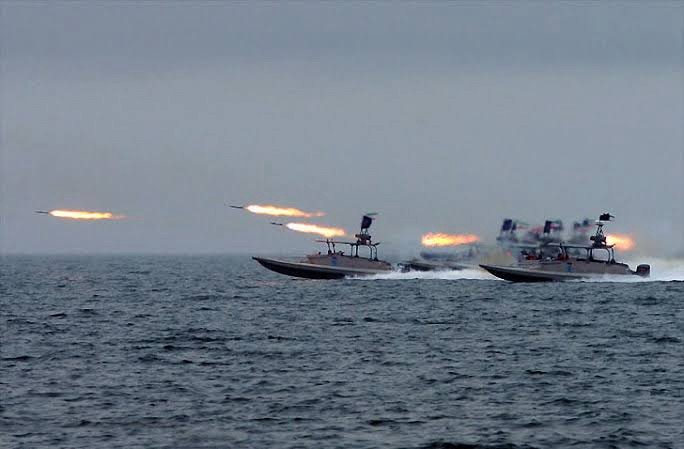
The M/V Talara departed from the port of Ajman in the United Arab Emirates(UAE), for a short trip to Singapore according to the ships AIS data which can be viewed publicly on maritime tracking services. The British maritime risk assessment group Vanguard reported that the ship was surrounded by Three Iranian IRGC fast attack craft while near the strait of Hormuz. Contact with the ship was lost at this time and at 8:22am local time the ship reportedly turned towards the direction of Iran. It’s last signal was around 12:06PM still on a course towards Iran.
Iranian fast attack patrol boats.
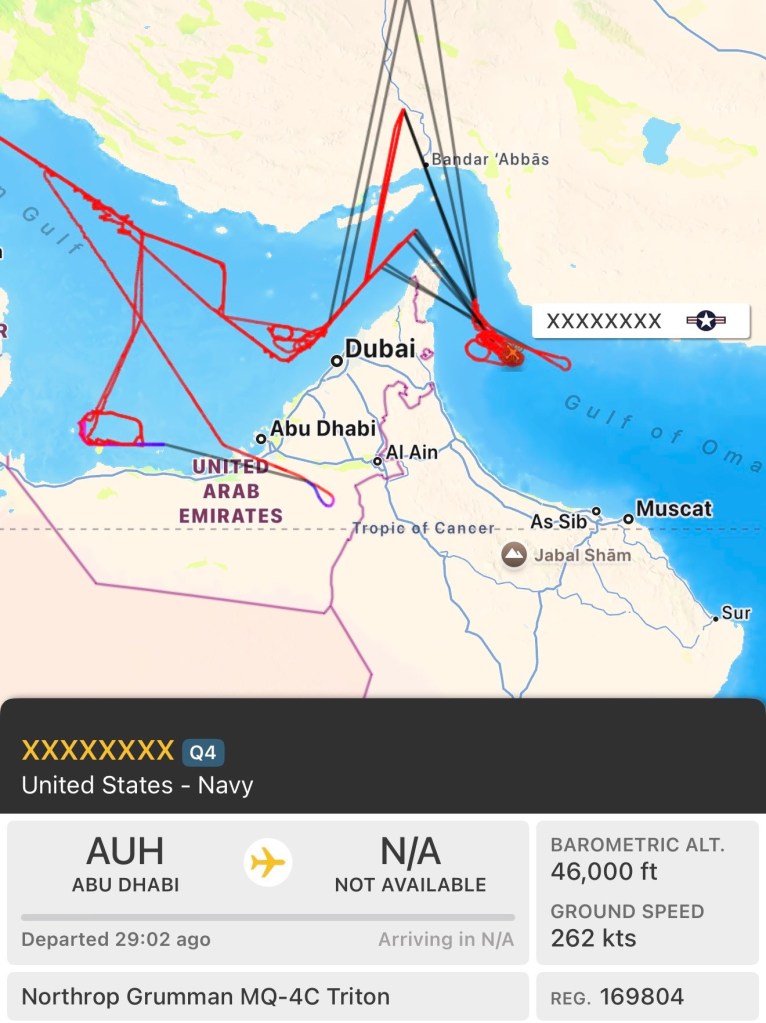
At the time of the incident a Northrop Grumman MQ-4C Triton with the U.S. Navy was present in the strait and was seen circling the area where the incident took place. According to media reports no damage or casualties are reported at this time.
Flight tracking data showing the MQ-4C Triton during the incident. This shows us where the ship was seized and turned towards Iran. The drone never went into Iran, interference can sometimes distort a flight path.
In a statement Columbia shipmanagement, the company who manages the ship said “The vessel, carrying a cargo of high-sulphur gasoil, was transiting the Indian Ocean during its passage from Sharjah, United Arab Emirates to Singapore when contact was lost at around 0822 local time on Friday, 14 November, 2025 approximately 20 nautical miles off the coast of Khor Fakkan, United Arab Emirates.”
The company said they are working closely with the relevant authorities. They added “The safety of the crew remains our foremost priority,”
The ship is owned by the Greek Coronis Family Group of Companies. They have yet to release a statement of any kind.
Merchant vessels have been advised of the incident and warned to practice caution while transiting the Strait of Hormuz.
The ship is believed to be sitting in port somewhere in the Khuran (or Clarence) Strait, a smaller strait inside of the strait of Hormuz. Tomorrow’s satellite imagery should tell us more.
Khuran (or Clarence) Strait, where the ship is believed to be held.
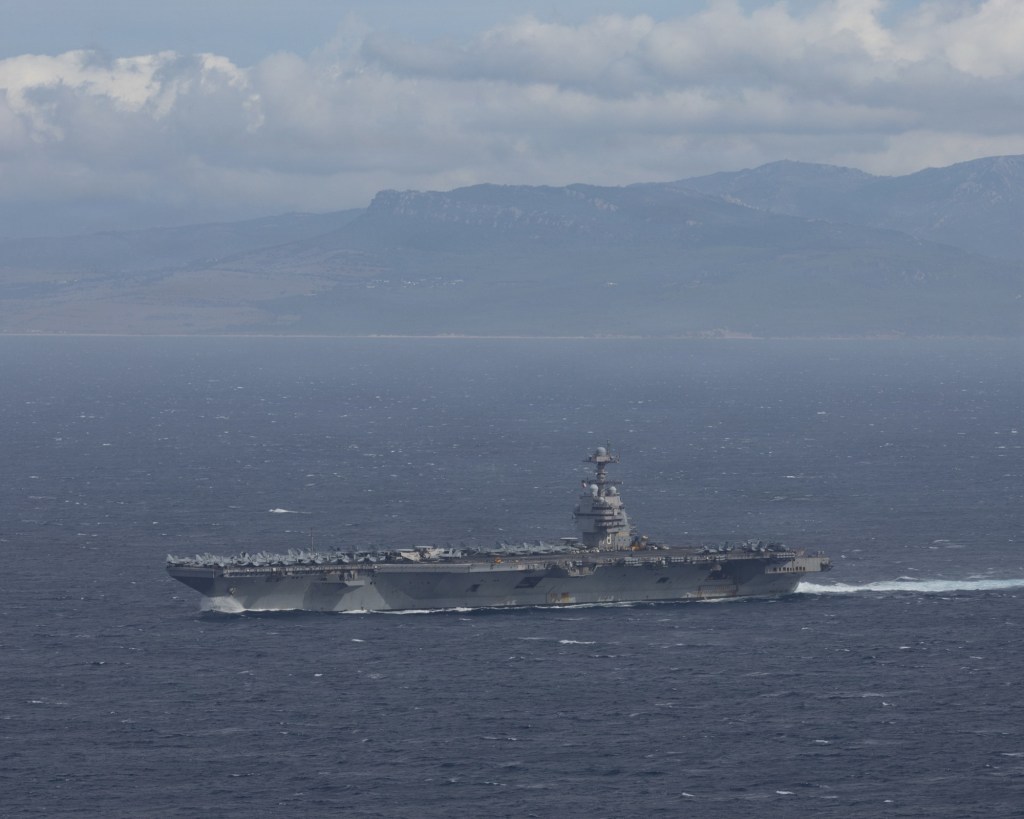
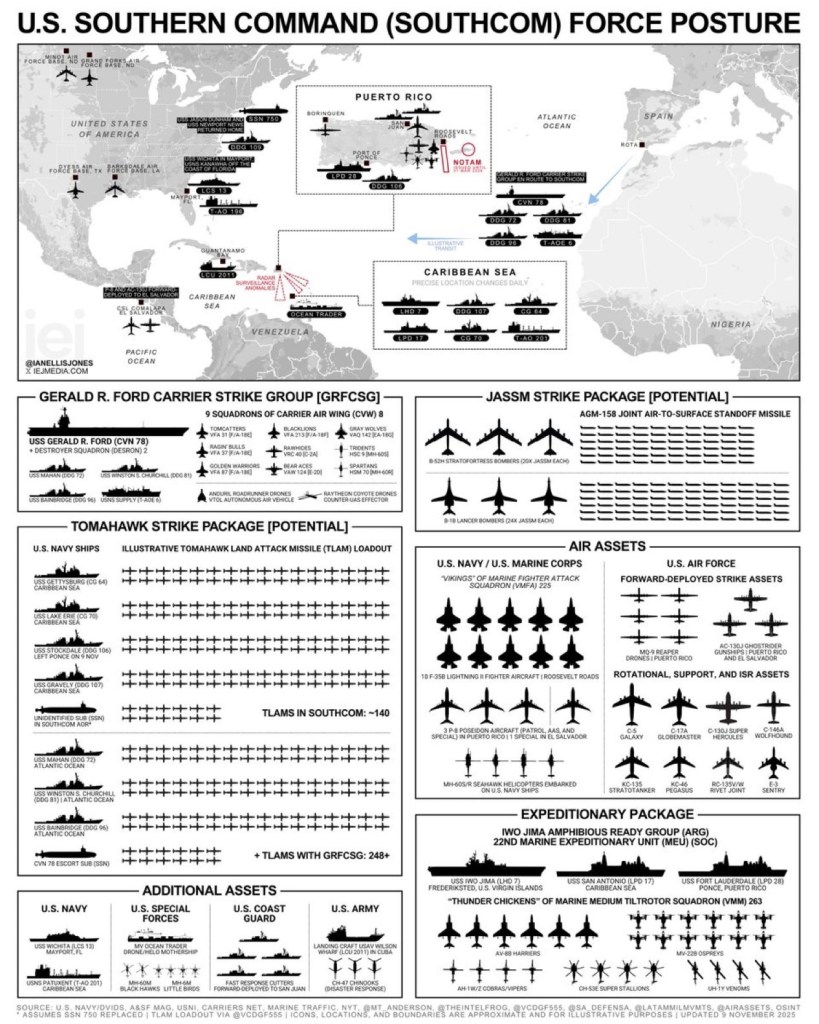
Today the USS Gerold R.Ford (CVN-78) , a Ford-Class nuclear powered aircraft carrier, has entered the waters of the Caribbean, joining the fourth fleet and coming under the command of US SOUTHCOM(Southern Command). The Ford, its escorts and its Carrier Air Wing are just the most recent additions in a large military buildup, adding to the tensions in the region.
“The enhanced U.S. force presence in the USSOUTHCOM AOR will bolster U.S. capacity to detect, monitor, and disrupt illicit actors and activities that compromise the safety and prosperity of the United States homeland and our security in the Western Hemisphere,” said Chief Pentagon Spokesperson Sean Parnell. “These forces will enhance and augment existing capabilities to disrupt narcotics trafficking and degrade and dismantle Transnational Criminal Organizations.”
This deployment to the region was ordered by Washington at the tail end of November.
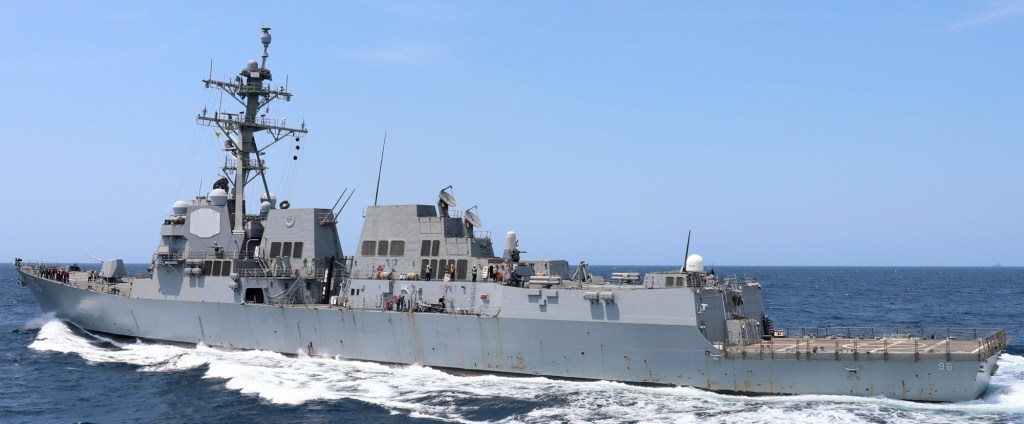
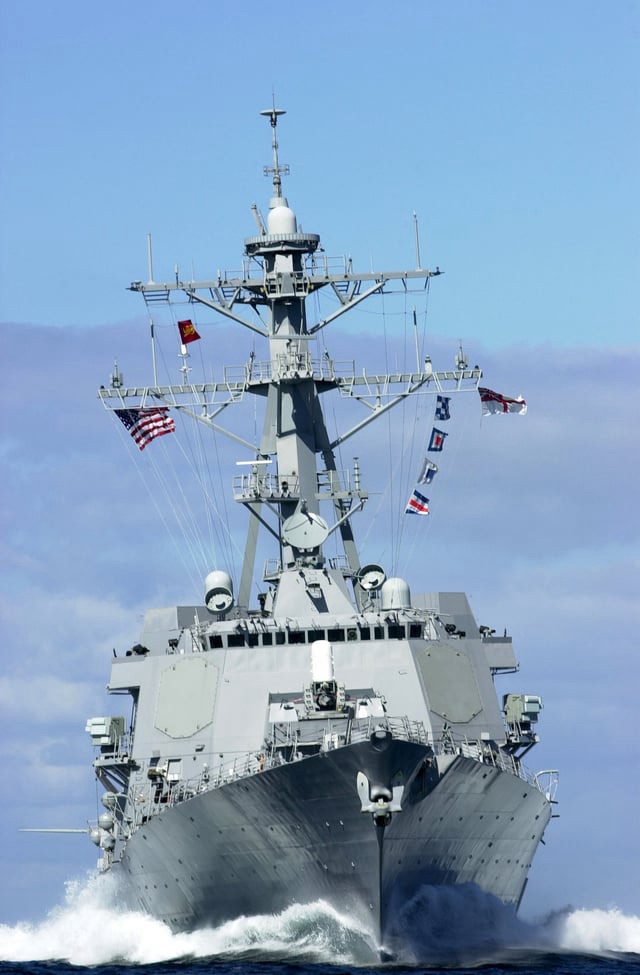
According to the navy’s statement on their website the Ford is supported by Destroyer Squadron Two’s Arleigh Burke-class guided-missile destroyers USS Bainbridge (DDG 96) and USS Mahan (DDG 72), and the integrated air and missile defense command ship USS Winston S. Churchill (DDG 81).
USS Bainbridge (DDG-96)USS Mahan (DDG-72) USS Winston S. Churchill (DDG 81)
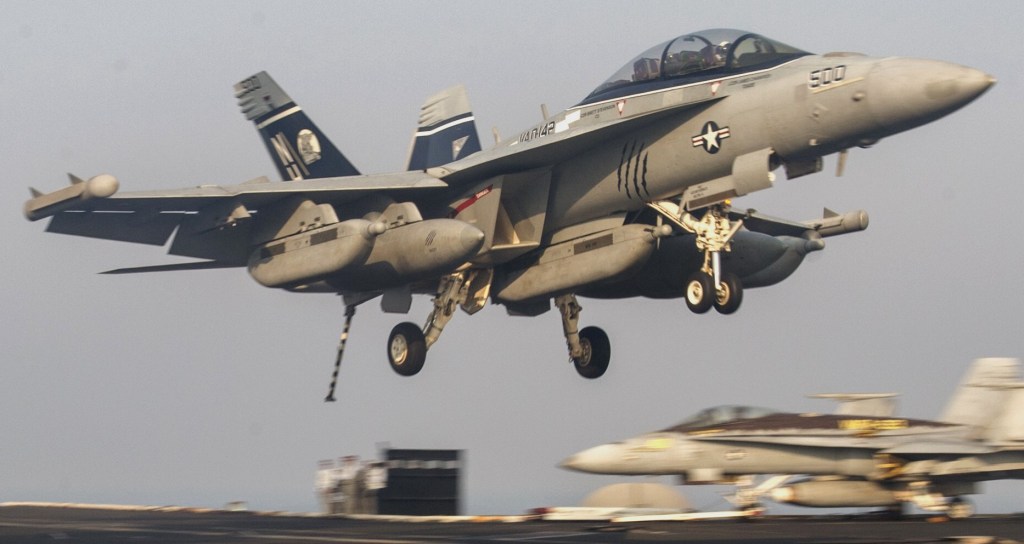
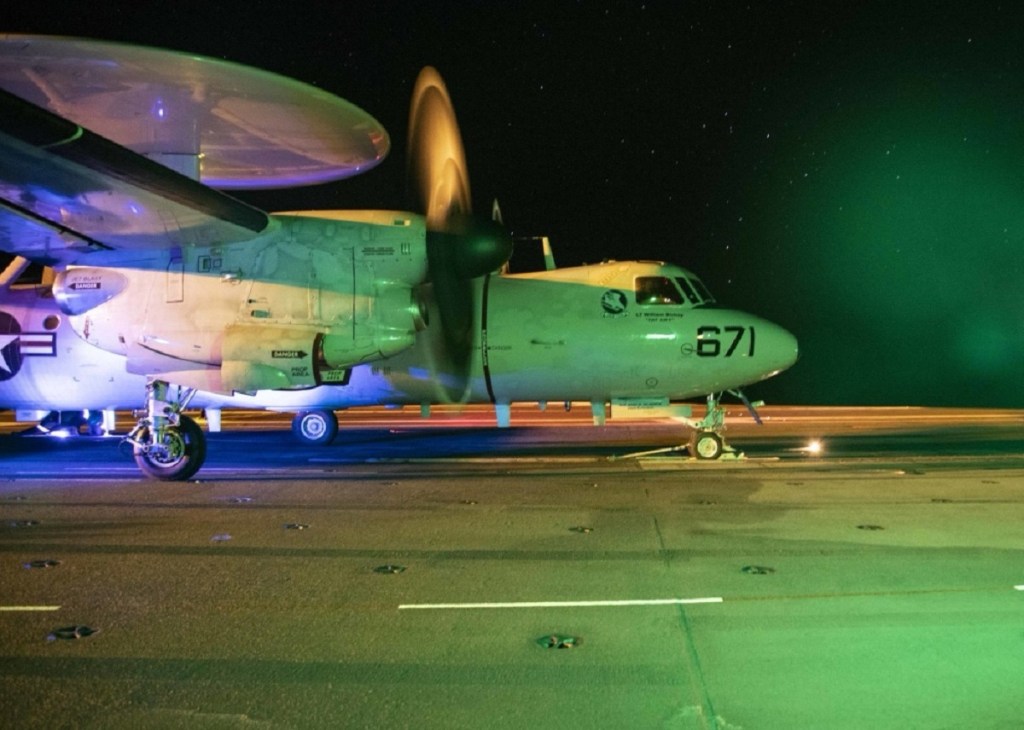
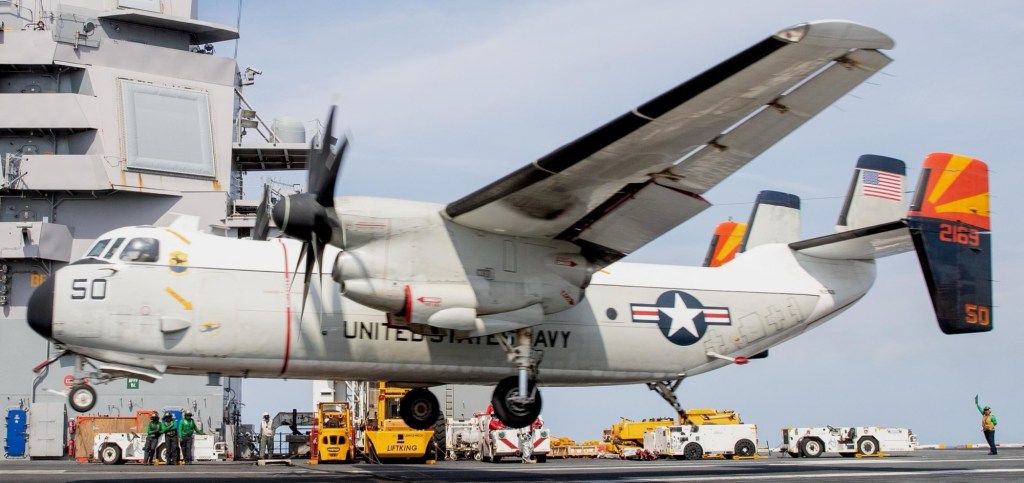
The embarked squadrons aboard Gerald R. Ford include Strike Fighter Squadron (VFA) 31, VFA 37, and VFA 87, flying the F/A-18E Super Hornet; VFA 213, flying the F/A-18F Super Hornet; Electronic Attack Squadron 142, flying the E/A-18G Growler; Airborne Command and Control Squadron 124, flying the airborne command and control E-2D Advanced Hawkeye; Helicopter Sea Combat Squadron (HSC) 9, flying the MH-60S Seahawk; Helicopter Maritime Strike Squadron (HSM) 70, flying the MH-60R Seahawk; and a detachment from Fleet Logistics Support Squadron (VRC) 40, flying the Carrier Onboard Delivery C-2A Greyhound.
F/A-18F Pilot LCDR Jamie R. Struck the makes first carrier arrested landing using AAG system aboard USS Gerald R. Ford (CVN-78) off the Virginia coast. US Navy PhotoEA-18G Growler with Electronic Attack Squadron 142E-2D Advanced Hawkeye Two Carrier Air Wing 8 MH-60S Sea Hawks, attached to Helicopter Sea Combat Squadron 9, fly in formation over the world’s largest aircraft carrier, USS Gerald R. Ford (CVN 78), during an aerial change of commandCarrier Onboard Delivery C-2A Greyhound.
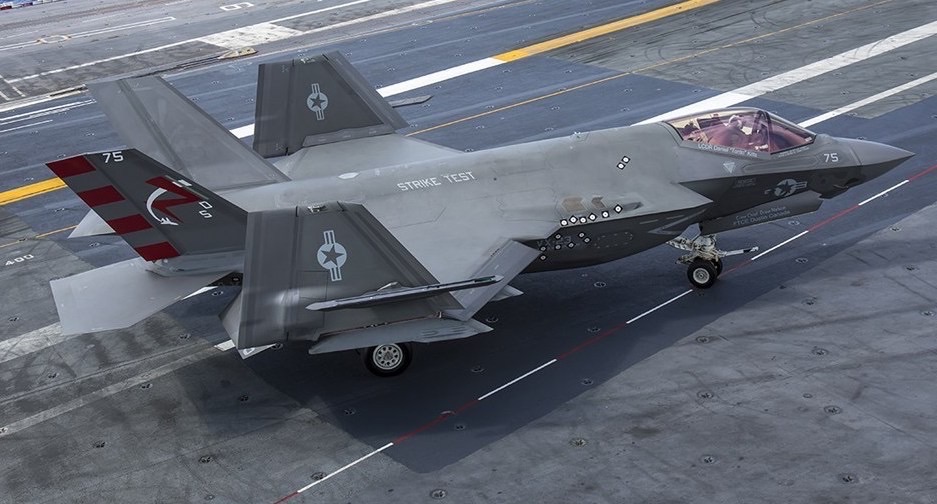
The Ford has yet to undergo its refit which will allow it to launch the F-35C’s so its combat air wing is made up entirely of Super Hornets.
Carrier capable F-35C Lightning II
Background
The U.S. for the past month has been carrying out a large number of strikes aimed at curtailing the drug trade coming into America. The White House has singeled out Venezuela as a large contributor to that issue and has called for Venezuelan President Maduro to crack down on cartels operating in his country. The U.S. military has carried out 19 strikes so far on alleged drug smuggling boats out at sea. The White House says these boats (and one semi-submersible) were moving drugs towards America.
Yesterday, at the direction of President Trump, two lethal kinetic strikes were conducted on two vessels operated by Designated Terrorist Organizations.
These vessels were known by our intelligence to be associated with illicit narcotics smuggling, were carrying narcotics, and… pic.twitter.com/ocUoGzwwDO
SecDef Pete Hegseth’s Twitter post that showed video of two separate strikes on two suspected drug boats.Attack platform unknown.
If all of these boats carried drugs then potentially thousands of pounds of life shattering narcotics have been removed from the markets, however that is barely a fraction of the drugs suspected to be moving through America’s cities and streets daily. There is no data about exactly how much illegal narcotics comes into America each day but judging by the almost 3000 pounds the authorities catch coming in daily it’s thought to be many times more.
While Venezuela isn’t the only origin of the drugs on America’s streets it is one of them, with cartels dealing in large amounts of narcotics, mostly cocaine. The opioid synthetic fentanyl is not believed to be being shipped through Venezuela, as much as the White House had made that claim. Fentanyl is largely produced in Mexico, with the precursor chemicals coming from China. It’s smuggled across the border at the Mexican/American border crossing as well as ports and even airports. With that being said the White House has also made statements about working with the Mexican government to fight the cartels there, using US special operations forces and Central Intelligence Agency agents.
Venezuela’s main cartel that the White House has focused on is the Cartel of the Sons (Cartel de los Soles). This cartel is thought by the Trump administration to be headed by Venezuelan President Nicolas Maduro, as well as other high ranking members of the Venezuelan armed forces.
If the U.S. carries out ground strikes against cartel targets, especially cartel leadership there is a strong possibility it will lead to an open war being declared on the U.S. by Venezuela, especially as Maduro believes that Donold Trump is trying to remove him from power.
Analysis:
It’s believed that with the arrival of the USS Ford and its strike group the U.S. military will eventually carry out ground strike missions with the intent of striking cartel targets linked to drug storage and production. That would cause the Venezuelan military to respond. We know they will because they have essentially said that they would. They have already started moving air defense systems and reaching out to their allies for support. Russia has sent several large transport planes to the country in recent weeks.
The U.S. has built a sizable force in the region as shown in the image below. Five Arleigh Burke Guided missile destroyers and two Ticonderoga-Class Guided missile cruisers make up the bulk of the missile attack capability that’s close by. We also have at least one submarine, likely two of the carrier came with her own as an escort.
We don’t know if the U.S. will launch these strikes but Trump has signaled multiple times that this is a direction he wants to move in, even saying “the land is going to be next” following multiple strikes on alleged drug-trafficking vessels.
Venezuelan media reported as this article was being finalized that they were mobilizing mass amounts of people and were preparing to mount a guerrilla style defensive in the event the U.S. tries to land soldiers in the country.
Maduro on state TV mentioned a “prolonged resistance” with small teams spread across the country carrying out sabotage missions and other insurgent/guerrilla tactics.
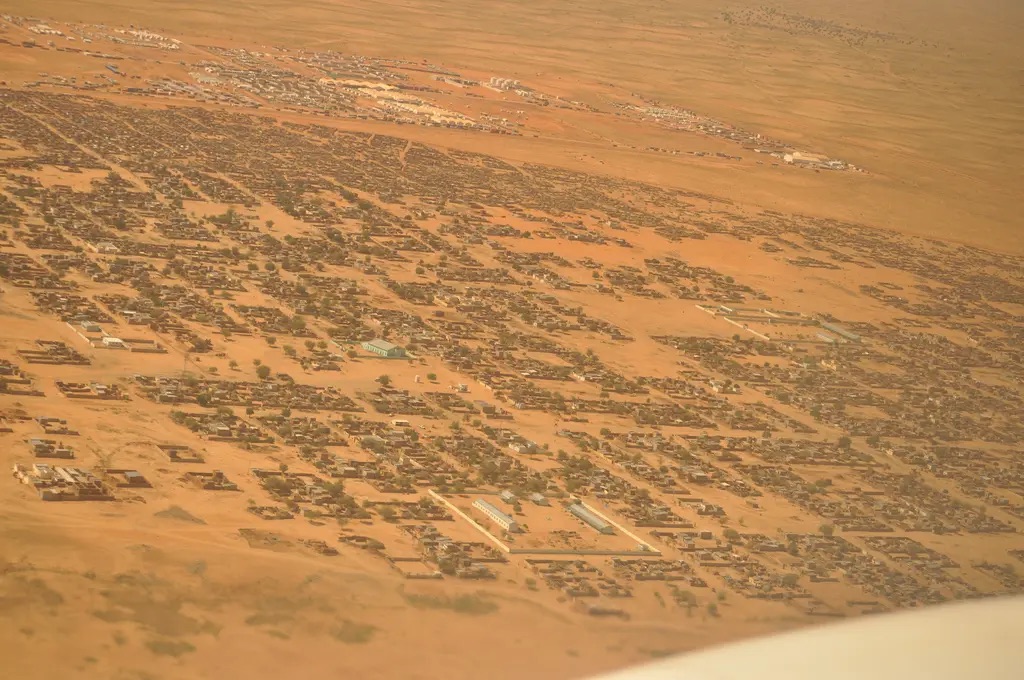
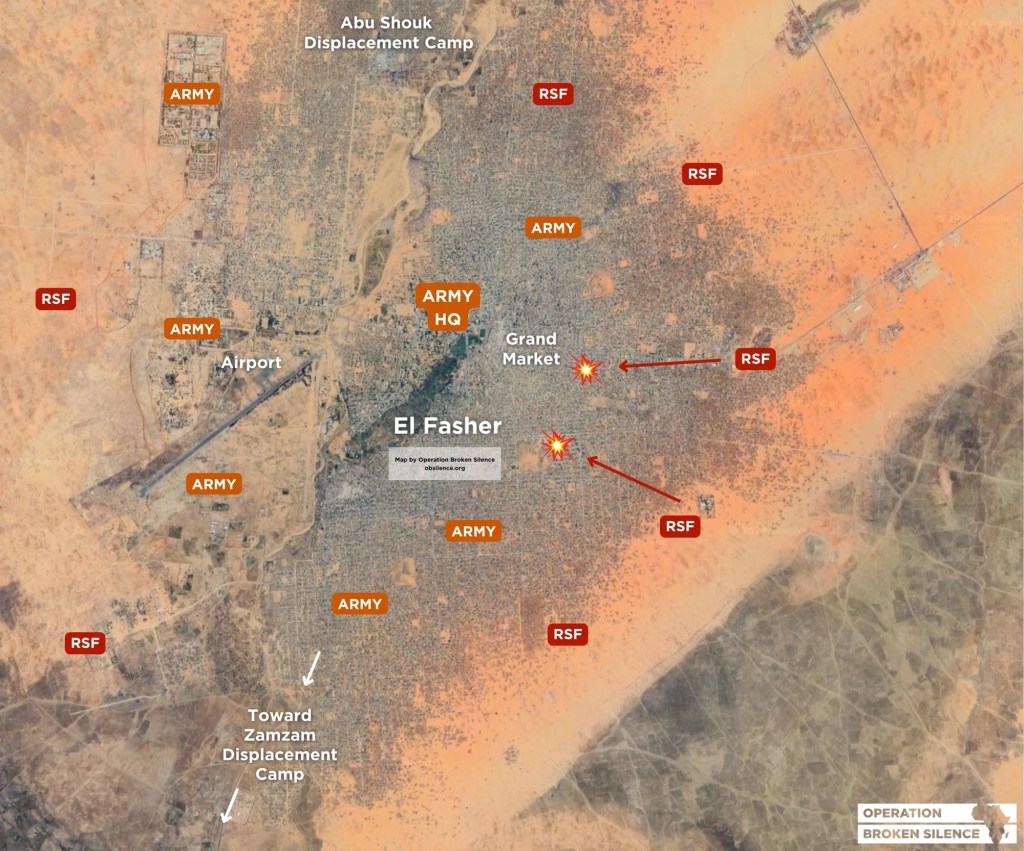
The city of El-Fashar is in the Darfur province in the western region of Sudan. For the past eighteen months the city has been under a constant siege by members of the Rapid Support Force, or RSF.
The people of Sudan, for the last two years have found themselves trapped between a rock and a hard place. Since April in 2023 two rival factions of the Sudanese military have fought a bloody war for control of the country. Sudan is one of the most bloodied countries in the modern day with millions dead over the course of 20 something military coups and at least 3 civil wars since the 1950’s.
This article looks at the background of that war, some of the players, and recent events.
Background
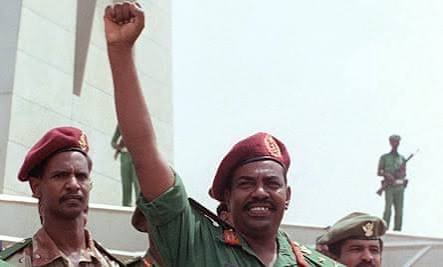
Omar al-Bashir who ruled as president of Sudan before being overthrown by two of his Generals.
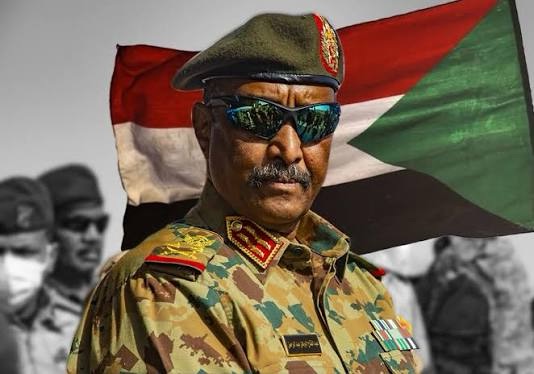
Tensions arose in 2019 between the Sudanese Armed Forces (SAF) led by the country’s current de facto leader General Abdel Fattah Al-Burhan, and Mohamed Hamdan Dagalo, better known as his Hemedti, the leader of the RSF, couldn’t agree on who should lead the country after they came together to overthrow the President, Omar al-Bashir, who came to power in a coup in 1989.
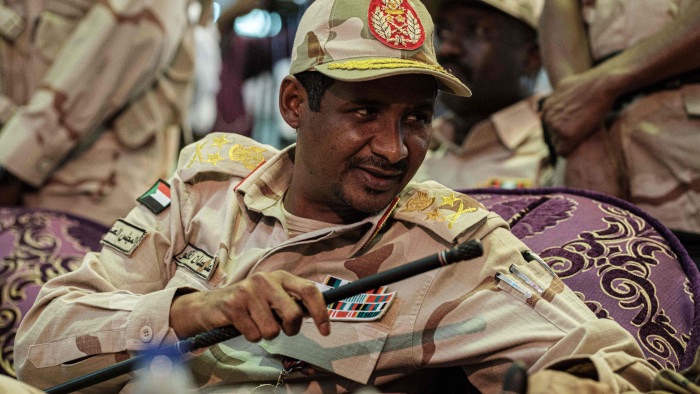
General Abdel Fattah Al-Burhan, De facto leader of Sudan and leader of the SAF. Mohamed Hamdan Dagalo, better known as his Hemedti, the leader of the RSF.
After the overthrow of Bashir the people called for more democracy. They have been through military rule before and weren’t thrilled with the idea of doing it again so an agreement was made to establish a joint civilian/military government. It was short-lived and overthrown in 2021 by General Abdel Fattah Al-Burhan and Hemedti. At the time Al-Burhan was the leader of the country and Hemedti was Al-Burhan’s deputy. This is when the disagreements between the two men started with the tipping point being the attempt to fold the 100,000 man strong Rapid Support Force into the Sudanese army and who would lead that army.
There is some dispute to what side shot first, but the shooting started in April lf 2023 when RSF forces were being redeployed to various different locations around the country. The SAF saw this movement as a threat and from there thr battle for control of the capital city Sudan, Khartoum began. The RSF quickly took most of the city and was only just in March of 2025 pushed back out.
The Siege of El-Fashar.
The siege of El-Fashar (also called Al-Fasair) started 18 months ago in may of 2024. From the very start RSF forces halted the flow of humanitarian aid trucks from reaching the city causing mass starvation and an overall worsening condition for those inside the city. The city is important to the SAF as it is their last remaining stronghold in the Darfur region.
During the siege the RSF would regularly shell the city with artillery, causing widespread destruction and deaths. In the first month of the siege the Médecine Sans Frontières (Doctors without Borders) reported widespread injury and death, over 140 had been injured and brought to their facilities in El-Fashir with the majority of the number being civilians. By April 21st they reported 44 killed and 279 wounded. The conditions in the city led to widespread looting, including the hospital. The destruction of the Abu Shouk refugee camp, home to over 100,000 displaced people was burnt to the ground in late April.
A brief ceasefire was held in late April and held until May 12th. During the ceasefire SAF and RSF held positions to the East and West of the city, respectively. During this time civilian life almost returned to normal. One of three markets opened back up – even though by this time the banks had closed and inflation was a major problem in the city. At this time the prisoners in the cities prisons were released due to a lack of food and water.
It seems at this point gangs of roving gunmen formed in an attempt to secure food and supplies for their own, began to roam the street. These men seemed to have no loyalty to either RSF or SAF. Apart from this , general banditry ran rampant in the city. By June 2023 most of the city had no water.
The siege went through various phases of ceasefire and open conflict. The city would be shelled and whitenesses endless gun battles in and around the city. Towards the later stages of the fighting in 2025 a berm was constructed around the city- presumedly by the RSF, to be used to keep people from fleeing(Noticed by researchers from Yale.
Jumping to 2025 larger battles were taking place around the city, and thousands of civilians had been killed. Both the SAF and RSF were taking hundreds of casualties in some of the larger battles. It was in 2025 when the RSF started launching drone attacks against SAF in the city. They had also continued to block aid shipments to the city in a major blockade that the Sudanese army just couldn’t break.
Bodies left where they fell.
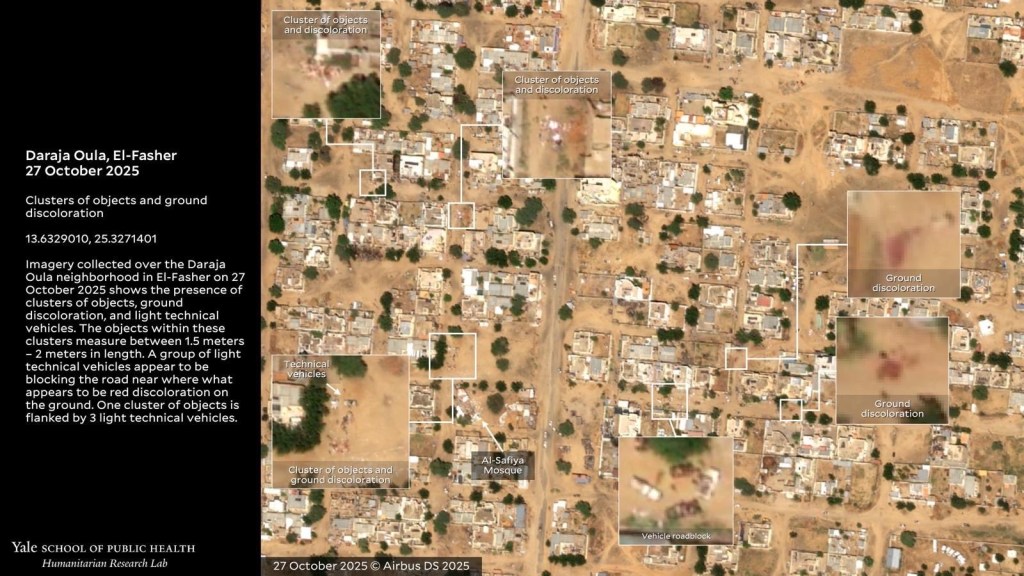
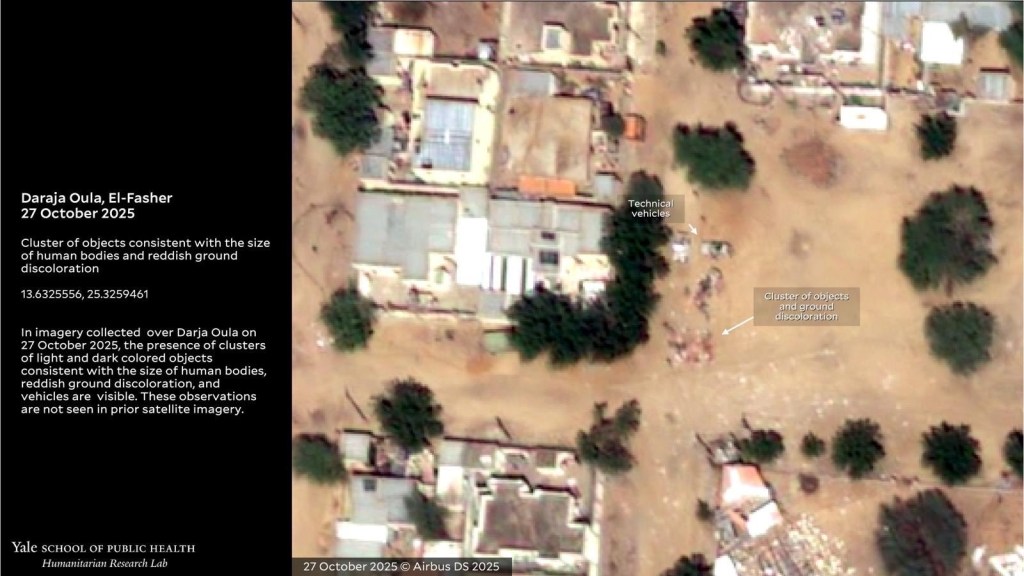
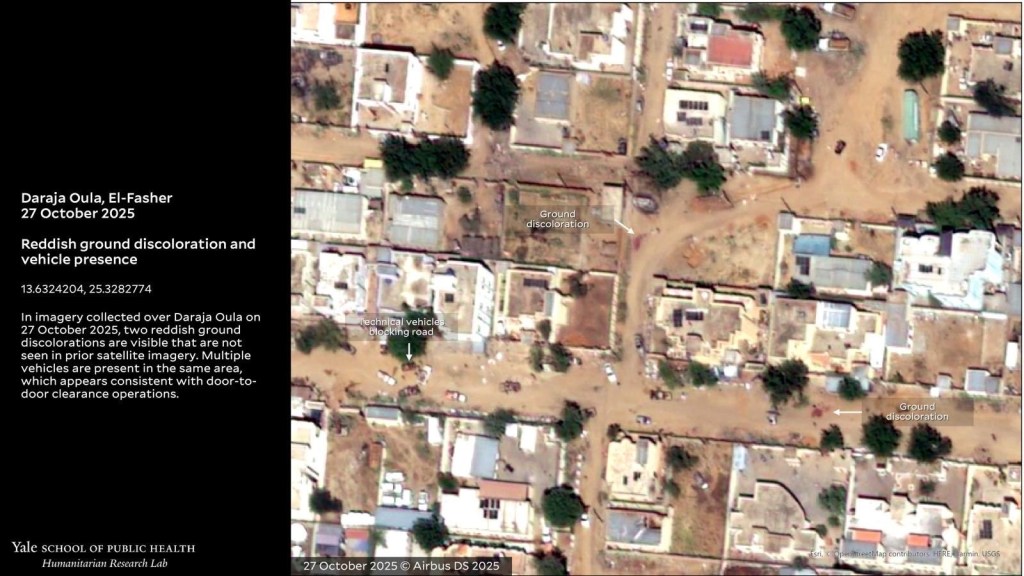
Images released by the Yale School of Public Health showing evidence of widespread killings. Comparing images after the fall of the city with images from before.
In the end the RAF forced the Sudanese army almost all the way out of the city and people in mass attempted to flee. The SAF began arresting people for running but eventually started moving their forces out of the city. As the RSF moved in they began rounding up civilians who remained and those attempting to flee. Those prisoners were interrogated and executed. Videos show dozens if not hundreds of executions took place,carried out in large part by a man whose name is believed to be Abu Lulu which is verified by BBC verify. Videos have surfaced on 10.31.2025 of that man being arrested by the RSF and thrown into prison.
Side by side photo shows a known photo of Abu Lulu beside the man seen on many of the videos of people being killed.
These videos show men casually shooting men and women as they run away or as they are sitting on the ground after being captured. At one point Abu tells a group to run only as he guns them down after they run for a moment.
Satellite images which were studied and released by the Yale School for Public Health show the city and imply that the RSF went house to house interrogating and killing civilians. Red blotches can be seen in the sand which seem to indicate large pools of blood had been spilled there, some clusters of objects are believed to show where the bodies have been left on the ground, in the groups they were killed with.
Mass ethnic cleansing is taking place in El-Fasher, Darfur. There is every kind of evidence videos, photos, and other visual proof. For example, RSF militiamen are seen chasing and shooting at people. In the video, the phrase “Kill the Nuba” is clearly heard. It is being used as… pic.twitter.com/Egx4IHVfgS
The RSF was formed in 2013 by presidential decree by Omar al-Bashir which mobilized Arab herders to fight against black African insurgents in Darfur who were rebelling against al-Bashir’s leadership. They formed from the “Janjaweed” militia who were already active and militarized. The decree mostly just gave them better weapons and a more unified leadership.
The Janjaweed were made up of mainly the camel-herding nomads from the Mahamid and Mahariya branches of the Rizeigat ethnic group that ranged around northern Darfur and adjoining areas of Chad. This group has been active in the area long before the borders in the area were drawn. Their most infamous leader during the 2003-2005 Darfur war and massacres was Musa Hilal, chief of the Mahamid.
These tribesmen and fighters proved their worth to the President who further formalized their service calling them Border Intelligence Units.
Among these fighters in southern Drafur was one who proved effective time and time again. Mohamed Dagalo, known as “Hemedti” because of his baby-faced looks – Hemedti being a mother’s term for “Little Mohamed”. The name has stuck ever since. He first served in the Sudanese army but left at some point. He joined the Janjaweed and rose through the ranks to become a commander.
In 2007 a critical event happened in Hemedti’s career. He and his soldiers under his command rebelled from President Al-Bashir’s. He and his men felt they had been exploited by being sent to fight on the frontlines and being accused of some atrocities and then left with no support. When Hemedti and his soldiers left they vowed to fight Khartoum “until judgement day”, and tried to cut a deal with the Darfur rebels.
This ended when Hemedti was offered a sweet deal. Back pay for his troops and ranks for his officers and even a promotion himself-to brigadier general. This promotion angered a lot of officers who went to staff college and felt he had done little to earn the title. He and his men accepted this and were folded back into the military of Sudan being put under a branch called the National Intelligence and Security Service (NISS), who were at the time planning a proxy war with the bordering country Chad.
It’s at this time it’s reported that Hemedti had a falling out with the chief mentioned earlier, Musa Hilal. The Generals of Sudan felt Hilal was untrustworthy for his multiple mutinies. Al-Bashir’s generals wanted to deal with Hemedti. It was then in 2013 that the RFS was founded with Hemedti at the head. At the time Bashir thought of Hemedti as a friend and even had a nickname for him- “Himayti”, meaning “My Protector”. This nickname lasted until about the time gold was discovered in Darfur and Brigade General Hemedti decided he wanted to be one of the richest men in Sudan.
Today the RSF is almost a whole different entity, funded heavily by outside state actors. They have received a lot of support from the UAE and Russia (through the Wagner group). The U.N. confirmed reports from sources in Sudan saying that the RSF was receiving weapons and ammo weapons shipments from the UAE several times a week. The UAE has aggressively sought to stop the expansion of Islamic influence across the Middle East. Hemedti has presented himself as a shield against the Islamist-leaning factions that established deep roots in the army and other institutions under Bashir.
On the other hand General Burhan’s closest ally has been Egypt. The two countries share a border and both are currently led by military commanders who overthrew “democracy” elected leaders. The Sudanese government forces have also received support from Iran, using their drones in several major engagements.
Analysis
Sudan is a country where the civil war permeates much of the daily life of many of the country’s inhabitants. Refugees leave ome war torn area only to get caught in the next one.It would be a feat to even count the sheer amount of human rights violations taking place daily. The immense suffering, carried out on the Durfar population by the RSF is not helping them beat the allegations of an attempted genocide. 12 million people have been displaced ans more than half of the country is in need of humanitarian aid.
The country’s economy has collapsed causing widespread shortages of goods and increase in prices on goods that can be provided. Poverty in the country is closing in on 60%.
The complex relationship of all the players involved makes mediation of any kind difficult. Foreign powers being involved has only intensified and stretched out the length of the conflict, again, worsening the humanitarian issues. So far an estimated 150,000 have been killed since the conflict began in 2023.











 Global Conflict Reporting
You must be logged in to post a comment.