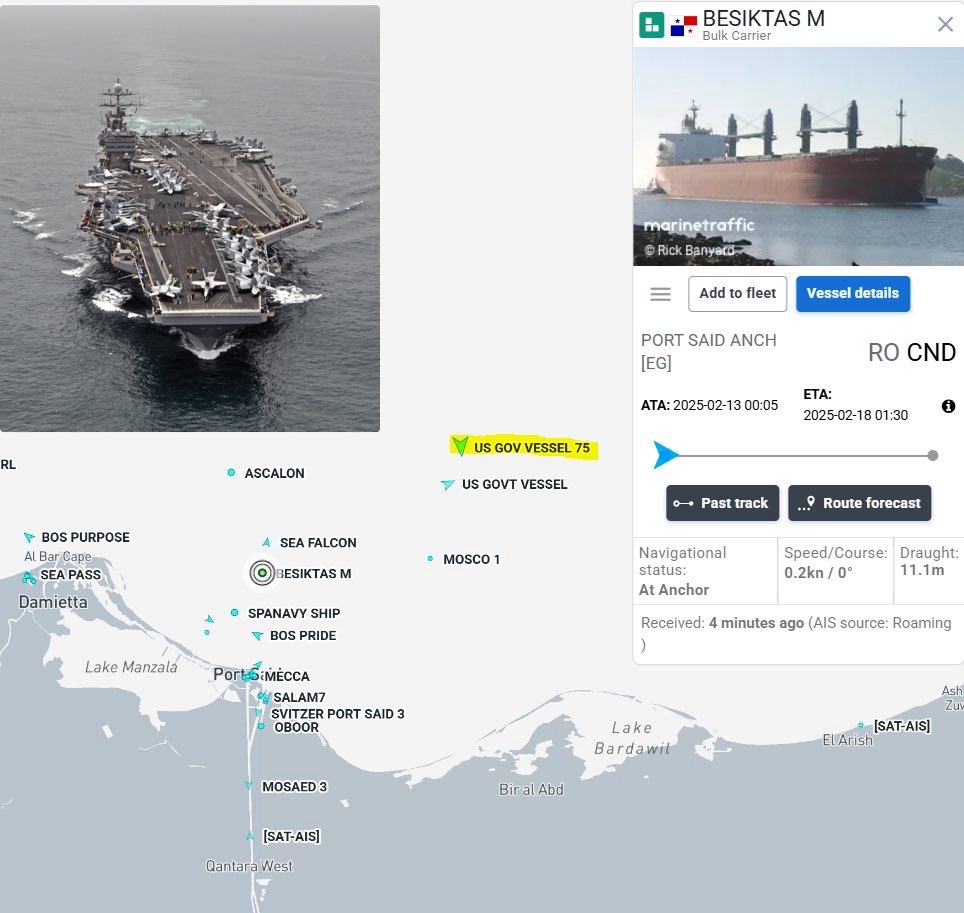
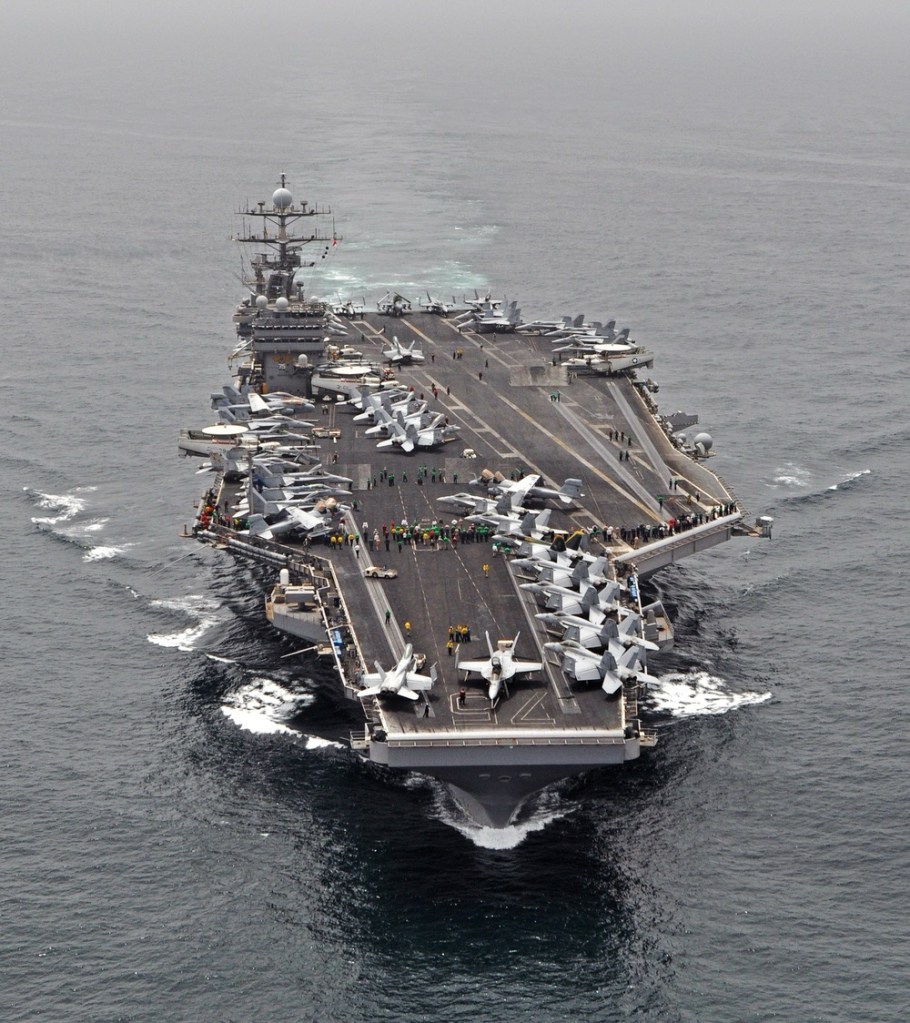
Yesterday at around 11:46pm local time the US Navy Nimitz-class aircraft carrier USS Harry S. Truman (CVN 75) collided with the M/V Besiktas-M, a merchant vessel at the Egyptian port of Said near the mouth of the Suez Canal.
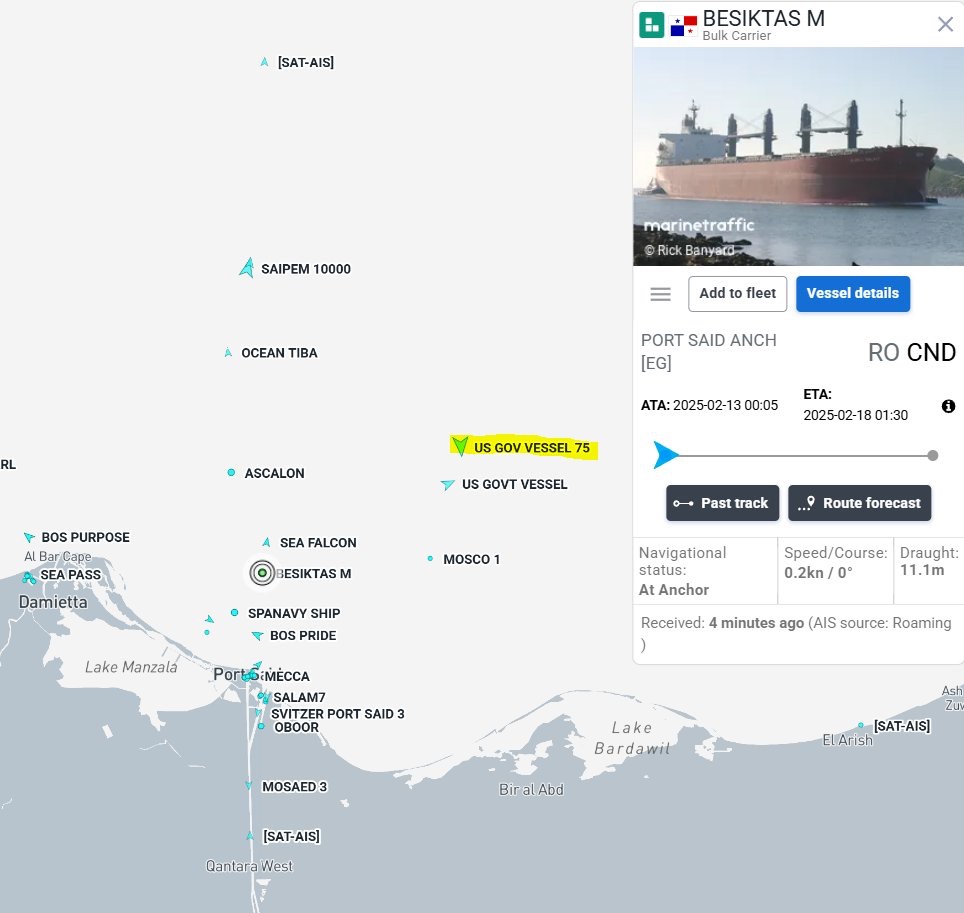
Position of the ships at the time of writing. (2:25PMEST) Both ships seems to be moving under their own power. Highlighted vessel is the Truman, the other goverment vessel shown to the south of it is the Guided Missile Destroyer USS Jason Dunham (DDG 109) a part of its Strike Group.
Statements from navy officials say that no flooding occurred because of the collision and that the Truman was undamaged and her nuclear power plant was safe and secure. The status of the Besiktas-M is unknown at this time.
M/V Besiktas-M
The Truman was most recently deployed to the Red Sea and Mediterranean to combat the threat from Iranian backed Houthis in Western Yemen, as well as projecting power in the region and supporting other US and allied forces in the area. Recent Iranian actions have made maintaining a force in the Middle East increasing only important.
The Truman will likely continue or already has continued on its journey back to the Red Sea area. It was returning from a port call in Souda Bay, Crete Greece. NSA Souda Bay provides logistical and operational support to the components of the Harry S. Truman Carrier Strike Group
BWhile it might seem absurd to think a merchant vessel could get close enough to a carrier to collide with it in the first place because of the almost absurd amount of security around a U.S. Aircraft Carrier. However, in a restricted space such as close to the Suez Canal there isn’t room for everybody to maintain a distance from the carrier strike group and from how I understand it, all anybody can do is follow the international maritime “rules of the road” which have no requirements that merchant vessels make way for a carrier. All the U.S. can legally do is ask them to keep their distance. That’s how I understand it but if I’m wrong I welcome corrections.
Update
(5:00PM EST)
Some more info has come on the merchant ship Besiktas-M. It is a Panamanian-flagged bulk cargo ship. The ship has been heading north through the Suez canal heading to its destination states as being Constanta in Romania on the Black Sea. The Truman was heading south at the time when the mishap took place. The bulk carrier is said to have moderate damage above the waterline but continued under its own power.
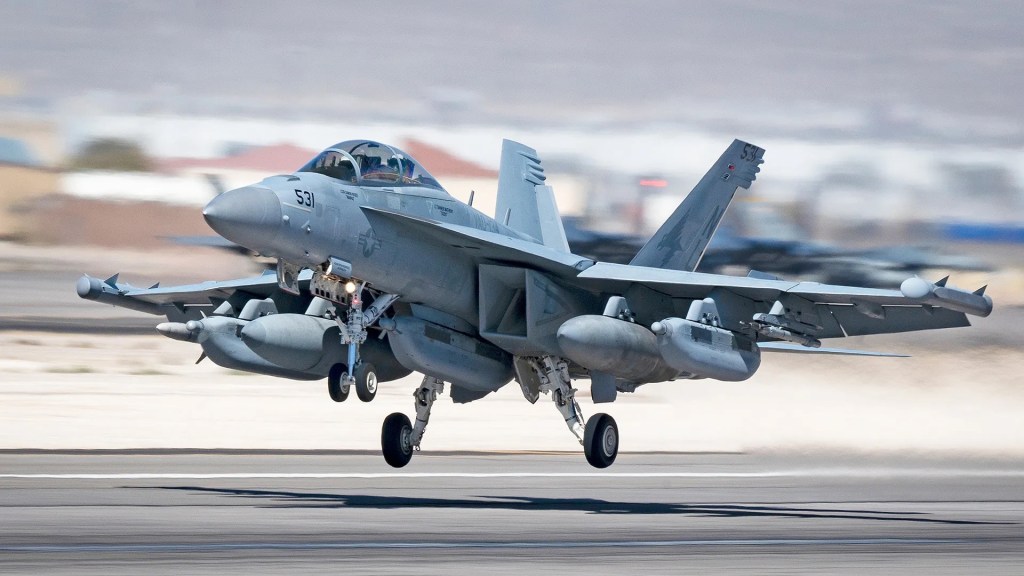
Today, at around 10:15 PDT A US navy Boeing EA-18G Growler Electronic Attack Jet assigned to Electronic Attack Squadron (VAQ) 135 crashed while taking off at NAS (Navel Air Station) North Island. The pilot and copilot are both unharmed as they ejected into the San Diego harbor and were picked up. The crew were originally picked up by a sport fishing charter boat the M/V Marietta, before being transferred to a Customs and border patrol craft according to radio calls made in the area that were recorded. The customs patrol boat transported them back to shore where they are now receiving medical attention at UC San Diego Health.
With the crew being recovered emergency crews will respond to the wreckage to investigate as well as clean up and debris and fuel from the crash. According to radio calls from the area there is a large amount of fuel and the navy has dispatched response teams.
The cause of the crash is under investigation.
CCTV Video shows the EA-18G Growler coming in down in a quick descent. Essentially falling out of the sky. The camera barely catches it.
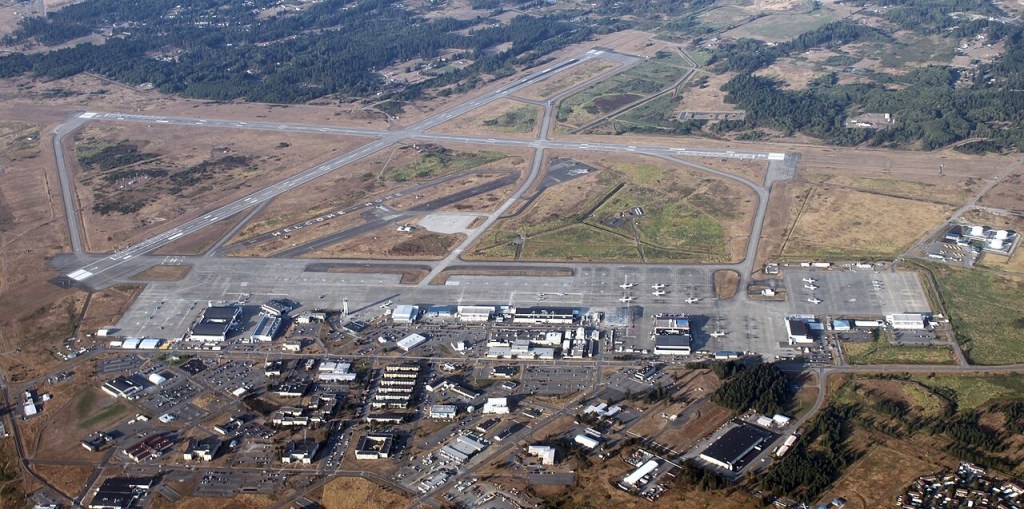
The aircraft had traveled to San Diego for ongoing exercises, leaving its home airbase at NAS Whidbey Island in Washington State. It’s unknown if the aircraft was taking part in the Bamboo Eagle 25-1 exercise currently taking place in the pacific.
NAS Whidbey Island
Bamboo Eagle is a massive event focused on a possible high stakes conflict in the Pacific Ocean with China. Being led by the U.S. Air Force Warfare Center in Nellis it has brought dozens of not hundreds of military aircraft to the region for this combined arms operation with the U.S. and several key allies.
Video taken from twitter user San Diego web cams shows footage from their livestream as well as the radio calls that happens after the crash.
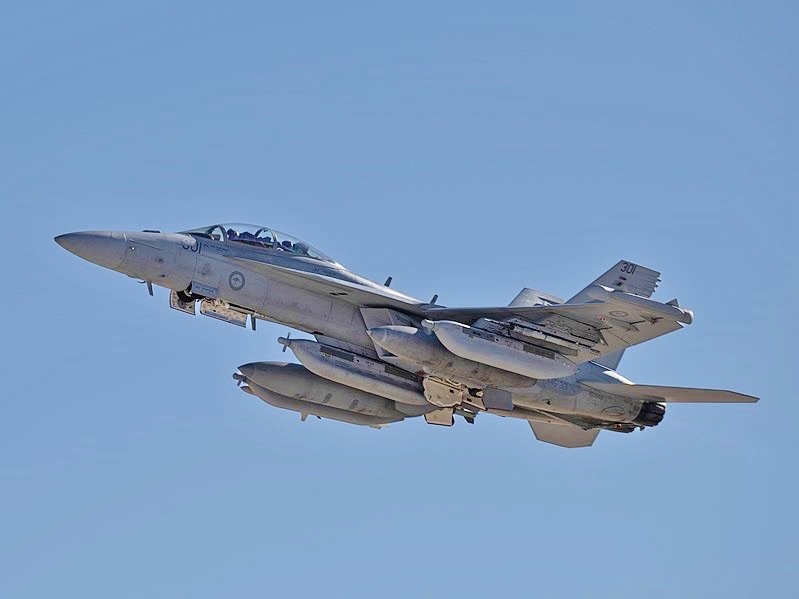
The EA-18G Growler is the U.S. Navy’s Electronic Attack aircraft that began to replace the EA-6B Prowler around the late 2010s. Based on the airframe of the F/A-18(E/F) It has since then become an integral part of the carrier air wing. The Growler swapped out the Super hornets main cannon with a strong AN/APG-79 AESA Radar. The plane has 9 weapons hard points but will almost always have 5 of those hard points taken up by ALQ-99 Tactical Jamming pods. The hard points that are left open are usually equipped with either AIM-120 AMRAAM for air threats or more likely AGM-88 HARM Anti-Radiation Missile that track enemy radar signals. The two wingtip rails that would usually hold AIM-9X sidewinders was replaced for AN/ALQ-218 passive radar warning receivers to detect enemy radar.
While mostly known for jamming enemy radar enemy communication can also be jammed by the Growlers suite of comms jamming systems.
Australian EA-18G Growler
While the growler with its jamming pods can defeat all current air and surface threats it comes up against its future is always in question as new and more advanced radars are developed and fielded and it’s jamming pods become out of date. The airframe is only as good as its equipment that needs to be updated in the near future.
Author note.
We here at GCR respect and appreciate any aircraft and crew capable of the roles of SEAD and DEAD. Suppression and destruction of enemy air defense is one of the most important roles in the always critical task of establishing aerial supremacy. The Growler holds a special place in my heart as did the Prowler that came before. Hats off to all of today and yesterday’s Electronic Attack Planes as well as the F-4 that carried out the insane Wild Weasel missions.
If you are somebody with knowledge of this story contact Scott at GCR. My contact info is on the Website and I would love to talk on or off the record regarding this story.
Several updates on the war in Ukraine. Expect more coverage on this war from this point on. Im shooting for daily or at least every other day.
Ukrainian Armed Forces launch a renewed attack on territory in Russia’s Kursk region.
In an audacious assault Ukraine has managed to launch a surprise offensive from its controlled Russian territory in Kursk, Russia. Russian sources say that Ukraine launched their assault from southeast of Sudzha, pushing towards Fanaseyevka and Ulanok. Russian military bloggers estimate 500 soldiers and 50 armored vehicles (some of which are tanks).
According to Ukrainian President Volodymyr Zelenskyy, who confirmed the offensive with a statement, said “ “In the areas of the Kursk operation, new assaults have taken place…Russia has once again deployed North Korean soldiers alongside its troops.”
Russias Ministry of Defense on Saturday had repelled an attack was defeated in the town of
The Ukrainians seem to have taken advantage of an operational pause from Russia and North Korea and advanced around 3 miles to the village of Fanaseevka, east of the original lines. The forward element has taken position around the Fanaseevka for the moment.
Ukraine utilized a tactic often employed by Russia for this small advance, proving the Russians lines for weaknesses and then using small fast moving teams supported by small groups of armor to push in and shuttle infantry to new positions further past the original line of contact. This tactic was refined by Russia during the second year of the war, and has been useful since then.
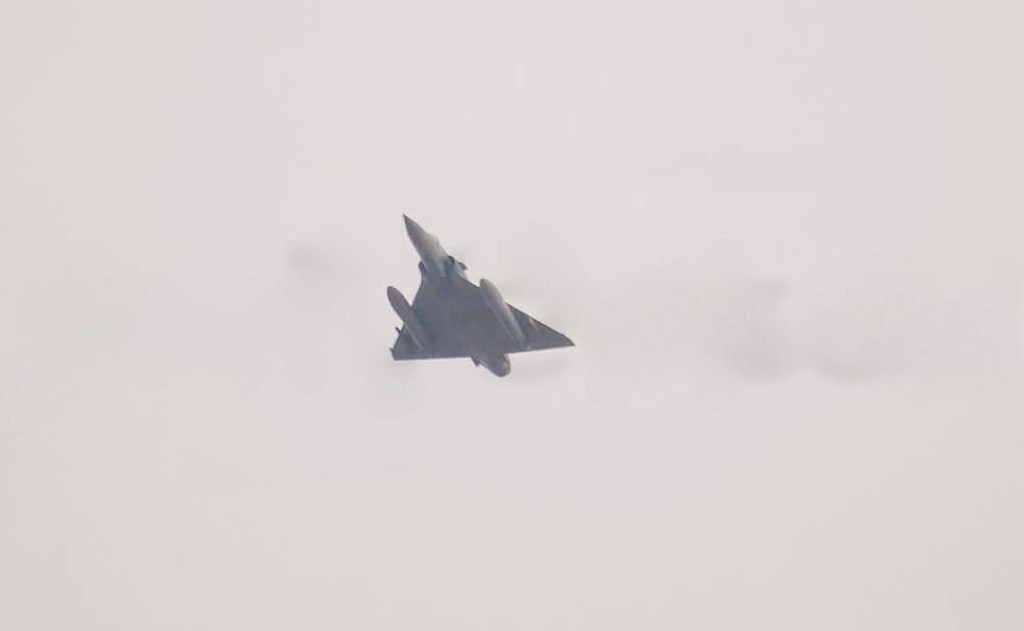
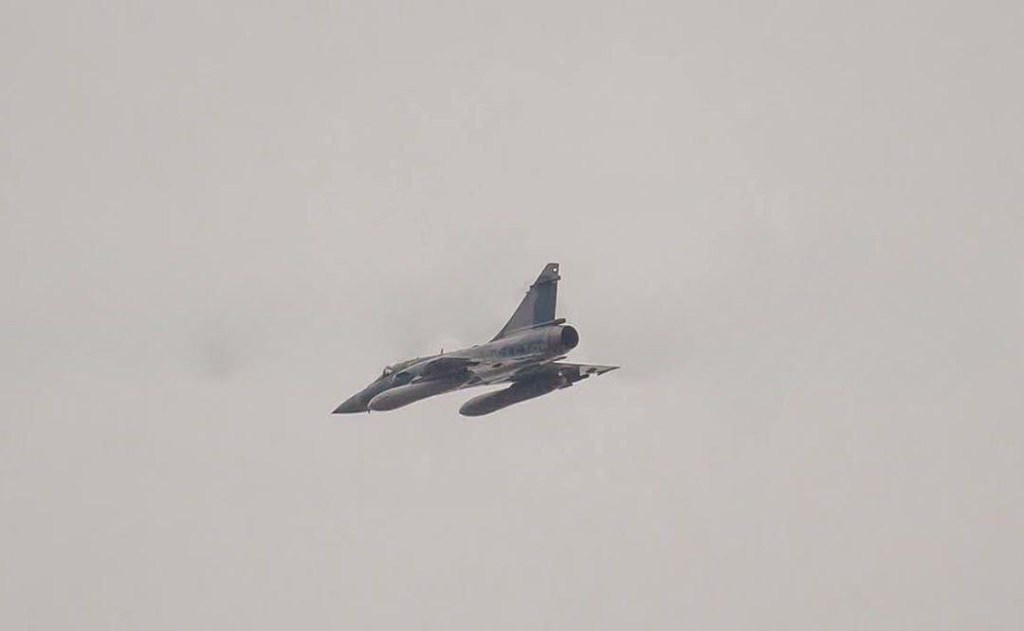
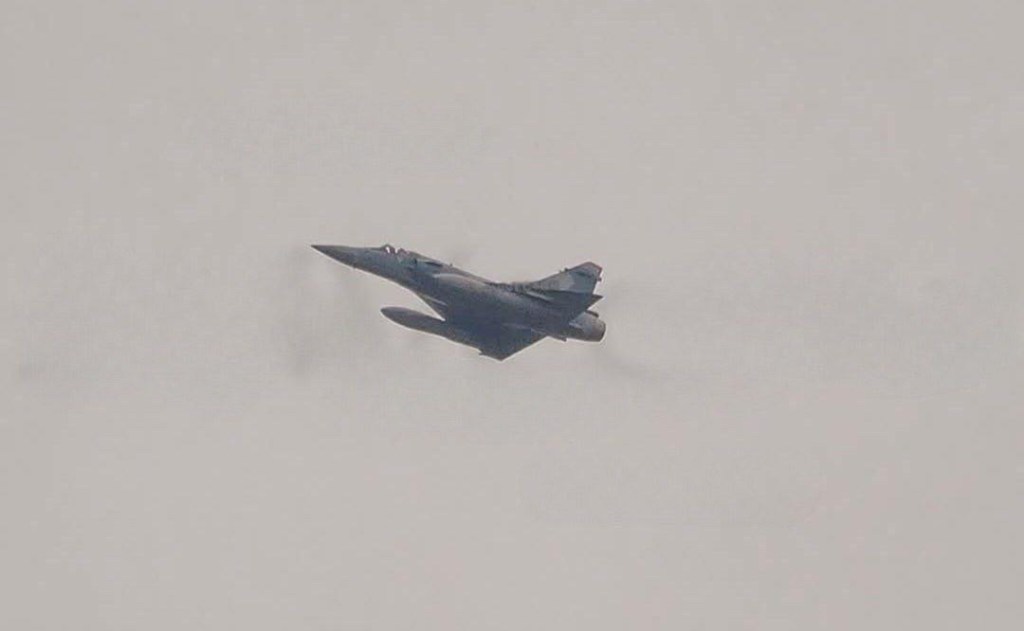
French Supplied Dassault Mirage-2000 jets operating in Ukraine.
Images reportedly taken in the skys above Poland show the Dassault Mirage in the sky’s above Poland.
Ukraine has received the first of its French supplied Mirage-2000-5 multirole fighters according to the French and Ukrainian goverment. Ukrainian pilots that were trained in France for the past several months have also arrived with the planes.
These single-engine 4th generation aircraft have reportedly been upgraded as so they can utilize munition like the SCALP/StormShadow cruise missile and other guided munitions. Developed in 1991 these jets are comparable with many of the older munitions that Ukraine has been sent. The SU-24s currently filling Ukraines Air to ground attack needs can finally rest.
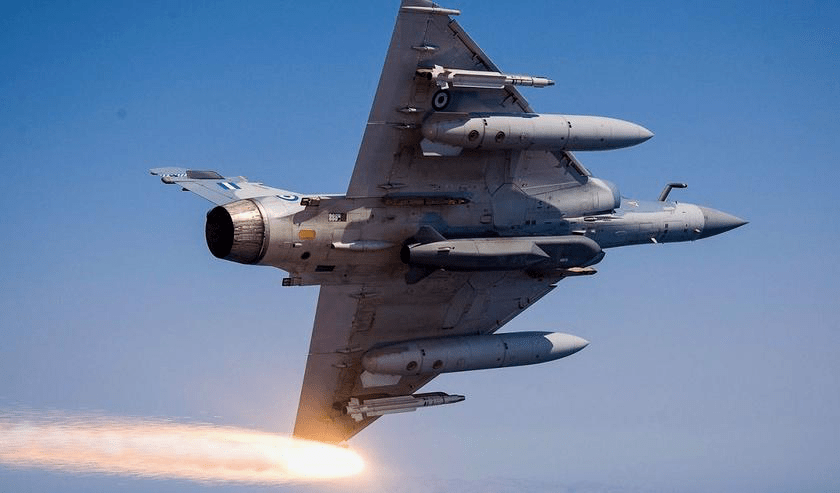
A Mirage 2000 with a SCALP EG/StormShadow cruise missile attacked underneath (in the center).
Sébastien Lecornu, the French minister of the armed forces said on Twitter “They will now participate in defending the skies of Ukraine.”
The Mirage-2000 5 received by Ukraine, are configured as an advanced air supremacy fighter however it has been modified to also carry out air to ground attacks making this a potent multirole fighter.
Ukraine also received a batch of multirole F-16s from the Netherlands that were reported yesterday. The F-16s received in the past were set up strictly for air to air but it’s unclear how these will be configured. The F-16 is a capable multirole fighter, maybe one of the best. All of the aircraft’s capabilities will be put to the test in the next couple months as the war continues. Ukraine will want to use these assets sparingly as they only have a handful at the moment and losing even one trained pilot could hurt them more than the plane itself . That being said video footage has already circulated which is claiming to be a strike on the Russian held town of town of Selydove, Donetsk Oblast in Eastern Ukraine.
Reported to show a US-supplied GBU-61/62 1000/2000 lb bomb being dropped on a Russian command post in Selydove, Donetsk Oblast. Likely carried out with a SU-25.
While the video is unconfirmed by either side I wanted to include it to show that Ukraine is actively using its air assets already, and will continue to do so.
Ukraine disputed claims that Russia has complete control over the remains of the city of Toretsk.
Fighting inside Ukraine the past 6 months has mostly been focused on the Donetsk Region. One of the reasons Russia desires the eastern part of Ukraine specifically is that areas like Donetsk Oblast are heavily industrialized and very valuable. One of these places being fought over is the city of Toretsk (Pop: 30,000).
Toretsk’s industry, before the war revolved around its coal mines and coke material plants. Coke is made from coal and is used as a fuel in fireplaces and stoves.
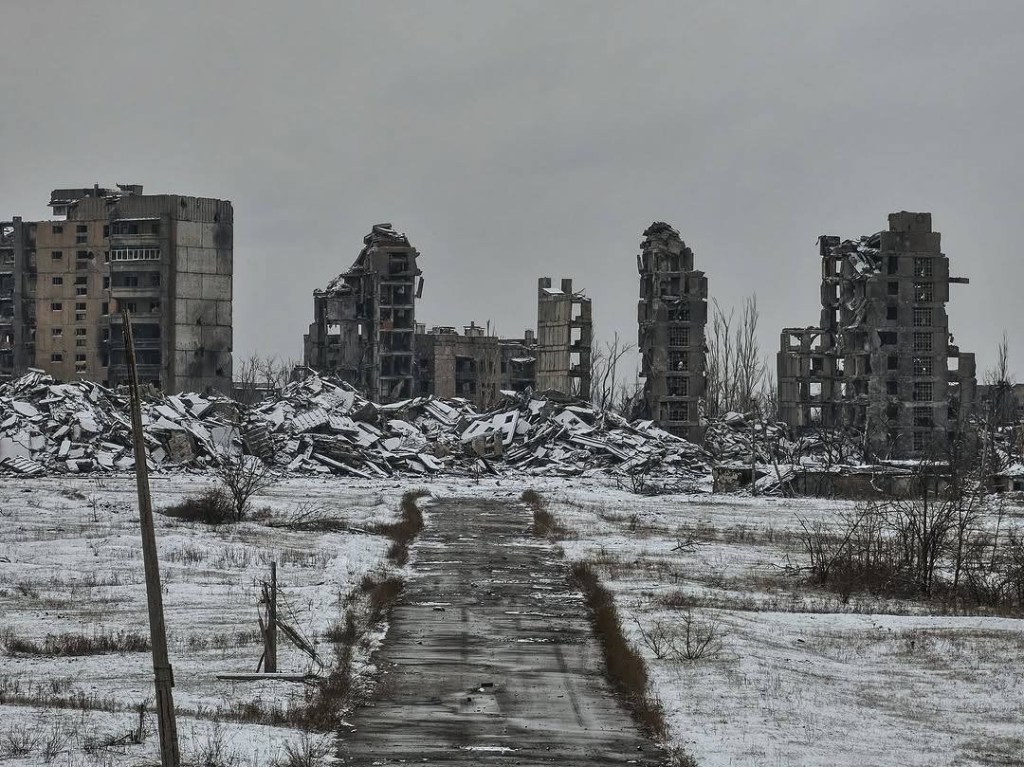
Like Bakhmut and Avdiivka and too many other city’s this war has taken a toll on the city with most of its inhabitants being replaced by soldier from the warring sides. The city skyline is filled with bombed out apartments and rubble. The city is essentially dead, like Avdiivka and Bakhmut.
The city of Toretsk as seen today.
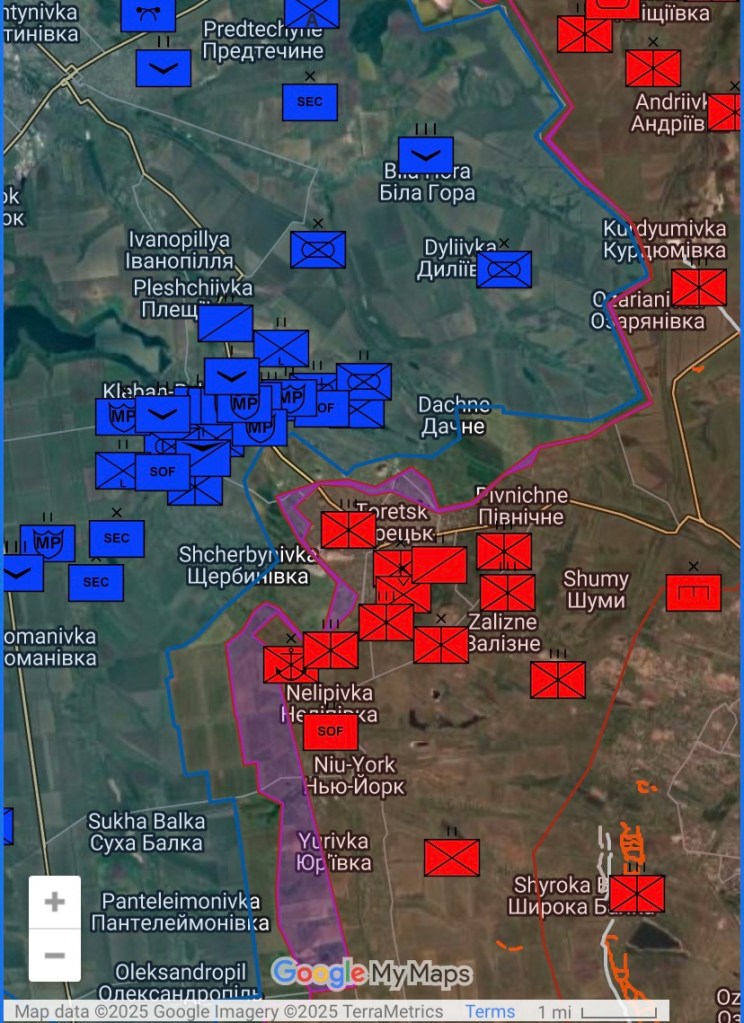
Toretsk sits North of Dontesk city and Avdiivka and south of the former fortress town of Chasiv Yar. While Russia has claimed to control the city Ukrainian forces are still contesting it daily. In fact a sort of who can keep their flag up the longest contest has broken out between the two sides.
Screenshot from the UA Control Map showing the location of the different units that have been geolocated using video footage from the war.
The Russians have several different units that have been spotted operating in the area. Some of the notable ones are listed here.
The 9th Separate Motorized Rifle Brigade. Part of the DNR forces that were folded into the Russian Army to supplement all of the men lost to the fighting. The 3rd Spetsnaz Brigade. Special Forces Brigade of the Main Intelligence Directorate (GRU) Russia does its Special Forces a bit different than western armies. Their purpose is a mixture of what somebody in the west would normally think of when you say “Special Forces” like reconnaissance and counter insurgency but also able to do political warfare closer to what the CIA field agents do such as training guerrillas army’s and supporting regime allies. Using them as frontline soldiers is a good way to get a bunch of highly trained soldiers killed. At one point several years ago these guys had burned through 50-70% of their fighters.
Ukraine is defending with several motorized infantry battalions supported by several other battalions whose main focus is on drone warfare which has been highly effective on the frontline. While the city is a loss the Russian army is still determined to push forward and Ukraine is determined to meet them with force, and wipe out as many Russian soldiers as it can in a perfect example of attrition warfare.
Several days ago a Russian SU-25 was lost when it was downed by elements of the 28th brigade.
SU-25 frog foot shoot down and crash.
Expect more reports like this every couple days. As I get more researched on the current state of the war these reports will contain more information, this was just a plave to start and what’s been going on recently. Thank you for your support.
Arleigh Burke-Class Guided-Missile Destroyer, USS Preble (DDG-88) utilizing its High Energy Laser with Integrated Optical-Dazzler and Surveillance (HELIOS) Weapons System.
USS Preble (DDG-88) firing its HELIOS system.
Helios is apart of a larger program aimed at the development of Solid State Lasers (SSL). Some of the other lasers being developed include the
-Ruggedized High Energy Laser (RHEL);
-Optical Dazzling Interdictor, Navy (ODIN); -Solid State Laser Technology Maturation (SSL-TM)
-High Energy Laser Counter-ASCM Program (HELCA), for shooting down anti-ship cruise missiles.
All of these I’ve listed are in varying states of development and wont be fielded until a future date however HELIOS has been in a testing phase since 2021 and now has been fully integrated into the combat systems of at least the USS Preble (DDG-88) where it will be used to counter drones, small boat threats and missiles.
The main advantage of the direct energy weapons is the price. Lasers cost about $1 to fire compared to some missiles getting into the tens of millions of dollars.
Russias losses in Ukraine for the month of January reached almost 50,000, the second highest since the early days of the war.
According to the General Staff of the Armed Forces of Ukraine in the month of January 2025, the Russian armed forces lost 48,240 soldiers and 573 Russian armored vehicles and 230 tanks. In the Russian order of battle this is roughly equivalent to 3 motorized rifle divisions. In that time the Russian army has managed to take roughly 500 sq. kilometers (193 sq miles) in the Kursk Region as well as Ukraine. These numbers are almost identically to December of 2024 numbers except they took 100km more territory.
The situation in Ukraine remains much as it has the past couple months. Ukrainian forces continues to reinforce defensive points while Russia has kept its army’s pushing into enemy territory. Ukrainian forces have stepped up the intensity of attacks on Russian oil and gas infrastructure, with the Ukrainian security services (USB) targeting the regions of Volgograd and Astrakhan.
Astrakhan Gas Processing Plant
Future daily briefs will have more Ukraine reporting as I reconnect with my sources and find new ones.
Iraqi airstrike kills 5 ISIS operatives in Iraq.
On January 31, Iraqi Security Forces (ISF), supported by U.S. Central Command (CENTCOM) forces conducted an airstrike near Kirkuk, Iraq. The attack killed 5 ISIS fighters according to CENTCOM.
“An initial post-strike clearance found multiple explosive suicide belts and other materials,”
CENTCOM confirmed in a statement, underscoring the strike’s role in weakening the group’s operational capabilities.
“ISIS remains a threat to the region and beyond, and CENTCOM, along with partners and allies, will continue to aggressively pursue these terrorists to protect the homeland,”
This operation was backed by Coalition Joint Task Force – Operation Inherent Resolve (CTF-OIR), which provided intelligence and technical support for the strike.
U.S. forces have recently stepped up strikes against ISIS targets since the fall of the Assad Regime in Syria. With the state being weakened it was a possibility that Daesh could attempt a comeback.
On the same note….
US Africa Command carries out airstrikes on ISIS in Somalia.
On February 1st, 2025, US president Donald Trump, in his first major U.S. Strike overseas since he took office, ordered US forces to carry out airstrikes on ISIS targets in Northern Somalia in the Golis Mountains. Defense Secretary Pete Hegseth said that “multiple operatives” were killed in the strike.
F/A-18 Super Hornet
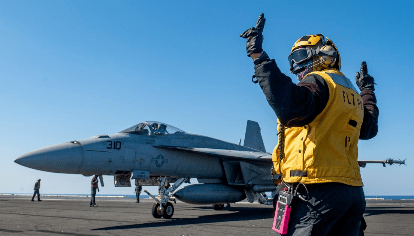
The strikes were carried out by planes from the navy and Air Force. FA-18 Super Hornets took part from the USS Harry S. Truman currently stationed in the Red Sea.
While the main threat in the area has been Al-Shabab, ISIL has been involved in attacks in Southern and Central Somalia. Even while facing the threat of US bombings as well as the policing actions of the Somolian Security Forces, and a fierce rivalry with Al-Shabob ISIS (ISIL) continues to grow and gain a strong foundation in the country.
US Forces kill senior operative of Terror Group Hurras al-Din in Syria.
The aftermath of the airstrike that killed Muhammad Salah al-Za’bir in Northwestern Syria.
On January 30th US CENTCOM (Central Command) forces conducted an airstrike in northwestern Syria targeting a senior operative of the US classified Terror group Huertas Al-Din (HaD) an affiliate of Al-Qaeda. The target was Muhammad Salah al-Za’bir a former ISIS member who later went on to become a member of the Syrian At-Qaeda branch. Not much else is known about him besides that CENTCOM describes him as a “Senior member” in the group.
A statement from CENTCOM on the strike:
“The airstrike is part of CENTCOM’s ongoing commitment, along with partners in the region, to disrupt and degrade efforts by terrorists to plan, organize and conduct attacks against civilians and military personnel from the U.S., our allies, and our partners throughout the region and beyond”
It ends with a warning from commander of CENTCOM, Gen. Michael Erik Kurilla.
“CENTCOM will continue to hunt and kill or capture terrorists and defend our homeland against groups that plot to attack U.S. and allied personnel,”
A ring camera catches the Learjet as it falls from the sky.
An airplane operated by Jet Rescue Air Ambulance, in Pennsylvania crashed earlier today leaving 6 dead.
The plane was a medical transport plane carrying two pilots, two doctors, the patient and a family member and crashed shortly after takeoff. As the crash happened in the middle of the city the horrific explosion was recorded by several different cameras showing multiple angles, including one bystander who was a couple dozen feet away when the plane hit the ground.
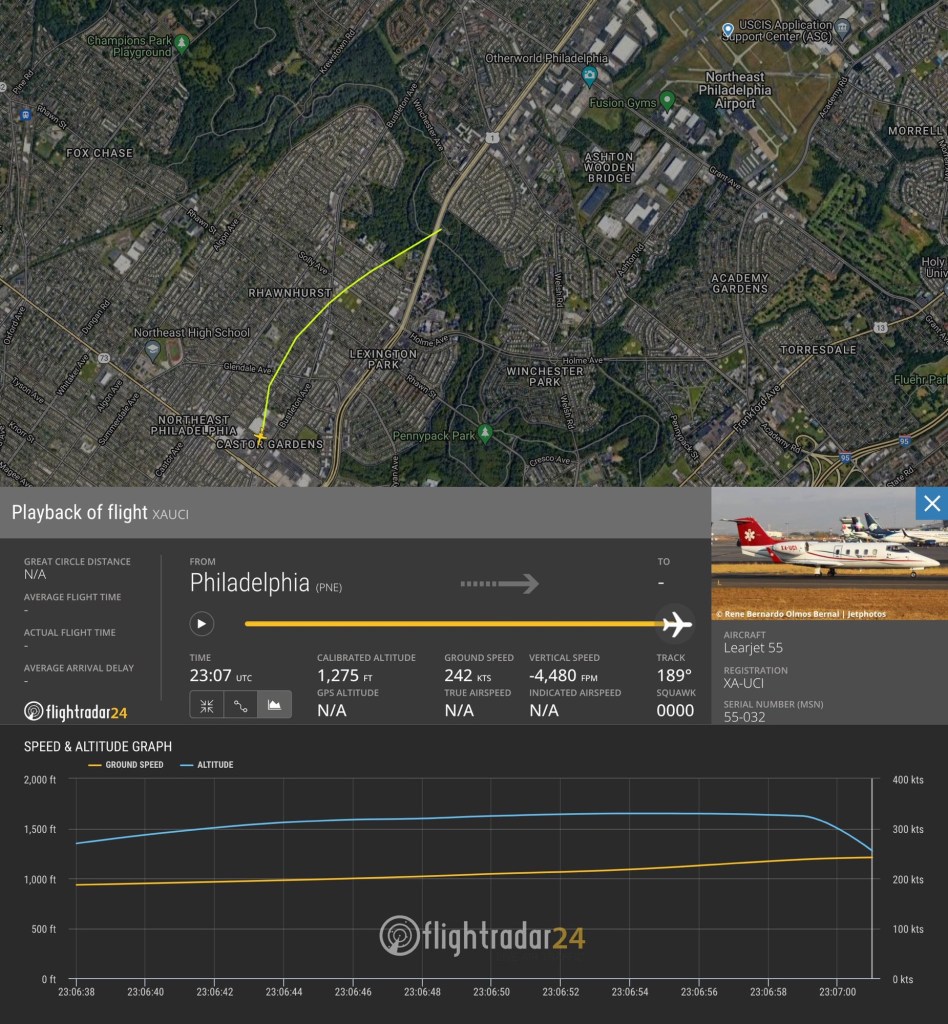
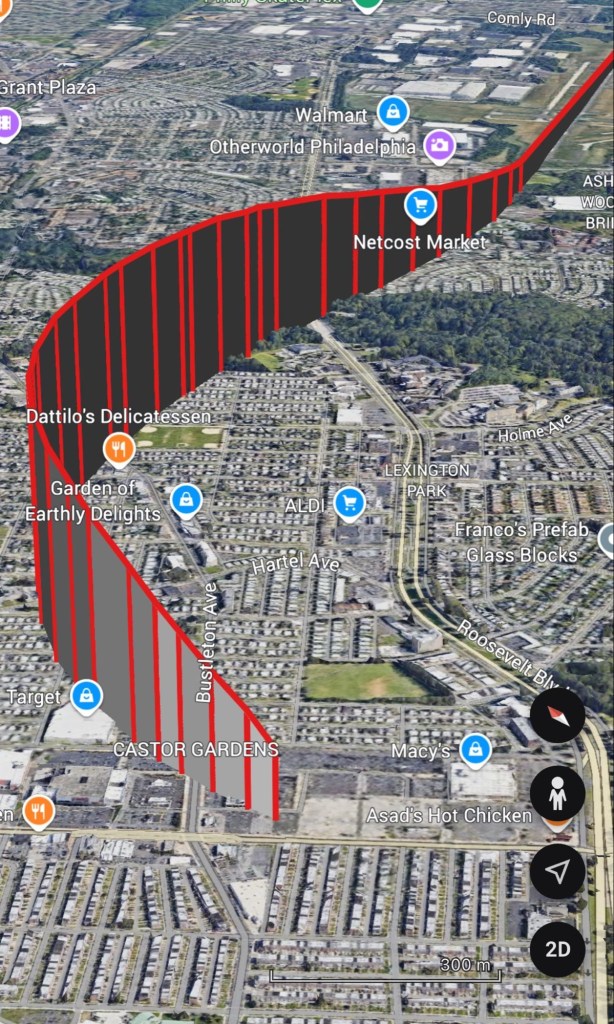
The flight departed Philadelphia Airport (PNE) for Springfield-Branson National Airport in Missouri at 23:06 UTC(7:06PMEST), reaching a maximum altitude of 1,650 ft at 23:06:54. Its last recorded ADB-S reading showed the plane losing altitude at a vertical rate of -11,008 ft per minute.
Some data on the flight from Flightradar 24.A visualization from ADS-B Exchange.
Not much is known about why the plane crashed. Possible icing conditions have been given as an explanation but we can’t yet confirm anything.
Several houses in the area of the crash were set on fire and fire fighters are currently fighting those fires.
A video from a bystander who witnessed the ground impact from several dozen ft. away.
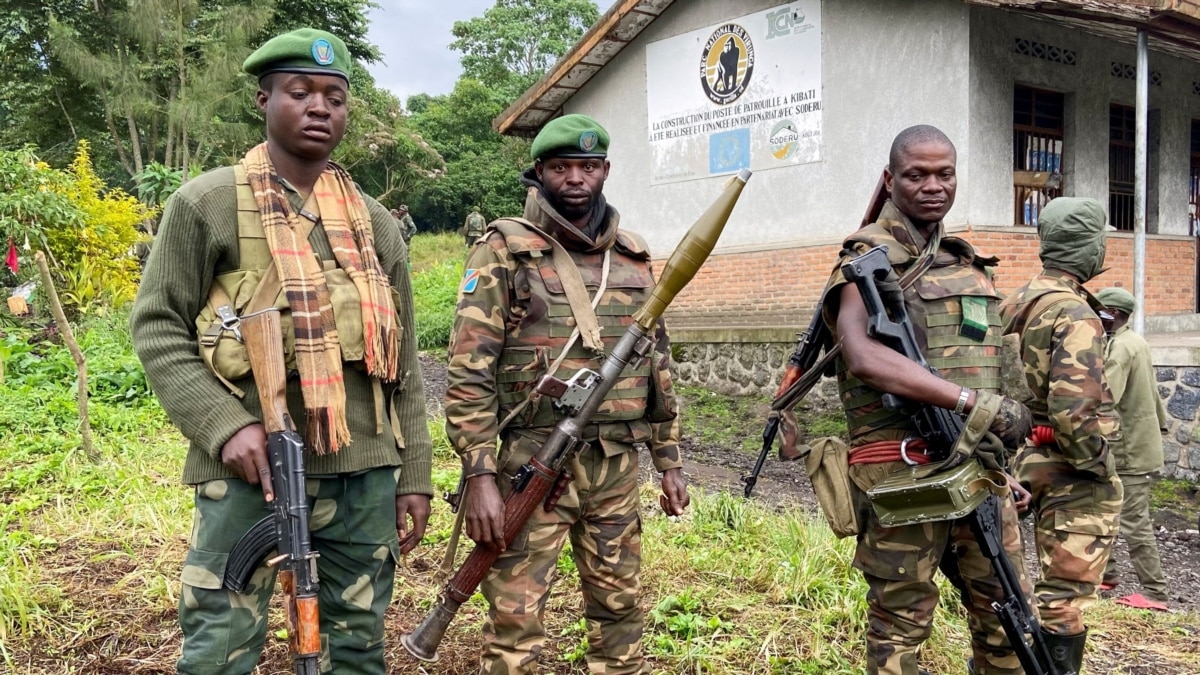
Hundreds of thousands are currently fleeing the city of Goma and the surrounding area as M23 militia have reportedly commenced a large-scale assault on the area. The United Nations has said that M23 control the airport but that some pro-government militia and the Congolese army are still holding out.
Rwanda backed M23 Rebels take over a UN post in Goma.
Learning the past to better understand the present.
M23 or the March 23rd Movement and also known as the Congolese Revolutionary Army, is a Congolese majority Tutsi rebel army backed by Rwanda. They mainly operate out of North Kivu province which borders Rwanda and Uganda in the eastern Democratic Republic of the Congo. A United Nations report in 2013 found that M23 was essentially created and led by the Rwandan government, headed by President and former revolutionary leader Paul Kagame since after the 1994 Rwandan Genocide.
To understand this current conflict we have to go all the way back to the genocide which was kicked off in ‘94 when the plane carrying President Juvénal Habyarimana, an ethnic Hutu, was mysteriously shot down on its approach to the capital, of which the plane was Kigali. This sparked the 100 day murder spree that became known as the Rwandan genocide. An estimated 800,000 people, mostly of the Tutsi minority, were killed in that time frame by the instigation of Hutu extremists. At the end of the hundred days Kagame’s army had control of the country, and hundreds of thousands of Hutu extremists as well as normal people fled to the neighboring country of the Democratic Republic of the Congo (called Zaire until it was changed during the first Congo war in 1997).







You must be logged in to post a comment.