By.Scott Jackson
01/13/2026
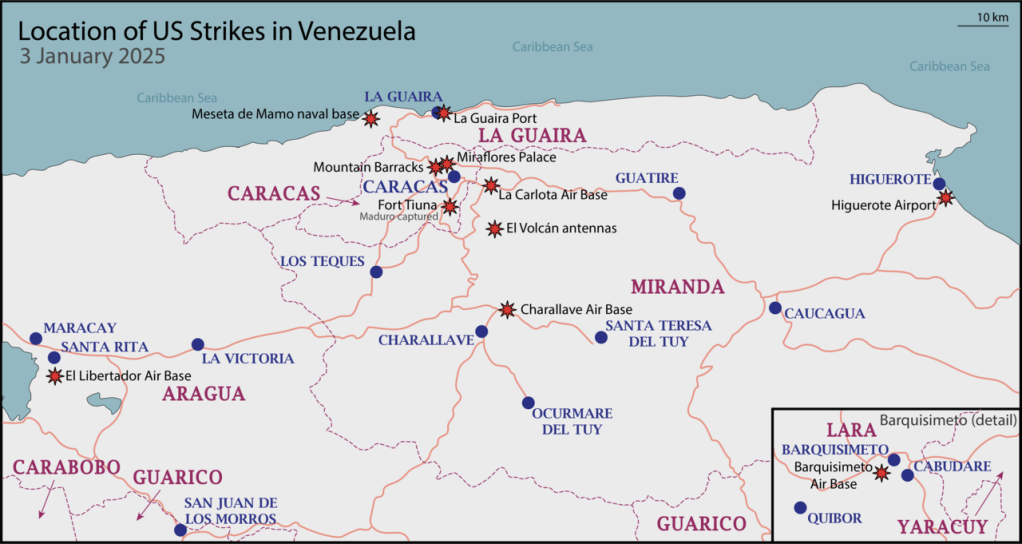
On the morning of January 3rd, the U.S. launched a major operation to capture Venezuelan President Nicolás Maduro. Operation Absolute Resolve as it has come to be known took place mostly in the Caracas region however the U.S. carried out airstrikes elsewhere on certain regime military targets.
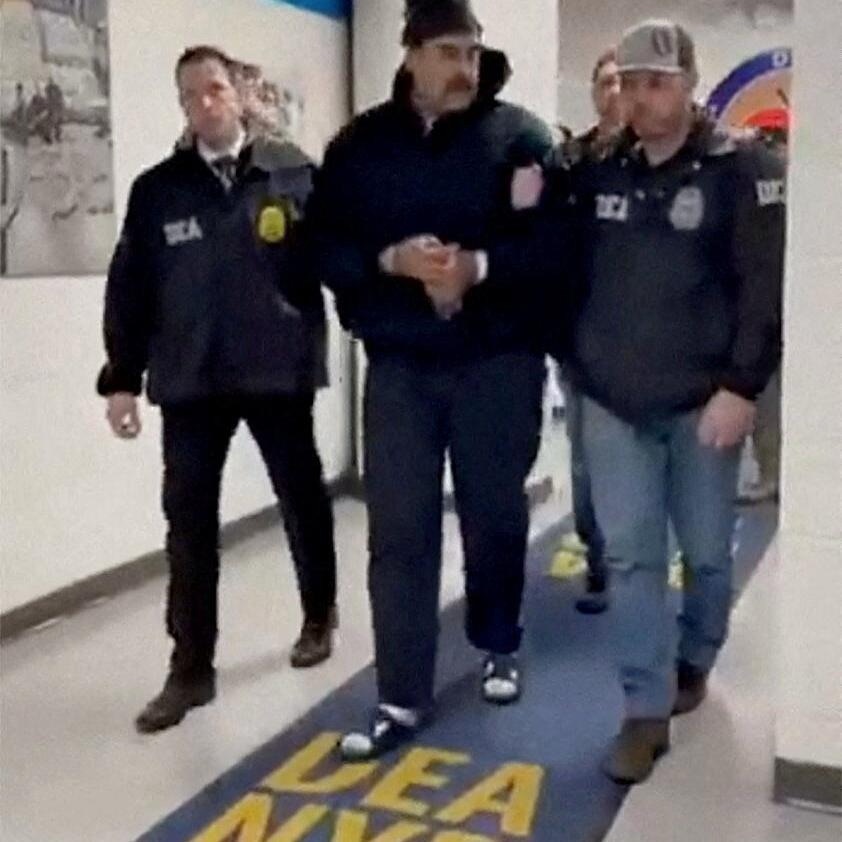
The strikes were carried out in the early morning hours of January 3rd when more than 200 special operations forces surged into Venezuela while aircraft and ships that had been gathering in the Caribbean for months conducted a number of precision airstrikes on (mostly) military targets around the Caracas area. The special forces, being flown by the helicopters of the 160th Special Operations Aviation Regiment “Night stalkers” flew in, suppressed and destroyed enemy air defense and captured Venezuelan President Nicolás Maduro and his wife Cilia Flores.
This attack was an operational success and caught the National Bolivarian Armed Forces of Venezuela completely off guard. The defenders only managed to launch a handful of Igla shoulder mounted missiles which appear to have all missed. The helicopters used by the Night stalkers have a number of countermeasures against these types of weapons.
After this the helicopters landed, special forces ground units found and secured Maduro and his wife after fighting through a reported 30 Cuban security guards. Maduro was transported to the USS Iwo Jima after this and from there he was transferred stateside.
Since the morning of the strike GCR as well as many others have worked verify where some of the strikes took place and I’d like to go over the ones I’ve managed to verify as well as note any other information I have about them.
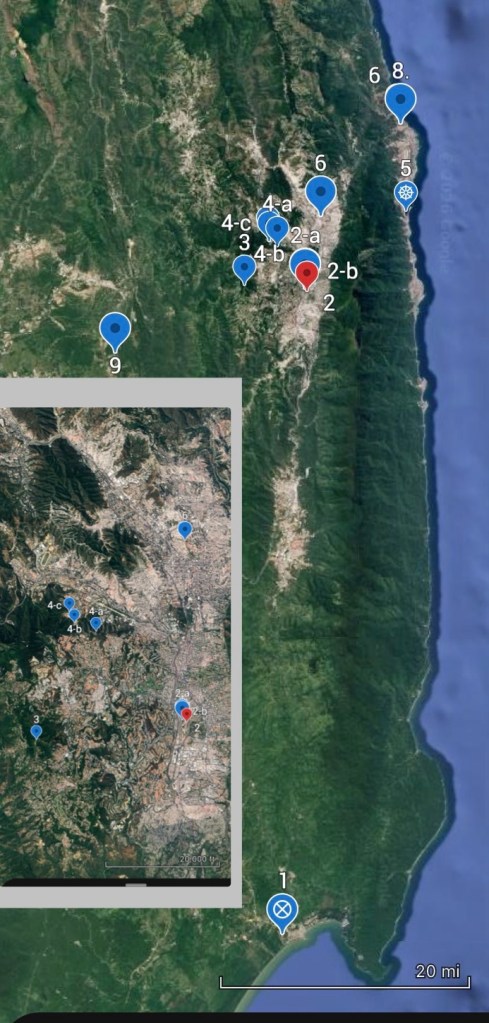
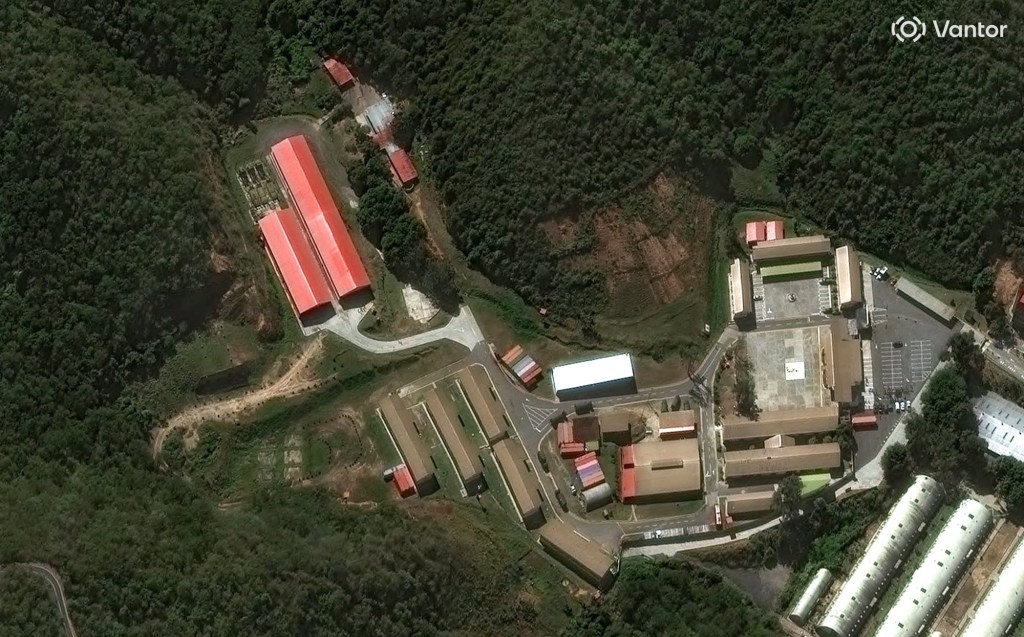
With geolocations,most of the time you will have a video and you want to find the location in took place. This case was no different, I had multiple videos and many of them had the same location shown . I also got very lucky in that some of the major networks has marked out strikes their teams had found on a map so I used one of those as an overview. I also grabbed satellite images from where ever I could, much of it is from the Center for Strategic & International Studies (CSIS), as well as released images from Planet labs and Vantor.
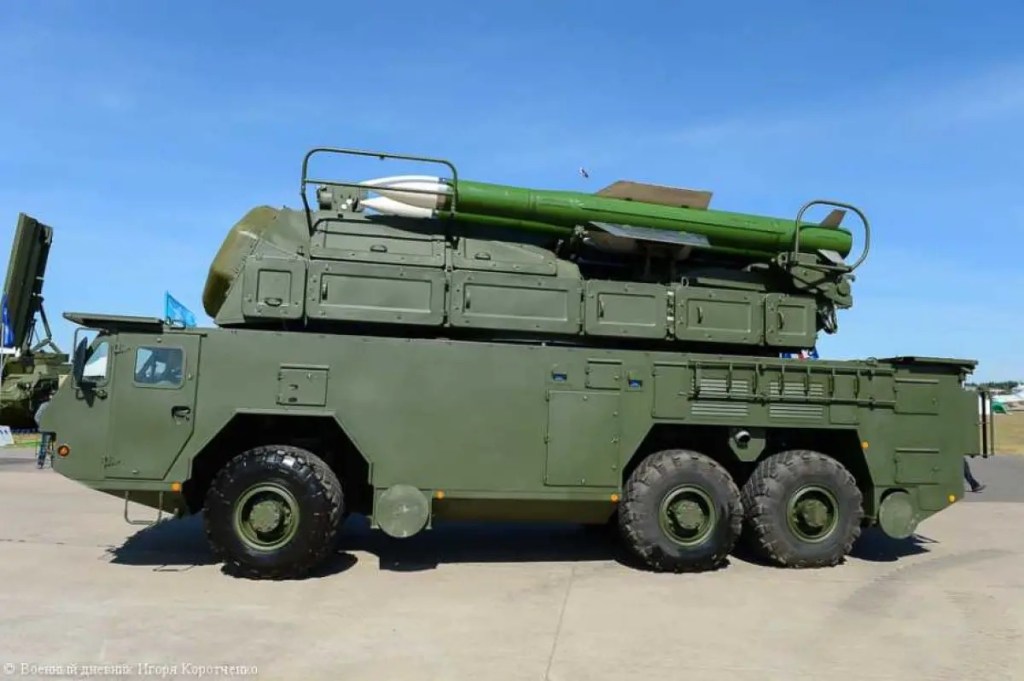
The Venezuelan air defense is made up of several systems but the one we will be talking about mainly today is the Buk series. The Buk is a family of self propelled, medium- range surface-to-air missile systems.
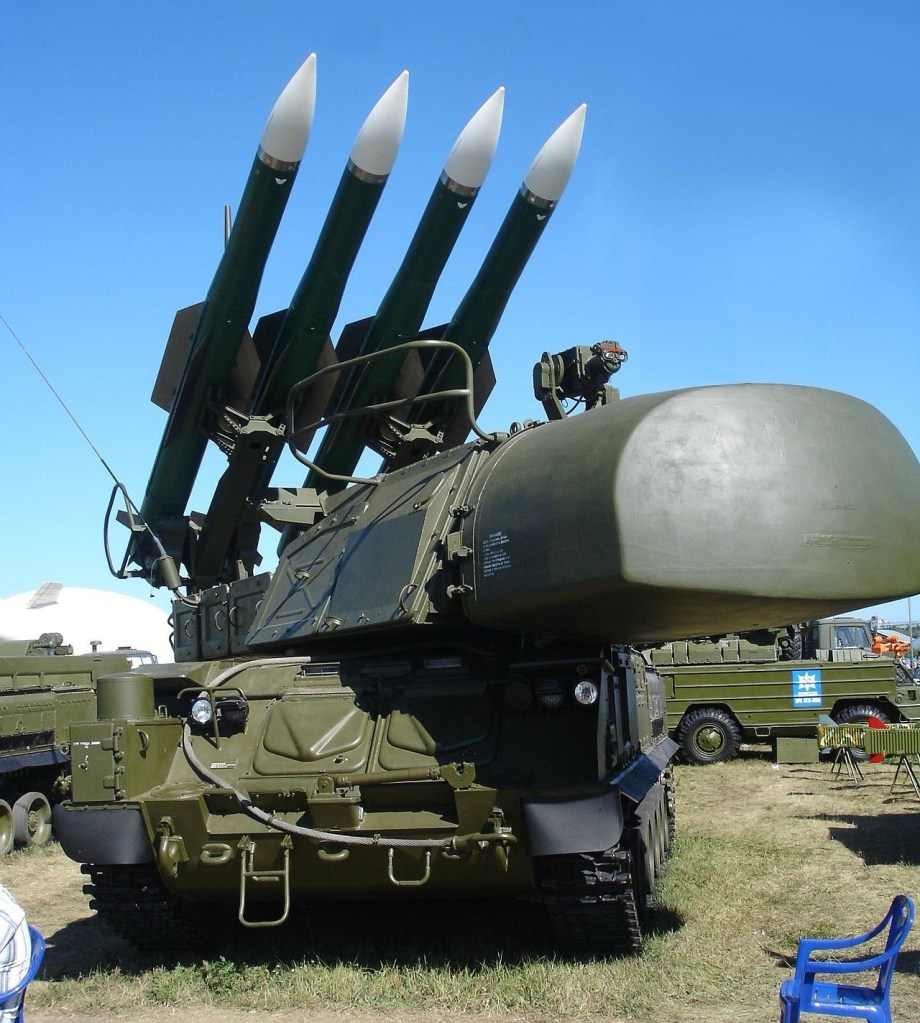
It’s been reported in the days since the strike that none of the systems were hooked up to any sort of long- range detection radar and were only using their targeting radar which is very ineffective.
Former head of the CIA station in Venezuela Richard de la Torre, said that years of corruption, logistical problems, and the impact of international sanctions were the cause of the Venezuelan air defense network being in such a poor combat readiness state.
Moving on to the strikes.
Strikes on Aeropuerto airport.
(Number 1)
The first site I looked at was from the airport located in Higuerote. Images taken after the strikes show remains of what we believe were light airplanes and trucks that were used to block off access to the runway. Remains of a Buk air defense system command vehicle were also spotted.
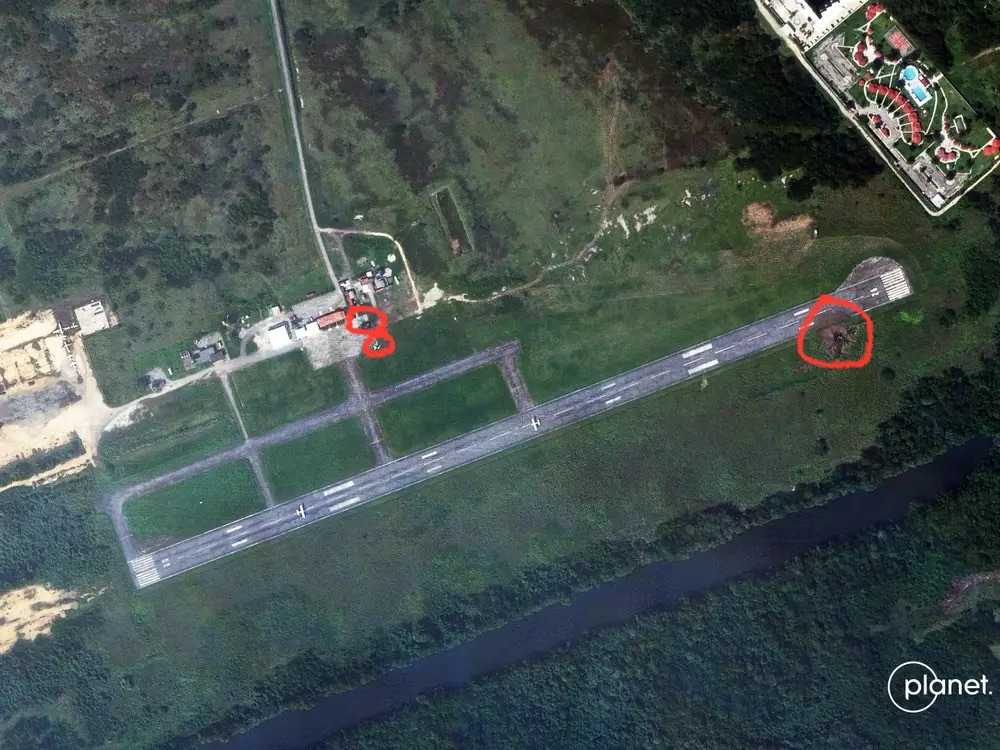
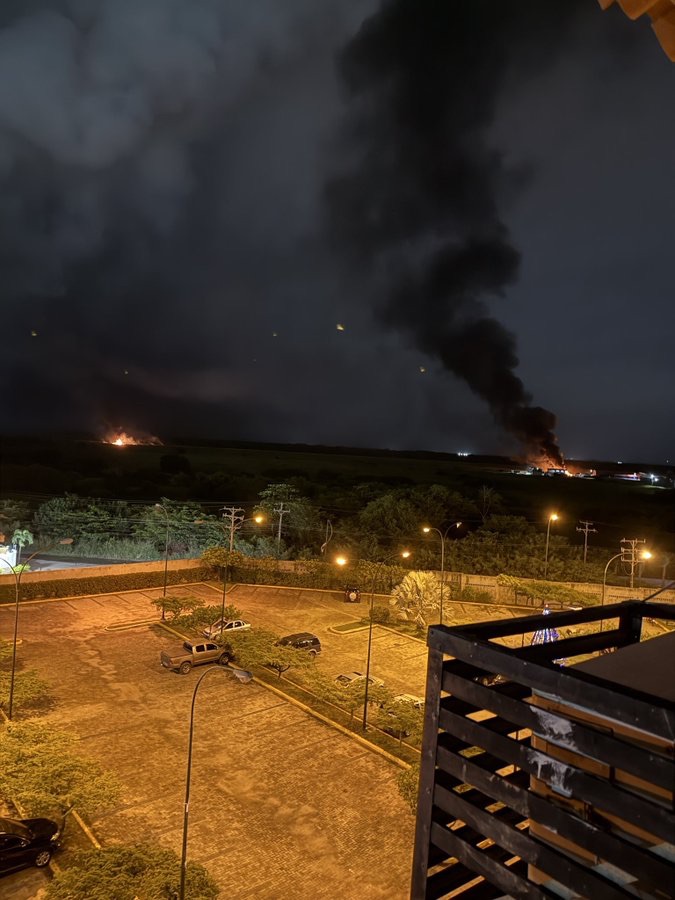
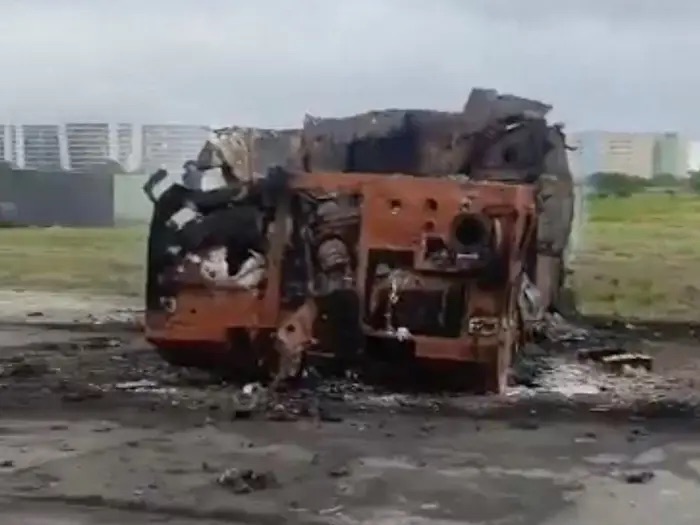
Video of the BUK’s ammo cooking off after the strike was caught.
Strike on Buk-M2E at La Carlota airport.
(Number 2)
At la Carlota, the home of the General Command of the Bolivarian Military Aviation much like at Higuerote both serve a duel-role acting as civilian as well as military airports, Battle damage assessments indicate that only exposed air defense was targeted, while the hangers, runways and everything else remains intact and largely undamaged. Possibly trying to keep collateral damage to a minimum as the airport is surrounded by residential buildings on all sides.

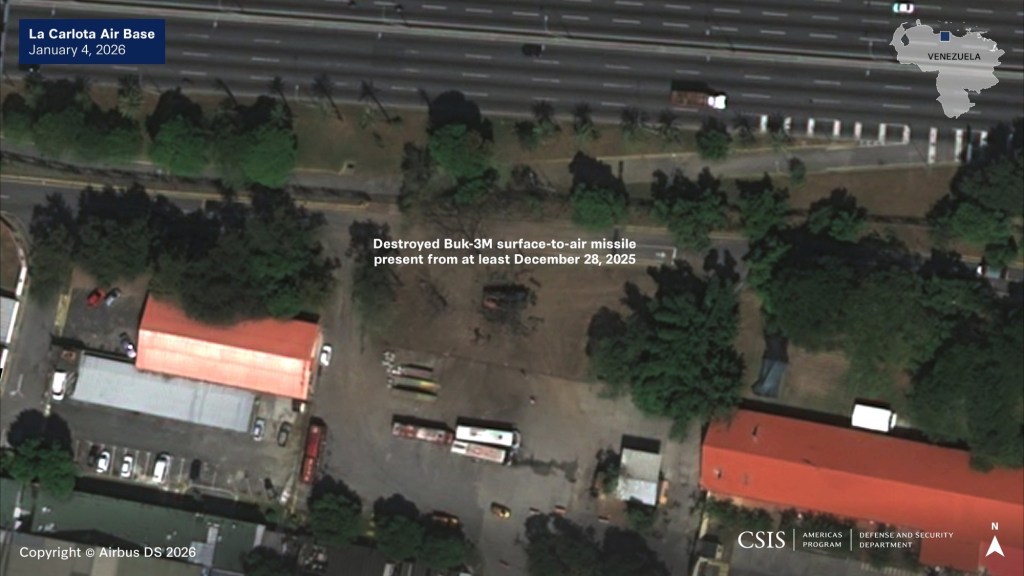

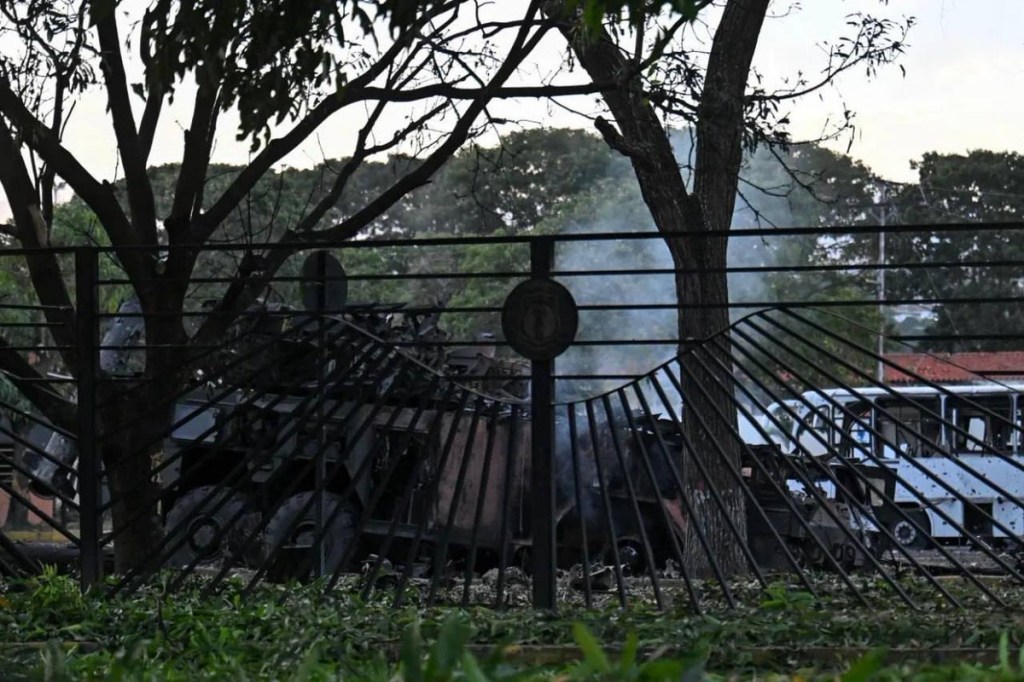
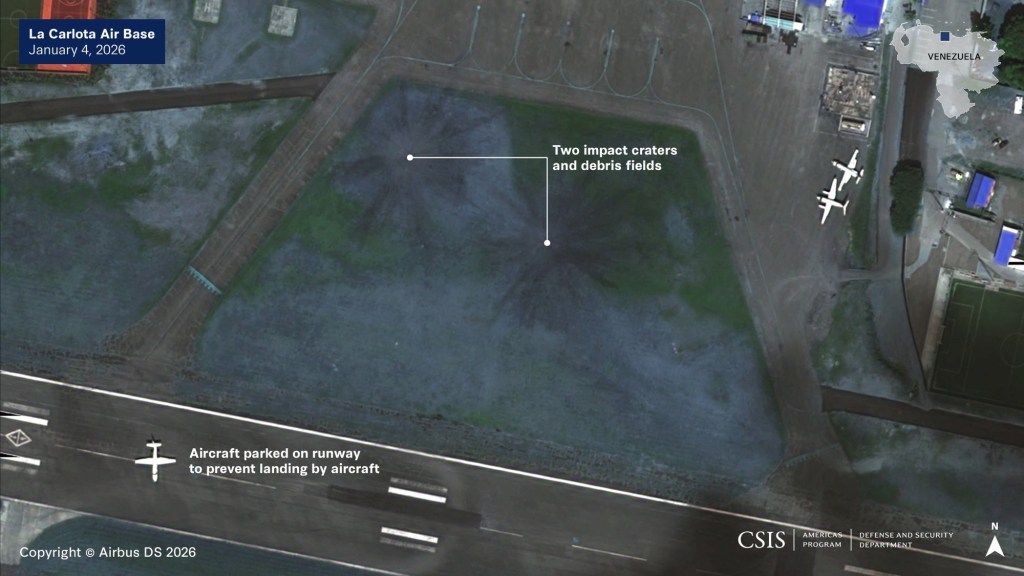
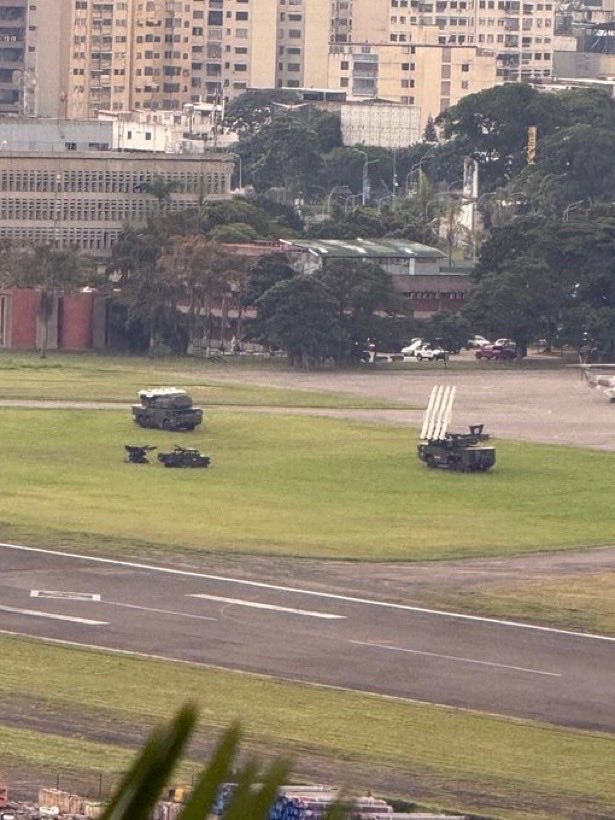
Satellite images from the day after the operation show all of the strikes hit in open areas and avoided targeting buildings. Open source data as well as satellite footage show that at least one BUK-M2E was targeted here, but possibly more.
Strike on El Hatillo Telecom antenna
(Number 3)
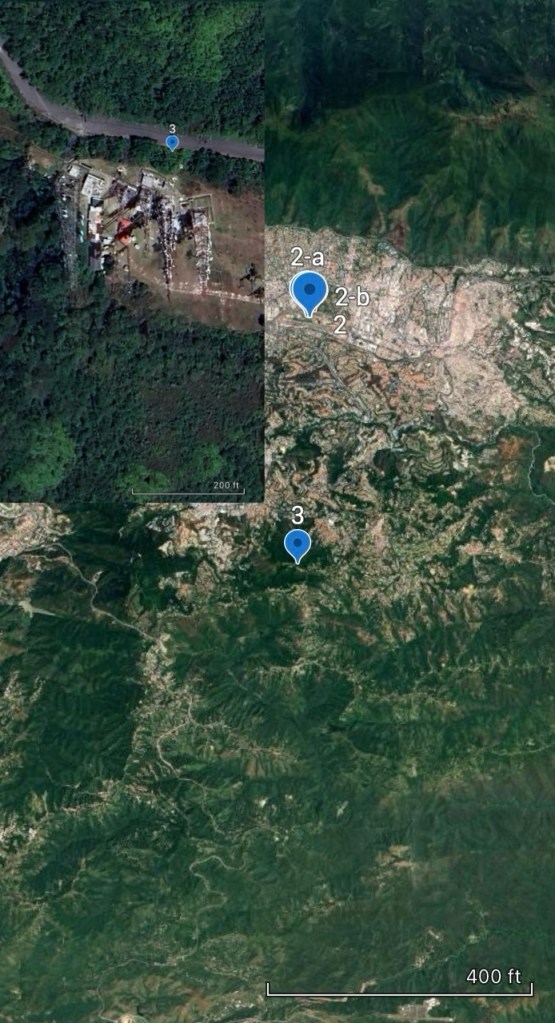
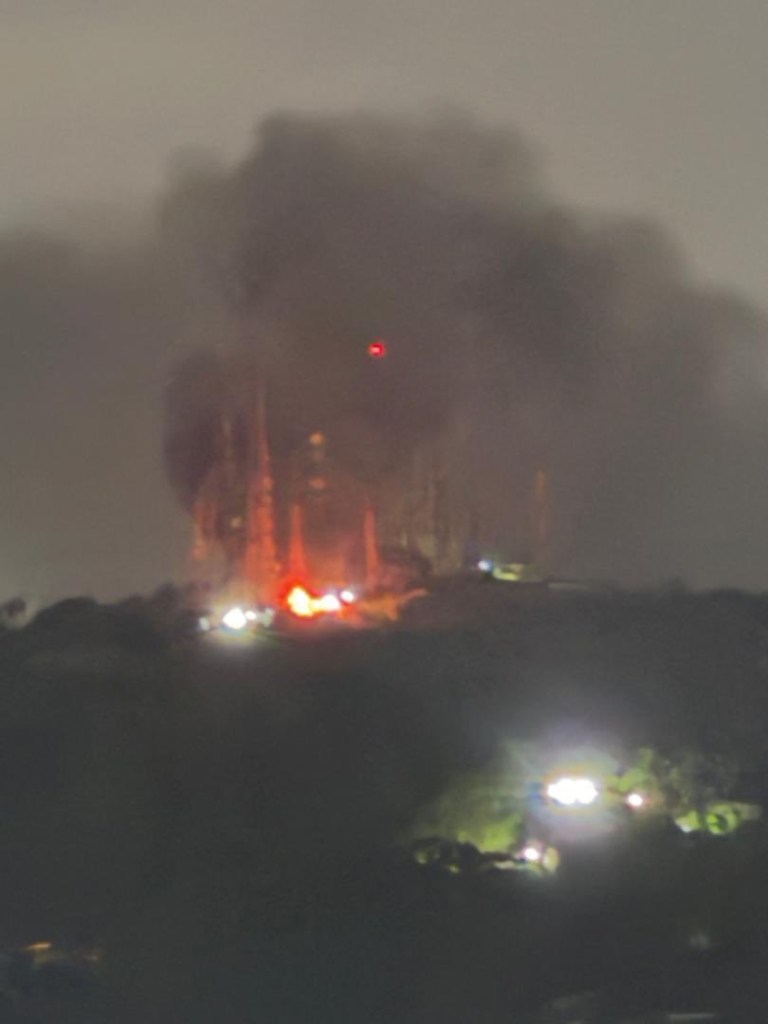
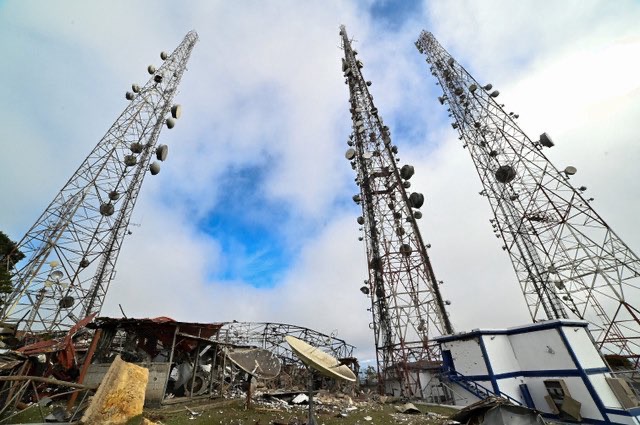
This telecommunications antenna was struck on January 3rd. This mixed with the electronic warfare we know were operating in the air would have likely knocked out most of not all communications in the area, causing confusion and preventing the military from coordinating a defense.
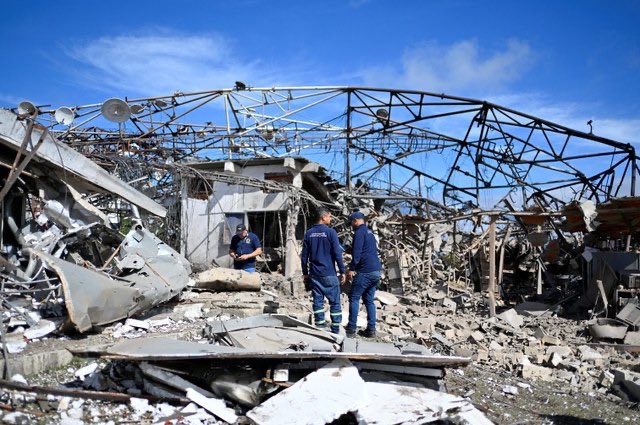
Fort Tiuna
(4A-4C)
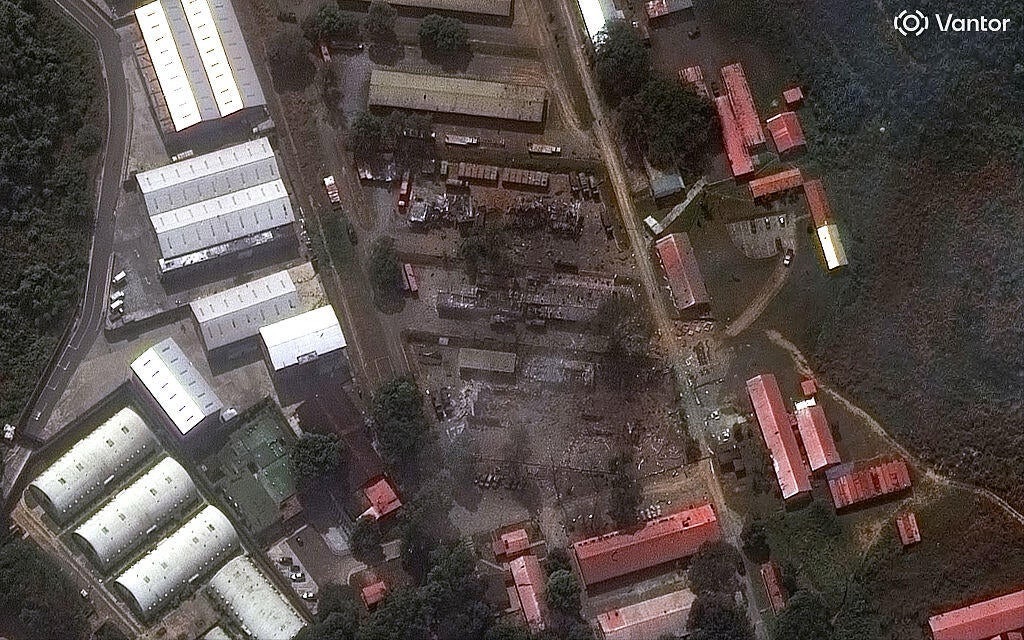
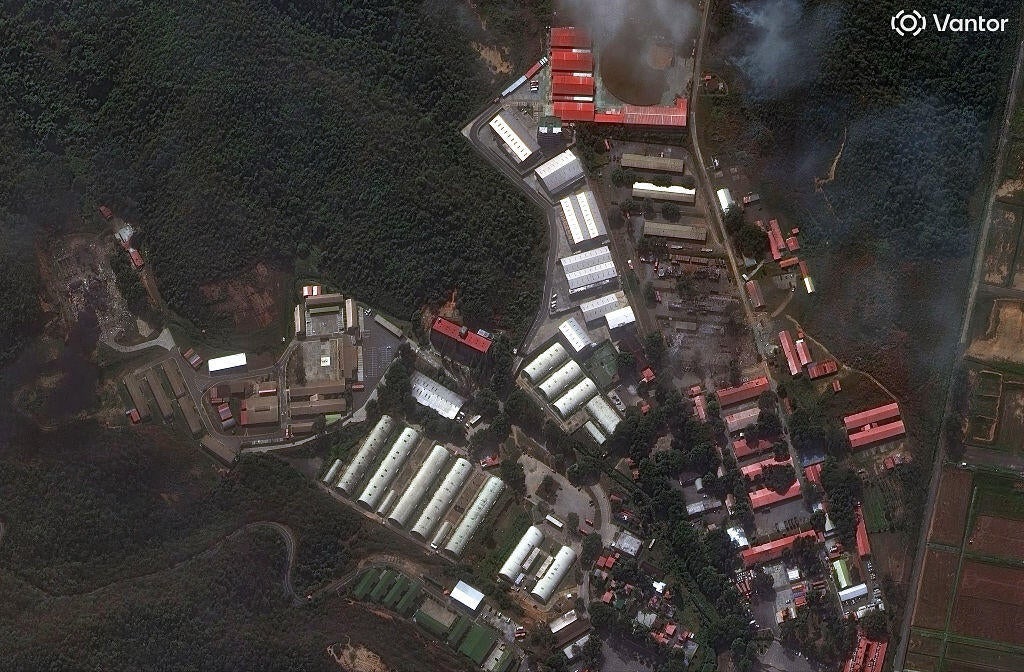
The next set of strikes targeted Fort Tiuna, the military base that housed Maduro and his wife on the night of the raid.
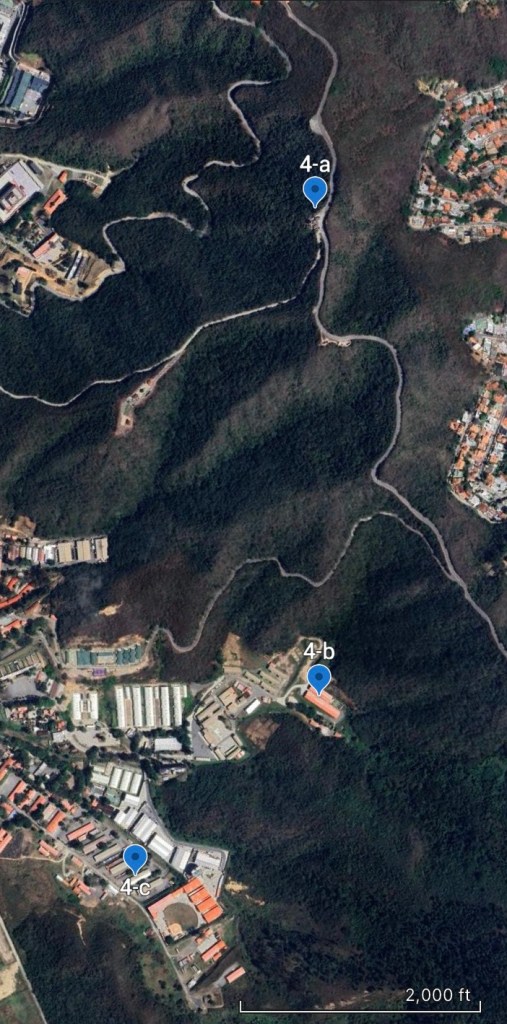
4a. Hit the what Google Earth has listed as the main entrance for the base. It’s also thought to be one of the entrances for the underground bunker built into the mountain.
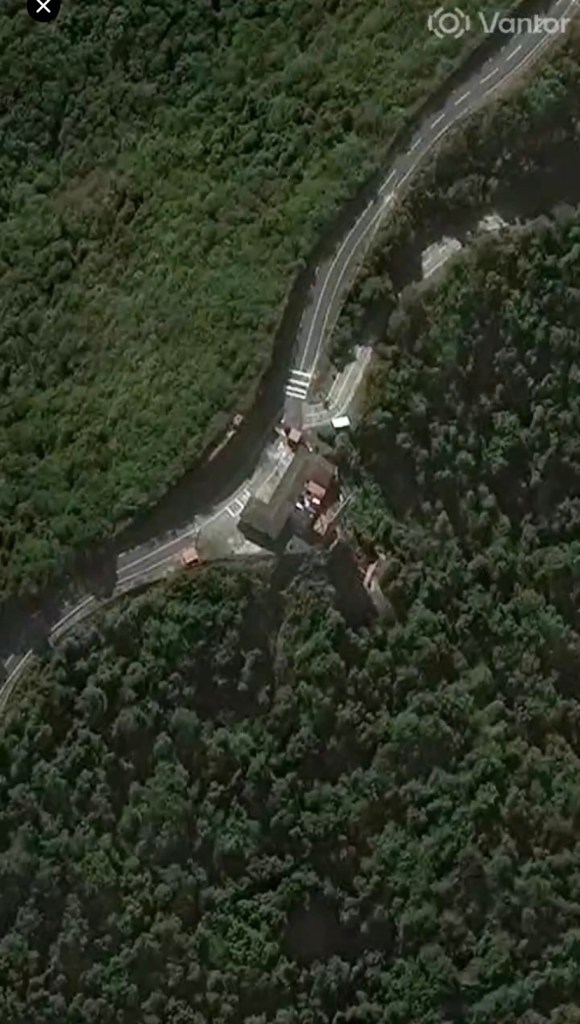
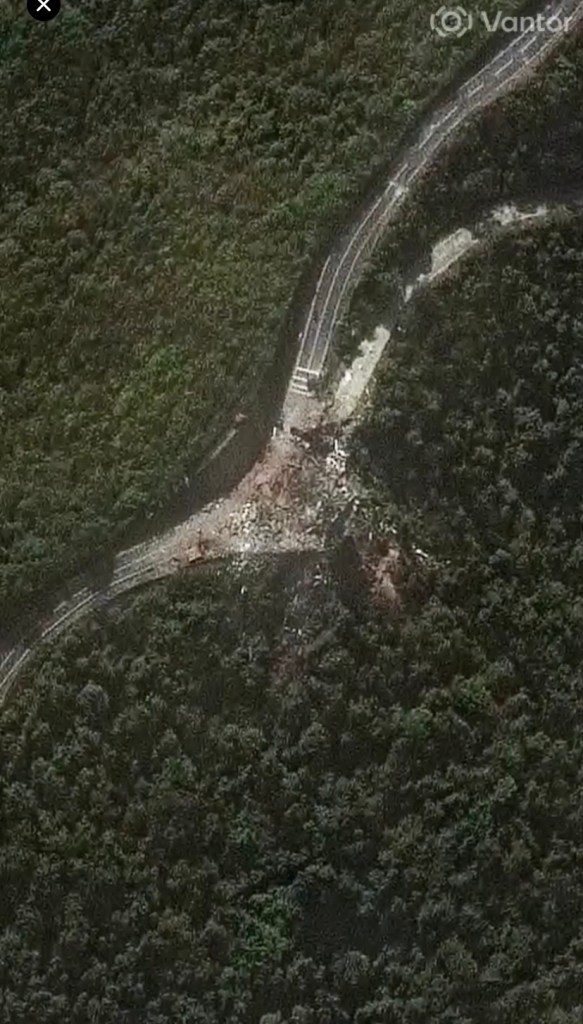
4b. This shows the destruction of a building that appears to be used for storage of mikitary equipment. It’s proximity to the mountain is building could also be one of the entrance points for the bunker.
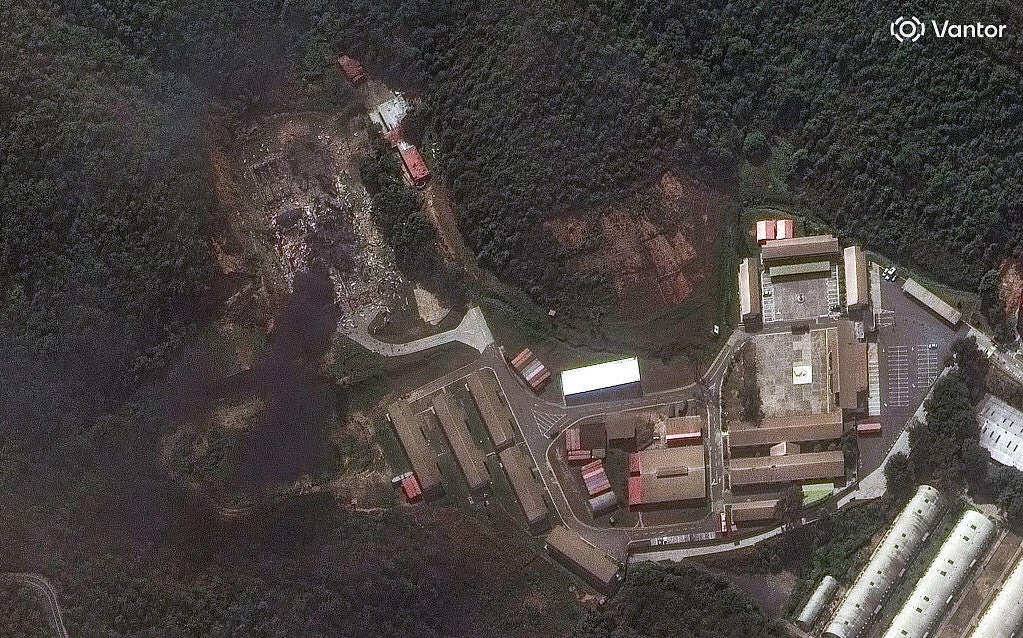
4c. This next one shows the destruction of a vehicle storage facility as well as another building claimed to be another entrance to the underground bunker.
Strike at the Port of La Guaria
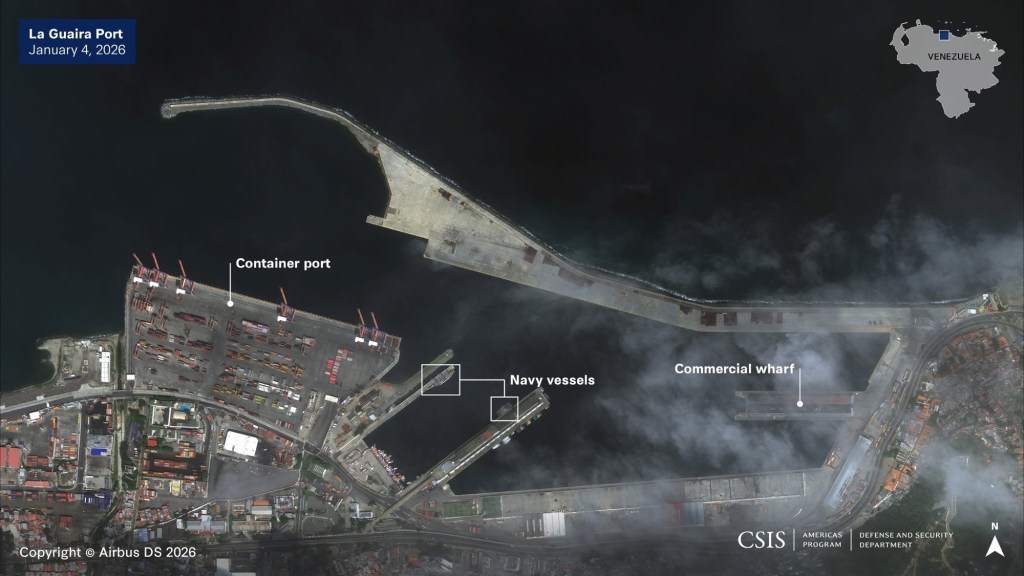
(Number 5)
The strike on the port seems to have yet again targeted part of the Venezuelan air defense network as footage from the aftermath appears to show destroyed Buk systems. Several clips are taken in the direct aftermath of the strike and show the munitions of the AD system being ignited.
CSIS has a great analysis of this strike so I’ll share some of that here as well.
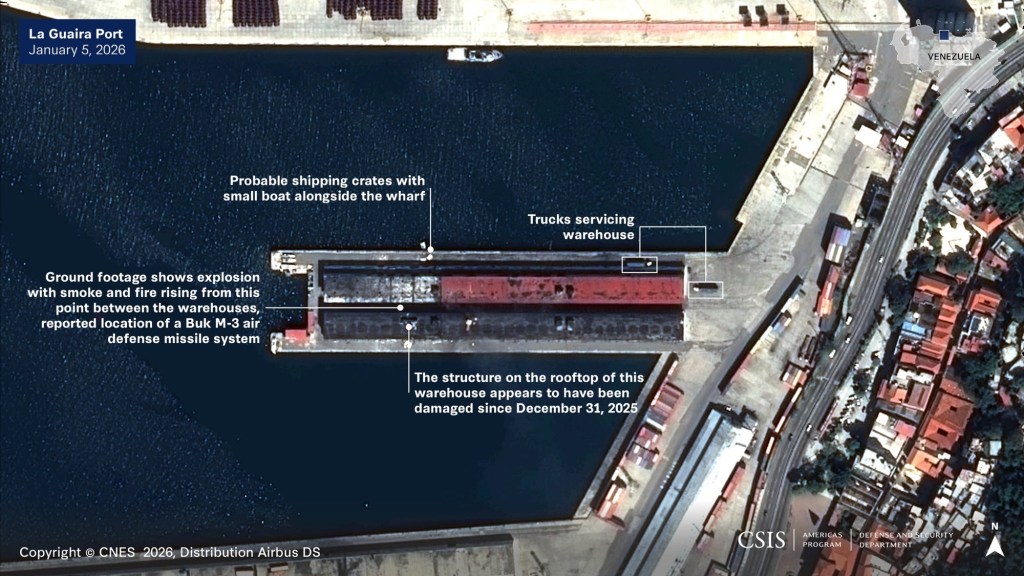
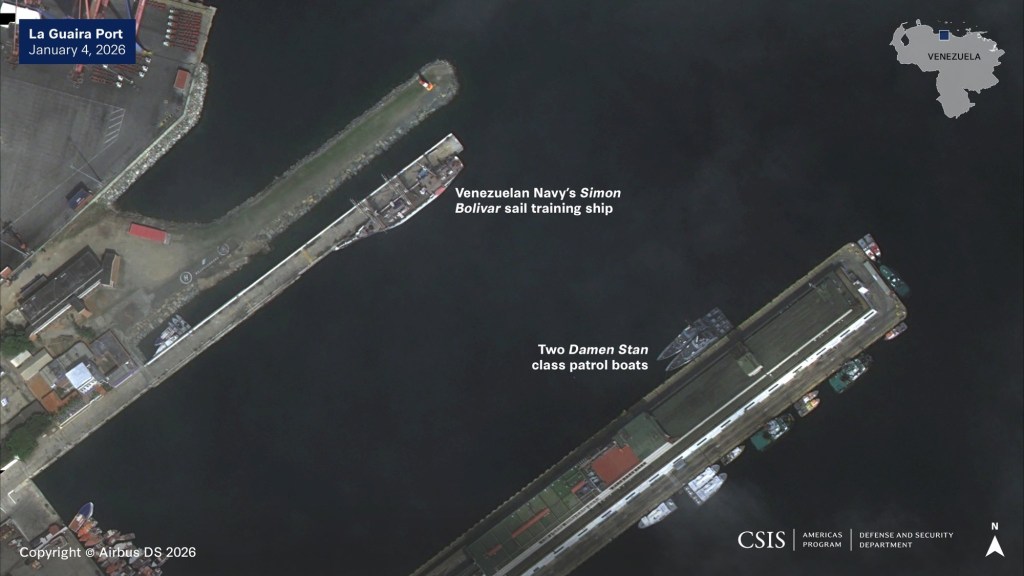
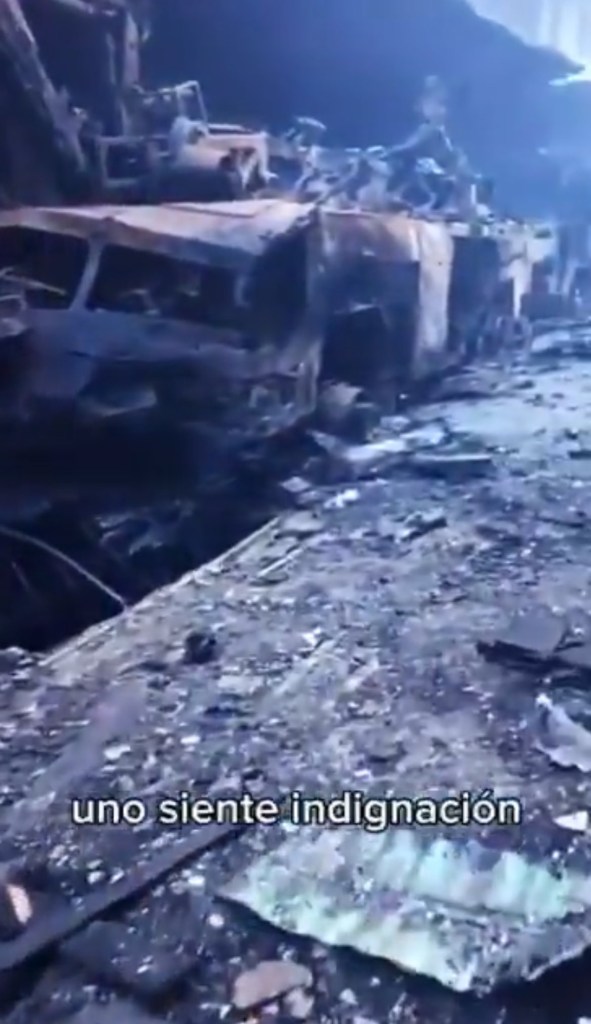
This next video, posted a claim that a warehouse at the port had been targeted because it contained medicines. The video actually proves it was targeted because a Buk launcher was set up between the warehouses, which was clearly the target as the warehouses survive the initial strike but are damaged during the secondary explosions from the missiles cooking off.
Stills from the video showing a destroyed Buk.
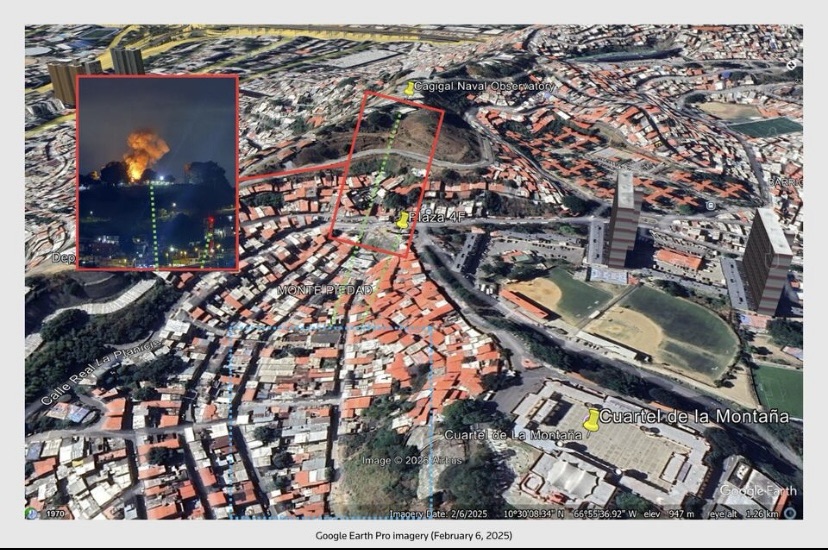
Strike on the observatory which houses the General Command of the Bolivarian Militia.
This strike has raised some controversy as it was reported on the day of the strike that the U.S. had attacked the Mausoleum of Hugo Chávez.
This claim has been debunked by others as well as myself. The video is actually being recorded by a guy standing very close to the resting place of the former socialist revolutionary and president. The strike actually struck an observatory. The observatory houses the General Command of the Bolivarian Militia, a civilian volunteer military militia.
Air Defense position near the Naval academy.
(Number 7)
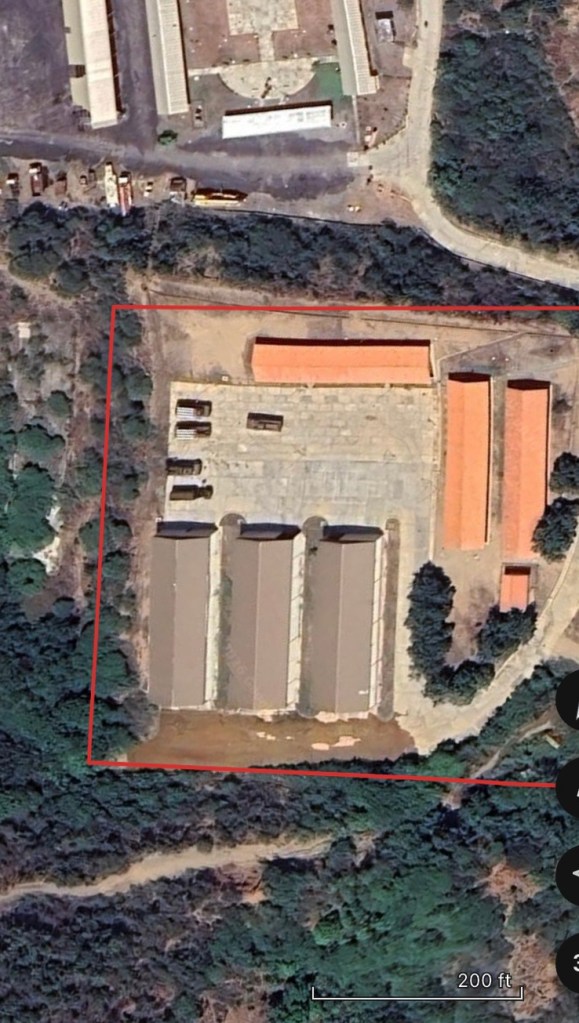
This strike targeted an area near the Naval Academy on the coast. This one, like many of the others targeted an area known to have been the location of air defense systems. Historical satellite imagery shows multiple Buk launchers stored here as well as buildings that housed additional launchers.
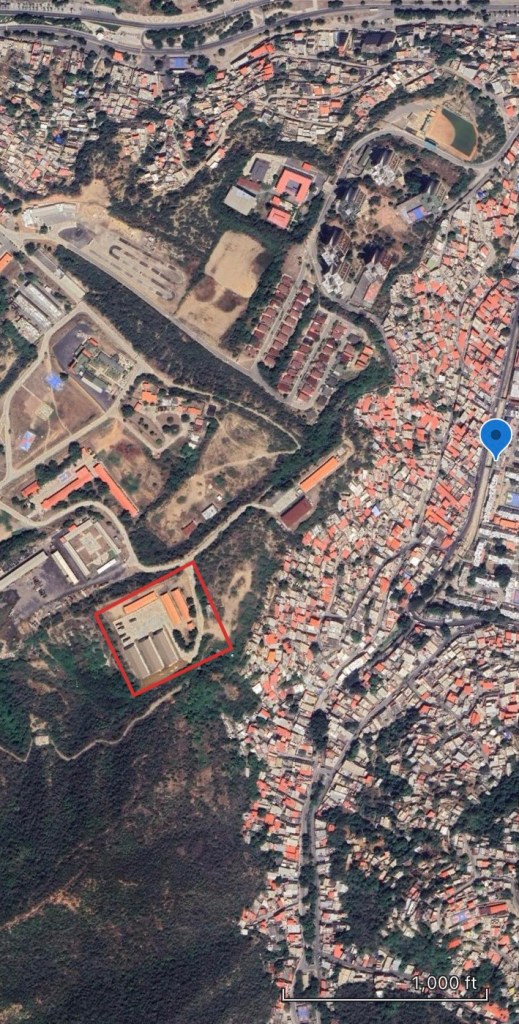
Images released in the aftermath of the attacks show that the buildings were housing additional Buk launchers.
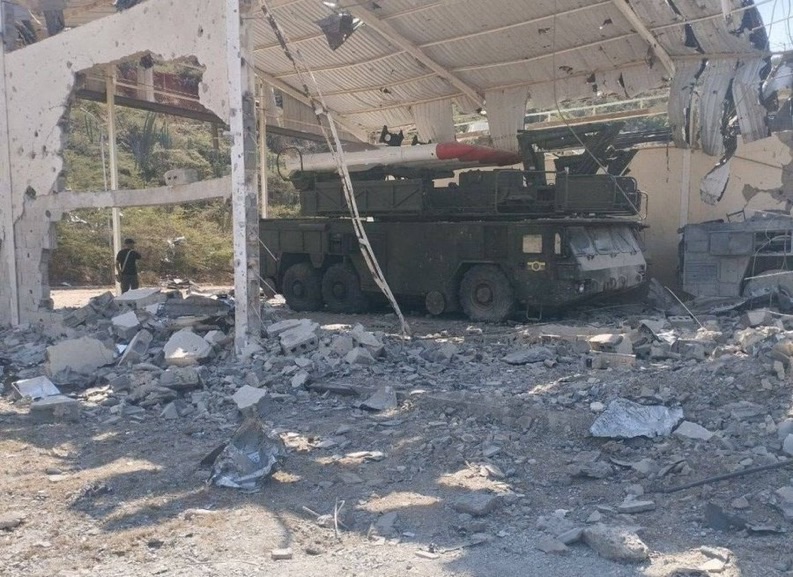
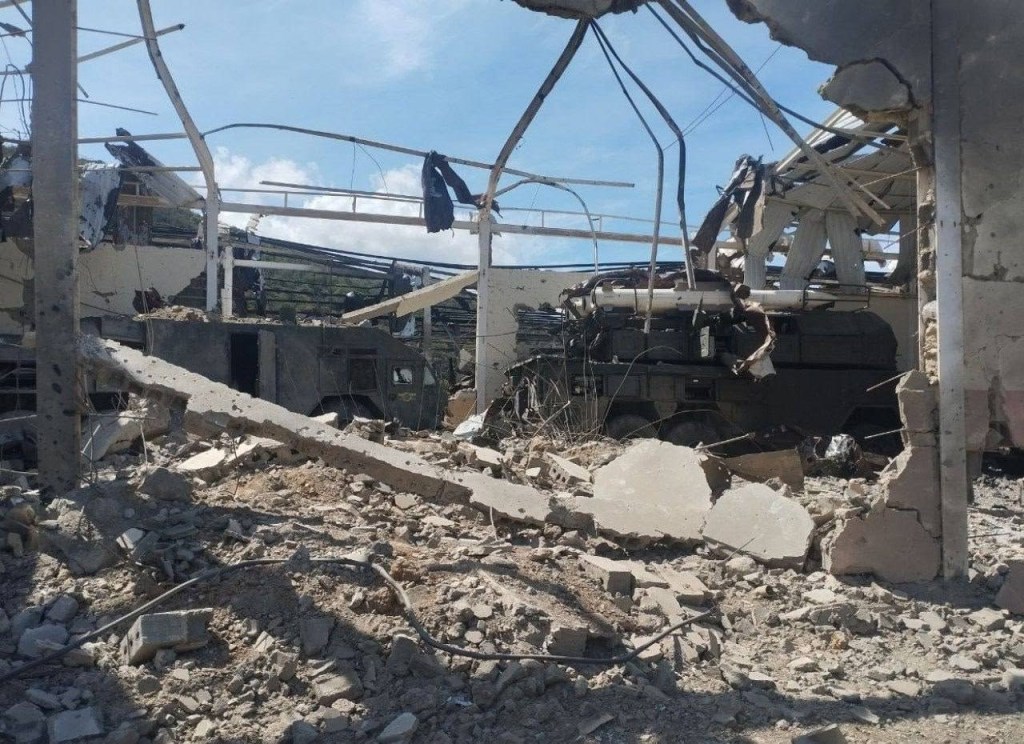
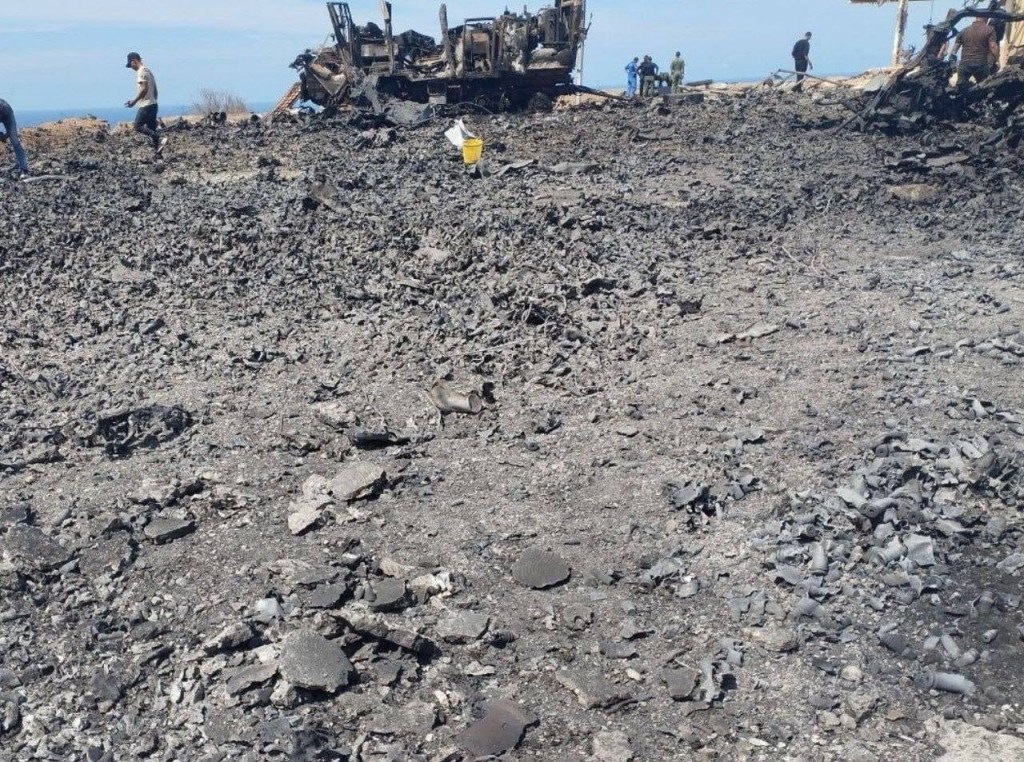

These destroyed buildings match the ones from the satellite imagery.
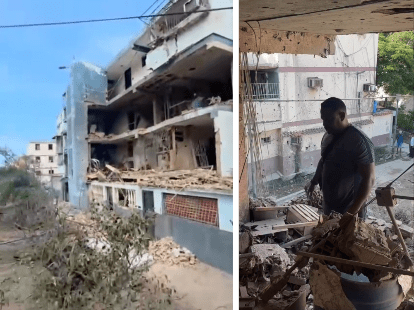
A mistake.
(Number 8)
During the course of the operation the U.S. did an impressive job of protecting the civilians of the city. However evidence from the aftermath shows that a missile that was likely ment for the above air defense site target went off track and struck and apartment in Catia La Mar, killing an elderly lady by the name of Rosa Gonzalez,79.
Missile appears to be a US AGM-88 HARM according to experts familiar with the weapons system as well as my own experience. The remains of the missile are shown below as well as with a comparison.
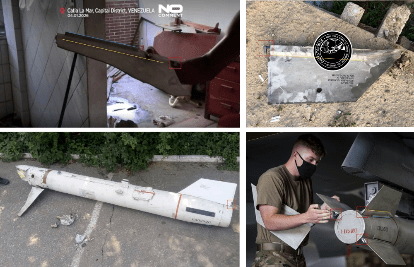
The AGM-88 HARM/AARGM missile is what’s known as an anti-radiation missile. The missiles function is to home in on radar signals it detects and is used for destroying enemy air defense and radar. The missile can be pre-fired as a plane is flying into an area if it expects an enemy air defense radar will activate. However this missile either had no target or missed its target and hit this apartment.
Bellingcat does an awesome write up on this incident that I’ll link to here:
Fort Guaicaipuro
The last strike I found was on a set of buildings located at Fort Guaicaipuro, south of Caracas.
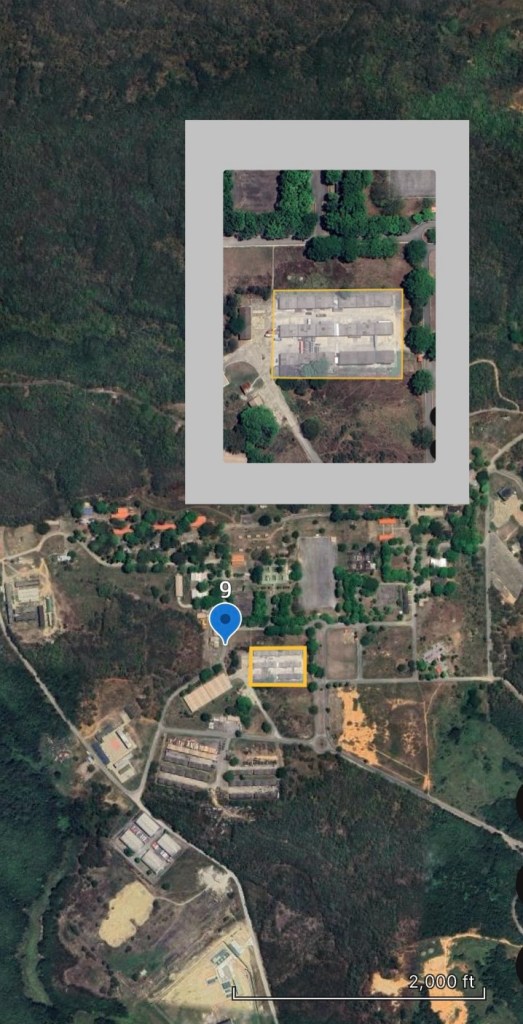
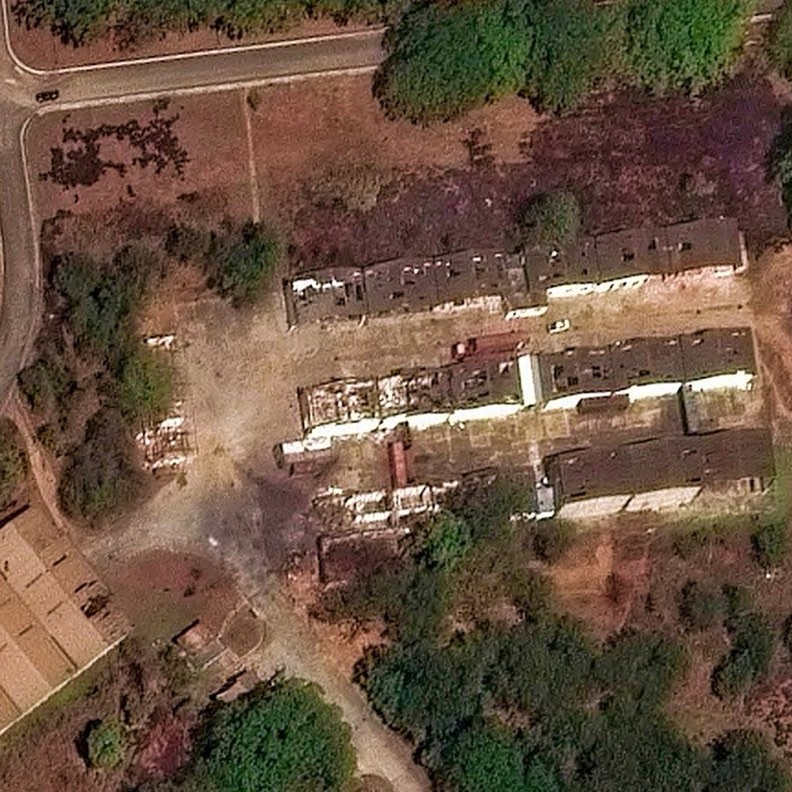
It’s unclear what is stored at this site as footage from the aftermath has yet to be released.
Thank you for taking the time to read this. It took me a lot longer than I expected to gather all the data and do the work to geolocate everything. Every time I do a big project like this I learn new skills and hopefully they will carry over and help improve future projects.
Im positive that some strikes were missed. If so, I’d like to know about it, so send me an email or message on any of my socials. The map from the New York Times has one strike I just couldn’t confirm at the El Libertador airport and I looked but couldn’t find evidence of a strike taking place there.
 Global Conflict Reporting
Leave a comment