By. Scott Jackson
01/28/2025
Hundreds of thousands are currently fleeing the city of Goma and the surrounding area as M23 militia have reportedly commenced a large-scale assault on the area. The United Nations has said that M23 control the airport but that some pro-government militia and the Congolese army are still holding out.
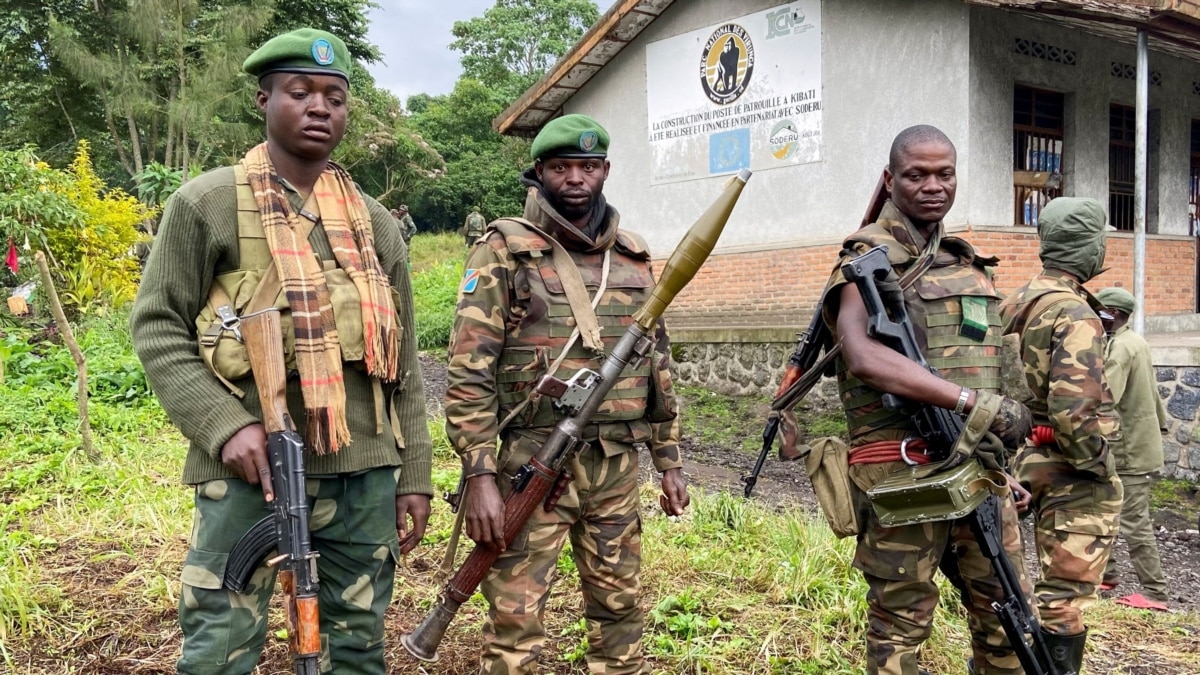
Learning the past to better understand the present.
M23 or the March 23rd Movement and also known as the Congolese Revolutionary Army, is a Congolese majority Tutsi rebel army backed by Rwanda. They mainly operate out of North Kivu province which borders Rwanda and Uganda in the eastern Democratic Republic of the Congo. A United Nations report in 2013 found that M23 was essentially created and led by the Rwandan government, headed by President and former revolutionary leader Paul Kagame since after the 1994 Rwandan Genocide.
To understand this current conflict we have to go all the way back to the genocide which was kicked off in ‘94 when the plane carrying President Juvénal Habyarimana, an ethnic Hutu, was mysteriously shot down on its approach to the capital, of which the plane was Kigali. This sparked the 100 day murder spree that became known as the Rwandan genocide. An estimated 800,000 people, mostly of the Tutsi minority, were killed in that time frame by the instigation of Hutu extremists. At the end of the hundred days Kagame’s army had control of the country, and hundreds of thousands of Hutu extremists as well as normal people fled to the neighboring country of the Democratic Republic of the Congo (called Zaire until it was changed during the first Congo war in 1997).
The First and Second Congo Wars.
The Rwandan genocide left a large influx of refugees and militia groups who made their way into the DNC, already weak from years of corruption and dictatorship under the goverment of then president Mobutu Sese Seko the country was in a state of economic and political collapse by 1996 which weakened the government and the military.
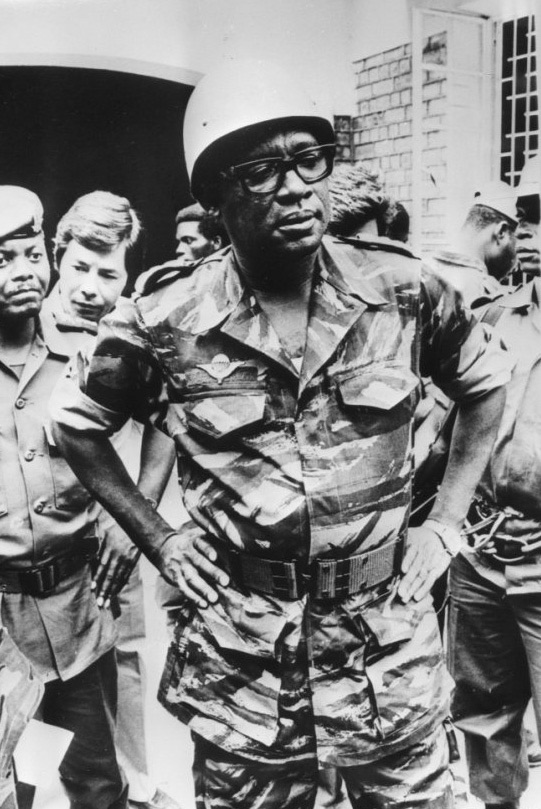
The war began here in 1996 when Rwanda started arming rebels in eastern Zaire (soon to be the Congo) and planning an invasion from the East to target majority a Hutu rebel group called the Republican Rally for Democracy in Rwanda (RdR) which had been conducting cross border raids from Zaire and had taken refuge in the country to escape The Rwandan Patriotic Front (RPF) who were now the goverment in Rwanda . The Hutu rebels also had a plan for an invasion back into Rwanda. Then Burundi, Uganda, Angola, and Eritrea all also joined Rwanda in the invasion and in supporting the Anti-Mobutu rebel groups and the Mobutu regime backed by the Sudanese quickly collapsed with mass ethnic violence kicking off as the government fell in 1998. Hundreds of thousands died. The leader of the Anti-Mobutu rebels, Joseph Kabila a longtime opponent of Mobutu who had been backed by Uganda and Rwanda took control of the country and renamed it to the Democratic Republic of the Congo. Attempting to distance himself from his backers in Rwanda and Uganda Kabila expelled all foreign soldiers and formed several alliances between DRC and regional powers of Angola, Zimbabwe, and Namibia. This caused Uganda and Rwanda to invade once again, kicking off the second Congo war in 1998.
The second Congo war is one of the most messy parts of African history and while I hate to do this I’m going to yadda yadda my way past it for the sake of time. 9 African nations and 25 different groups took part in the fighting before a peace deal was struck in 2002. 5.4 million people are estimated to have been killed in the war, most from disease and malnutrition. That war ended in a peace deal between the warring parties. However some fighting still continued in the region with the various militia groups. M23 formed from one of these groups.
M23 stems from the National Congress for the Defence of the People (CNDP) led by Laurent Nkunda, a Tutsi and former Congolese officer turned warlord. His story is interesting and important for the history and context of today’s current events.
Laurent Nkunda: Rebel leader.
Nkunda fought against the homicidal Hutu government in the Rwandan civil war and also took part in both Congo wars.
After the the official end of the second Congo war in 2003 Nkunda was brought into the National army of the transitional goverment as a colonel . He was made a general by 2004 and given command of the 81st and 83rd brigades. However he soon rejected the authority of the new government and defected with some former RCD-Goma rebels. They fled to the forest in North Kivu, in eastern Congo and started a rebellion against Joseph Kabila who had been made president after his father’s death in 2001.
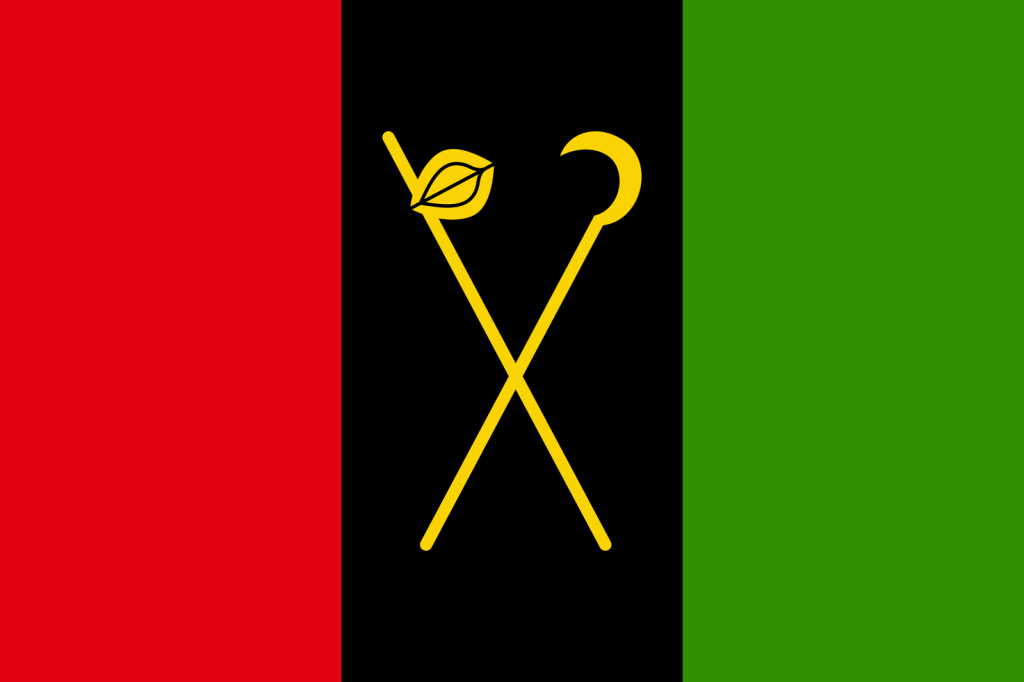
This rebellion is rare in that it actually worked to improve the lives of the people in their territory. The group worked on constructing infrastructure and developing social institutions. This is when a new political group and the group that would go on to form M23 would be formed, the National Congress for the Defense of the People (CNDP).
In 2008 the CNDP rebels, led by Nkunda, advanced towards the city of Goma with the intent to take it. While doing so they fought against the Congolese armed forces as well as Hutu militias backed by Congo (FDLR) and United Nations forces in the country. During this time The Congolese army claimed CNDP was receiving aid from Rwanda.
This fighting was another bleak time for the region with 200,000 people being displaced, adding to the estimated 2 million who had been displaced in the fighting around Kivu. This caused a massive humanitarian crisis. Food shortage, and civil unrest in the area followed. The UN called this a “humanitarian crisis of catastrophic dimensions.”
During this time CNDP and its leader, feeling they held all the cards, threatened to topple the government of Congo if president Joseph Kabila didn’t negotiate.
Nkunda was arrested on 22 January 2009 after he had crossed into Rwanda. The Congolese failed to defeat him with arms so a deal was struck between Congolese president Kabila and Rwandan president Paul Kagame. Kagame’s forces would cross into Congo and remove the Hutu FDLR militia, long a Thorne Kagame’s side. All Kagame had to give up was Nkunda. He was captured after a joint DR Congo and Rwandan force fought off his 3 battalions he sent to fight the advancing Joint force.
He is to this day still in prison in Rwanda.
The beginning of M23
M23 stands for March 23rd (2009) movement. The date of a peace treaty between the militias and the government of the DR Congo. Part of that peace treaty had members of the CNDP integrating into the Congolese Armed Forces. However many former militiamen claimed poor conditions in the army as well as the Congolese government failing to uphold their end of the deal. Tensions escalated when the military claimed several ex-CMDP soldiers were exploiting their positions as officers to monopolize mineral trafficking in eastern DRC. These soldiers resisted the military’s efforts to relocate them to elsewhere in the country, away from their base of power. This all led to a mutiny in April of 2012 led by Colonel Sultani Makenga and General Bosco Ntaganda also known as “The Terminator”. These two conspired together to unite the separate mutinous factions. A report by the UN also looked at the forming of M23 and linked several high ranking officials in the Rwandan government to various financing, military, and political support. M23 received direct military support from the Rwandan defense forces as well as recruitment in Rwanda and logistical support. The Rwandan defense forces have been involved in direct operations across DRC borders.
M23 is primarily made up of Tutsi and as such directly oppose the extremist Hutu militants of the Democratic Forces for the Liberation of Rwanda (FDLR) some of FDLRs longtime members were original members of the Interahahmwe which carried out the Rwandan Genocide. This adds a layer of complexity to the situation and is one of the reasons for the direct support from Rwandan officials.
The situation in Goma.
The city of Goma, the regional capital, sits on the border of DRC and Rwanda and is a crossroads for travel in the area. It sits just north of the massive Lake Kivu. It was seized once before by M23 in 2012 but the group were forced out after fighting UN and Congolese forces. A peace agreement was brokered which led to the return of the city to Congo. In 2022 the group had a resurgence and seized the town of Bunagana a town on the DRC and Uganda border. Since then they have made their way south towards Goma and East into the resource and mineral rich territory of Masisi.
The UN has tried to broker another peace deal however fighting between DRC and Rwanda has put a stop to that. Rwanda blames the DRC for not recognizing and negotiating with M23 and DRC says that M23 is nothing more than another shadow army of Rwanda.
Sunday a statement was released from Rwanda saying that DRC was to blame for violating previous ceasefire deals as and said M23 was fighting to protect the Tutsi community.
When M23 came from the north they first took the town of Sake to the west of Goma forcing the Congolese army to retreat back to Goma. The UN and DRC officials say the city is essentially surrounded. UN officials have been allowed to leave the city by bus as M23 currently occupies the airport and has closed the airspace. The UN peacekeeping force, remains in the city for now.
On Saturday M23 issued a statement that said the Congolese military in Goma should surrender in the next 48 hours. On Sunday night the siege on the city started. Fighting intensified from there with gunfights in the streets, armored vehicles and artillery. The artillery is the most concerning part with such a dense urban setting mass civilian injuries are already reported.
Who had control of the city was not immediately clear on Monday and Tuesday as fighting continued. Thousands have fled on foot, the rest have been unable to leave their homes for fear of violence.
Multiple images and video have been released showing some of the ongoing situation.
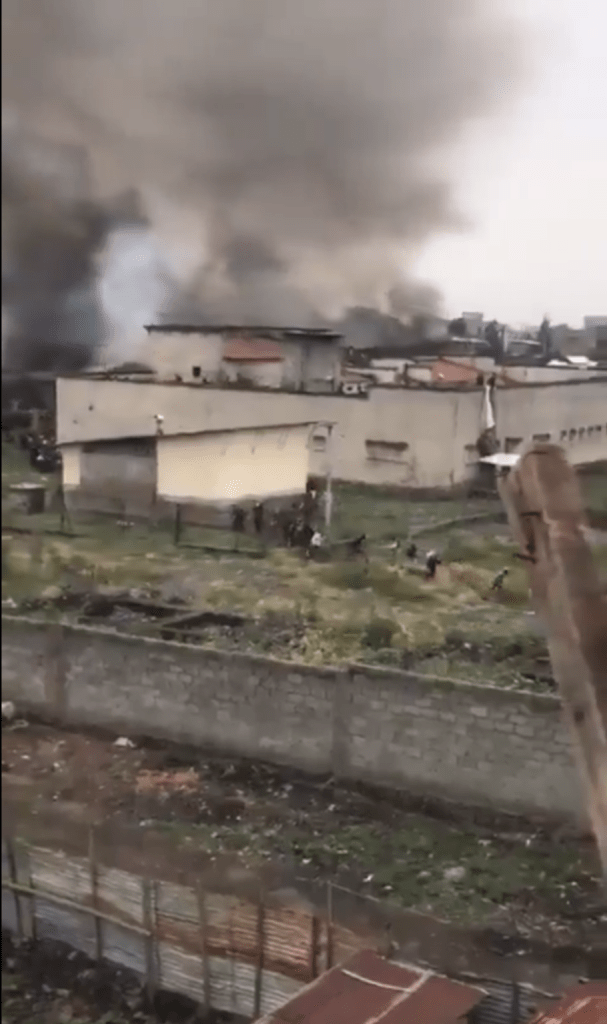
AFP posted a video which shows surrendered Congolese soldiers being escorted across the border by Rwandan army.
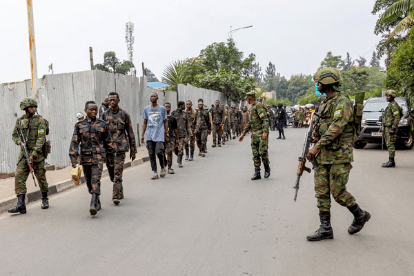
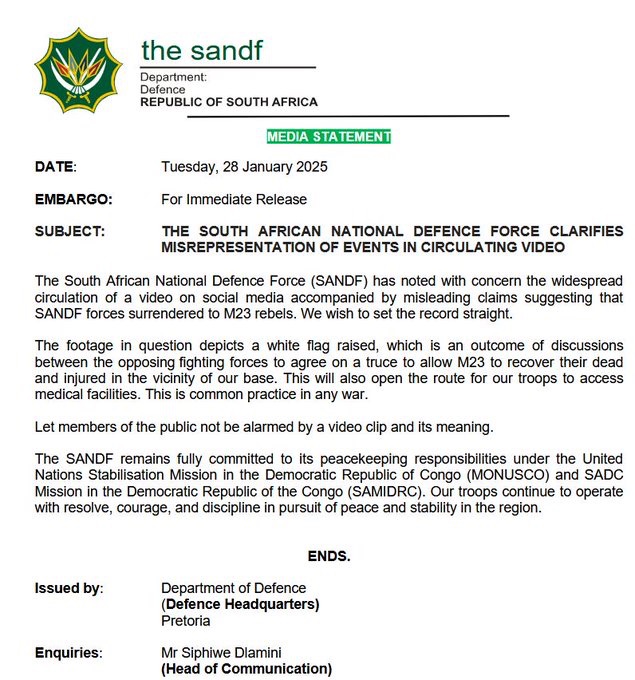
The South African National Defense Force has a peacekeeping detachment in the city. They released a video which shows a white flag above their compound. They say it represents a pause in the fighting so the dead can be collected and not a surrender.
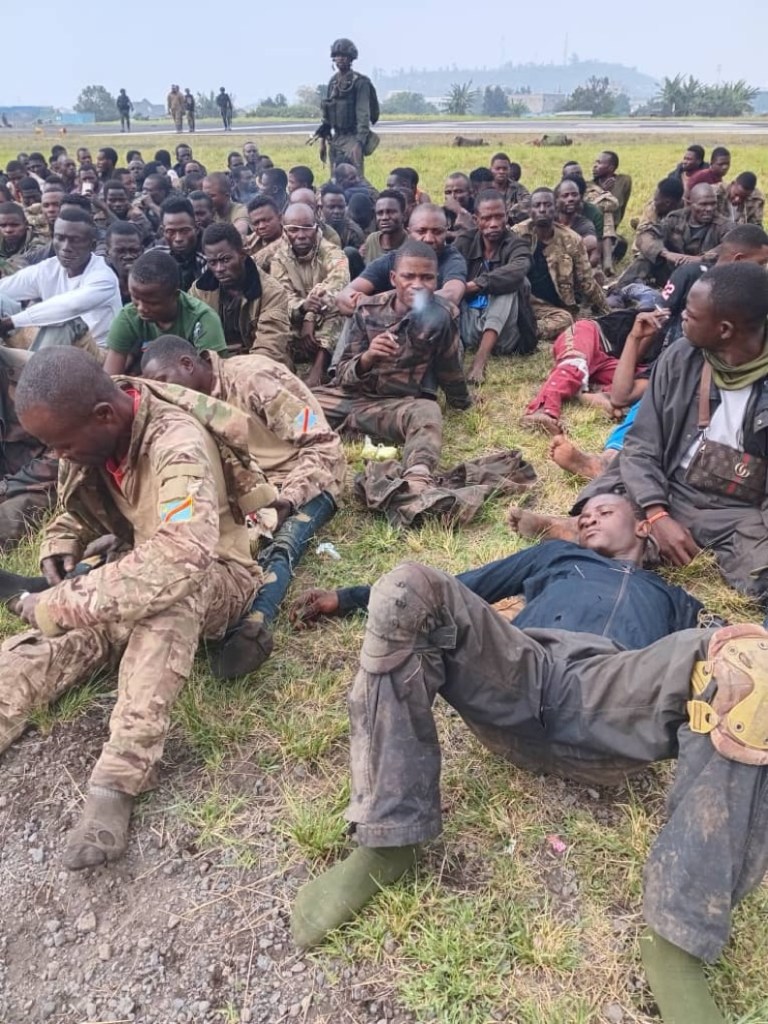
We don’t yet know what M23’s plan is. There are two ways this can go. One possibility is that they will attempt to cement their control over the town, brining in more troops and heavier armor (supplied by Rwanda). They could possibly attempt to start negotiations with DR Congo as they currently have the strong hand.
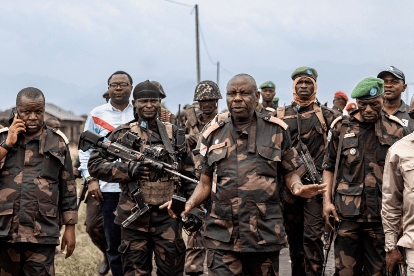
There is alot of good reporting going on if you know where to look. Bellingcat has a write up that was invaluable when writing this. A lot of the pictures for this article were collected by them for their reporting.
 Global Conflict Reporting
Leave a comment