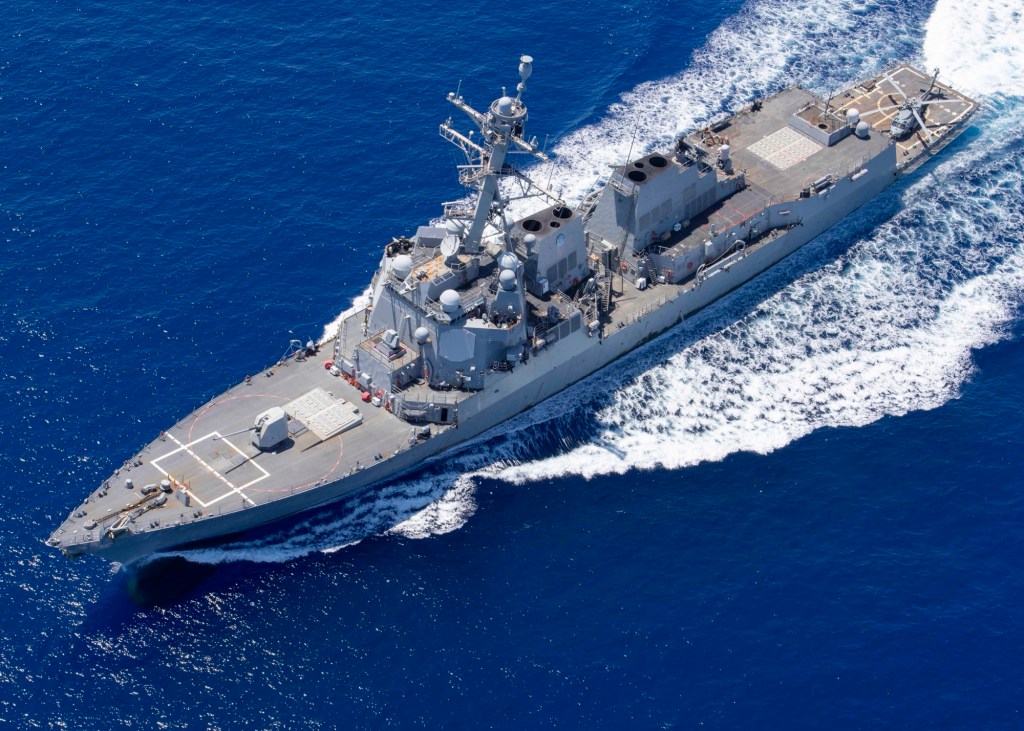
On Wednesday, February 9th, the USS Truxtun (DDG-103), an Arleigh Burke Class Guided-Missile Destroyer, collided with the USNS Supply (T-AOE-6), a Supply-Class Fast Combat Support ship during underway replenishment (UNREP) operations somewhere in the Caribbean. At the time of the incident, the USS Gettysburg (CG-64) is believed to be the ship to the port side of the USNS Supply, it can be seen for a brief second in the video.
Both known videos of the incident can be viewed below.
🚨 BREAKING: Video shows the moment the USS Truxtun and the USNS Supply collide in the Caribbean Sea.
“Yesterday afternoon, the Arleigh Burke-class guided missile destroyer USS Truxtun (DDG103) and the Supply-class fast combat support ship USNS Supply (T-AOE-6) collided during a replenishment-at-sea. Two personnel reported minor injuries and are in stable condition. Both ships have reported sailing safely. The incident is currently under investigation.”
UNREP allows ships to stay at sea and on task for much longer. Instead of finding a friendly port every time they need supplies, the supplies are brought straight to them. However, The Navy, and some sailors, consider UNREP one of the most dangerous things you can do while at sea. It’s a very hazardous operation that has the potential to go wrong in a very short amount of time even if the crews are doing everything they are supposed to do. “Seemingly minor mistakes can turn into potential severe mishaps in seconds.” Says a 2024 dispatch from the Naval Safety Center.
Mechanical malfunctions have caused a number of accidents in the past and often accounts for why these collisions take place. Problems with the rudder or even a malfunction with one of the propellers could be the cause. Certain human issues have also played a role, like stress or tiredness at the end of a long shift.
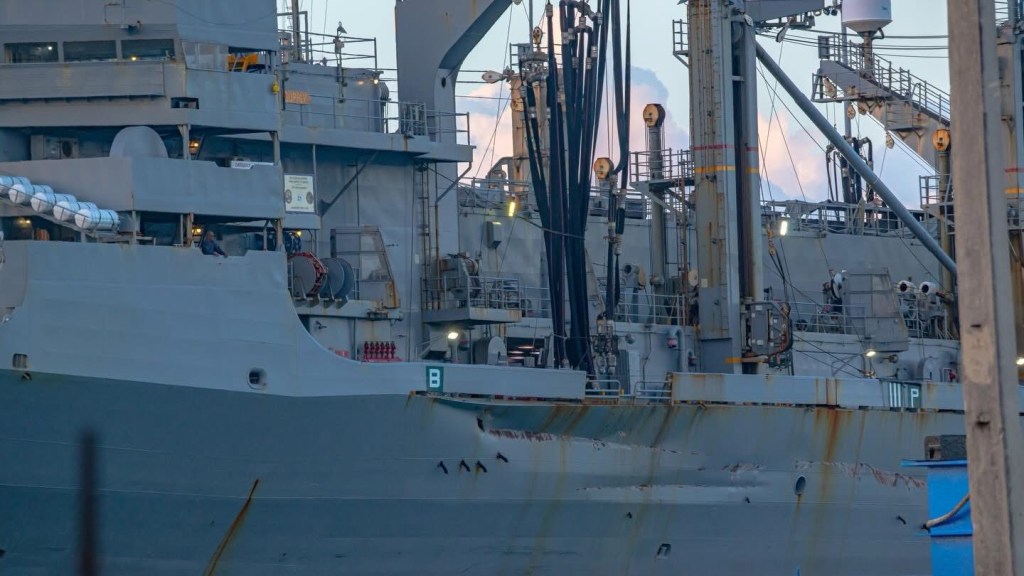
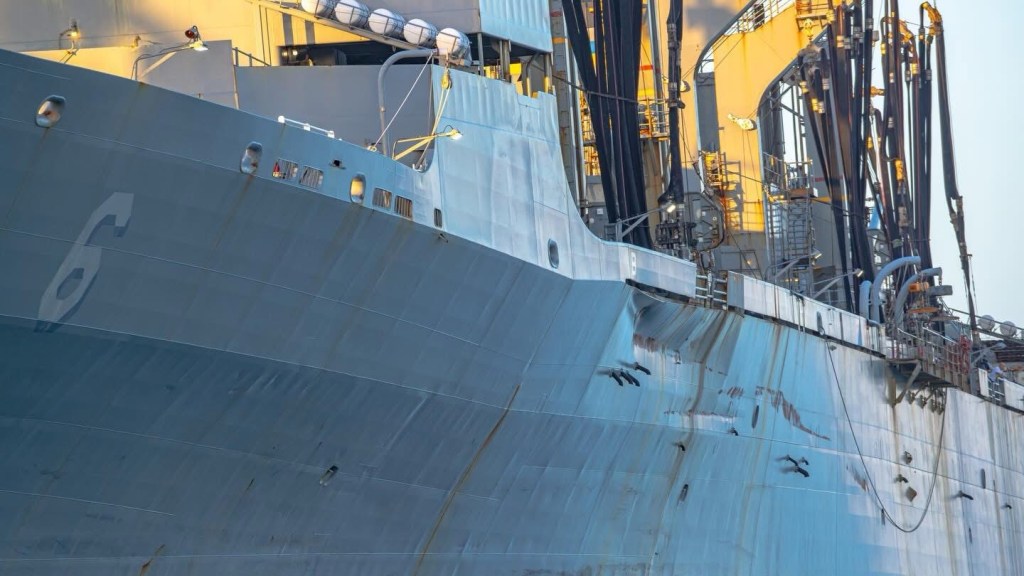
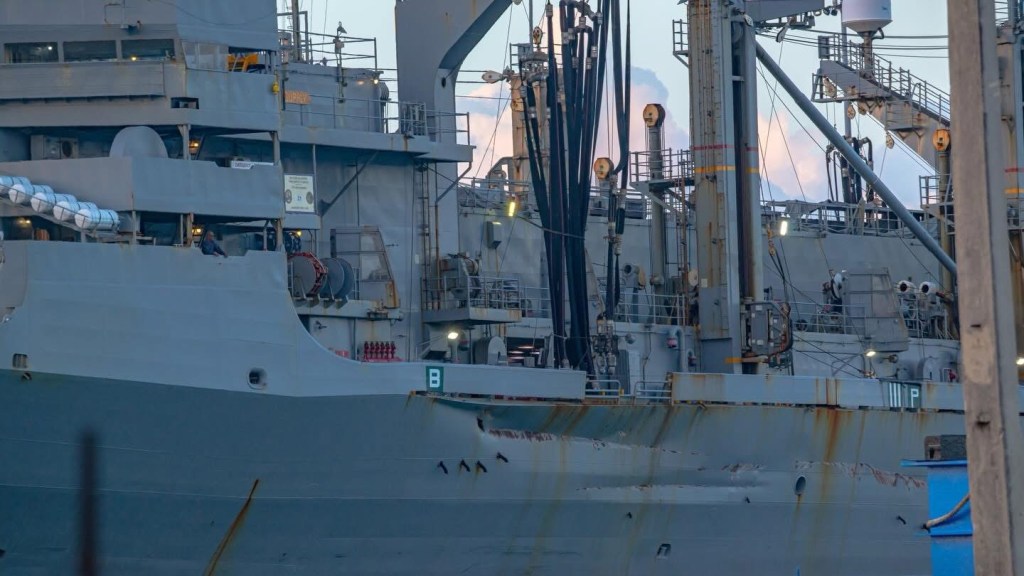
Image of the USNS Supply, taken after the ships returned to Puerto Rico.
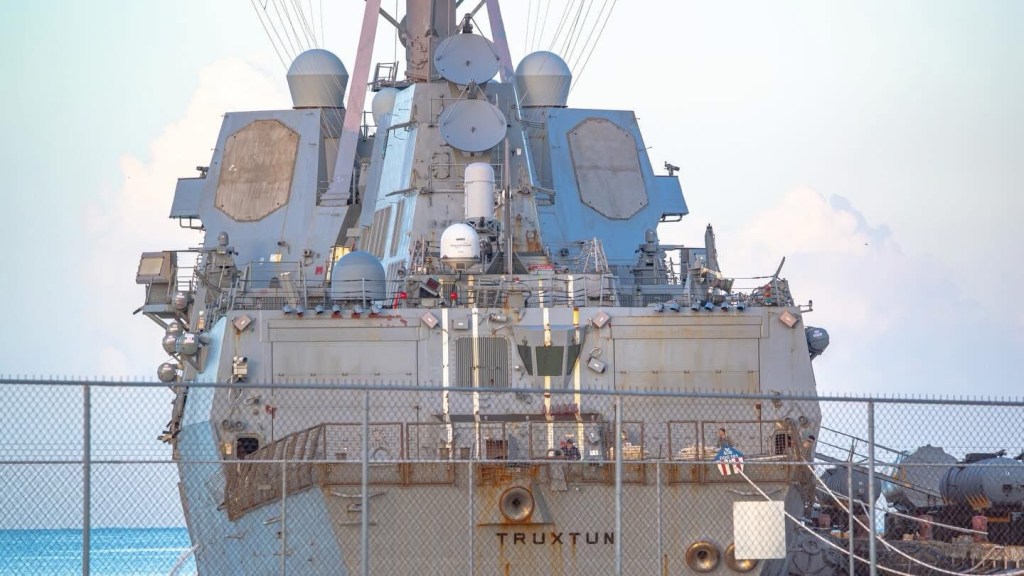
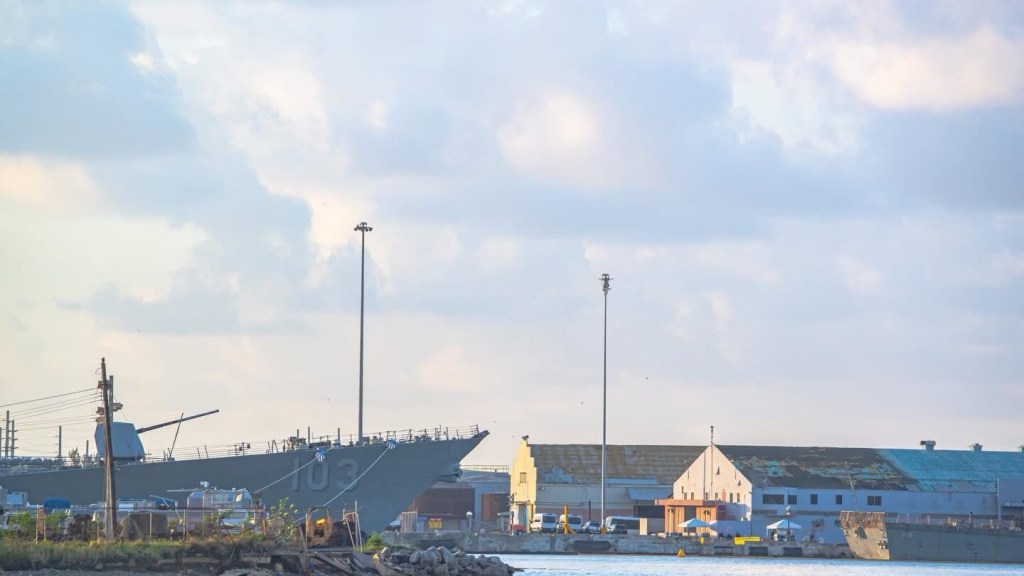
Images taken after both ships returned to Both ships were photographed at Ponce, Puerto Rico where the ships were last spotted since the incident occurred. It’s unclear how this will affect the future for the USS Truxtun’s current deployment.
On the morning of January 3rd, the U.S. launched a major operation to capture Venezuelan President Nicolás Maduro. Operation Absolute Resolve as it has come to be known took place mostly in the Caracas region however the U.S. carried out airstrikes elsewhere on certain regime military targets.
The strikes were carried out in the early morning hours of January 3rd when more than 200 special operations forces surged into Venezuela while aircraft and ships that had been gathering in the Caribbean for months conducted a number of precision airstrikes on (mostly) military targets around the Caracas area. The special forces, being flown by the helicopters of the 160th Special Operations Aviation Regiment “Night stalkers” flew in, suppressed and destroyed enemy air defense and captured Venezuelan President Nicolás Maduro and his wife Cilia Flores.
This attack was an operational success and caught the National Bolivarian Armed Forces of Venezuela completely off guard. The defenders only managed to launch a handful of Igla shoulder mounted missiles which appear to have all missed. The helicopters used by the Night stalkers have a number of countermeasures against these types of weapons.
Full video of the Igla missile being fired from Fuerte Tiuna and the response from US helicopters.
Video en el que supuestamente se muestra el lanzamiento de un misil tierra-aire 9K38 «Igla» 🇻🇪 contra un helicóptero del 160 SOAR 🇺🇸 en Caracas. pic.twitter.com/n57Trc3fjq
After this the helicopters landed, special forces ground units found and secured Maduro and his wife after fighting through a reported 30 Cuban security guards. Maduro was transported to the USS Iwo Jima after this and from there he was transferred stateside.
Maduro perpwalk.
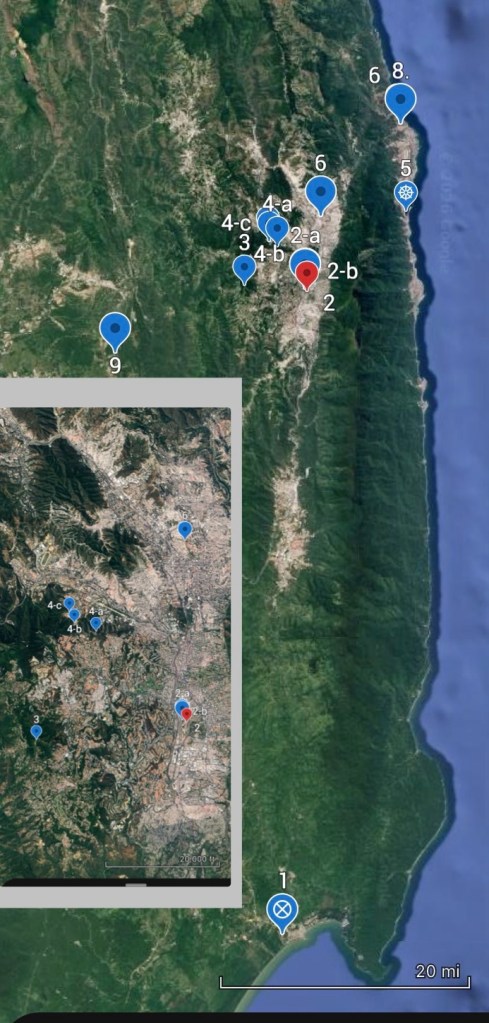
Since the morning of the strike GCR as well as many others have worked verify where some of the strikes took place and I’d like to go over the ones I’ve managed to verify as well as note any other information I have about them.
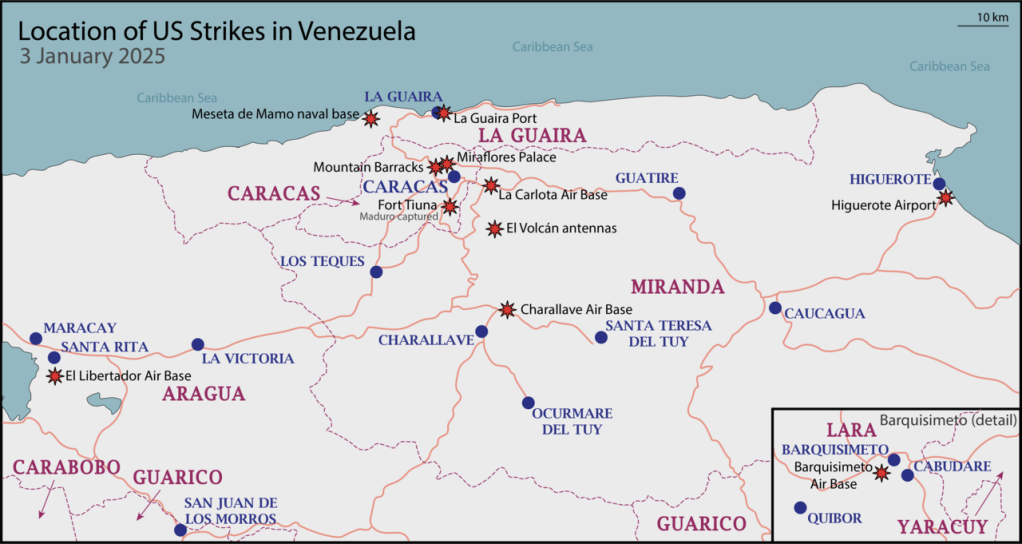
With geolocations,most of the time you will have a video and you want to find the location in took place. This case was no different, I had multiple videos and many of them had the same location shown . I also got very lucky in that some of the major networks has marked out strikes their teams had found on a map so I used one of those as an overview. I also grabbed satellite images from where ever I could, much of it is from the Center for Strategic & International Studies (CSIS), as well as released images from Planet labs and Vantor.
I found this map on the New York Times website which helped me narrow down locations of strikes making this process a lot quicker.
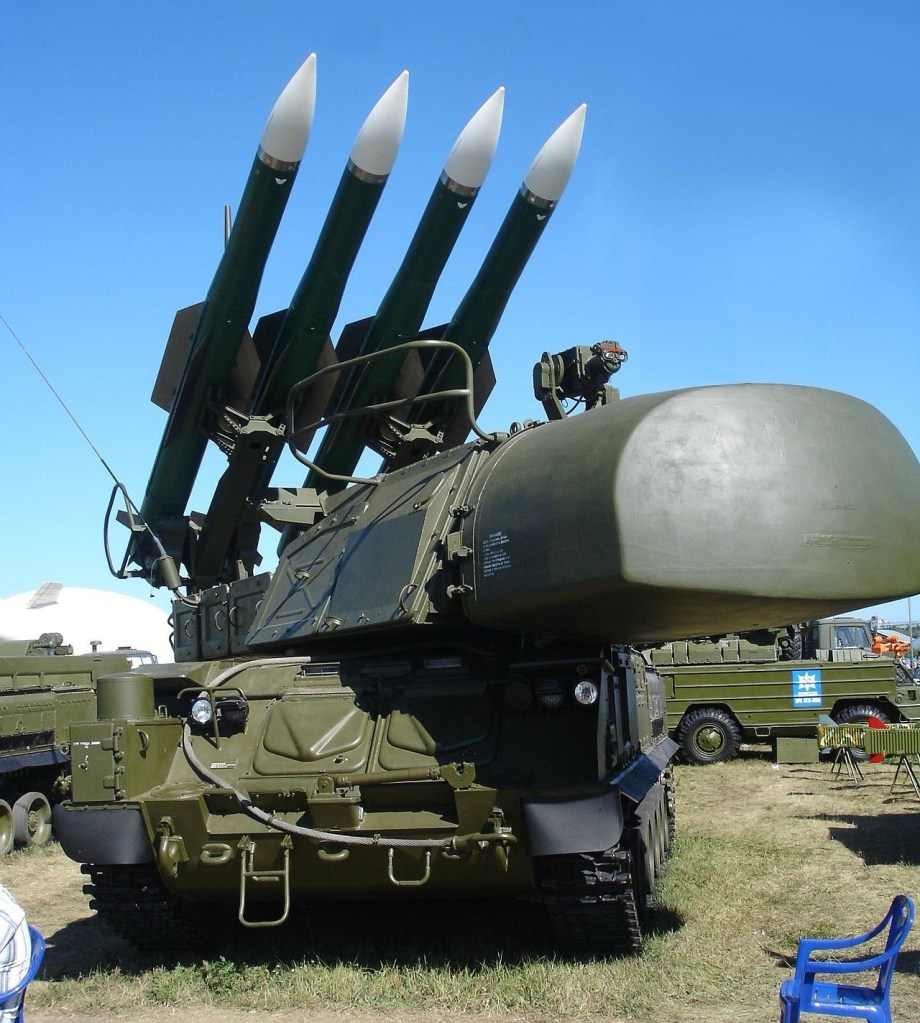
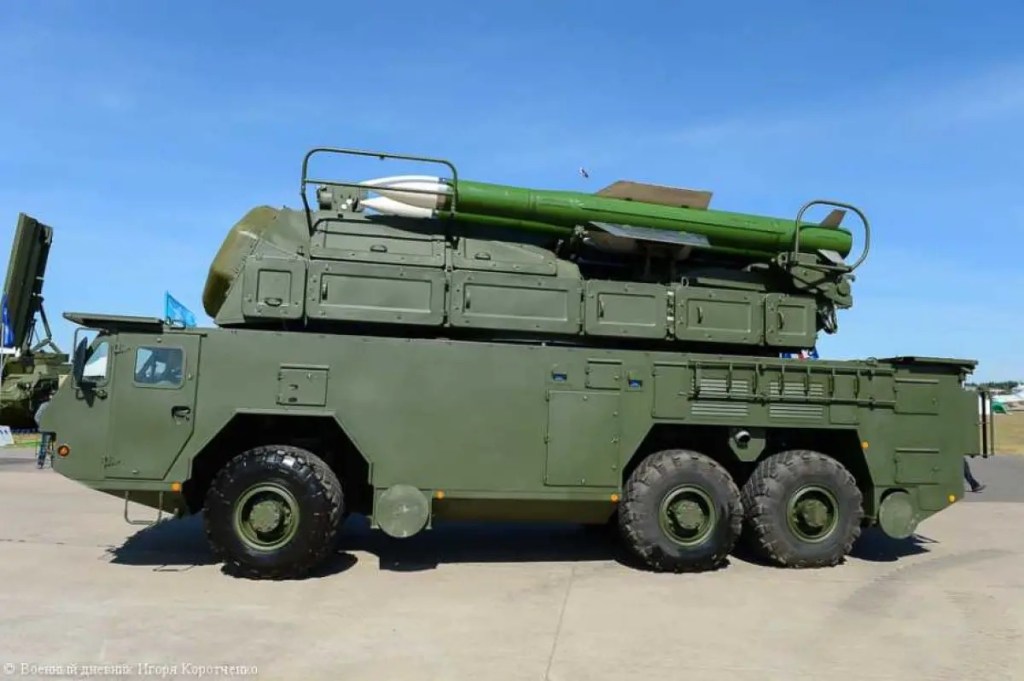
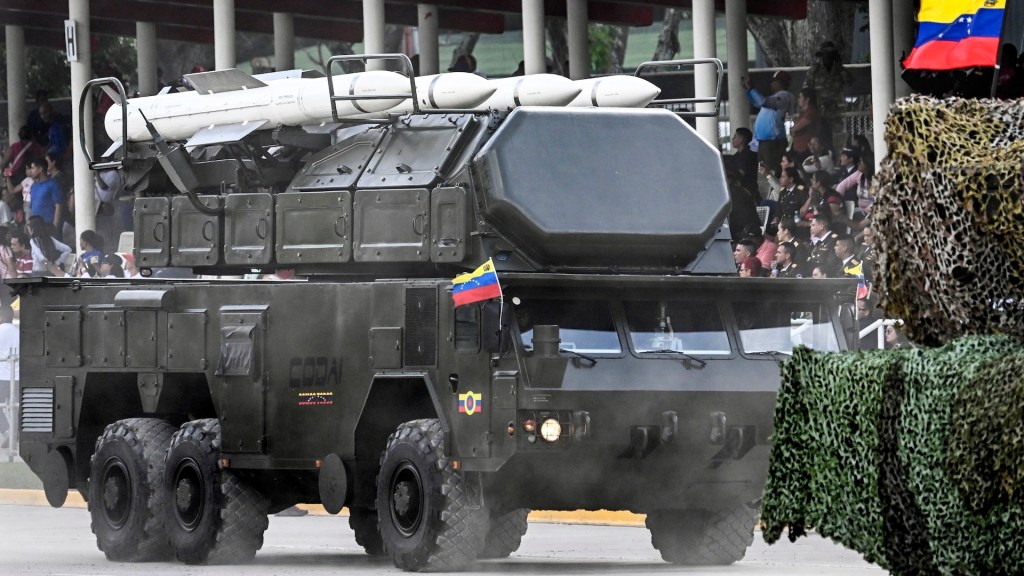
The Venezuelan air defense is made up of several systems but the one we will be talking about mainly today is the Buk series. The Buk is a family of self propelled, medium- range surface-to-air missile systems.
A Buk-M1-2 SAM system
It’s been reported in the days since the strike that none of the systems were hooked up to any sort of long- range detection radar and were only using their targeting radar which is very ineffective.
Former head of the CIA station in Venezuela Richard de la Torre, said that years of corruption, logistical problems, and the impact of international sanctions were the cause of the Venezuelan air defense network being in such a poor combat readiness state.
Moving on to the strikes.
Strikes on Aeropuerto airport.
(Number 1)
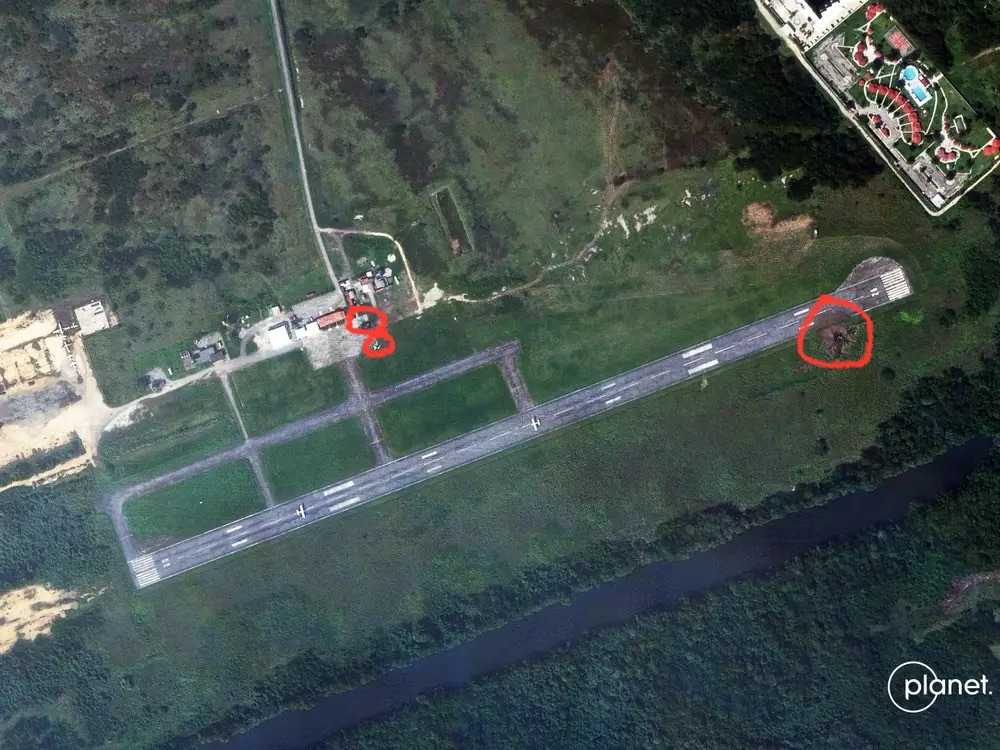
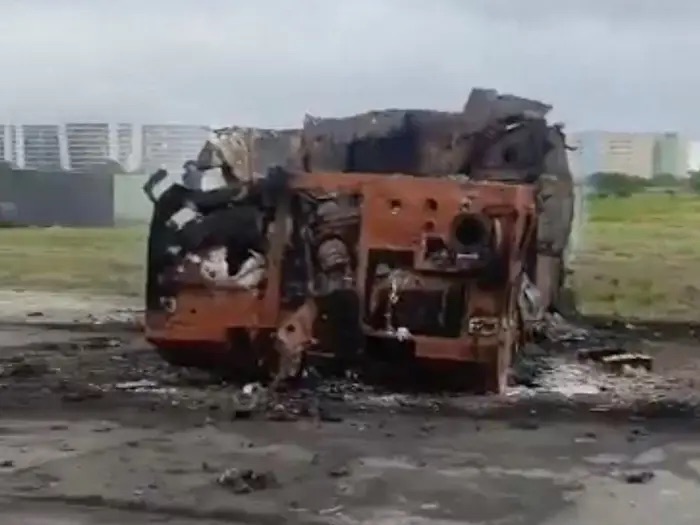
The first site I looked at was from the airport located in Higuerote. Images taken after the strikes show remains of what we believe were light airplanes and trucks that were used to block off access to the runway. Remains of a Buk air defense system command vehicle were also spotted.
Two strikes in the center are light the Buk and the light plane. The strike at the end of the runway is an unknown target. You can also see the light planes left on the runway in an attempt to stop US forces frim using this airport. A shot of the airport in Higuerote after the strikes.I believe this to be the remains of a BUK-M2E.For comparison.
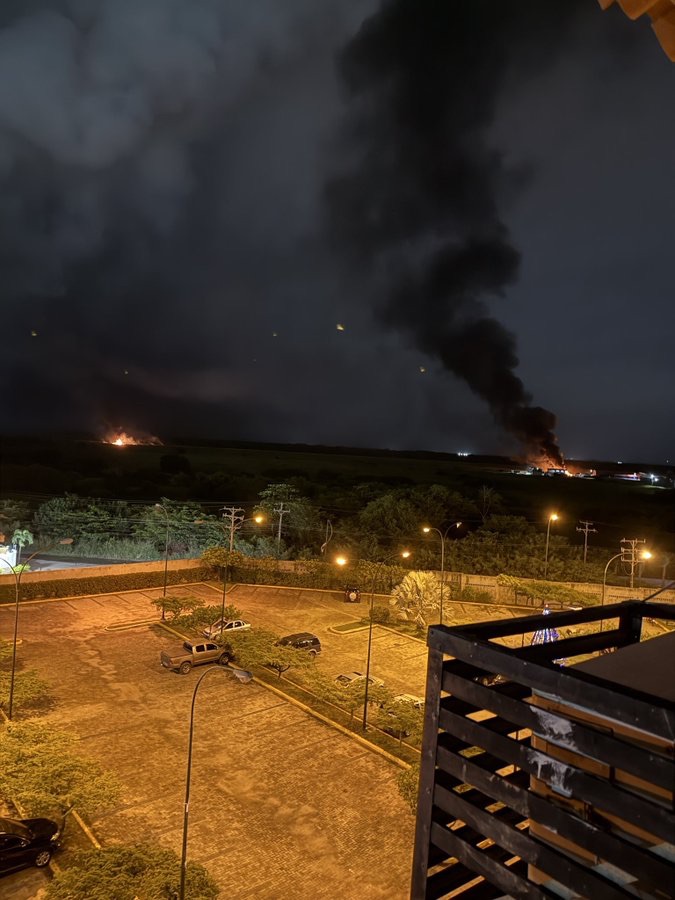
Video of the BUK’s ammo cooking off after the strike was caught.
Possibly Higuerote was an Air Defense unit cooking off?
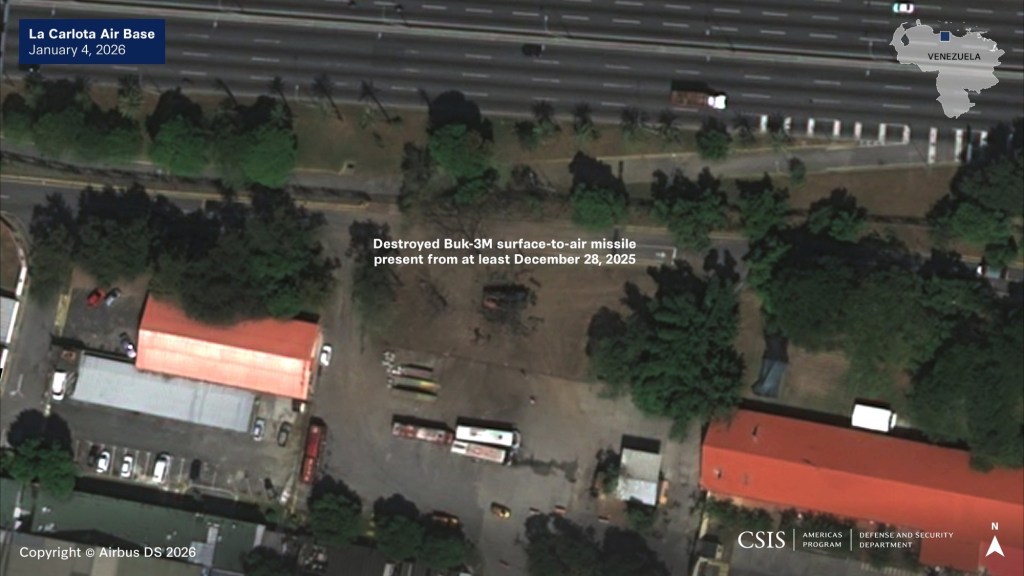
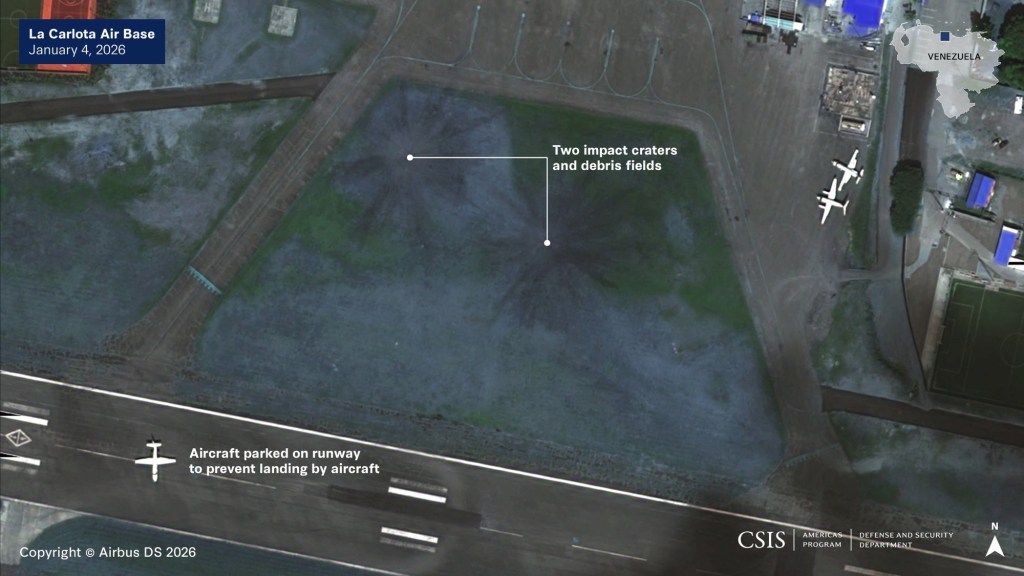
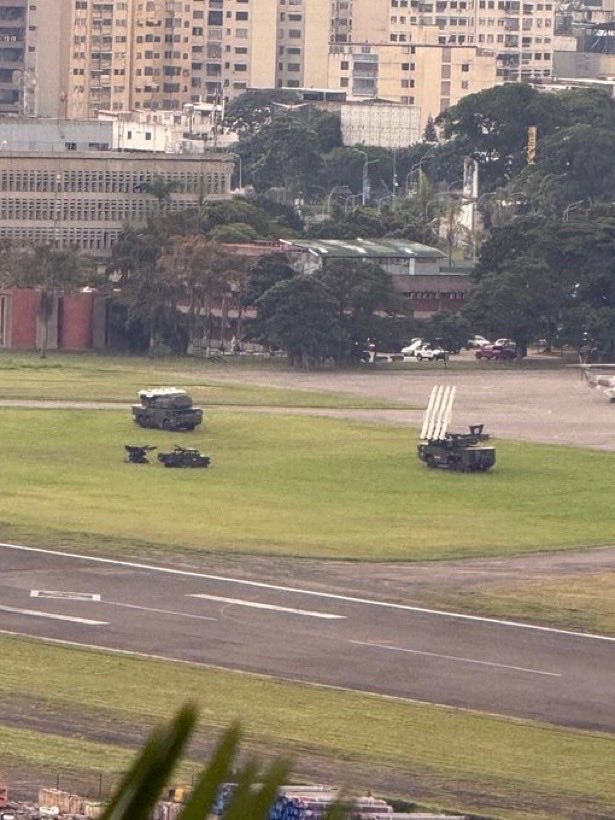
At la Carlota, the home of the General Command of the Bolivarian Military Aviation much like at Higuerote both serve a duel-role acting as civilian as well as military airports, Battle damage assessments indicate that only exposed air defense was targeted, while the hangers, runways and everything else remains intact and largely undamaged. Possibly trying to keep collateral damage to a minimum as the airport is surrounded by residential buildings on all sides.
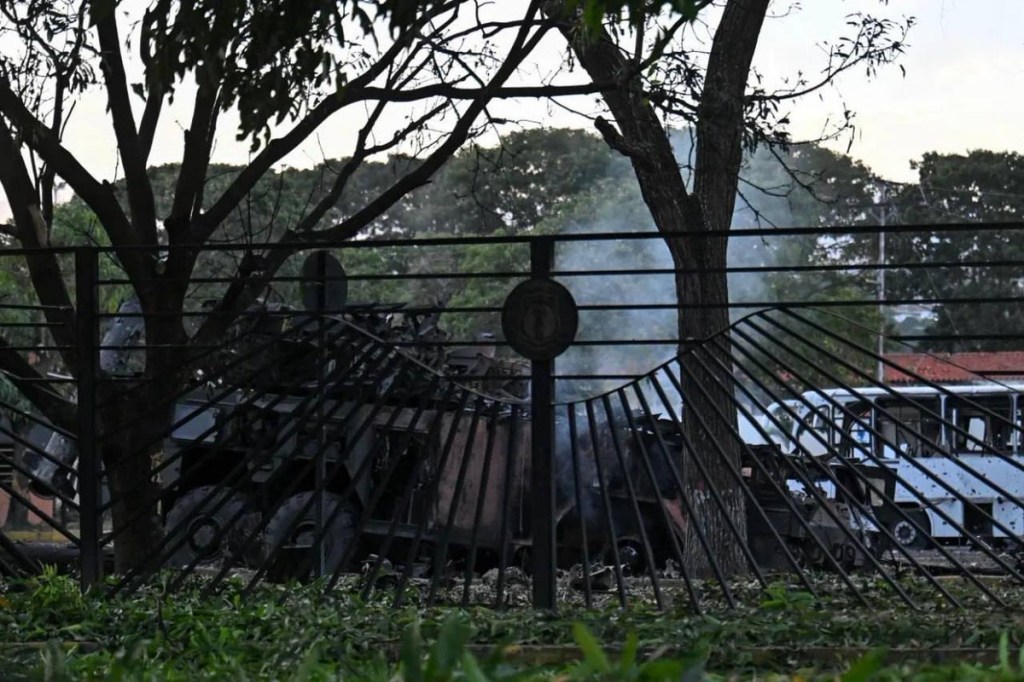
At least three strikes on the La Carlota airport.Image shows the spot the Buk was filmed sitting in the days before the attack. A vehicle is clearly destroyed here.Two close-ups of the destroyed Buk. Note the bus visible in both images and satellite imagery.This spot, closer to the runway shows two clear impact marks.This image shows the same spot several days before the strikes. I believe these were the targets.
Satellite images from the day after the operation show all of the strikes hit in open areas and avoided targeting buildings. Open source data as well as satellite footage show that at least one BUK-M2E was targeted here, but possibly more.
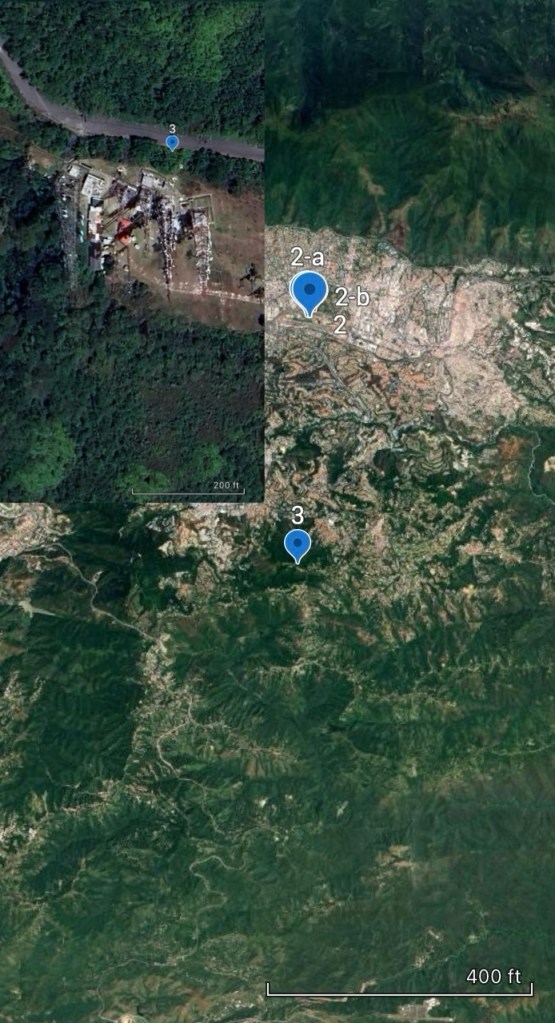
Strike on El Hatillo Telecom antenna
(Number 3)
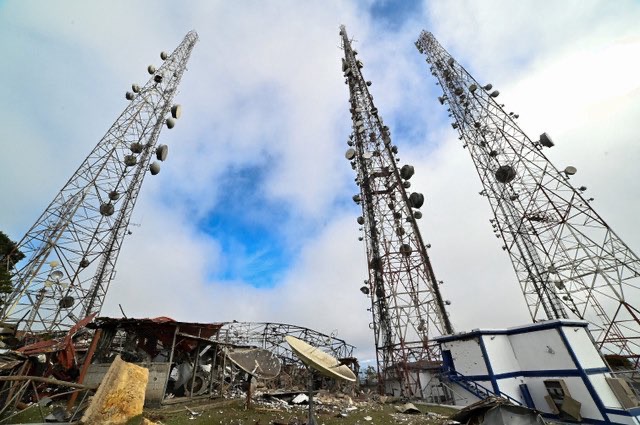
General location and close up before the strikes.
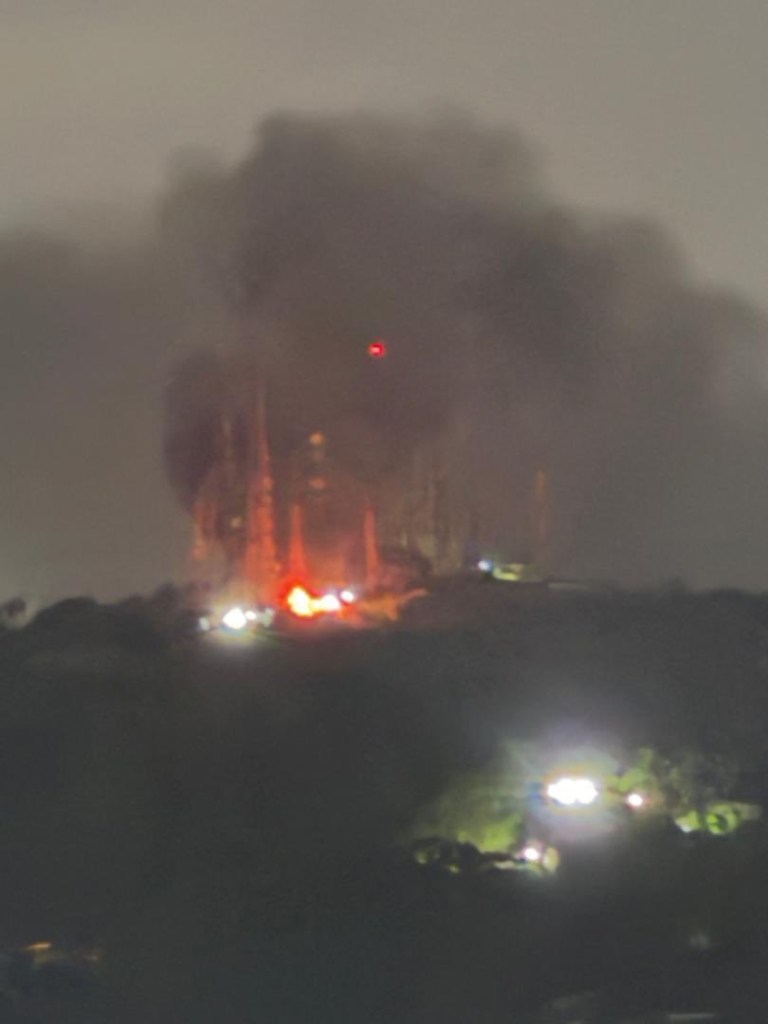
This telecommunications antenna was struck on January 3rd. This mixed with the electronic warfare we know were operating in the air would have likely knocked out most of not all communications in the area, causing confusion and preventing the military from coordinating a defense.
Directly after the strike.
Fort Tiuna
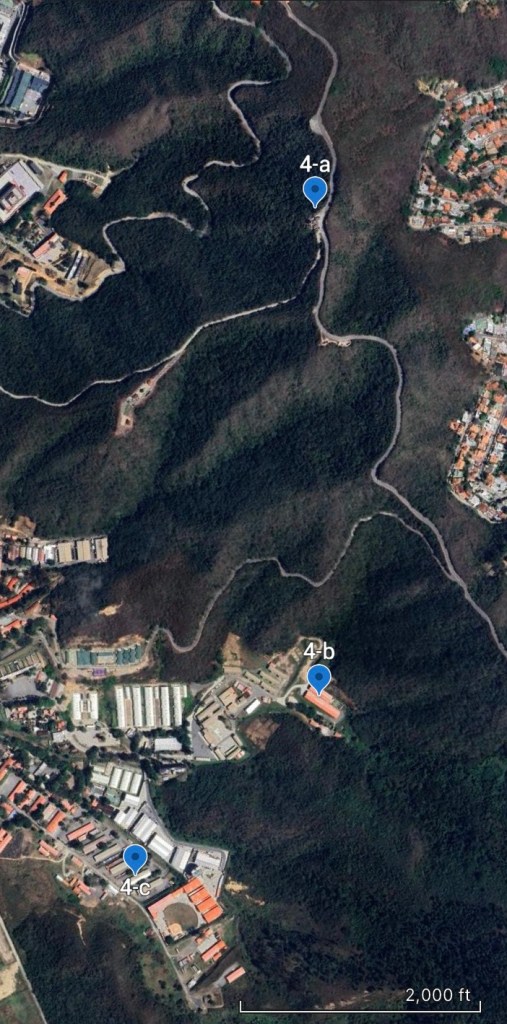
(4A-4C)
The next set of strikes targeted Fort Tiuna, the military base that housed Maduro and his wife on the night of the raid.
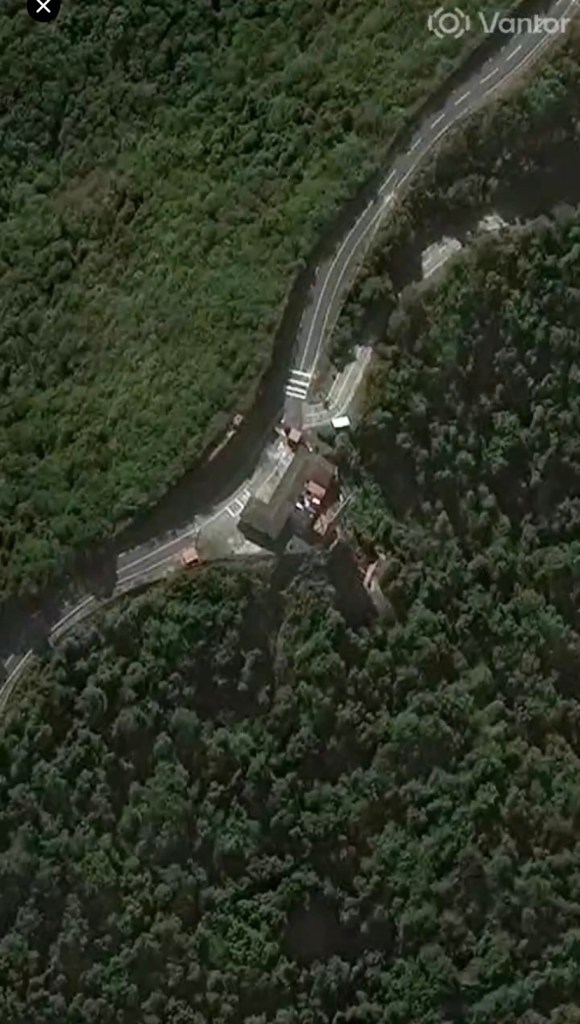
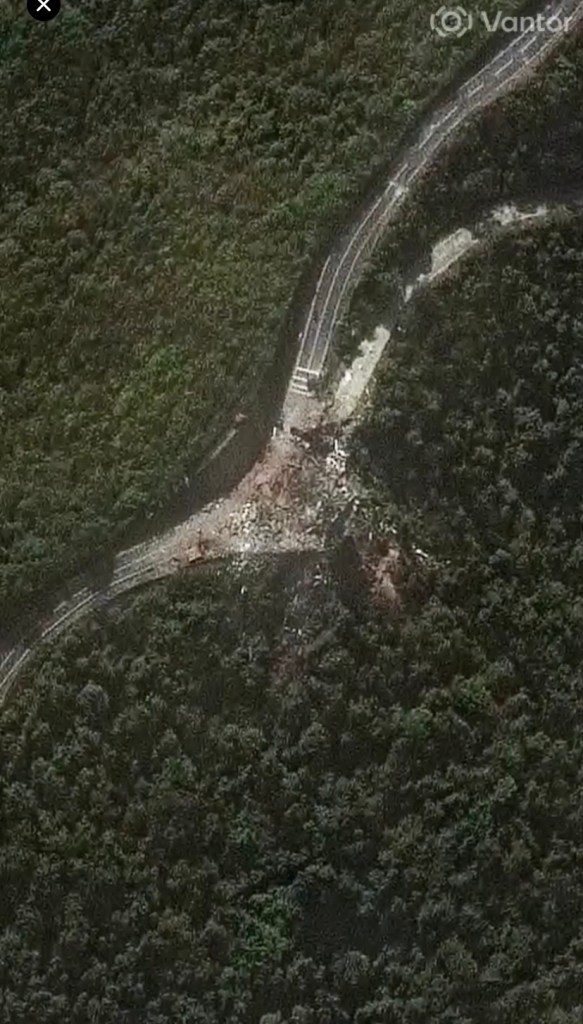
4a. Hit the what Google Earth has listed as the main entrance for the base. It’s also thought to be one of the entrances for the underground bunker built into the mountain.
BeforeAfter
4b. This shows the destruction of a building that appears to be used for storage of mikitary equipment. It’s proximity to the mountain is building could also be one of the entrance points for the bunker.
4c. This next one shows the destruction of a vehicle storage facility as well as another building claimed to be another entrance to the underground bunker.
This shows the after ahot of 4B (far left) and 4C (top and center)
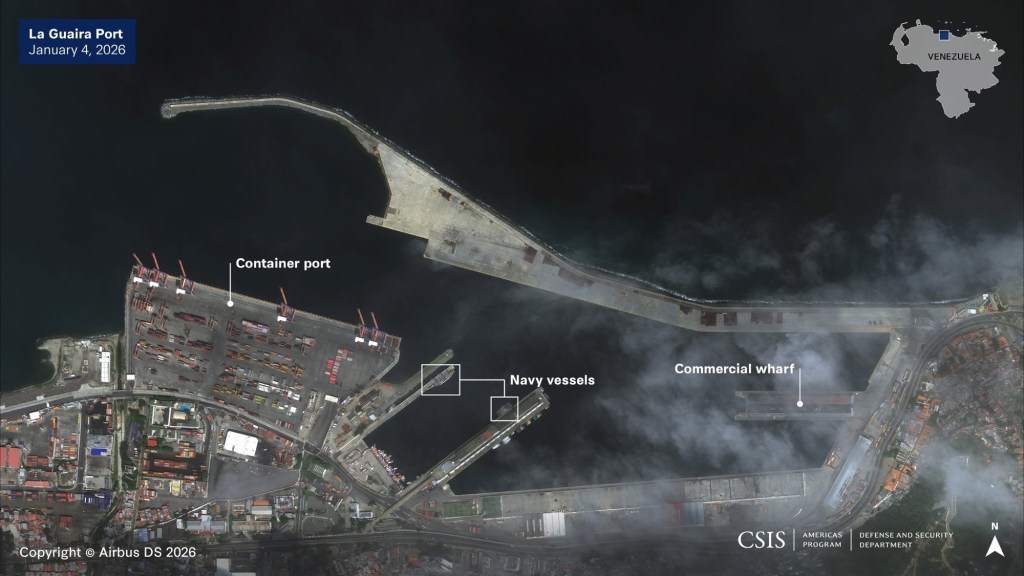
Strike at the Port of La Guaria
(Number 5)
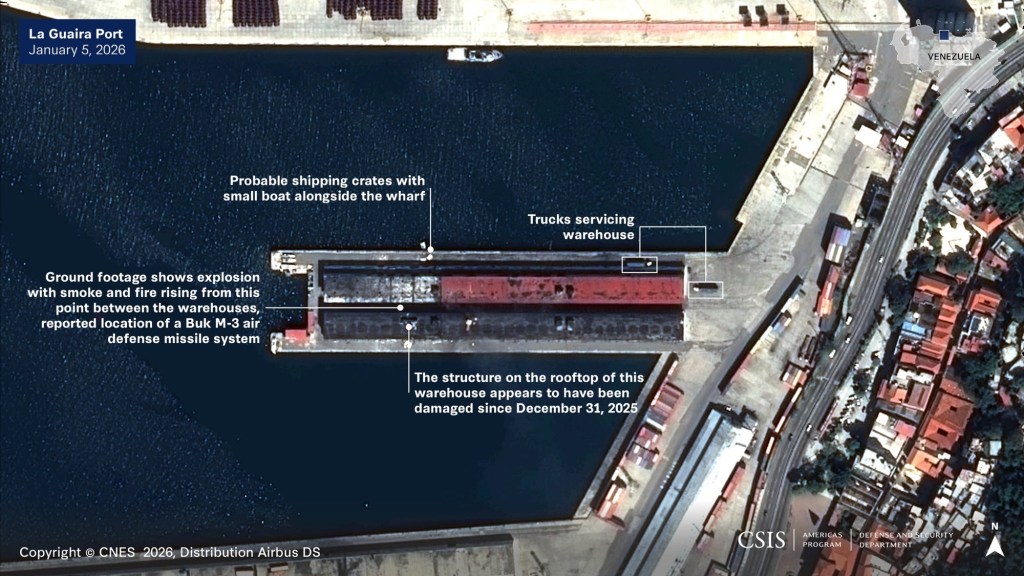
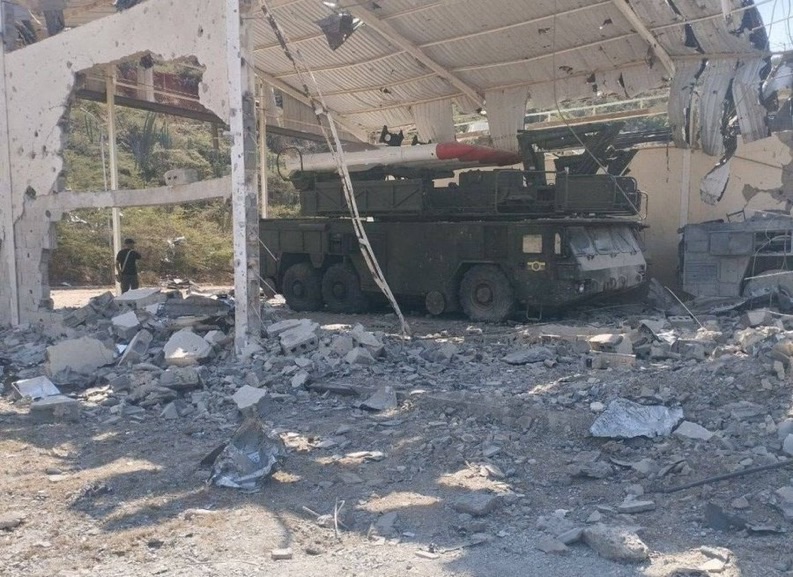
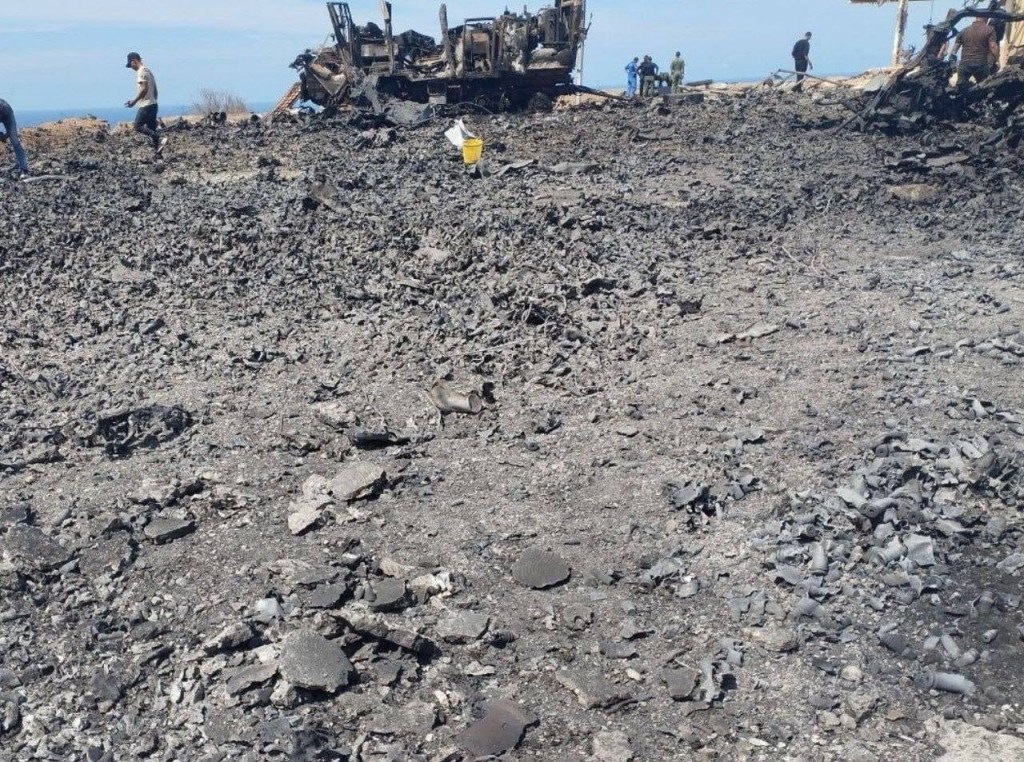
The strike on the port seems to have yet again targeted part of the Venezuelan air defense network as footage from the aftermath appears to show destroyed Buk systems. Several clips are taken in the direct aftermath of the strike and show the munitions of the AD system being ignited.
Las imágenes muestran un ataque estadounidense contra un objetivo en el puerto de La Guaira el 3 de enero que provocó la detonación de un sistema tierra-aire BUK y otras explosiones secundarias.
Pero el principal protagonista de la eliminación de las Defensas Antiaéreas fue la… pic.twitter.com/xTSvaELF4g
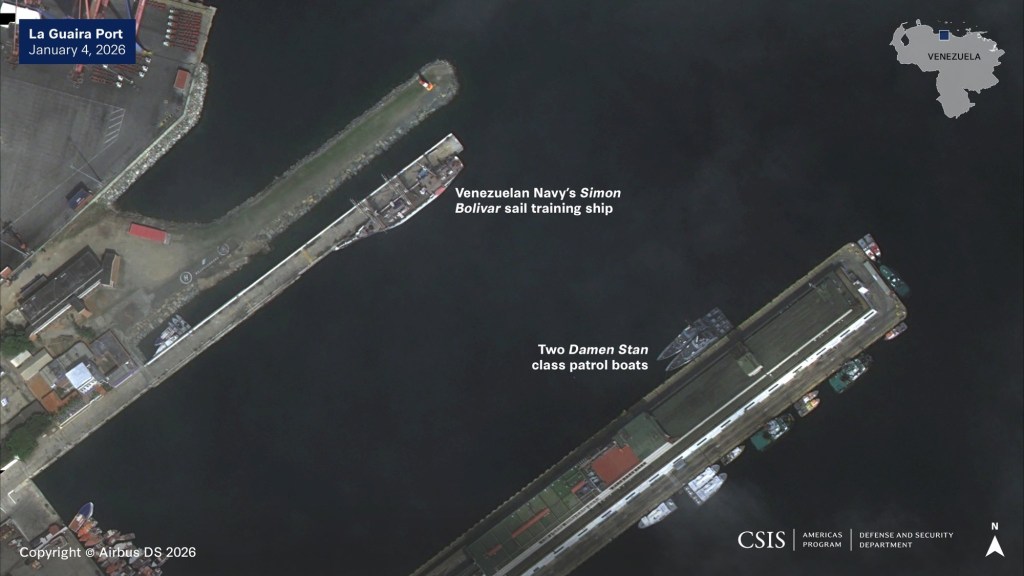
CSIS has a great analysis of this strike so I’ll share some of that here as well.
This next video, posted a claim that a warehouse at the port had been targeted because it contained medicines. The video actually proves it was targeted because a Buk launcher was set up between the warehouses, which was clearly the target as the warehouses survive the initial strike but are damaged during the secondary explosions from the missiles cooking off.
Misiles estadounidenses destruyeron almacenes de medicinas en el Puerto de La Guaira. El Gobernador Alejandro Terán muestra los daños causados. pic.twitter.com/acFtzveKz6
A post claiming the Mausoleum of Hugo Chávez had been hit with a U.S. airstrike.
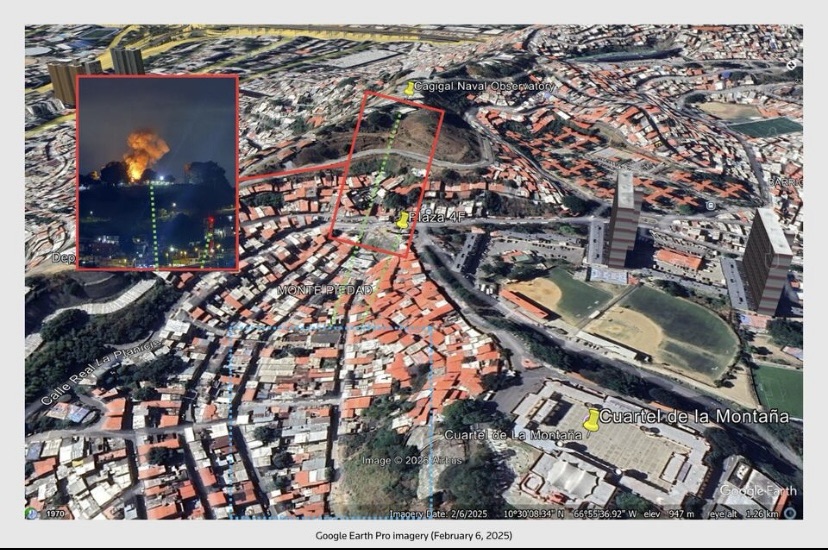
This claim has been debunked by others as well as myself. The video is actually being recorded by a guy standing very close to the resting place of the former socialist revolutionary and president. The strike actually struck an observatory. The observatory houses the General Command of the Bolivarian Militia, a civilian volunteer military militia.
An image from Google earth showing where the location of the observatory as well as the mausoleum. Based on the angle of the video that was posted the person who took the video was standing only a couple hundred feet to the left of the mausoleum and likely knew its location. This post was misinformation put out specifically to make the U.S. look bad. Image from Reuters.
Air Defense position near the Naval academy.
(Number 7)
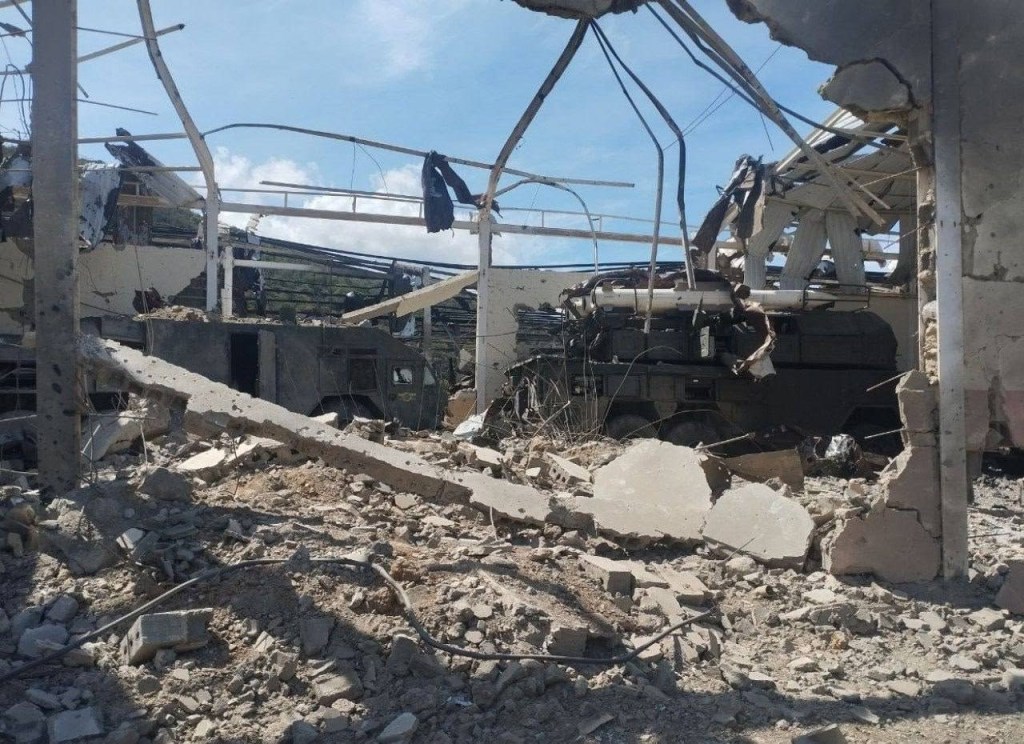
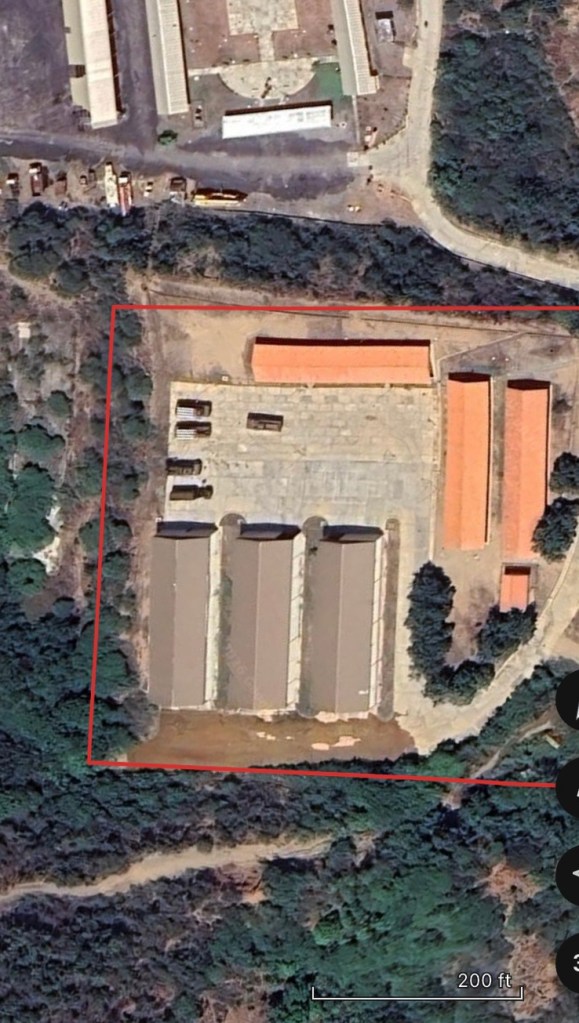
This strike targeted an area near the Naval Academy on the coast. This one, like many of the others targeted an area known to have been the location of air defense systems. Historical satellite imagery shows multiple Buk launchers stored here as well as buildings that housed additional launchers.
Red square shows the air defense position.
Images released in the aftermath of the attacks show that the buildings were housing additional Buk launchers.
These destroyed buildings match the ones from the satellite imagery.
A mistake.
(Number 8)
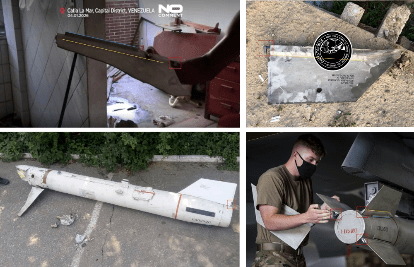
During the course of the operation the U.S. did an impressive job of protecting the civilians of the city. However evidence from the aftermath shows that a missile that was likely ment for the above air defense site target went off track and struck and apartment in Catia La Mar, killing an elderly lady by the name of Rosa Gonzalez,79.
Screenshot showing the outside and inside of the building that was struck.
Missile appears to be a US AGM-88 HARM according to experts familiar with the weapons system as well as my own experience. The remains of the missile are shown below as well as with a comparison.
The AGM-88 HARM/AARGM missile is what’s known as an anti-radiation missile. The missiles function is to home in on radar signals it detects and is used for destroying enemy air defense and radar. The missile can be pre-fired as a plane is flying into an area if it expects an enemy air defense radar will activate. However this missile either had no target or missed its target and hit this apartment.
Bellingcat does an awesome write up on this incident that I’ll link to here:
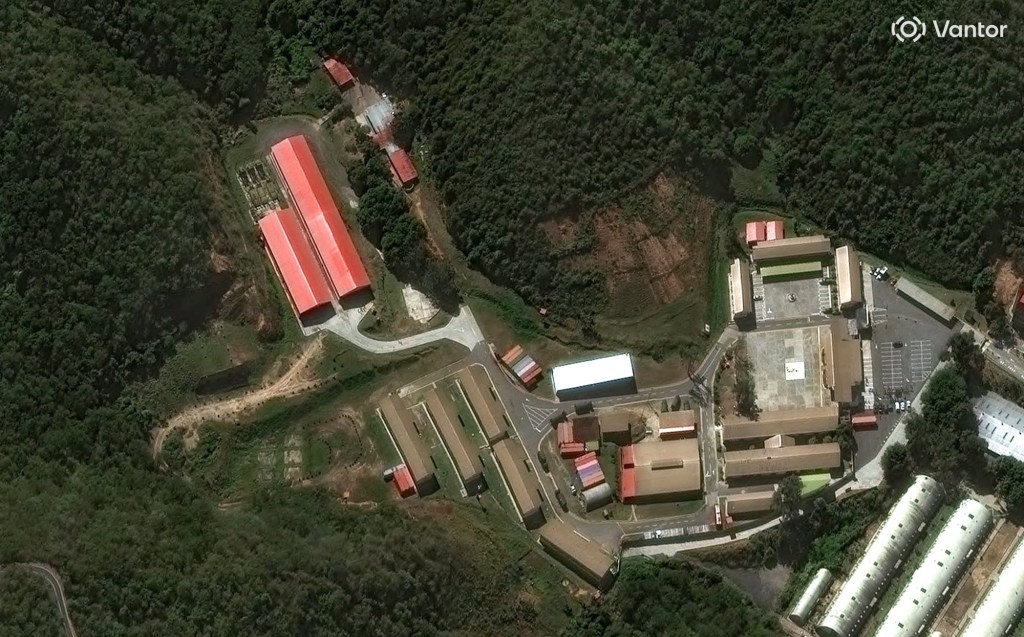
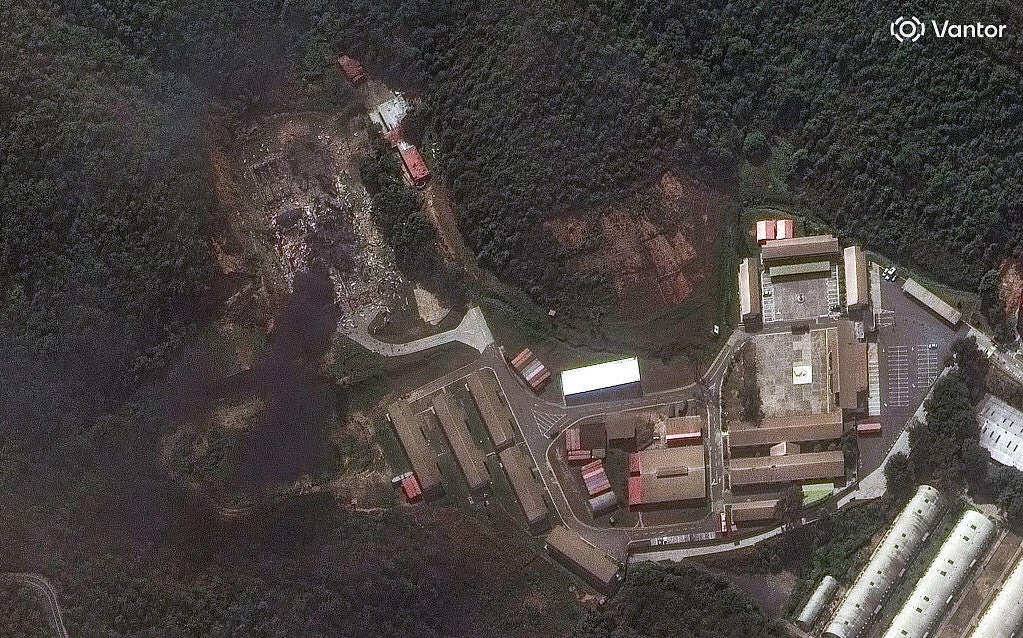
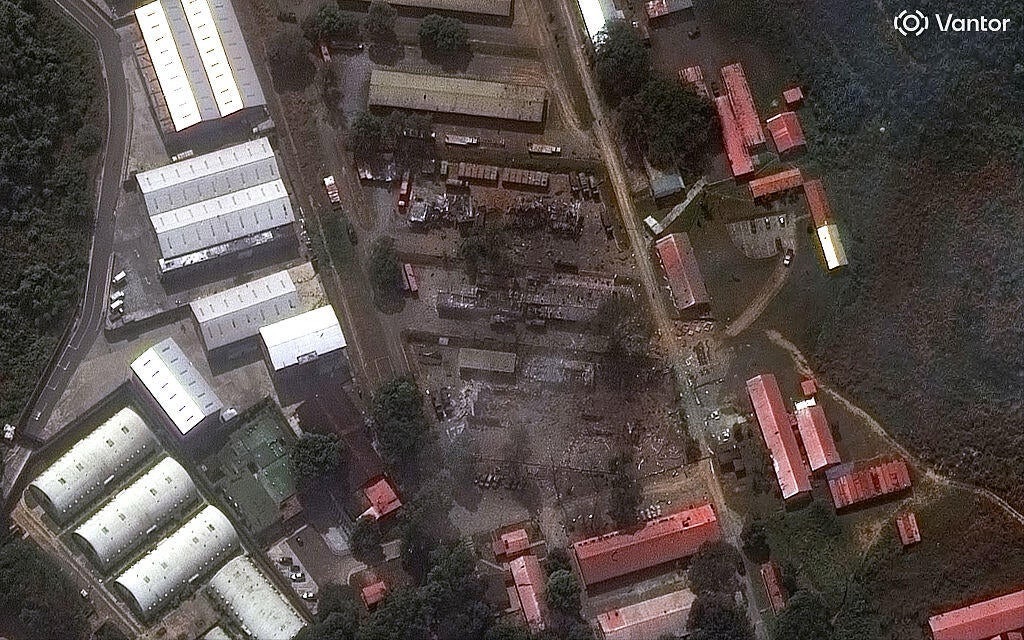
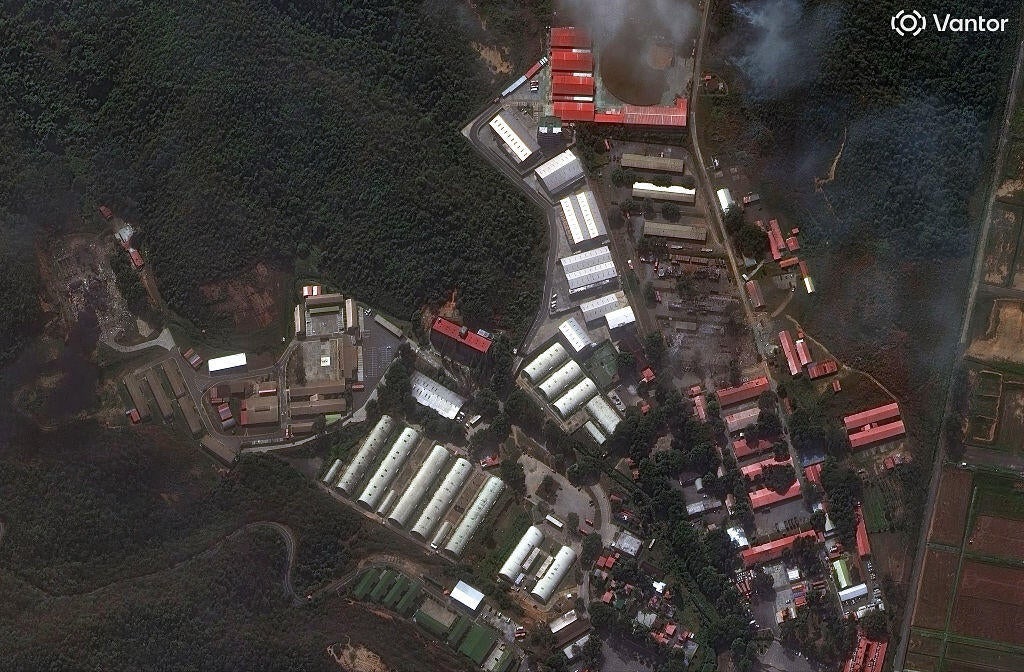
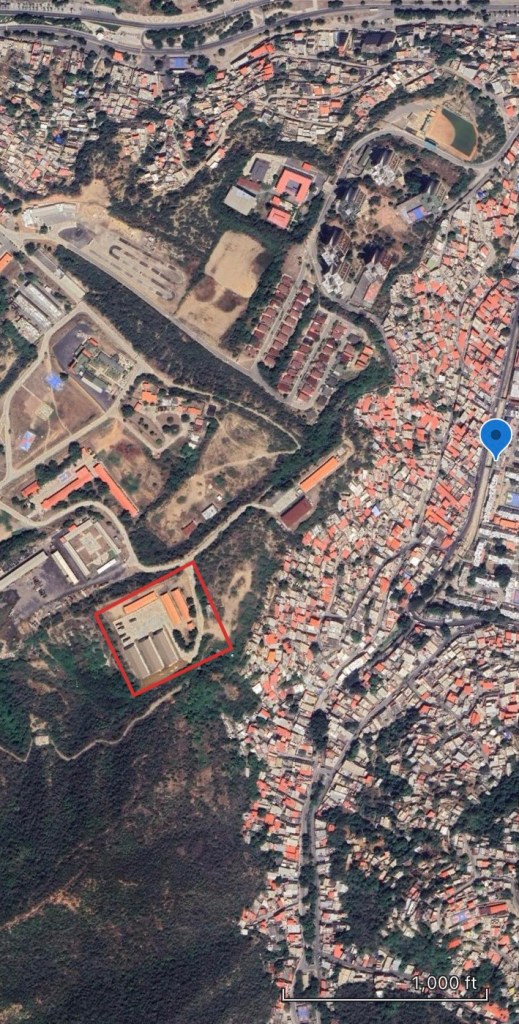
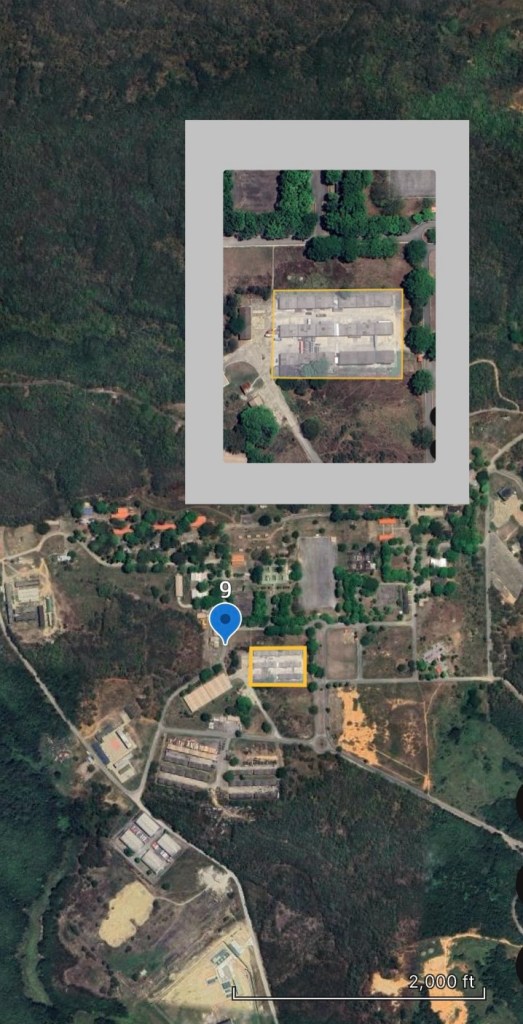
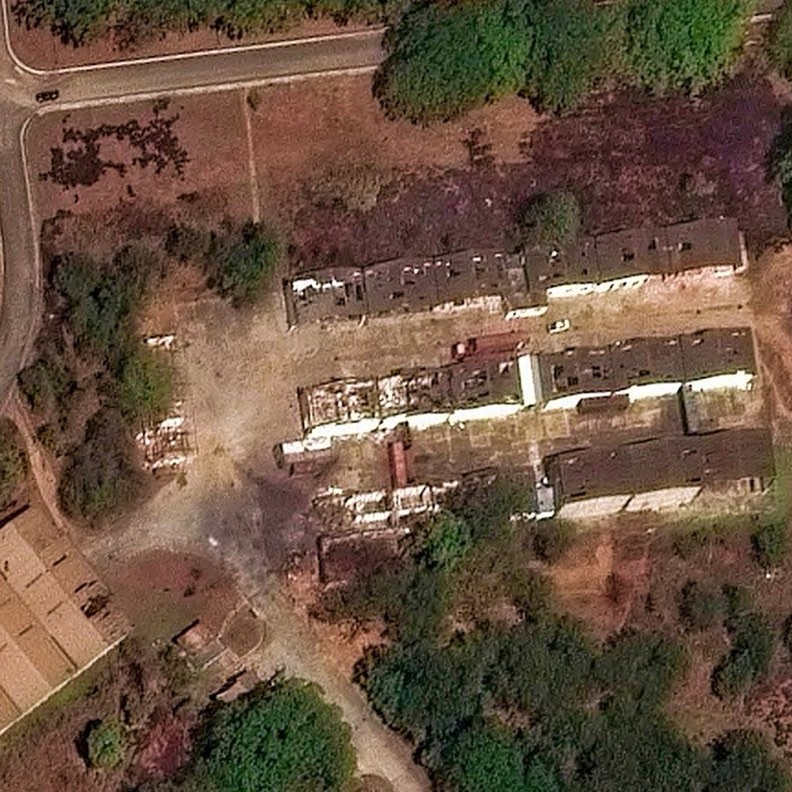
The last strike I found was on a set of buildings located at Fort Guaicaipuro, south of Caracas.
It’s unclear what is stored at this site as footage from the aftermath has yet to be released.
Thank you for taking the time to read this. It took me a lot longer than I expected to gather all the data and do the work to geolocate everything. Every time I do a big project like this I learn new skills and hopefully they will carry over and help improve future projects.
Im positive that some strikes were missed. If so, I’d like to know about it, so send me an email or message on any of my socials. The map from the New York Times has one strike I just couldn’t confirm at the El Libertador airport and I looked but couldn’t find evidence of a strike taking place there.
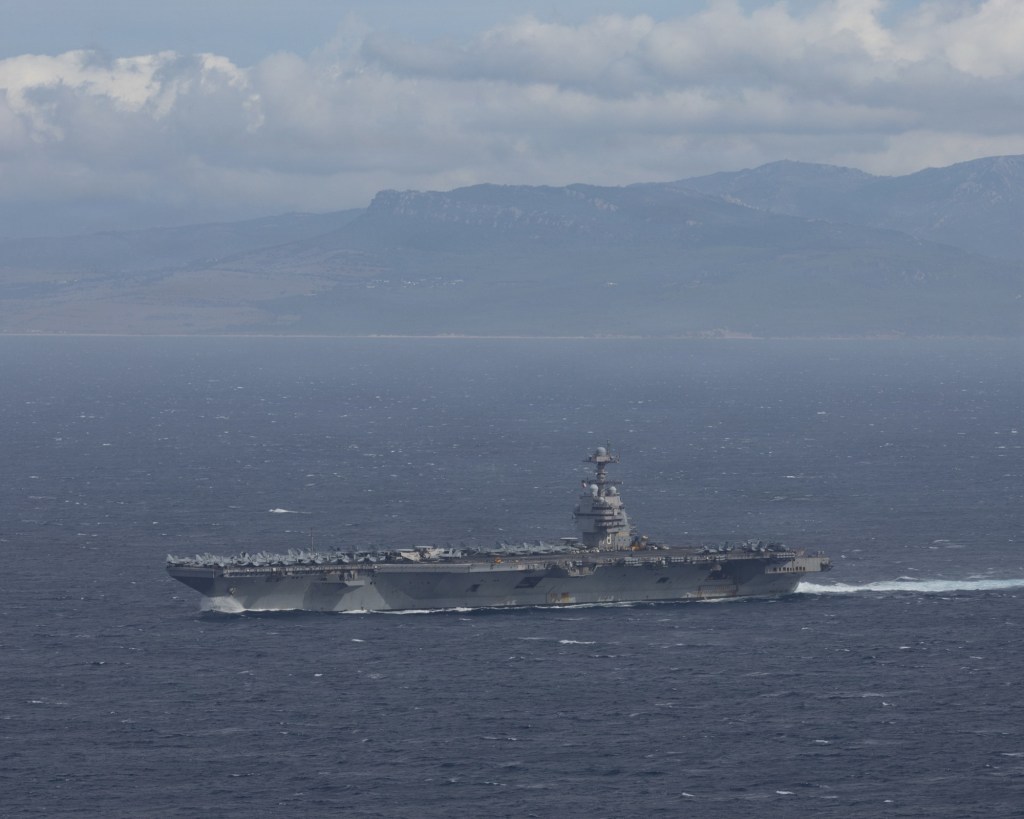
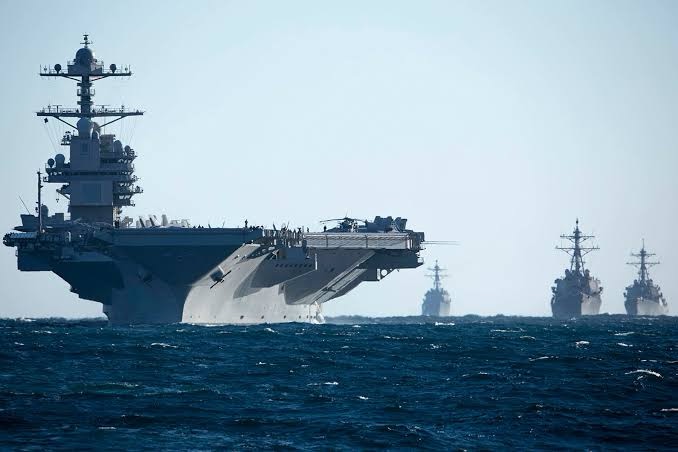
Today the USS Gerold R.Ford (CVN-78) , a Ford-Class nuclear powered aircraft carrier, has entered the waters of the Caribbean, joining the fourth fleet and coming under the command of US SOUTHCOM(Southern Command). The Ford, its escorts and its Carrier Air Wing are just the most recent additions in a large military buildup, adding to the tensions in the region.
“The enhanced U.S. force presence in the USSOUTHCOM AOR will bolster U.S. capacity to detect, monitor, and disrupt illicit actors and activities that compromise the safety and prosperity of the United States homeland and our security in the Western Hemisphere,” said Chief Pentagon Spokesperson Sean Parnell. “These forces will enhance and augment existing capabilities to disrupt narcotics trafficking and degrade and dismantle Transnational Criminal Organizations.”
This deployment to the region was ordered by Washington at the tail end of November.
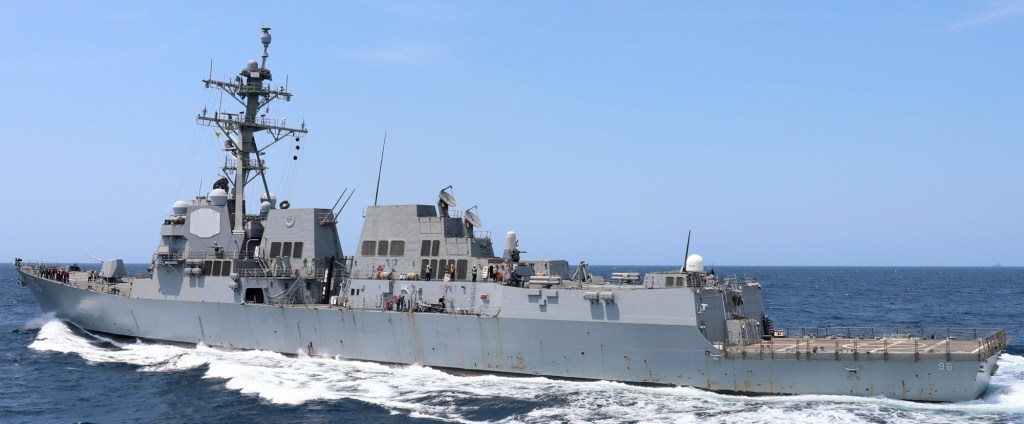
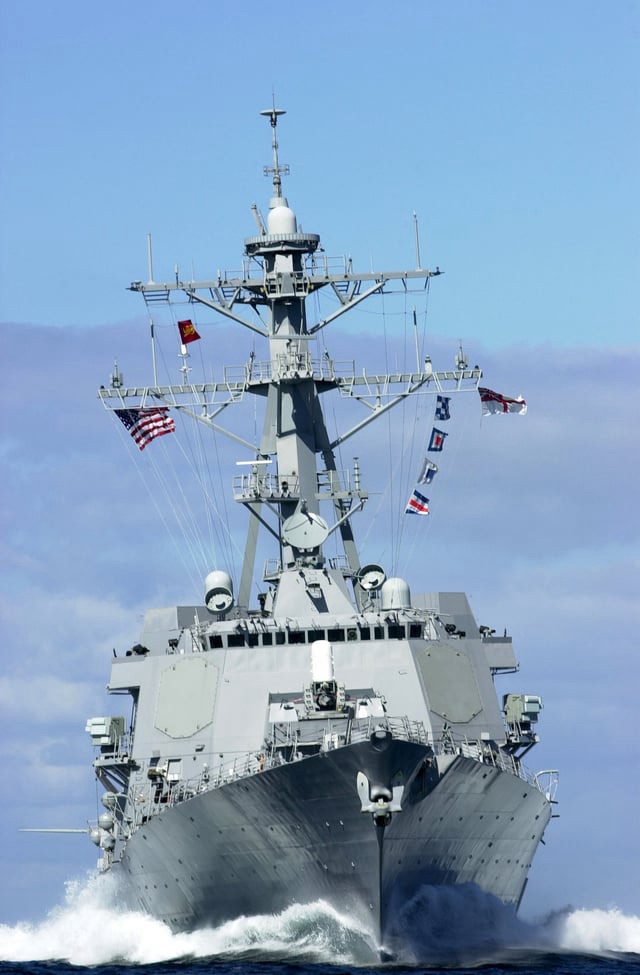
According to the navy’s statement on their website the Ford is supported by Destroyer Squadron Two’s Arleigh Burke-class guided-missile destroyers USS Bainbridge (DDG 96) and USS Mahan (DDG 72), and the integrated air and missile defense command ship USS Winston S. Churchill (DDG 81).
USS Bainbridge (DDG-96)USS Mahan (DDG-72) USS Winston S. Churchill (DDG 81)
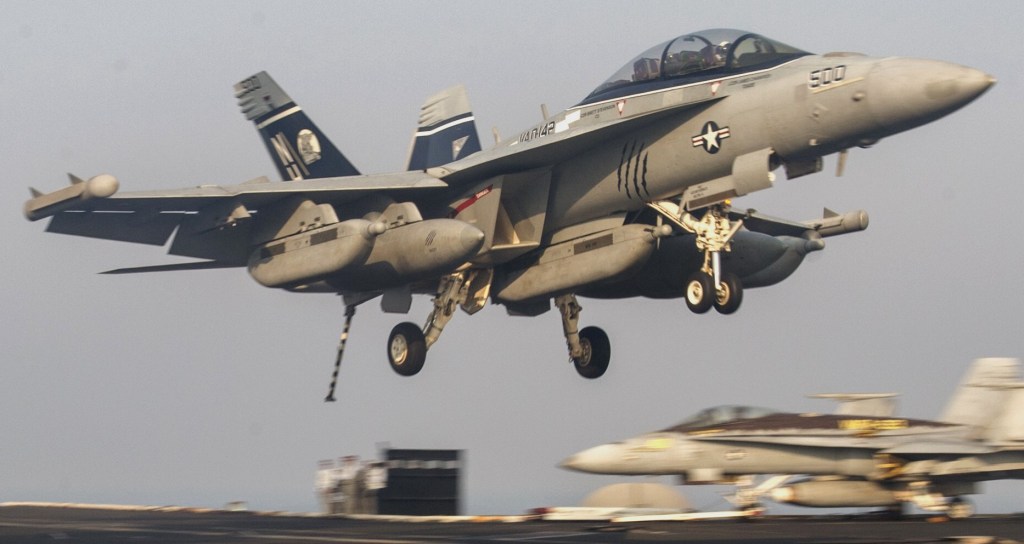
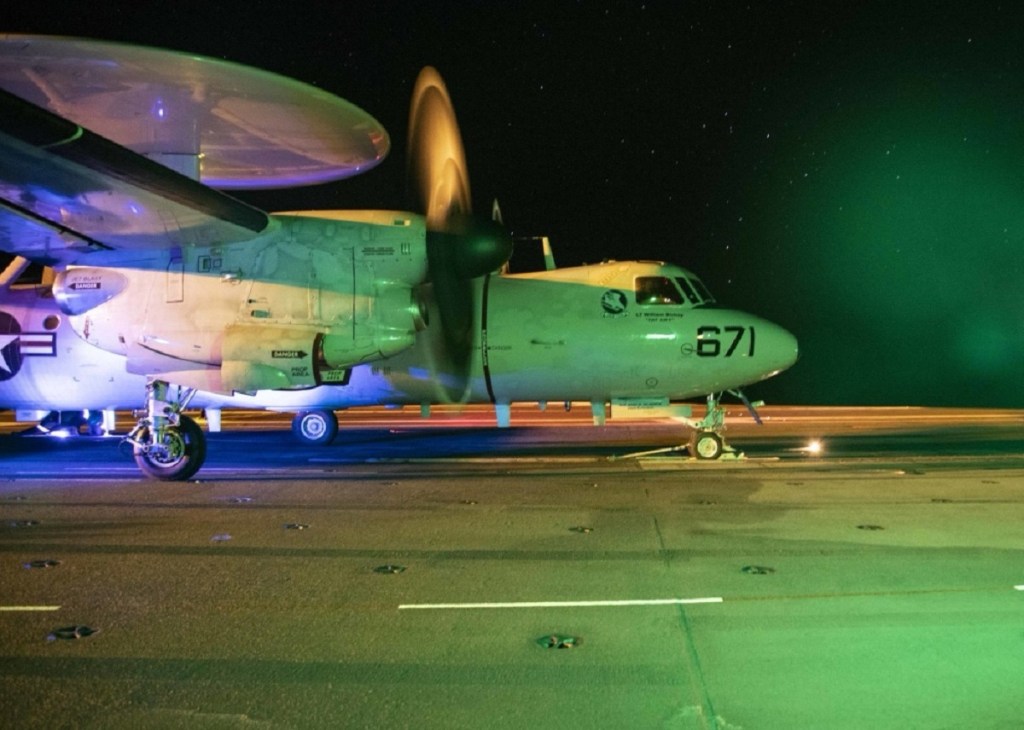
The embarked squadrons aboard Gerald R. Ford include Strike Fighter Squadron (VFA) 31, VFA 37, and VFA 87, flying the F/A-18E Super Hornet; VFA 213, flying the F/A-18F Super Hornet; Electronic Attack Squadron 142, flying the E/A-18G Growler; Airborne Command and Control Squadron 124, flying the airborne command and control E-2D Advanced Hawkeye; Helicopter Sea Combat Squadron (HSC) 9, flying the MH-60S Seahawk; Helicopter Maritime Strike Squadron (HSM) 70, flying the MH-60R Seahawk; and a detachment from Fleet Logistics Support Squadron (VRC) 40, flying the Carrier Onboard Delivery C-2A Greyhound.
F/A-18F Pilot LCDR Jamie R. Struck the makes first carrier arrested landing using AAG system aboard USS Gerald R. Ford (CVN-78) off the Virginia coast. US Navy PhotoEA-18G Growler with Electronic Attack Squadron 142E-2D Advanced Hawkeye Two Carrier Air Wing 8 MH-60S Sea Hawks, attached to Helicopter Sea Combat Squadron 9, fly in formation over the world’s largest aircraft carrier, USS Gerald R. Ford (CVN 78), during an aerial change of commandCarrier Onboard Delivery C-2A Greyhound.
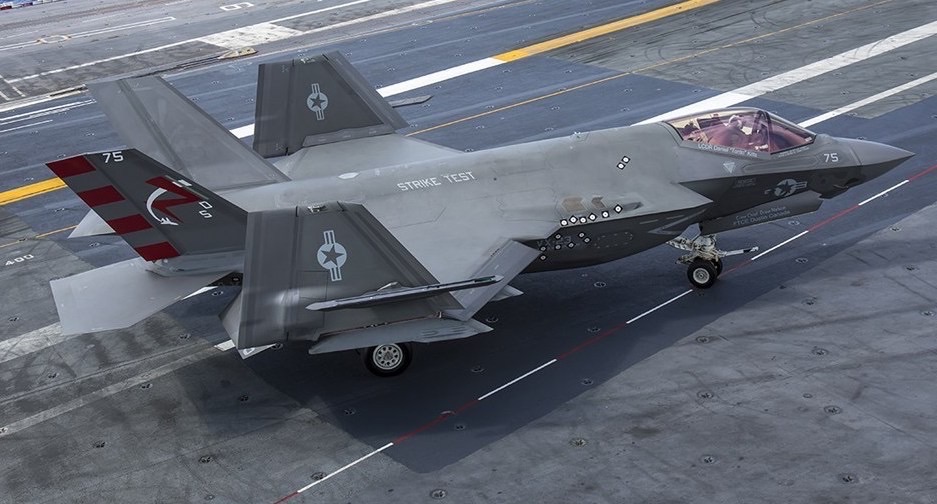
The Ford has yet to undergo its refit which will allow it to launch the F-35C’s so its combat air wing is made up entirely of Super Hornets.
Carrier capable F-35C Lightning II
Background
The U.S. for the past month has been carrying out a large number of strikes aimed at curtailing the drug trade coming into America. The White House has singeled out Venezuela as a large contributor to that issue and has called for Venezuelan President Maduro to crack down on cartels operating in his country. The U.S. military has carried out 19 strikes so far on alleged drug smuggling boats out at sea. The White House says these boats (and one semi-submersible) were moving drugs towards America.
Yesterday, at the direction of President Trump, two lethal kinetic strikes were conducted on two vessels operated by Designated Terrorist Organizations.
These vessels were known by our intelligence to be associated with illicit narcotics smuggling, were carrying narcotics, and… pic.twitter.com/ocUoGzwwDO
SecDef Pete Hegseth’s Twitter post that showed video of two separate strikes on two suspected drug boats.Attack platform unknown.
If all of these boats carried drugs then potentially thousands of pounds of life shattering narcotics have been removed from the markets, however that is barely a fraction of the drugs suspected to be moving through America’s cities and streets daily. There is no data about exactly how much illegal narcotics comes into America each day but judging by the almost 3000 pounds the authorities catch coming in daily it’s thought to be many times more.
While Venezuela isn’t the only origin of the drugs on America’s streets it is one of them, with cartels dealing in large amounts of narcotics, mostly cocaine. The opioid synthetic fentanyl is not believed to be being shipped through Venezuela, as much as the White House had made that claim. Fentanyl is largely produced in Mexico, with the precursor chemicals coming from China. It’s smuggled across the border at the Mexican/American border crossing as well as ports and even airports. With that being said the White House has also made statements about working with the Mexican government to fight the cartels there, using US special operations forces and Central Intelligence Agency agents.
Venezuela’s main cartel that the White House has focused on is the Cartel of the Sons (Cartel de los Soles). This cartel is thought by the Trump administration to be headed by Venezuelan President Nicolas Maduro, as well as other high ranking members of the Venezuelan armed forces.
If the U.S. carries out ground strikes against cartel targets, especially cartel leadership there is a strong possibility it will lead to an open war being declared on the U.S. by Venezuela, especially as Maduro believes that Donold Trump is trying to remove him from power.
Analysis:
It’s believed that with the arrival of the USS Ford and its strike group the U.S. military will eventually carry out ground strike missions with the intent of striking cartel targets linked to drug storage and production. That would cause the Venezuelan military to respond. We know they will because they have essentially said that they would. They have already started moving air defense systems and reaching out to their allies for support. Russia has sent several large transport planes to the country in recent weeks.
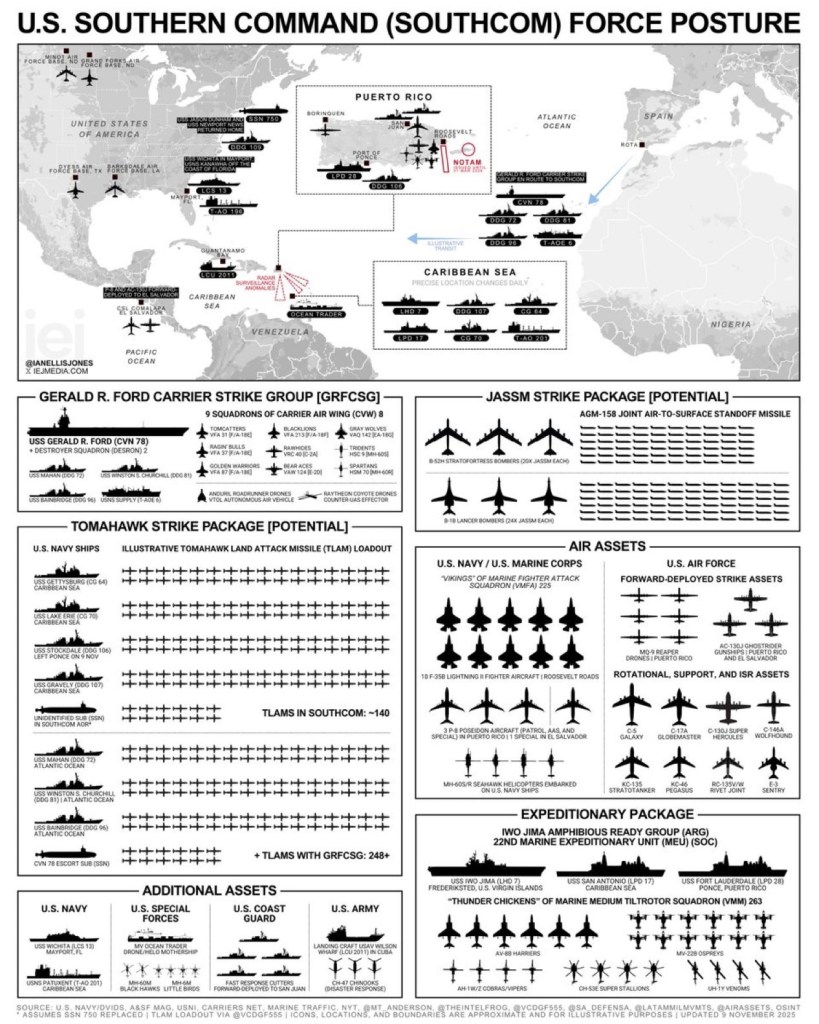
The U.S. has built a sizable force in the region as shown in the image below. Five Arleigh Burke Guided missile destroyers and two Ticonderoga-Class Guided missile cruisers make up the bulk of the missile attack capability that’s close by. We also have at least one submarine, likely two of the carrier came with her own as an escort.
We don’t know if the U.S. will launch these strikes but Trump has signaled multiple times that this is a direction he wants to move in, even saying “the land is going to be next” following multiple strikes on alleged drug-trafficking vessels.
Venezuelan media reported as this article was being finalized that they were mobilizing mass amounts of people and were preparing to mount a guerrilla style defensive in the event the U.S. tries to land soldiers in the country.
Maduro on state TV mentioned a “prolonged resistance” with small teams spread across the country carrying out sabotage missions and other insurgent/guerrilla tactics.
The Pentagon has announced that the USS Gerald R. Ford (CVN- 78) and its Carrier Strike Group (CSG) is being redeployed to the Caribbean in an effort to bolster the forces currently involved in counter-narcotic operations in the region. This comes a day after the announcement that the White House was going to Congress with notice that the president was planning to conduct ground operations in Venezuela. These operations will likely target suspected drug production operations and other assets under the control of the cartels operating in the country. That being said, the Venezuelan military is unlikely to just watch as US forces carry out strikes in their country, meaning the U.S. will likely preemptively target assets under the control of Venezuelan President Maduro’s forces. Radar, air defense and any air units are to be a high priority for suppression or destruction.
At last report the Ford CSG was operating in the Adriatic Sea off the coast of Italy and various parts of the Mediterranean. It will take the CSG at least several days to assume a position within range of Venezuela.
The USS Gerald R. Ford Carrier Strike Group includes the carrier along with three Areleigh Burke-class guided missile destroyers acting as escorts.
USS Bainbridge DDG-96
USS Mahan DDG-72
The USS Winston Churchill DDG-81 is acting as the CSG’s Air Defense Commander.
Making up the air power of the CSG is Carrier Wing 8, made up of the following.
The “Tomcatters” of Strike Fighter Squadron (VFA) 31 F/A-18E
The “Ragin Bulls” of VFA 37 – F/A-18E
The “Golden Warriors” of VFA 87 – F/A-18E
.The “Black Lions” of VFA 213 – F/A-18F
The “Gray Wolves” of Electronic Attack Squadron (VAQ) 142 – EA-18G
The “Bear Aces” of Airborne Command and Control Squadron (VAW) 124 – E-2D
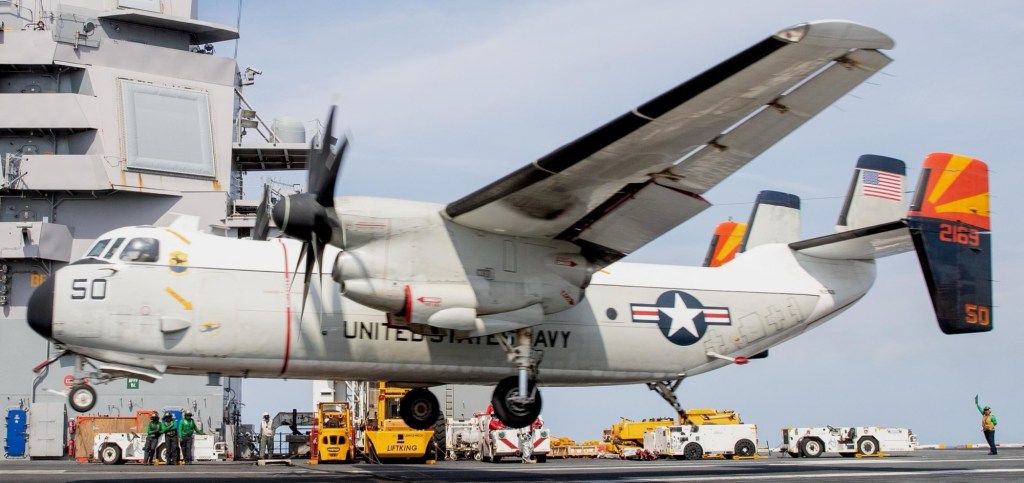
The “Rawhides” of Fleet Logistics Squadron (VRC) 40 Det. – C-2A
The “Spartans” of Helicopter Maritime Strike Squadron (HSM) 70 – MH-60R
The “Tridents” of Helicopter Sea Combat Squadron (HSC) 9 – MH-60S
Fleet info pulled from various public sources as well as the GCR database.
With the announcement of United States ground operations planned for Venezuela, I thought we might take a look at the Ejército Bolivariano (Bolivarian Army) defenses and capabilities. What exactly are they working with and how will the US, using what we know they have in the region, counter these systems.
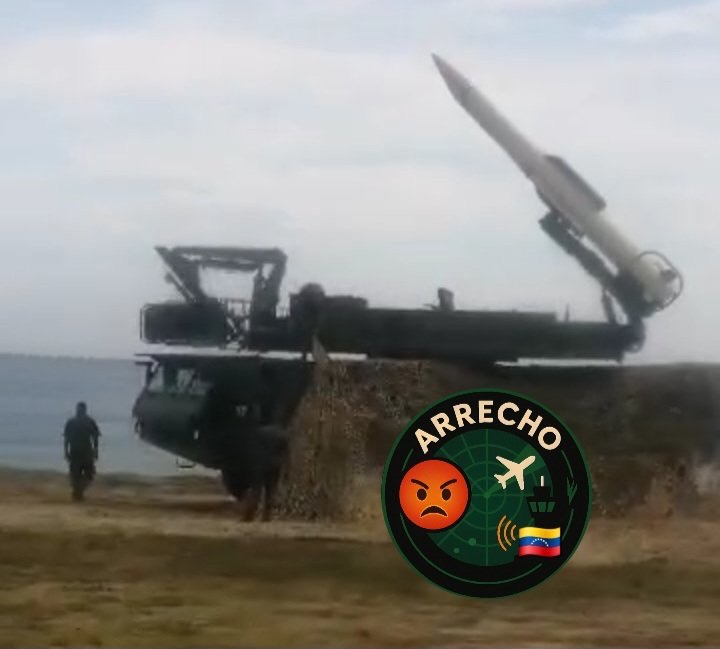
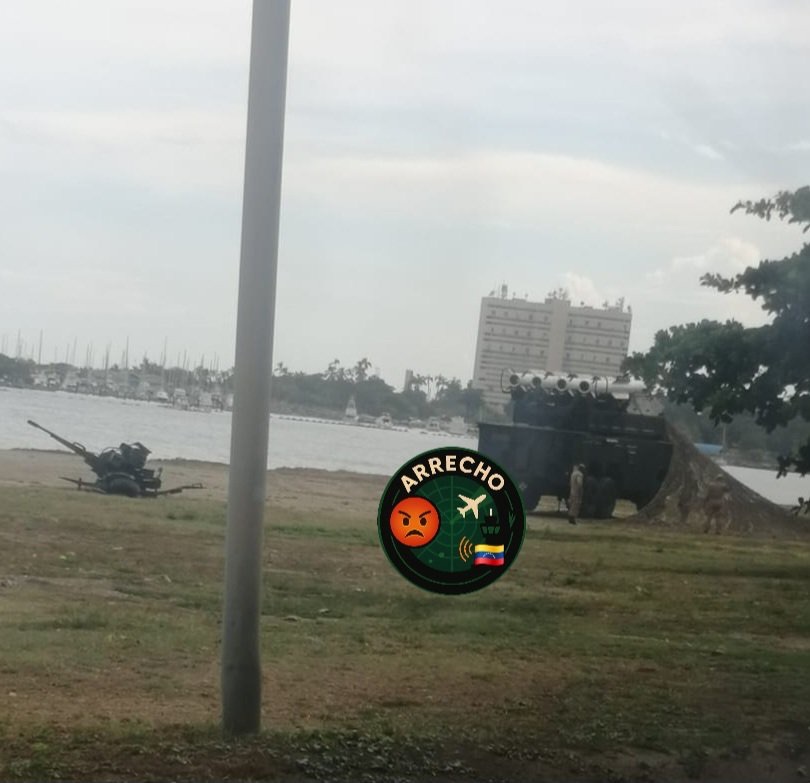
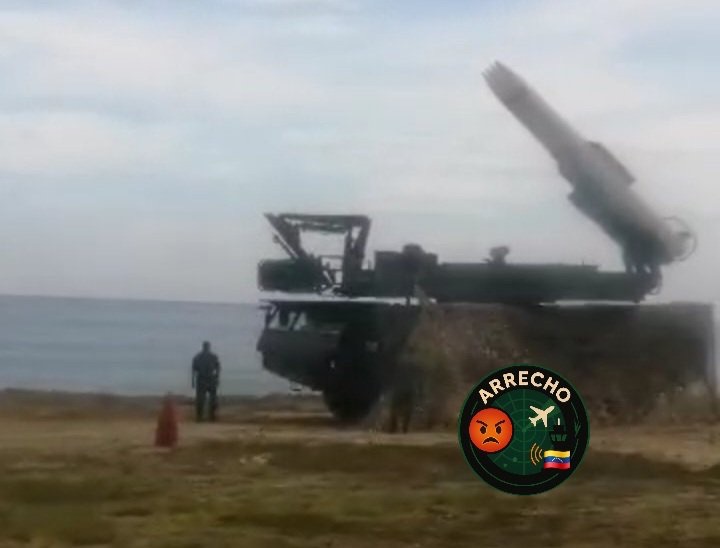
First lets look at the most recent movements.This is a Buk-M2E Surface-to-Air Missile System (NATO-SA-27) spotted this morning in the area of Naiguata, on the coast of Venezuela. This is possibly the same system that was spotted in the same area several weeks ago and is set up in almost the same spot.
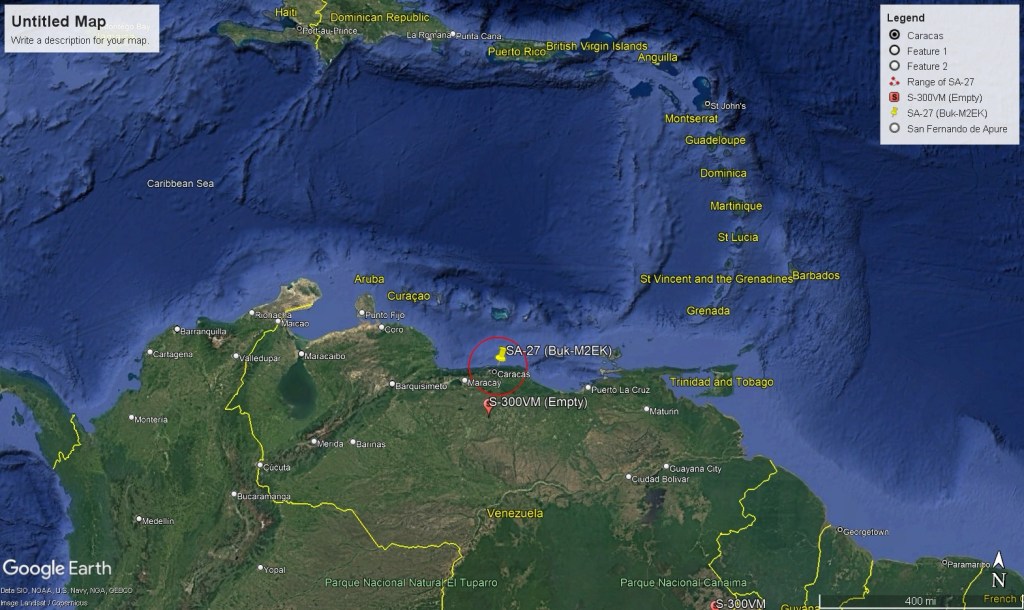
The SA-27 has a maximum engagement range of around 70km (about 43 miles), and its search radar has a search range of over 150km(about 93 miles). We don’t see the Buk’s “snowdrift” radar present in the image. If I was setting this up I would position the radar in the hills that overlook the coast, giving it a better view of the area. This system is no joke and has given Ukraine all sorts of problems in that war. The system can launch 4 missiles before needing a reload.
SA-27 and range circle. SA-27 on the beach of Naiguata.
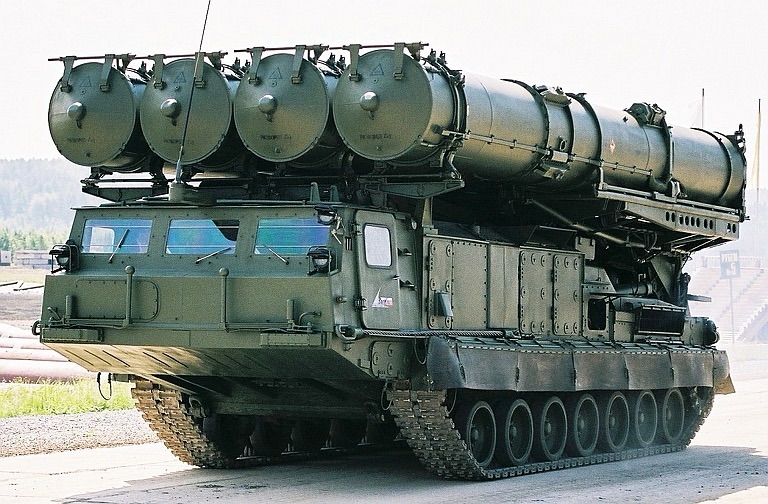
Venezuela’s military isn’t super modernized so a lot of the equipment they are working with are older Soviet/Russian systems, including S-300VM’s (NATO-SA-12A Gladiator) which Maduro’s predecessor got in a deal to loan russia a couple billion dollars in the 2010s.Its reported they only have a limited number of these (Possibly 4 launchers) These have likely been repositioned to protect the capital and other strategic sites around the country. The range of these depends on the missile, which are the 9M83M and 9M82M. These are claimed to be able to hit targets out to a range of 81 miles and 124 miles, respectively. Each launcher holds 2 missiles each, and takes around an hour to reload.
S-300VM Gladiator
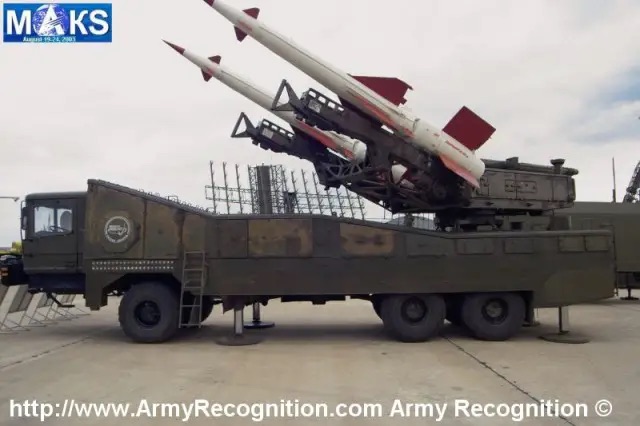
The last Surface to air missile system we will talk about is a lesser known one, The S-125 Neva/Pechora (NATO- SA-3 Goa), Most well known for shooting down a F-111 Nighthawk over Serbia. This is an older system with a decent range of anywhere from 15km to 35+km depending on the actual missile used.
S-125 Neva/Pechora (NATO- SA-3 Goa)
The last bit of air defense the EB possesses was reported on by mainstream media today with their story of Maduro threatening that he has 5000 missile systems at the ready, what he was referring to was the countries stock of Man portable air defense systems (MANPADS), mainly Igla-S (SA-24 Grinch) and the Swedish RBS 70. Short range rockets that can be fired by almost anybody but very short range. 6km(3 miles) up to 11,000ft, so not really a threat to anything flying at a normal altitude but still worth considering in mission planning.
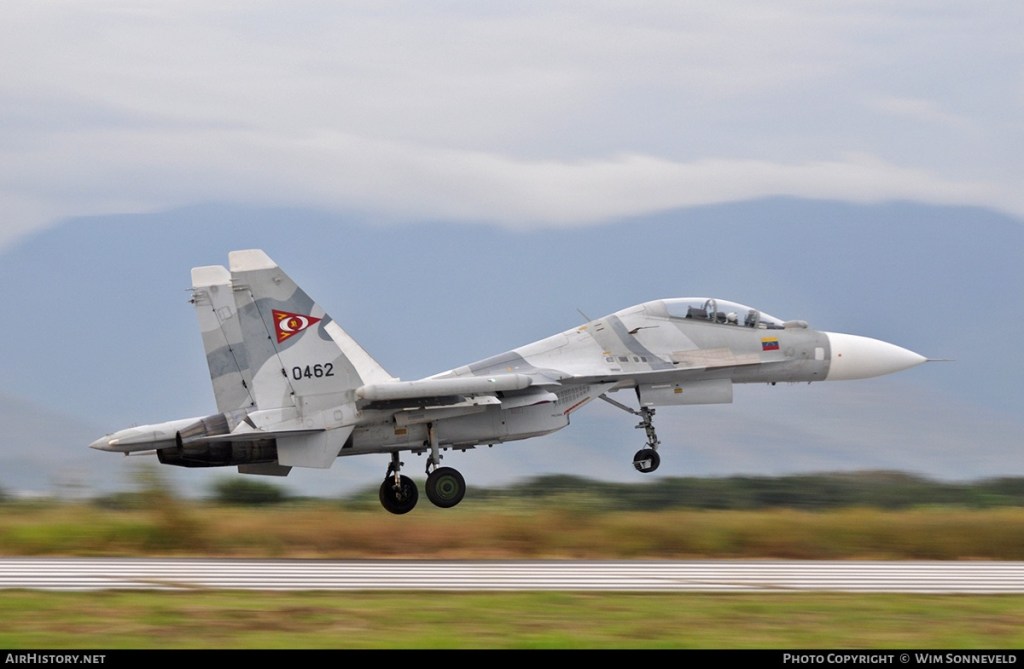
While their air defense is outdated at best and possibly nonfunctioning in the worst of cases, their air fleet is nothing to ignore, around 20 Su-30MK2V Flanker’s make up the bulk of their fighting power. The Su-30 can be outfitted with the R-77 missiles (AA-12 Adder). This missile has a 50km(31Miles) range and is guided by a datalink from the jet before switching to an active radar guidance. It’s also been proposed that this weapon has a home-on-jam feature which forces the missile to target the source of any electronic jamming.
Su-30MK2V Flanker
The flankers can also carry the R-27 (AA-10 Alamo) which are shorter range and use passive radar guidance as well as inferred, though not exactly.This missile comes in several variants, like the semi-active radar-homing R-27R and the infrared-guided R-27T, as well as the longer-range radar-guided R-27ER and the infrared-guided R-27ET. The R-27R is reportedly around 37 miles, and 31 miles for the R-27T. The extended-range versions are able to hit targets at a maximum range of 59 miles (R-27ER) or 56 miles (R-27ET).
The close range engagements for the SU-30 are handled by the R-73(NATO-AA-11 Archer) which is similar to something like an AIM-9 Sidewinder. Includes features like all-aspect infrared seeker, high off-boresight capability, thrust-vectoring controls, and the ability to be cued by the pilot’s helmet-mounted sight.maximum range of around 18.6 miles against a head-on target, or 8.7 miles in a tail-on engagement
Venezuela also possesses some (maybe 3 that fly) F-16A/B’s once purchased from the US in the 1980s, when relations were much warmer. Two of these were involved in a show of force conducted against an Arleigh Burke class destroyer USS Jason Dunham, last month.These are not the F-16’s you might see today, these planes carry no beyond visible range weapons and lack the upgrades given to today’s F-16’s. The best weapon they possibly have is the Israeli supplied Python-4, a supplement for the AIM-9 Sidewinders. These are possibly the oldest and most out of date F-16’s flying in the world and are mostly there for show.
U.S. Military buildup
While the U.S. has comparatively unlimited resources to throw at this. Realistically they are more likely to use what they have in hand and what’s readily available. I’ve gone over most of this in the past but it’s worth a refresher.
Let’s start with what we won’t see. Last week, the White House confirmed that US President Donold Trump had authorized the Central Intelligence Agency to operate within Venezuela. This is possible, probable even.
Image shows satellite photo showing the spec ops Ghost-ship M/V Ocean Trader in the Caribbean.
We also have satellite images (confirmed later) that show that the MV Ocean Trader is in the area. This is a highly modified vehicular carrier and more so this ship is a special forces helicopter/drone mothership. This lines up with images and reports that put the US Army 160th special operations aviation regiment ”Nightstalkers” in the area, possibly operating from the ship.
Little birds and Blackhawks from 160th Nightstalkers SOAR
Moving on with the rest of the assets. Let’s start with everything that shoots a Tomahawk Cruise Missile. We have 3 Arleigh Burke-Class Guided Missile Destroyers.
-USS Stockdale DDG-106
-USS Gravley DDG-107
-USS Jason Dunham DDG-109
USS Stockdale
-We also have the Ticonderoga-Class USS Lake Erie CG-70.
All of these are going to have around 32 cruise missiles apiece.
-In addition we have the submarine USS Newport News SSN 750 with another 12 Cruise missile.
-USS Wichita LCS 13
Three supply ships
-USNS Kanawha T-AO-196
-USNS Henry J Kaiser T-AO-187
-USNS Joshua Humphreys T-AO-188
USNS Henry J Kaiser T-AO-187 replenishment oiler
Next is the Iwo Jima Amphibious Ready Group (ARG) with the 22nd Marine Expeditionary Unit (MEU) (SOC) made up of the
-Wasp-class Amphibious Assault Ship USS Iwo Jima LHD 7
-Amphibious transport dock USS San Antonio LPD 17, and USS Fort Lauderdale LPD 28.
The above group had limited air-to-ground capability with its Harriers as well as transport options for the marines stationed aboard.
Rounding this list off we have
-At least 10 F-35’s from the “Vikings” of Marine Fighter Attack Squadron (VMFA) 225 stationed at Puerto Rico’s Roosevelt Roads Naval Station.
At least two AC-130 Ghostrider Gunship
-a reported total of around 10,000 soldiers.(not sure if this includes the 2,000 marines)
We also have a collection of aircraft that have appeared in the region but not necessarily stuck around,2 B-52H Stratofortress Bombers, B-1B-Lancer Bombers, a number of KC-135 Stratotankers, Dozens of Cargo planes (C-5 Galaxy’s and C-130’s) EC-3 Sentry AWACS ,and P-8 Poseidon ASW/Maritime Patrol plane.
While this list is large, I’m sure it’s not all of the assets currently in the theater. One of the United States best advantages here is it being close to home, allowing them to call in pretty much anything they want. The question isn’t whether the Venezuelan military will be defeated, it’s more like “how long will they last?”
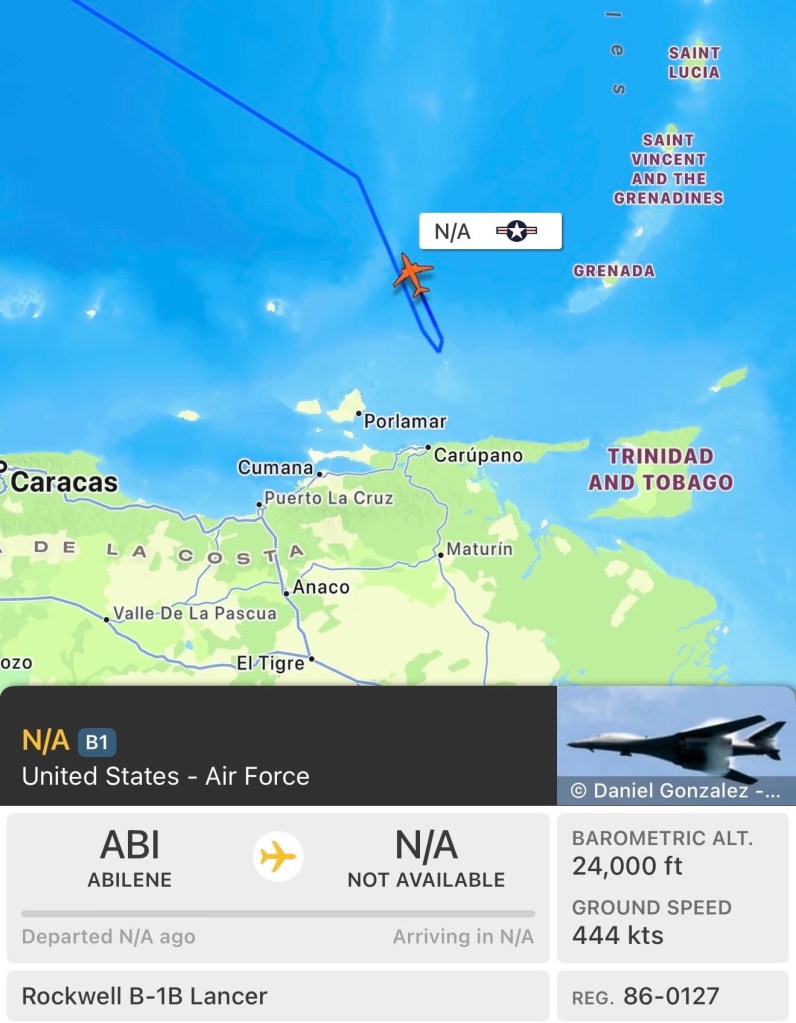
As I finished this, a B-1B lancer flew just within range of where that BUK is sitting and then turned around. Playing Peek-A-boo. just thought that was interesting considering this article started with talking about the range of that system.
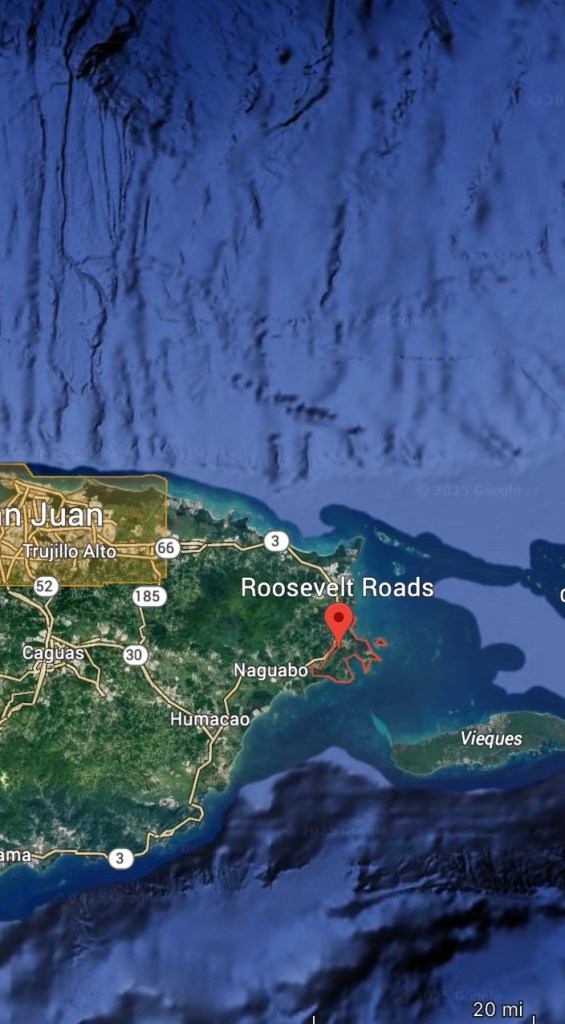
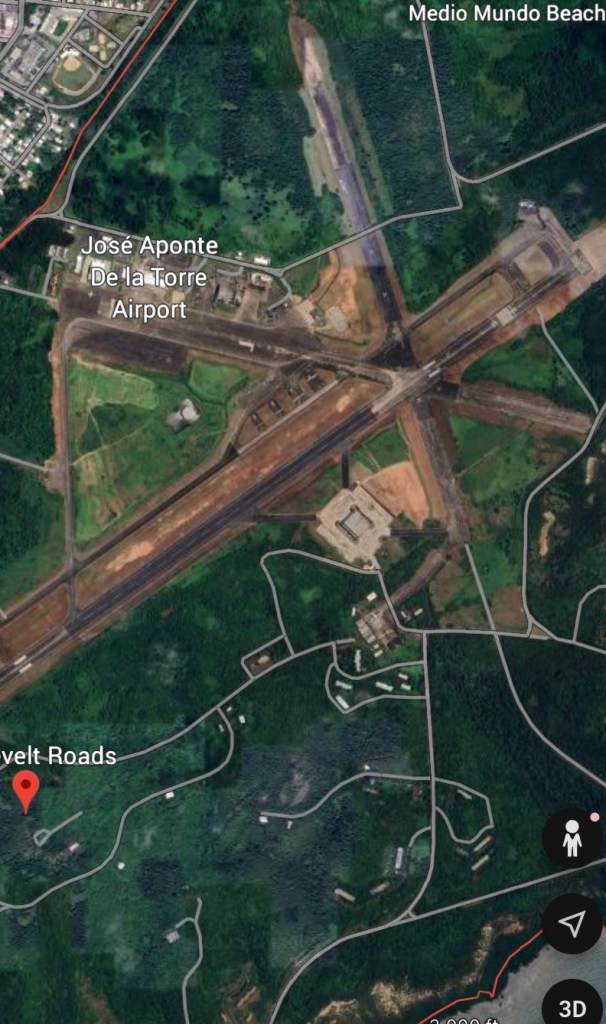
On October the 3rd, US Southern Command released footage from US operations ongoing in the Caribbean. The video shows the loading of a U.S. Marine F-35B Lightning II with live munitions at the now reactivated Roosevelt Road Naval Station.
Image from Google Earth showing the location of Roosevelt Road.Closer look at the airport.
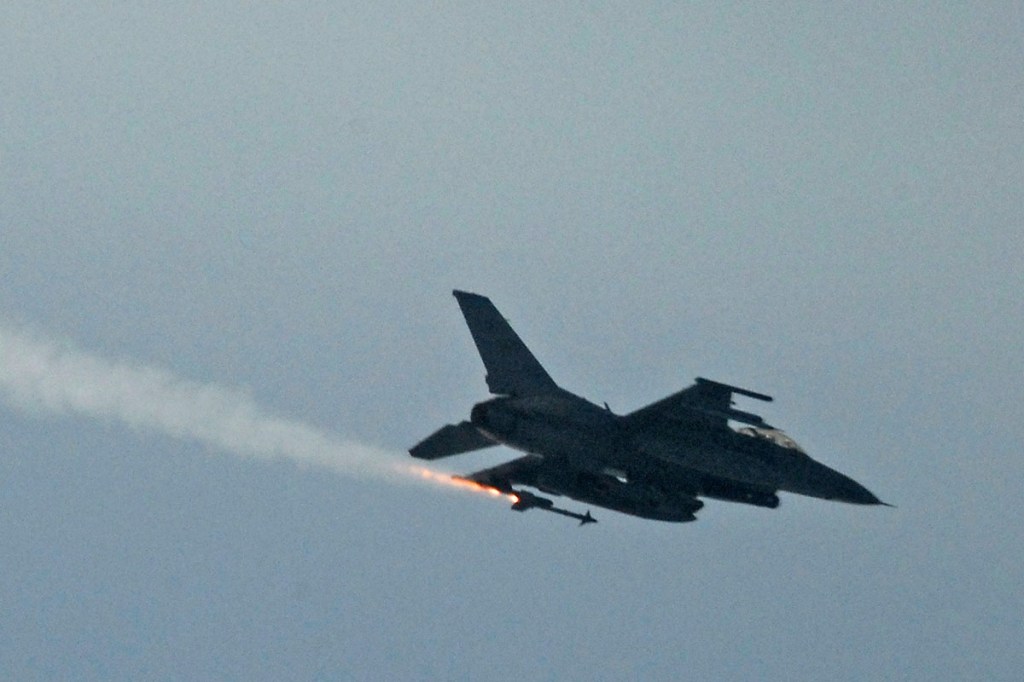
This aircraft, if it was just one jet, it’s not clear in the video, was outfitted with a mixture of air-to-ground and air-to-air weapons. My info is coming from publicly available information on the weapons systems and some of my own knowledge of this topic from years of research. Any mistakes or opinions are,as always, my own. The first clip shows the loading of an AIM-9X Sidewinder. The AIM-9X is an inferred guided, proximity fused weapon.
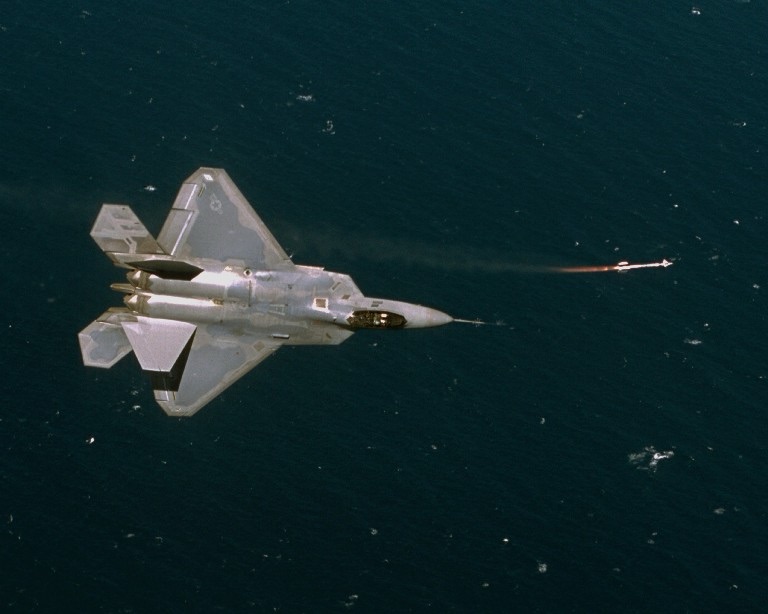
Variations of the Sidewinder started life as the primary weapon of many early Cold War era jets alongside their main cannons. This is not that Sidewinder, it is so updated and advanced it’s hard to even think of this as the same missile. The original AIM-9 Sidewinder used in Vietnam had an abysmal success rate that averaged somewhere around 9%. So 1 out of 10 would hit their targets. While the original weapon could only heat-track a target aircraft’s exhaust, this weapon is capable of detecting the heat from the friction of the target aircraft going through the sky making shots at the front or side of the target a possibility. A thrust vectoring engine on the AIM-9X gives it incredible maneuverability. The publicly available information puts the range at somewhere around 10-15 miles depending on some factors(Altitude-speed etc.)that can shorten or extend that range. This is not your grandfather’s Sidewinder.
F-22 firing an AIM-9 Sidewinder
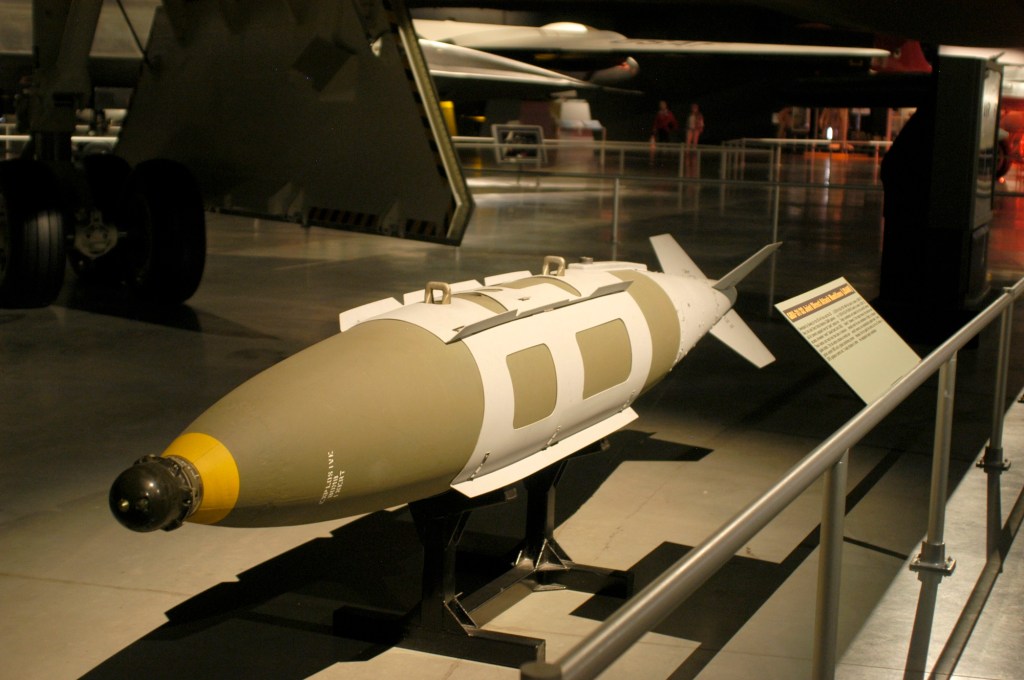
Moving on we get a quick look at one that’s probably familiar to you (if not by look, then by name) the GBU-54(V)/B LJDAM (Laser Joint Direct Attack Munition).This is the laser guided version of a pretty standard MK 82 500 pound air-to-ground bomb with the added bolt-on JDAM guidance kit giving it some pretty spectacular accuracy.
JDAM on display at Airforce Museum
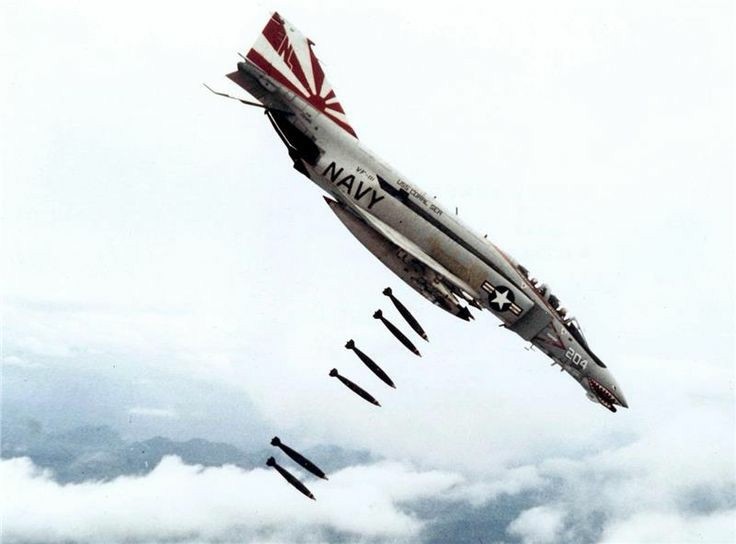
JDAM is like an aftermarket part for a bomb turning it into a GPS guided precision weapon.We don’t talk enough about the effect that the JDAM and other guidance systems have had on tactical bombing, long gone are the days you have to drop 12 bombs to hit one target. If the target is a house, a decent pilot can hit the house 90% of the time, a great pilot and a bit of laser guidance can put a JDAM through the window.
This is how you used to drop bombs. Multiple at a time and hope that you hit your target.
The last weapon shown is the AIM-120 AMRAAM-C/D (Advanced Medium Range Air-To-Air Missile) or, sometimes called Slammers after their first 3 shots resulted in 3 enemy takedowns in Iraq and Bosnia.The C/D is the model number for the missile, I’ve added both models because they showed two different missile models in the USSOCOM video. The AIM-120 is a BVR (Beyond Visible Range) with active radar-homing capable of striking targets at extreme ranges. Publicly available data puts the range of the AIM-120 listed at around 80 miles. The range numbers can be a little deceiving, you have to take into account that these numbers are based on any number of specific conditions for the enemy and the weapons platform. For a missile like the AIM-120 D model, while it will travel over 100 miles, its effective range is closer to 60-70 miles.
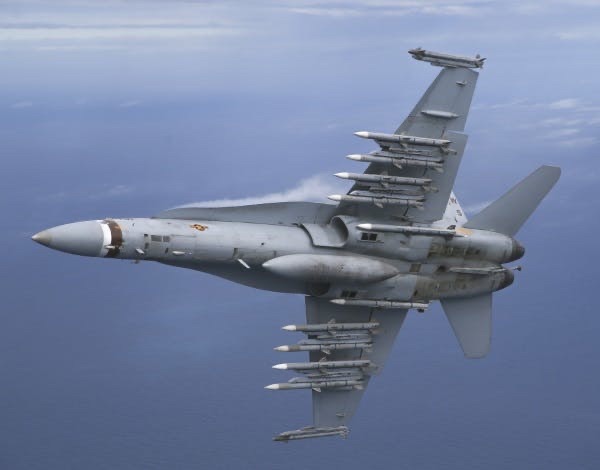
F/A-18 Super Hornet loaded with 10 AMRAMM’s.(Murder Hornet configuration)
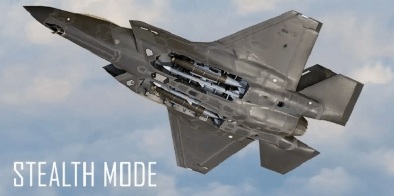
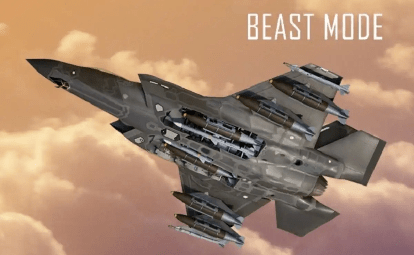
None of these weapons are rare, two of them, the SIdewinder and AMRAAM you will find on almost every fighter in the air fleet and the laser JDAM has been used heavily since the 90’s. I’m a little uncertain on exactly how many weapons this plane in the video launched with as the F-35 in its stealth mode can only hold so many weapons, and the B version has a smaller weapons bay than the others because of the lift fan. The two weapons bays can hold two AMRAAM’s each. I’m guessing here but maybe one JDAM and a sidewinder on one side and then the two AMRAAMS on the other.
The F-35 is technically capable of carrying more weapons on outside hard points, however this harms the stealth of the aircraft, giving it a larger radar cross section, or RCS. The idea was to use stealth mode during the opening days of a conflict and then to switch to what the manufacturer, Lockheed Martin calls “Beast mode” that the F-35B can be once air dominance has been achieved.
Stealth mode F-35 loaded with two JDAM’s and two AMRAAM’s.“Beast Mode” F-35 loaded with six JDAMS, Two AMRAAM’s and Two wingtip Sidewinders.
A US Sikorsky UH-60 Blackhawk operated by the 1st Battalion, 228th Aviation Regiment under Joint Task Force-Bravo crashed in Honduras on Wednesday.
I reached out to US SOUTHCOM for any info they could give me and received this via email.
Pilots flying a UH-60 Blackhawk helicopter made a precautionary emergency landing approximately five miles east of Soto Cano Air Base at 9:34 a.m. Wednesday. All five crew members were evaluated by medical personnel, and no significant injuries have been reported. The aircrew was performing routine training in the area. An investigation is being conducted to determine the cause of the incident. The aircraft and aircrew are assigned to 1-228th Aviation Regiment out of Soto Cano Air Base near Comayagua, Honduras.
Steven Mcloud (SOUTHCOM Media relations officer)
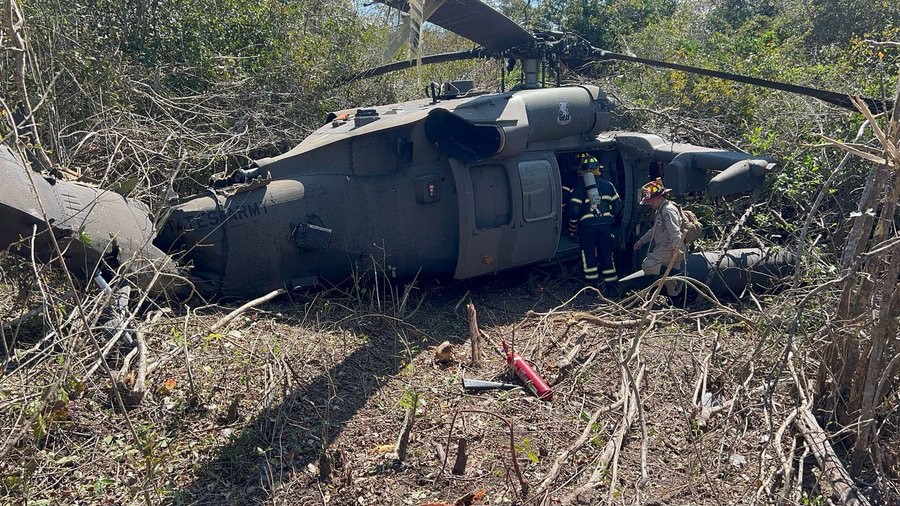
The crashed Sikorsky Uh-60 Blackhawk.
The Blackhawk received significant damage on impact appearing to have snapped its tail off. The fuselage appears mostly intact, likely saving the crews life, although injuries were initially reported. Those injuries haven’t been confirmed but were reported by other outlets who spoke with Carlos Padilla, head of Air Navigation at the Honduran Civil Aeronautics Agency (AHAC).
Before the crash the crew had declared an emergency Mayday distress signal according to AHAC.
Video of the aftermath of the crash.
The military will conduct its investigation and depending on the findings will release its report sometime in the future. Whether this crash was mechanical or pilot error is yet to be determined.














 Global Conflict Reporting
You must be logged in to post a comment.