Last week on the night of December 24th, the CIA carried out a covert drone strike on a port facility located on the coast of Venezuela. This report is based off the statements made by the White House, CNN’s exclusive coverage of the incident and video from the facility that has been online since before the attack was linked to the U.S.
🚨🇺🇸🇻🇪 POSSIBLE FIRST US CIA COVERT ACTION IN VENEZUELA
An explosion was reported on December 24 in an industrial zone of Maracaibo, raising speculation of a covert US operation inside Venezuela. pic.twitter.com/k4QDefXpqY
Tweet with several videos highlighting the aftermath of the explosion.
The attack targeted an out of the way port in Maracaibo, that the U.S. believed to have been used by Tren de Aragua in the packing and transport of drugs. Drugs were allegedly stored at a warehouse on the port and then later loaded onto boats for smuggling. The building is owned by Primazol, a chemical production company. According to CNN’s source nobody was present at the time of the attack.
The CNN report said two of their sources told them that the strike was carried out with the help of US Special Operations Forces. The report goes on to say that this claim was denied. Col. Allie Weiskopf, a spokesperson for US Special Operations Command said “Special Operations did not support this operation to include intel support.”So if they did participate, they aren’t saying, which is kind of the nature of special forces, so no surprise there. We know that the White House last month authorized special forces and the CIA to carry out operations in the region.
This operation was first revealed by the President himself in a much overlooked comment last week however, he kept most of the details to himself. On Monday the president was asked about the strike by Republican doner, John Catsimatidis who has a radio show, to which the president responded “We just knocked out — I don’t know if you read or you saw — they have a big plant, or a big facility, where the ships come from. Two nights ago, we knocked that out. So we hit them very hard,”
Trump was later asked for more details and said “there was a major explosion in the dock area where they load the boats up with drugs” and that an “implementation area” was “no longer around.”
One of the sources that CNN is referencing in their article claims that while the strike was successful destroying the building and the boats(as well as the alleged drugs), the source says it’s mostly symbolic because of the amount of similar facilities.
The U.S. has launched 30 strikes on boats allegedly loaded with drugs and bound for the states. Targeting the boats is only a temporary fix for a complex problem. Land strikes were always going to be required if the goal of the White House was ending the flow of drugs from Venezuela, which supplies tons and tons of cocaine which when it reaches the US is often turned into crack cocaine, a much more potent and deadly version of the drug.
US Intel has long pointed at high ranking members of the Nicolás Maduro regime as the leaders of the Tren de Aragua cartel. With Maduro right at the head. These strikes and the buildup of military forces are aimed squarely at putting pressure on president Maduro. The question that’s been raised is “to what end?”
The U.S. is gathering a large number of forces into the Caribbean, likely to support more ground strikes in the future. The U.S. has also implemented a blockade on all oil products leaving Venezuela having detained at least two ships already.
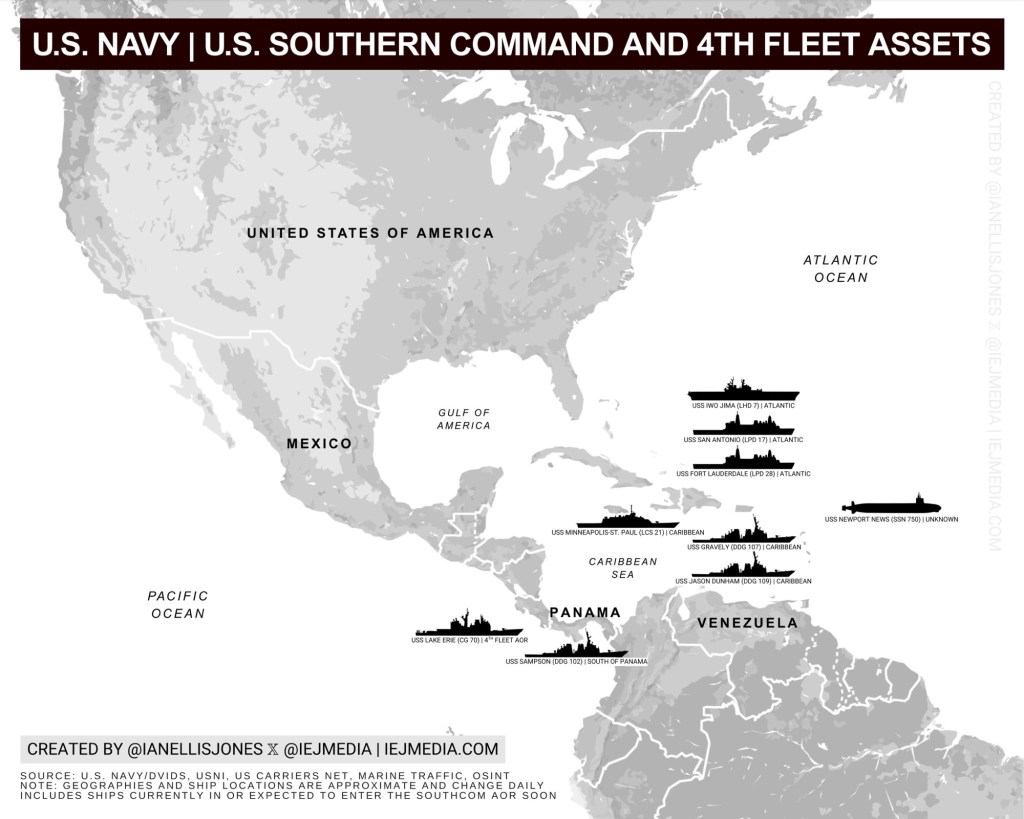
Map put together by Ian Ellis Jones over on Twitter shows the ships currently moving into the South American region. Some of the locations are true, as of when the image was posted, others are approximate.
By. Scott Jackson
08/30/2025
A look at the recent increase in U.S. forces already in or heading to the Caribbean.
The U.S. is increasing its presence in the region in an effort, they say, to deal with drug trafficking. This has been a big issue for Washington and is currently causing some tension as the White House called Venezuelan leader Maduro a “Narco-Terrorist” and have made him the main focus of these efforts. Is this a regular drug operation, or something more? For now nobody’s sure.
So far eight ships and a submarine have been deployed to the 4th fleet/Southern Command [SOCOM] AOR. Making this the largest confrontation between Venezuela and the U.S. in years.
For Venezuelan President Nicolas Maduro, this attention only strengthens his goverment hold on the country. The U.S. feels Maduro’s election back in 2013 and 2024 was due to election interference and say his victory was only assured because of ballot stuffing and other types of election fraud. Currently Washington has a $50 million dollar bounty for his arrest on charges of drug trafficking. Maduro’s response to the threat of the U.S. warships steaming towards southern waters was to declare that Venezuela would respond with the activation of 4.5 million militiamen.
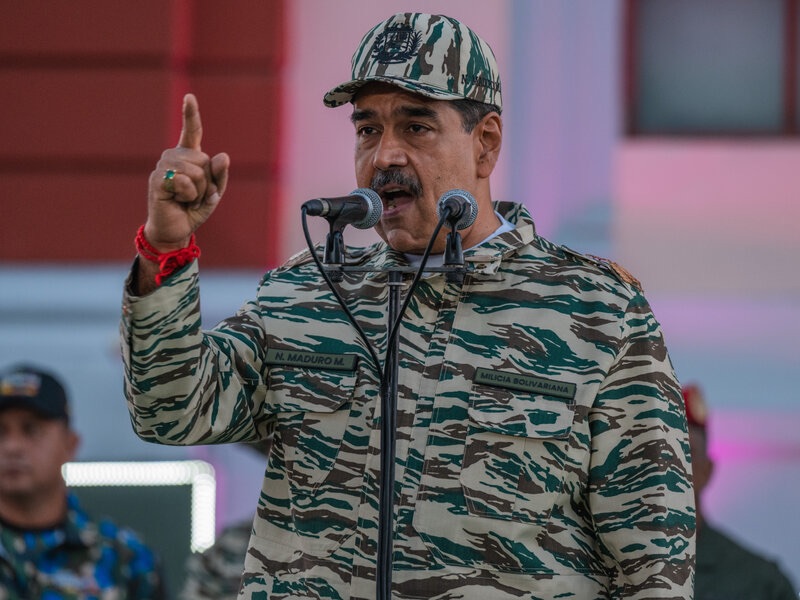
“This week, I will activate a special plan with more than 4.5 million militiamen to ensure coverage of the entire national territory — militias that are prepared, activated and armed,” Maduro announced on state television.
Most believe that this move by Washington is aimed more at a show of force over actual U.S. intervention in the region, but in case it’s not just a well armed navel stroll around the block let’s go over some things.
Who is Nicolás Maduro?
Nicolás Maduro speaking to his supporters about the American forces heading towards Venezuela.
Maduro was born in 1962 and before he was a president he made his money as a bus driver for a long time before rising to become a trade union leader. In 2003 he was elected to the National Assembly and frim there appointed to a number of positions under the then president Hugo Chávez. He served as the president of the National Assembly in 2005-06, and as Minister of Foreign Affairs from 2006-2012. From then on he was Vice President under Hugo Chávez until his death in 2013. After Chávez’s death Maduro assumed the role of president and has stayed in the role ever since. Since then, Maduro has managed to stay in office, consolidating power along the way. The elections the country has run show Maduro winning, however claims of election rigging have run rampant.
Since Maduro rise to power Venezuela has been forced to endure widespread authoritarian rule marked by rigged elections, human rights abuse and economic hardship. Maduro’s goverment can be characterized by its mass allegations of corruption, the suppression of critical information and poor leadership. Widespread shortages have plagued the country and inflation of its currency, the Bolivar, has skyrocketed, tripling in the last several years. For a country as resource rich as Venezuela is, having one of the largest oil deposits in the world, these problems are inflicted mostly by the actions and policy of their government.
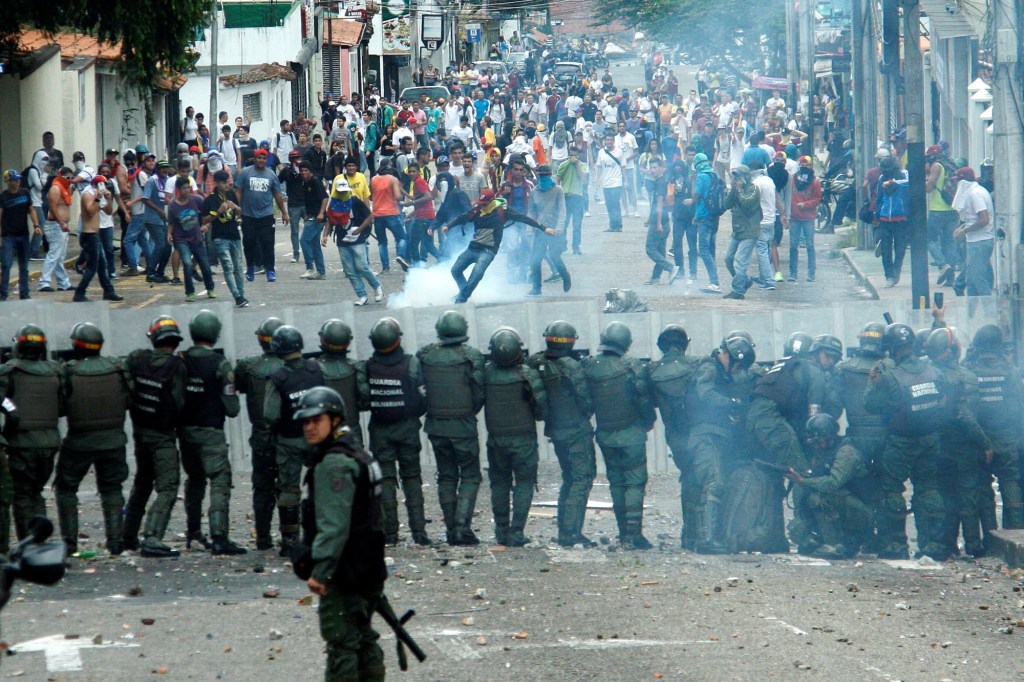
Demonstrators clash with members of Venezuelan National Guard during a rally demanding a referendum to remove Venezuela’s President Nicolas Maduro in San Cristobal, Venezuela October 26, 2016. Photo: Carlos Eduardo
What U.S. assets are being sent to Venezuela?
For now it seems that the bulk of the forces being mobilized for this operation -whatever it ultimately ends up lmbeing, are from the USS Navy with some help from the Air Force.
Earlier today radio calls from a USAF RC-135 ‘Rivet Joint’ were recorded as they communicated with the Mcdall tower out in Tampa Fl. The RC-135 was refueling “somewhere over the Caribbean”. This means that the Air Force is doing ELINT missions and gathering data from the region. The Rivet Joint is capable of picking up radar signals from hundreds of miles away as well as other types of electronic surveillance and reconnaissance.
ABATE07 (KC-135) is somewhere over the Caribbean right now fueling a RC-135.
We also have reports of Navy P-8 Poseidon’s out of San Juan patrolling around the Caribbean several days ago. These planes are mostly used for anti-submarine work but can still be used as spotters for surface ships as well.
Venezuela has one submarine that might or might not be operational so I don’t see the ASW assets getting all that much use here.
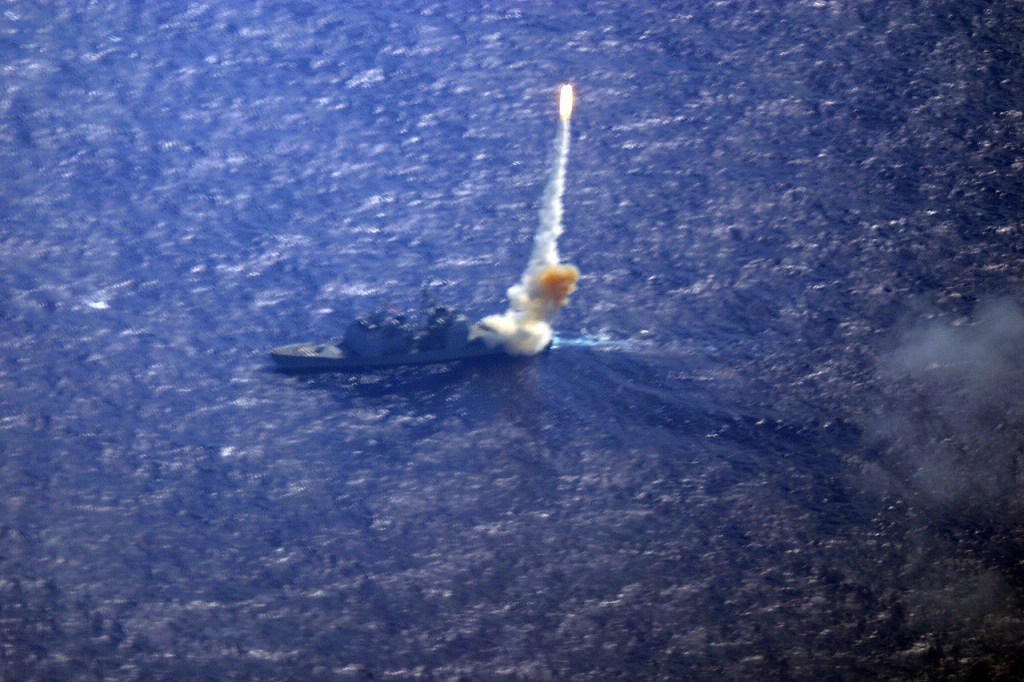
Ticonderoga-Class launching one of its standard missiles.
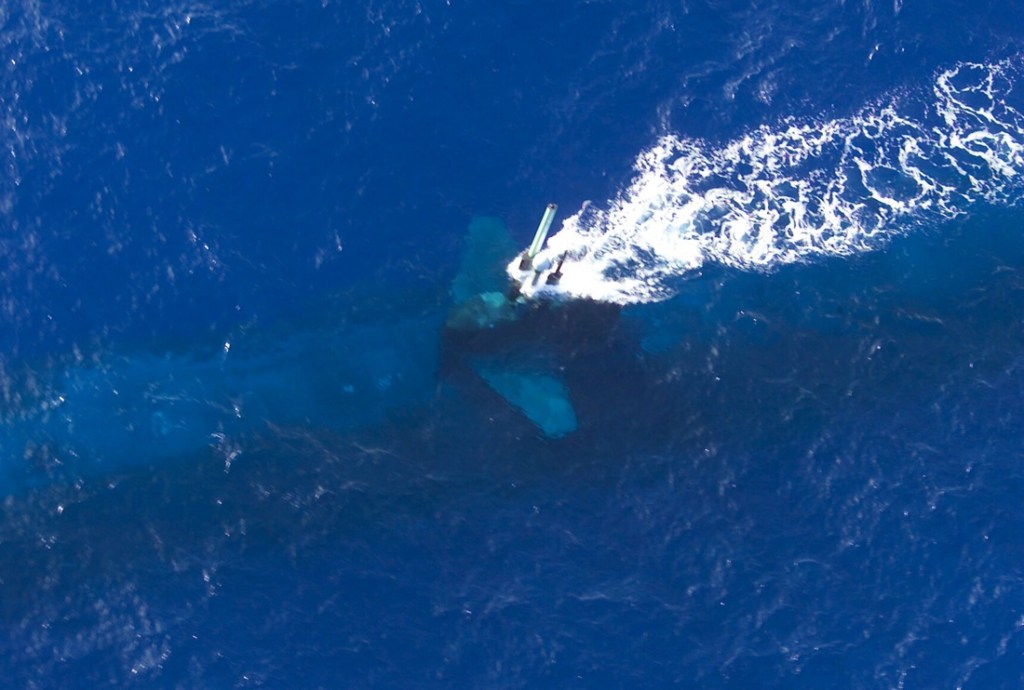
On to the ships. So far 9 ships have been ordered to the area. The most recent of the bunch is the Ticonderoga-Class guided missile cruiser USS Lake Erie (CG-70) and the Los Angeles-Class fast attack submarine USS Newport News (SSN-750).
Los Angeles class submarine operating at periscope depth.
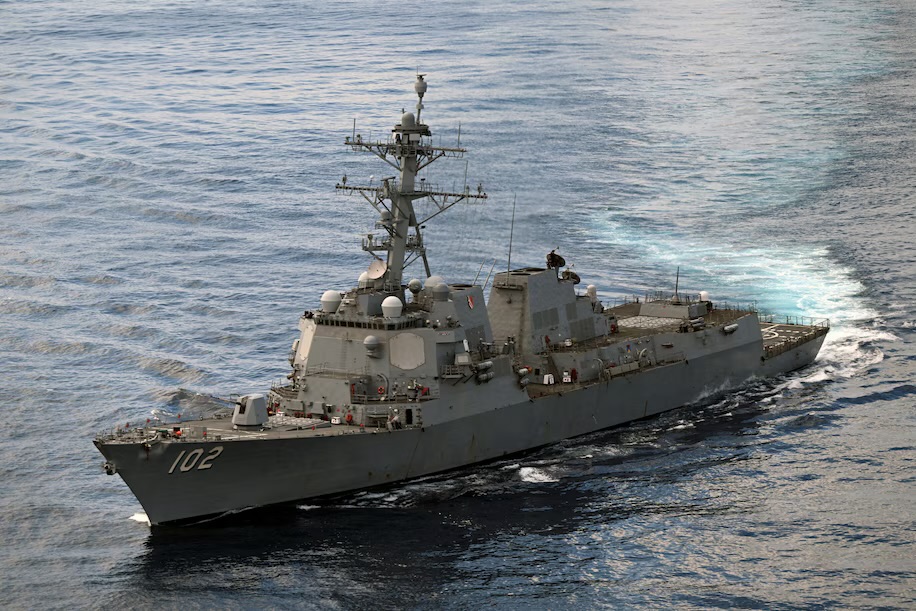
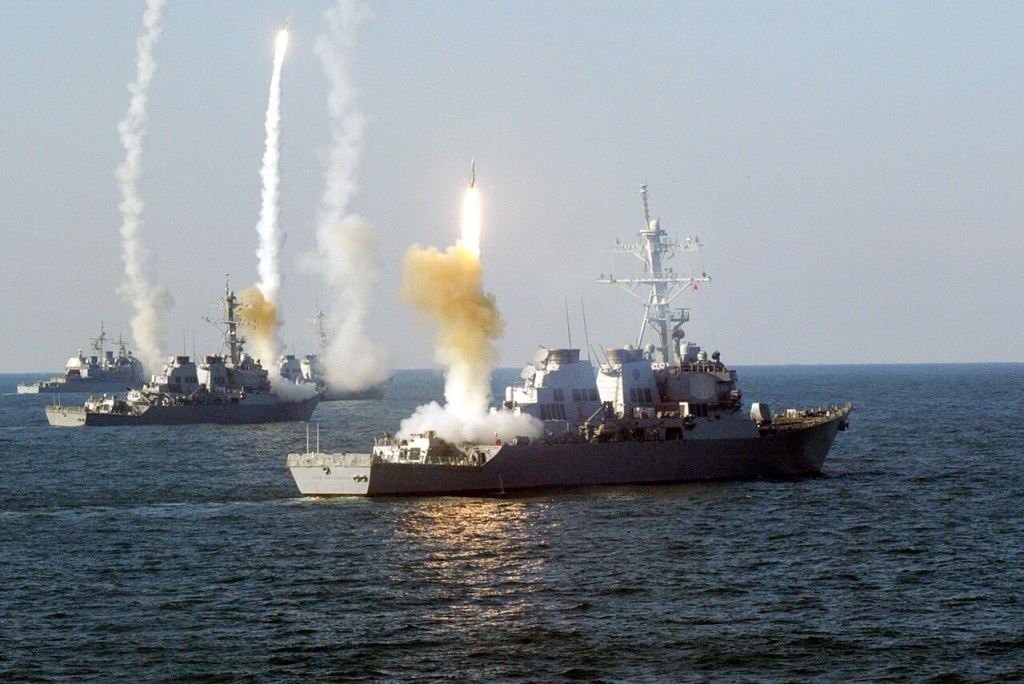
Three of the ships are Arleigh Burke-Class guided missile destroyers. USS Gravley (DDG-107), USS Jason Dunham (DDG-109), and USS Sampson (DDG-102). These ships along with the Lake Erie provide the bulk of the firepower. All of the ships listed so far, including the submarine are capable and likely carrying a number of Tomahawk cruise missiles, among others.
Arleigh burke-Class destroyers intercepting targets during an exercise
Last but not least we have the USS Minneapolis-Saint Paul (LCS-21) a Freedom-Class littoral combat ship. These ships were, according to the navy “envisioned to be a networked, agile, stealthy surface combatant capable of defeating anti-access and asymmetrical threats in the littorals.” Littorals refers to an area of the sea close to shore. Basically these ships are comparable to what other navies call corvettes.
Each of the freedom class comes with a hanger for the SH-60 or MH-60 Seahawk, as well as a ramp in the stern for launching smaller boats. These ships are capable of transporting and launching a small assault force with troops and fighting vehicles.
Image shows the USS Minneapolis-Saint Paul.
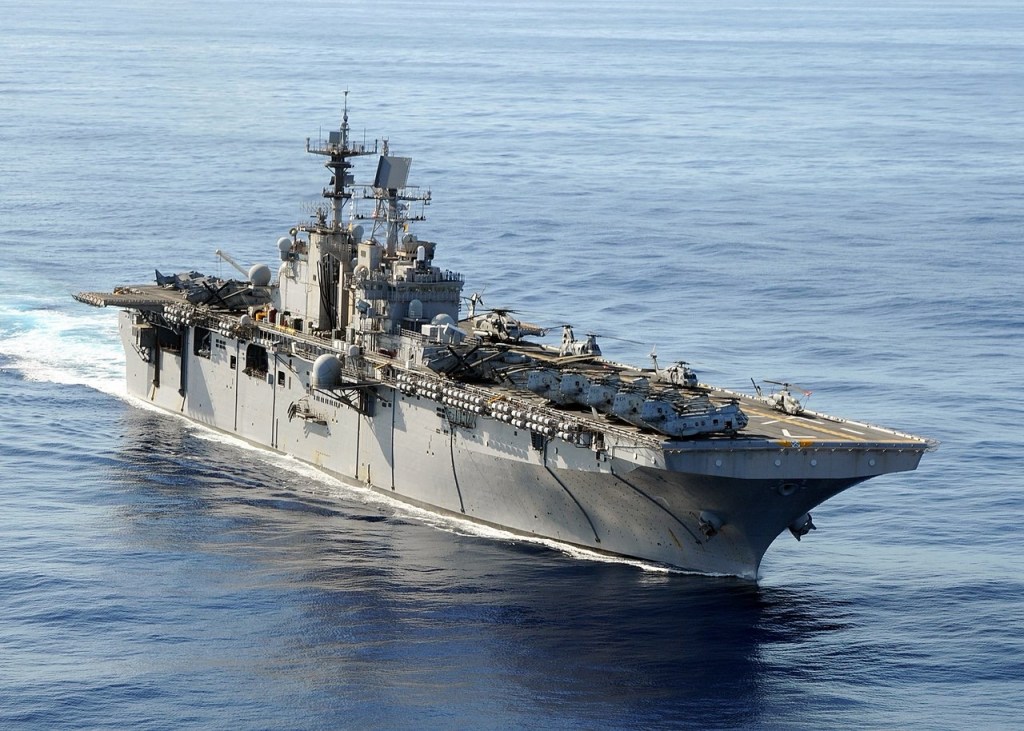
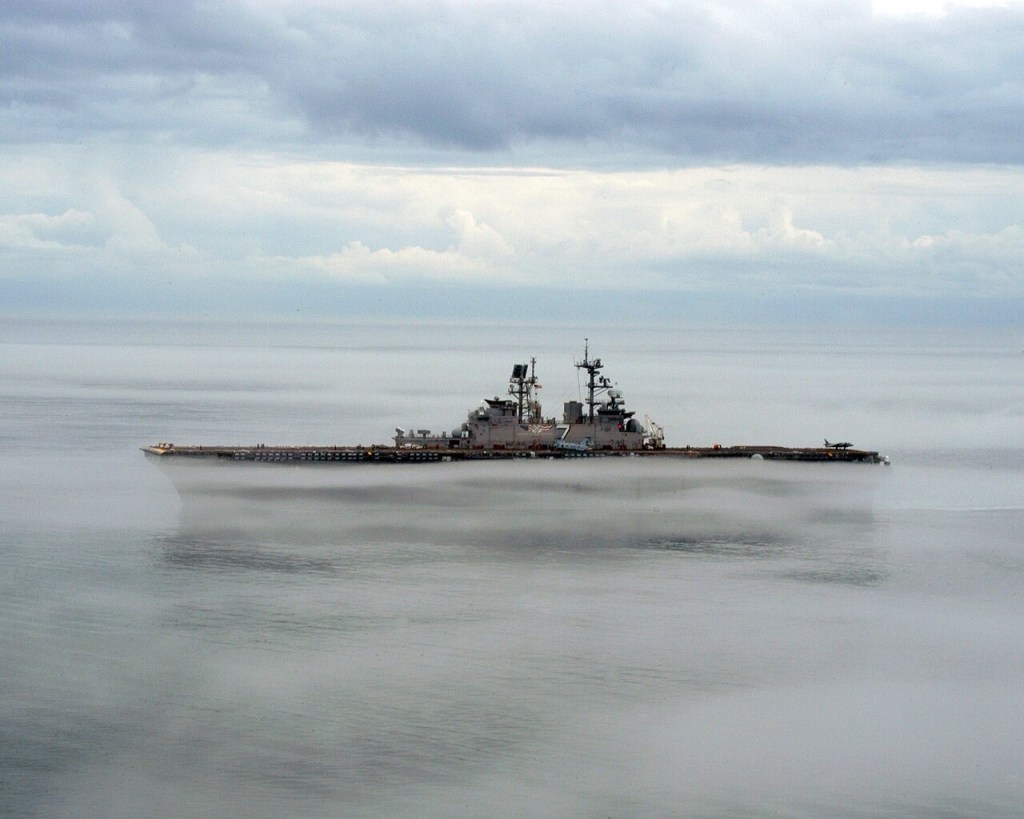
Next is the USS Iwo Jima (LHD-7) classified as a Wasp-Class amphibious assault ship and landing helicopter dock.
USS Iwo Jima (LHD-7) in the Atlantic sometime in 2008.
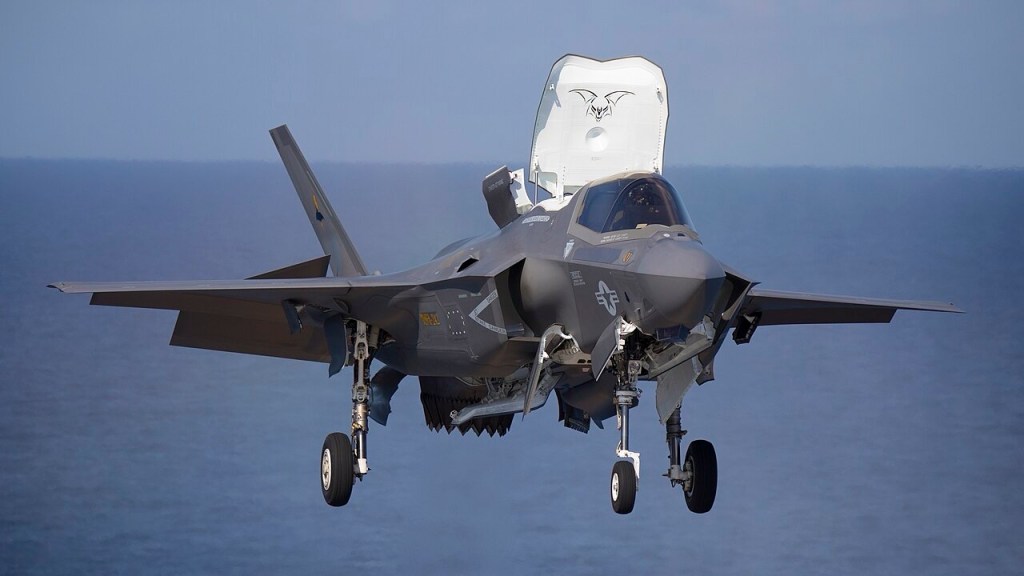
This ship carries various aircraft- mostly helicopters, and a lot of Marines as well as their equipment. This ship is essentially a floating marine base of operations capable of transporting them and their equipment into hostile territory and supporting them the AV-8B Harriers until 2027 when most of the assault ships are switching to F-35B’s. I don’t know if the Iwo Jima currently employs harriers or The F-35 currently.
USS Iwo Jima hiding in the fog.Marine Vertical take off F-35B coming in for a landing.
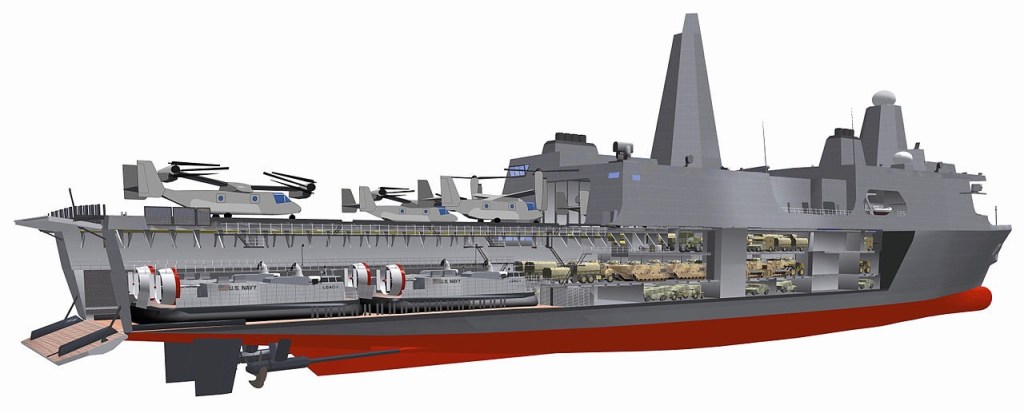
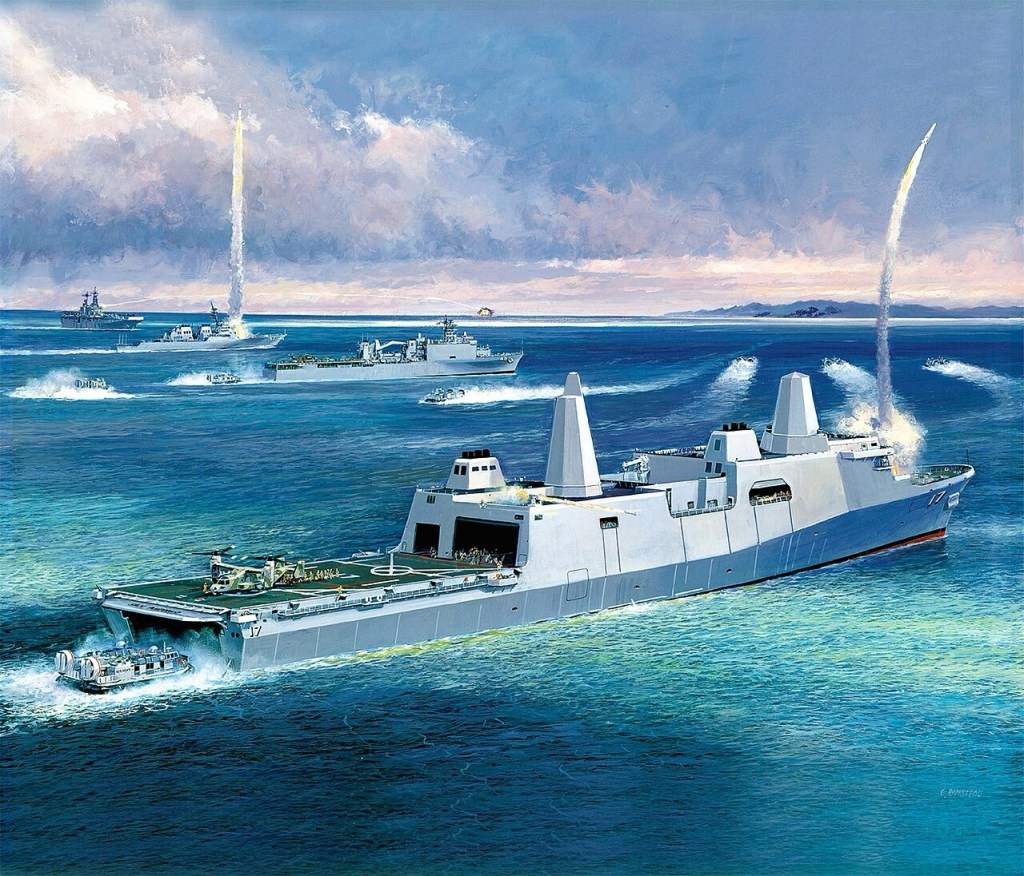
Moving on to the last two ships on our list we have the USS San Antonio (LPD-17) and the USS Fort Lauderdale (LPD-28) both of which are San Antonio-class amphibious transport dock’s. These ships are similar to the Wasp-class in that they are filled with marines and can be used as a launching point for their operations. They have a hanger for helicopters (or Ospreys) but lack the topside deck for planes.
Cut-away view of the San Antonio class. Artist concept of the San Antonio class.
These ships are designed as survivable and stealthy transports for ground forces. As shown in the image above they are also designed around the idea of launching the marines hovercraft to quickly transport massive amounts of marines and their equipment to the shores.

 Global Conflict Reporting
You must be logged in to post a comment.