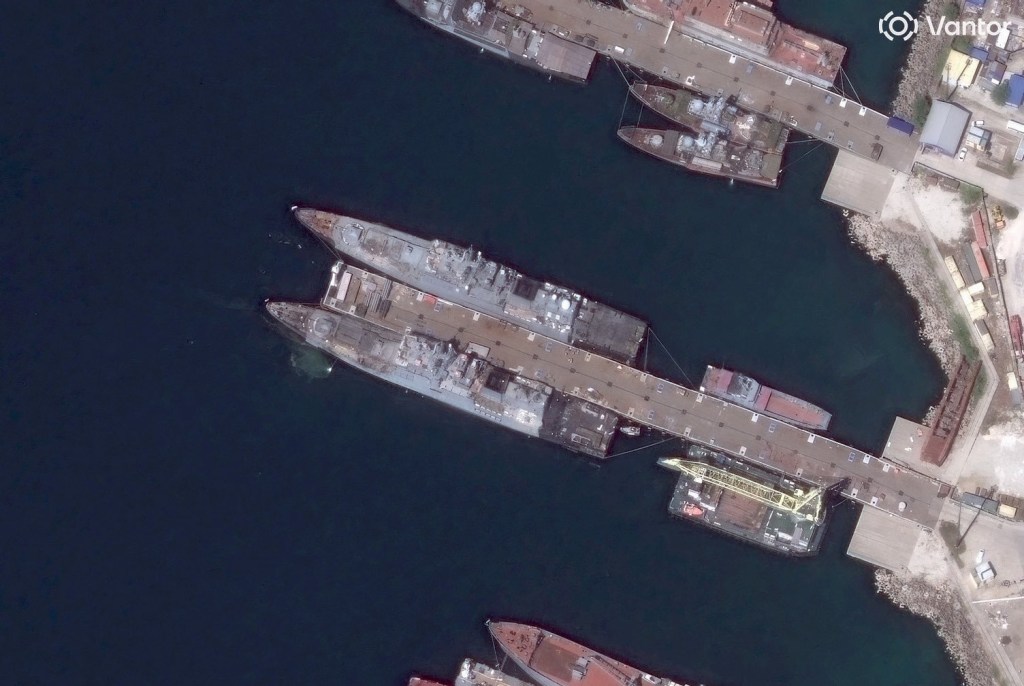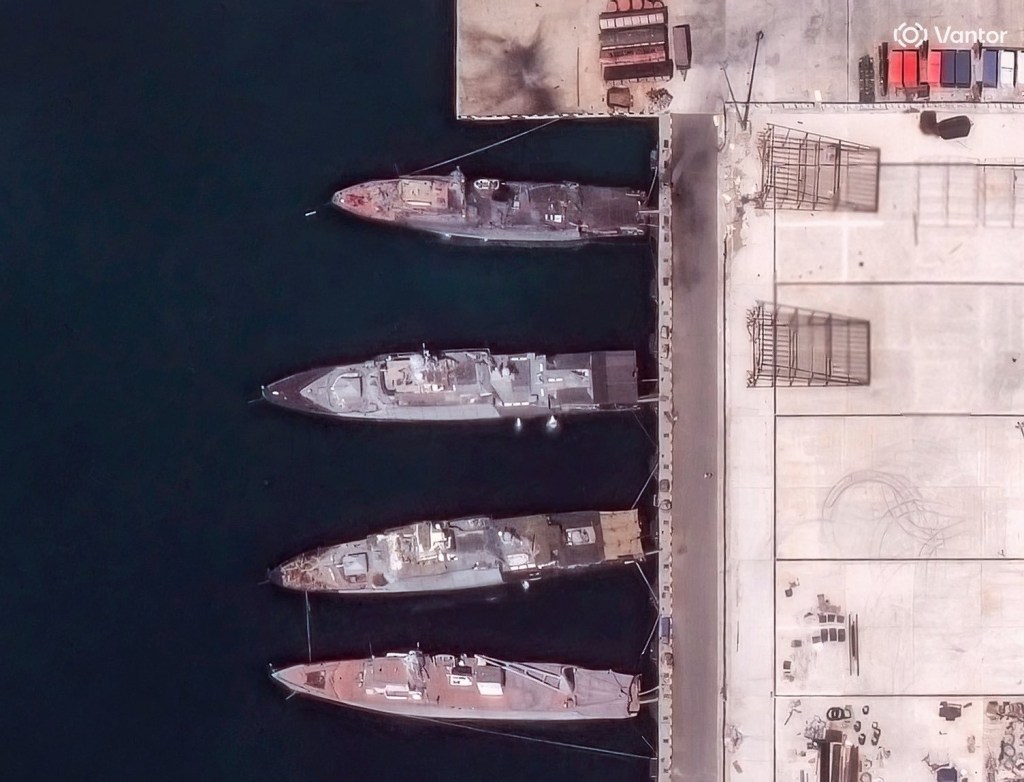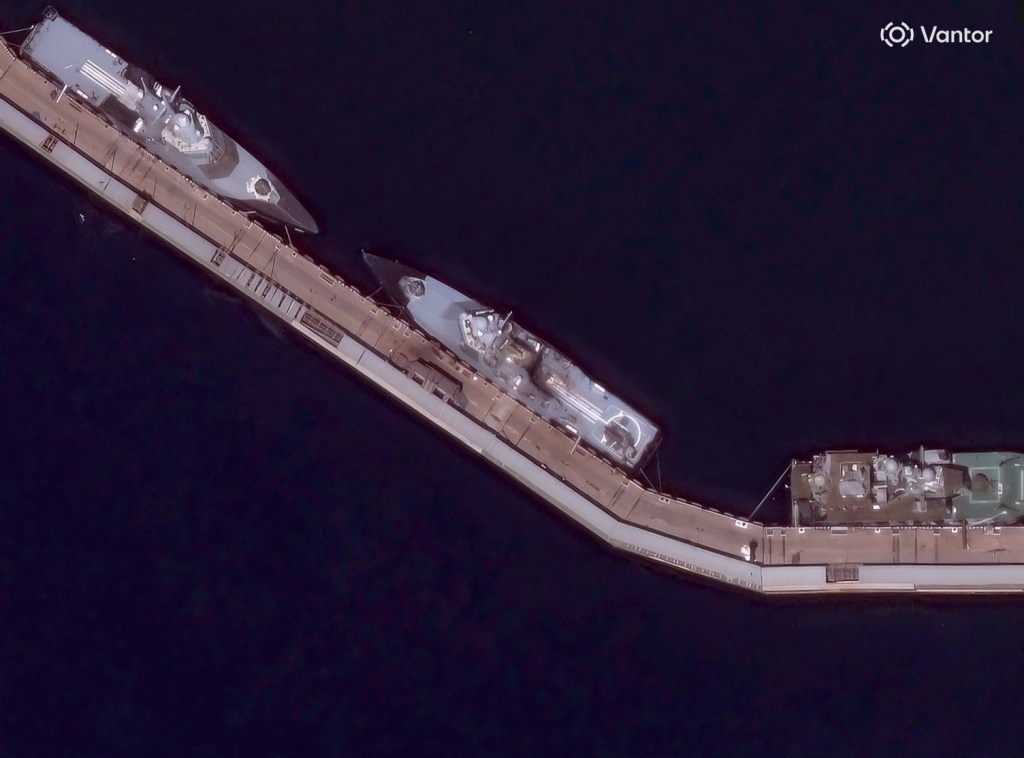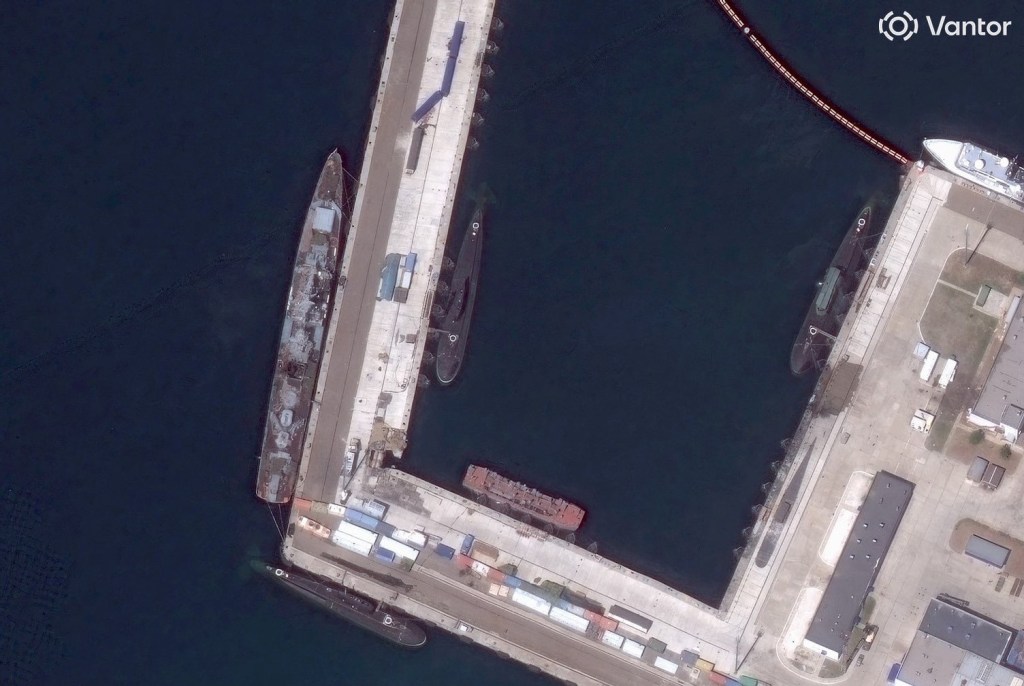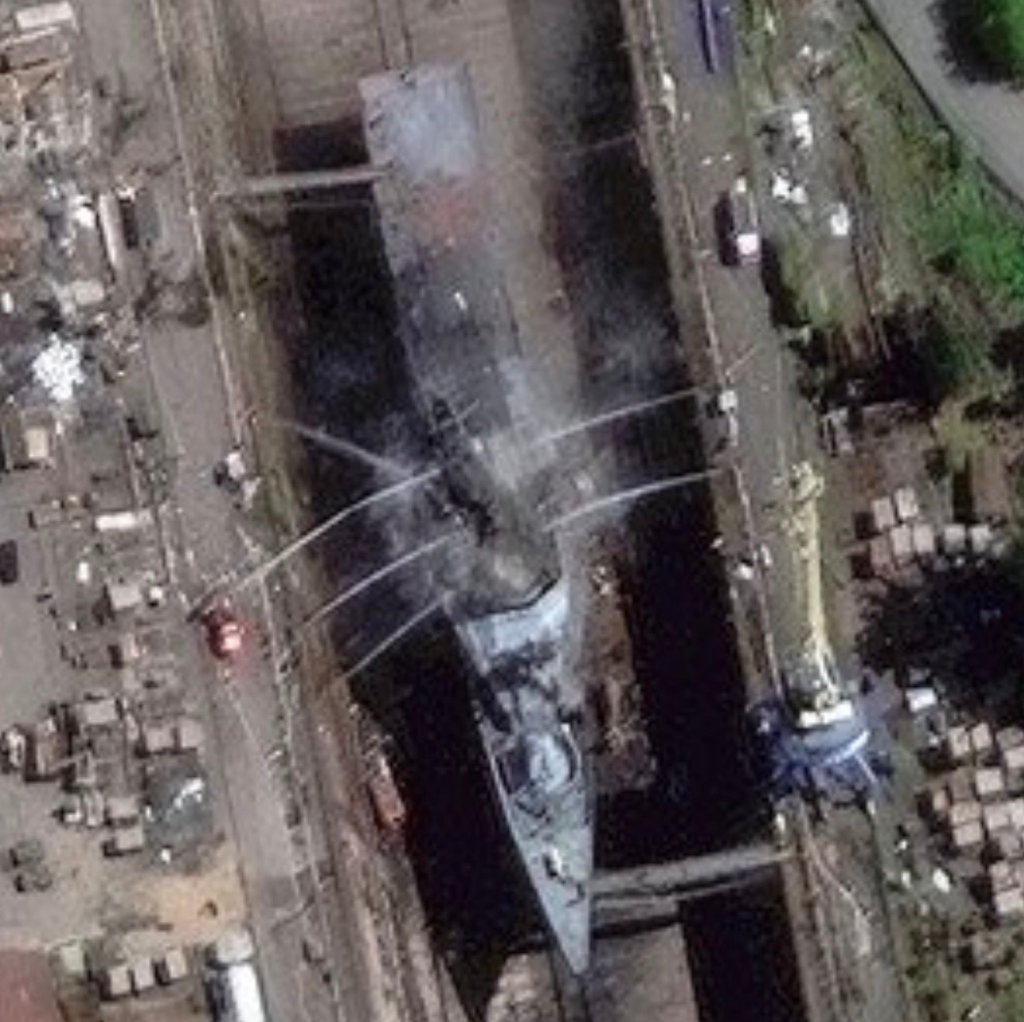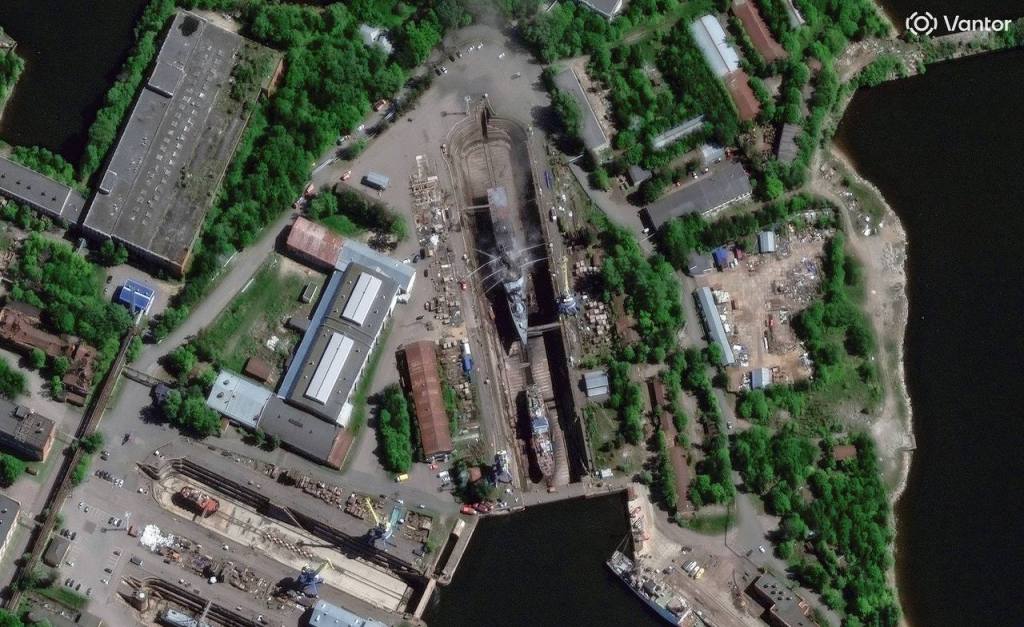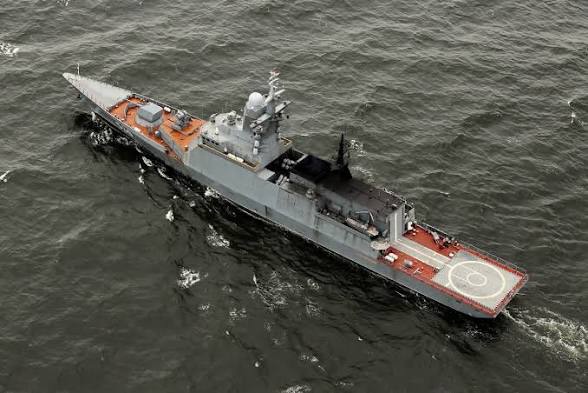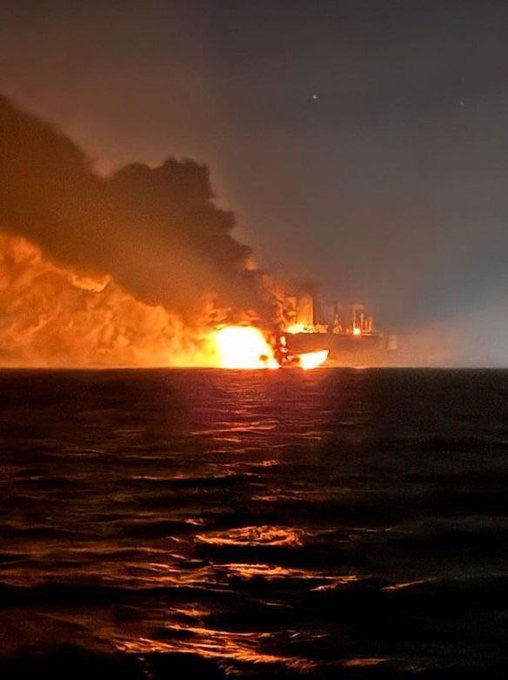
Satellite images and video shows the damage after yesterday mornings’ attack on the Russian warship Boikiy, a Project 20380/Steregushchiy-class Corvette in the Baltic Sea Fleet. The ship was attacked during a large Ukrainian drone wave that struck St. Petersburg and the Kronstadt naval base that’s nearby. The ship was struck twice in videos released by Ukraine. Video released later on shows fire crews battling a large fire near the center of the ship.
The ship was in drydock at the Kronstadt naval base near St. Petersburg. It has been there since February of this year receiving routine maintenance and repairs.
This ship is thought of by maritime experts as one of Russia’s most modern warships. it serves as a multipurpose corvette mainly designed for littoral zone operations, engagement of enemy submarines and surface ships, and gun support of landing operations.
⚓️🔥🔥 Russian Corvette Hit at Kronstadt
New satellite imagery shows Russian crews battling a fire aboard the guided missile corvette Boikiy after Ukrainian drones struck the vessel in dry dock at Kronstadt, the main base of Russia’s Baltic Fleet near St. Petersburg. Ukrainian… https://t.co/5EBEJFdgumpic.twitter.com/pkeZbaAKEz
— 🇺🇦 Ukraine Frontline_Daily (@ukraine_frontup) June 4, 2026
The ship carries a crew of 100 and displaces around 2,200 pounds. Its size has given it the classification of a “Frigate” in western navies as it’s a little bit bigger than what is generally considered to be a corvette.
While its size is on the small side its armament is anything but. It has a weight provision eight SS-N-25 missiles (KH-35) (NATO reporting name AS-20 ‘Kayak’) a Turbo-jet subsonic, anti-ship missile. After the first ship in the Steregushchiy was built the CIWS system was removed and replaced with x12 Redut VLS Cells loaded with 9M96E2 missiles (Used in the S-400 anti air system).
Global Conflict Reporting is a completely independent project run by one person, If you would like to support my work you can sign up for a membership on the Patreon (Link below), or one time/reoccurring donations through the website.
Overnight on May 23-24 2026, at least four people were killed and 100 wounded in one of the largest Russian air attacks in years. While strikes were launched across multiple regions, the main target was clear: the capital, Kyiv.
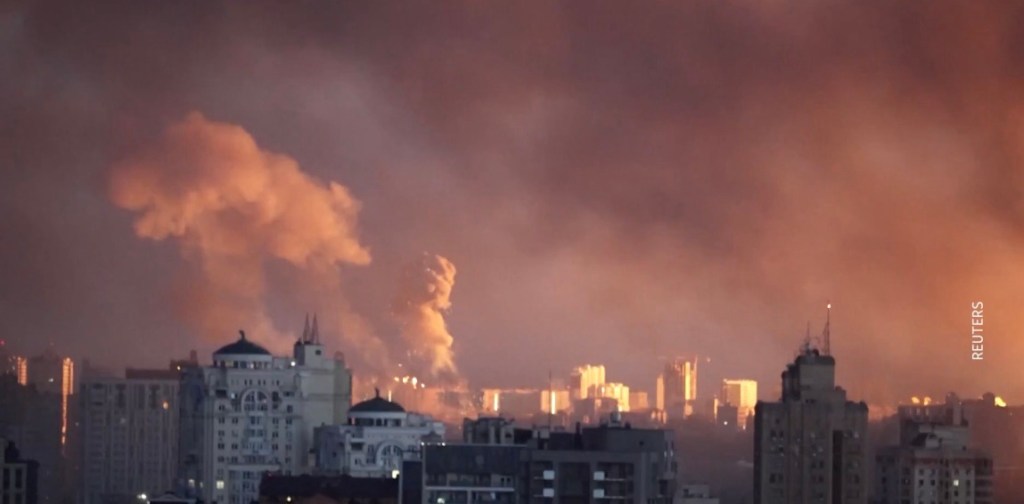
Video shows moments from the Russian attack on Kyiv.
The city was hit with multiple Kh-101/Kalibr cruise missiles, Shahed drones, and ballistic missiles. After 1 a.m., explosions rang out across Kyiv following a warning from the United States and Europe that Russia might launch one of its hypersonic Oreshnik ballistic missiles. This was not only one of the largest recent attacks — it ranks among the largest of the entire war with 90 missiles (including 36 ballistic) and an estimated 600 drones being used in the attack.
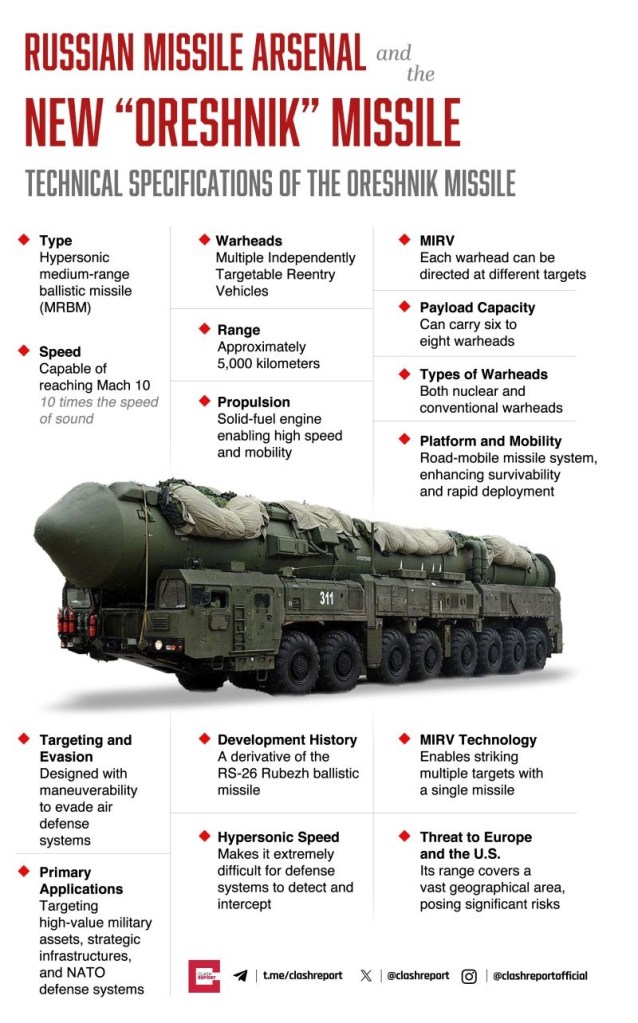
Videos from Bila Tserkva, a city roughly 40 miles (64 km) from Kyiv’s outskirts, captured the Oreshnik strike. It is not yet known what, if anything, was damaged or why that area was targeted in specific. Although the attack looked dramatic, the Oreshnik intermediate-range ballistic missile (IRBM) was designed primarily as a nuclear delivery system. It is very similar to Russia’s RS-26 Rubezh (NATO: SS-X-31), which was test-fired a handful of times but never fully fielded. Both missiles are equipped with multiple independently targetable reentry vehicles (MIRVs). These break apart into six individual submunitions during the exo-atmospheric flight phase, allowing them to strike separate targets — a capability ideal for delivering multiple nuclear warheads.
Some information of the Russian Oreshnik missile.
In its non-nuclear form – which lacks any conventional warhead and relies solely on kinetic energy – the Oreshnik has so far proved to be more of a threat than a practical battlefield weapon. Nuclear weapons experts have described its accuracy as “good enough to deliver a nuclear weapon, but not enough to deliver conventional weapons effectively.” Last night marked the third known use of the Oreshnik. It was deployed on November 20 2024 to hit Ukraines PA Pivdenmash facility in Dinipro, and again earlier this year on January 6 to hit the city of Lviv.
The hours-long attack sent Kyiv residents huddling in subway tunnels and other designated bomb shelters as Russia appeared to fire missiles at random. Russian Telegram channels shared a photo of a damaged apartment block and claimed it was the headquarters for the entire Ukrainian Army. One area hit particularly hard was the Lukyanivka district, north of Kyiv’s city center. That district is home to a missile production plant that has been targeted multiple times during the war. Apart from those specifics residential buildings, a market that burned down several schools, and a water supply facility along with damage reported in dozens of other locations across multiple districts.
“It’s important that this does not remain without consequences for Russia…“Decisions are needed – from the United States, from Europe and others.”
President Volodymyr Zelenskyy said on the Telegram messaging app, urging international action.
Ukraine’s Western allies have described the use of an IRBM as an escalation. Germany and the UK condemned the attack, while Kaja Kallas, the European Union’s top diplomat, accused Moscow of “a political scare tactic and reckless nuclear brinkmanship.”
Russia described the attack as retaliation for an attack they claim targeted student dormitories, among other recent Ukranian drone strikes. Ukraine says that they only strike “military and military supporting infrastructure.”
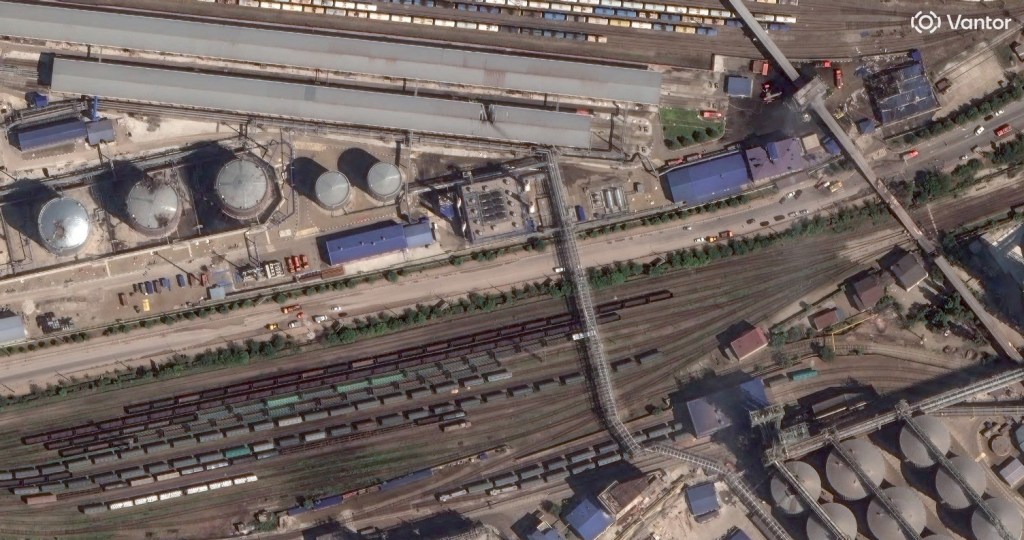
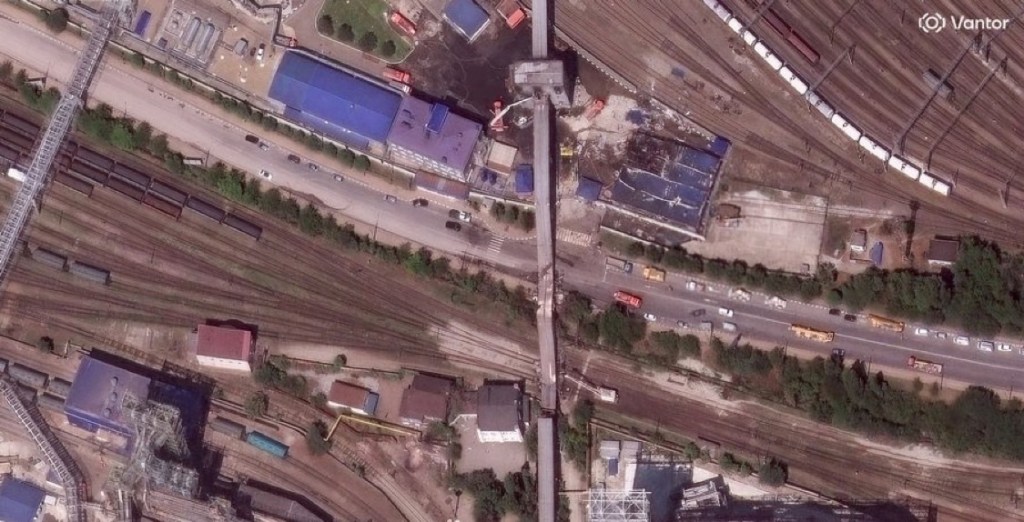
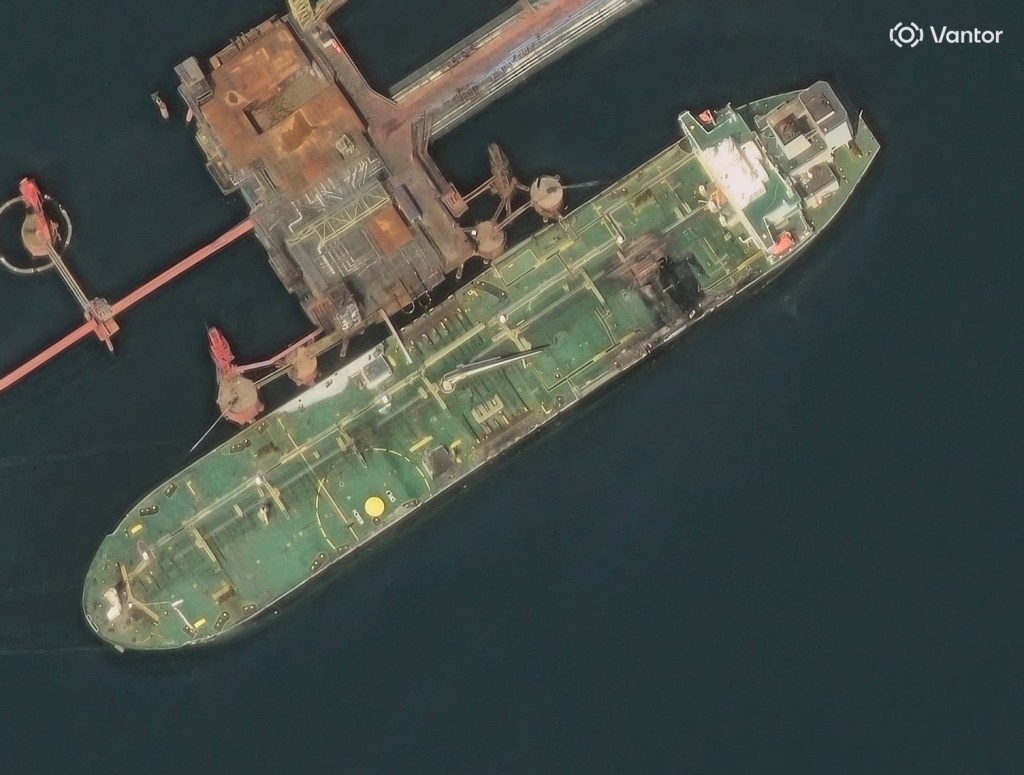
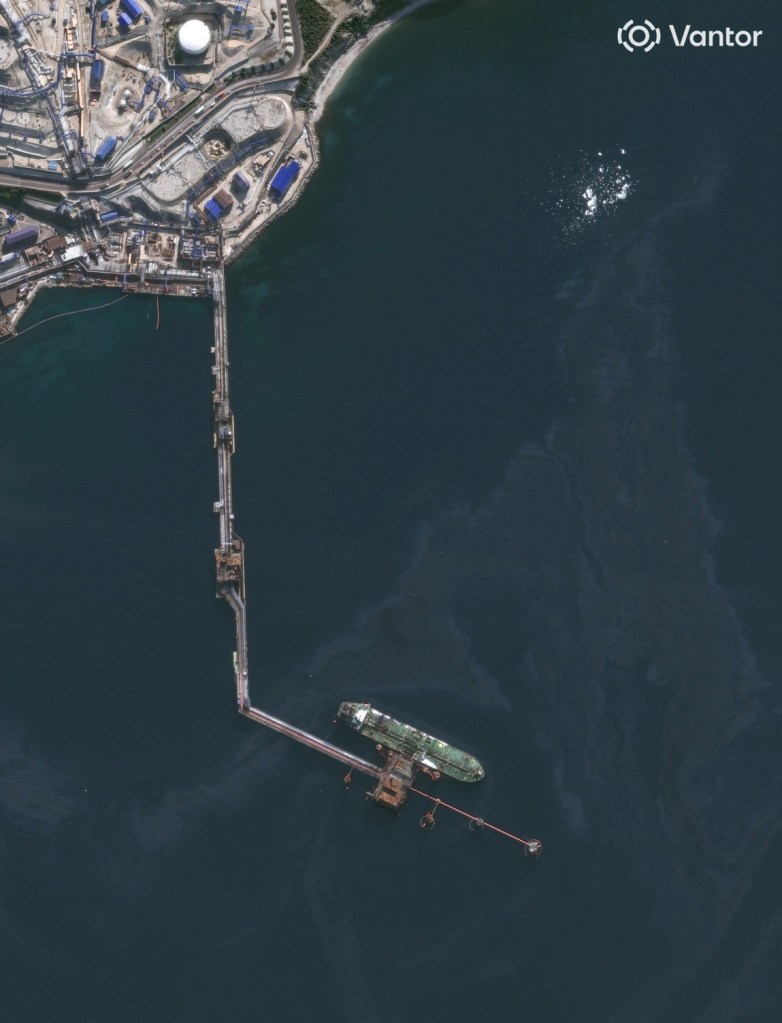
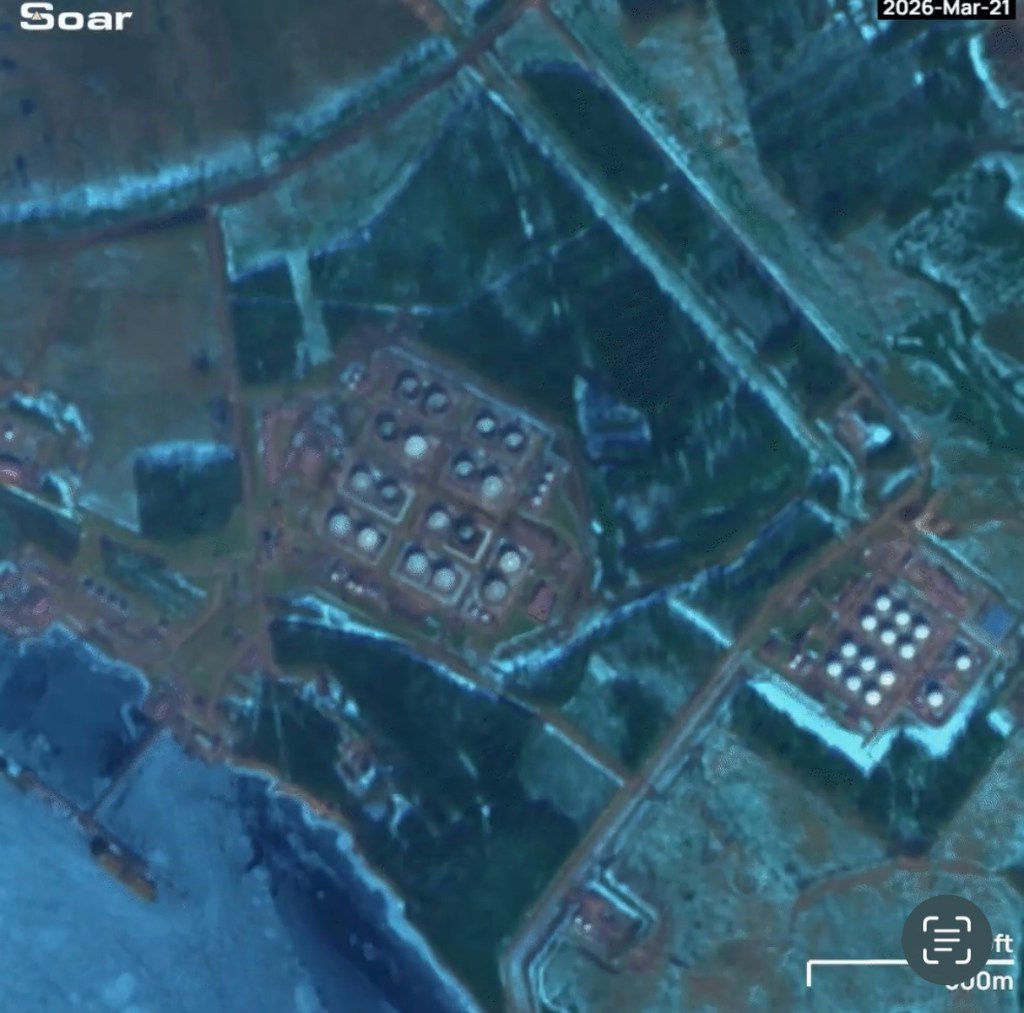
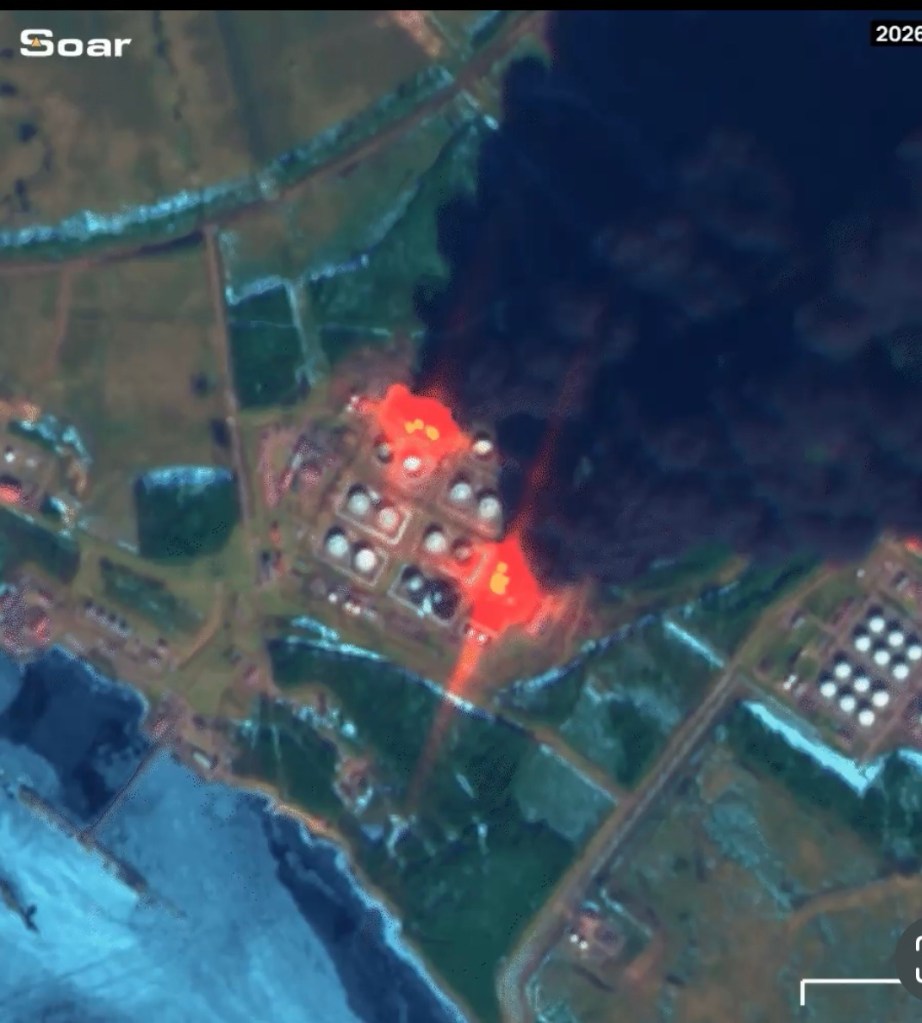
On March 22nd going into the 23rd Ukraine launched a large-scale drone attack on the Primorsk Oil Port in the Leningrad region, in the coast of the Gulf of Finland.
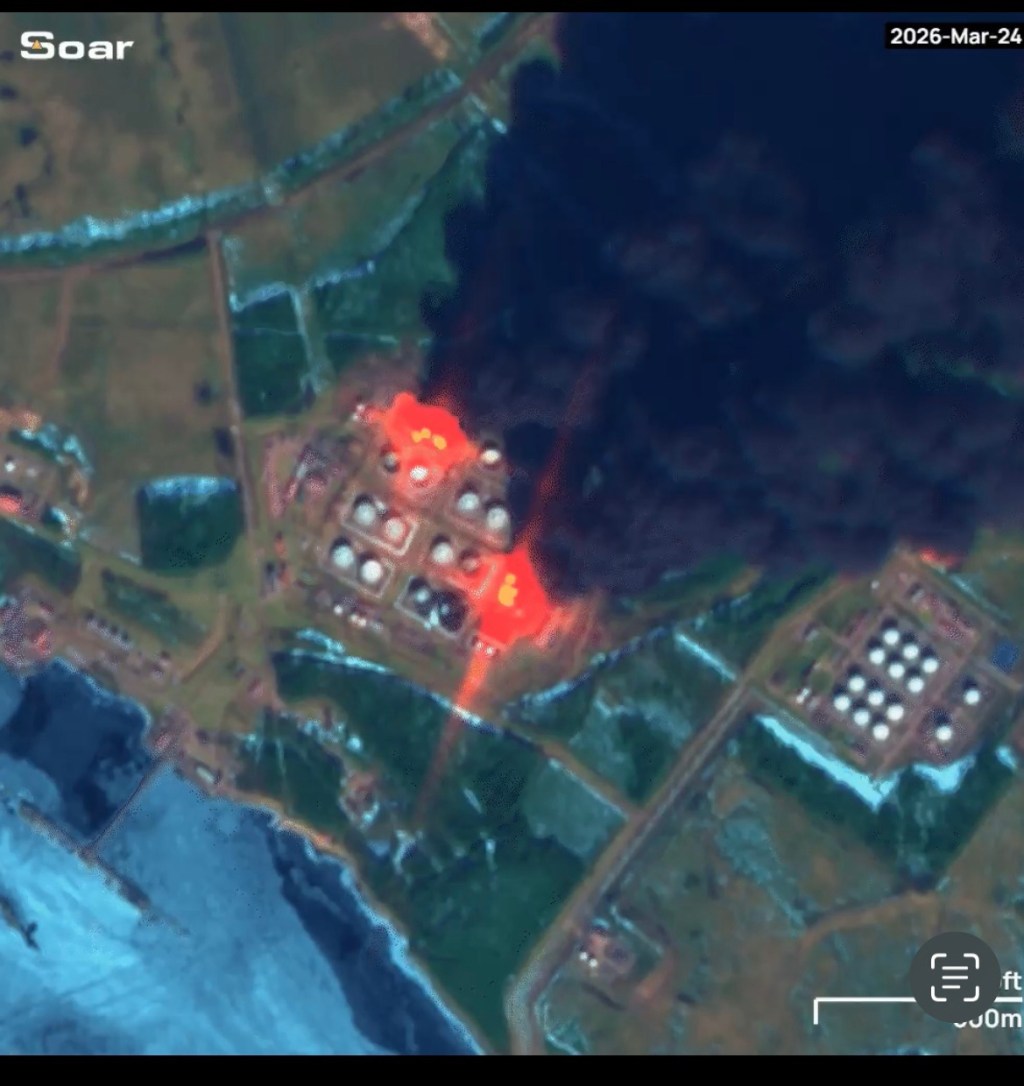
Image taken March 21st 2026 of the Primorsk Oil Port shows the terminal before the strike. Satellite image released by Soar and taken March 24th, 2026 shows the result of the attack with multiple destroyed and damaged oil storage tanks.
Ukrainian forces launched a long-range coordinated attack using multiple Kamikaze drones which traveled through hundreds of miles of Russian air defense and struck the facility, damaging multiple fuel storage tanks in the compound. Leningrad Governor Alexander Drozdenko publicly confirmed fires in “several fuel reservoirs” and said emergency crews had been fighting the blaze while workers were evacuated.
The fires were still burning 48 hours after.
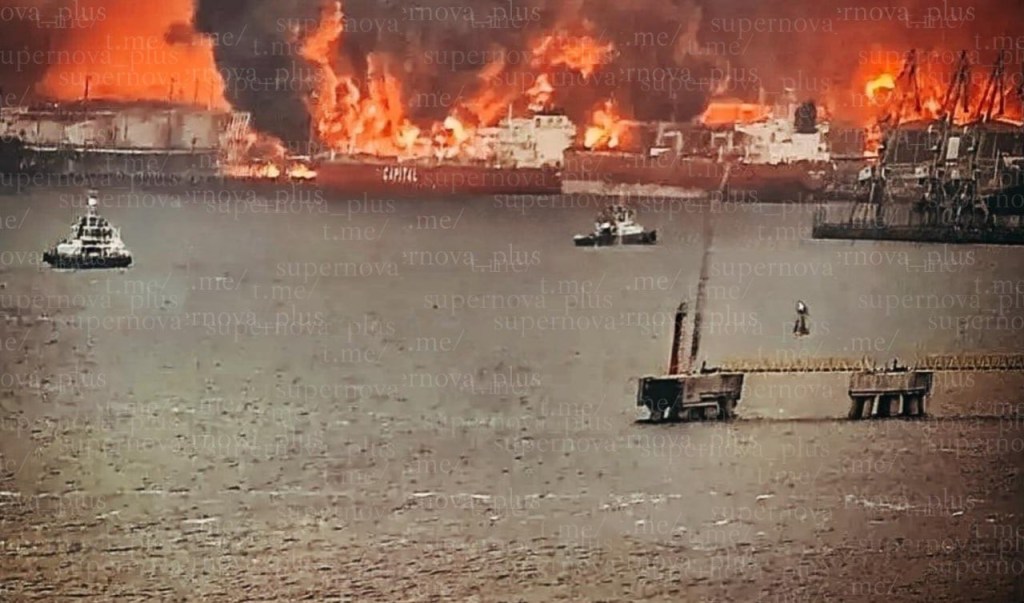
An image taken after the attack on Ust-Luga.
On the next night night a similar attack was carried out directly across the Gulf of Finland on the Ust-Luga terminal, along with many other oil production facilities in that general area in what Ukraine is calling the single largest night of drone attacks in the war.
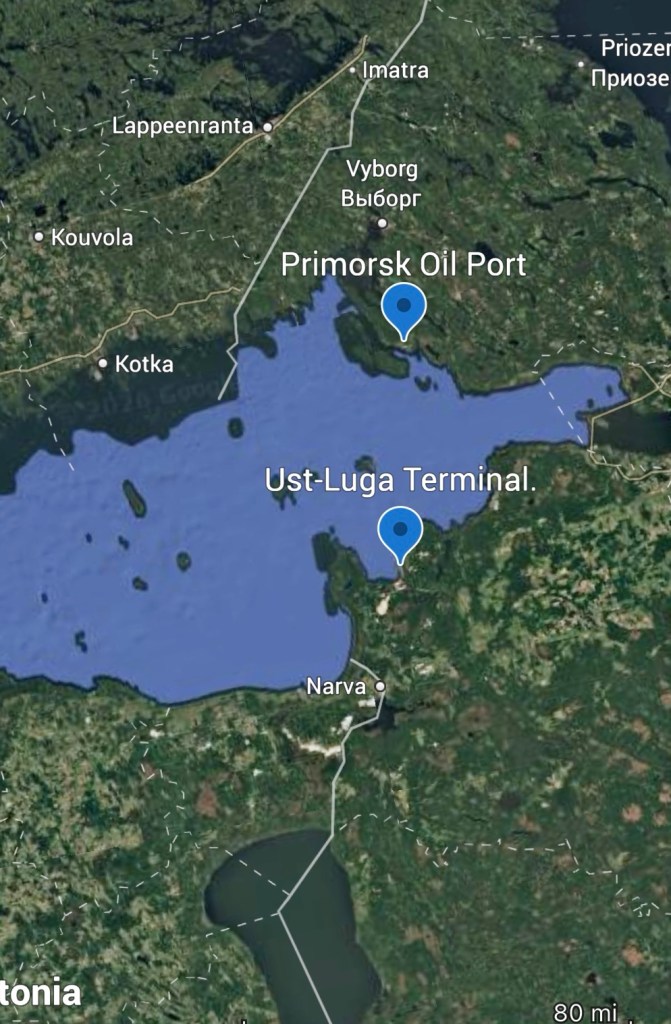
No satellite images have been released yet but we’ve plotted out both locations on Google Earth to show the proximity of the terminals to each other.
As of this month the attacks in Russia’s oil industry has caused a drop in exports by 40%. Ukraine is attempting to disrupt any Russian infrastructure that finances the ongoing war. Both sites halted production on Wednesday.
Around the time the Ust-Luga site was hit, one Ukrainian drone landed in Latvia and one crashed at an Estonian power station without causing damage.
A source that spoke to Reuters told them that the reserves had been lit on fire and that Ust-Luga had been sealed off.
The attack damaged oil loading stands as well as the tanks. The tanks are a fairly easy thing to replace but the equipment to transfer the oil to the ships is more expensive and harder to get making these strikes more devastating than just hitting the oil.
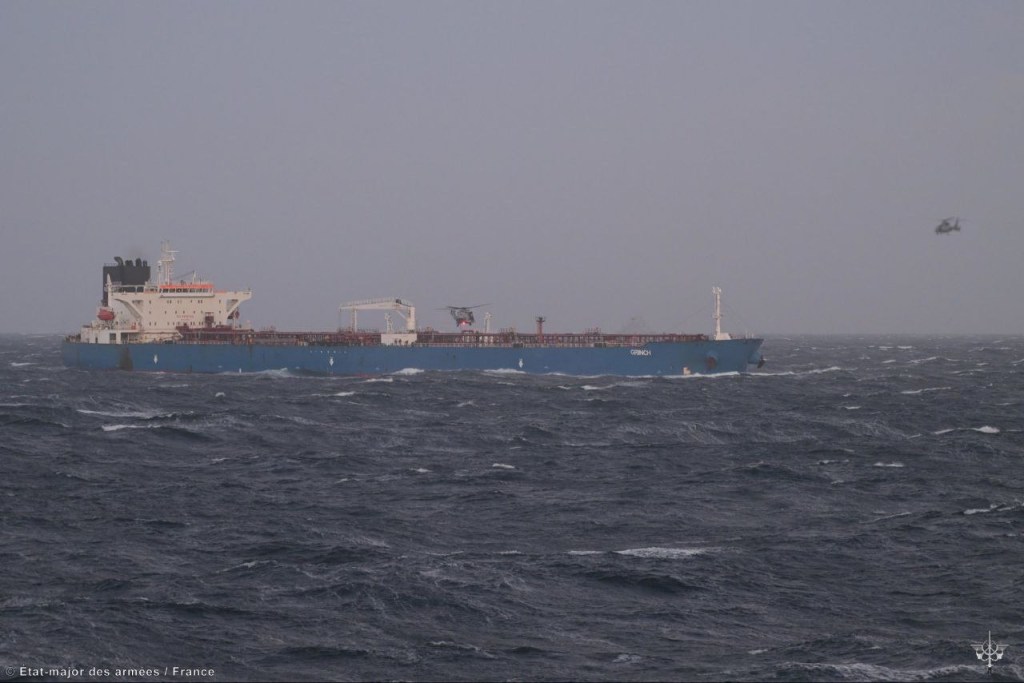
Today French forces seized a Russian “shadow fleet” tanker that was sailing in the Mediterranean. The vessel, an oil tanker flagged from Comoros called ‘Grinch’ (IMO:9288851) was seized in the Alboran Sea, in the Western Mediterranean. The Grinch was boarded on suspicion of flying a false flag, as well as being under international sanctions.
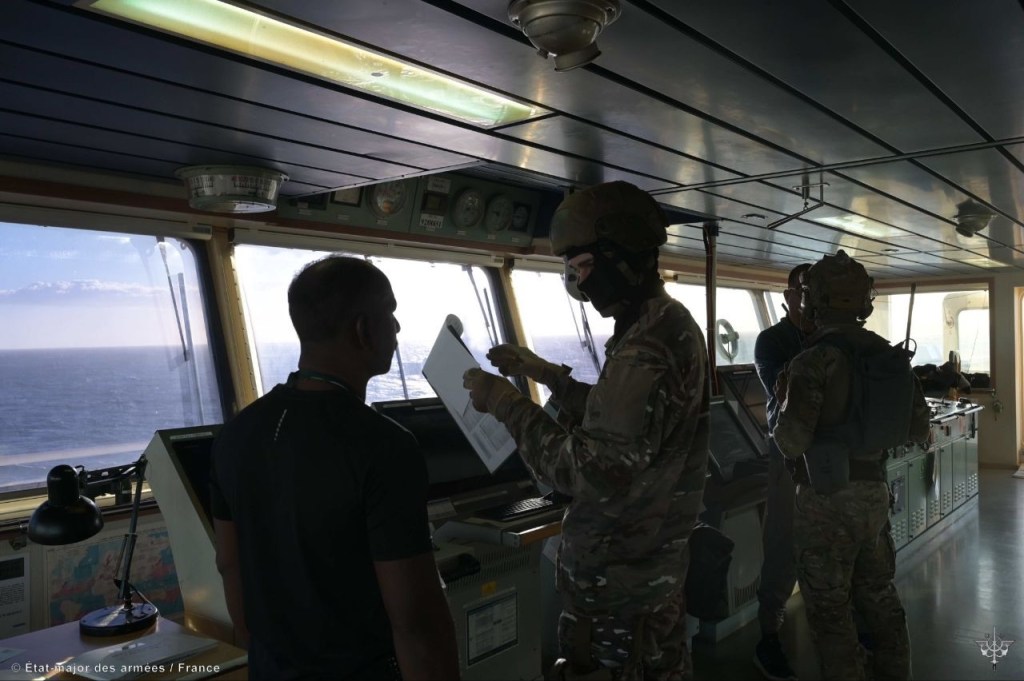
French investigators onboard the Grinch.
The operation was carried out in partnership with UK forces who provided intelligence.
“The operation was conducted on the high seas in the Mediterranean, with the support of several of our allies. It was carried out in strict compliance with the United Nations Convention on the Law of the Sea.”
French President Emmanuel Macron said after the Grinch was seized.
He also said
“We are determined to uphold international law and to ensure the effective enforcement of sanctions,” Macron explained. “The activities of the ‘shadow fleet’ contribute to financing the war of aggression against Ukraine.”
The operation was first announced with a press release from the French Navy
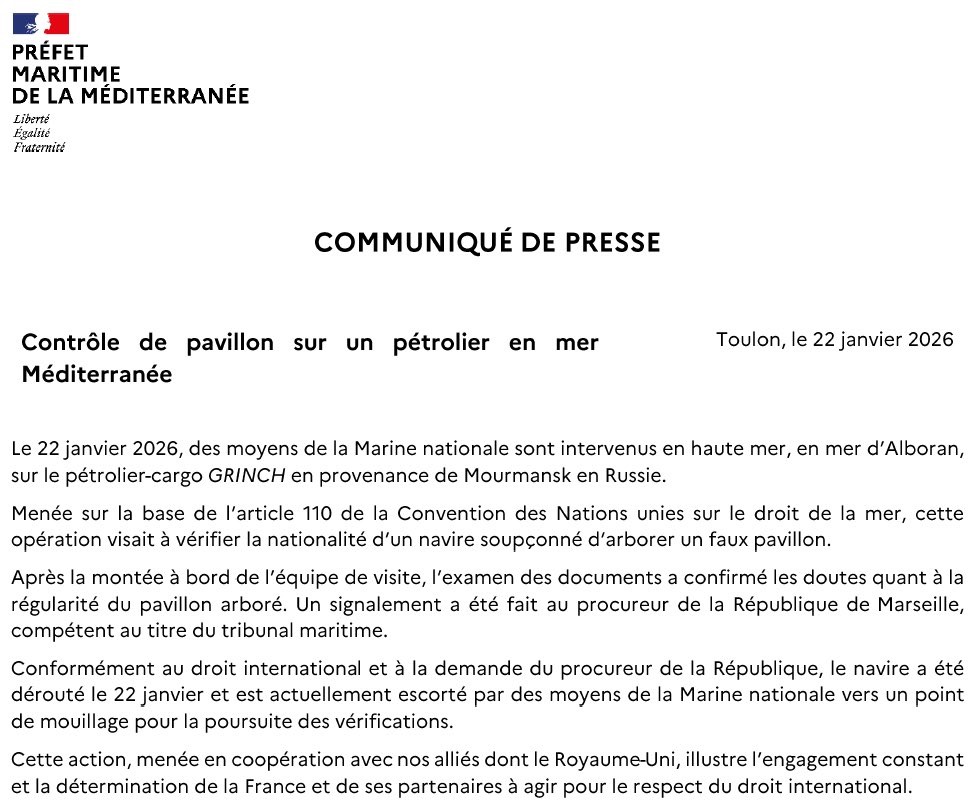
French Navy press release translated below.
“On January 22, 2026, French Navy assets intervened on the high seas, in the Alboran Sea, on the cargo tanker GRINCH, en route from Murmansk, Russia.
Conducted on the basis of Article 110 of the United Nations Convention on the Law of the Sea, this operation aimed to verify the nationality of a vessel suspected of flying a false flag.
After the boarding team, the examination of the documents confirmed the doubts regarding the validity of the flag being flown. A report was filed with the Public Prosecutor in Marseille, who has jurisdiction under the maritime court
In accordance with international law and at the request of the public prosecutor, the vessel was diverted on January 22 and is currently being escorted by French Navy vessels to an anchorage for further investigations.
This action, carried out in cooperation with our allies, including the United Kingdom, illustrates the unwavering commitment and determination of France and its partners to uphold international law.”
End translation.
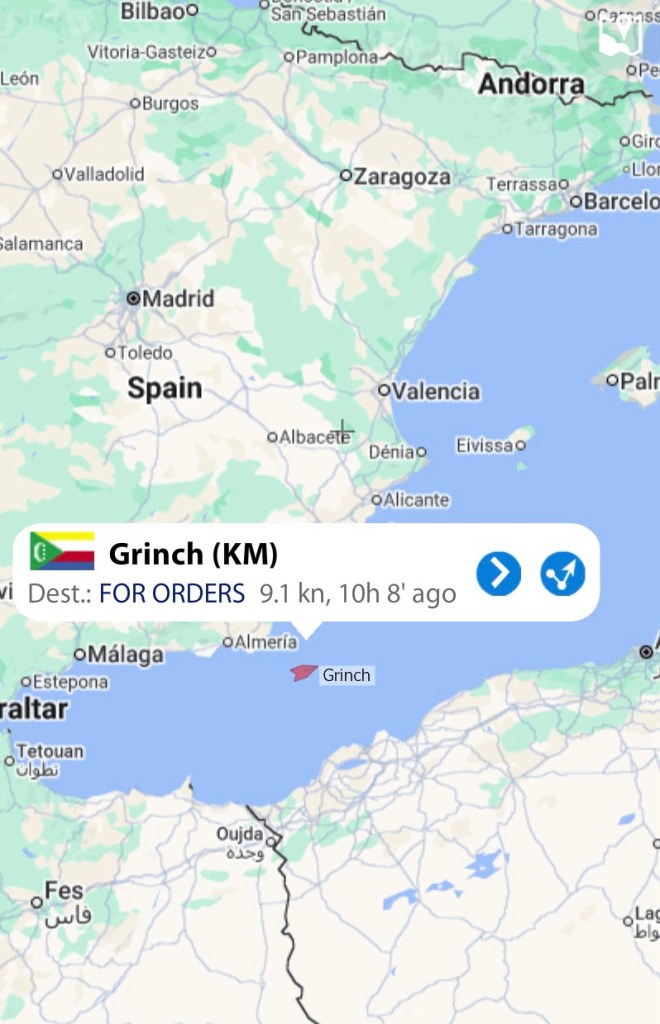
Last recorded position of the Grinch.
The “shadow fleet” operated by Russia has received a lot of attention in the past,but even more so in the past couple months as both European and U.S. forces have seized multiple vessels suspected of being used to transport Russian oil. These ships are know for using clandestine means and “deceptive shipping practices” to bypass international sanctions put on Russia for its war in Ukraine.
These ships, while called a “shadow” or “dark” fleet operate in the open, with multinational crews (sometimes even carrying Ukrainian crews) using aging ships with many of them being bought for exorbitant prices from the same western nations that sanction Russia in the first place . These ships will use techniques like changing their name and flag to avoid tracking by investigators and law enforcement.
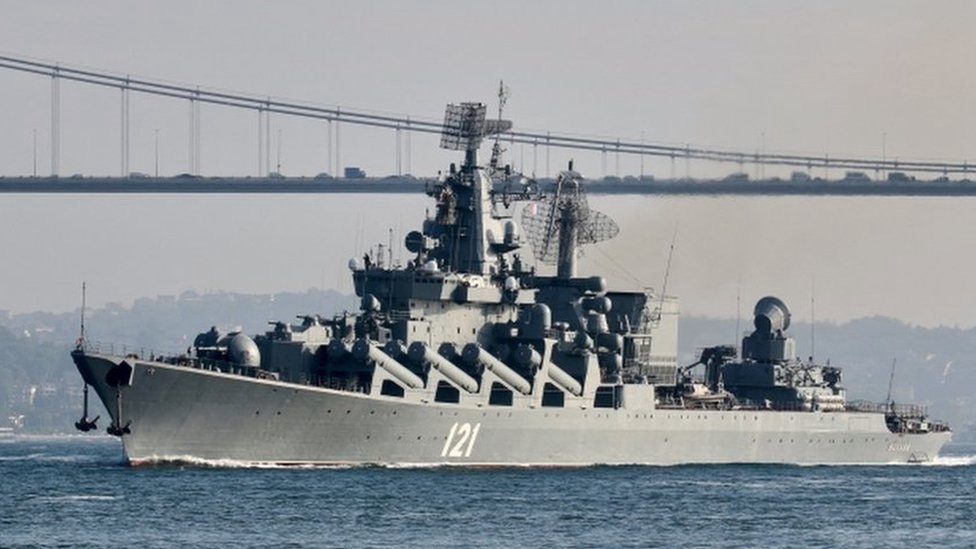
Western powers are taking a stronger stance against Russia’s shadow fleet and Russia is responding, on Monday Russia sent the Project 20380 Steregushchiy-class corvette Boikiy to escort one of its tankers through the English Channel.
Project 20380 Steregushchiy-class corvette Boikiy
The UK especially has signaled its willingness to step up the fight against these ships, specificly as a joint effort. Foreign Secretary Yvette Cooper saying to Politico “We stand ready to work with allies on stronger enforcement around the shadow fleet,”
She also didn’t rule out using the oil seized from these tankers to support Ukrainian war efforts. This gives Russia two choices, risk having their oil money being used to find their enemies or having their oil storage depots sit full. Neither option is ideal especially as Ukraine continues to target Russian oil depots with drones and missiles.
It’s possible that western actions against Russia’s shadow fleet could become a large flashpoint between Russia and western nations, especially if Russia responds to increased pressure with force, bringing the two sides to conflict.
Today Ukraine announced that its military had launched attacks on two sanctioned Russian Oil tankers operating in the Black Sea.
The ships, identified as the Gambian-flagged Kairos and Virat were empty at the time of the attacks and it is reported they were heading to the Russian city of Novorossiysk, a major port and oil hub for Russia especially in the Black Sea region.
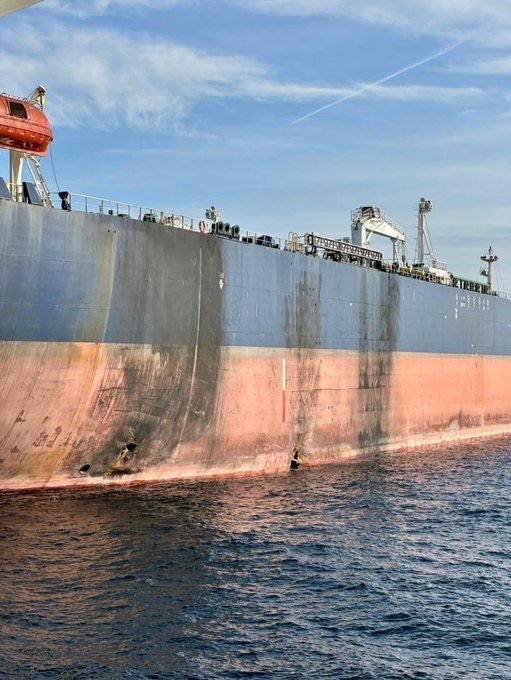
Tanker Virat after the attack. Mostly minor damage on this ship.
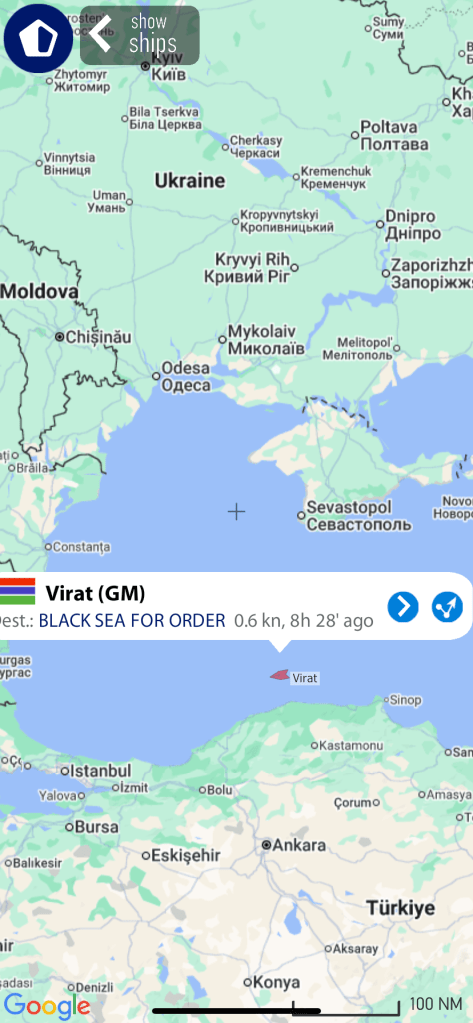
During an interview with Turkish broadcaster NTV, Abdulkadir Uraloğlu,the transport and infrastructure minister for Turkey, said the attacks took place within the country’s exclusive economic zone.
The Russia shadow fleet oil tanker Virat stopped near Turkey after it was attacked by Ukranian sea drones.
This attack is being reported by Ukraine as a joint operation between the SBU’s 13th Main Directorate of Military Counterintelligence with the Ukrainian Navy. The operation was carried out with Ukrainian “Sea Baby” drones which can travel long distances.
Video of the events were relesed across social media.
Морські дрони СБУ Sea Baby уразили в Чорному морі два підсанкційні танкери тіньового флоту РФ KAIRO та VIRAT.
Це була спільна операція 13-го Головного Управління військової контррозвідки СБУ з ВМС України.
The Russian dark fleet oil tankers Kairos (left) and Virat (right) were heavily damaged in the Black Sea yesterday after being targeted by a number of Ukrainian USVs. pic.twitter.com/cH9re9neTM
Both ships attacked have been under sanctions by the UK and European Union. However these two ships and the many more like them continue to find Russia’s nearly four year long war. They continue to haul Russias crude oil and funnel money to Moscow, fueling Russias economy.
“The Russian shadow fleet has become almost a tumour on global shipping,” said Elisabeth Braw, a senior fellow with the Atlantic Council’s Transatlantic Security Initiative.
“The shadow fleet has grown exponentially, and Western governments have tried sanctioning specific vessels … but every time that happens, another vessel enters the shadow fleet.”
These Russian shadow ships often carry “flags of convenience” often being flagged in places with little knowledge or experience in maritime affairs, places like the Gambia and Cook Islands.
Ships that’s are sanctioned have no access to western ports and personnel. They are barred from trading from many nations however are still able to find buyers in China and even in Europe. Some European nations still buy Russian gas and oil either directly or through a third party.
The Russian shadow fleet is made up of as many as a reported 1500 ship as of 2024 highlighting the ineffectiveness of the western sanctions to slow the flow of Russian oil. This is one reason why Ukraine has taken such an interest in targeting Russian oil production choosing instead to attempt to stop it at its source.
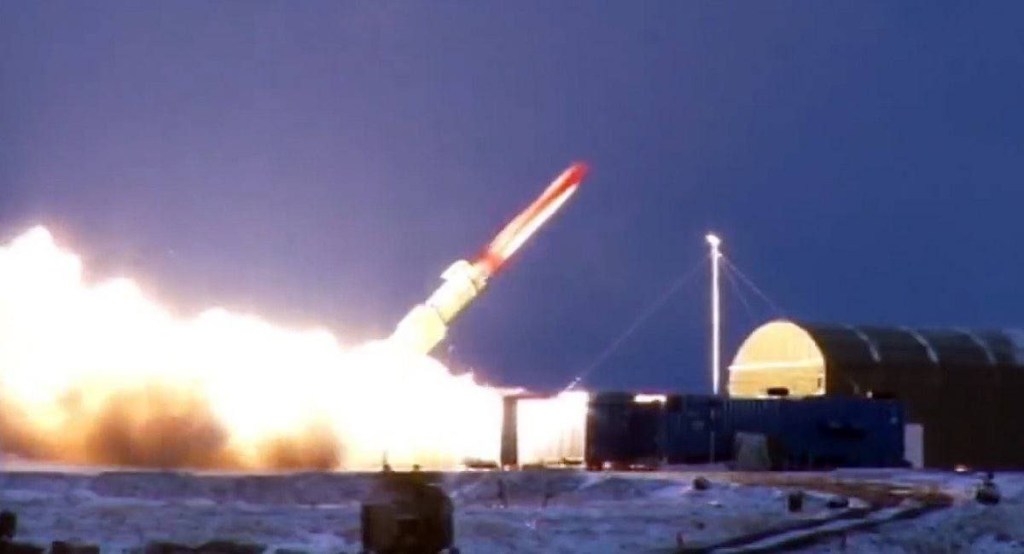
On October 21st one of Russia’s top generals announced that Russia had carried out a test on the claimed, nuclear powered ‘Burevestnik’ subsonic cruise missile.
Burevestnik launcher.
“We have launched a multi-hour flight of a nuclear-powered missile and it covered a 14,000km (8,700-mile) distance, which is not the limit,” Chief of General Staff Valery Gerasimov told President Vladimir Putin in a televised meeting.
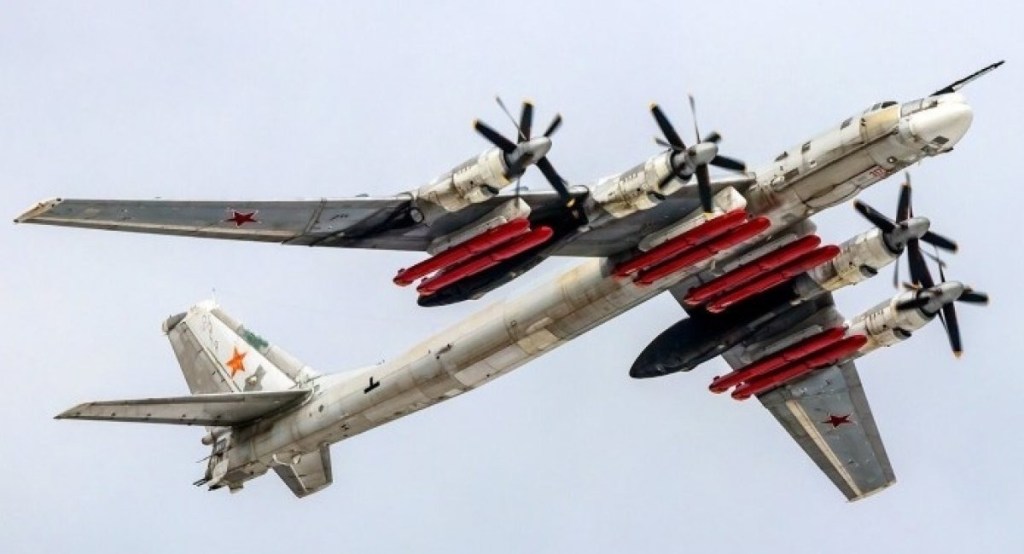
Code named SSC-X-9 Skyfall by NATO this low flying cruise missile is suspected to be powered by a miniature nuclear reactor that kicks in after the missile has been launched conventionally from the ground. This reactor gives it an incredible range.
General Gerasimov said the missile flew for a total of 15 hours on its latest test while its horizontal and vertical capabilities were tested.
Trial of 🇷🇺Russia's Burevestnik nuclear-powered cruise missile with unlimited range successfully completed
The rocket flew ~8,700 miles for ~15 hours in a test on Oct 21, per Gen. Staff Chief Gerasimov
“Therefore, it demonstrated high capabilities to bypass missile and air defence systems,” Tass reported Gen Gerasimov as saying.
First mentioned in 2018 this missile has been debated in defense circles and among analysts who can’t agree on its claimed effectiveness. It’s suspected, and claimed by Russia, to be able to strike the United States, while being launched from anywhere in Russia. The missile can carry a conventional warhead but is designed with nuclear warheads in mind.
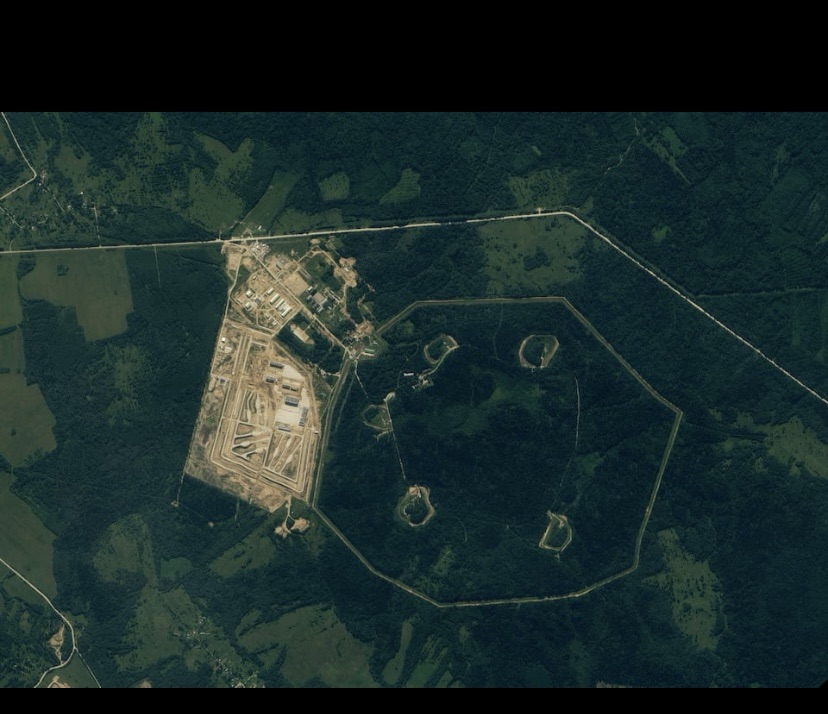
The News agency Reuters did an investigation into the suspected launch site for the weapon last year in September. This investigation concluded that the site for the launch of Skyfall was a nuclear storage facility located about 300 miles North of Moscow known as Vologda-20.
Vologda-20
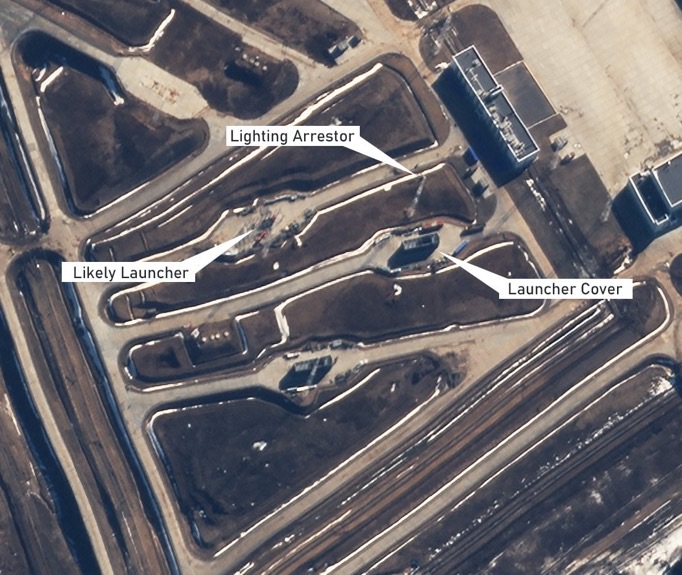
Decker Eveleth, an analyst with the CNA research and analysis organization found this satellite imagery and identified at least 9 horizontal launch pads under construction. The launch platforms are in three groups located inside a high berm to shield them from direct attacks. The high berm surrounding the groups also protects in case of accidental explosion from destroying or detonating the other missiles and launchers. The site shows what Decker believes to be lightning rods to protect the large metal equipment from Mother Nature.
Closer look at the launchpads.
The berms are further linked to roads which run to buildings where the missiles are likely being stored and serviced.
Decker concludes the site is built “for a large, fixed missile system and the only large, fixed missile system that they’re (Russia) currently developing is the Skyfall,”
Because Skyfall’s launch site is connected to a nuclear weapons storage site, it will allow Russia to quickly pull from storage to load and fire the weapon.
GCR analysis.
This missile has some interesting features if everything Russia says about it is true. A missile’s range is usually determined by how much fuel they can carry. Since this allegedly runs on a small nuclear reactor (after launch) this missile could loiter for extended periods of time. We are talking about maybe days of flight time here. This weapon also had a much lower suspected cruise altitude of a reported 164 to 328 feet, compared to conventional powered cruise missiles.
Some western sources believe that Skyfall’s subsonic speeds will make it detectable by current detection methods. A response to this by Russian military expert Alexei Leonkov says the weapon is designed to be used to knock out the “remnants” of the enemy’s command and control systems, military bases, factories and power plants after Russian ICBMs have already been launched, operating in areas where air defense is already weakened or destroyed.
So while detecting it might be possible, it’s not likely this weapon is going to be used for anything other than what I suspect would be the very last war the earth ever has. Even if it’s used in a conventional manner this weapon still contains nuclear material, and will leave behind radiation upon detonation.
Russian President Vladimir Putin has acknowledged that the Russian federation is responsible for the downing of the Azerbaijani Airlines, Flight 8243 on Christmas Day 2024.
The plane, an Embaer 190 took off from Heydar Aliyev International Airport carrying 62 passengers and 5 crew.
The flight first experienced issues about 40 minutes after takeoff when it first entered the Russian airspace around Grozny. The pilots reported losing GPS navigational systems, due to jamming. The plane continued its approach at the Kadyrov Grozny International Airport in the Chechen capital. At this time the pilots reported twice tried to land at Grozny but were ultimately diverted due to fog. 81 minutes into the flight, and while the plane was still over Grozny, passengers at this time reported an explosion and shrapnel striking the aircraft. The pilots thought they had experienced a bird strike and proceeded to initiate emergency protocols and squawked 7700, which signals to others that the flight is experiencing an emergency. They then turned back towards the Caspian Sea.
The plane made it across the Caspian and back to Azerbaijan but the pilots were not able to maintain control of the aircraft while trying to put it down in Baku. Video from the ground showed the plane changing altitude at a very quick rate as the plane pitched up and down as the pilots fought to bring the plane down with increasingly unresponsive controls.
Video from the crash of Azerbaijani Airlines Flight 8243.
The plane ultimately crashed, bursting into a large fireball and split in half. Of the 67 people on board, 38 were killed. Almost immediately after the crash there were questions. What actually happened to flight 8243?
Photos from the crash showed damage not consistent with a bird strike. Damage to the tail looked more like the damage from the explosion of an air defense missile. In fact, several passengers had been injured from shrapnel from the explosion.
An image from the crash. The tail of the plane shows shrapnel damage.
Russia right away denied that this had happened. Several days later The New York Times put out a report which stated that Azerbaijani investigators believed that a Russian Pantsir S-1 had actually shot the plane. On February 4th, investigators found fragments from a Pantsir S-1 missile inside the airplane’s fuselage.
At the time the plane was attempting to land the city was under warning as Ukrainian drones had been spotted in the area and shot down.
On December 28th Russian President Vladimir Putin apologized to the Azerbaijani President Ilham Aliyev for the “tragic incident” although he didn’t elaborate further on the incident.
Today the Russian president, speaking with the Azerbaijani leader Ilham Aliyev, admitted to him that Russian air defense was responsible for the crash and that two Russian air defense missiles had exploded near the plane.
The Russian President very rarely admits to mistakes by his military. More than a decade after a Malaysian flight was brought down over Ukraine by Russian defense systems, Putin still denies Russian involvement.
The previous denial of the Russian involvement in the Azerbaijani airlines flight has caused some tension between Russian and Azerbaijan causing Aliyev to become increasingly critical of Moscow, even offering support to Ukraine and condemning what he called the “soviet occupation” of Azerbaijan. Some in the country were even calling for the relationship between Russia and Azerbaijan to be cut. It’s likely this admission of guilt by the Russian leadership is more about saving the relationship with an increasingly strong ally.
You must be logged in to post a comment.