Just after midnight local time on the night going into June 1 2026, Iran’s Islamic Revolutionary Guard Corps (IRGC) launched a short-range ballistic missile (SRBM) targeting the Ali Al Salem Air Base in Kuwait, a key hub for U.S. and coalition forces. Kuwaiti air defenses intercepted the Fateh-110 missile, but falling debris caused minor injuries to five U.S. personnel and contractors.
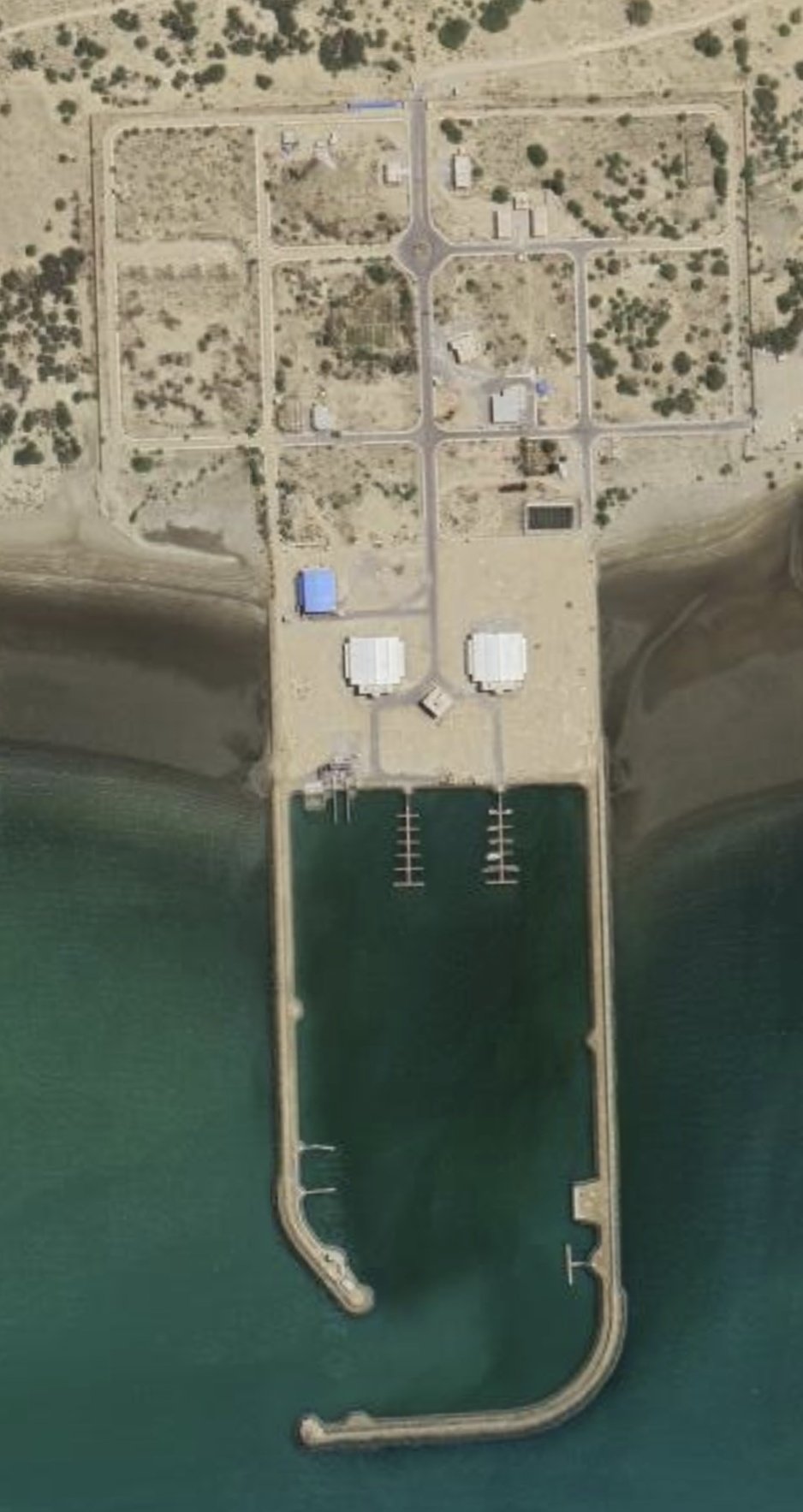
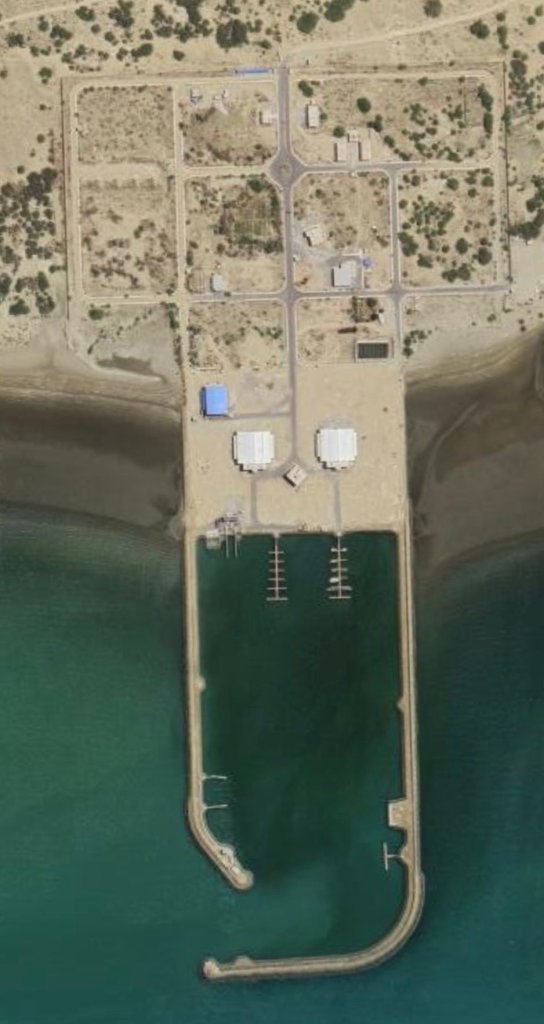
According to U.S. Central Command (CENTCOM), American forces had conducted self-defense strikes over the weekend against Iranian military targets on Qeshm Island and near Goruk in southern Iran. The strikes hit Iranian air defense systems, a ground control station linked to drone operations, and facilities associated with one-way attack drones. CENTCOM stated the action was in response to Iran’s downing of a U.S. MQ-9 drone over the Persian Gulf and attempts to mine the Strait of Hormuz in recent days.
Local residents in Sirik County, Hormozgan Province, reported hearing multiple explosions around 4:00 a.m. local time on Sunday, with additional blasts roughly 30 minutes later. Eyewitness accounts and online reports indicated that an IRGC Navy facility near the village of Goruk was struck, consistent with CENTCOM’s description of the targets. Iranian sources says they launched their missile at the airbase which this attack was launched from.
The exchange comes amid a fragile ceasefire in the ongoing 2026 Iran War. While official negotiations between the U.S. and Iran continue, progress has stalled. Iranian officials have conditioned further talks on an end to Israel’s military operations in Lebanon. Both sides have accused each other of violating the ceasefire in recent weeks through limited but recurring strikes. U.S. president Donald Trump has said on social media that he believes that Tehran wants to reach a deal however iranian officials have expressed some concern and frustration over the “constantly changing” U.S. negotiating stance.
This war, which was started by the U.S. officially on February 28 has killed thousands of people, mainly in Iran and Lebanon. It has also caused economic hardship around the globe by pushing up energy prices since Iran effectively closed the Strait of Hormuz, a vital global supply route for oil and liquefied natural gas. While a number of vessels have been escorted through the strait in the last week, it will take several months before prices start trending back down.
The U.S. points for the negotiations have been publicly released and widely reported. They include Iran reopening the Strait of Hormuz, free of tolls, and restoring international commercial shipping. While there has been progress made here, Iran has continued to demand a right to manage the strait (jointly with Oman). The United Nations Convention on the Law of the Sea (UNCLOS), has rules about waterways like this remaining international seaways open to global trade. The other large point for the US in the negotiations is the Iranian stockpile of enriched Uranium. In October 2025 Iran officially ended the 2015 JCPOA and declared there was no more restrictions on its nuclear program. Iran claims it has a right to enrich uranium (Current estimates have their stocks of uranium enriched to a near weapons grade 60%) for commercial/use however nuclear experts argue it would take little effort to convert the material for use in nuclear weapons. Iran already poses many long range missiles that could be changed into nuclear missiles if they went that route.
Global Conflict Reporting is a completely independent project run by one person, If you would like to support my work you can sign up for a membership on the Patreon (Link below), or one time/reoccurring donations through the website.
Make a one-time donation
Make a monthly donation
Make a yearly donation
Choose an amount
Or enter a custom amount
Your contribution is appreciated.
Your contribution is appreciated.
Your contribution is appreciated.
—


You must be logged in to post a comment.