Tag: Oil Industry

  • U.S. Seizes Iranian Tanker in Indian Ocean

    U.S. Seizes Iranian Tanker in Indian Ocean

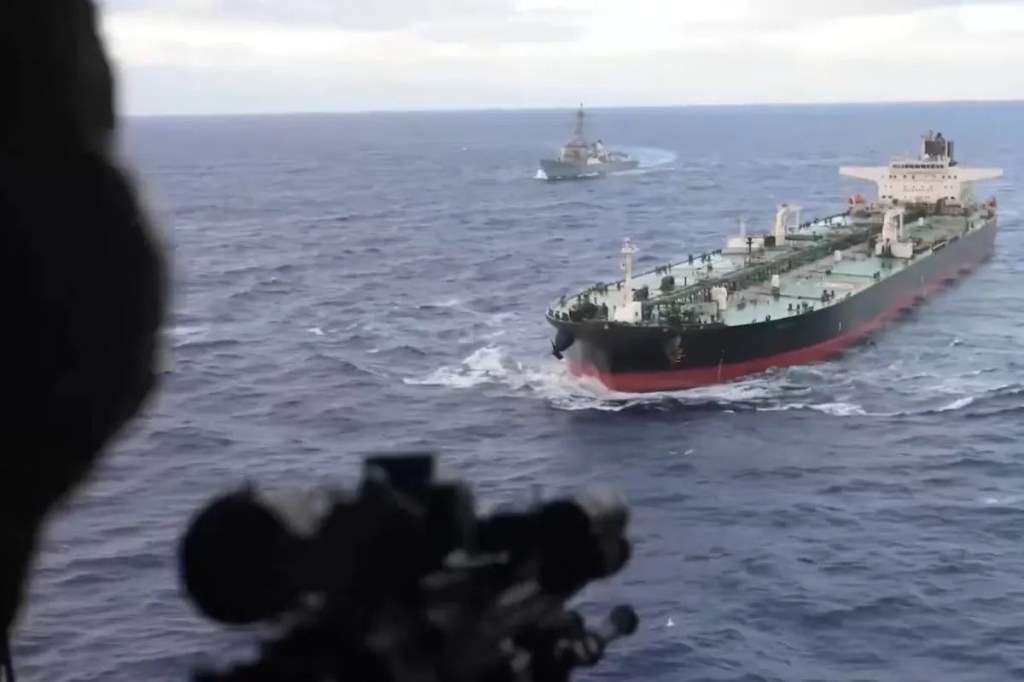
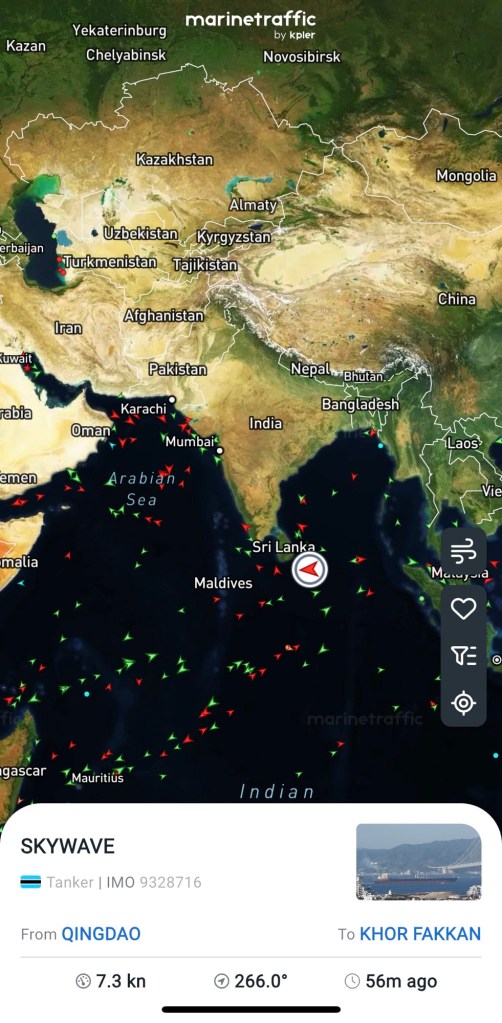
    On Tuesday, May 19, 2026, U.S. forces seized an Iranian vessel in the Indian Ocean. The vessel was the Very Large Crude Carrier (VLCC) Skywave (IMO: 9328716). The story was originally reported by The Wall Street Journal, citing three U.S. officials. Ship-tracking data showed that the Skywave was sailing west of Malaysia on Tuesday after exiting the Malacca Strait. The Wall Street Journal reported that the ship was boarded overnight while it was halfway between Malaysia and Sri Lanka. The U.S. has not yet confirmed the seizure.

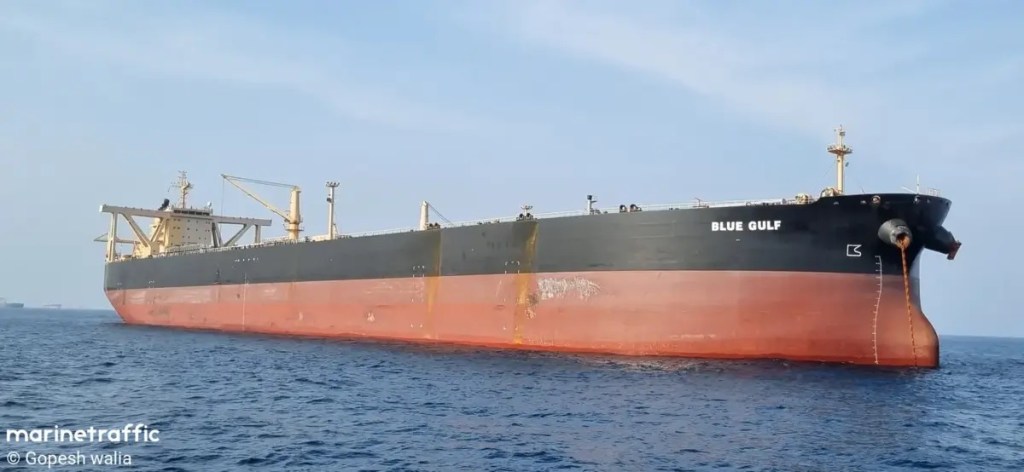
    Image shows the ship before its name change to Skywave.

    The ship is currently flagged in Botswana, a known cover for shadow tankers. As a landlocked country, Botswana has no national maritime or ship registry. Other maritime tracking sites list it as flagged in Comoros–another common shadow-fleet jurisdiction–providing probable evidence that the vessel routinely changes its flag. The ship changed its name in 2025 after it was sanctioned by the U.S. At that time, when it was called the Blue Gulf, it was registered in Palau.

    Lloyd’s List Intelligence reports that the ship loaded more than a million barrels of crude oil at Kharg Island in February before heading to Asian waters. It is not publicly known whether the ship was able to offload its cargo in Asian ports.

    Image from MarineTraffic shows a current reported position of Skywave.

    This is the third time the U.S. has seized an Iranian tanker, following the seizures of the Majestic X and Tifani in April, both in the Indian Ocean. These operations form part of a blockade of Iranian shipping into the Persian Gulf as well as a broader crackdown on Iranian shipping worldwide. Iran’s tanker fleet generates revenue for the regime, which is then used to fund its military and proxy forces. The seizures tie into the wider U.S.–Israeli Operation Epic Fury and the effort to dismantle Iran’s nuclear program, among other objectives. Iran has denounced the actions as “armed piracy” and a violation of the fragile ceasefire established in April.

    The Department of Justice and the Office of Foreign Assets Control (OFAC) also announced today that they are sanctioning an additional 19 tankers linked to the Iranian oil trade. The move is part of a campaign the U.S. calls “Economic Fury.”

    The US action is a blockade of Iran’s ports and coastline, not a blockade of the Strait of Hormuz. Enforcement will occur inside Iran’s territorial seas and in international waters. In addition to this blockade, the Joint Force, through operations and activities in other areas of responsibility, like the Pacific Area of Responsibility under the command of Admiral Paparo, will actively pursue any Iranian flagged vessel or any vessel attempting to provide material support to Iran….This includes Dark Fleet vessels carrying Iranian oil. As most of you know, Dark Fleet vessels are those illicit or illegal ships evading international regulations, sanctions or insurance requirements. More than 10,000 sailors, Marines and Airmen, over a dozen ships and dozens of aircraft are executing this mission.

    Chairman of the Joint Chiefs of Staff General Dan Caine,

    Background

    Tensions between the United States and Iran have escalated over Tehran’s nuclear program and its support for proxy militias across the Middle East. Operation Epic Fury, a coordinated U.S.–Israeli campaign launched earlier this year, combines naval interdictions, expanded economic sanctions, and intelligence operations to disrupt Iran’s shadow tanker fleet and starve the regime of the oil revenue that funds its military and destabilizing activities. The fragile ceasefire negotiated in April 2026 offered only a temporary pause in hostilities; both sides continue to accuse each other of violations, keeping the region on edge as the U.S. presses forward with its goal of preventing Iran from achieving nuclear breakout capability.

  • Russian Oil Terminals Struck n the Coast of the Baltic. 

    Russian Oil Terminals Struck n the Coast of the Baltic. 

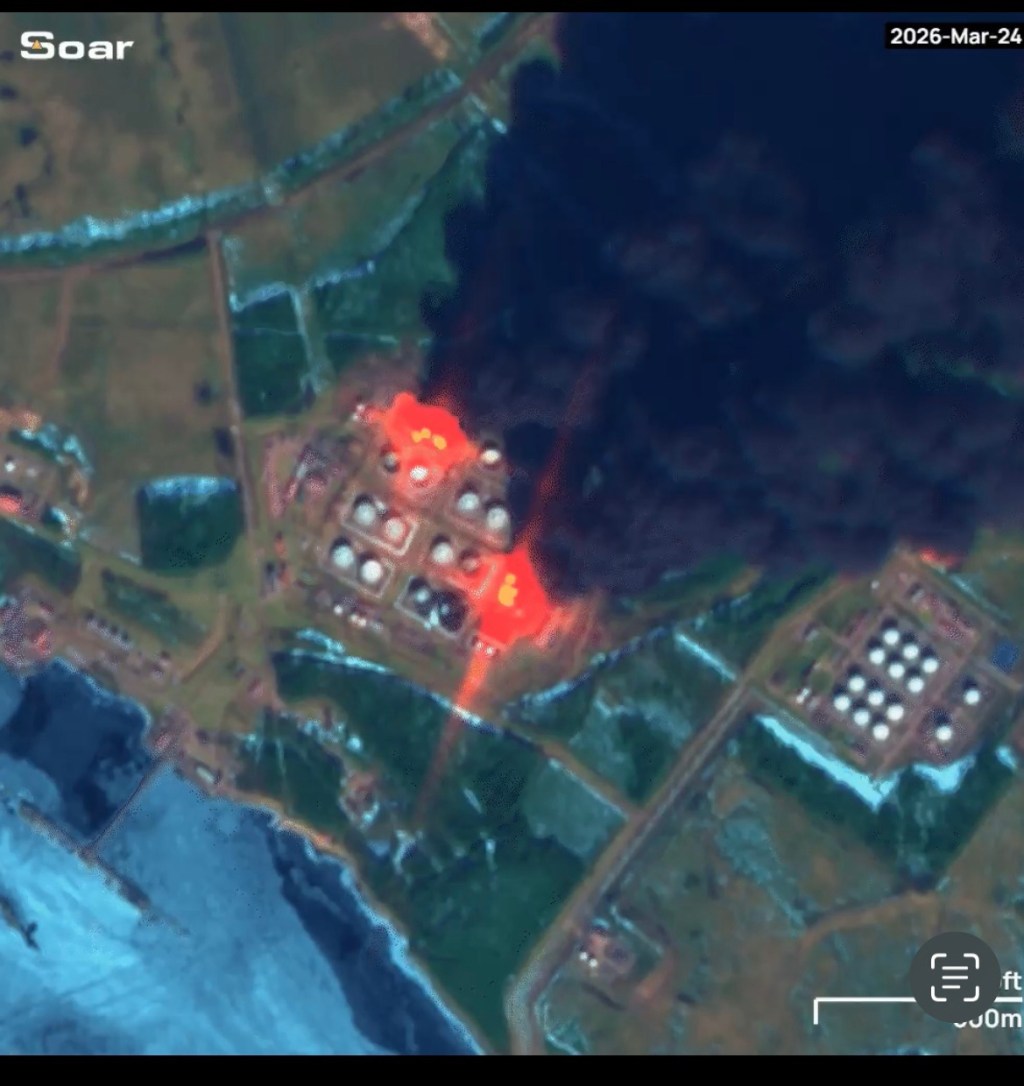
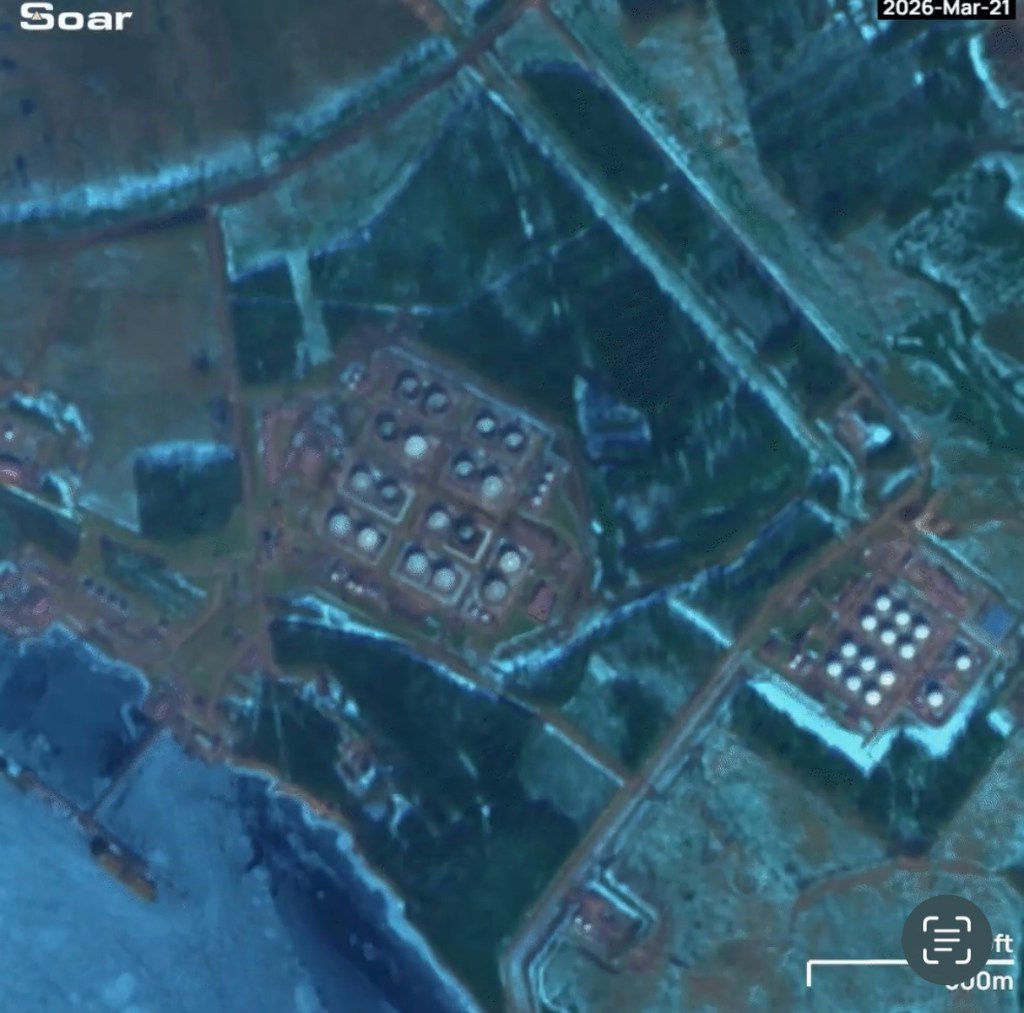
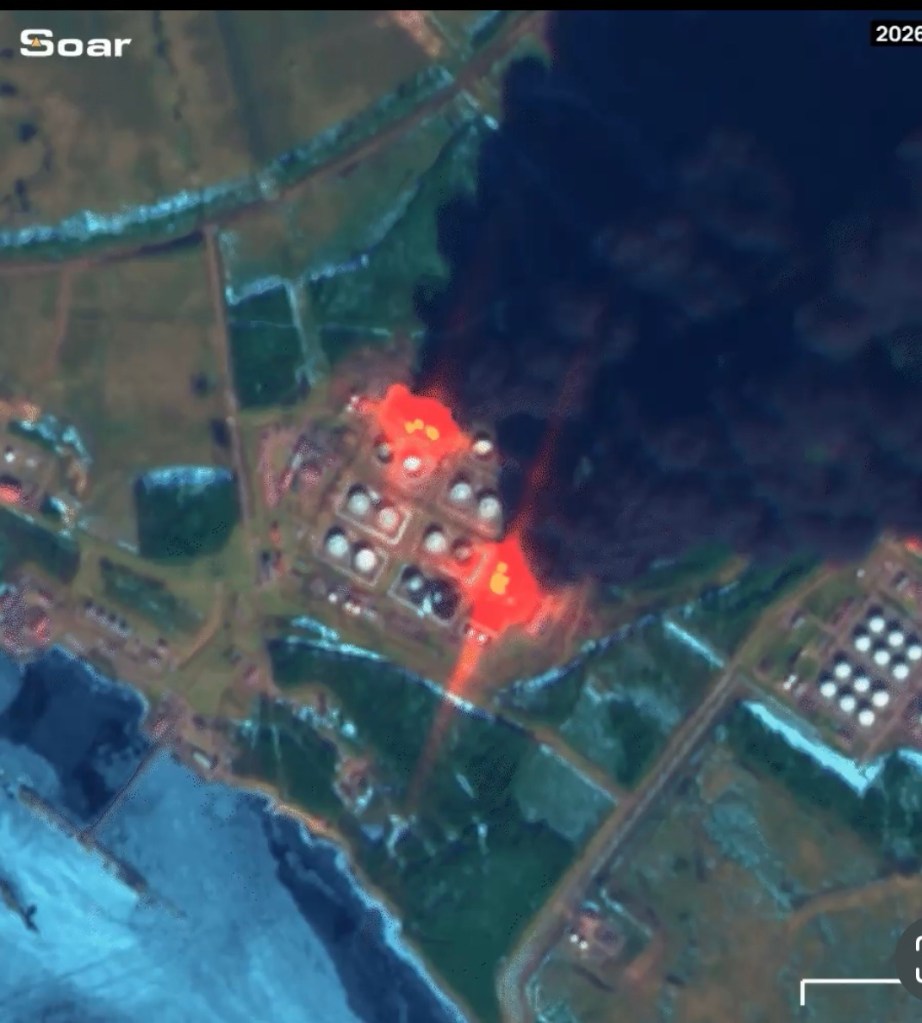
    On March 22nd going into the 23rd Ukraine launched a large-scale drone attack on the Primorsk Oil Port in the Leningrad region, in the coast of the Gulf of Finland. 

    Image taken March 21st 2026 of the Primorsk Oil Port shows the terminal before the strike.
    Satellite image released by Soar and taken March 24th, 2026 shows the result of the attack with multiple destroyed and damaged oil storage tanks.

    Ukrainian forces launched a long-range coordinated attack using multiple Kamikaze drones which traveled through hundreds of miles of Russian air defense and struck the facility, damaging multiple fuel storage tanks in the compound. Leningrad Governor Alexander Drozdenko publicly confirmed fires in “several fuel reservoirs” and said emergency crews had been fighting the blaze while workers were evacuated. 

    The fires were still burning 48 hours after.

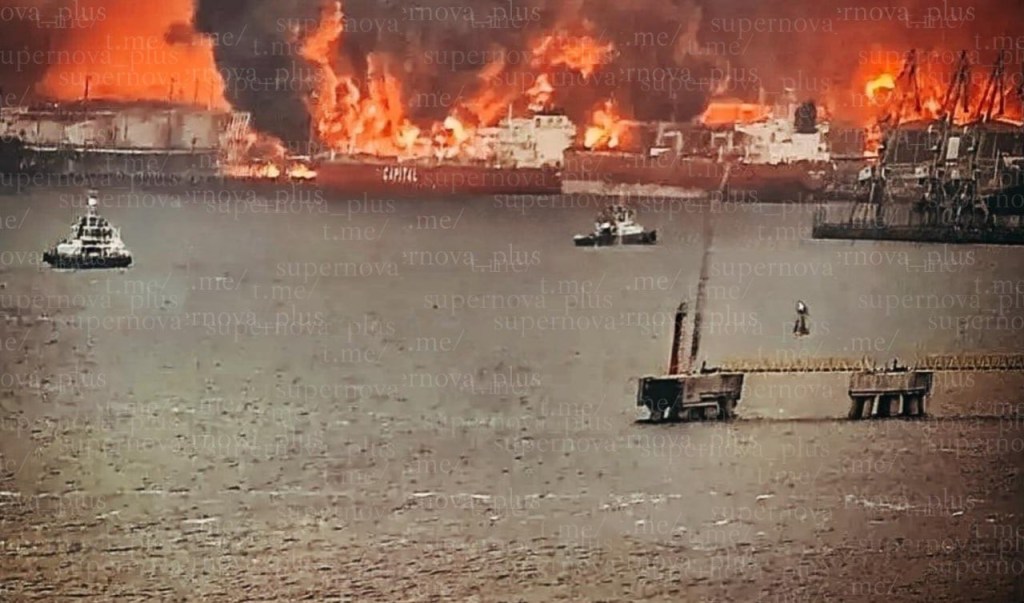
    An image taken after the attack on Ust-Luga.

    On the next night night a similar attack was carried out directly across the Gulf of Finland on the Ust-Luga terminal, along with many other oil production facilities in that general area in what Ukraine is calling the single largest night of drone attacks in the war. 

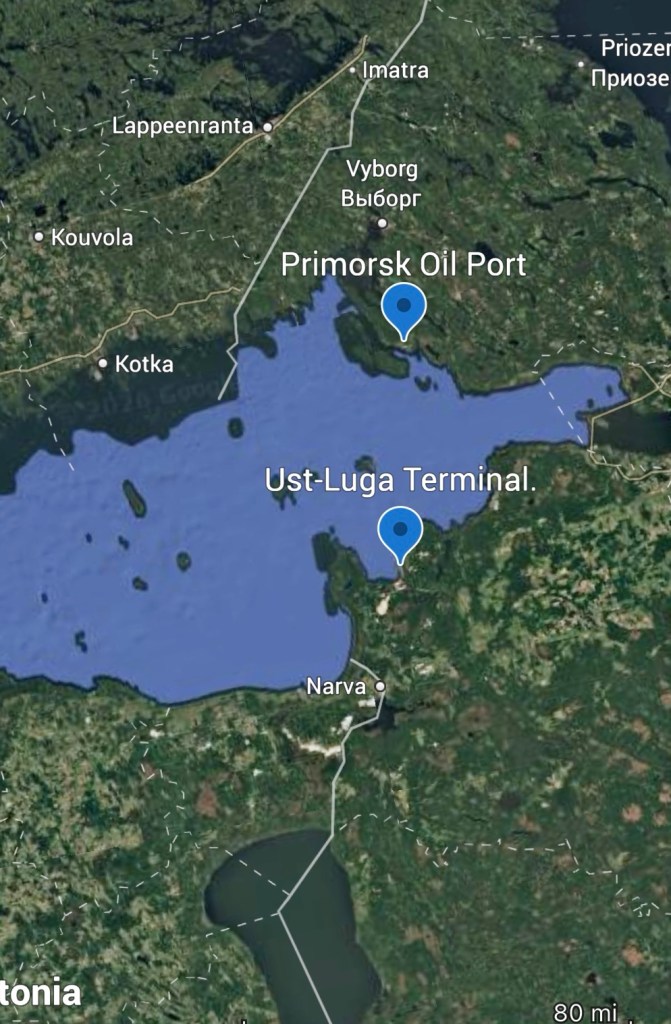
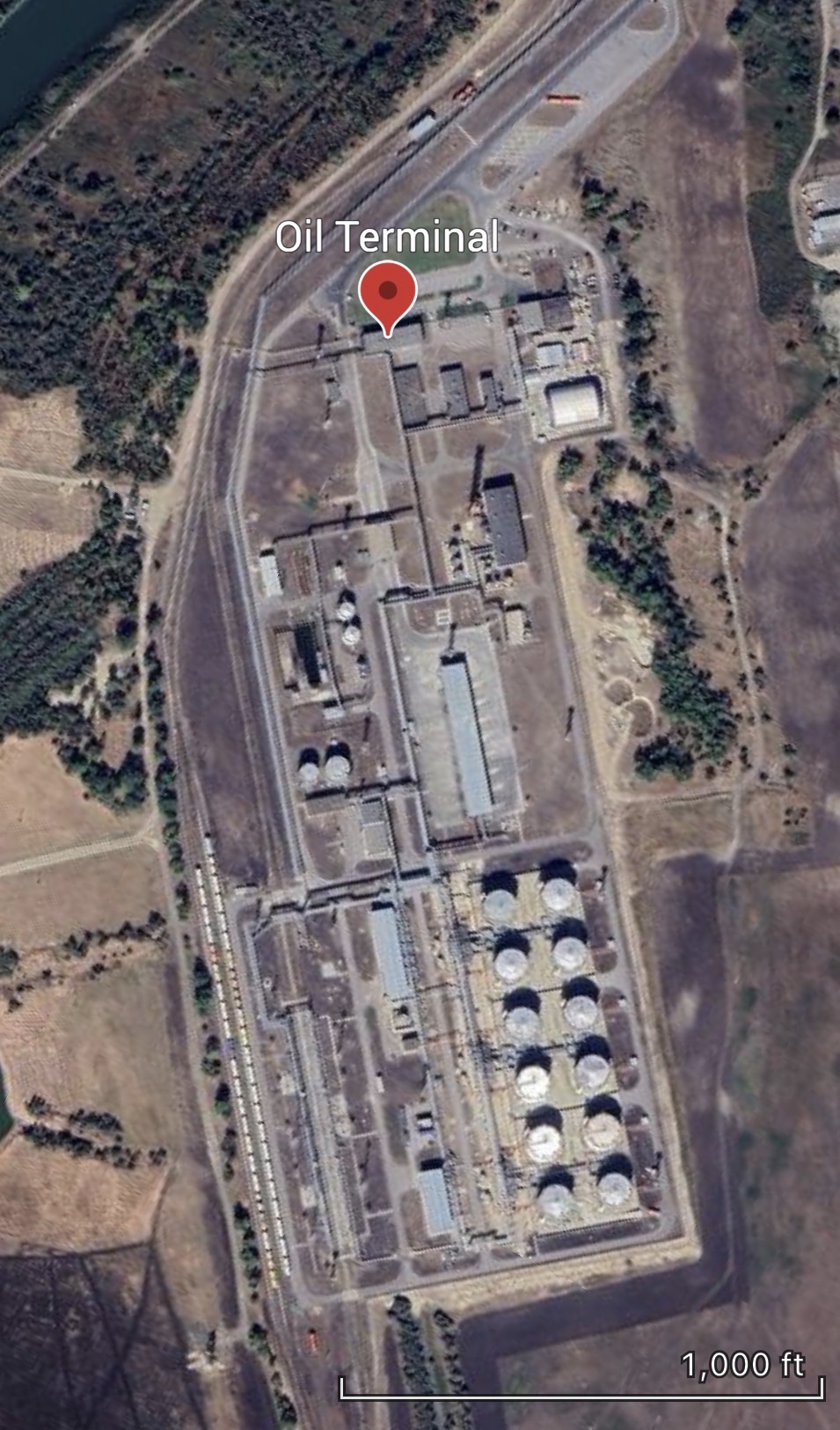
    No satellite images have been released yet but we’ve plotted out both locations on Google Earth to show the proximity of the terminals to each other.

    As of this month the attacks in Russia’s oil industry has caused a drop in exports by 40%. Ukraine is attempting to disrupt any Russian infrastructure that finances the ongoing war. Both sites halted production on Wednesday.

    Around the time the Ust-Luga site was hit, one Ukrainian drone landed in Latvia and one crashed at an Estonian power station without causing damage.

    A source that spoke to Reuters told them that the reserves had been lit on fire and that Ust-Luga had been sealed off.

    The attack damaged oil loading stands as well as the tanks. The tanks are a fairly easy thing to replace but the equipment to transfer the oil to the ships is more expensive and harder to get making these strikes more devastating than just hitting the oil.