Violence has broken out across urban areas of the Central African country of Cameroon after a constitutional court decision giving president Paul Biya another 7 years term.The country’s opposition parties claim the election was rigged citing high numbers of people who voted in a region where armed separatist conflict is currently ongoing.
This election will see Paul Biya, who first won the presidency in 1982, saying in office till 2032. Biya will be nearing 100 at that time. He is the oldest world leader currently serving anywhere. This is his 8th consecutive term as President of the country of 30 million people.
The results of the election and the vote of the constitutional court has sparked a number of large uprisings and protests which the government has responded to with force. Opposition supporters have defied a countrywide ban on protesting and have taken to the streets, lighting police cars on fire, burning car tires in the street and barricading roads. Before the results from the constitutional court were annonced a number of supporters had come out for opposition leader,Issa Tchiroma Bakary the leader of the Front for the National Salvation of Cameroon party, those supporters were dispersed with police water cannons and tear gas.
Tchiroma claims he won the election with 55% of the vote which is not the official number which sits at 35.19%. Biya on the other hand ,officially, according to the constitutional court has 35.19%.
Tchiroma is the candidate put forward by the political coalition “union for change” a group that brought together dozens of political parties and civil groups in an effort to oust Biya from power. Tchiroma has been a politician in the country for a long time and served as the government spokesperson during the years of fighting with Boko Haram. Considered by some to be a member of the “old guard”, he has promised change to come to Cameroon.
One candidate, Tomaïno Ndam Njoya who came out fifth in the election, said that the outcome of the election didn’t fairly represent the “sovereign will” of the country or its people.
“They reflect a weakened electoral system, undermined by irregularities, manipulation and repeated violations of the law,”Tomaïno Ndam Njoya
The governor of the Wouri River Estuary, Samuel Dieudonne Ivaha Diboua, told the AFP news agency that protesters had attacked and burned police stations in several districts across the city of Douala, the economic capital of Cameroon.
As of yesterday four people had already been killed with dozens wounded. Videos being released online show riot police opening up with what seems to be live ammunition.
(Video wouldn’t let me embed so here is the link.)
The United Nations Secretary-General echoed concerns shared by the European Union regarding violence against the population. Both urge restraint and to not let hate speech and violence take over. Some human rights groups, like Amnesty International have launched investigations into the civilian deaths and “excessive use of force” against protesters.
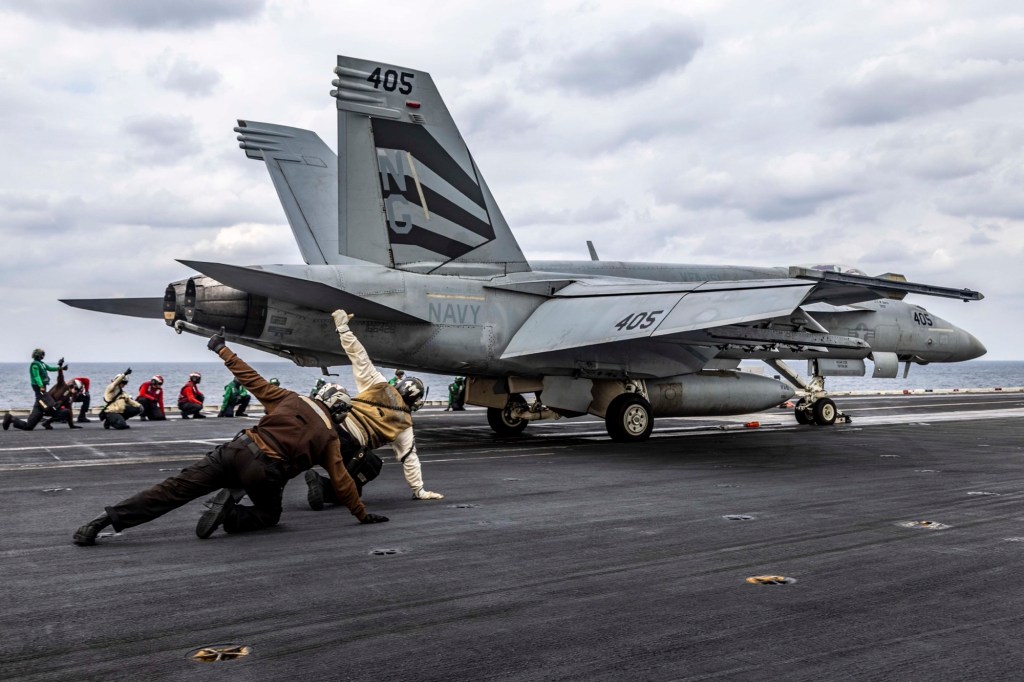
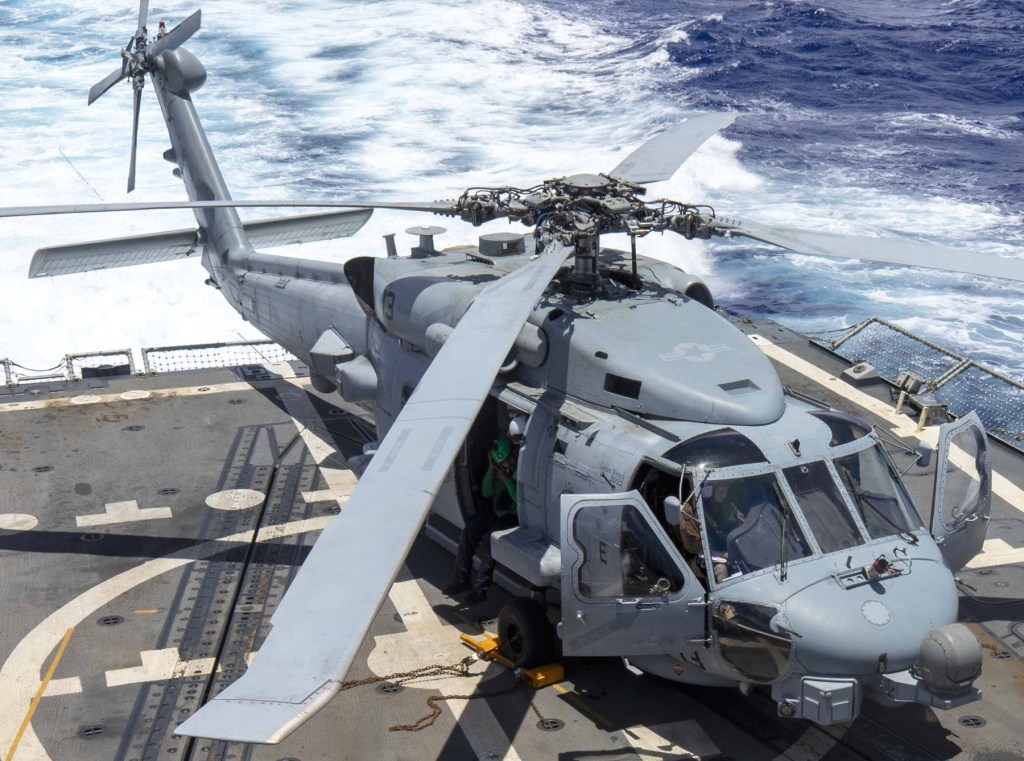
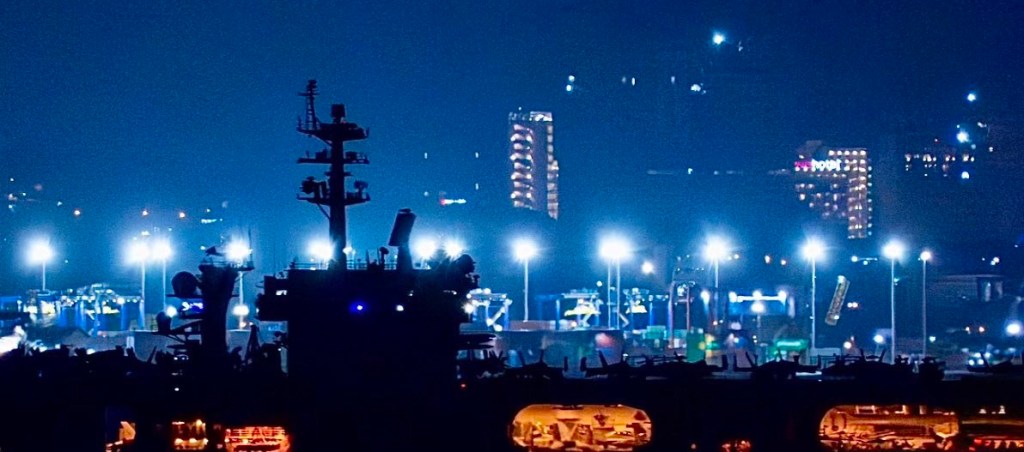
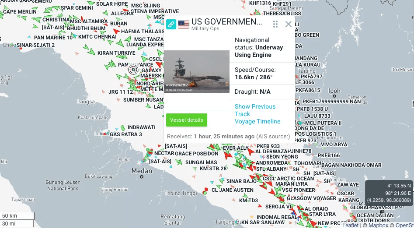
Early reports from USS Nimitz about the loss of two aircraft in the South China Sea area both from the aircraft carrier USS Nimitz.. An FA-18F Super Hornet and an MH-60R Sea Hawk helicopter were both lost in two separate incidents on Sunday.
Statement from US INDOPACOM.
“At approximately 2:45 p.m. local time, a U.S. Navy MH-60R Sea Hawk helicopter, assigned to the ‘Battle Cats’ of Helicopter Maritime Strike Squadron 73 went down in the waters of the South China Sea while conducting routine operations from the aircraft carrier, reads a statement from U.S. Pacific Fleet. “Search and rescue assets assigned to Carrier Strike Group 11 safely recovered all three crew members.”
MH-60 Seahawk with the Battle Cats’ of Helicopter Maritime Strike Squadron 73.
Following the incident, separately, at 3:15 p.m., an F/A-18F Super Hornet fighter assigned to the “Fighting Redcocks” of Strike Fighter Squadron (VFA) 22 also went down in the waters of the South China Sea while conducting routine operations from Nimitz. Both crew members successfully ejected and were also safely recovered by search and rescue assets assigned to Carrier Strike Group 11.
“Fighting Redcocks” of Strike Fighter Squadron (VFA) 22
GCR analysis.
No word on specifics yet, if I had to guess I would say it was the nasty weather that just rolled through there. Image included.
South China Sea wind and weather around the time of the crash of the helicopter. The weather when the Super Hornet went down.
On October 21st one of Russia’s top generals announced that Russia had carried out a test on the claimed, nuclear powered ‘Burevestnik’ subsonic cruise missile.
Burevestnik launcher.
“We have launched a multi-hour flight of a nuclear-powered missile and it covered a 14,000km (8,700-mile) distance, which is not the limit,” Chief of General Staff Valery Gerasimov told President Vladimir Putin in a televised meeting.
Code named SSC-X-9 Skyfall by NATO this low flying cruise missile is suspected to be powered by a miniature nuclear reactor that kicks in after the missile has been launched conventionally from the ground. This reactor gives it an incredible range.
General Gerasimov said the missile flew for a total of 15 hours on its latest test while its horizontal and vertical capabilities were tested.
Trial of 🇷🇺Russia's Burevestnik nuclear-powered cruise missile with unlimited range successfully completed
The rocket flew ~8,700 miles for ~15 hours in a test on Oct 21, per Gen. Staff Chief Gerasimov
“Therefore, it demonstrated high capabilities to bypass missile and air defence systems,” Tass reported Gen Gerasimov as saying.
First mentioned in 2018 this missile has been debated in defense circles and among analysts who can’t agree on its claimed effectiveness. It’s suspected, and claimed by Russia, to be able to strike the United States, while being launched from anywhere in Russia. The missile can carry a conventional warhead but is designed with nuclear warheads in mind.
The News agency Reuters did an investigation into the suspected launch site for the weapon last year in September. This investigation concluded that the site for the launch of Skyfall was a nuclear storage facility located about 300 miles North of Moscow known as Vologda-20.
Vologda-20
Decker Eveleth, an analyst with the CNA research and analysis organization found this satellite imagery and identified at least 9 horizontal launch pads under construction. The launch platforms are in three groups located inside a high berm to shield them from direct attacks. The high berm surrounding the groups also protects in case of accidental explosion from destroying or detonating the other missiles and launchers. The site shows what Decker believes to be lightning rods to protect the large metal equipment from Mother Nature.
Closer look at the launchpads.
The berms are further linked to roads which run to buildings where the missiles are likely being stored and serviced.
Decker concludes the site is built “for a large, fixed missile system and the only large, fixed missile system that they’re (Russia) currently developing is the Skyfall,”
Because Skyfall’s launch site is connected to a nuclear weapons storage site, it will allow Russia to quickly pull from storage to load and fire the weapon.
GCR analysis.
This missile has some interesting features if everything Russia says about it is true. A missile’s range is usually determined by how much fuel they can carry. Since this allegedly runs on a small nuclear reactor (after launch) this missile could loiter for extended periods of time. We are talking about maybe days of flight time here. This weapon also had a much lower suspected cruise altitude of a reported 164 to 328 feet, compared to conventional powered cruise missiles.
Some western sources believe that Skyfall’s subsonic speeds will make it detectable by current detection methods. A response to this by Russian military expert Alexei Leonkov says the weapon is designed to be used to knock out the “remnants” of the enemy’s command and control systems, military bases, factories and power plants after Russian ICBMs have already been launched, operating in areas where air defense is already weakened or destroyed.
So while detecting it might be possible, it’s not likely this weapon is going to be used for anything other than what I suspect would be the very last war the earth ever has. Even if it’s used in a conventional manner this weapon still contains nuclear material, and will leave behind radiation upon detonation.
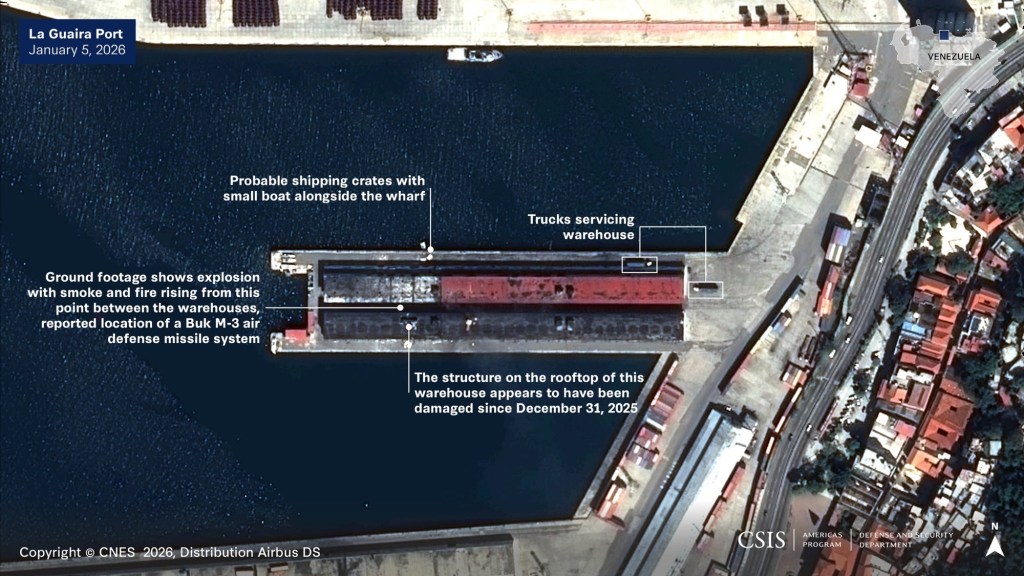
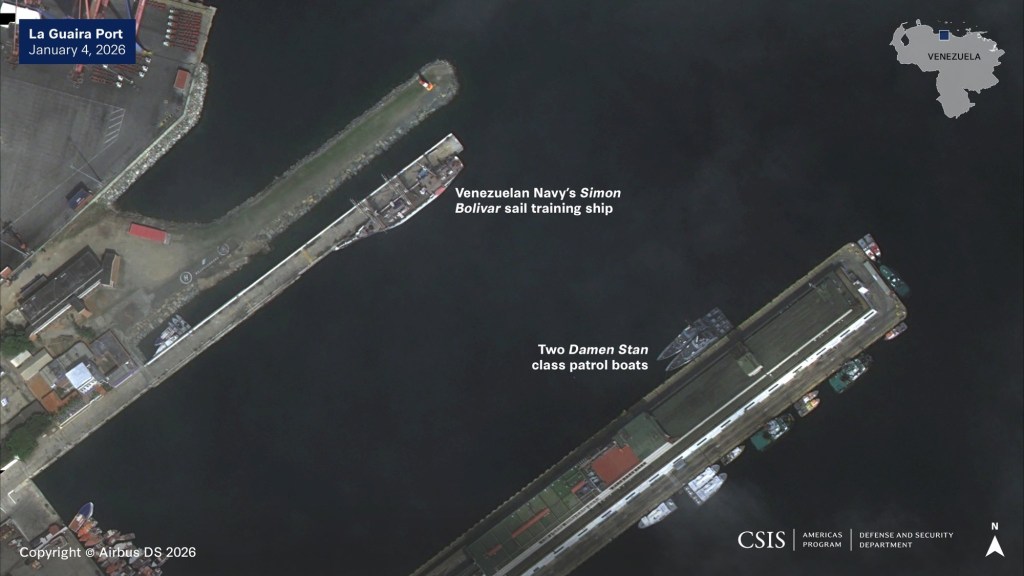
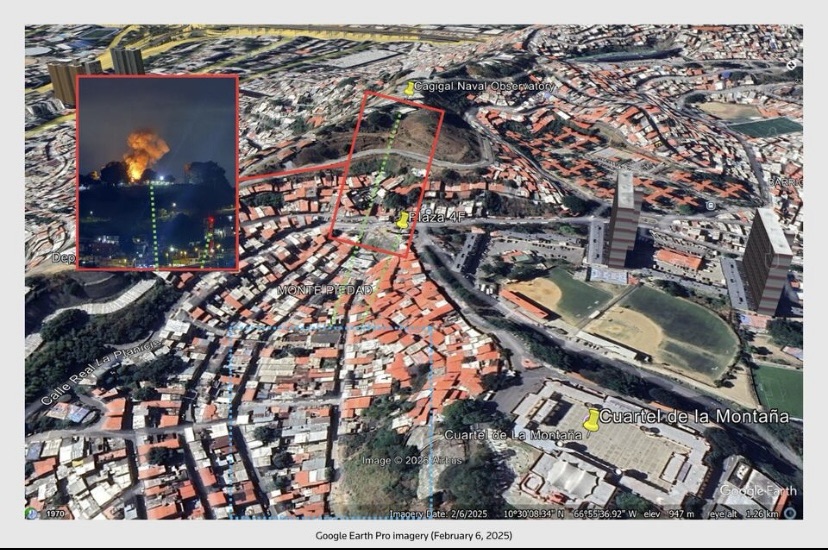
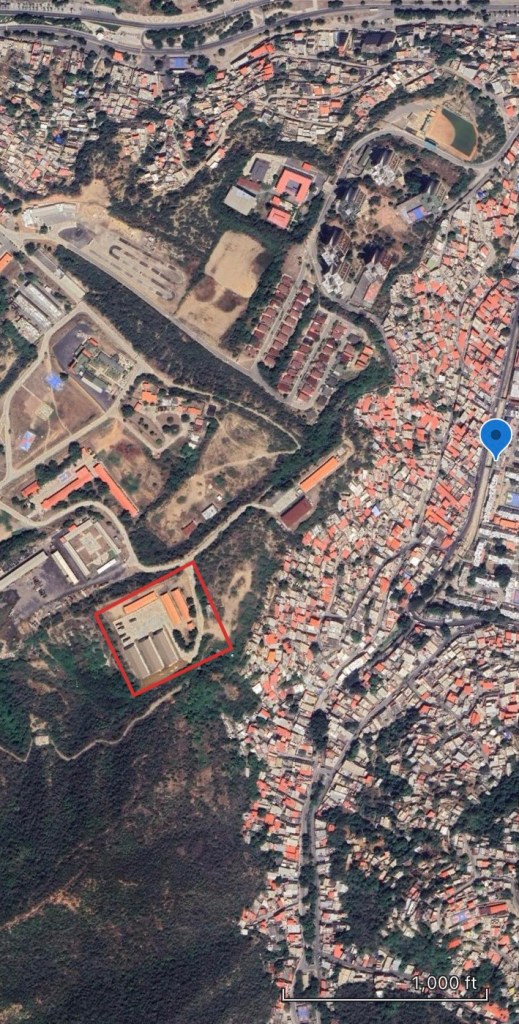
The Pentagon has announced that the USS Gerald R. Ford (CVN- 78) and its Carrier Strike Group (CSG) is being redeployed to the Caribbean in an effort to bolster the forces currently involved in counter-narcotic operations in the region. This comes a day after the announcement that the White House was going to Congress with notice that the president was planning to conduct ground operations in Venezuela. These operations will likely target suspected drug production operations and other assets under the control of the cartels operating in the country. That being said, the Venezuelan military is unlikely to just watch as US forces carry out strikes in their country, meaning the U.S. will likely preemptively target assets under the control of Venezuelan President Maduro’s forces. Radar, air defense and any air units are to be a high priority for suppression or destruction.
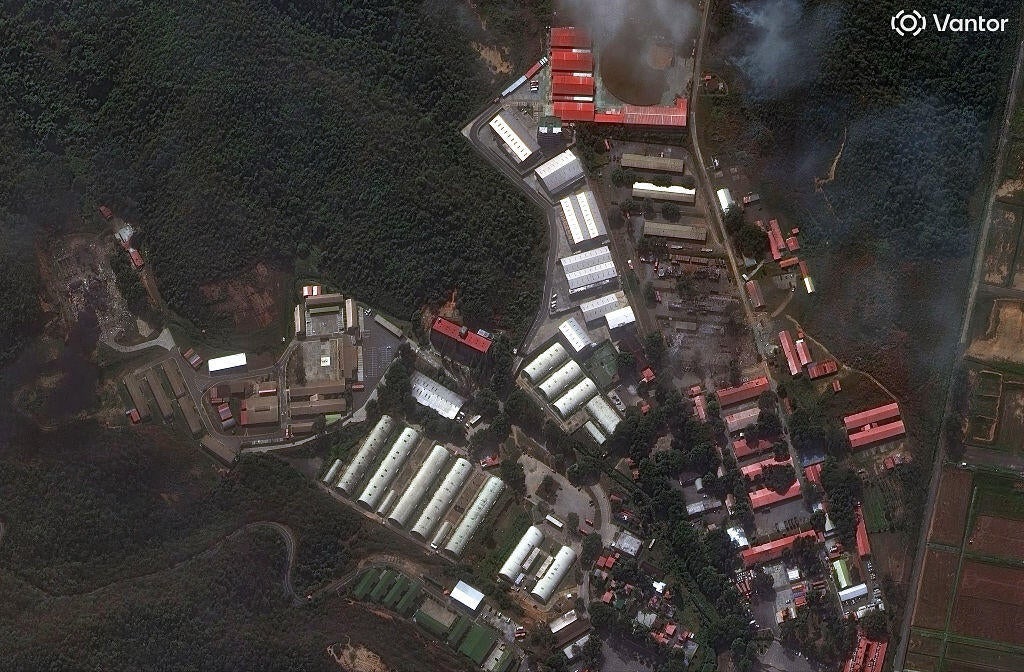
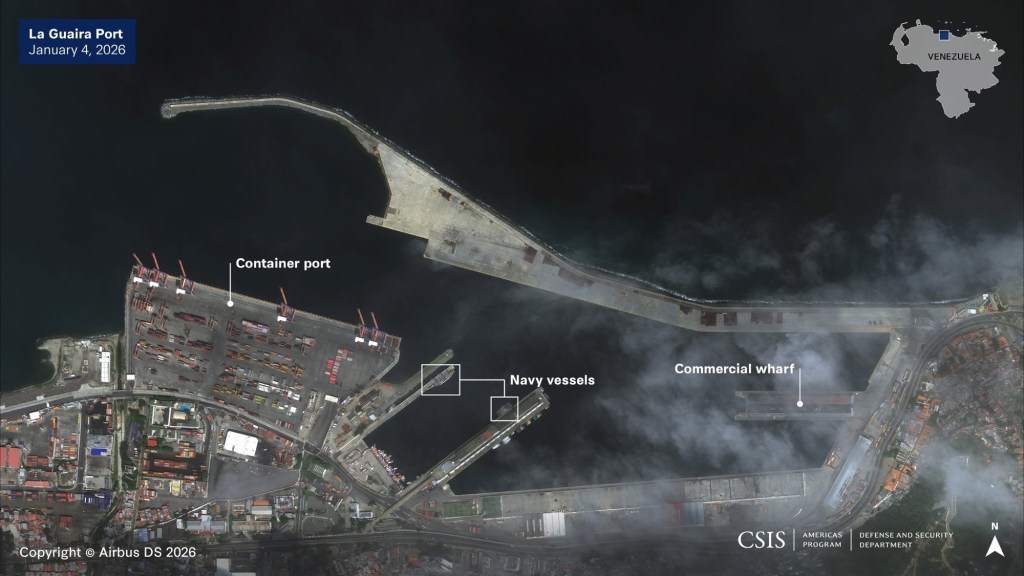
At last report the Ford CSG was operating in the Adriatic Sea off the coast of Italy and various parts of the Mediterranean. It will take the CSG at least several days to assume a position within range of Venezuela.
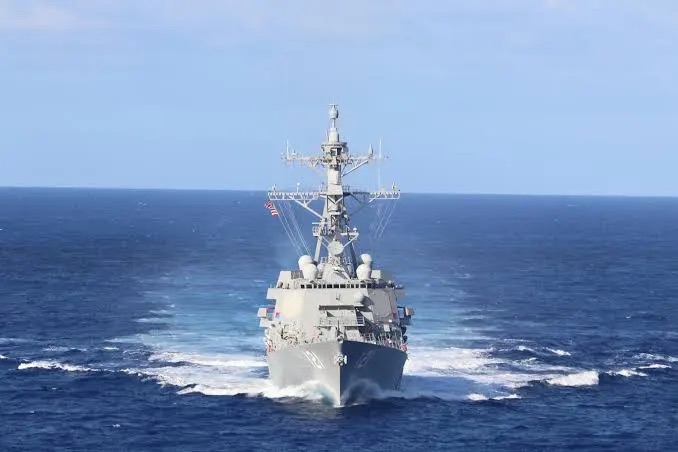
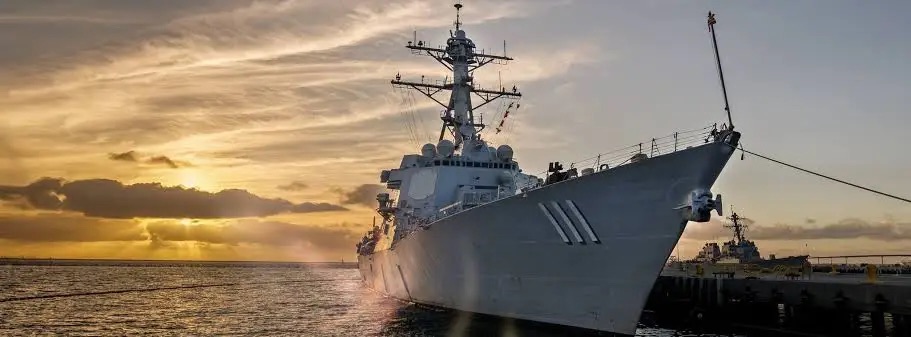
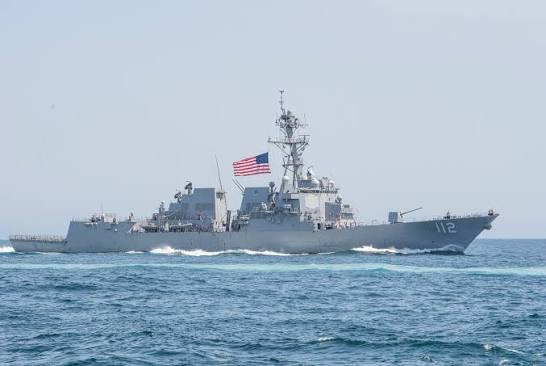
The USS Gerald R. Ford Carrier Strike Group includes the carrier along with three Areleigh Burke-class guided missile destroyers acting as escorts.
USS Bainbridge DDG-96
USS Mahan DDG-72
The USS Winston Churchill DDG-81 is acting as the CSG’s Air Defense Commander.
Making up the air power of the CSG is Carrier Wing 8, made up of the following.
The “Tomcatters” of Strike Fighter Squadron (VFA) 31 F/A-18E
The “Ragin Bulls” of VFA 37 – F/A-18E
The “Golden Warriors” of VFA 87 – F/A-18E
.The “Black Lions” of VFA 213 – F/A-18F
The “Gray Wolves” of Electronic Attack Squadron (VAQ) 142 – EA-18G
The “Bear Aces” of Airborne Command and Control Squadron (VAW) 124 – E-2D
The “Rawhides” of Fleet Logistics Squadron (VRC) 40 Det. – C-2A
The “Spartans” of Helicopter Maritime Strike Squadron (HSM) 70 – MH-60R
The “Tridents” of Helicopter Sea Combat Squadron (HSC) 9 – MH-60S
Fleet info pulled from various public sources as well as the GCR database.
With the announcement of United States ground operations planned for Venezuela, I thought we might take a look at the Ejército Bolivariano (Bolivarian Army) defenses and capabilities. What exactly are they working with and how will the US, using what we know they have in the region, counter these systems.
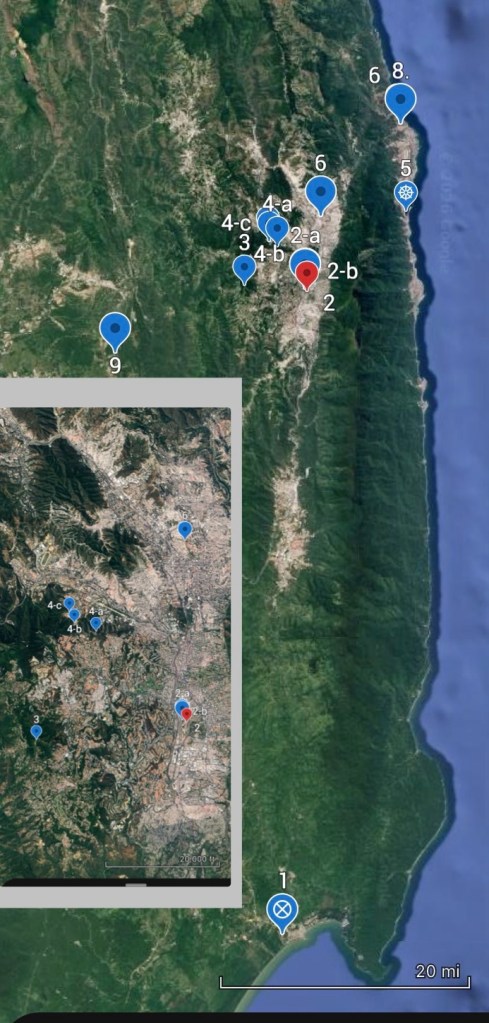
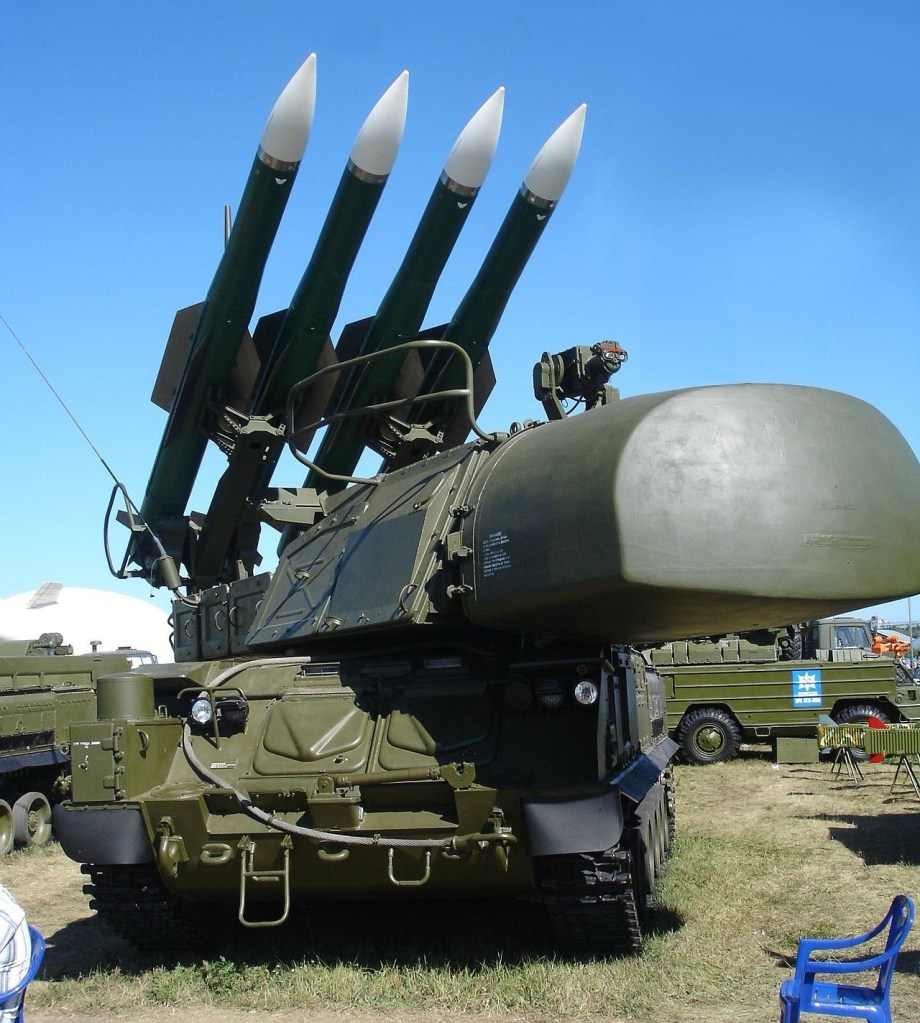
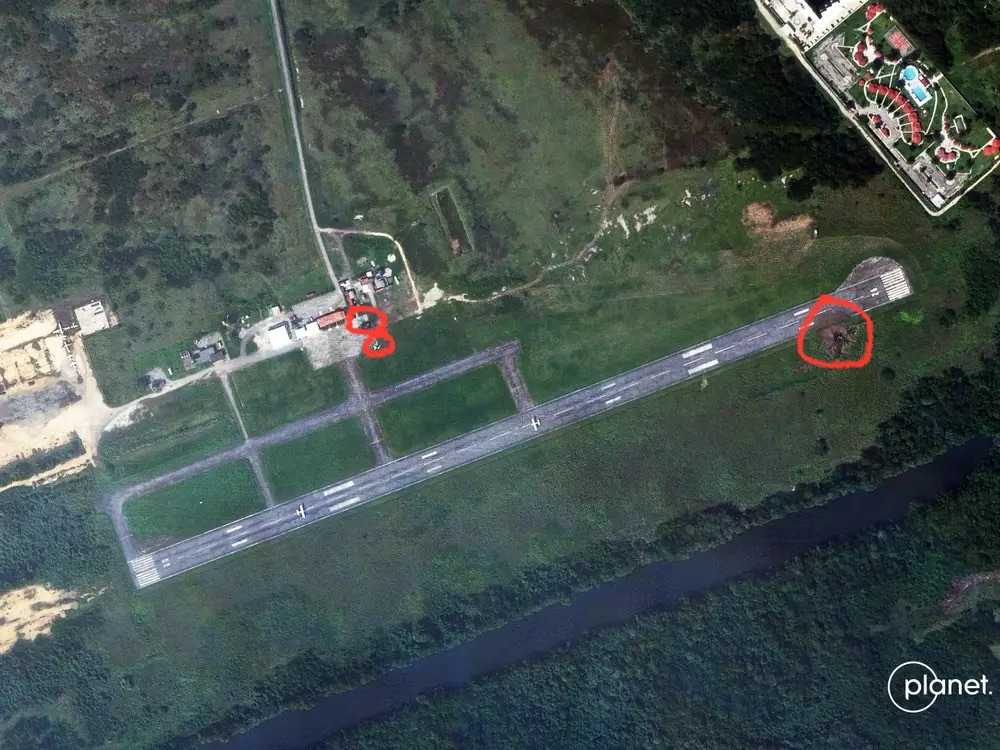
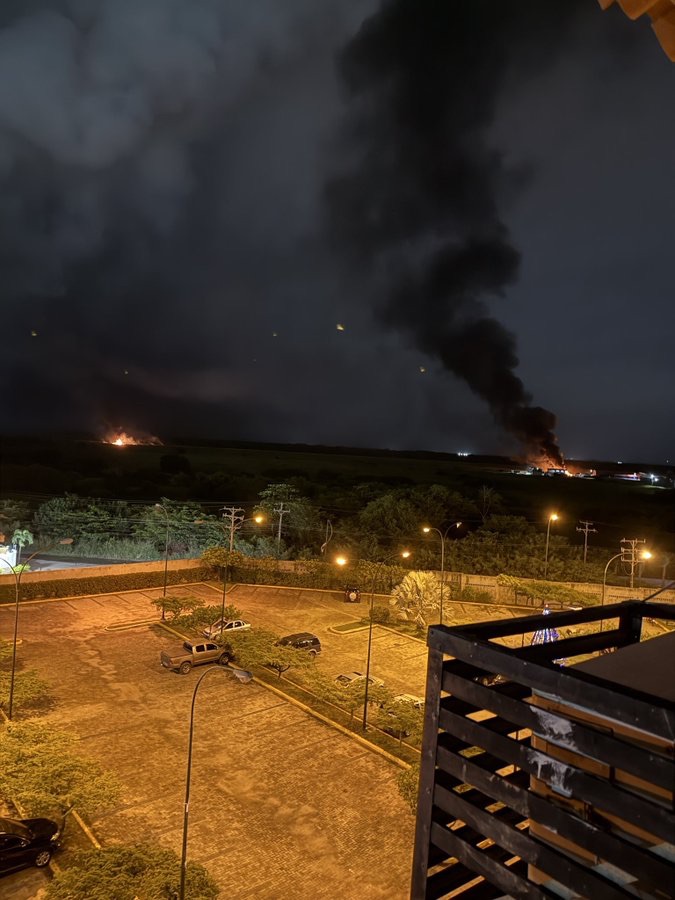
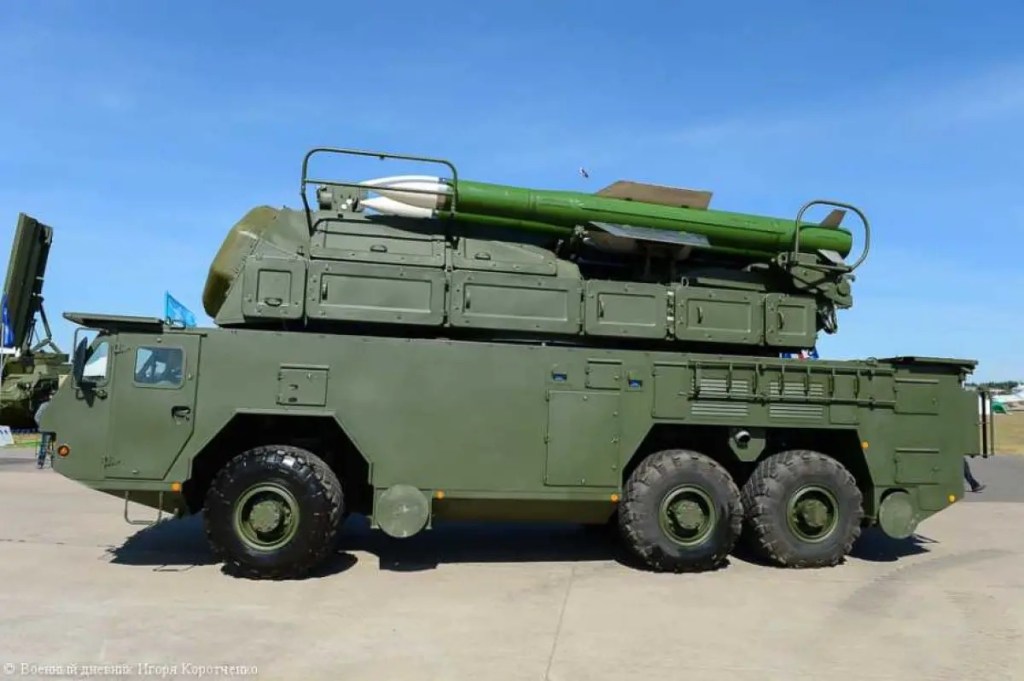
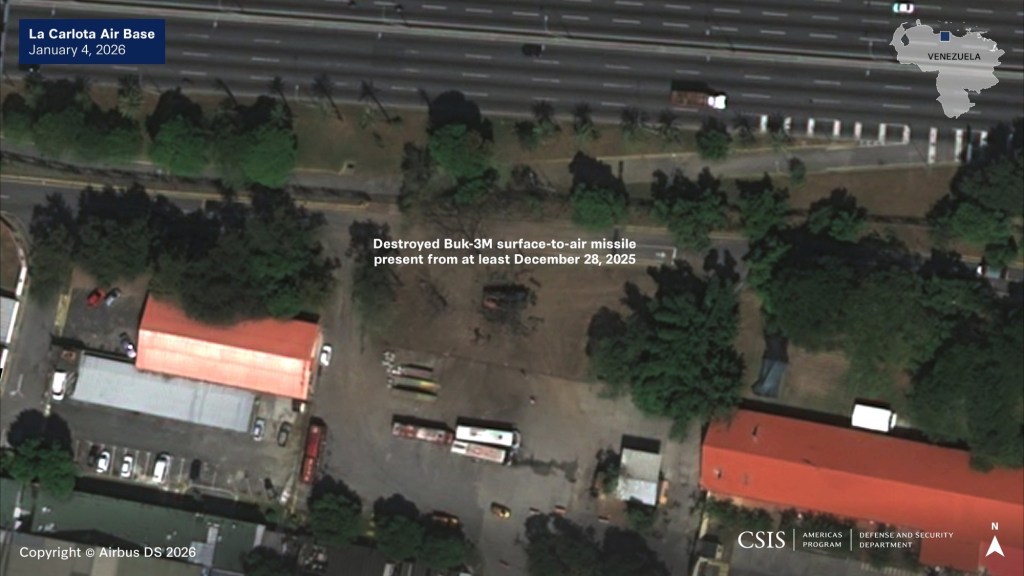
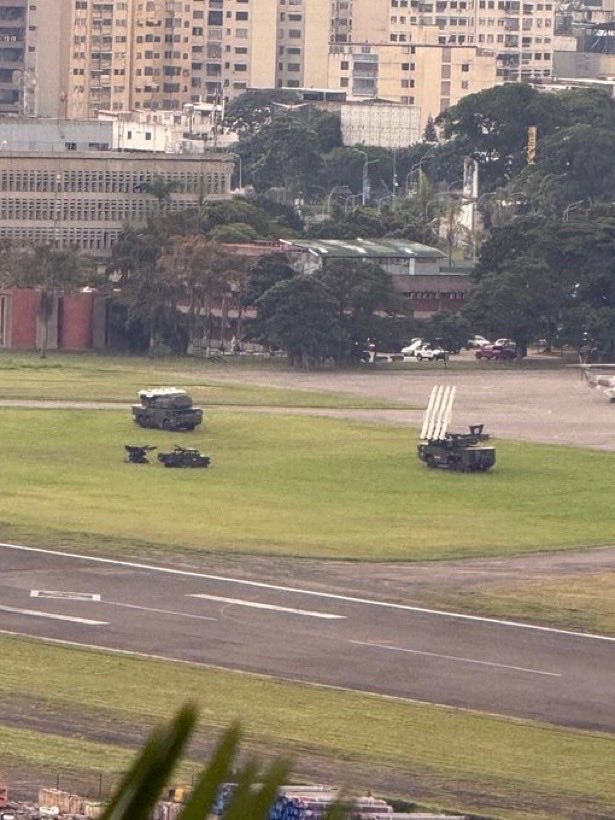
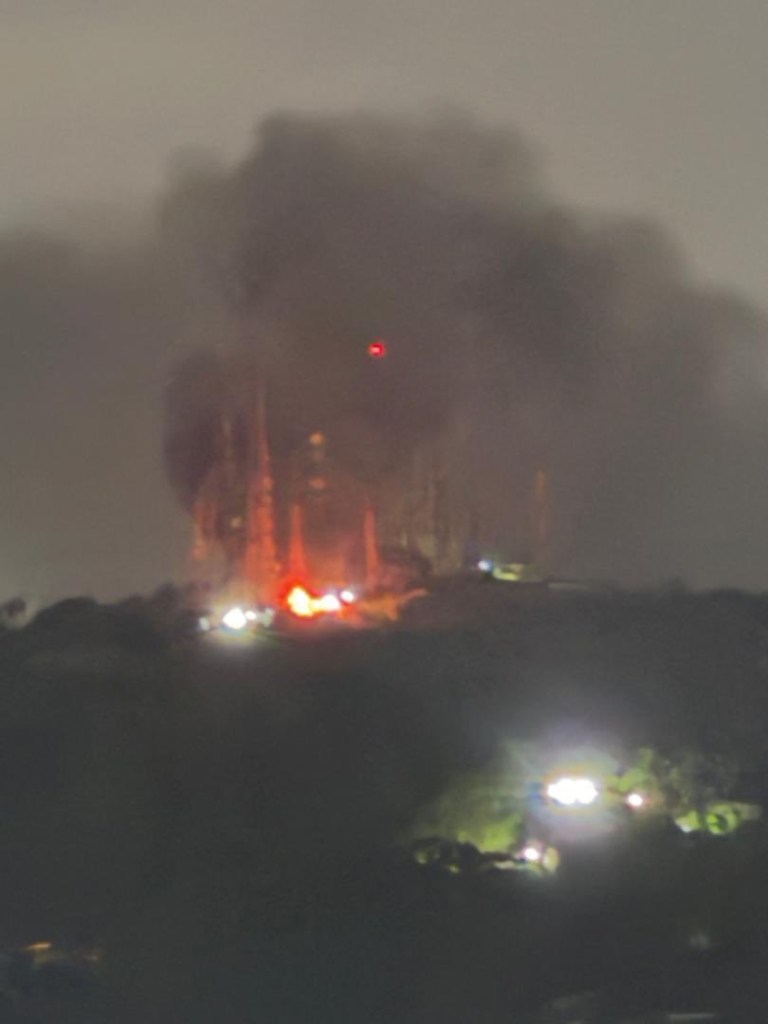
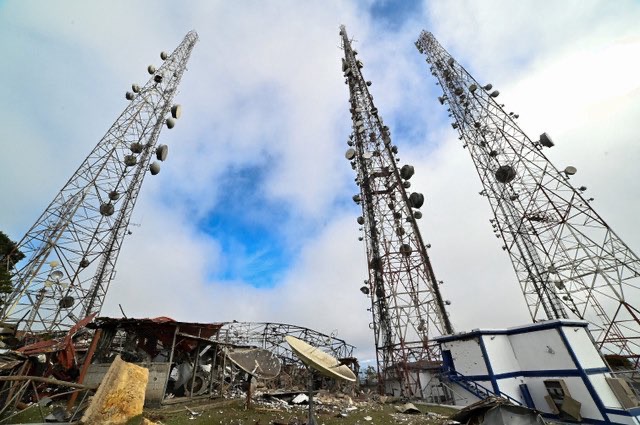
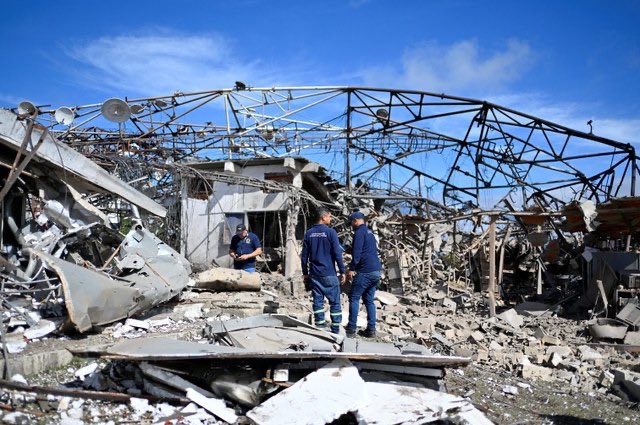
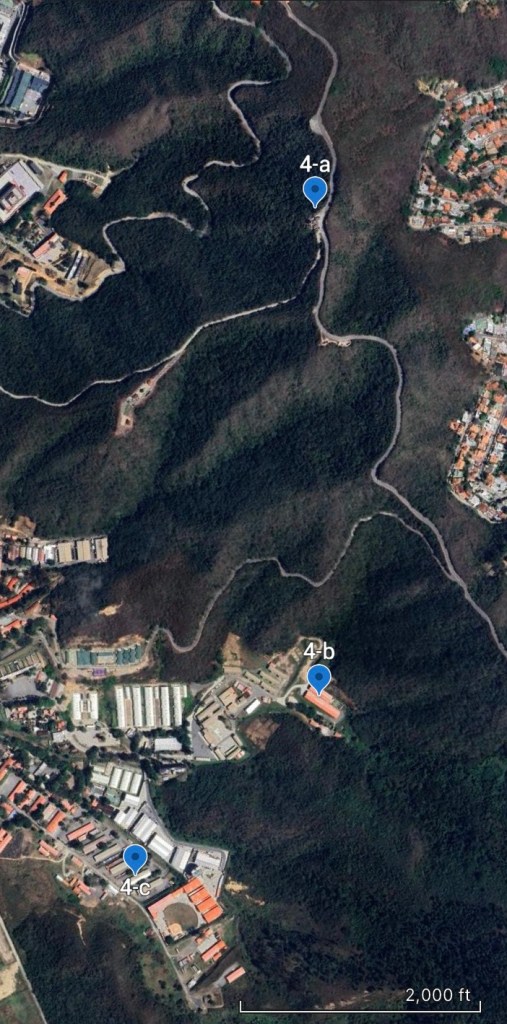
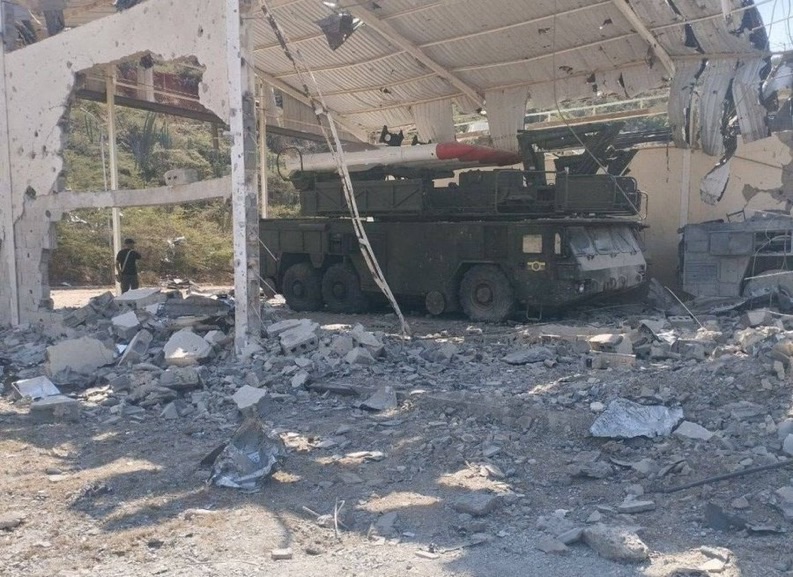
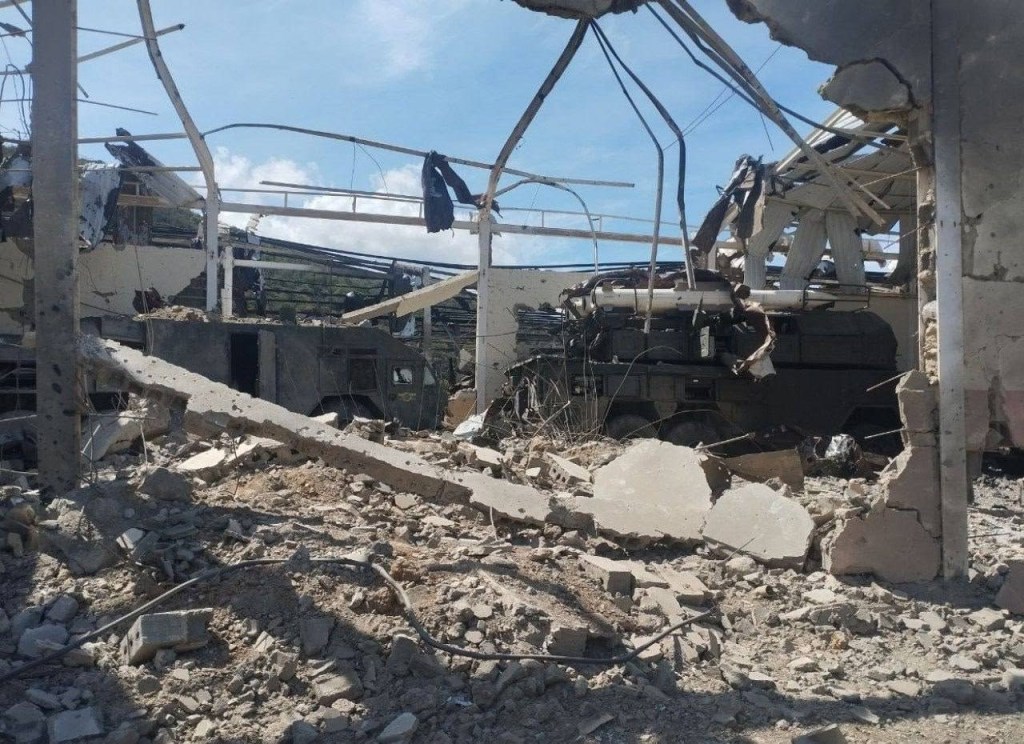
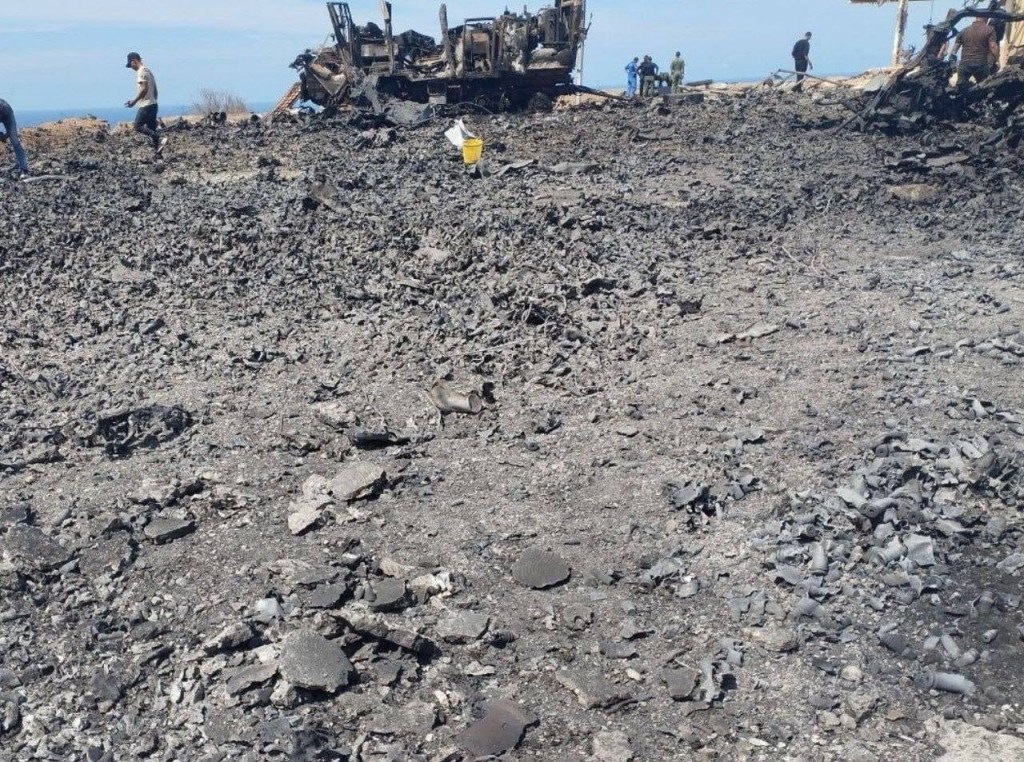
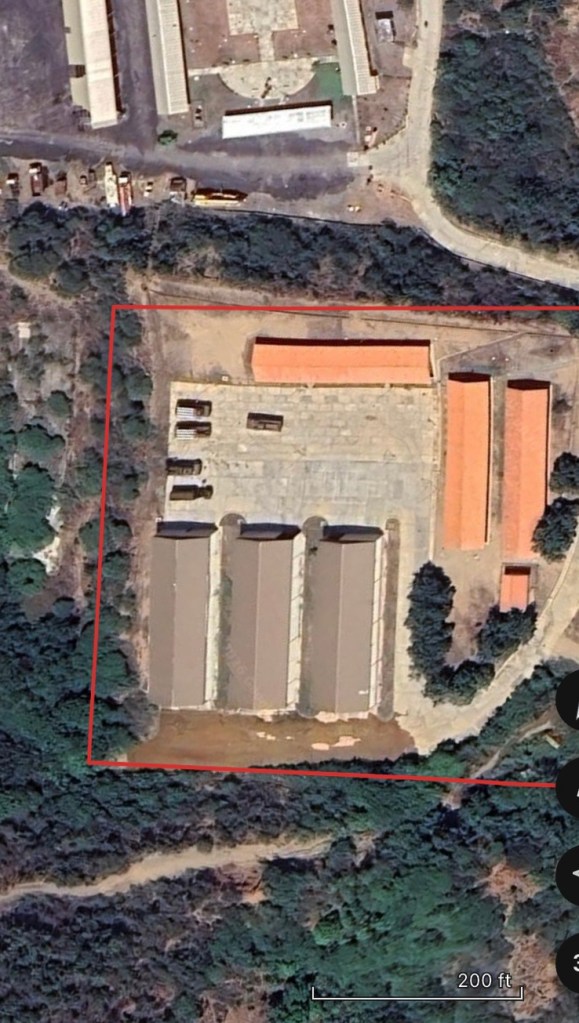
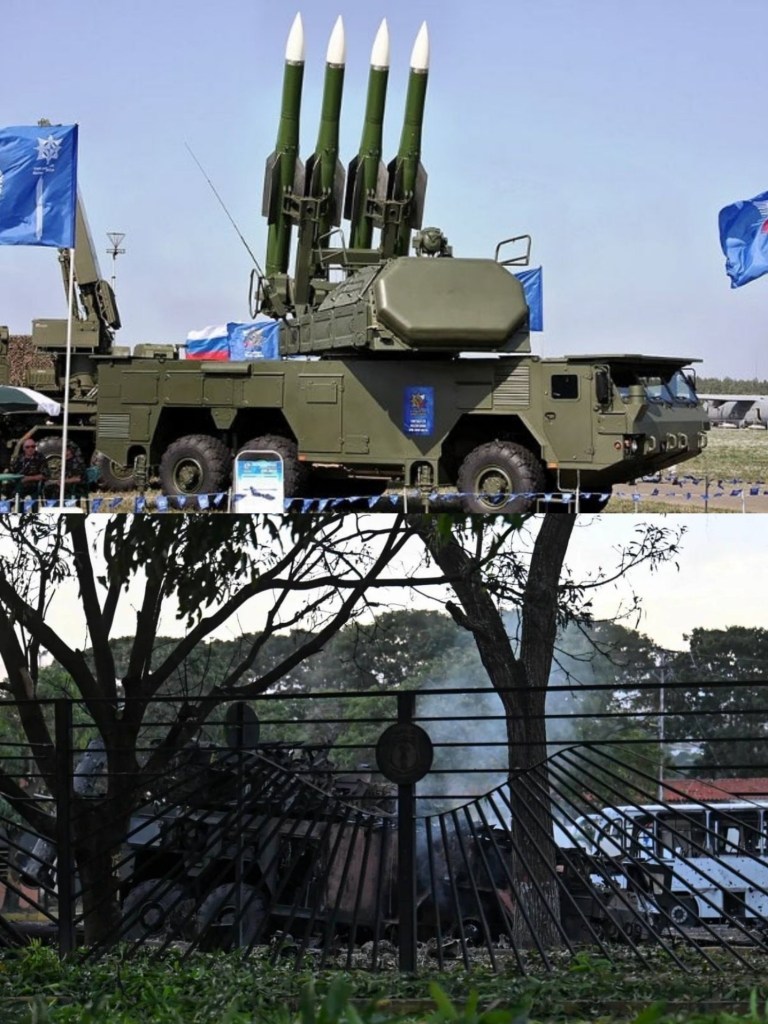
First lets look at the most recent movements.This is a Buk-M2E Surface-to-Air Missile System (NATO-SA-27) spotted this morning in the area of Naiguata, on the coast of Venezuela. This is possibly the same system that was spotted in the same area several weeks ago and is set up in almost the same spot.
The SA-27 has a maximum engagement range of around 70km (about 43 miles), and its search radar has a search range of over 150km(about 93 miles). We don’t see the Buk’s “snowdrift” radar present in the image. If I was setting this up I would position the radar in the hills that overlook the coast, giving it a better view of the area. This system is no joke and has given Ukraine all sorts of problems in that war. The system can launch 4 missiles before needing a reload.
SA-27 and range circle. SA-27 on the beach of Naiguata.
Venezuela’s military isn’t super modernized so a lot of the equipment they are working with are older Soviet/Russian systems, including S-300VM’s (NATO-SA-12A Gladiator) which Maduro’s predecessor got in a deal to loan russia a couple billion dollars in the 2010s.Its reported they only have a limited number of these (Possibly 4 launchers) These have likely been repositioned to protect the capital and other strategic sites around the country. The range of these depends on the missile, which are the 9M83M and 9M82M. These are claimed to be able to hit targets out to a range of 81 miles and 124 miles, respectively. Each launcher holds 2 missiles each, and takes around an hour to reload.
S-300VM Gladiator
The last Surface to air missile system we will talk about is a lesser known one, The S-125 Neva/Pechora (NATO- SA-3 Goa), Most well known for shooting down a F-111 Nighthawk over Serbia. This is an older system with a decent range of anywhere from 15km to 35+km depending on the actual missile used.
S-125 Neva/Pechora (NATO- SA-3 Goa)
The last bit of air defense the EB possesses was reported on by mainstream media today with their story of Maduro threatening that he has 5000 missile systems at the ready, what he was referring to was the countries stock of Man portable air defense systems (MANPADS), mainly Igla-S (SA-24 Grinch) and the Swedish RBS 70. Short range rockets that can be fired by almost anybody but very short range. 6km(3 miles) up to 11,000ft, so not really a threat to anything flying at a normal altitude but still worth considering in mission planning.
While their air defense is outdated at best and possibly nonfunctioning in the worst of cases, their air fleet is nothing to ignore, around 20 Su-30MK2V Flanker’s make up the bulk of their fighting power. The Su-30 can be outfitted with the R-77 missiles (AA-12 Adder). This missile has a 50km(31Miles) range and is guided by a datalink from the jet before switching to an active radar guidance. It’s also been proposed that this weapon has a home-on-jam feature which forces the missile to target the source of any electronic jamming.
Su-30MK2V Flanker
The flankers can also carry the R-27 (AA-10 Alamo) which are shorter range and use passive radar guidance as well as inferred, though not exactly.This missile comes in several variants, like the semi-active radar-homing R-27R and the infrared-guided R-27T, as well as the longer-range radar-guided R-27ER and the infrared-guided R-27ET. The R-27R is reportedly around 37 miles, and 31 miles for the R-27T. The extended-range versions are able to hit targets at a maximum range of 59 miles (R-27ER) or 56 miles (R-27ET).
The close range engagements for the SU-30 are handled by the R-73(NATO-AA-11 Archer) which is similar to something like an AIM-9 Sidewinder. Includes features like all-aspect infrared seeker, high off-boresight capability, thrust-vectoring controls, and the ability to be cued by the pilot’s helmet-mounted sight.maximum range of around 18.6 miles against a head-on target, or 8.7 miles in a tail-on engagement
Venezuela also possesses some (maybe 3 that fly) F-16A/B’s once purchased from the US in the 1980s, when relations were much warmer. Two of these were involved in a show of force conducted against an Arleigh Burke class destroyer USS Jason Dunham, last month.These are not the F-16’s you might see today, these planes carry no beyond visible range weapons and lack the upgrades given to today’s F-16’s. The best weapon they possibly have is the Israeli supplied Python-4, a supplement for the AIM-9 Sidewinders. These are possibly the oldest and most out of date F-16’s flying in the world and are mostly there for show.
U.S. Military buildup
While the U.S. has comparatively unlimited resources to throw at this. Realistically they are more likely to use what they have in hand and what’s readily available. I’ve gone over most of this in the past but it’s worth a refresher.
Let’s start with what we won’t see. Last week, the White House confirmed that US President Donold Trump had authorized the Central Intelligence Agency to operate within Venezuela. This is possible, probable even.
Image shows satellite photo showing the spec ops Ghost-ship M/V Ocean Trader in the Caribbean.
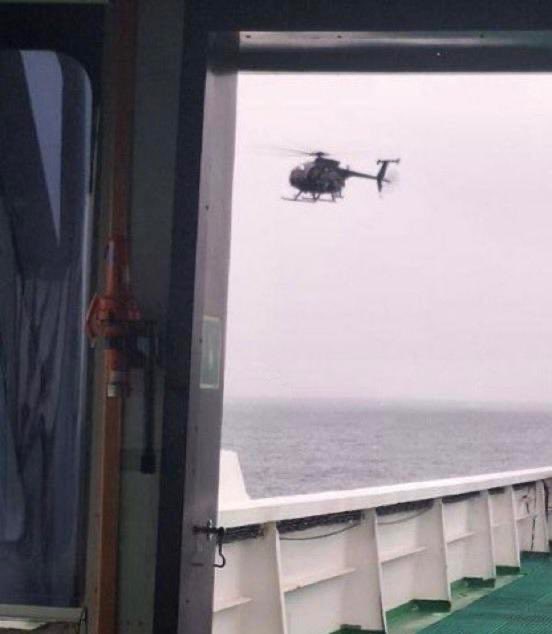
We also have satellite images (confirmed later) that show that the MV Ocean Trader is in the area. This is a highly modified vehicular carrier and more so this ship is a special forces helicopter/drone mothership. This lines up with images and reports that put the US Army 160th special operations aviation regiment ”Nightstalkers” in the area, possibly operating from the ship.
Little birds and Blackhawks from 160th Nightstalkers SOAR
Moving on with the rest of the assets. Let’s start with everything that shoots a Tomahawk Cruise Missile. We have 3 Arleigh Burke-Class Guided Missile Destroyers.
-USS Stockdale DDG-106
-USS Gravley DDG-107
-USS Jason Dunham DDG-109
USS Stockdale
-We also have the Ticonderoga-Class USS Lake Erie CG-70.
All of these are going to have around 32 cruise missiles apiece.
-In addition we have the submarine USS Newport News SSN 750 with another 12 Cruise missile.
-USS Wichita LCS 13
Three supply ships
-USNS Kanawha T-AO-196
-USNS Henry J Kaiser T-AO-187
-USNS Joshua Humphreys T-AO-188
USNS Henry J Kaiser T-AO-187 replenishment oiler
Next is the Iwo Jima Amphibious Ready Group (ARG) with the 22nd Marine Expeditionary Unit (MEU) (SOC) made up of the
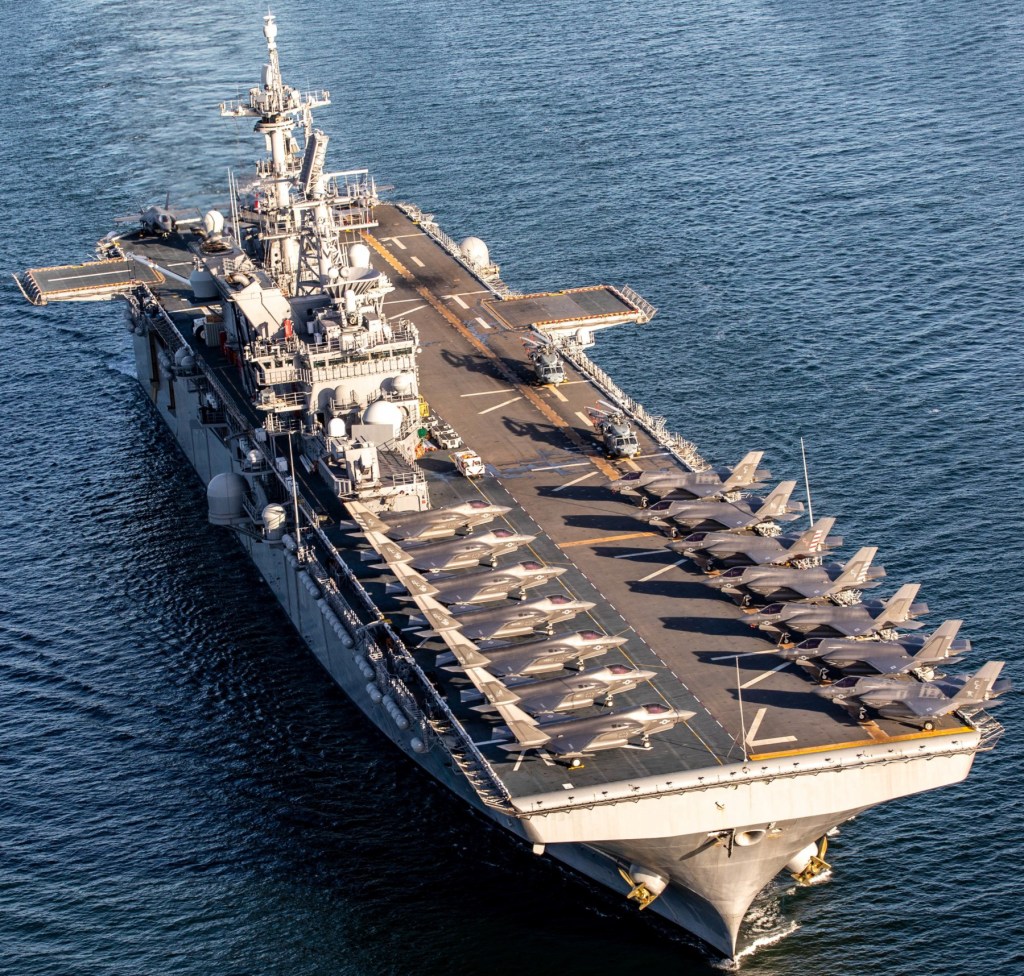
-Wasp-class Amphibious Assault Ship USS Iwo Jima LHD 7
-Amphibious transport dock USS San Antonio LPD 17, and USS Fort Lauderdale LPD 28.
The above group had limited air-to-ground capability with its Harriers as well as transport options for the marines stationed aboard.
Rounding this list off we have
-At least 10 F-35’s from the “Vikings” of Marine Fighter Attack Squadron (VMFA) 225 stationed at Puerto Rico’s Roosevelt Roads Naval Station.
At least two AC-130 Ghostrider Gunship
-a reported total of around 10,000 soldiers.(not sure if this includes the 2,000 marines)
We also have a collection of aircraft that have appeared in the region but not necessarily stuck around,2 B-52H Stratofortress Bombers, B-1B-Lancer Bombers, a number of KC-135 Stratotankers, Dozens of Cargo planes (C-5 Galaxy’s and C-130’s) EC-3 Sentry AWACS ,and P-8 Poseidon ASW/Maritime Patrol plane.
While this list is large, I’m sure it’s not all of the assets currently in the theater. One of the United States best advantages here is it being close to home, allowing them to call in pretty much anything they want. The question isn’t whether the Venezuelan military will be defeated, it’s more like “how long will they last?”
As I finished this, a B-1B lancer flew just within range of where that BUK is sitting and then turned around. Playing Peek-A-boo. just thought that was interesting considering this article started with talking about the range of that system.
Two big announcements have come in the past three days signaling that Ukraine is looking to make changes to its military air power. Currently Ukraine’s military uses a mixture of old Soviet equipment plus whatever platforms have been bought or donated to them by their partners in Europe and America.
This weekend it was announced that Bell Textron, the American Aerospace company responsible for the AH-1Z Viper and UH-1Y Venom helicopters, have signed a ‘memorandum of understanding’ in Washington with the government in Ukraine. Essentially this starts the ball rolling on future aircraft deliveries, after the framework and support for the systems have been built in Ukraine. The statement released by the company and government of Ukraine mentions that these helicopters are likely to be built in Ukraine, bolstering Ukraine’s defense industry and going a far step to modernize Ukraine’s helicopter fleet.
Ukraine’s helicopter fleet is currently made up of mostly old Soviet systems. The Mil Mi-24 (Hind) gunship has been a workhorse in the current war and while effective for what it does, It’s an older platform with limitations. This deal will give Ukraine a fleet of modernized helicopters with a proven track record of combat capabilities. A huge benefit is that the Venom and Viper share 84% commonality meaning training pilots and support crew is much quicker.
While this deal isn’t finalized it does signal that the process is in the works and should go through as long as the U.S. government agrees to it. If the deal goes through it’s likely a number of aircraft will be transferred to Ukraine so they can start training pilots and the support crew on their operations.
The AH-1Z Viper attack chopper is a twin engine attack helicopter with a speed of 300KTS and a range of 310 nautical miles. The platform provides an excellent ground attack platform, carrying a main gun as well as air-to-ground missiles with the option of carrying sidewinders for engaging air targets. These helicopters are also survivable in the worst cases with self sealing fuel cells and armored crash resistant seats for the crew.
The Venom on the other hand is a jack-of-all-trades workhorse. There is a reason it’s sometimes called the Super Huey as the spirit of the Huey from the Vietnam days lives on in the Venom. It’s mostly used for carrying supplies or troops but it can also be equipped with rockets and door guns in case you just really need the extra firepower or a AN/ALQ-231(V)3 Intrepid Tiger II sensor pod for precision electronic attack capabilities (maybe in support of a squad of Vipers, for example.) Its speed is similar to that of a viper however its unladen range is a bit further. With a 2000lb payload its range is 150NM.
Ukraine’s helicopter fleet isn’t the only upgrade Ukraine is looking to. Just today Ukraine President Zelenskyy met with the Swedish government and signed another letter of intent, for the purchase of as many as 150 of the Swedish made Saab Jas-39 Gripen E fighter jets.
The Gripen is a single engine, supersonic, multi-role fighter jet. A highly maneuverable fighter, the Gripen is designed for what’s known as JAS in the Swedish language, Jakt (Air-to-air), attack (air-to-surface) and Spaning (Reconnaissance). The E version of this fighter is built with some higher end capabilities including electronic warfare, a more powerful engine, and increased weapons capacity.
A look inside the well deck of the USS Iwo Jima (LHD-7)
By.Scott Jackson
10.19.2025
The United States Department of Defense and White House released footage showing the destruction of a Venezuelan submarine reported to be involved in cartel drug trafficking operations and the transportation of fentanyl, a powerful synthetic opiate. The sub was destroyed on Thursday.
While all the media and even this article calls the vessel a submarine it’s more like a semi- submersible. Most of the vessel is underwater but it doesn’t have the capability to fully submerge itself. If this vessel is anything like others that have been stopped trying to smuggle drugs into America in the past, it was made with fiberglass and plywood.
Video of the strike on the Venezuelan semi-submersible.
The submarine had two survivors who were rescued by a US helicopter and taken to a Navy ship in the area. The men will eventually be repatriated to their home countries according to the US. The men are from Ecuador and Colombia. The bombing of the sub killed two other men, both alleged to be Narco terrorists. Sending the men back to their home countries helps the US avoid any turbulent legal issues of detaining the men whose drug trafficking crimes don’t exactly fit under the laws of war.
Neither the pentagon or the White House offered any other comments when asked by GCR or other media outlets.
Moving on to today, it was just several hours ago reported that the US said they had carried out a strike on a vessel associated with a Colombian leftist rebel group,National Liberation Army.
This strike has led to a falling out between US president Trump and Columbian President Gustavo Petro as the Colombian President accused the US of murder. “US government officials have committed a murder and violated our sovereignty in territorial waters. Fisherman Alejandro Carranza had no ties to the drug trade and his daily activity was fishing,” said Gustavo Petro on a post on social media. He added “The Colombian boat was adrift and had its distress signal up due to an engine failure. We await explanations from the US government.”
Trump and Colombian President Gustavo Petro
That US response was swift, with Trump and the White House cutting off all subsidies. Trump said the Columbian president “is an illegal drug leader strongly encouraging the massive production of drugs, in big and small fields, all over Columbia”.
Trump later ranted on Truth Social “It has become the biggest business in Columbia, by far, and Petro does nothing to stop it, despite large scale payments and subsidies from the USA that are nothing more than a long term rip off of America. AS OF TODAY, THESE PAYMENTS, OR ANY OTHER FORM OF PAYMENT, OR SUBSIDIES, WILL NO LONGER BE MADE TO COLUMBIA,”
Trump continued “The purpose of this drug production is the sale of massive amounts of product into the United States, causing death, destruction, and havoc,” the president said.
“Petro, a low rated and very unpopular leader, with a fresh mouth toward America, better close up these killing fields immediately, or the United States will close them up for him, and it won’t be done nicely.”
Russian President Vladimir Putin has acknowledged that the Russian federation is responsible for the downing of the Azerbaijani Airlines, Flight 8243 on Christmas Day 2024.
The plane, an Embaer 190 took off from Heydar Aliyev International Airport carrying 62 passengers and 5 crew.
The flight first experienced issues about 40 minutes after takeoff when it first entered the Russian airspace around Grozny. The pilots reported losing GPS navigational systems, due to jamming. The plane continued its approach at the Kadyrov Grozny International Airport in the Chechen capital. At this time the pilots reported twice tried to land at Grozny but were ultimately diverted due to fog. 81 minutes into the flight, and while the plane was still over Grozny, passengers at this time reported an explosion and shrapnel striking the aircraft. The pilots thought they had experienced a bird strike and proceeded to initiate emergency protocols and squawked 7700, which signals to others that the flight is experiencing an emergency. They then turned back towards the Caspian Sea.
The plane made it across the Caspian and back to Azerbaijan but the pilots were not able to maintain control of the aircraft while trying to put it down in Baku. Video from the ground showed the plane changing altitude at a very quick rate as the plane pitched up and down as the pilots fought to bring the plane down with increasingly unresponsive controls.
Video from the crash of Azerbaijani Airlines Flight 8243.
The plane ultimately crashed, bursting into a large fireball and split in half. Of the 67 people on board, 38 were killed. Almost immediately after the crash there were questions. What actually happened to flight 8243?
Photos from the crash showed damage not consistent with a bird strike. Damage to the tail looked more like the damage from the explosion of an air defense missile. In fact, several passengers had been injured from shrapnel from the explosion.
An image from the crash. The tail of the plane shows shrapnel damage.
Russia right away denied that this had happened. Several days later The New York Times put out a report which stated that Azerbaijani investigators believed that a Russian Pantsir S-1 had actually shot the plane. On February 4th, investigators found fragments from a Pantsir S-1 missile inside the airplane’s fuselage.
At the time the plane was attempting to land the city was under warning as Ukrainian drones had been spotted in the area and shot down.
On December 28th Russian President Vladimir Putin apologized to the Azerbaijani President Ilham Aliyev for the “tragic incident” although he didn’t elaborate further on the incident.
Today the Russian president, speaking with the Azerbaijani leader Ilham Aliyev, admitted to him that Russian air defense was responsible for the crash and that two Russian air defense missiles had exploded near the plane.
The Russian President very rarely admits to mistakes by his military. More than a decade after a Malaysian flight was brought down over Ukraine by Russian defense systems, Putin still denies Russian involvement.
The previous denial of the Russian involvement in the Azerbaijani airlines flight has caused some tension between Russian and Azerbaijan causing Aliyev to become increasingly critical of Moscow, even offering support to Ukraine and condemning what he called the “soviet occupation” of Azerbaijan. Some in the country were even calling for the relationship between Russia and Azerbaijan to be cut. It’s likely this admission of guilt by the Russian leadership is more about saving the relationship with an increasingly strong ally.
On October the 3rd, US Southern Command released footage from US operations ongoing in the Caribbean. The video shows the loading of a U.S. Marine F-35B Lightning II with live munitions at the now reactivated Roosevelt Road Naval Station.
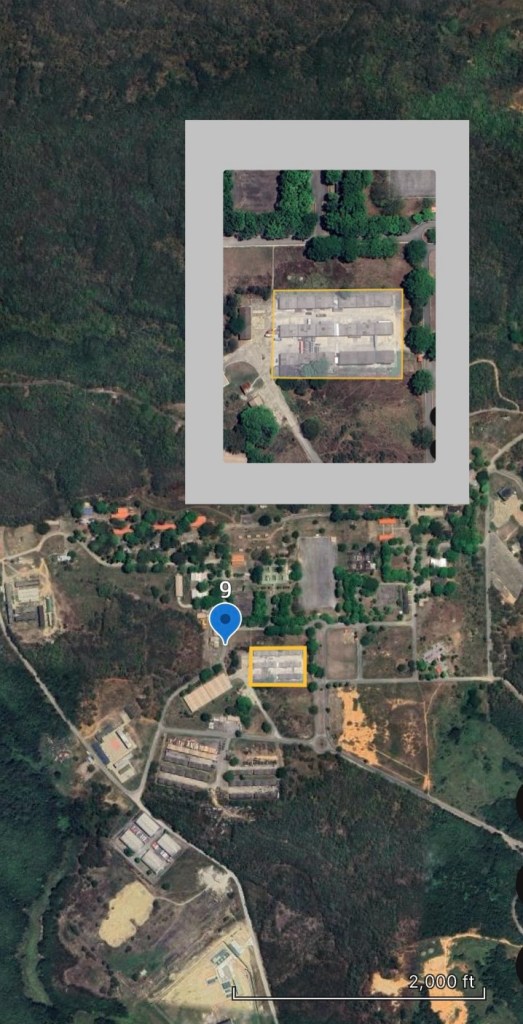
Image from Google Earth showing the location of Roosevelt Road.Closer look at the airport.
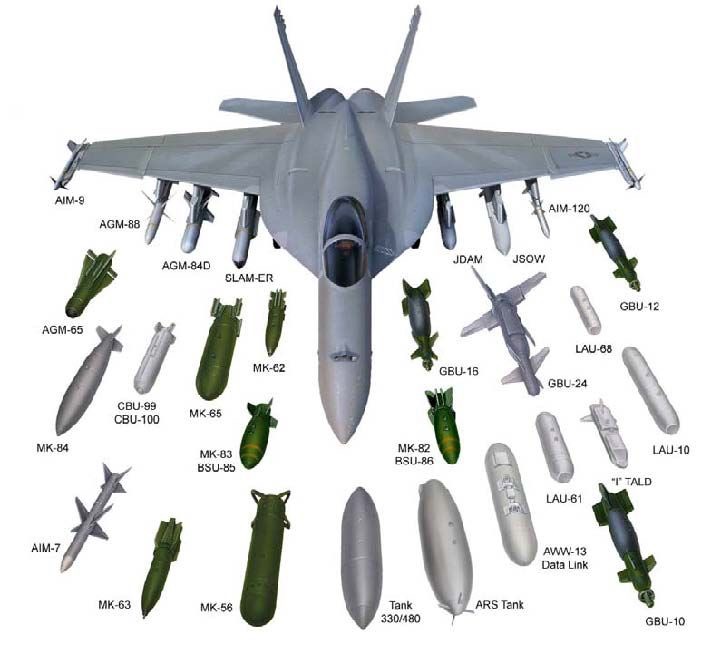
This aircraft, if it was just one jet, it’s not clear in the video, was outfitted with a mixture of air-to-ground and air-to-air weapons. My info is coming from publicly available information on the weapons systems and some of my own knowledge of this topic from years of research. Any mistakes or opinions are,as always, my own. The first clip shows the loading of an AIM-9X Sidewinder. The AIM-9X is an inferred guided, proximity fused weapon.
Variations of the Sidewinder started life as the primary weapon of many early Cold War era jets alongside their main cannons. This is not that Sidewinder, it is so updated and advanced it’s hard to even think of this as the same missile. The original AIM-9 Sidewinder used in Vietnam had an abysmal success rate that averaged somewhere around 9%. So 1 out of 10 would hit their targets. While the original weapon could only heat-track a target aircraft’s exhaust, this weapon is capable of detecting the heat from the friction of the target aircraft going through the sky making shots at the front or side of the target a possibility. A thrust vectoring engine on the AIM-9X gives it incredible maneuverability. The publicly available information puts the range at somewhere around 10-15 miles depending on some factors(Altitude-speed etc.)that can shorten or extend that range. This is not your grandfather’s Sidewinder.
F-22 firing an AIM-9 Sidewinder
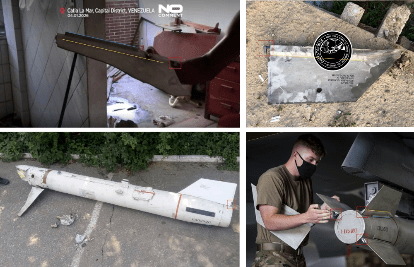
Moving on we get a quick look at one that’s probably familiar to you (if not by look, then by name) the GBU-54(V)/B LJDAM (Laser Joint Direct Attack Munition).This is the laser guided version of a pretty standard MK 82 500 pound air-to-ground bomb with the added bolt-on JDAM guidance kit giving it some pretty spectacular accuracy.
JDAM on display at Airforce Museum
JDAM is like an aftermarket part for a bomb turning it into a GPS guided precision weapon.We don’t talk enough about the effect that the JDAM and other guidance systems have had on tactical bombing, long gone are the days you have to drop 12 bombs to hit one target. If the target is a house, a decent pilot can hit the house 90% of the time, a great pilot and a bit of laser guidance can put a JDAM through the window.
This is how you used to drop bombs. Multiple at a time and hope that you hit your target.
The last weapon shown is the AIM-120 AMRAAM-C/D (Advanced Medium Range Air-To-Air Missile) or, sometimes called Slammers after their first 3 shots resulted in 3 enemy takedowns in Iraq and Bosnia.The C/D is the model number for the missile, I’ve added both models because they showed two different missile models in the USSOCOM video. The AIM-120 is a BVR (Beyond Visible Range) with active radar-homing capable of striking targets at extreme ranges. Publicly available data puts the range of the AIM-120 listed at around 80 miles. The range numbers can be a little deceiving, you have to take into account that these numbers are based on any number of specific conditions for the enemy and the weapons platform. For a missile like the AIM-120 D model, while it will travel over 100 miles, its effective range is closer to 60-70 miles.
F/A-18 Super Hornet loaded with 10 AMRAMM’s.(Murder Hornet configuration)
None of these weapons are rare, two of them, the SIdewinder and AMRAAM you will find on almost every fighter in the air fleet and the laser JDAM has been used heavily since the 90’s. I’m a little uncertain on exactly how many weapons this plane in the video launched with as the F-35 in its stealth mode can only hold so many weapons, and the B version has a smaller weapons bay than the others because of the lift fan. The two weapons bays can hold two AMRAAM’s each. I’m guessing here but maybe one JDAM and a sidewinder on one side and then the two AMRAAMS on the other.
The F-35 is technically capable of carrying more weapons on outside hard points, however this harms the stealth of the aircraft, giving it a larger radar cross section, or RCS. The idea was to use stealth mode during the opening days of a conflict and then to switch to what the manufacturer, Lockheed Martin calls “Beast mode” that the F-35B can be once air dominance has been achieved.
Stealth mode F-35 loaded with two JDAM’s and two AMRAAM’s.“Beast Mode” F-35 loaded with six JDAMS, Two AMRAAM’s and Two wingtip Sidewinders.
US Navy E-6B Mercury refueling from a KC-135 Stratotanker.
By.Scott Jackson
09/24/2025
On the night of September 23-24 both France and the United States carried out separate nuclear exercises. These exercises act as apart of a deterrence strategy aimed at making any potential adversaries think twice about attacking. They also provide real life training for the crews involved preparing them for a day that they hope never happens.
Some components of these drills were monitored in real time.
COST43 a U.S. Navy E-6B Mercury.
COST43 the callsign for a U.S. Navy E-6B Mercury, the Airborne Nuclear Command Post and Communications Relay. The jet is seen in the above image heading back to Ramstein AFB, Germany after this mornings nuclear exercise by U.S. Strategic Command (STRATCOM) over Northern Europe.
You must be logged in to post a comment.