By. Scott Jackson
09/15/2025
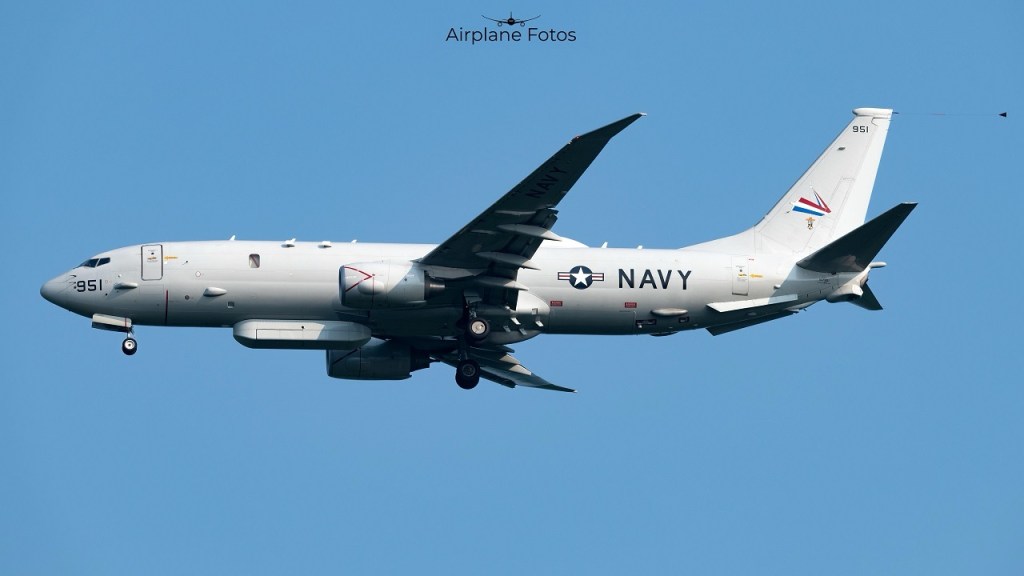
The U.S. Navy Boeing P-8 Poseidon has been in service with the United States Navy since 2012 when it replaced the fleets aging and legendary P-3 Orions. The P-8 is a heavily modified version of a Boeing 737-800 passenger airliner. Swapping out the passengers and the passenger comforts with the equipment needed to preform the arduous and often overlooked task of Maritime Patrol and Anti- Submarine Warfare (ASW).
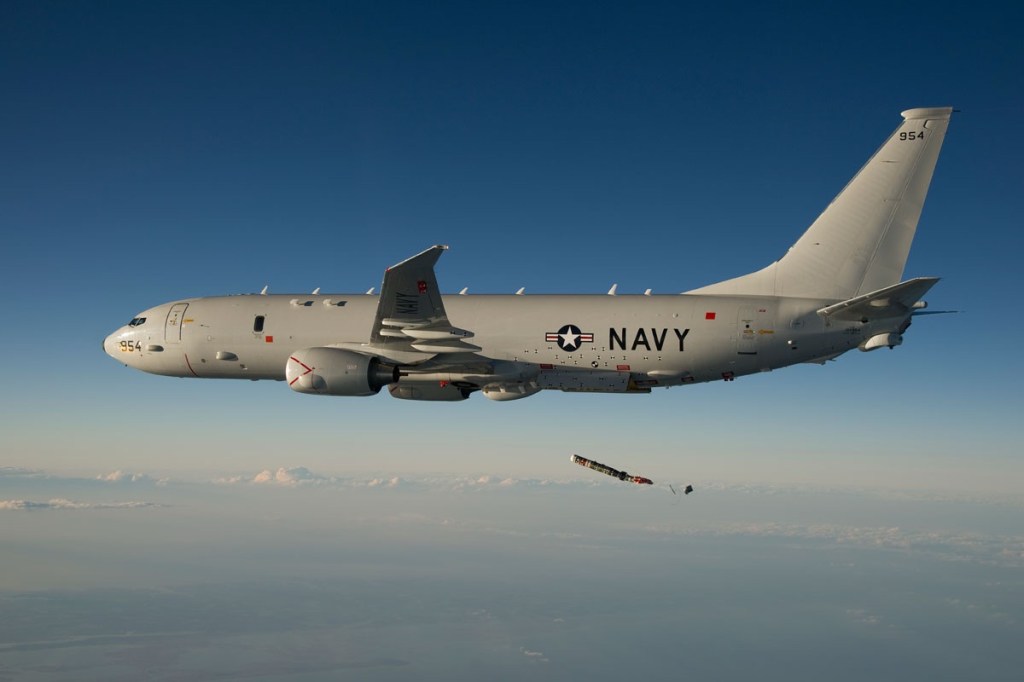
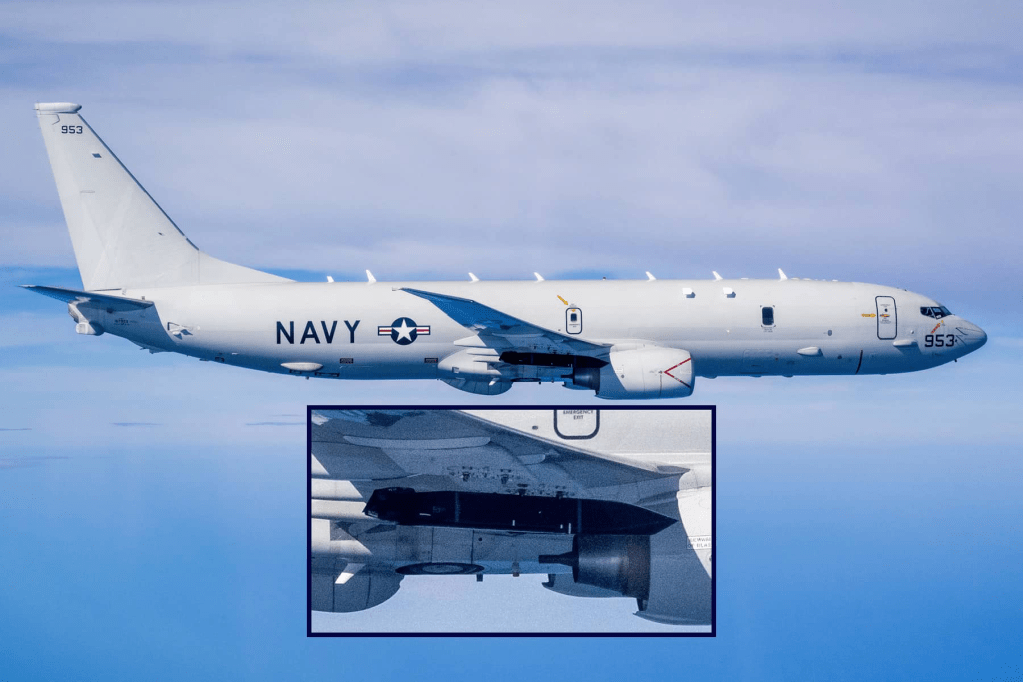
Featuring advanced sensors for tracking surface ships and submarines, including air-dropped sonar bouys and its AN/APY-10 surface search radar. In addition to detection and tracking systems, the P-8 can carry several weapons. Mostly the MK-54 airdropped torpedoes for ASW work but also the AGM-84 Harpoon Anti-Ship missile. That was until the navy released the photo below showing something new. But back to that in a minute.
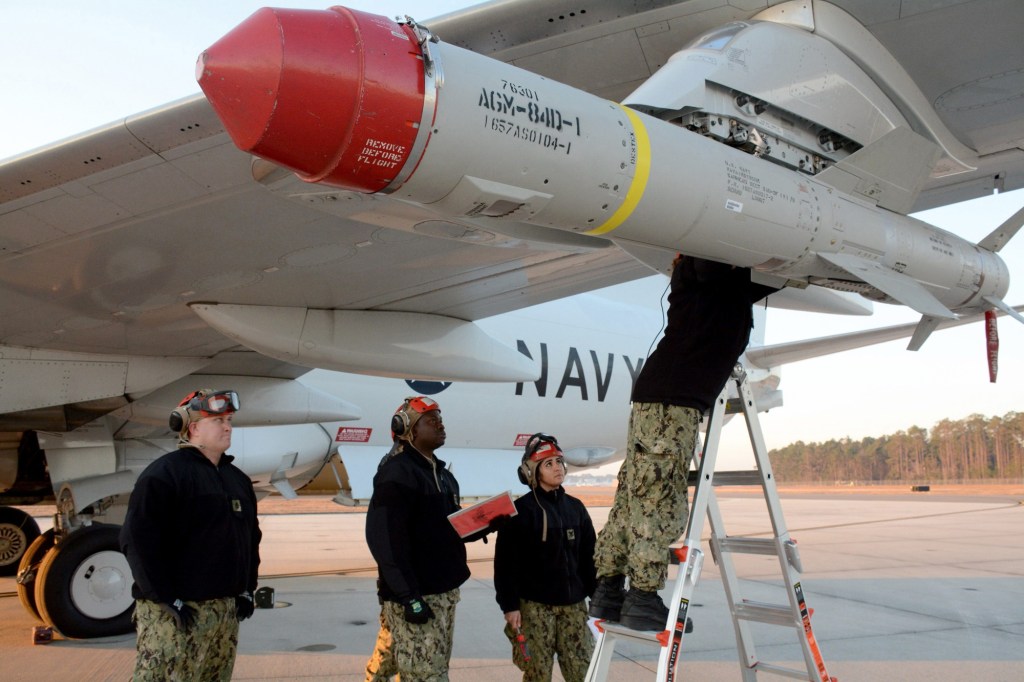
While the Harpoon’s almost 5 decades of service and extensive use in combat shows it is still a very capable weapon, it is outmatched in range by the air defense systems of some of the U.S. adversaries, especially the older models which are mostly if not all being phased out in favor of the II and II +.
The original Harpoon Block 1 missile has a range of around 80-100 miles.
The Block II has less range improvements at around 81 miles but was made me for combat around littoral waters so not as much range was needed.
Block II+ER, the newest generation of the Harpoon in use has a range of around 190-200 miles.
The Block II and Block II+ER have advanced capabilities added in like improved GPS guidance, and protection from Electronic interference. It’s possible that the Harpoon will still be used in some cases where the range and stealth of the LRASM isn’t needed.
While the harpoon isnt the United States only anti-ship missile it is the one that was specifically designed for that role. Some other choices include the AGM-84H/K SLAM ER which is kind of a sibling offshoot of the Harpoon and is an air launched land attack missile that can be used to target maritime targets. It has a range of 170 miles.
Enter the Lockheed Martin’s AGM-158C LRASM.
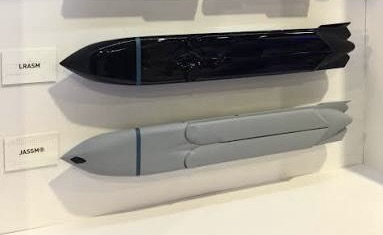
The AGM-158C is a derivative of the AGM-158B JASSM ER (Joint Air-To-Surface Standoff Missile Extended Range), a low detection air launched cruise missile designed by Lockheed Martin. The JASSM first entered combat striking Syrian government alleged chemical weapons targets in 2018 and more recently striking targets in Yemen.
The AGM-158C LRASM is a stealth launched anti-ship cruise missile. This integration has been planned for several years now and is giving the P-8 an effective surface weapon that better keeps the aircraft and crew out of harms way. The LRASM can also be used on the B-1 Bomber, the Navy F/A-18’s, and on any non internal pylons on the F-35.
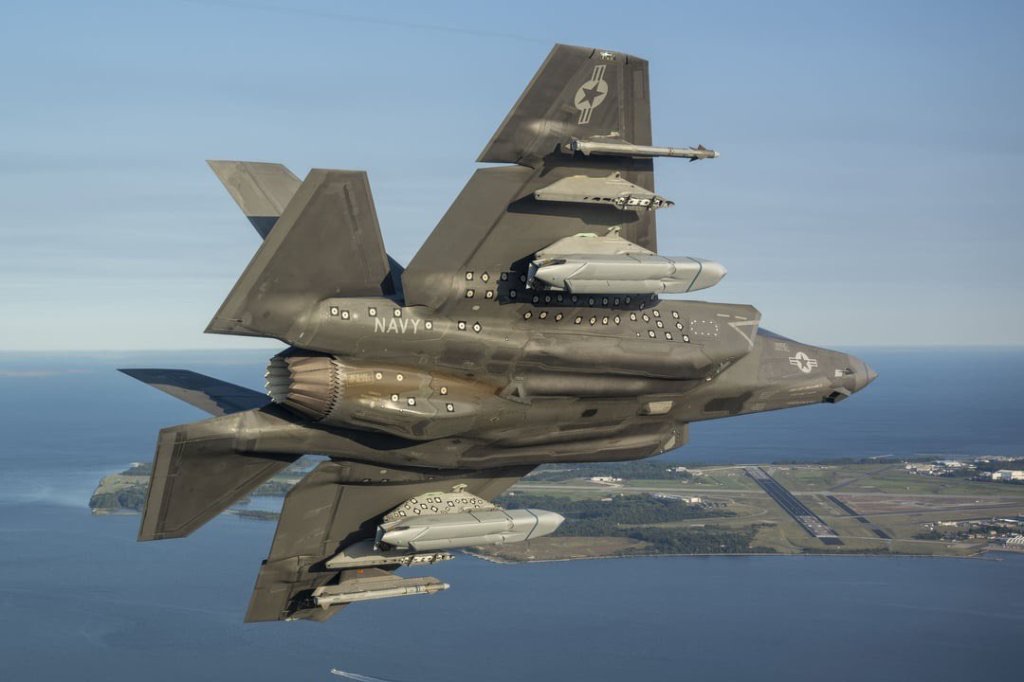

The LRASM has an incredibly advanced targeting and navigations suite and even more so for planned upgrades for this missile. The range of the LRASM depends on the block number. These numbers are also mostly estimates and going off of what public data is available, which is limited. The C-1 variant is listed as having a range of greater than around 200 nautical miles, the C-2 is said to be in the +500 miles range and the new C-3 they are working on is rumored to be in the 1000 mile range but is still in development. The C-3 of the future is supposed to be being developed with Artificial Intelligence integration which will allow data links between the missiles and allow them, according to John Keller from Military Aerospace Electronic, `advanced autonomous mission planning, target discrimination, and attack coordination, adjust flight paths based on real-time data, identify and track moving targets, and adapt to changing conditions like jamming and interference.
Adding this capability to the P-8 allows them to not only detect the enemy but to also engage them with the safety that range gives you.


 Global Conflict Reporting
You must be logged in to post a comment.