Early reports from USS Nimitz about the loss of two aircraft in the South China Sea area both from the aircraft carrier USS Nimitz.. An FA-18F Super Hornet and an MH-60R Sea Hawk helicopter were both lost in two separate incidents on Sunday.
Statement from US INDOPACOM.
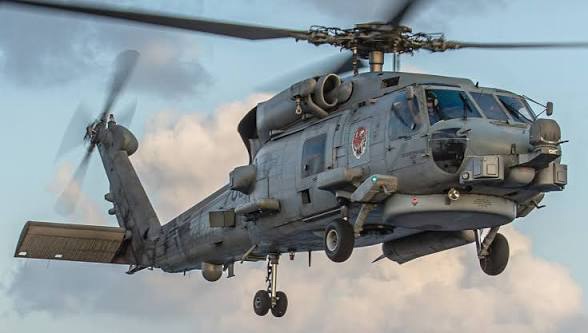
“At approximately 2:45 p.m. local time, a U.S. Navy MH-60R Sea Hawk helicopter, assigned to the ‘Battle Cats’ of Helicopter Maritime Strike Squadron 73 went down in the waters of the South China Sea while conducting routine operations from the aircraft carrier, reads a statement from U.S. Pacific Fleet. “Search and rescue assets assigned to Carrier Strike Group 11 safely recovered all three crew members.”
MH-60 Seahawk with the Battle Cats’ of Helicopter Maritime Strike Squadron 73.
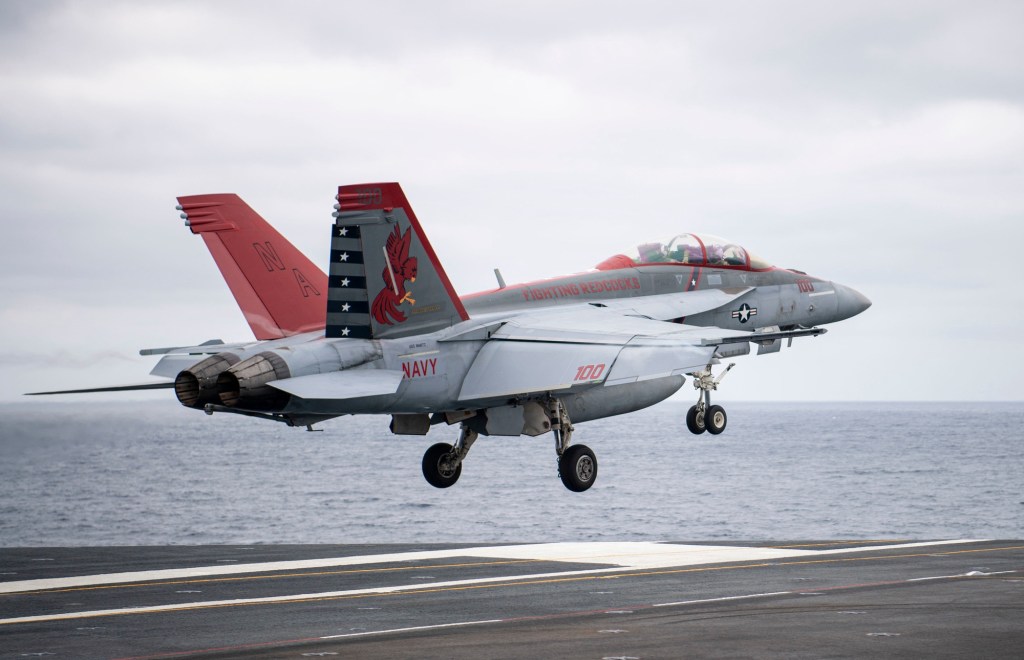
Following the incident, separately, at 3:15 p.m., an F/A-18F Super Hornet fighter assigned to the “Fighting Redcocks” of Strike Fighter Squadron (VFA) 22 also went down in the waters of the South China Sea while conducting routine operations from Nimitz. Both crew members successfully ejected and were also safely recovered by search and rescue assets assigned to Carrier Strike Group 11.
“Fighting Redcocks” of Strike Fighter Squadron (VFA) 22
GCR analysis.
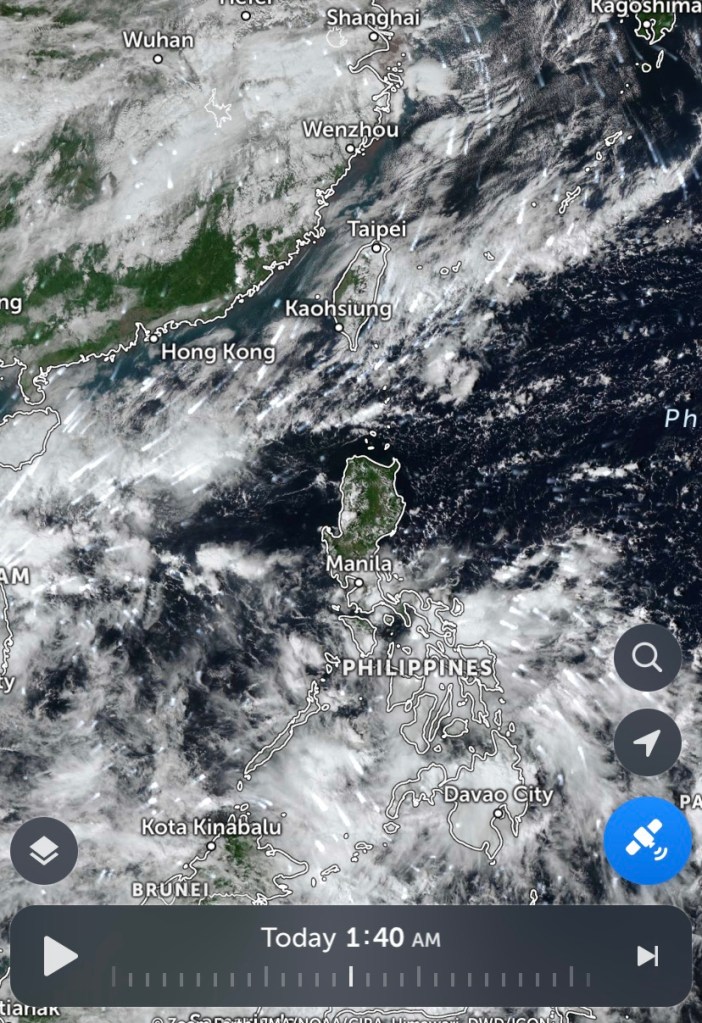
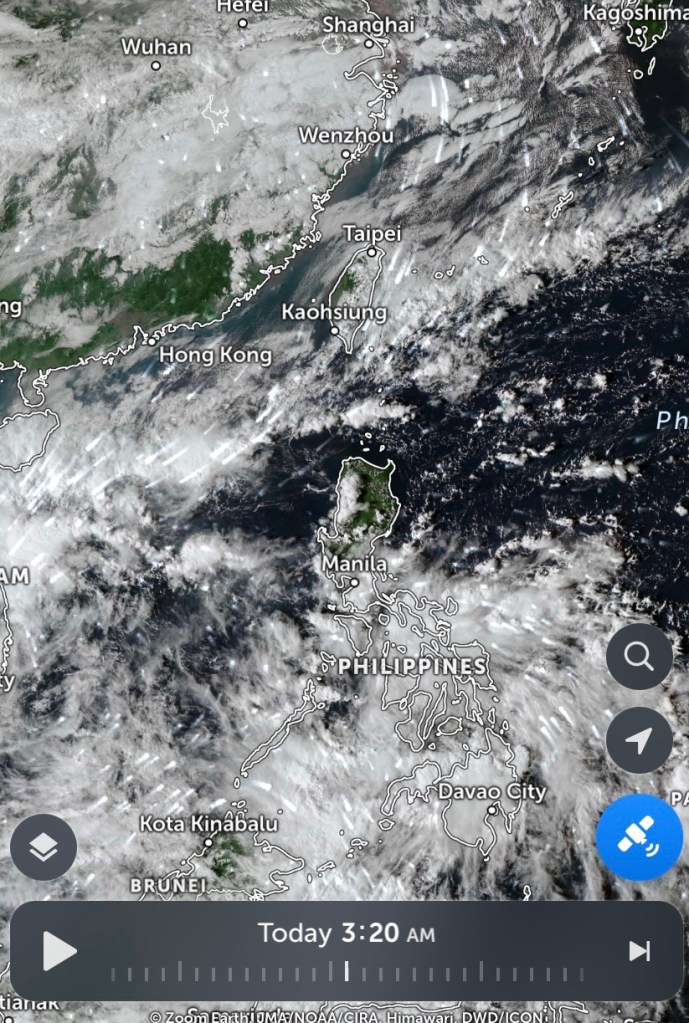
No word on specifics yet, if I had to guess I would say it was the nasty weather that just rolled through there. Image included.
South China Sea wind and weather around the time of the crash of the helicopter. The weather when the Super Hornet went down.
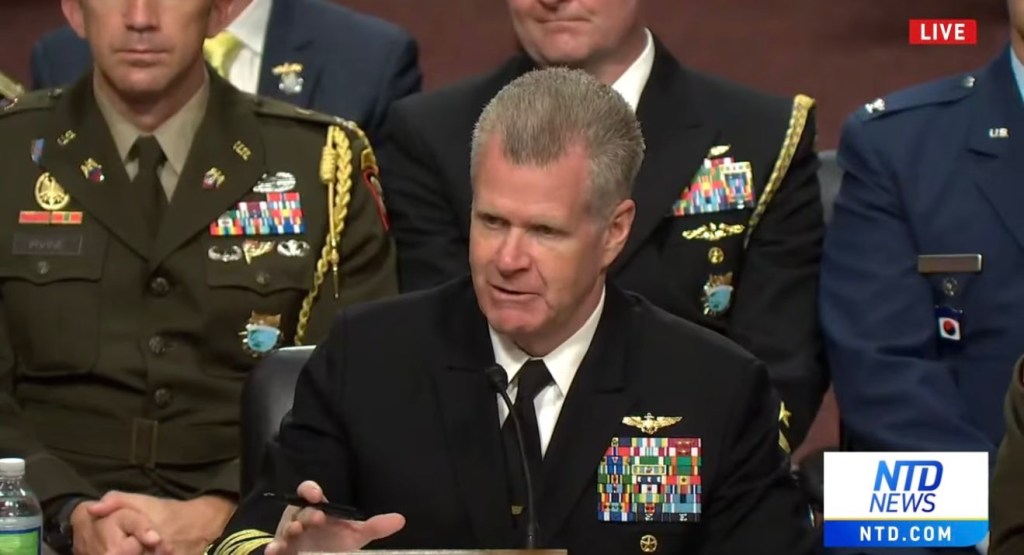
Two days ago GCR reported that a number of US cargo planes were moving equipment to the Middle East. We have some more information on that today after Admiral Samuel J. Paparo revealed today at a hearing with the Senate Armed Services Committee, that several Patriot battery’s had been taken from South Korea and the Indian Pacific Command (INDOPACOM) and transferred to Central Command (CENTCOM). The airlifts were cauteries out by dozens of C-17’s.
Admiral Samuel J. Paparo, Senate Armed Services Committee hearing.
INDOPACOM covers the pacific and Indian Ocean region and is one of the most important military commands for the U.S. as they struggle against Chinese territorial interest with Taiwan as well as other parts of the first island chain. CENTCOM on the other hand, covers the Middle East region and is currently carrying out operations against the Iranian backed Houthis in Yemen. US assets have been reported as being moved to the Middle East in a suspected threat to Iran. US president Donald Trump has made it clear that if negotiations aren’t started with Iran, concerning Irans nuclear program, bombs will be the next step.
While Iran has little in the way of modern aircraft capable of defending against these hypothetical US strikes, what they do have is hundreds of medium and long range ballistic missiles. High level officials from the Iranian government have made threats towards U.S. military bases in the region as well as the bases of anybody who could help the US with a strike on Irans. This is where the patriot systems come in.
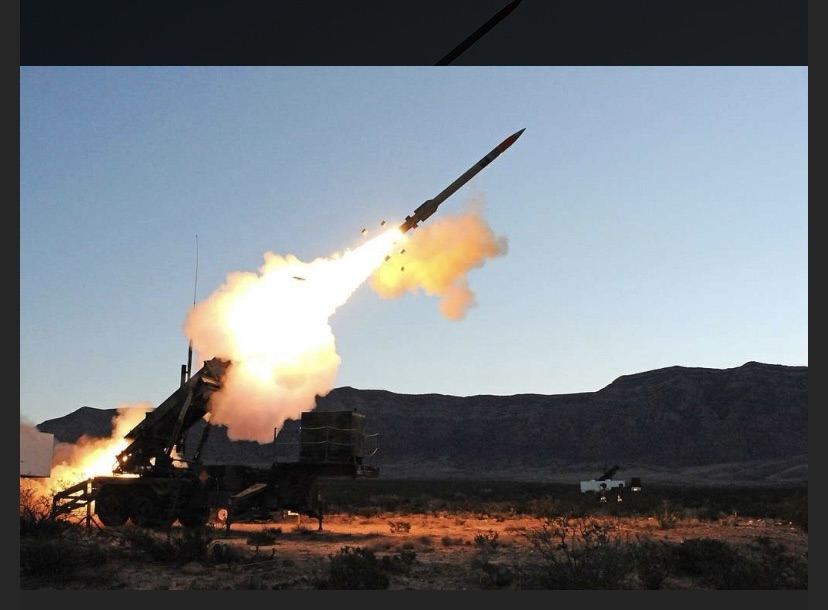
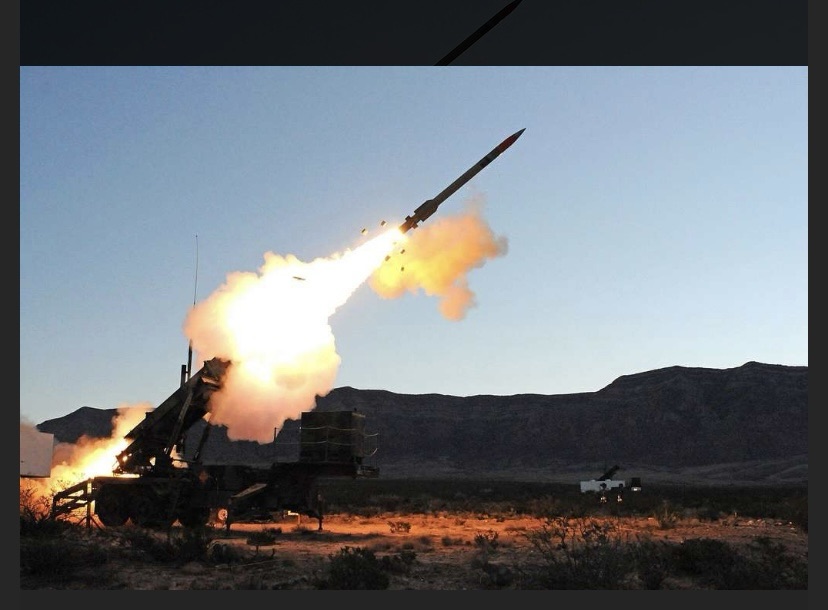
Patriot missile test
A patriot battery is made up of the following.
6-8 launchers
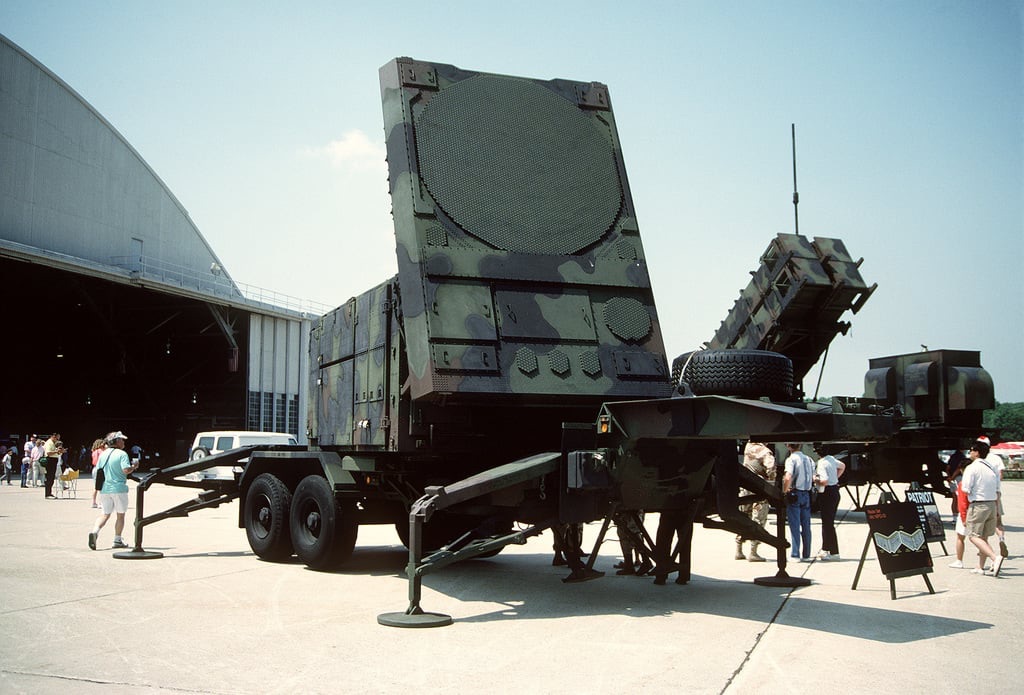
1 radar set (AN/MPQ-53 phased-array radar)
An Engagement Control station.
An Electrical Power Plant
And an Antenna Mast Group.
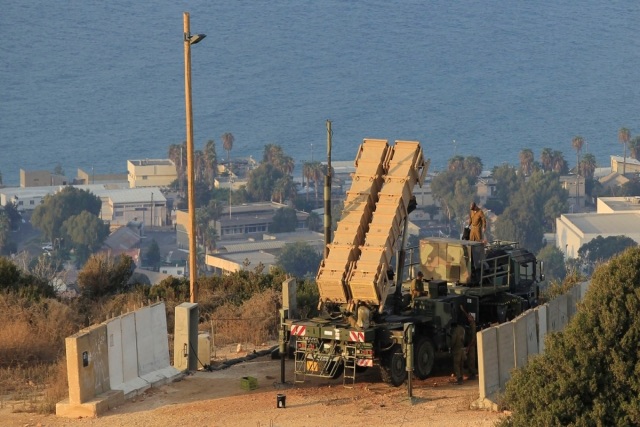
Patriot PAC 2 launcher in service in Israel. AN/MPQ-53 phased-array radar
A patriot battalion is made up of anywhere from 4-6 battery’s and 24-48 launchers as well as the single radar, power, and Fire Control Station each.
The Patriots in South Korea are apart of an I rig rated defense system and cover US assets in the country like Camp Humphreys in Pyeongtaek and Osan Air Base.
South Korea has asked the U.S. Department of Defense to temporarily deploy substitute assets, such as alternative air defense systems or combat aircraft, on a rotational basis to cover the hole left in their air defense network with the removal of these systems between February and March. The Patriots are expected to remain in the Middle East for the next at least six months.
The U.S. has dozens of bases and locations in the region that could come under fire in the near future as tensions rise in the region. Iran has already threatened US forces as a retaliation for a possible strike on Iran’s nuclear facilities. Jordan, Saudi Arabia and Israel all have their own defense networks (some supplemented by THAAD and Patriot systems.)
Thank you for reading. I hope you get as much out of what I’m doing here as I get out of making these reports. If so I would invite you to join my Patreon. Doing that would help me more than I can describe. I’ve kept it as cheap as possible to become a member. It’s only a $1.00. However a dollar from even half of my Facebook followers would be a life changing amount of money for me and for this page.
Audio content coming very soon. I’m also looking for interesting people to interview. If that’s you, contact me through my email.
Thank you for all the support over the years. Here’s to many more.

 Global Conflict Reporting
You must be logged in to post a comment.