Tag: Drone Warfare

  • Ukraine Continues Assault on Russian Oil Industry.

    Ukraine Continues Assault on Russian Oil Industry.

    Early this morning, Ukrainian drone forces launched an attack on the Rostov-on-Don region of Russia, starting a large fire at a facility connected to the Novoshakhtinsk Oil Products Plant (also called NZNP or Yug Rusi). The facility isn’t the refinery but instead a riverside oil-loading terminal used to store and pump oil to ships on the Don River or trains. The Don River feeds out to the Sea of Azov and the Black Sea.

    The facility mostly handles oil products from the Novoshakhtinsk Oil Refinery, 46 miles to the north. This facility was also attacked back on September 25, 2026, and a large fire resulted from it. 
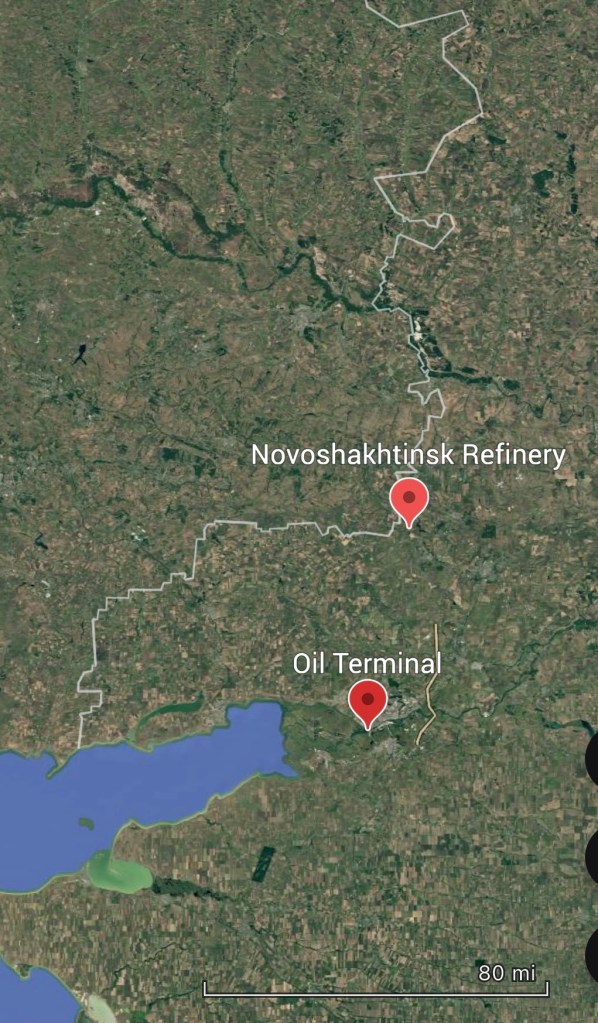
    Google Earth view showing the location of the Oil Refinery and the Oil-Loading Terminal.

     Videos circulating on multiple accounts on Telegram appeared to show large fires coming from the facility as well as thick smoke. 

    Ukraine has so far not taken credit for the attack. Russian authorities only admit that air defense was active this morning, but wouldn’t confirm damage to the site. 

    The location of the oil refinery can be seen below. It’s a large facility with room to grow. As mentioned before, the site has been targeted 5 times before, most recently on September 25, 2026.
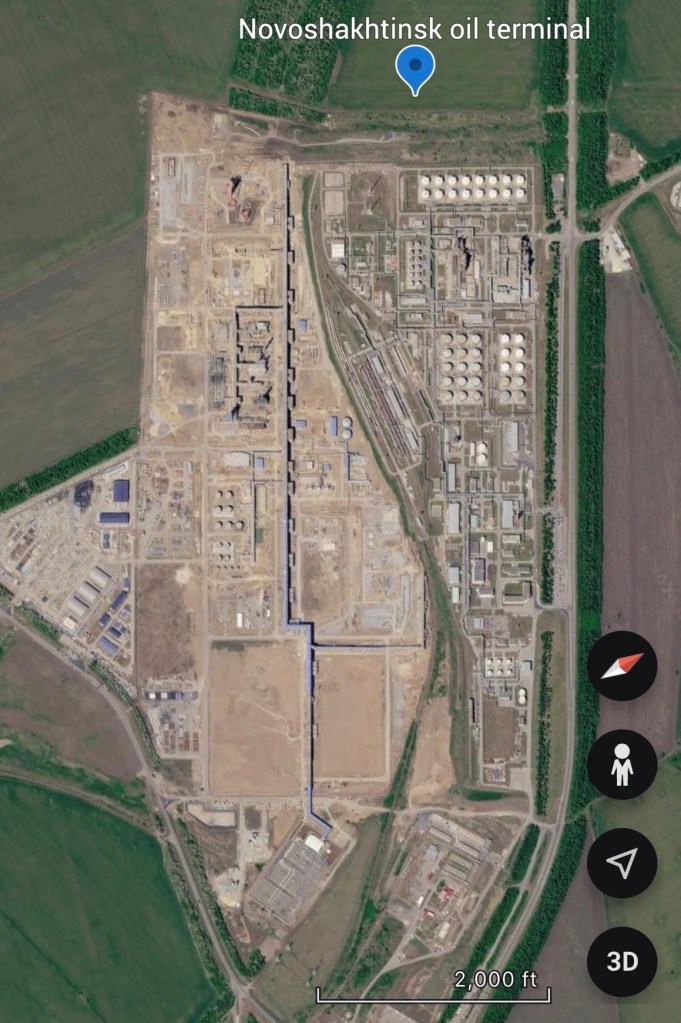
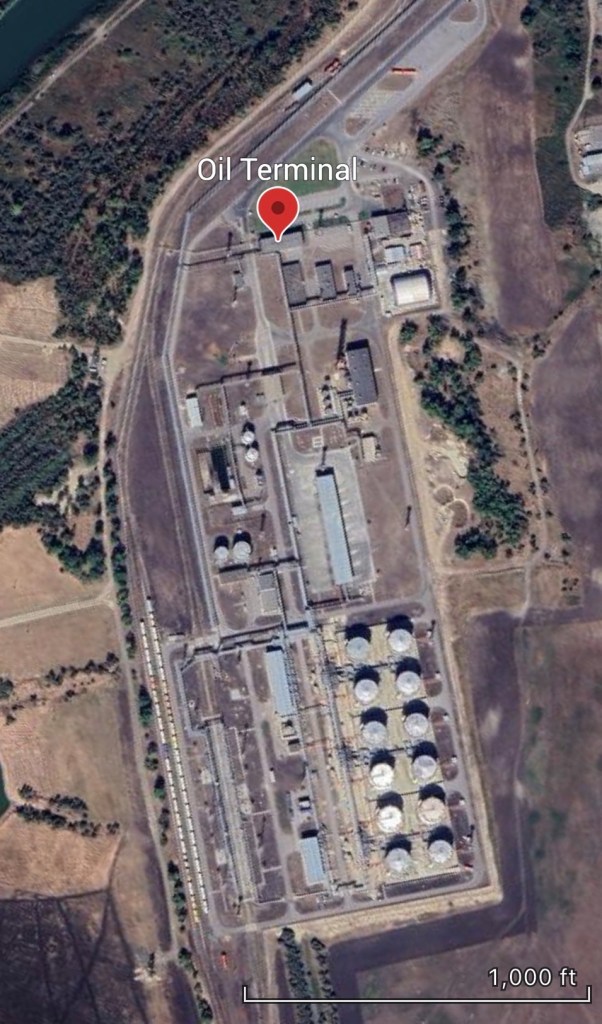
    Google Earth image of the Novoshakhtinsk Oil Products Plant (NZNP)
    The Oil-Loading Terminal

    The site is one of the larger refineries in southern Russia. The facility processes 5.6 million tonnes of crude per year. The site mainly produces fuel oil (mazut), furnace fuel, marine fuel, diesel, and straight-run gasoline/naphtha.

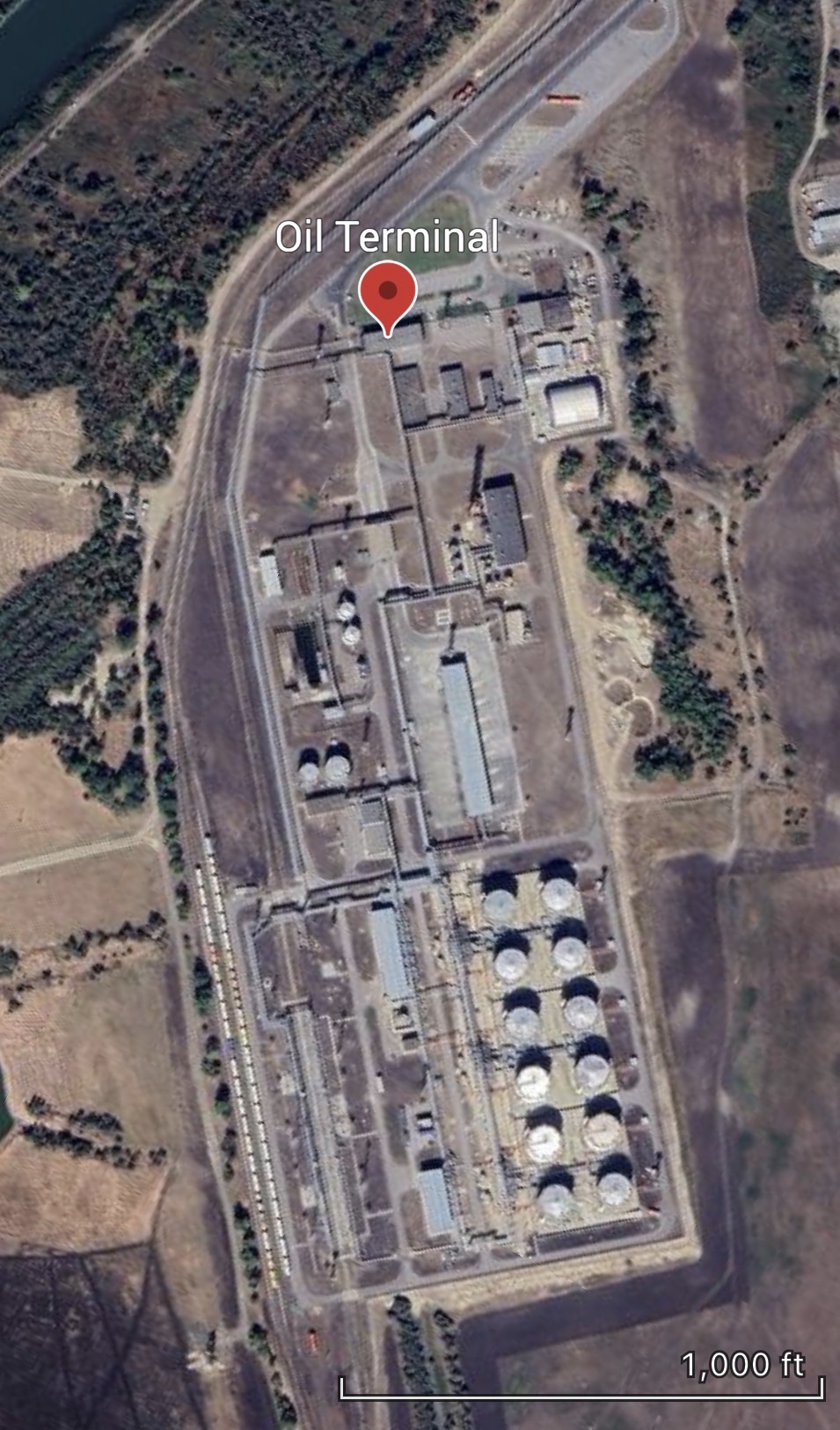
    The Oil-Loading Terminal (shown below) sits almost 50 miles away on the River Don and handles loading onto trains and river barges. Products go to domestic southern Russian markets, military supply, and export (including via the Sea of Azov).
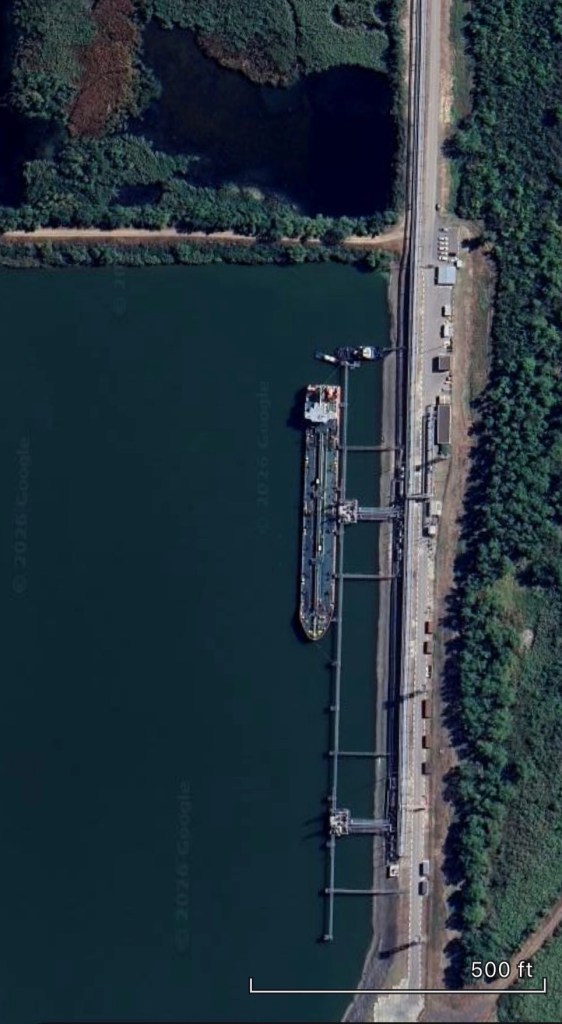
    Image shows the river loading terminal.

    This strike happened on the night of the day that U.S. President Donald Trump announced on social media a deal made with Russian President Vladimir Putin. The statement said that Russia will supply diesel to global and U.S. markets to help reduce fuel prices, leading to a temporary lift of US sanctions on Russian fuel.

    Ukraine’s President Zelenskyy argued that the deal would not help in achieving peace and would instead allow Russia to continue its aggression. Even many of Trump’s fellow Republicans have condemned this agreement, the details of which can be seen in Trump’s post below.

    U.S. President Donald Trump’s Truth Social post announcing the deal with Russia.

    Most of the criticism of the deal stems from the low amounts of product actually being sent. Energy analysts and experts have said that the U.S. alone uses approximately 3.6 million to 3.9 million barrels of diesel a day (or roughly 414,000 tonnes), making the first shipment enough to cover one single day of U.S. use. The other shipments are larger, but the whole deal total only covers 3-4 days of America’s diesel needs. 

    This deal reverses many of the sanctions put on Russia, at least temporarily. It gives Russia financial relief at a time when Ukraine feels pressure is more important.
  • Russian Oil Terminals Struck n the Coast of the Baltic. 

    Russian Oil Terminals Struck n the Coast of the Baltic. 

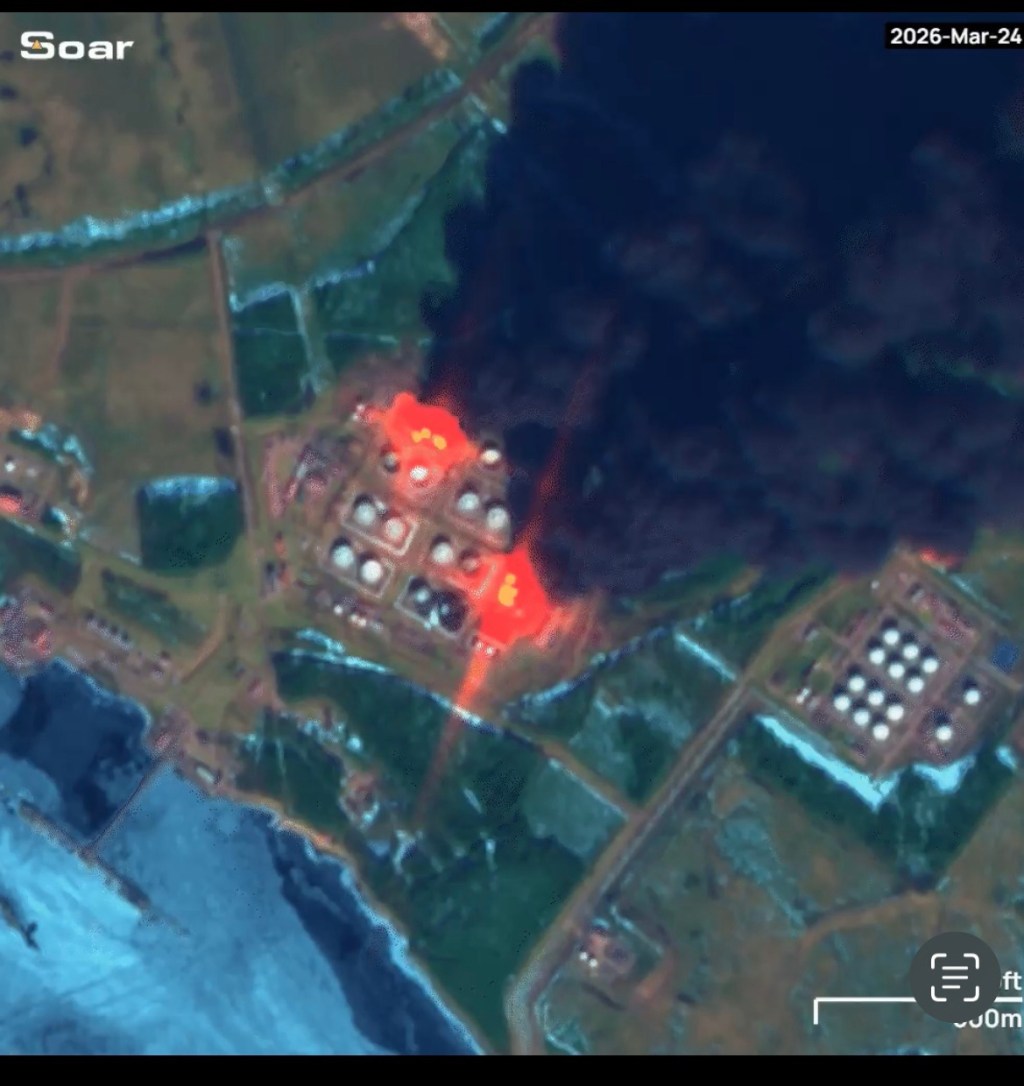
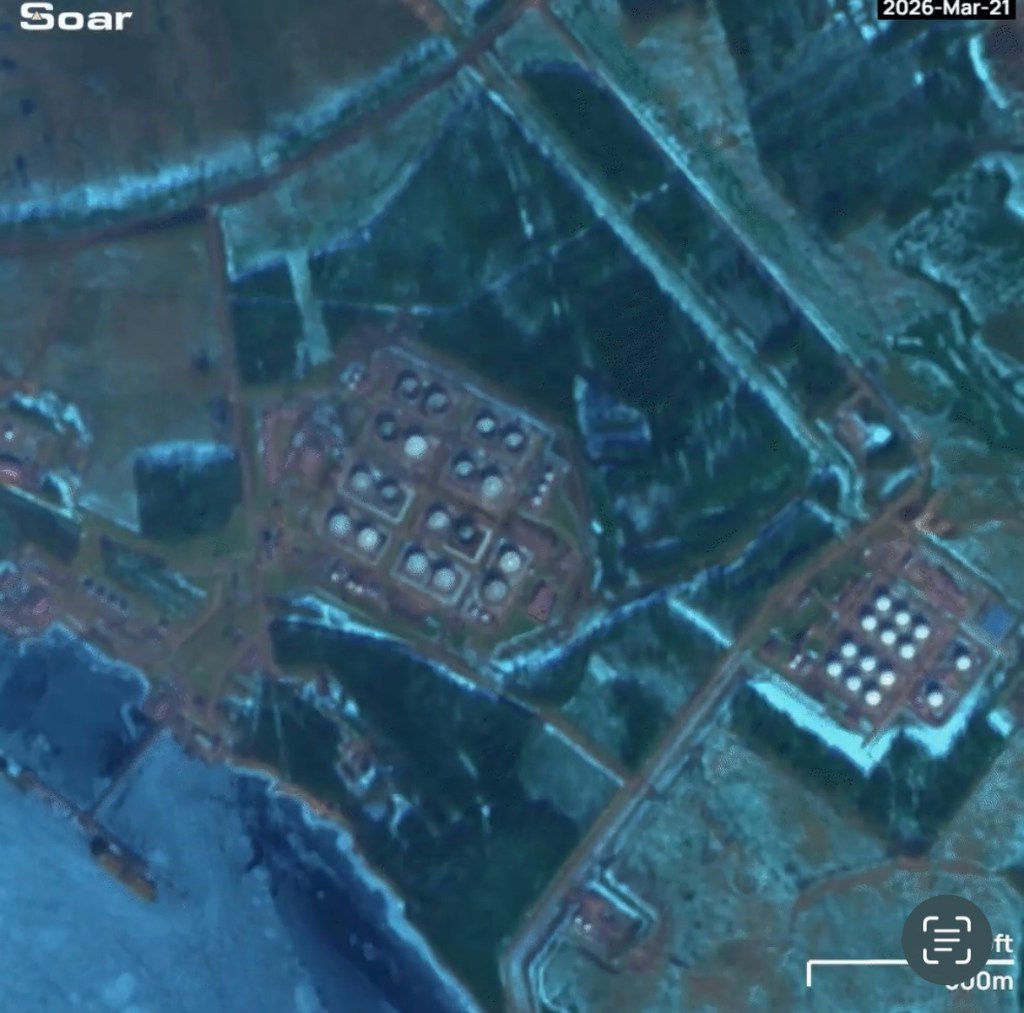
    On March 22nd going into the 23rd Ukraine launched a large-scale drone attack on the Primorsk Oil Port in the Leningrad region, in the coast of the Gulf of Finland. 

    Image taken March 21st 2026 of the Primorsk Oil Port shows the terminal before the strike.
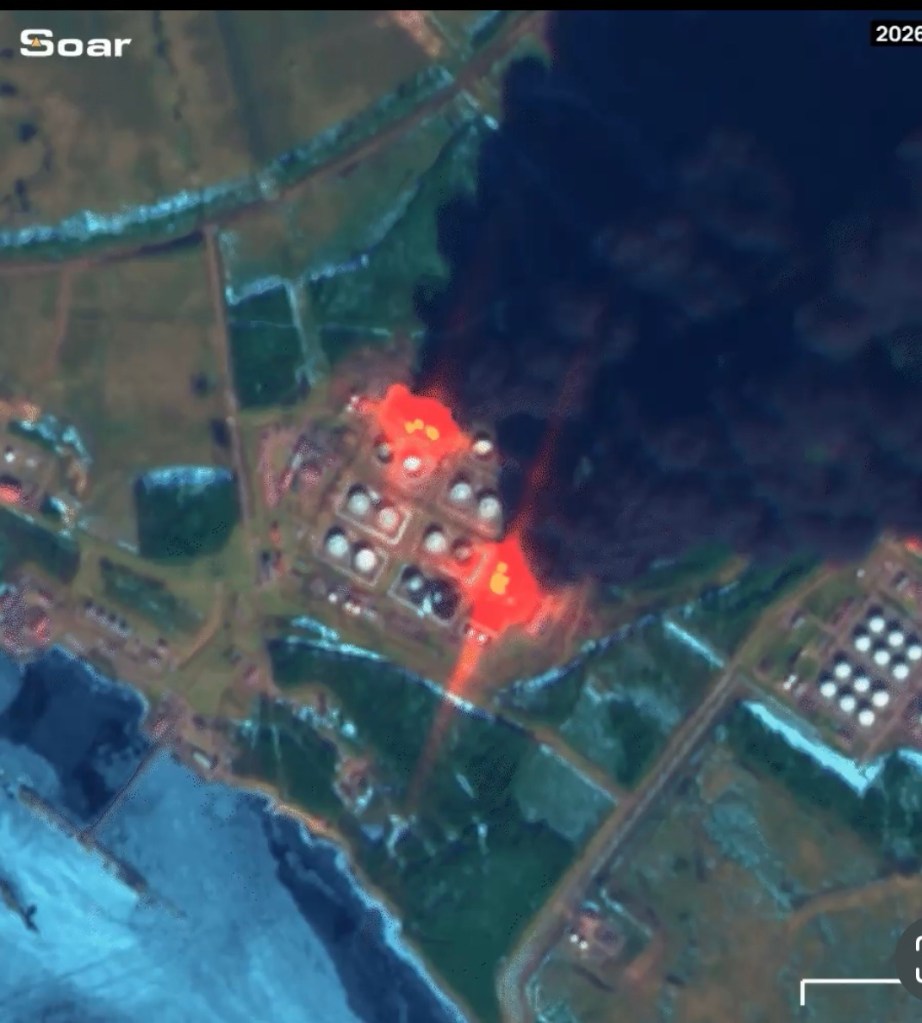
    Satellite image released by Soar and taken March 24th, 2026 shows the result of the attack with multiple destroyed and damaged oil storage tanks.

    Ukrainian forces launched a long-range coordinated attack using multiple Kamikaze drones which traveled through hundreds of miles of Russian air defense and struck the facility, damaging multiple fuel storage tanks in the compound. Leningrad Governor Alexander Drozdenko publicly confirmed fires in “several fuel reservoirs” and said emergency crews had been fighting the blaze while workers were evacuated. 

    The fires were still burning 48 hours after.

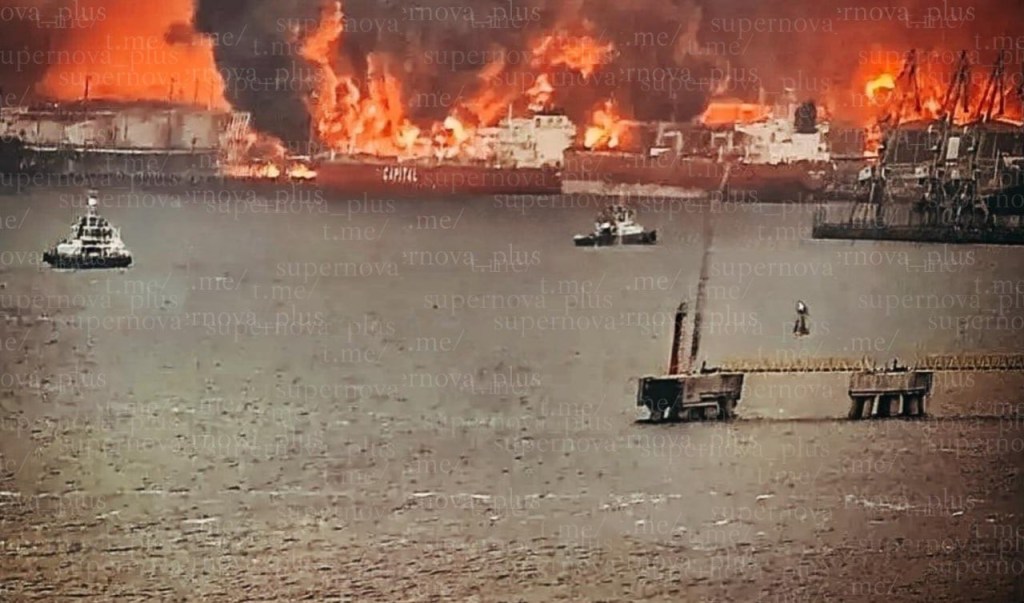
    An image taken after the attack on Ust-Luga.

    On the next night night a similar attack was carried out directly across the Gulf of Finland on the Ust-Luga terminal, along with many other oil production facilities in that general area in what Ukraine is calling the single largest night of drone attacks in the war. 

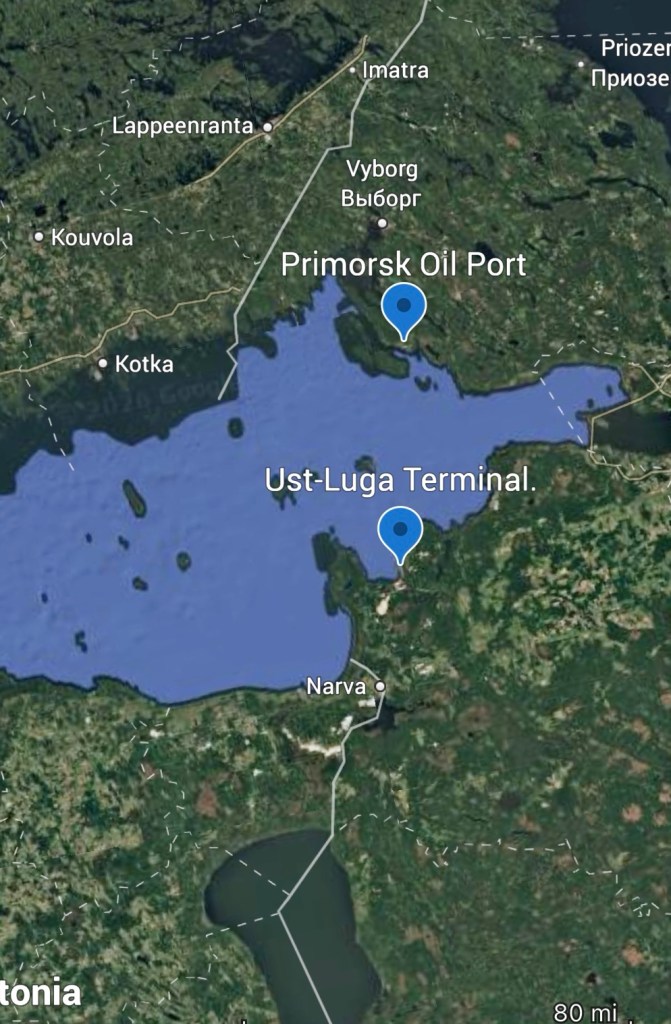
    No satellite images have been released yet but we’ve plotted out both locations on Google Earth to show the proximity of the terminals to each other.

    As of this month the attacks in Russia’s oil industry has caused a drop in exports by 40%. Ukraine is attempting to disrupt any Russian infrastructure that finances the ongoing war. Both sites halted production on Wednesday.

    Around the time the Ust-Luga site was hit, one Ukrainian drone landed in Latvia and one crashed at an Estonian power station without causing damage.

    A source that spoke to Reuters told them that the reserves had been lit on fire and that Ust-Luga had been sealed off.

    The attack damaged oil loading stands as well as the tanks. The tanks are a fairly easy thing to replace but the equipment to transfer the oil to the ships is more expensive and harder to get making these strikes more devastating than just hitting the oil.

  • Satellite images reveal the aftermath of Ukranian drone attack on Russian port.

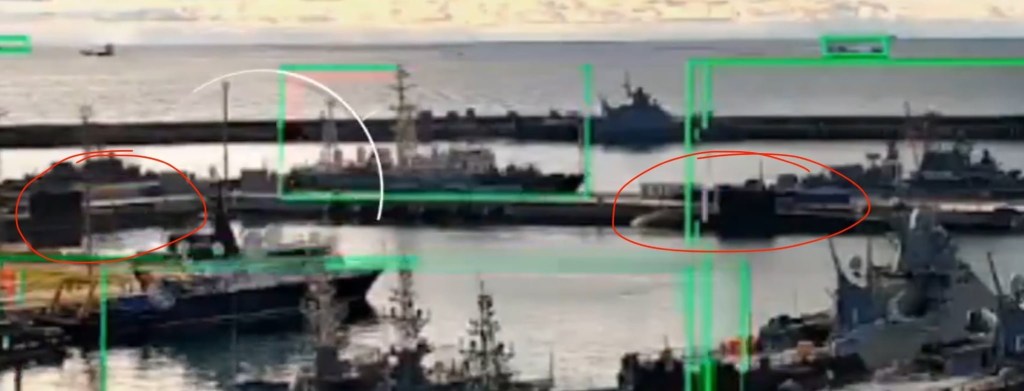
    Still frim the video shows the attack on the Russian port of Novorossiysk.

    By. Scott Jackson


    12/18/2025

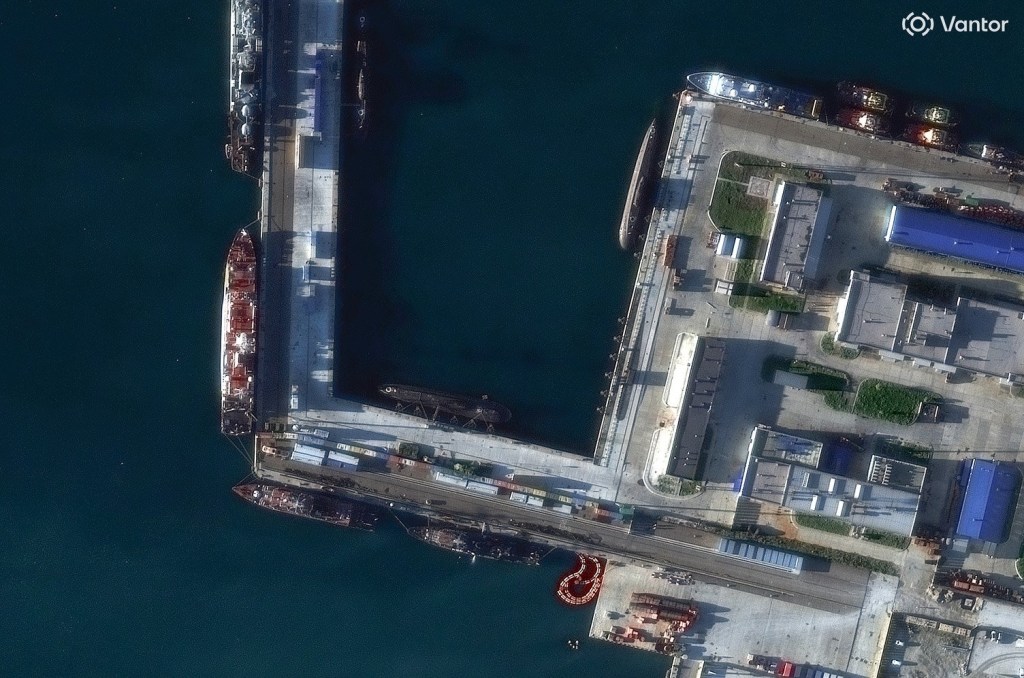
    Satellite images from December 16th show the aftermath of the Ukrainian drone attack on the port at Novorossiysk. 

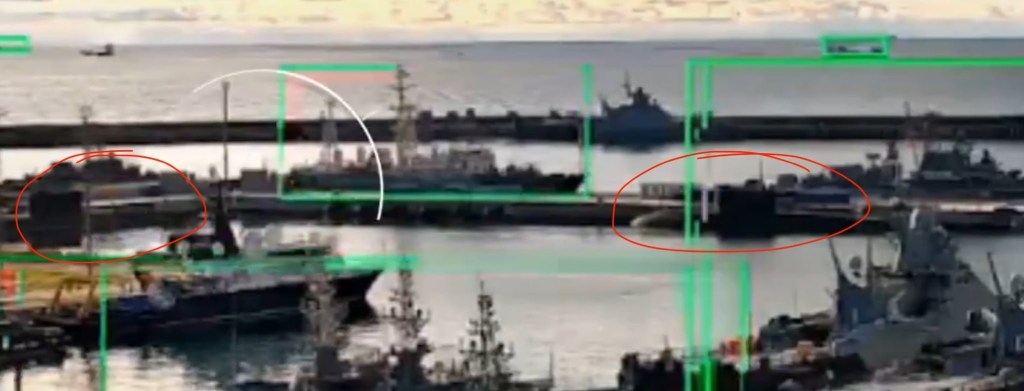
    On the 15th, Ukrainian forces launched an attack on the port of Novorossiysk. The attack was carried out by elements of the 13th Main Directorate of Military Counterintelligence of the SBU and the Ukrainian Naval Forces. The attack was carried out using a type of unscrewed submersible and appears to have been filmed from somewhere nearby. The video doesn’t show as much as you hope when looking at footage like this and that has led to some debate over the effectiveness of the strike.

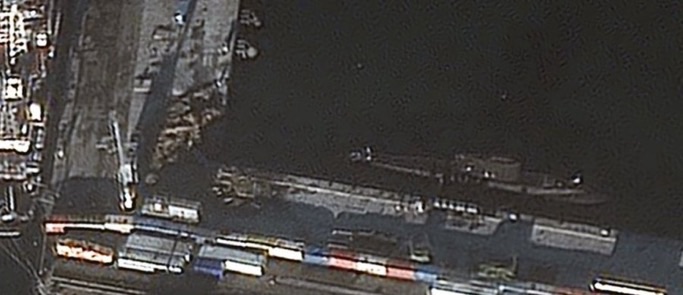
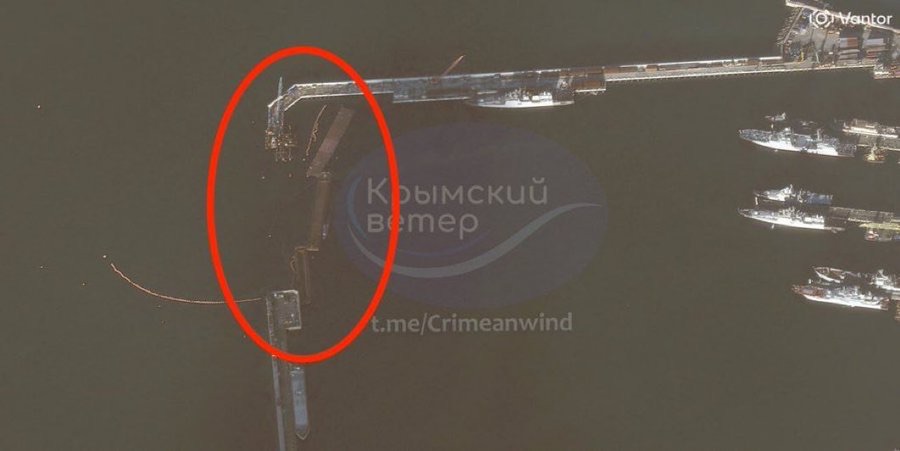
    The before and after image show a clear spot of damage to the pier where the explosion happened and it looks like most of the damage is focused away from the submarine. 

    Before the attack.
    After.

    Russia also put out a video showing what they claim to be the sub in the aftermath, however they don’t show any area that would have received more than minimal blast damage. 

    Twitter post with the Russian video showing the aftermath of the attack.

    Analysis

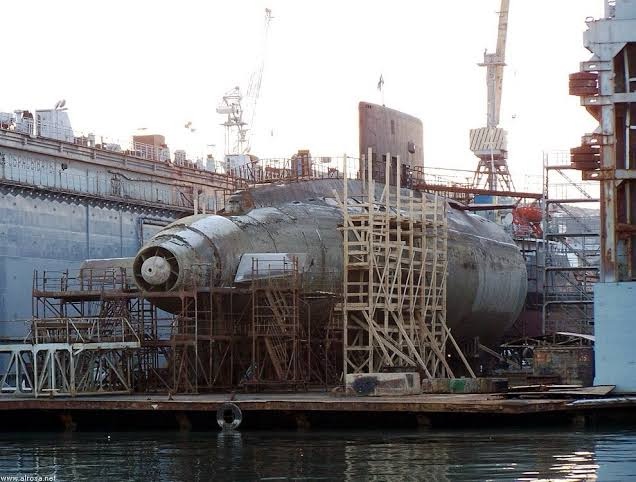
    It’s unclear from any of the photos or videos how much damage was sustained by the Kilo. After speaking with several submariner’s I’ve come to the conclusion that this attack failed at its intended goal. This subs depth rating is somewhere around 300 meters (984ft). At those depths and even half of those depth you have pressure put on the sub to keep it from imploding in on itself. Meaning sub hulls are built to withstand an immense amount of pressure. This explosion, with it not actually detonating on impact with the sub, preferably with some sort of shaped charge to punch through the hull, left the Kilo mostly undamaged. If the sub received any damage at all it’s going to be mostly superficial and able to be quickly repaired.

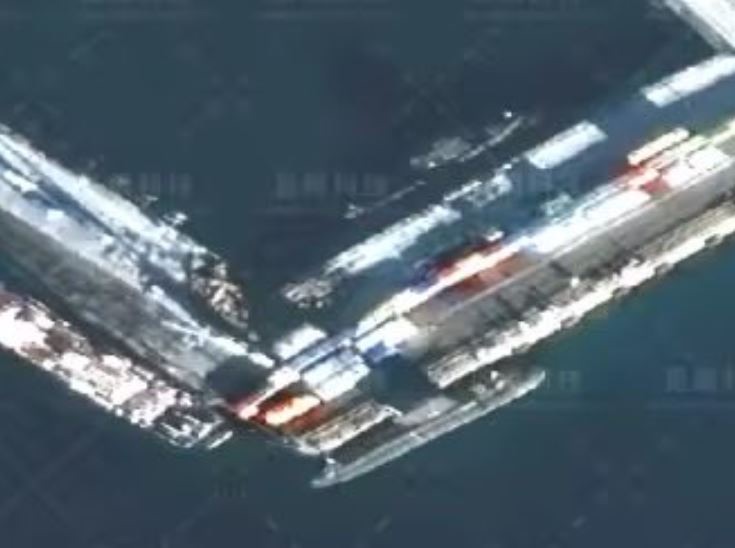
    One effect this strike had was the closing off of the port in Novorossiysk with barges in an effect to stop Ukraine from attempting the same trick twice. Now that the sub sea drone is operational, I expect more attacks on Russian sub- and surface vessels in the future.

    Novorossiysk port opening closed off with barges.