By. Scott Jackson
05/14/2025
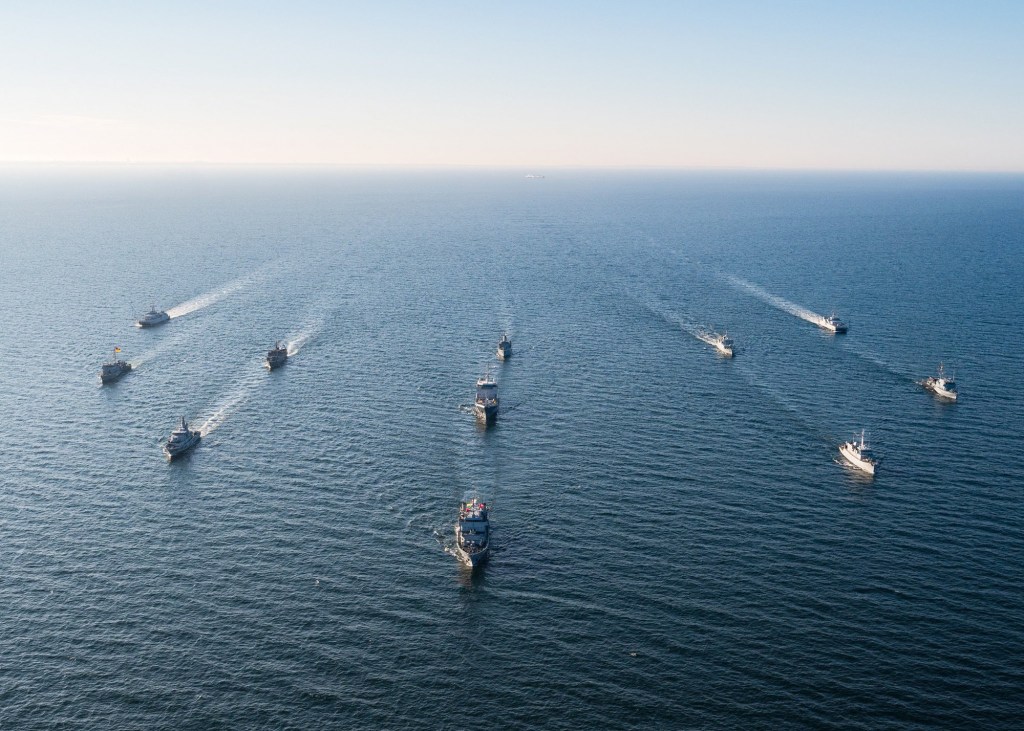
Over the past several days the North Atlantic Treaty organization or NATO has carried out a series of large navel focused exercises across the Baltic, North Atlantic, Mediterranean and Norwegian Seas.
For those who don’t know NATO is a military alliance between 32 member nations. Formed in 1949 as a way to provide collective defense to its members from the then perceived threat posed by the Soviet Union. It remained in place after the fall of the Soviet Union and the Warsaw Pact.
The fighting forces of of NATO are made up of the military’s of the nations that make up the treaty by rotating voluntary forces. However NATO keeps several permanent navel fleets standing as apart of NRF- NATO’s Response Force. The fleets are made up of mostly destroyers and frigates from rotating in from member nations with the supply ships used by the fleet being the only constant.
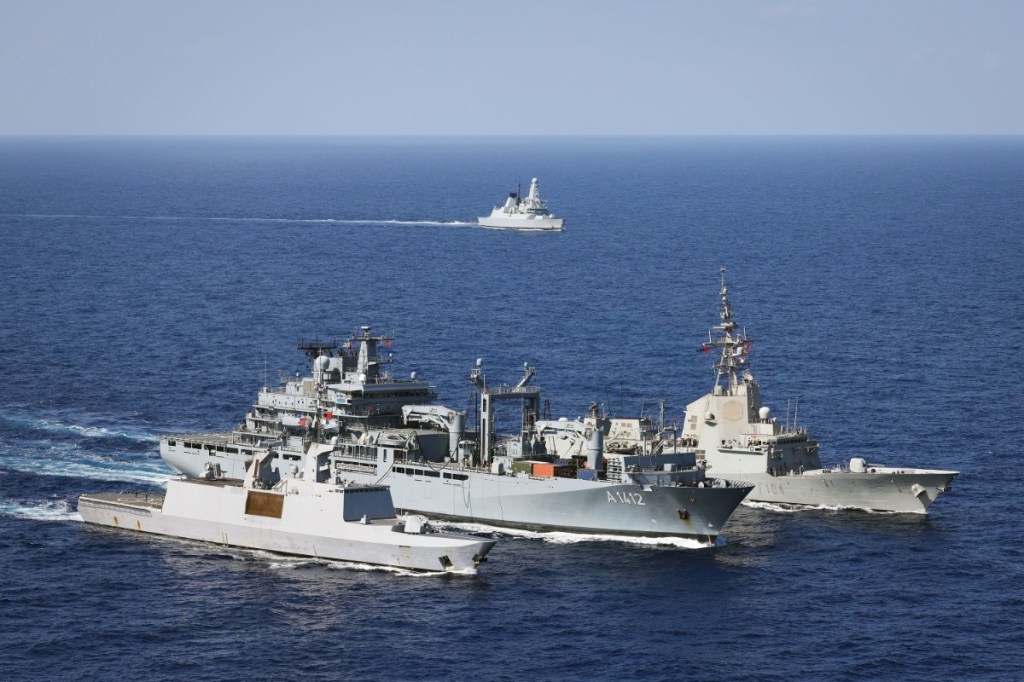
The past weeks exercises not only focused on their specific goals (which I’ll get to below) but showcased the just massive amount of firepower and capabilities that NATO and its combined nations can field. Let’s take a closer look.
Dynamic mongoose 25
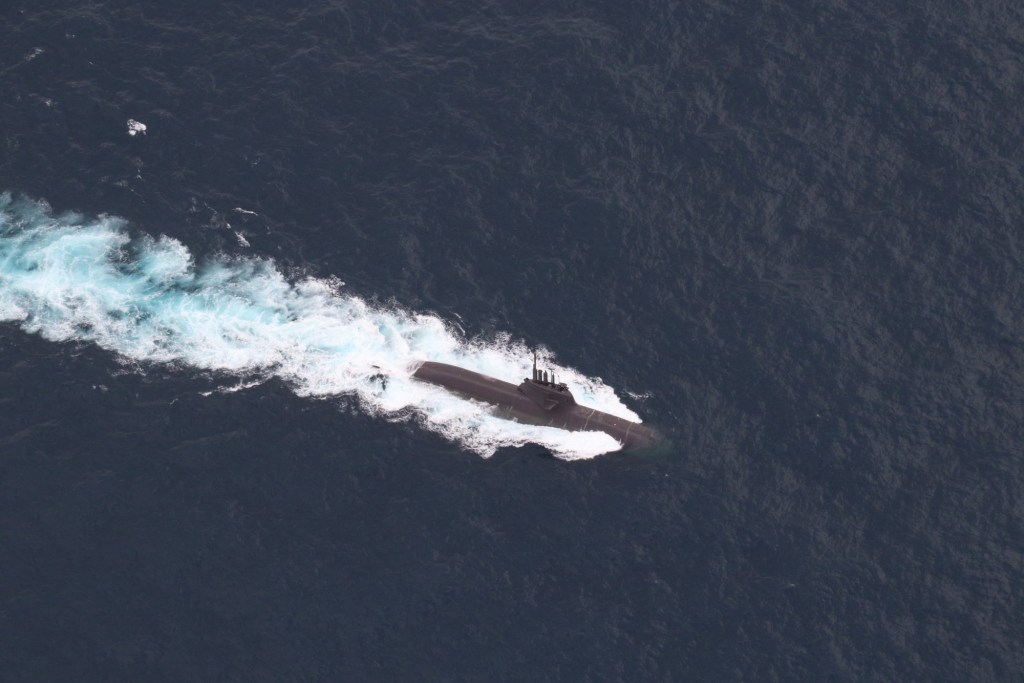
“Dynamic Mongoose is NATO’s largest and most intensive annual anti-submarine warfare exercise in Northern European waters. This year’s version, Dynamic Mongoose 25, has come to an end. It was both a great success and a memorable experience. With over 10 countries participating—with submarines, frigates, support ships, helicopters, Maritime Patrol Aircraft, and coast guard vessels—we have truly shown we are stronger together.”
Royal Netherlands Navy Commodore Arjen S. Warnaar, Commander of Standing NATO Maritime Group 1 (SNMG1)
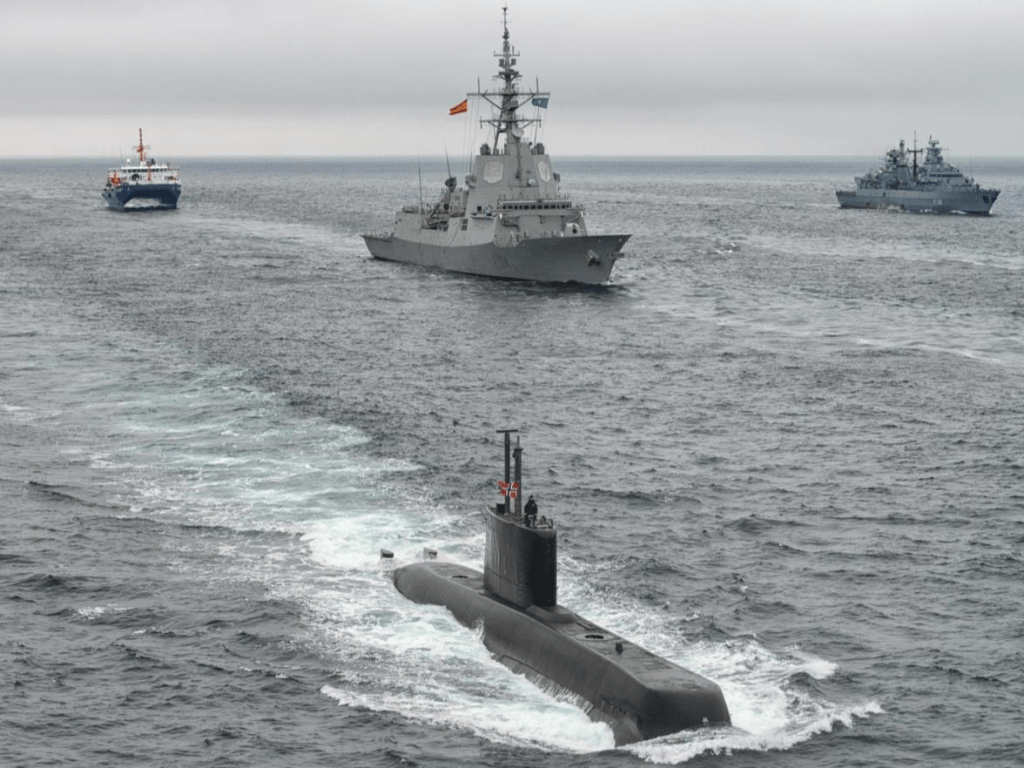
Brining together frigates, submarines, support ships and aviation maritime patrol craft Dynamic Mongoose is the largest ASW exercises conducted annually by NATO. The event was hosted by the Icelandic Coast Guard and involved personnel and equipment from more than 10 member nations all led by NATO’s Allied Maritime Command (MARCOM). Carried out in the waters of the North Atlantic the forces would carry out different scenarios all designed around Anti Submarine Warfare and all of its complexities. The event teaches the crews how different crews and assets with very different abilities can work together to solve problems.
Dynamic mongoose had the participating sides rotate through hunting and evading in complex undersea warfare scenarios in the challenging conditions of the North Atlantic waters.
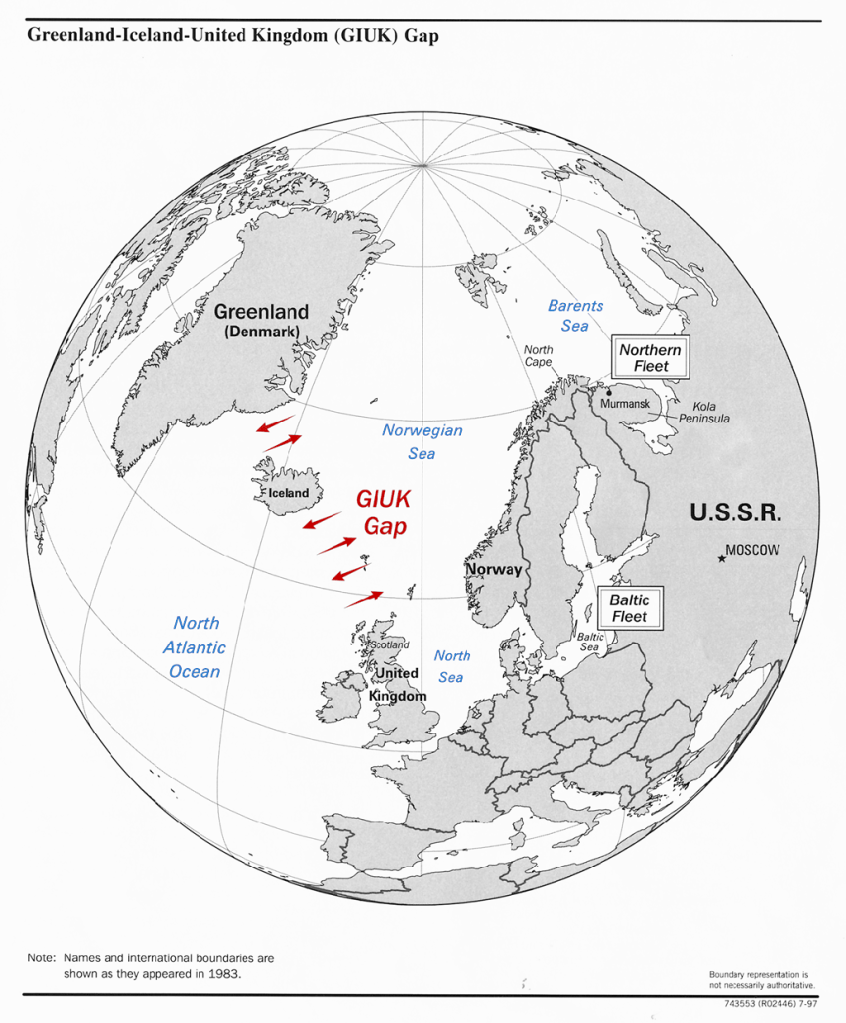
The GIUK-N Gap was a big focus for the event and is a key maritime corridor between Greenland, Iceland, and the United Kingdom/Norway. This event focused on an area that would be one of the most important areas should the capabilities become necessary. In a war between NATO and Russia for example, thag corridor would likely be a hot spot for submarines and has been considered strategically important since the beginning of the 20th century.
Formidable shield 25
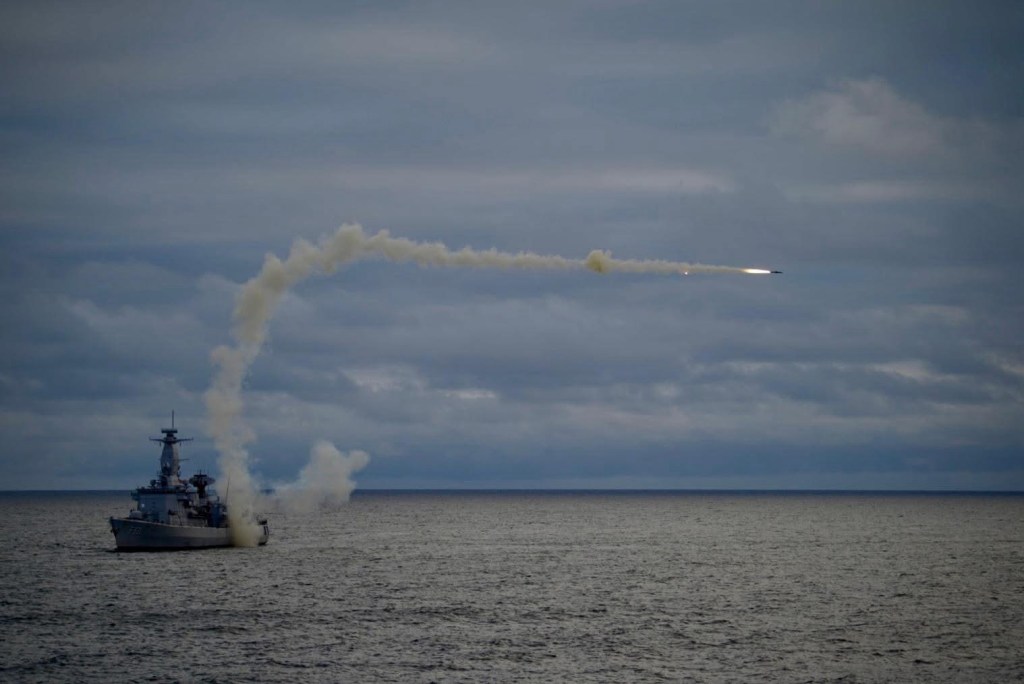
Participating nations include crews, ships from Belgium, Canada, Denmark, France, Italy, The Netherlands, Norway, Spain, U.K., and U.S. with the Australians providing a radar sensor for data collection only.
Formidable Shield is the biennially (During the odd numbered years) occurring largest live fire exercise carried out in Europe. This year the event was carried out from Norway and the United Kingdom and the North Sea and Atlantic.
This exercise focuses on Integrated air and missile defense among the different nations focusing on interoperability and the different procedures. In an overall defense plan, knowing your allies capabilities and their procedures and process is a positive. Learning what they can do, how do they do it, and how can everybody come together to strengthen everybody else.
This years event was carried out with the ships of the U.S. 6th Fleet and executed by Naval Striking and Support Forces NATO (STRIKFORNATO) and with participation from 11 member nations.
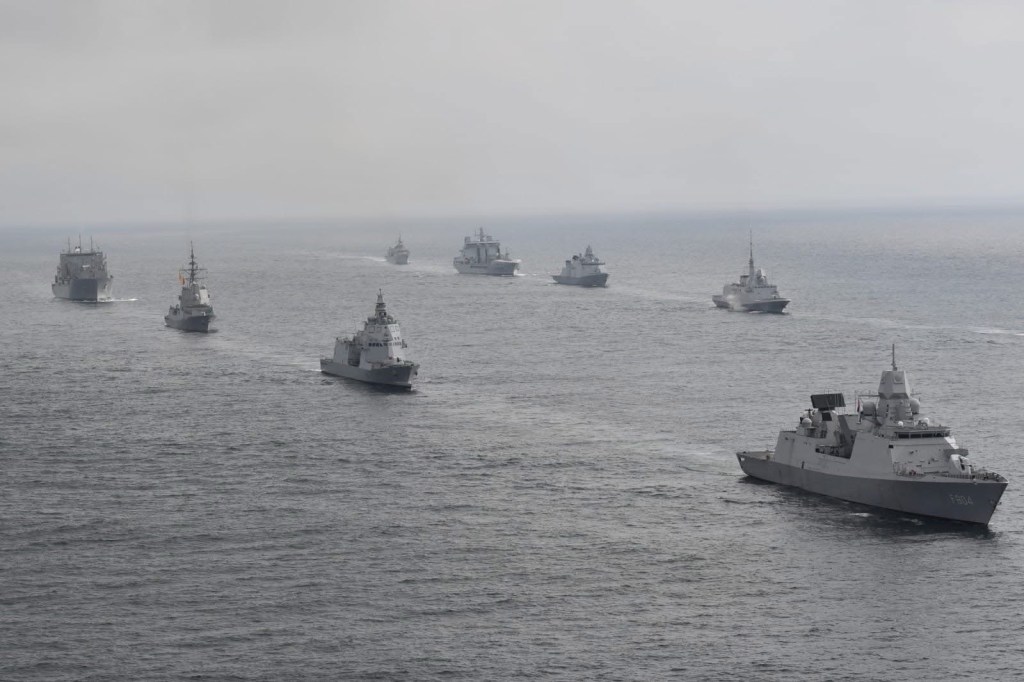
“There is simply no substitute for the training and learning that occurs when we operate in these intensely realistic scenarios…Training as a collective using NATO command and control reporting structure forges the bonds of interoperability and strengthens the alliance as a whole. Exercises like ASD/FS are critical for refining our collective integrated air and missile defense capabilities, ensuring we can respond effectively to any threat from any direction and maintain a credible deterrent posture.”
Capt. Michael Dwan, Commander, Task Group 154.64 and STRIKFORNATO’s U.S. Maritime Ballistic Missile Defense Assets Advisor
Netherlands Navy HNLMS De Ruyter (F804) De Zeven Provinciën-class guided-missile frigate served as the command ship for the event which will last for 3 weeks. During that time the participating ships will conduct live fire drills against unmanned drone and surface targets as well as subsonic, supersonic, and ballistic targets. Multiple nations ground based air defense systems will also be involved with the exercise.
The event is in part put together by UK defense company QinetiQ who supply alot of the targets that will be used as well as helps with range measurements.
Mediterranean strike
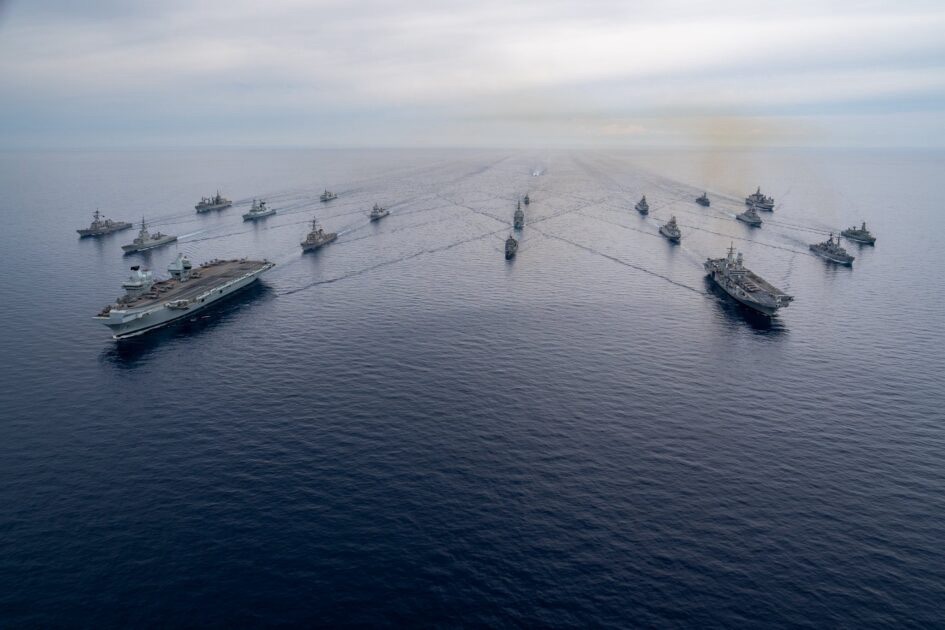
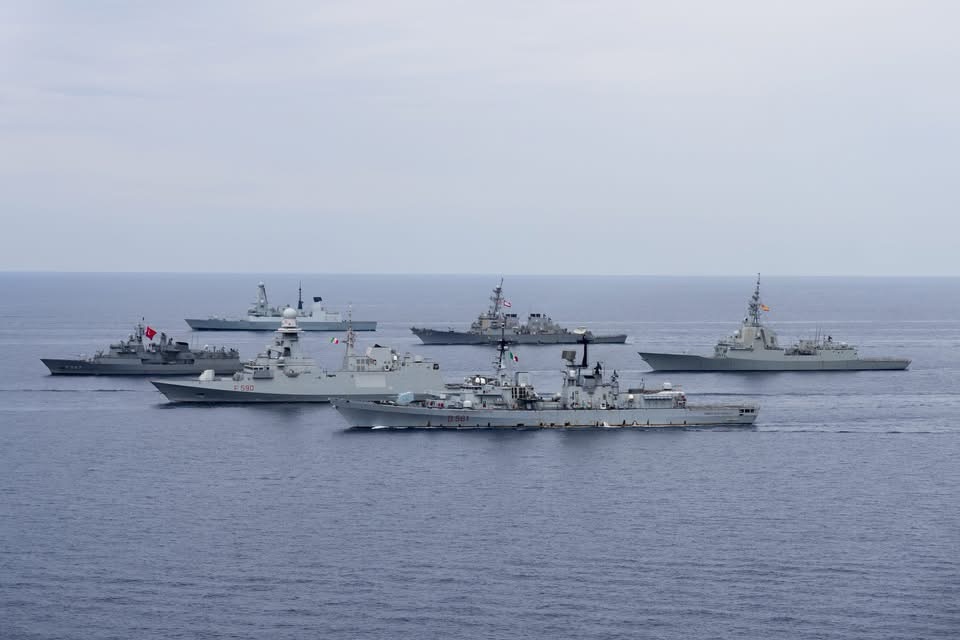
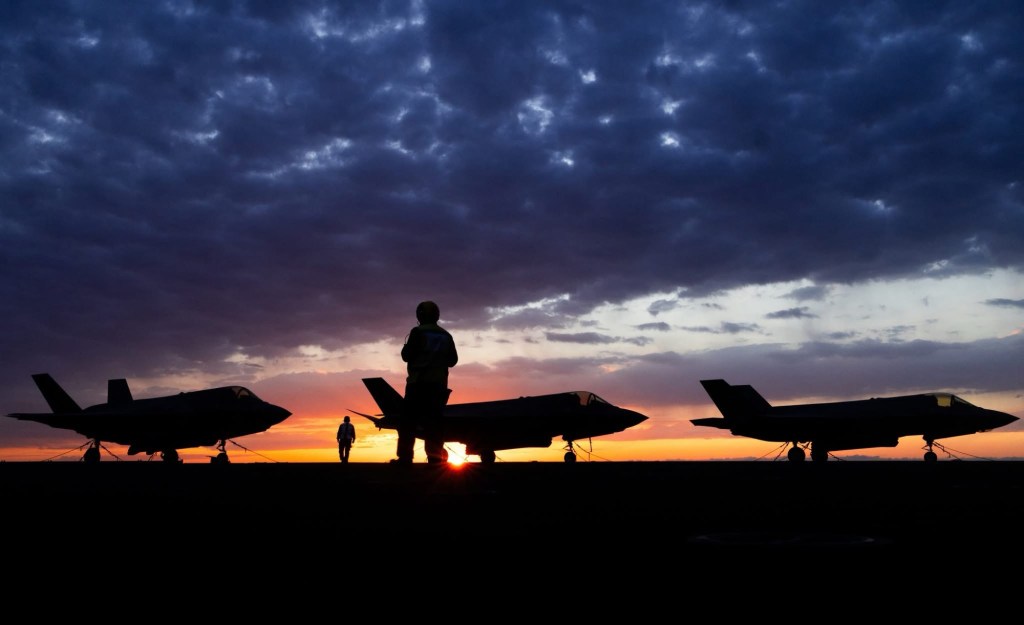
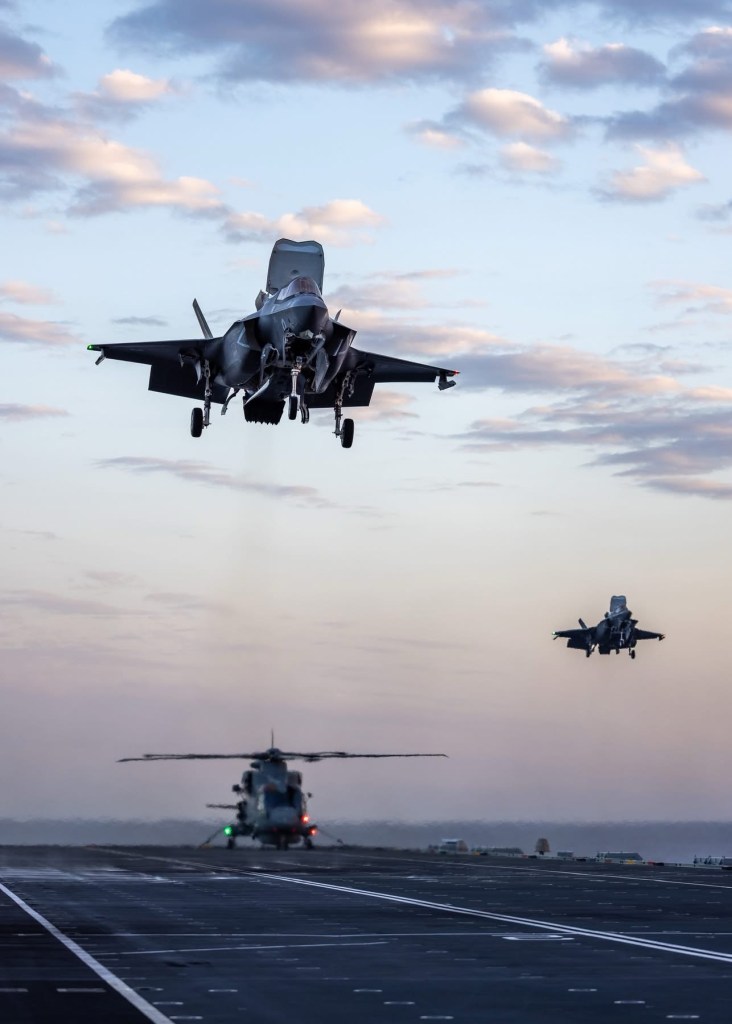
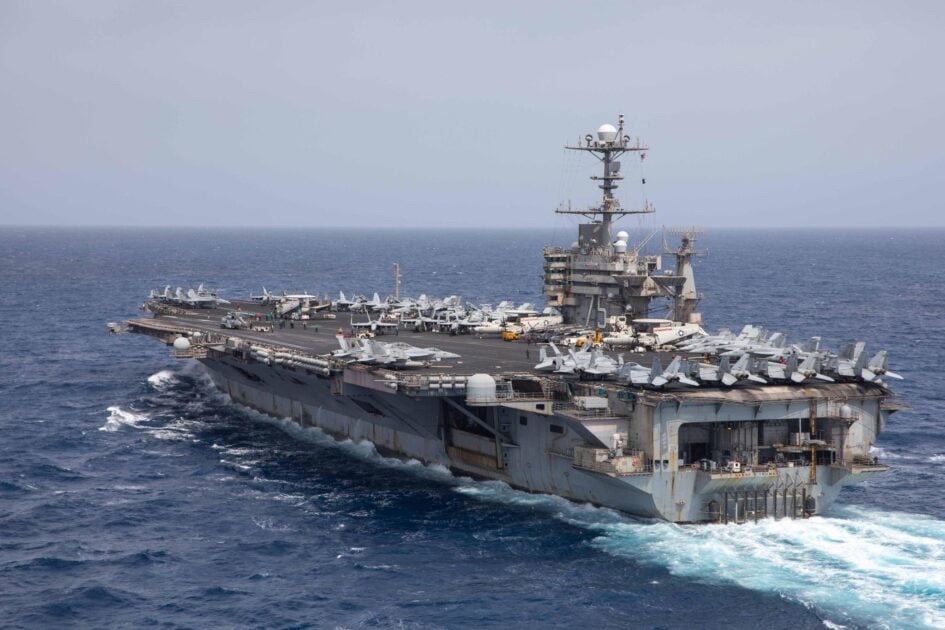
Med strike is a large exercise ptaking place in the Mediterranean. It’s brought together one of the largest military navel fleets seen in decades and includes, 21 ships from the UK and Italian navy’s. 3 submarines, 41 aircraft( half of which are F-35B’s) 19 helicopters and 10 maritime patrol aircraft and more than 8,000 crew and sailers.
Like most of these events this one has a large focus on multi-national cooperation between the different nations involved. Canada, France, Italy, Portugal, Norway, Spain,Turkey, UK and the United States. The participants will work together on several drills including, live fire exercises, air defense exercises, anti-submarine warfare, and drill covering defense against hostile drones. Also one drill will focus on cross deck flying between some of the F-35s utilizing both carrier decks for takeoff and landing.
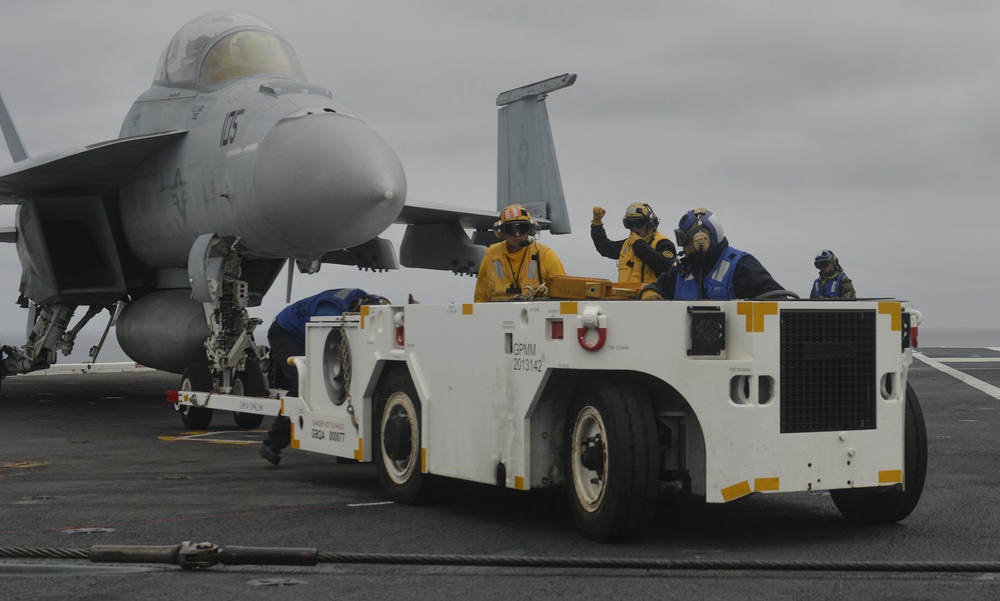
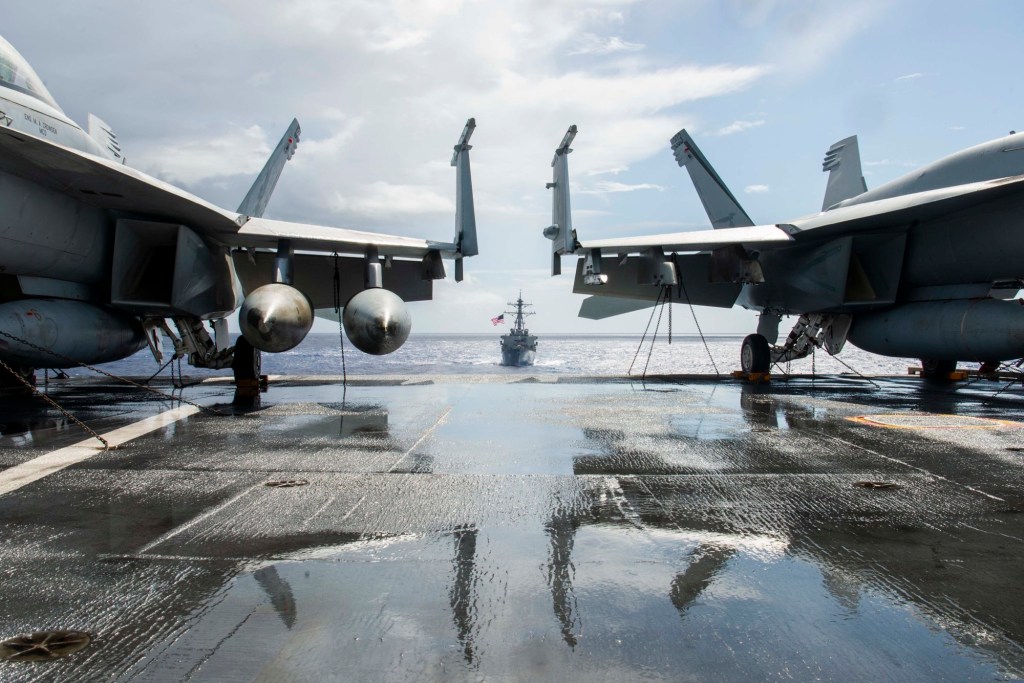
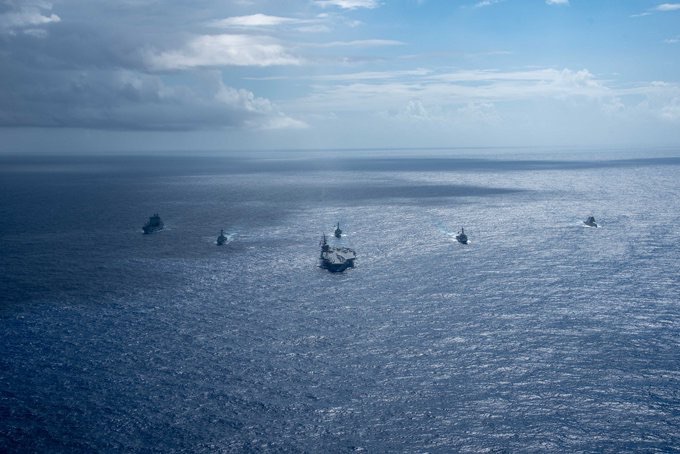
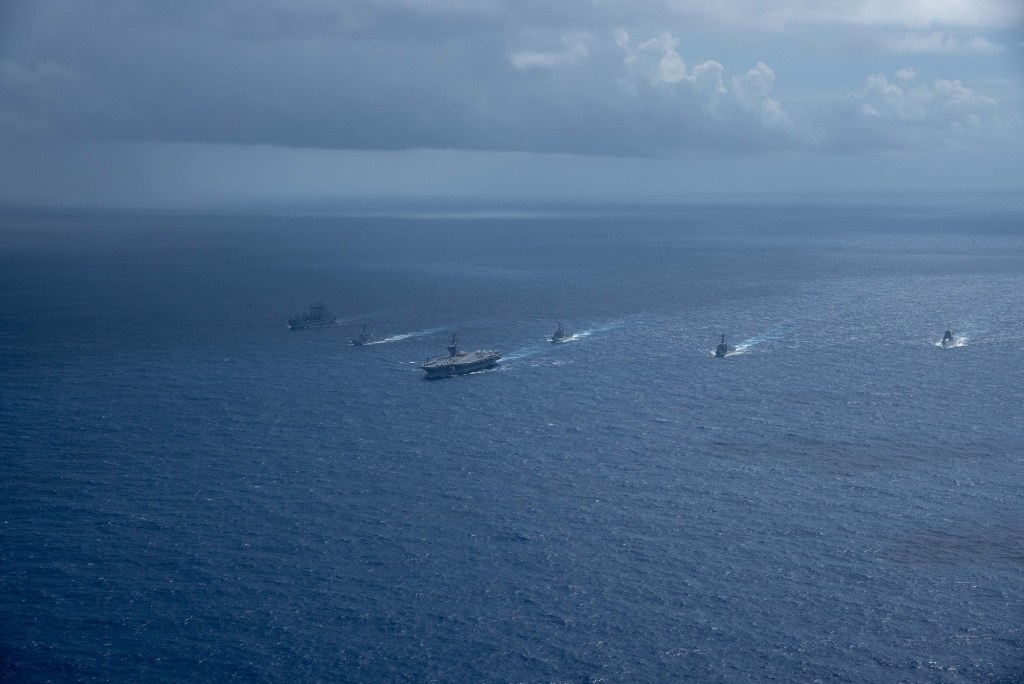
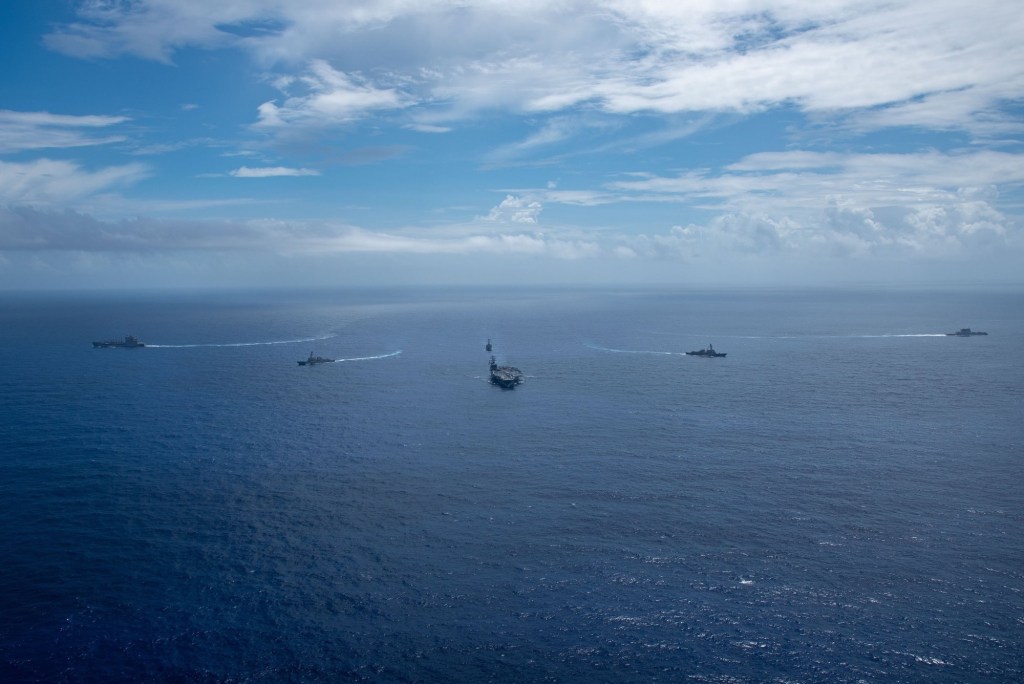
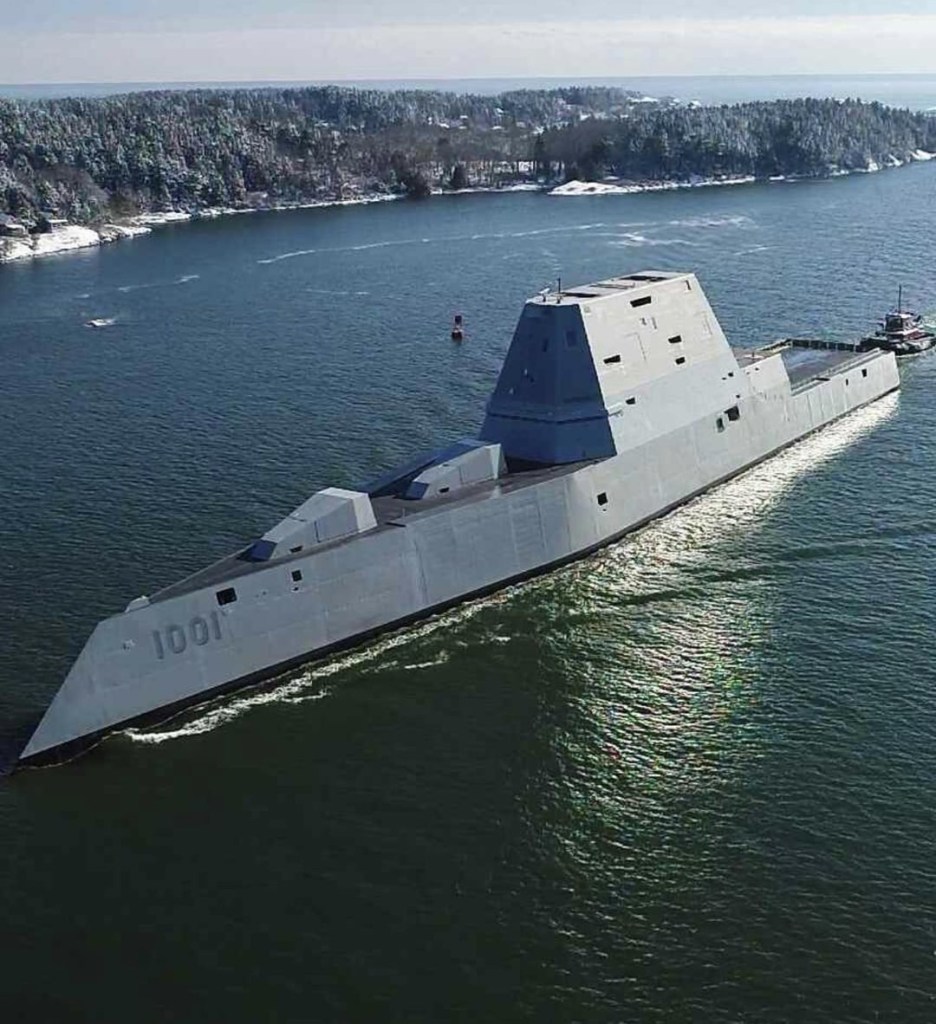
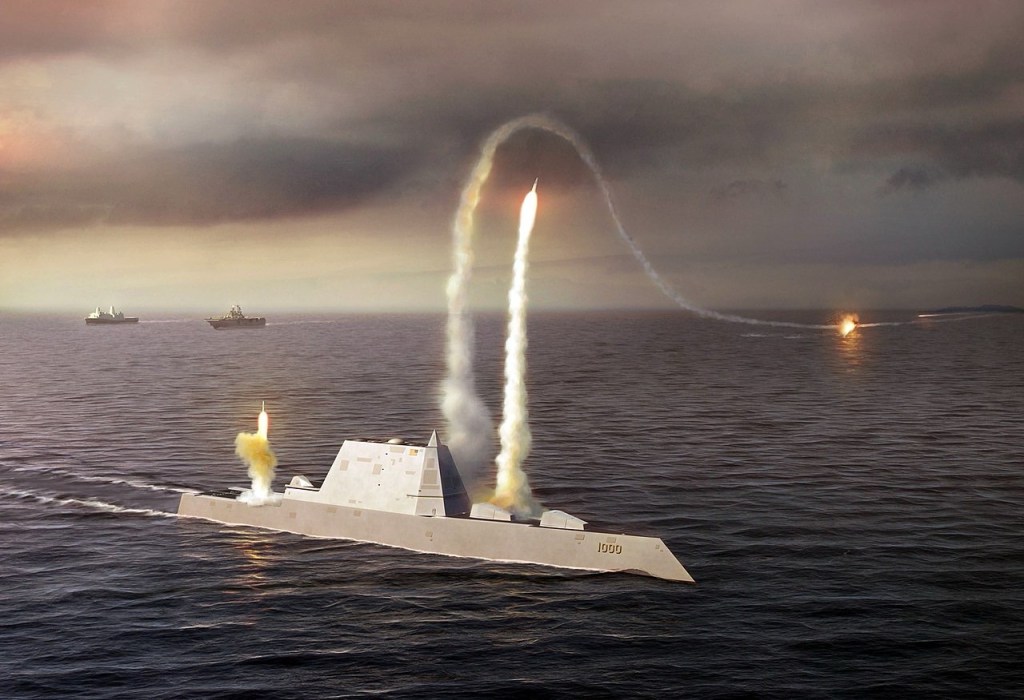
Some images from the exercise.
Open Spirit
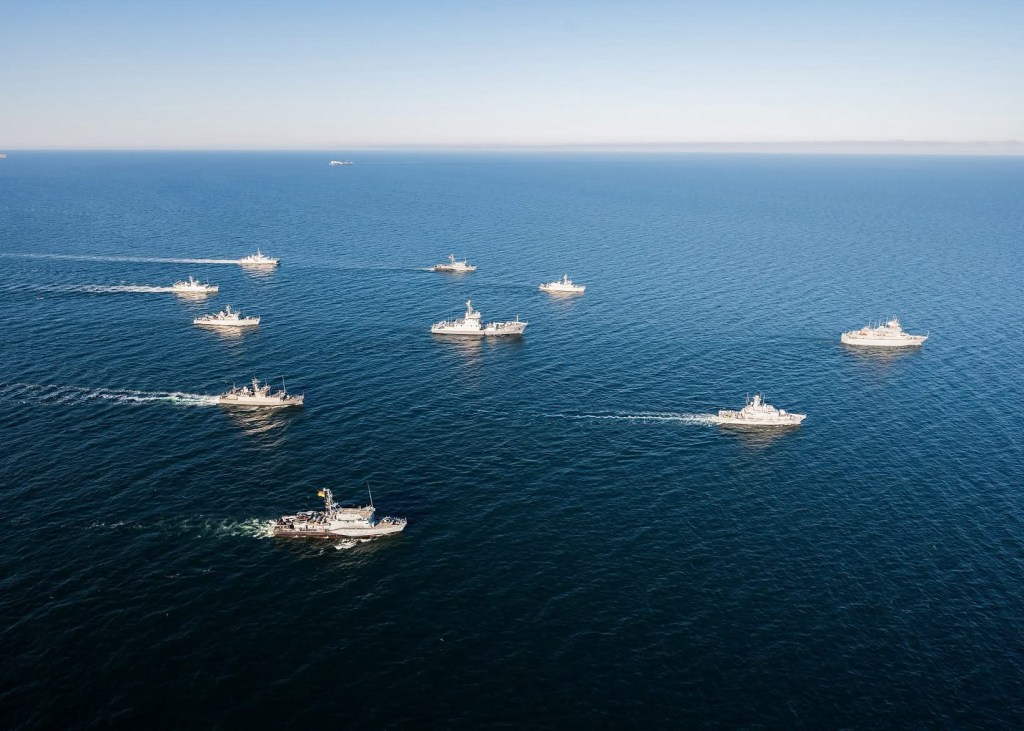
Open spirit is less of an exercise and more of a yearly operation however I thought I would mention it as well since it is happening now.
During the world’s two great wars, WW1 and WW2 the waters of the Baltic were heavily mined. Estonia, Latvia and Lithuania rotate yearly on leading this NATO event which see ships coming in to attempt to locate and destroy these “Historic weapons”. Last year’s event found around 40 weapons in the waters off of Estonia and was joined by a ship from the Finnish Navy for their very first NATO operation.
This year the focus will be on Lithuania and success is already at hand as the first of the years weapons have been found and disposed of. An explosive device was located some 38 nautical miles from Klaipėda port gate, in Lithuania by French minesweeper FS Andromeda which is currently sailing with Standing NATO Mine Countermeasures Group 1 (SNMCG1)
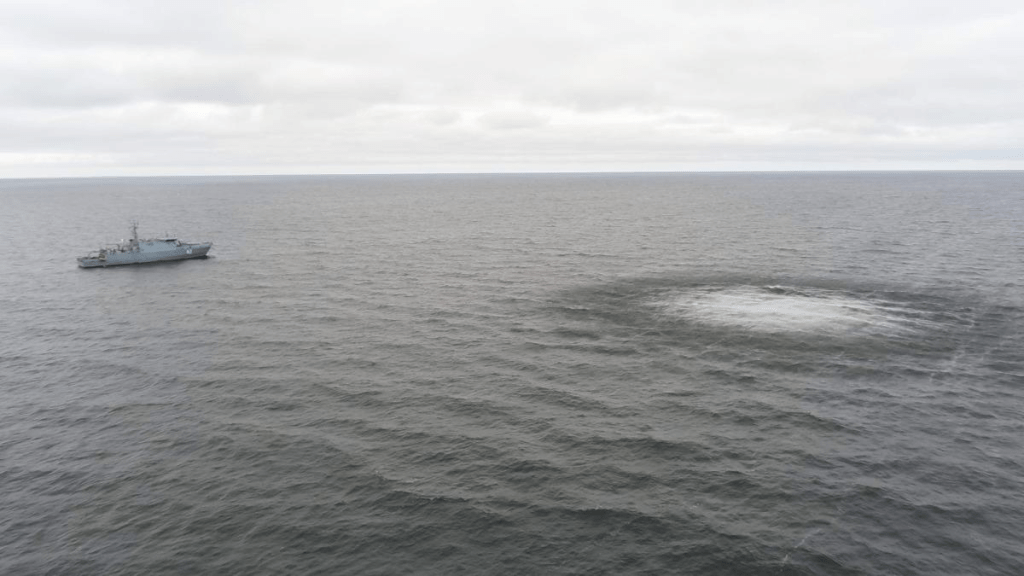
This operation makes the waters of the Baltic much safer for general maritime activities. Since 1997, just in Lithuania more than 200 mines, bombs, torpedoes, the remains of 17 sunken ships and two aircraft have been discovered.
All of these exercises have one major theme in common which I think is important. All of them focus mainly on how to accomplish the task while utilizing every nations strengths and working together. The working together part is a big one. NATO would crumble if these very different nations didn’t share a common focus. I suspect that the early days of the treaty were filled with a lot of communication breakdowns.
I want to thank each and every one of you for being here and reading. It’s through the support I’ve received that has brought GCR to where it is today. While I feel we have accomplished some major goals I still want to do more and with you all behind me it’s not a question of if but when. I have some major projects in the works right now and a good number of you will already have access to those when they drop on Patreon.

I can finally say that the plan is to do a big weekly recap show and possibly another if I can find some people interested in being interviewed. I’m looking to talk to people who are knowledgeable about the regions we cover or people who have interesting stories related to conflict or geopolitics. That will all drop for the members on Patreon, they have been patient long enough and I think they deserve something special. If you want access to that when it drops as well as other future benefits I’ll link to the Patreon below. It’s $1 dollar a month.

Anyway I just wanted to let everybody know about what I have going on and what I’d like to accomplish this week. I’m excited to do something new. I love writing but this will have me outside of my comfort zone and that will be good. If people like it maybe I’ll make it a daily or every couple days kind of thing.

-Scott


 Global Conflict Reporting
You must be logged in to post a comment.