This morning U.S. forces have seized two tankers. The first, the M/T Marinera (formerly the M/T Bella-1) is a tanker that fled from U.S. forces while trying to get to Venezuela late last month. It has been tailed by a U.S. Coast Guard cutter since around December 17th and was taken somewhere between the UK and Iceland. The second ship is the M/V Sophia which was seized in the Caribbean.
The seizure of the Marinera doesn’t come as a surprise as a number of analysts, experts and people interested in world events followed along as the U.S. moved Special Forces assets to the UK and the ship attempted to evade U.S. forces for several weeks. It has been under near constant surveillance since it fled from US forces while trying to enter Venezuela in December.
On social media the U.S. European command put out a statement that said “The vessel was seized in the North Atlantic pursuant to a warrant issued by a U.S. federal court after being tracked by USCGC Munro”
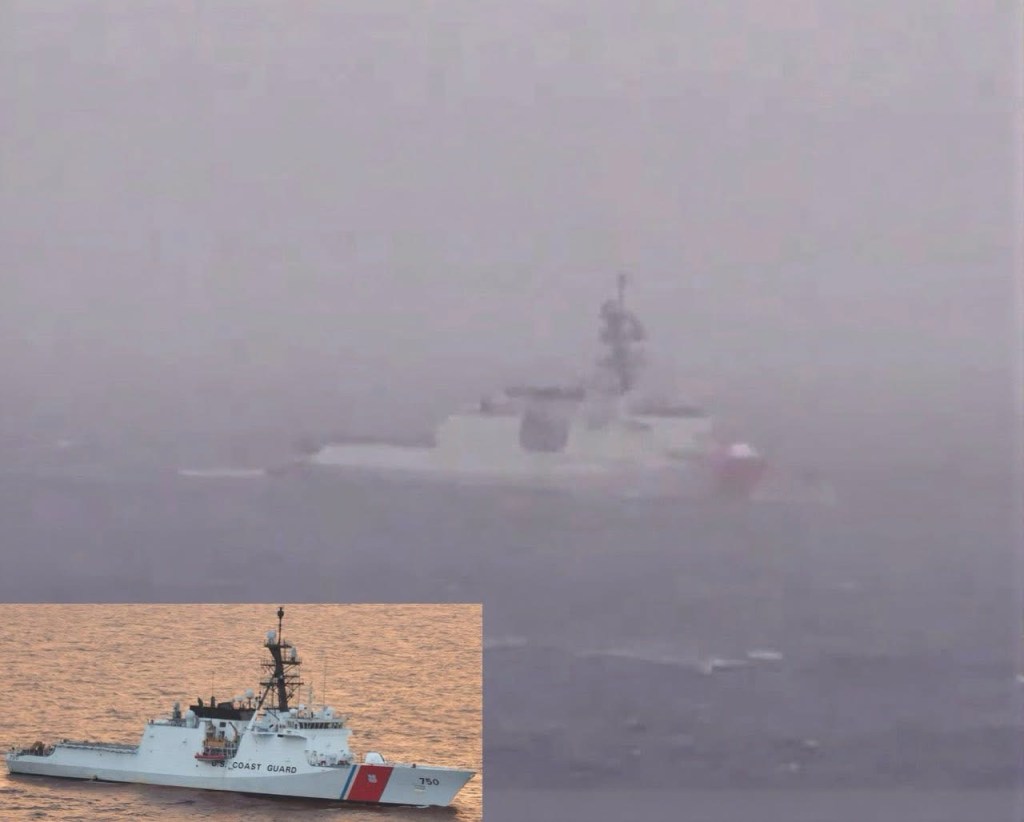
The USCGC Munro is a Legend-Class National Security Cutter.
USCGC Munro, photo taken from the deck of the Bella-1 several days ago.
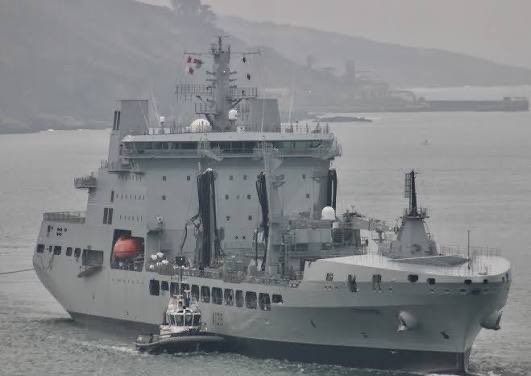
The armed forces in the United Kingdom had a large part to play in the operation including offering basing support to U.S. forces and deploying RFA Tideforce, a Tide-class tanker to the area.
RFA Tideforce
The Marinera is being accused of international sanctions evasion. As UK Defence Secretary John Healey MP said “ This ship, with a nefarious history, is part of a Russian-Iranian axis of sanctions evasion which is fuelling terrorism, conflict, and misery from the Middle East to Ukraine.”
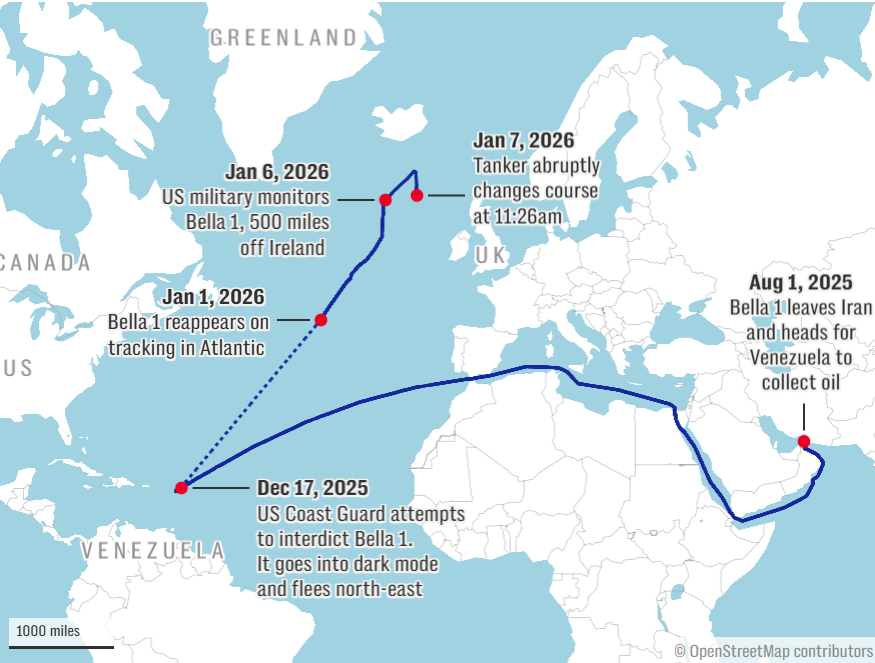
Map of the known course of the Marinera since August.
Specifically the Bella-1 is sanctioned by the U.S. under its counter-Iran sanctions, sanctions attempting to curtail Iran’s efforts of destabilizing the Middle East.
Efforts the ship took to change and hide its identity and throw off its pursuers show that the ship is well connected to the international fleet of shadow ships. The ship already had a Russian flag onboard, likely in case of a scenario like this, or from potential cases in the past where it had changed its identity.
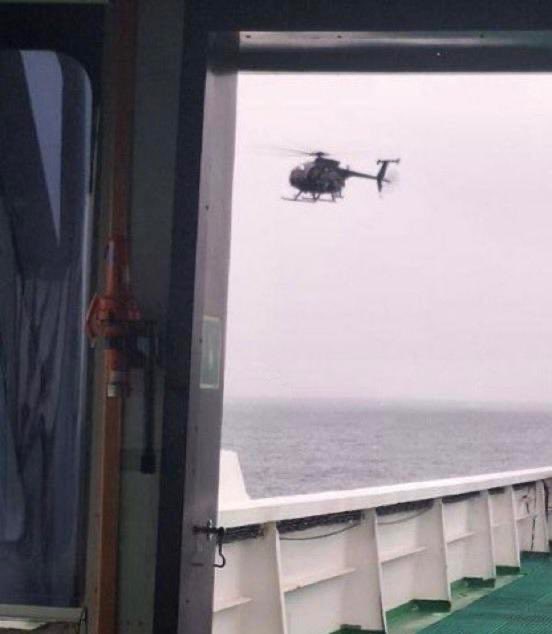
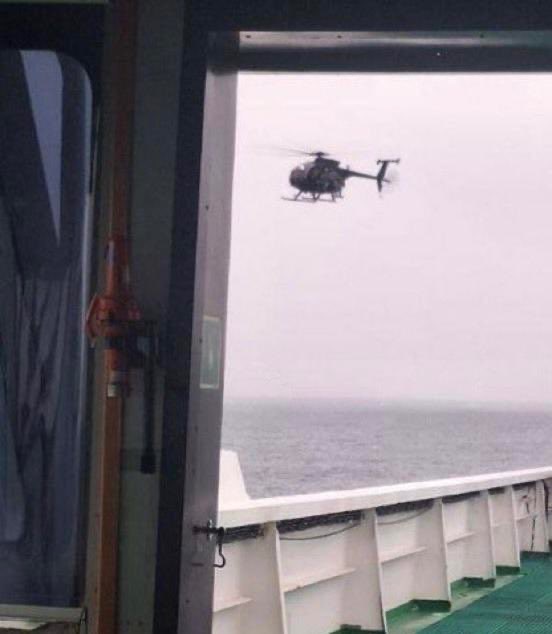
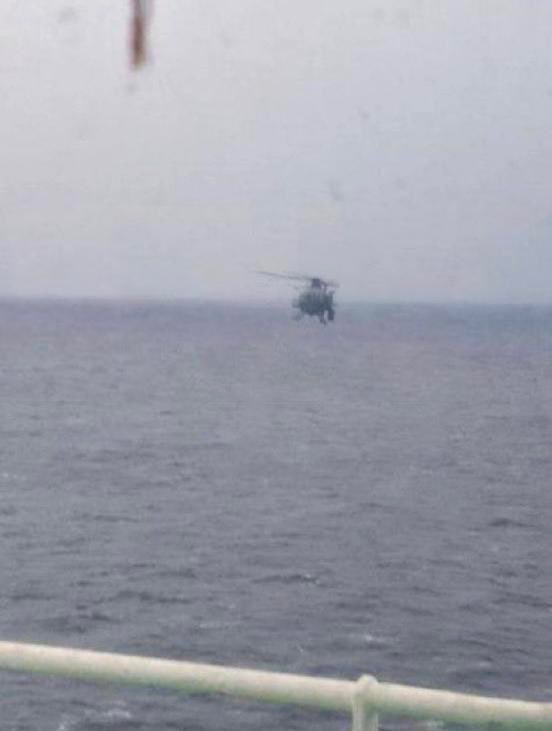
Two images taken from the Marinera show a little bird helicopter from the 160th Nightstalkers as the US prepared to board the ship.
The Russian’s had reportedly sent a several warships including a submarine to escort the tanker to Russian waters however they never intervened during the seizure. L
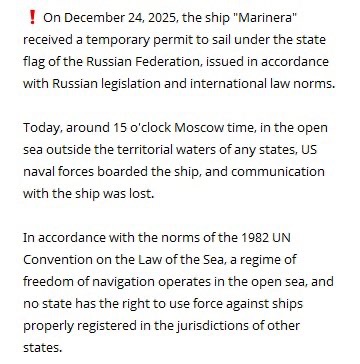
A statement from the Russian Ministry of Transport.
As far as the M/V Sophia. All we know is that the U.S. seized the ship as it was trying to leave Venezuelan waters with its transponder off, attempting to conceal its location. The ship is not registered to any state and was said to be conducting “illicit activities” in Caribbean waters. Its reported destination was China.
I’ve included the video that was shared of the seizure of the M/V Sophia by the U.S.
If you have any information about this article or any others. Email me at
GlobalConflictReporting@Proton.me
Shoutout to my buddy Andy who was emailing me about this situation this morning as I was getting woke up. I was able to be halfway informed before I even knew anything was going on.
In the early morning hours of January 3rd, 2026, US forces launched an operation to capture the president of Venezuela, Nicolas Maduro. The operation was called Operation Absolute Resolve.
According to General Dan Caine, chairman of the Joint Chiefs of Staff, At near 1:01AM (EST) US apprehension forces arrived at the residence of Maduro.The area was secured and Maduro, along with his wife Cilia Flores were taken into custody and flown via helicopter to the USS Iwo Jima.
Video shows US helicopters on their way to capture Maduro.
U.S. helicopters firing on Venezuelan positions.
Believed to be a US Army MH-60 DAP firing on ground targets in Caracas.
It’s been reported that members of Delta Forces led the ground operations to capture Maduro. According to Trump, Maduro was rushed as he tried to make it into what Trump described as similar to a panic room type area. Soldiers on the mission came equipped with blow torches for cutting through the steel doors of his safety shelter if he had been able to make it that far. It’s also been reported that he and his wife were in bed when the soldiers arrived but with what was taking place outside I doubt they were asleep. Members of the FBI also are reported to have taken part in the raid and it has been reported by ABC News that the CIA managed to track and maintain a lock on Maduro’s position in the time leading up to the operation. It’s possible the CIA had a source inside of the government.
The operation had actually been planned for Christmas Day but had to be pushed back due to weather and the launching of the U.S. strikes in Nigeria.
This video doesn’t show much but was taken as the opening airstrikes hit Caracas.
During the operation, multiple airstrikes were carried out across the capital of Caracas and elsewhere. All of the targets confirmed so far have been military targets. Air defense systems seem to have been the main target but some general military sites and ports were struck as well.
Close-up footage shows the U.S. airstrike on the port of La Guaira, Venezuela. pic.twitter.com/Ymb0wRp4M3
In a statement given on social media Attorney General Pam Bondi said “Nicolas Maduro and his wife, Cilia Flores, have been indicted in the Southern District of New York,” she continued “Nicolas Maduro has been charged with Narco-Terrorism Conspiracy, Cocaine Importation Conspiracy, Possession of Machineguns and Destructive Devices, and Conspiracy to Possess Machineguns and Destructive Devices against the United States.”
The operation was carried out with a reported 150 aircraft launched from almost a dozen different locations. F-22’s, F-35’s, B-1’s, EA-18G, E-4’s as well as helicopters.
Speaking of helicopters, videos were shared showing what are almost certainly members of the Nightstalkers flying into the city (MH-47 Chinook helicopters as well as MH-60s) engaging targets inside and around Caracas while also being the ride for the ground forces . The Nightstalkers are the 160th SOAR (Special Operations Aviation Regiment) known for being the flight wing of the special forces.
The U.S. carried out this operation successfully with zero casualties according to reports. There was a MH-60 Blackhawk that received damage but was able to be flown back. Several U.S. service members were wounded with non life-threatening injuries. On the Venezuelan side the number I’m seeing for casualties is around 40, and I believe those are all Venezuelan military personnel as well as Maduro’s Cuban security team.
Aftermath and secondary explosions after a U.S. airstrike at the Higuerote airport.
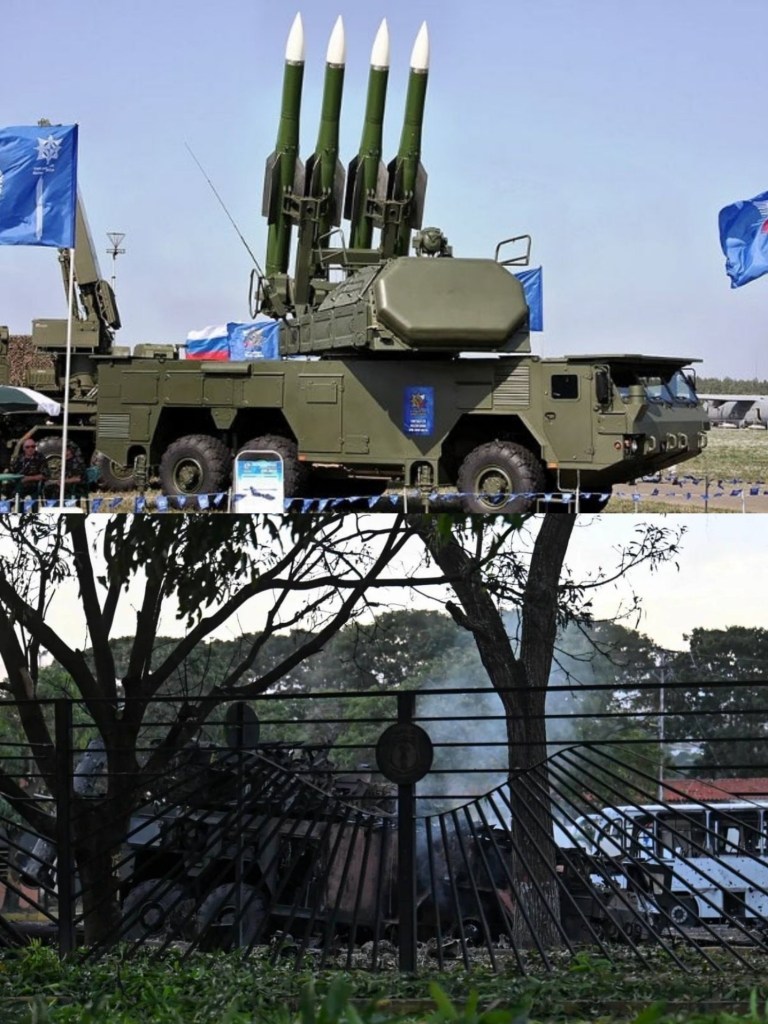
I’m currently going through and identifying the targets thag were struck. By geolocating the videos we are able to get a better view kd what specificly happened and what the U.S. targets were. I’ll have a more complete report done in the next day or so but for now wanted to look at a couple of the strikes. One strike took place at the airport in Higuerote. The video above shows the direct aftermath of the attack on a Russian supplied 9K317M2 Buk-M2E medium-range air defence system. Below is the same strike filmed from the resort nearby.
In another clip-caught on a door cam, we have an attack on a telecommunications substation in La Boyera district in Caracas.
Video de una casa en la urbanización La Boyera, en Caracas, durante el ataque a las antenas ubicadas en El Volcán en la madrugada del 3 de enero de 2026.
Fue uno de los primeros blancos, probablemente para cortar las telecomunicaciones del régimen durante la operación. pic.twitter.com/OfyJjSxrG3
— Francisco Marín Maurera (@franciscoamarin) January 4, 2026
Translation: Video of a house in the La Boyera urbanization, in Caracas, during the attack on the antennas located at El Volcán in the early morning of January 3, 2026. It was one of the first targets, probably to cut off the regime’s telecommunications during the operation.
It’s believed the overall success of this attack was largely attributed to good planning, and good intelligence. Early on when the U.S. first started to increase its presence in the Caribbean one of the big risk noted in attacking Venezuela was the claimed large amount of MANPADS (man-portable air defense systems) in the country.
In all of the video footage I see one instance of anything larger than small arms fire coming up into the sky. For the most part Venezuelan air defense was completely silent. It truly seems like this raid caught the whole country off guard. Which is a little surprising given they have been running public simulations of an attack like this for months.
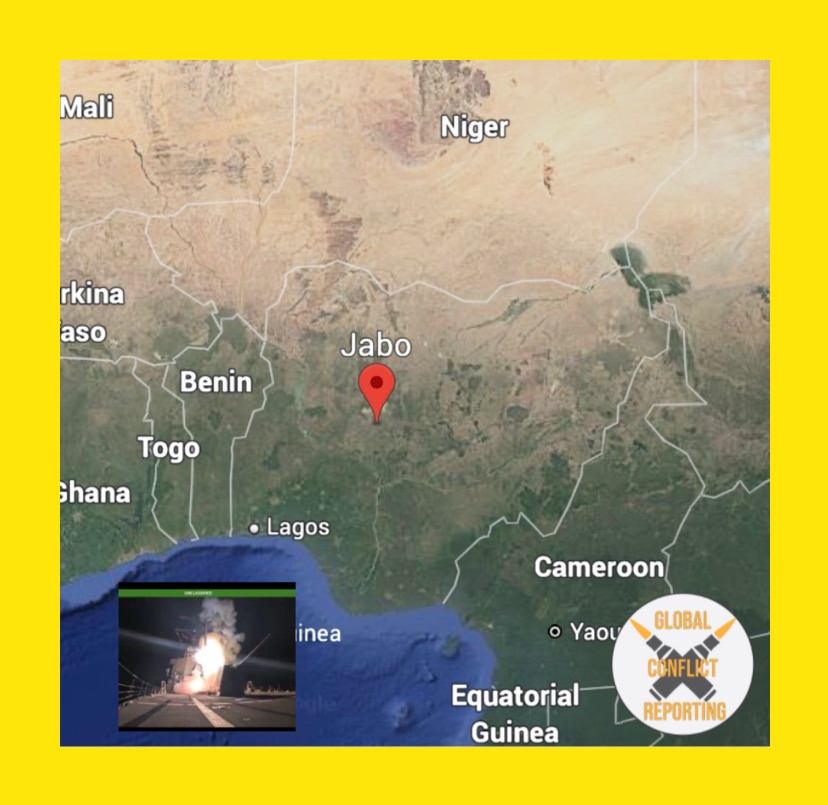
On the 25th of December 2025 US forces launched a wave of strikes on ISIS-West Africa (ISIS-WA) targets in Sokoto State in Northwestern Nigeria. The White House cited attacks on members of the African country’s Christian population as the reason for the strikes.
The attacks were carried with reportedly more than a dozen BGM-109 Tomahawk Land Attack Cruise Missiles (TLAM) launched from the Arleigh Burke-class guided-missile destroyer, USS Paul Ignatius (DDG-117), which its believed the ship was in the Gulf of Guinea at the time. Video was released by AFRICOM on Christmas Day showing the launch of a single TLAM.
Locals reported explosions in the small town of Jabo about 10 miles from the state’s capital.
The attack was carried out with the support of the Nigerian government who in a statement mentioned exchanging intelligence with the U.S.
While the White House says the strikes are because ISIS-WA are targeting and killing Christians, we lack a specific recent incident that shows this group is specificly killing based on religion. ISIS-WA often targets government and civil defense forces as well as their rival in the region Boko Haram. Religion isn’t usually a factor or at least not the main factor as ISIS-WA, more often than not, kills Muslim and other religions as well as Christians. All that being said Nigeria has had a rash of kidnappings lately and in one instance gunmen abducted hundreds of schoolchildren from a Catholic school woth the aim to get ransom money
These strikes signal an increased interest in the country by the U.S. who have largely withdrawn from Africa during this administration. Earlier this year US president Donald Trump declared Nigeria a “country of concern” which could be a precursor to stronger involvement by the U.S. like sanctions.
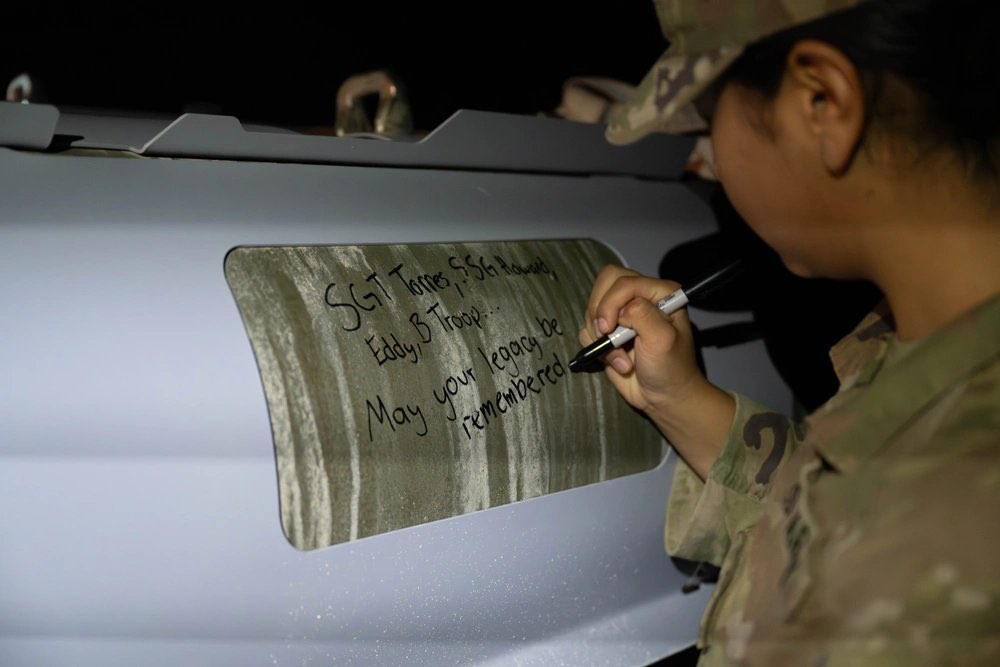
Late yesterday, U.S. Central Command (CENTCOM) at around 4:00 ET launched “Operation Hawkeye” against ISIS forces across Syria. This operation is a response to last Saturday’s attack in the city of Palmyra on US partner forces that led to the death of two U.S. Iowa National Guard soldiers- Sgt. Edgar Brian Torres Tovar, 25, and Sgt. William Nathaniel Howard, 29.
CENTCOM claims to have launched strikes using artillery, attack helicopter and fighter jets, and along with fighter jets from the Royal Jordanian Air Force struck over 70 targets across Syria.
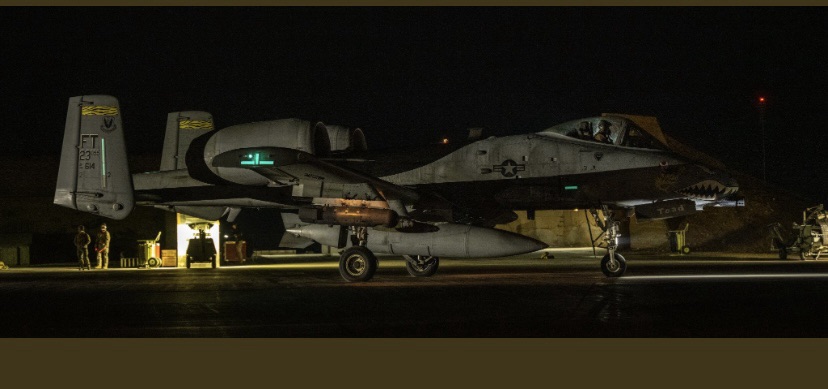
F-15E “Strike Eagle” Multirole Strike Fighters and A-10C Thunderbolt II “Warthog” Close-Air Support Attack Aircraft, and AH-64E “Apache” Attack Helicopters launching for strikes in Syria.
“This operation is critical to preventing ISIS from inspiring terrorist plots and attacks against the U.S. homeland.” said Adm. Brad Cooper, CENTCOM commander. “We will continue to relentlessly pursue terrorists who seek to harm Americans and our partners across the region.”
U.S. soldier writes the names of the two Iowa national Guard who were killed in last week’s ISIS affiliated attack on Saturday.
CENTCOM says the operation utilized over 100 precision munitions to target know ISIS infrastructure and weapons sites.
Video showing what is believed to be the launch of US ATACMS (Army Tactical Missile System) ballistic missiles.
Video of some of the strikes was posted by CENTCOM several hours after the strike.
Locals in a central Syrian town caught a glimpse of an A-10 roaring overhead.
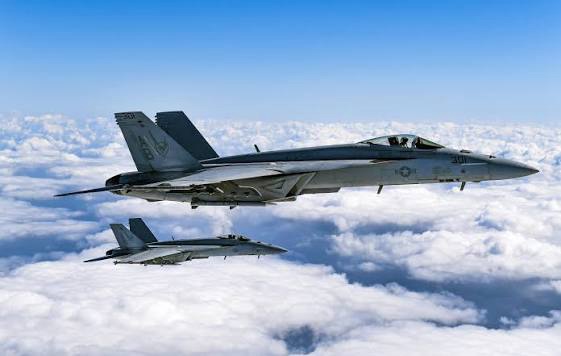
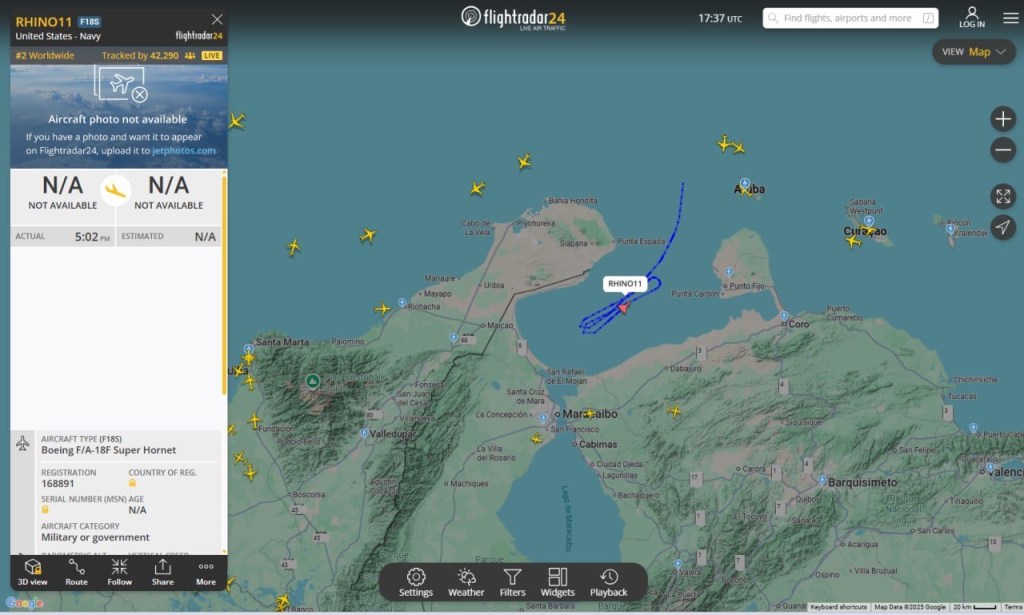
Two F/A-18’s were seen flying deep into the Gulf of Venezuela on the 9th, staying there for around 40 minutes according to flight tracking data. The Gulf of Venezuela is a fairly small body of water surrounded on three sides by parts of Venezuela. At its widest the Gulf is only around 150 miles wide (West to East) and 75 miles long (North to South) and the opening of the mouth of the area is only 52 miles wide. Venezuela’s border extends out from its coast 12 miles in every direction not leaving much room for the jets to operate. Venezuela actually claims all of the Gulf as an area of importance to them and considers it all their territory, a claim which the US has debated and challenged for decades.
Image from FlightRadar24 showing the two F/A-18 Super Hornets in the Gulf of Venezuela. Call signs- RHINO11 and RHINO12.
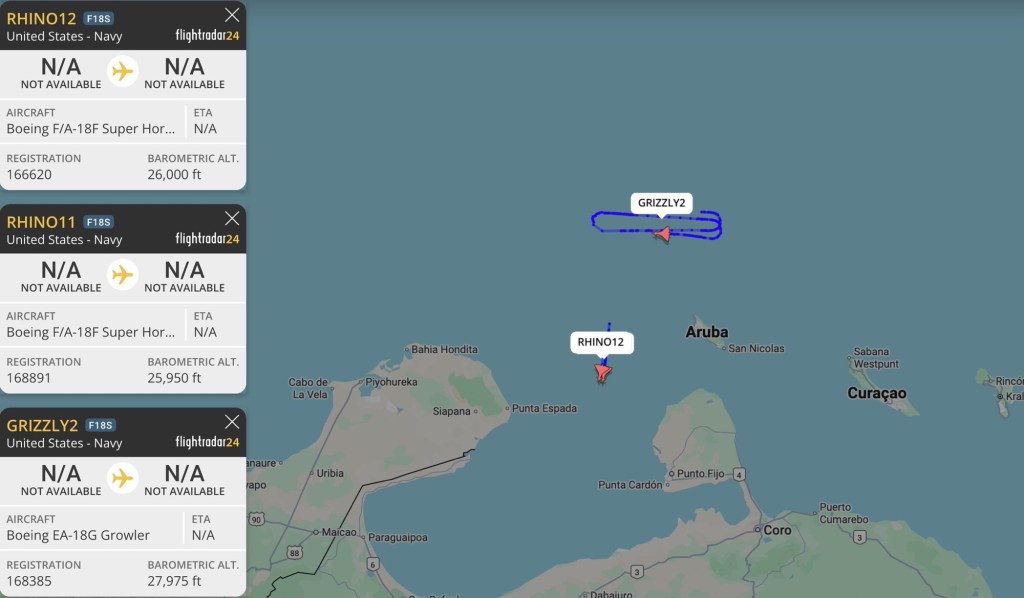
Working alongside the F/A-18’s were at least two of the EA-18G Growlers Electronic Warfare aircraft which went into an orbit a couple hundred miles north of the Gulf. Grizzly 1 and Grizzly 2 are the call signs.
Image from FlightRadar24 show the F/A-18 SuperHornets and north of them the EA-18 Growlers.
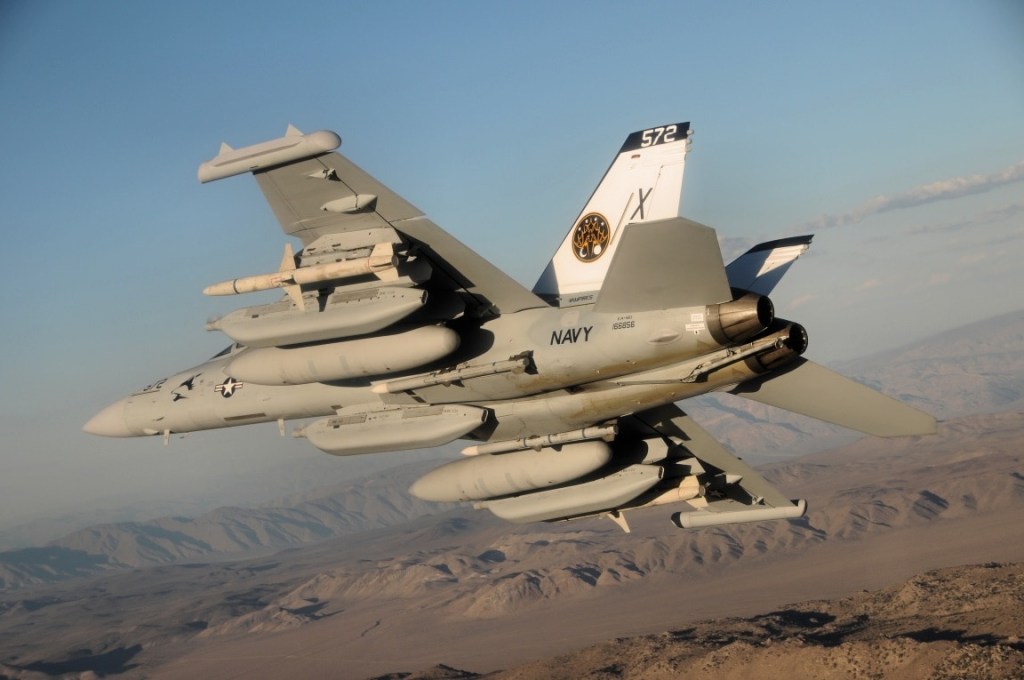
The Growler specializes in electronic attack. Using its overpowering Next Generation Jammer pod carried underwing, it can disrupt modern radar systems on air defense or other air units allowing the growler and other allied planes to get in and out of a mission area without being seen in cases where old radar are being used.
Electronic attack and radar jamming are poorly understood by most people and there is a lot about the NGJ pods (and even the legacy AN/ALQ-99 Tactical Jamming System) that is still classified. However these jamming pods work by attacking the connection between a radar and its target and can reflect a distorted signal back to the receiver.A jamming pod can disrupt a radar by flooding the radar with noise (think of looking into a spotlight)—injecting false signals, alter the timing, or deceiving the radar into tracking a “ghost” location. The tactical advantages of this are obvious, making the growler also amazing at anti-radar and anti air defense missions, also known as SEAD/DEAD. Suppression or Destruction of Enemy air defense. The growlers here could have been jamming the radar for the SuperHornets but more likely they were gathering intelligence on the signals that Venezuela was sending out, in case they are needed for a future strike missions. The last of its features I’d like to point out is the growlers APG-79 Active Electronically Scanned Array (AESA) Radar which it was probably using here to scan the Venezuelan coastline.
It’s believed both the Super Hornets as well as the Growlers are operating from the aircraft carrier USS Gerald R Ford (CVN-78) which arrived in the Caribbean last month.
The article I’m liking too is more reading for how the growlers jamming actually works and what some lf the systems limitations are. Highly recommend.
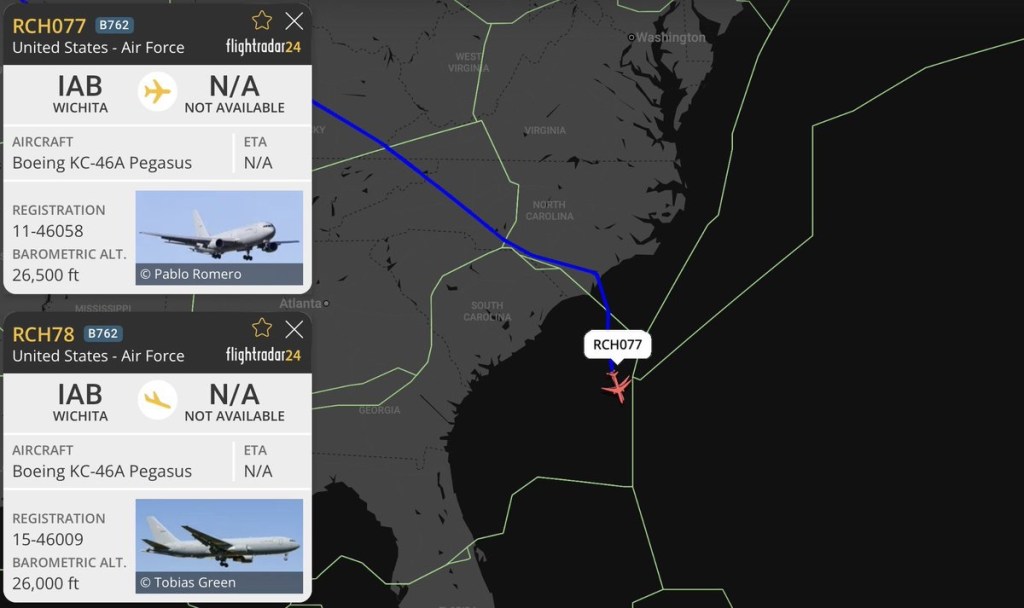
Another event that was missed yesterday was a transfer of several aircraft (possibly Growlers) from Naval Air Station Whidbey Island in Washington State to the Caribbean. Their presence was noted by flight trackers who also often listen to radio comms between aircraft and Air Traffic Control. They were ferried to the Caribbean by two KC-46A Pegasus aerial refueling jets.
An image showcasing the E/A-18 Growler and its multiple Jamming pods.This one is also packing several anti-radiation missiles that can be set to launch automatically when detecting an enemy radar.
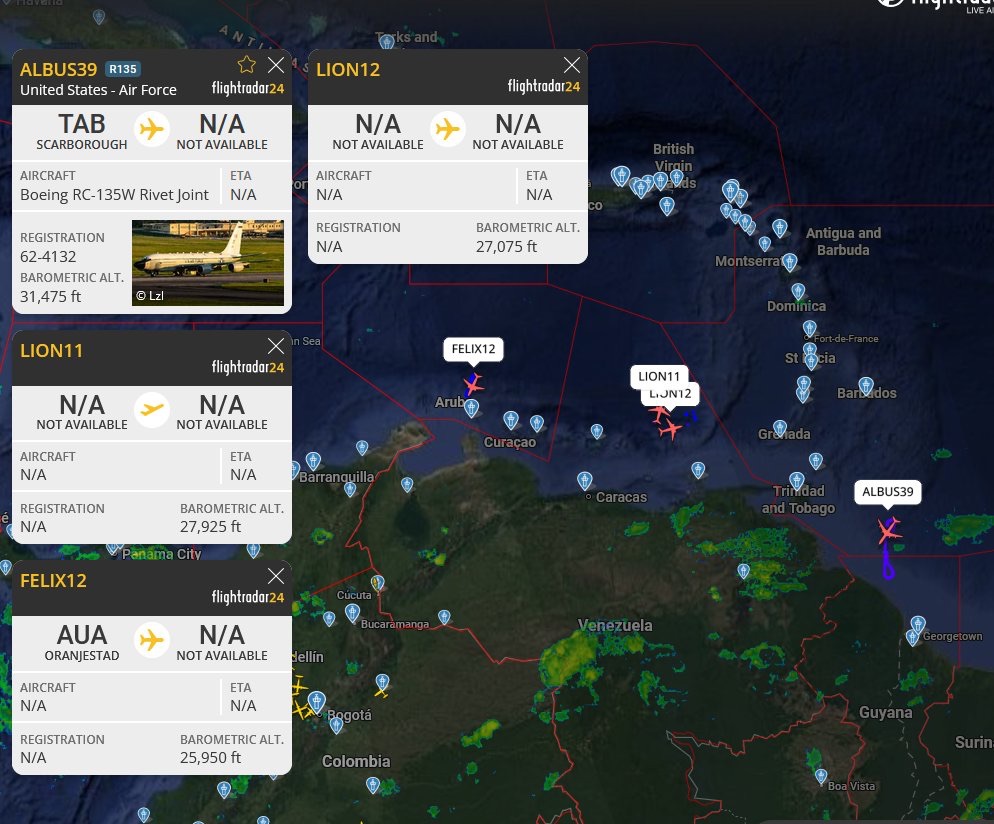
US aircraft have probed Venezuelan air defense in this same area before utilizing at least one Boeing RC-135 Rivet Joint reconnaissance aircraft along with several other unidentified aircraft. The US has recently been very public with its aircraft operations in the Caribbean, possibly as a sign to the Maduro regime of its willingness and ability to escalate the situation further if President Trump’s demands aren’t met.
Flightradar24 showing an RC-135 Rivet Joint and several unknown aircraft operating off the coast of Venezuela.
In response to an email inquiry sent by GCR to USSOUTHCOM we received this statement from a SOUTHCOM Spokesperson. .
“We conduct routine, lawful operations in international airspace, including over the Gulf of Venezuela. We will continue to fly safely, professionally, and in accordance with international law to protect the homeland, monitor illicit activity, and support stability across the Americas.”
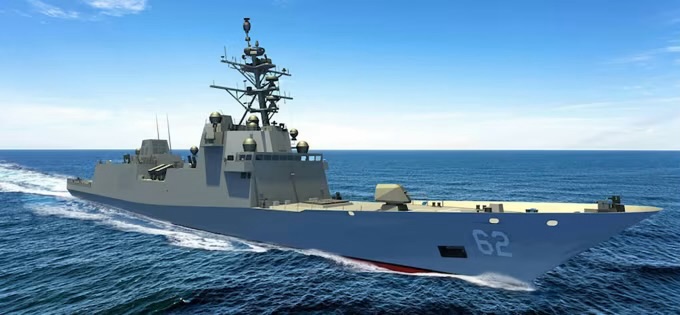
Today, the Secretary of the Navy John Phelan announced that the U.S. navy would be walking away from the Constellation-Class frigate program and putting more effort towards further new class of warships able to be built quicker. The navy says they have a need for 73 small surface ships.
Under terms set with shipbuilder Fincantieri Marinette Marine, the Wisconsin shipyard will finish the first two ships in the series. So Constellation(FFG-62) and Congress (FFG-63) will still be built, however the other four ships that had been ordered will not be.
In the past the plan was for the navy to build 20 of these ships at around $1.1 billion a piece. A navy factsheet called the class a “an agile, multi-mission warship,” capable of operating in open ocean or coastal environments, “providing increased combat-credible forward presence that provides a military advantage at sea,”
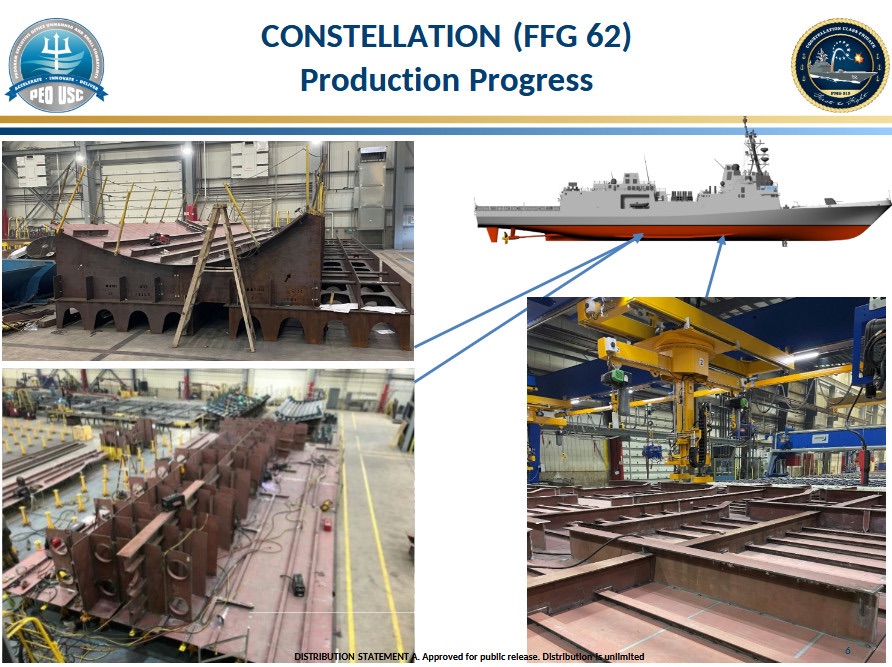
The program’s costs have continued to rise since the original announcement,mostly due to design additions and changes. Recently, images were shared online that showed that the ship was nowhere near complete. At an estimated displacement of 7,200 tons the whole point of the program was to fill a gap between the 10,000-ton Arleigh Burke-class guided-missile destroyers – the workhorse of the US fleet – and 3,500-ton littoral combat ships. (Another ship seen mostly as a failure.) At the beginning of the program the Constellation-Class was seen as a way to get hulls in the water faster, as it was based on an Italian design, with specific modifications for the U.S. navy’s needs. Those modifications are part of what slowed down the production of the ship as those modifications expanded and cost ballooned, leaving the ship being dreadfully behind schedule. Its 2026 launch was pushed to 2029.
An update shared in April of 2025 showing the current progress of the ship.
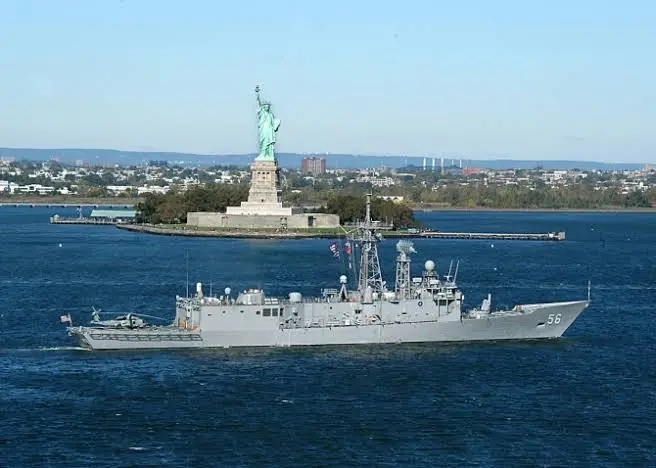
The U.S. navy hasn’t had a frigate in its inventory since the decommissioning of the Oliver Hazard Perry-class USS Simpson (FFG-55) in 2015.
Oliver Hazard Perry-class USS Simpson (FFG-55) passing the Statue of Liberty in New York City.
The Constellation-Class was seen as a way to quickly add ships to the U.S. navy. An important goal now more than ever as the military is allegedly making a shift to counter growing threats in the Pacific. China, according to a Pentagon report, is expected to have around 400 ships(50 of them frigates) in the water by the end of this year, a huge leap from the current U.S. number of 240 ships and submarines. This is troubling to analysts who believe the nation with the larger fleet will win.
“We are reshaping how the Navy builds its fleet. Today, I can announce the first public action is a strategic shift away from the Constellation-class frigate program,” reads the statement from Secretary of the Navy John Phelan. “The Navy and our industry partners have reached a comprehensive framework that terminates, for the Navy’s convenience, the last four ships of the class, which have not begun construction.”
A defense official who is quoted by USNI is quoted saying “A key factor in this decision is the need to grow the fleet faster to meet tomorrow’s threats. This framework seeks to put the Navy on a path to more rapidly construct new classes of ships and deliver capabilities our war fighters need in greater numbers and faster,”
It’s no secret that America has a major shortage in shipbuilding capability allowing the Fincantieri Marinette Marine to continue to operate and build the two Constellation-class ships will keep the workers employed for several more years and allow the shipbuilding firm the chance to bid in future U.S. navy contracts when they are finished.
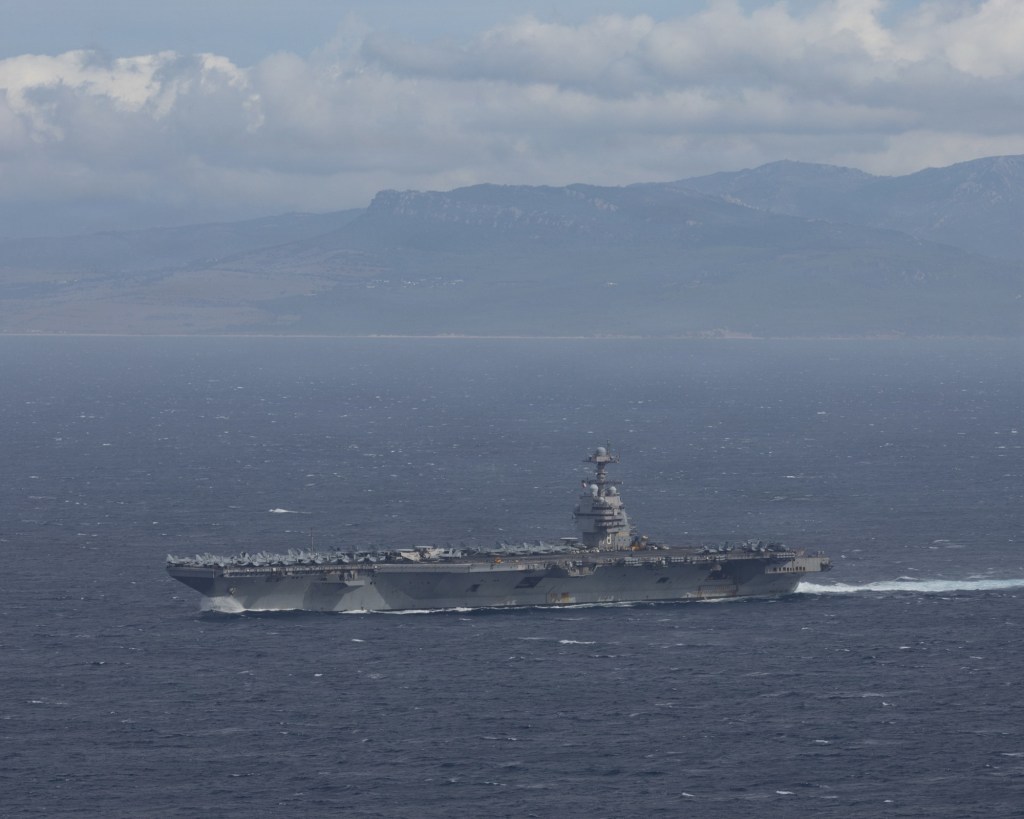
Today the USS Gerold R.Ford (CVN-78) , a Ford-Class nuclear powered aircraft carrier, has entered the waters of the Caribbean, joining the fourth fleet and coming under the command of US SOUTHCOM(Southern Command). The Ford, its escorts and its Carrier Air Wing are just the most recent additions in a large military buildup, adding to the tensions in the region.
“The enhanced U.S. force presence in the USSOUTHCOM AOR will bolster U.S. capacity to detect, monitor, and disrupt illicit actors and activities that compromise the safety and prosperity of the United States homeland and our security in the Western Hemisphere,” said Chief Pentagon Spokesperson Sean Parnell. “These forces will enhance and augment existing capabilities to disrupt narcotics trafficking and degrade and dismantle Transnational Criminal Organizations.”
This deployment to the region was ordered by Washington at the tail end of November.
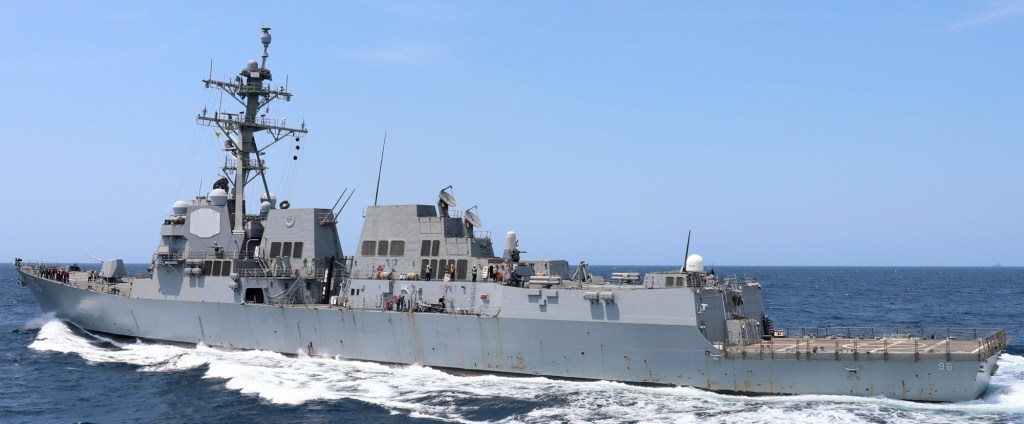
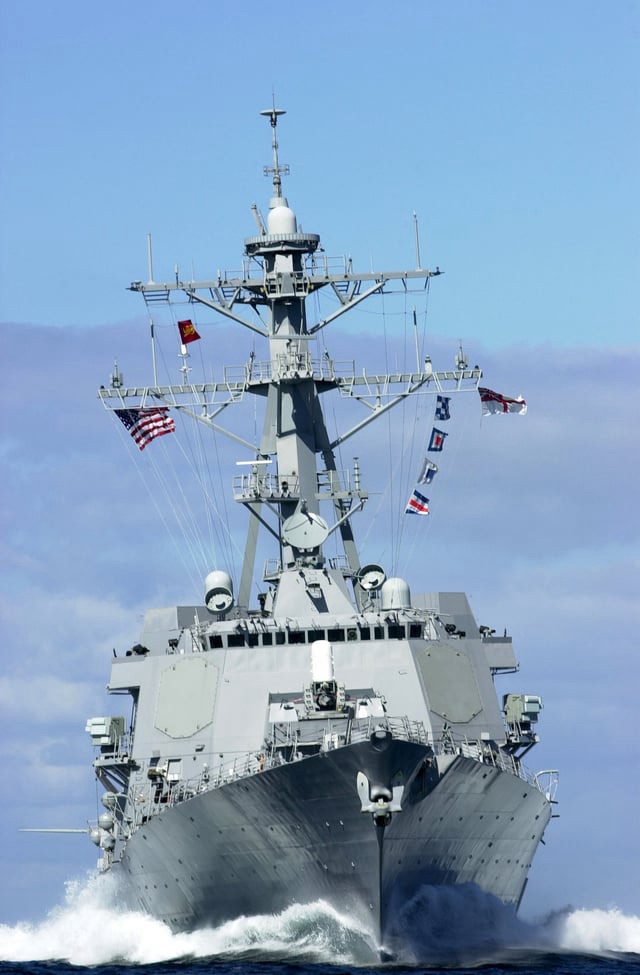
According to the navy’s statement on their website the Ford is supported by Destroyer Squadron Two’s Arleigh Burke-class guided-missile destroyers USS Bainbridge (DDG 96) and USS Mahan (DDG 72), and the integrated air and missile defense command ship USS Winston S. Churchill (DDG 81).
USS Bainbridge (DDG-96)USS Mahan (DDG-72) USS Winston S. Churchill (DDG 81)
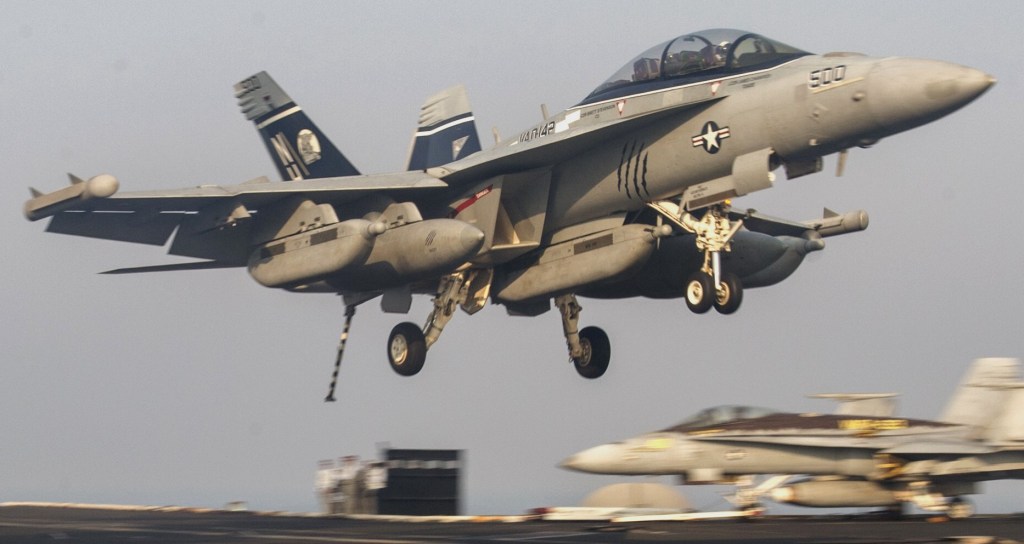
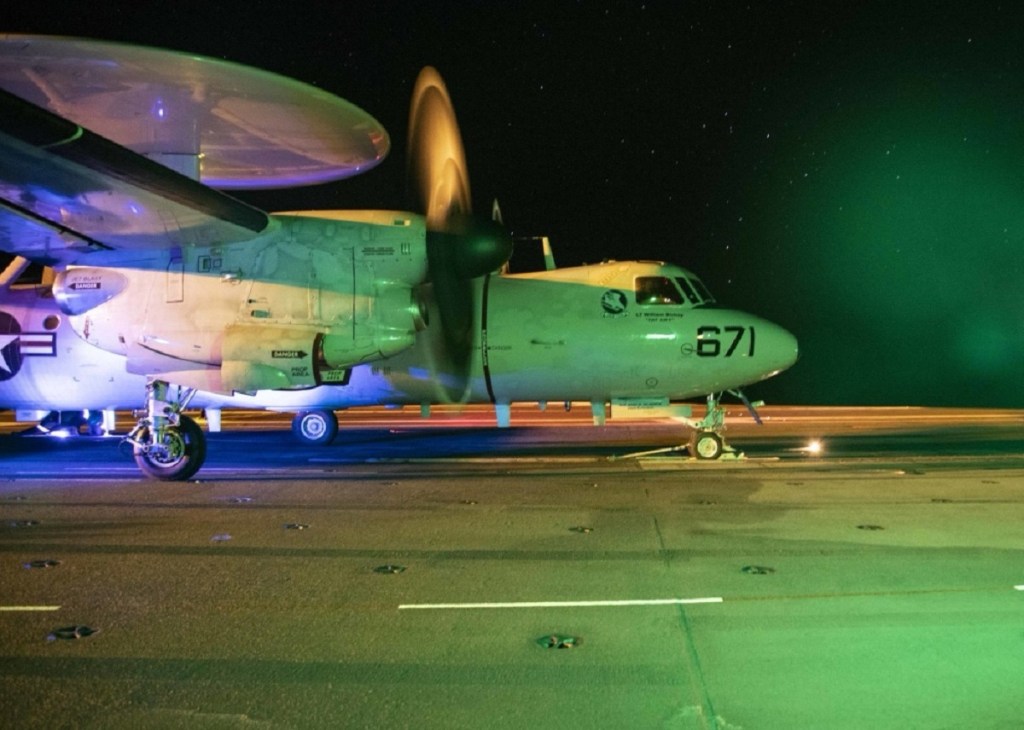
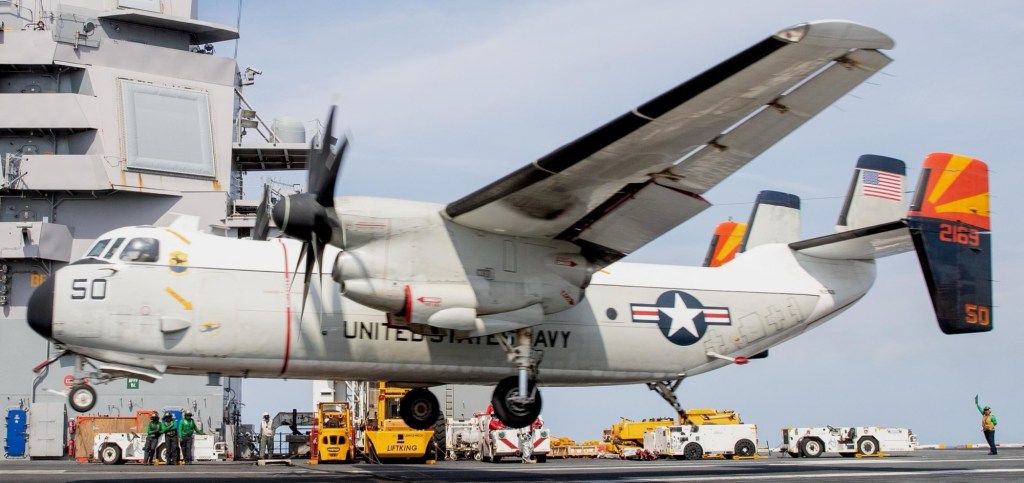
The embarked squadrons aboard Gerald R. Ford include Strike Fighter Squadron (VFA) 31, VFA 37, and VFA 87, flying the F/A-18E Super Hornet; VFA 213, flying the F/A-18F Super Hornet; Electronic Attack Squadron 142, flying the E/A-18G Growler; Airborne Command and Control Squadron 124, flying the airborne command and control E-2D Advanced Hawkeye; Helicopter Sea Combat Squadron (HSC) 9, flying the MH-60S Seahawk; Helicopter Maritime Strike Squadron (HSM) 70, flying the MH-60R Seahawk; and a detachment from Fleet Logistics Support Squadron (VRC) 40, flying the Carrier Onboard Delivery C-2A Greyhound.
F/A-18F Pilot LCDR Jamie R. Struck the makes first carrier arrested landing using AAG system aboard USS Gerald R. Ford (CVN-78) off the Virginia coast. US Navy PhotoEA-18G Growler with Electronic Attack Squadron 142E-2D Advanced Hawkeye Two Carrier Air Wing 8 MH-60S Sea Hawks, attached to Helicopter Sea Combat Squadron 9, fly in formation over the world’s largest aircraft carrier, USS Gerald R. Ford (CVN 78), during an aerial change of commandCarrier Onboard Delivery C-2A Greyhound.
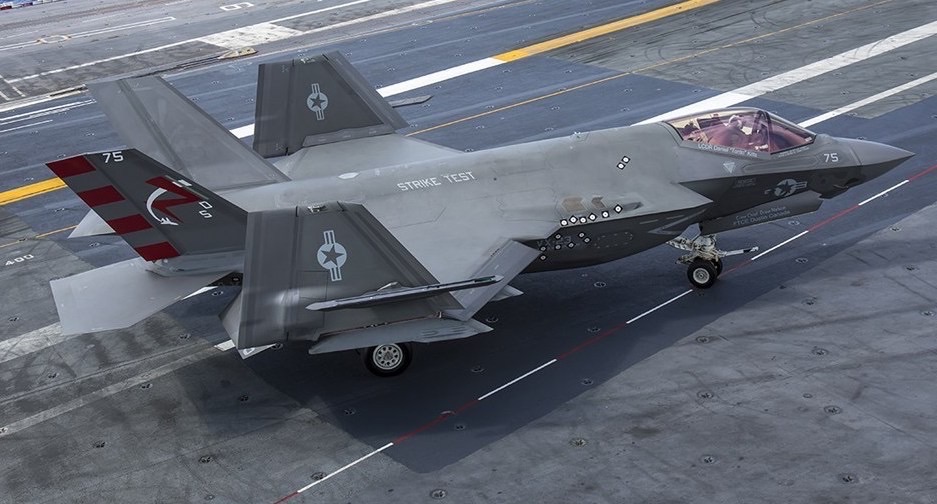
The Ford has yet to undergo its refit which will allow it to launch the F-35C’s so its combat air wing is made up entirely of Super Hornets.
Carrier capable F-35C Lightning II
Background
The U.S. for the past month has been carrying out a large number of strikes aimed at curtailing the drug trade coming into America. The White House has singeled out Venezuela as a large contributor to that issue and has called for Venezuelan President Maduro to crack down on cartels operating in his country. The U.S. military has carried out 19 strikes so far on alleged drug smuggling boats out at sea. The White House says these boats (and one semi-submersible) were moving drugs towards America.
Yesterday, at the direction of President Trump, two lethal kinetic strikes were conducted on two vessels operated by Designated Terrorist Organizations.
These vessels were known by our intelligence to be associated with illicit narcotics smuggling, were carrying narcotics, and… pic.twitter.com/ocUoGzwwDO
SecDef Pete Hegseth’s Twitter post that showed video of two separate strikes on two suspected drug boats.Attack platform unknown.
If all of these boats carried drugs then potentially thousands of pounds of life shattering narcotics have been removed from the markets, however that is barely a fraction of the drugs suspected to be moving through America’s cities and streets daily. There is no data about exactly how much illegal narcotics comes into America each day but judging by the almost 3000 pounds the authorities catch coming in daily it’s thought to be many times more.
While Venezuela isn’t the only origin of the drugs on America’s streets it is one of them, with cartels dealing in large amounts of narcotics, mostly cocaine. The opioid synthetic fentanyl is not believed to be being shipped through Venezuela, as much as the White House had made that claim. Fentanyl is largely produced in Mexico, with the precursor chemicals coming from China. It’s smuggled across the border at the Mexican/American border crossing as well as ports and even airports. With that being said the White House has also made statements about working with the Mexican government to fight the cartels there, using US special operations forces and Central Intelligence Agency agents.
Venezuela’s main cartel that the White House has focused on is the Cartel of the Sons (Cartel de los Soles). This cartel is thought by the Trump administration to be headed by Venezuelan President Nicolas Maduro, as well as other high ranking members of the Venezuelan armed forces.
If the U.S. carries out ground strikes against cartel targets, especially cartel leadership there is a strong possibility it will lead to an open war being declared on the U.S. by Venezuela, especially as Maduro believes that Donold Trump is trying to remove him from power.
Analysis:
It’s believed that with the arrival of the USS Ford and its strike group the U.S. military will eventually carry out ground strike missions with the intent of striking cartel targets linked to drug storage and production. That would cause the Venezuelan military to respond. We know they will because they have essentially said that they would. They have already started moving air defense systems and reaching out to their allies for support. Russia has sent several large transport planes to the country in recent weeks.
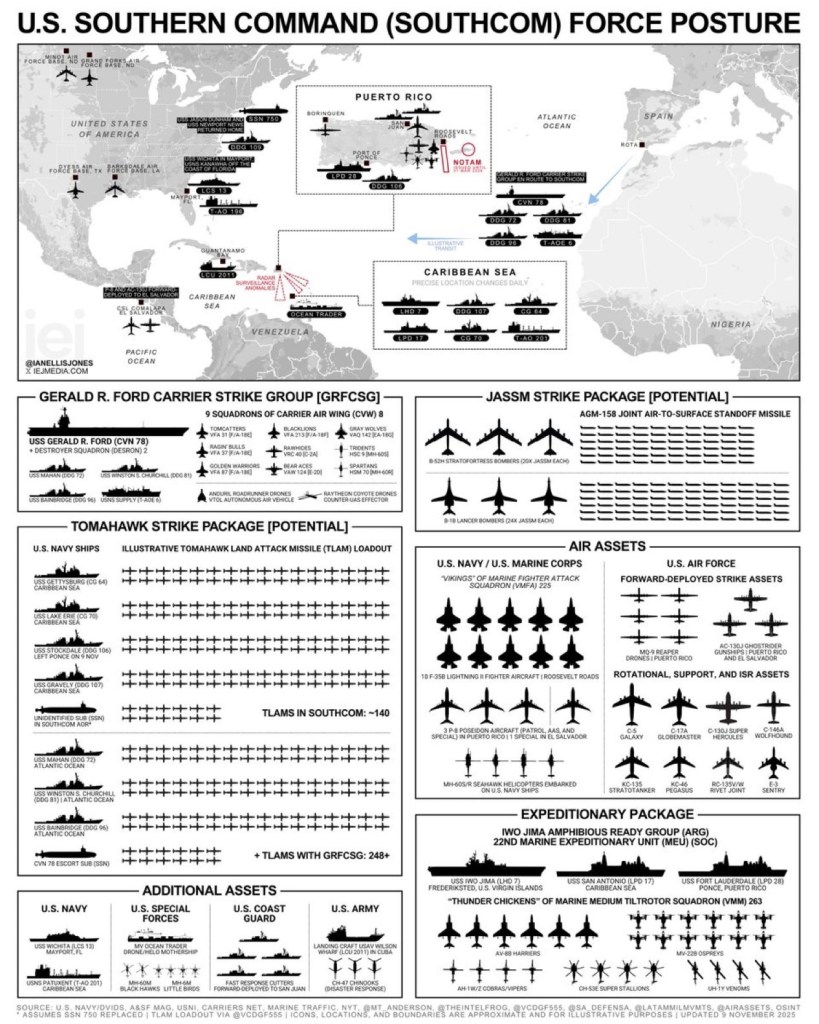
The U.S. has built a sizable force in the region as shown in the image below. Five Arleigh Burke Guided missile destroyers and two Ticonderoga-Class Guided missile cruisers make up the bulk of the missile attack capability that’s close by. We also have at least one submarine, likely two of the carrier came with her own as an escort.
We don’t know if the U.S. will launch these strikes but Trump has signaled multiple times that this is a direction he wants to move in, even saying “the land is going to be next” following multiple strikes on alleged drug-trafficking vessels.
Venezuelan media reported as this article was being finalized that they were mobilizing mass amounts of people and were preparing to mount a guerrilla style defensive in the event the U.S. tries to land soldiers in the country.
Maduro on state TV mentioned a “prolonged resistance” with small teams spread across the country carrying out sabotage missions and other insurgent/guerrilla tactics.



 Global Conflict Reporting
You must be logged in to post a comment.