March 13th it was announced that a Marine Expeditionary Unit and its supporting warships would be deploying to the Middle East region at the request of the U.S. Central Command, to help with the current operation in Iran.
This move was originally reported by the Wall Street journal and is seen as a response to the ongoing attempted closure of the Strait of Hormuz, a thin stretch of ocean that Iran has threatened to close for years, cutting off much of the oil coming from the region. The closure has had a direct effect on oil prices and the price at the pump in America and beyond.
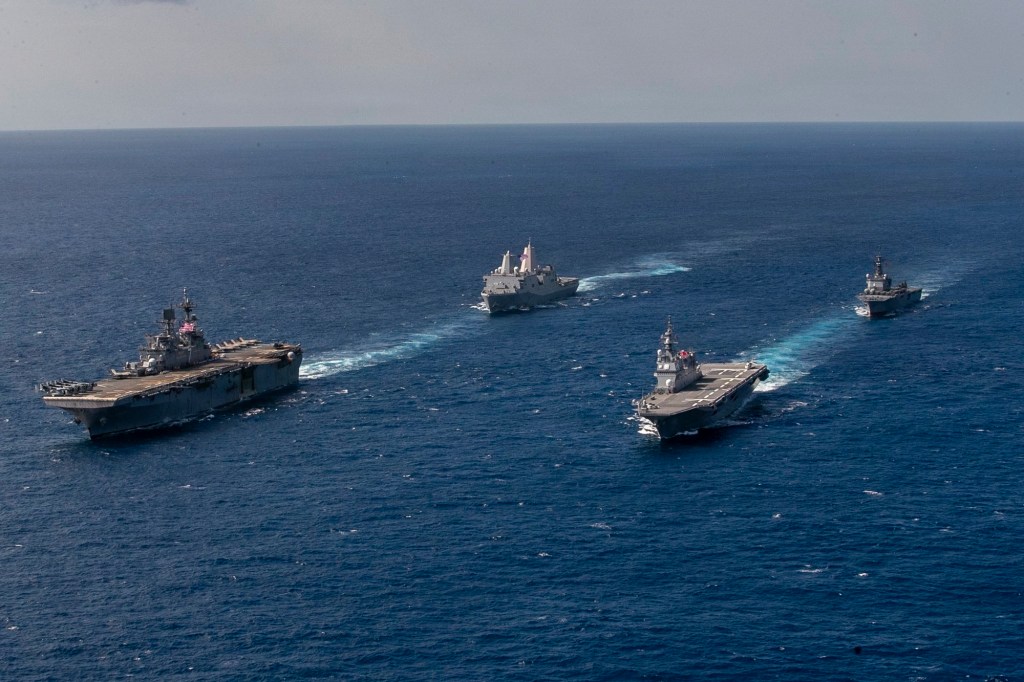
The Wall Street journal reported that the U.S. Secretary of Defense Pete Hegseth has approved a request from CENTCOM for an element of an Amphibious Ready Group as well as the attached Marine Expeditionary Unit, according to three US officials who spoke with the WSJ. The amphibious ready group or ARG is usually made up of an assault ship, two (SAN ANTONIO-Class) transport docks, and a support vessel that carries an embarked Marine Expeditionary Unit (MEU) of at least 2,200 Marines. In this case the sources who spoke to the WSJ said the USS Tripoli(LHA-7) is being sent from its usual base in Japan along with the USS San Diego (LPD-22) and USS New Orleans (LPD-18). These ships make up the 31st Marine Expeditionary Unit (31st MEU).
If needed, other MEU’s are also available for operations in the Middle East.
The Marine Expeditionary Unit was developed as a highly versatile, somewhat self-contained fighting force that can be called upon to quickly respond to situations. They were put together and usually kept in areas where the U.S. expects to need marines quickly, such as the pacific or often in the Middle East.
As stated by the Marines website the four elements of the MEU are as follows.
Command Element – Serves as the headquarters for the entire unit and allows a single command to exercise control over all ground, aviation, and combat service support forces.
Ground Combat Element – Provides the MEU with its main combat punch. Built around a Marine infantry battalion, the GCE is reinforced with tanks, artillery, amphibious vehicles, engineers, and reconnaissance assets.
Aviation Combat Element – The ACE consists of a composite medium helicopter squadron containing transport helicopters of various models and capabilities, attack helicopters and jets, air defense teams, and all necessary ground support assets.
Logistics Combat Element – Providing the MEU with mission-essential support such as medical/dental assistance, motor transport, supply, equipment maintenance, and landing is the mission of the LCE.
The marine website also list some of the missions that the MEU trains for.
– Peacekeeping/Enforcement
-Humanitarian/Disaster Relief
– Security Operations
– Noncombatant Evacuation Operations
– Reinforcement Operations
– Amphibious Raids/Assaults/Demonstrations
– Tactical Deception Operations
– Airfield/Port Seizures
– Show-of-Force Operations
– Reconnaissance and Surveillance
– Seizure/Recovery of Offshore Energy Facilities
Having the MEU available in the region does not necessarily mean that they will be used for ground combat roles. Iran still has a large fighting force made up of Iranian Revolutionary Guards Corp as well as the regular army meaning any ground operation will likely involve considerably more troops than come with the MEU. However the MEU provides a wide range of options for commanders to use towards completing their goals.
Let’s look at some of what the MEU brings to the fight.
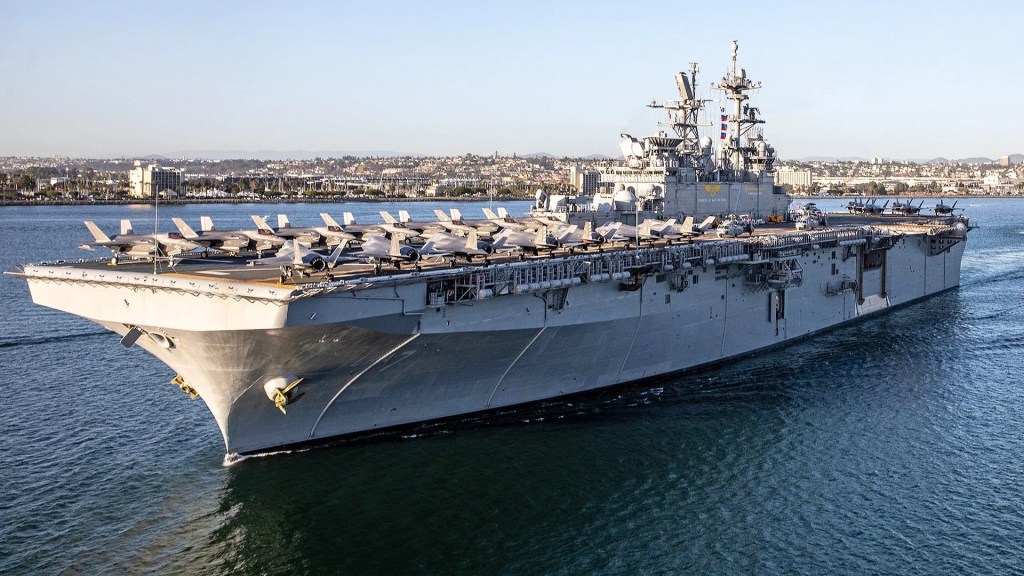
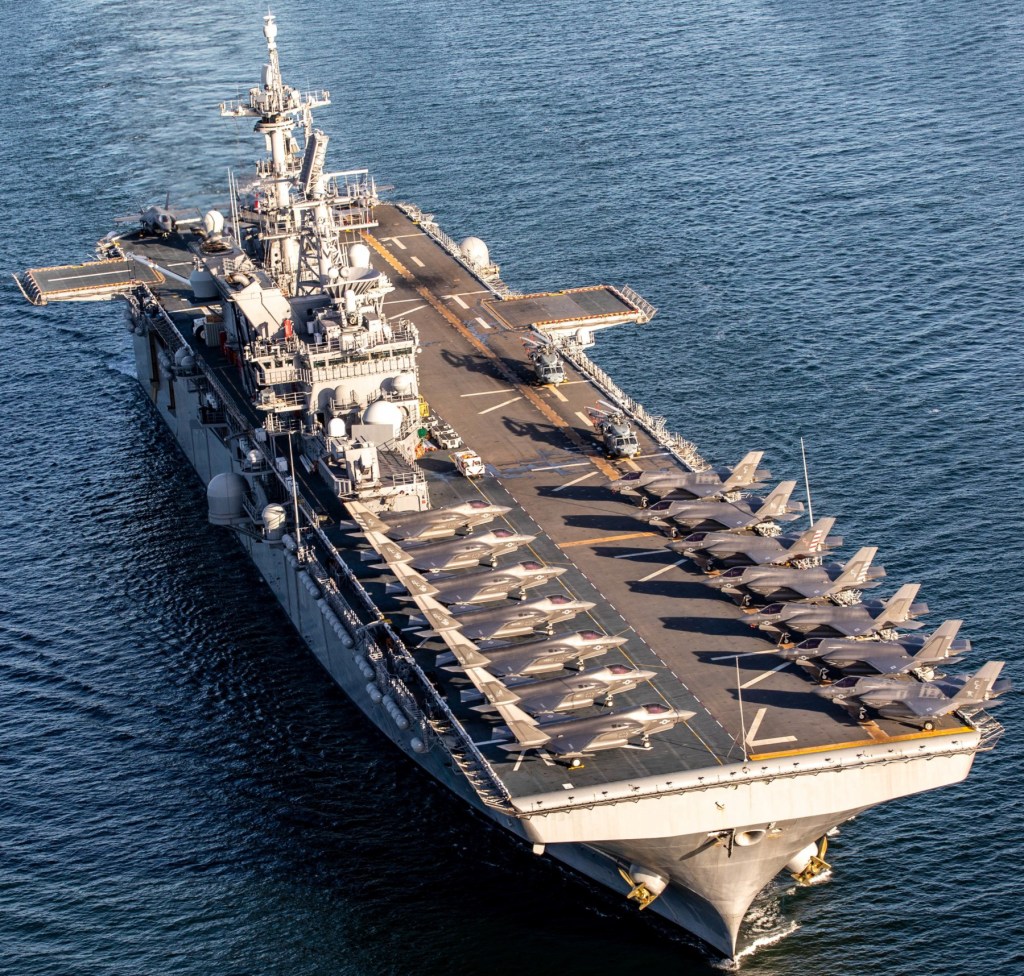
The USS Tripoli (LHA-7) is the second of the America-class amphibious assault ships, which is itself an upgrade on the Wasp-Class amphibious assault ship. This class removed the well deck usually used for landing ships, giving the Tripoli, and the America much more hanger space as well as extra aviation repair and armament storage.
USS Tripoli with its F-35B’s on deck.
The ship is protected by RIM-116 Rolling airframe missiles for protection primarily against anti-ship missiles.
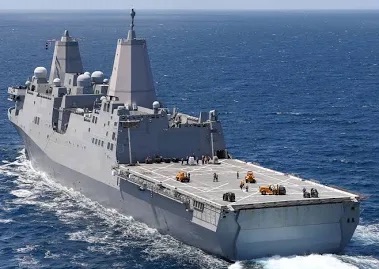
USS San Diego and USS New Orleans are both San Antonio-Class Amphibious Transport Docks. These ships mostly focus on carrying Marines and using their large CH-53 Sea Knight and MV-22 Osprey’s and landing ships to put a good sized marine fighting force anywhere nearby in a short amount of time, useful for seizing a landing zone for example.
USS San Diego
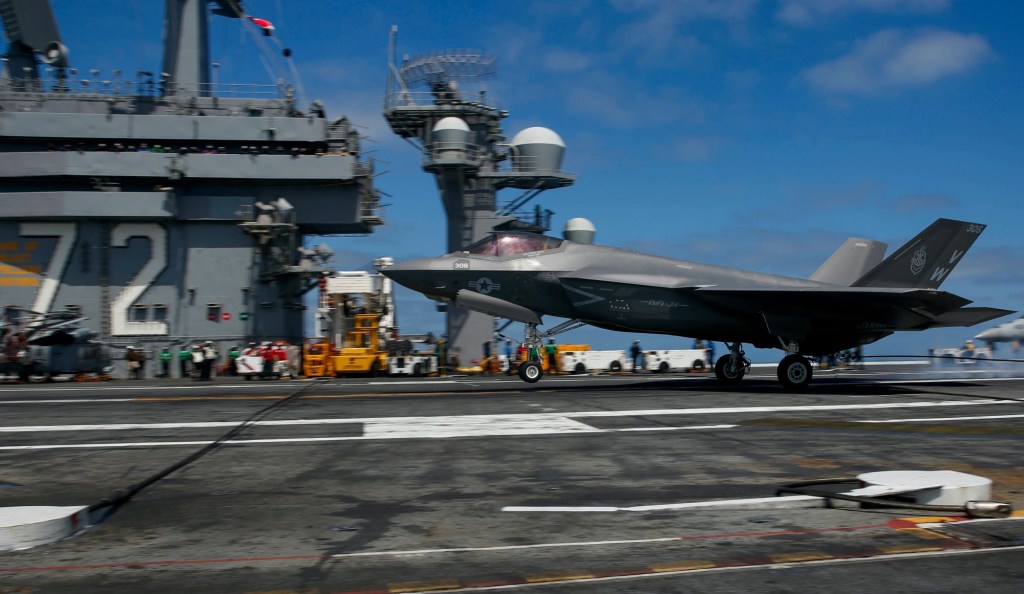
The ability of the 31st MEU to to strike targets using the F-35B’s as well as AH-1Z Viper and UH-1Y Venom helicopters it’s important in supporting the marine fighters and would be especially useful for hunting down the slow flying Shahed drones as well as the smaller craft used by the Iranian navy.
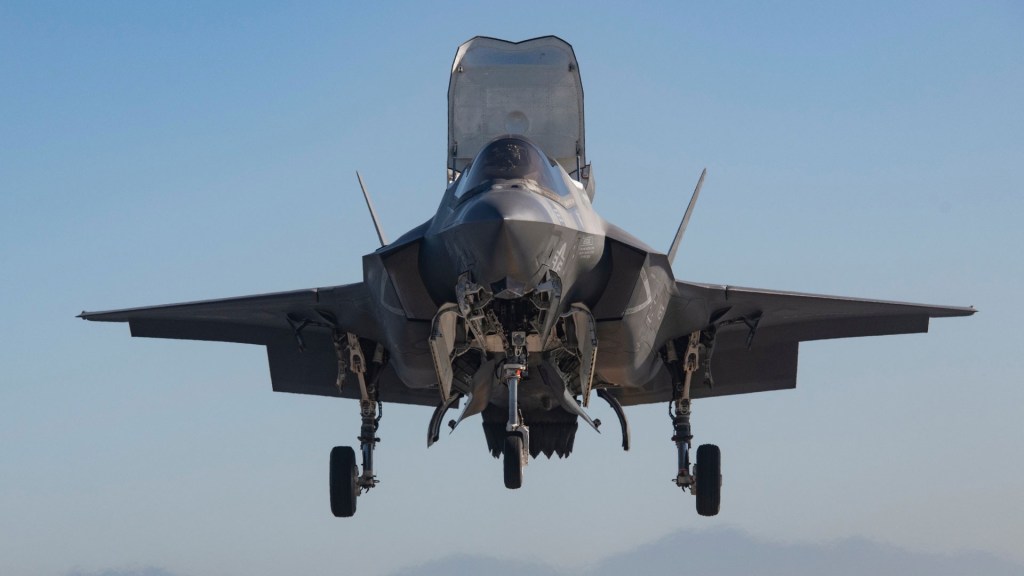
F-35B in its vertical lift mode.
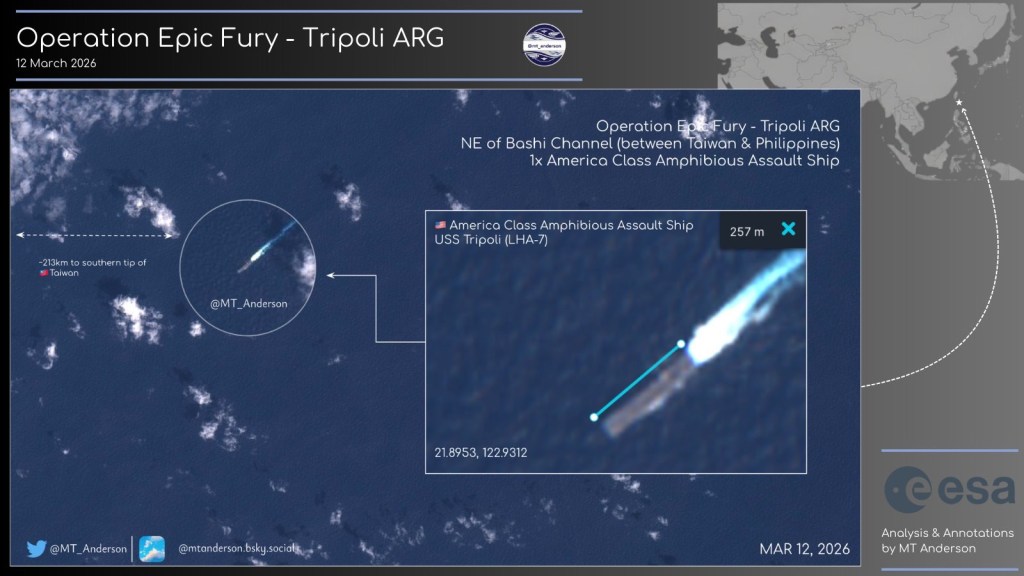
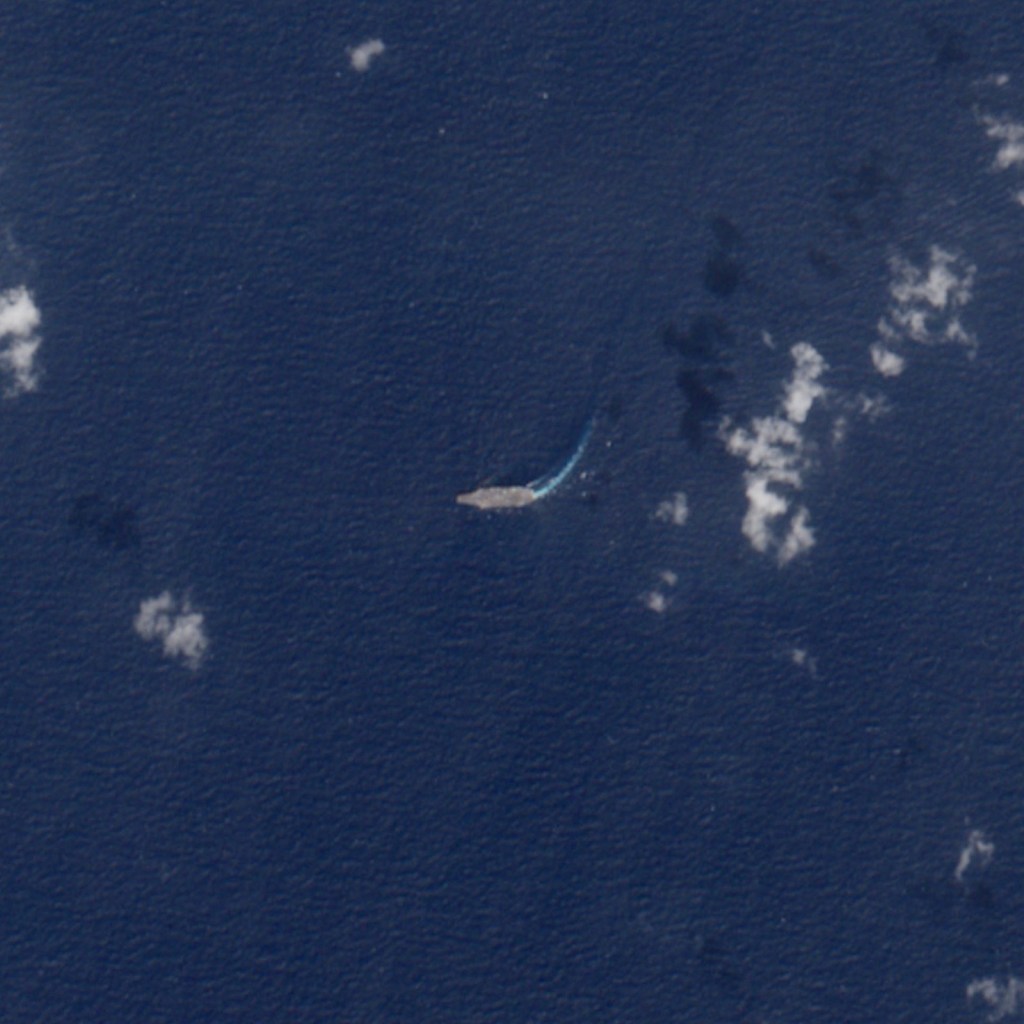
The 31st MEU should arrive in the Middle East in about two weeks.the Tripoli was spotted on satellite imagery heading south from its Okinawa home port.
Shows the USS Tripoli heading south west as it makes its journey to the Middle East.
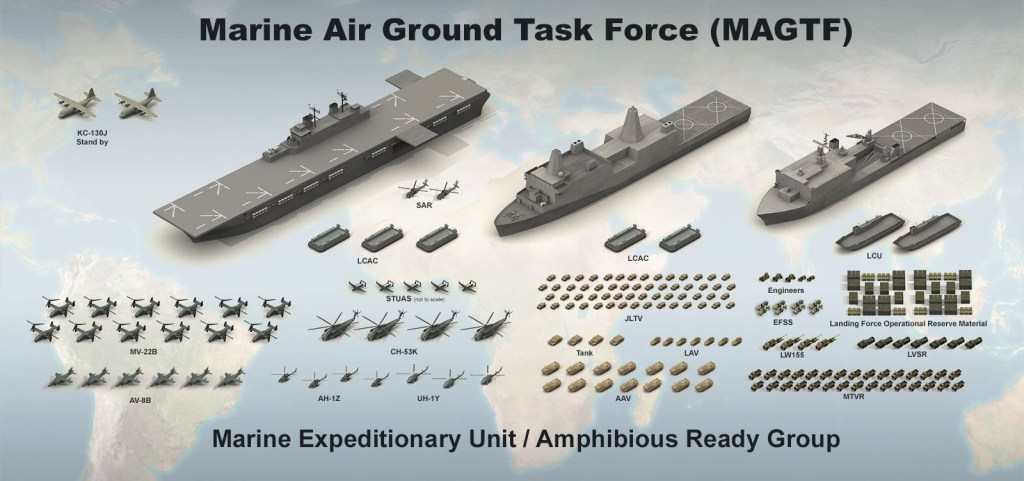
The other Marine expeditionary units could be called to the region if needed.
An older image but minus the AV-88B’s represents what a lot of the MEU’s are working with as far as equipment and numbers. The plan is to switch out the AV-88B’s for F-35B’s.
The New York Times has reported that the USS Gerald R. Ford Carrier Strike Group (CSG) will join the Abraham Lincoln CSG which arrived in the Arabian Sea earlier this month. This addition of another aircraft carrier, its escorts, and the air wing, will bolster the offensive and defensive capabilities of the forces in the region. The Ford left the Middle East late in 2025 and arrived in the Caribbean at the end of January 2026 for Operation Southern Spear, now it’s been ordered back, extending its current deployment past the normal 7 month rotation.
Both carriers, as well as the other forces in the region, including several squadrons of F-15E Strike Eagles and F-35, are a part of a military buildup to put pressure on the Iranian regime. US president Donald Trump, had threatened military strikes if Iran refused to stop its violent crackdown on anti-regime protesters. The crackdown and murder carried out by soldiers of the state was well recorded and spread through social media, even through a complete internet blackout in Iran.
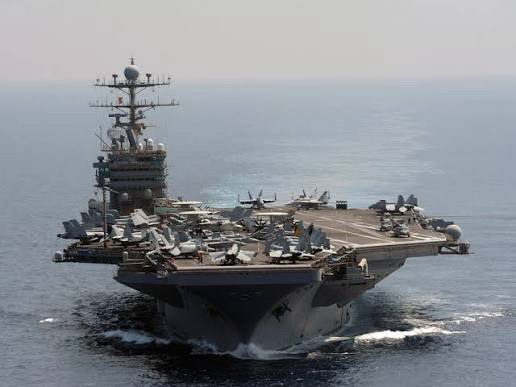
The USS Gerald R Ford CSG
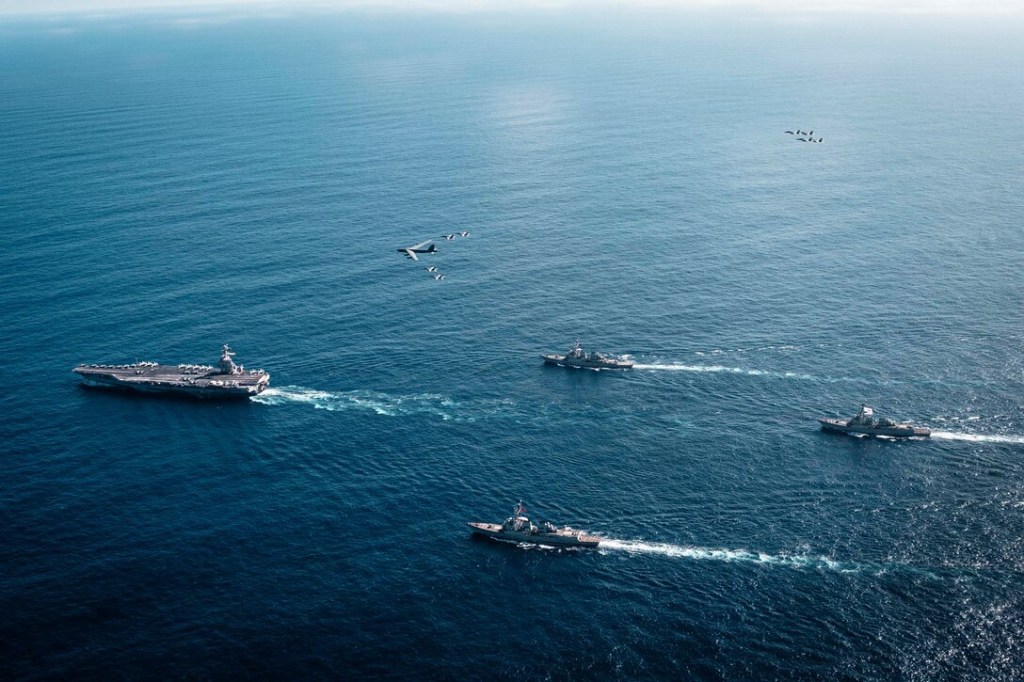
Recent image of the USS Ford CSG during its operations in the Caribbean. (Bonus B-52 flyover).
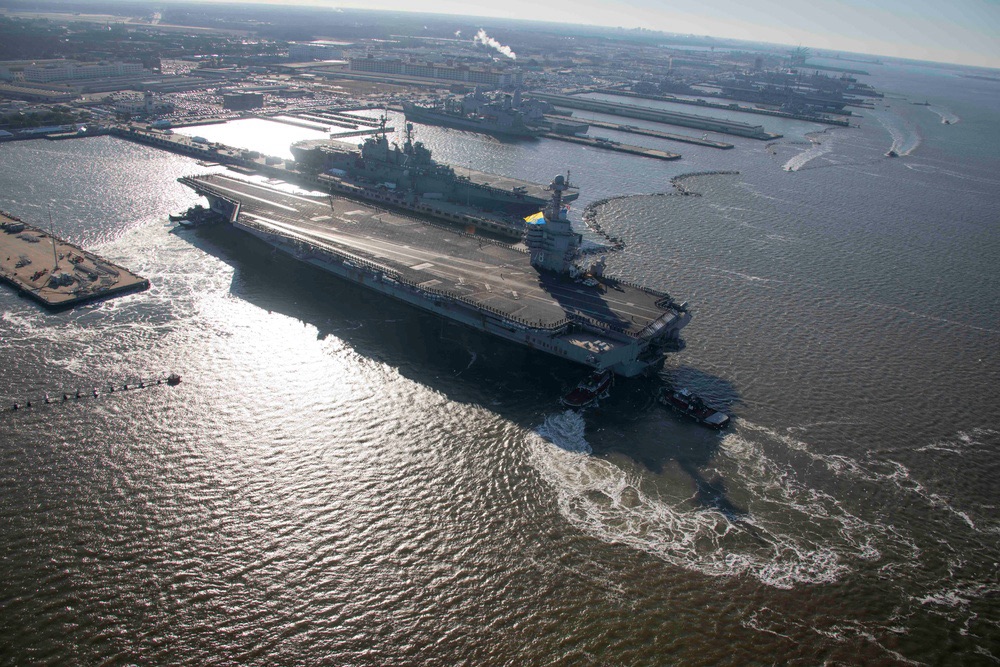
The Gerald R. Ford-Class Carrier, USS Gerald R. Ford (CVN-78) homeported at Naval Station Norfolk in Virginia.
USS Ford returns to naval station Norfolk.
Arleigh Burke-Class Guided Missile Destroyers USS Bainbridge (DDG-96) and USS Mahan (DDG-72), both homeported at Naval Station Norfolk in Virginia. Also included is the Air Defense commander USS Winston S. Churchill (DDG-81) which is homeported at Naval Station Mayport, Florida.
On the Ford is Carrier Air wing 8, details listed below.
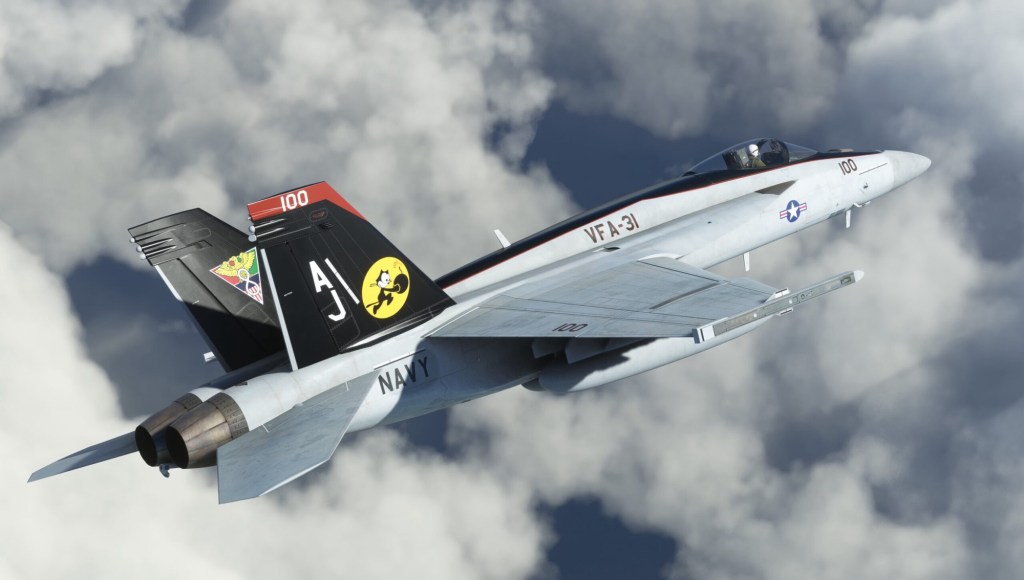
The “Tomcatters” of Strike Fighter Squadron (VFA) 31. Flying F/A-18E Super Hornets from Naval Air Station Oceana, Virginia
VFA-31 Super Hornet
The “Ragin Bulls” of VFA 37,also flying F/A-18E Super Hornets from Naval Air Station Oceana.
The “Golden Warriors” of VFA 87 flying F/A-18E superhornets from Naval Air Station Oceana.
The “Black Lions” of VFA 213, F/A-18F superhornets from Naval Air Station Oceana.
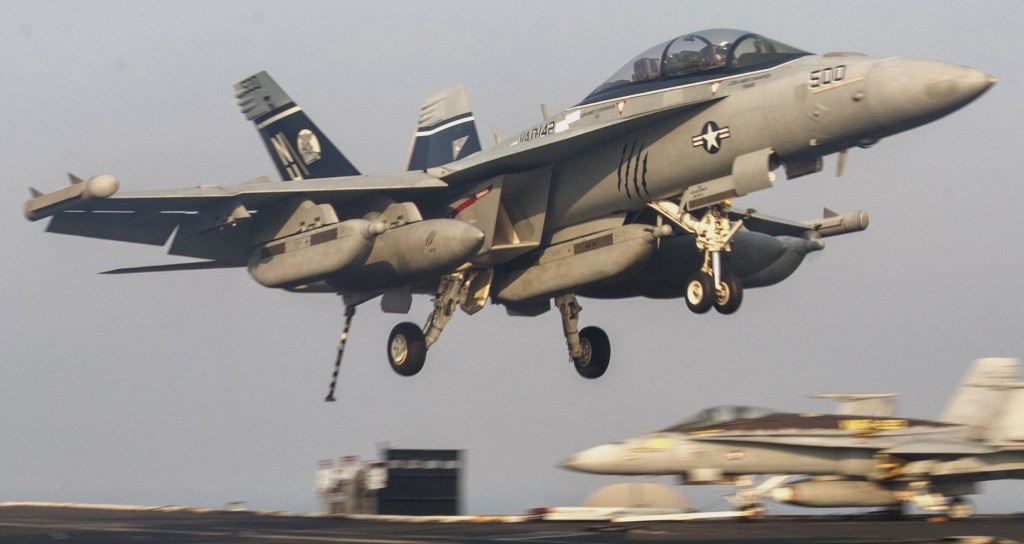
The “Gray Wolves” of Electronic Attack Squadron (VAQ) 142 flying EA-18G Growlers from Naval Air Station Whidbey Island, Washington.
VAQ-142 Growler
The “Bear Aces” of Airborne Command and Control Squadron (VAW) 124 Flying E-2D Hawkeye from Naval Air Station Norfolk,Virginia.
The “Rawhides” of Fleet Logistics Squadron (VRC) 40 Det. Flying C-2A Greyhounds from Naval Air Station Norfolk.
The “Spartans” of Helicopter Maritime Strike Squadron (HSM) 70 flying MH-60R Seahawks from Naval Air Station Jacksonville, Fla.
The “Tridents” of Helicopter Sea Combat Squadron (HSC) 9 flying MH-60S Seahawks from Naval Air Station Norfolk.
The CSG will also be accompanied by at least one unnamed attack submarine which is standard procedure.
Low missiles production a constant problem.
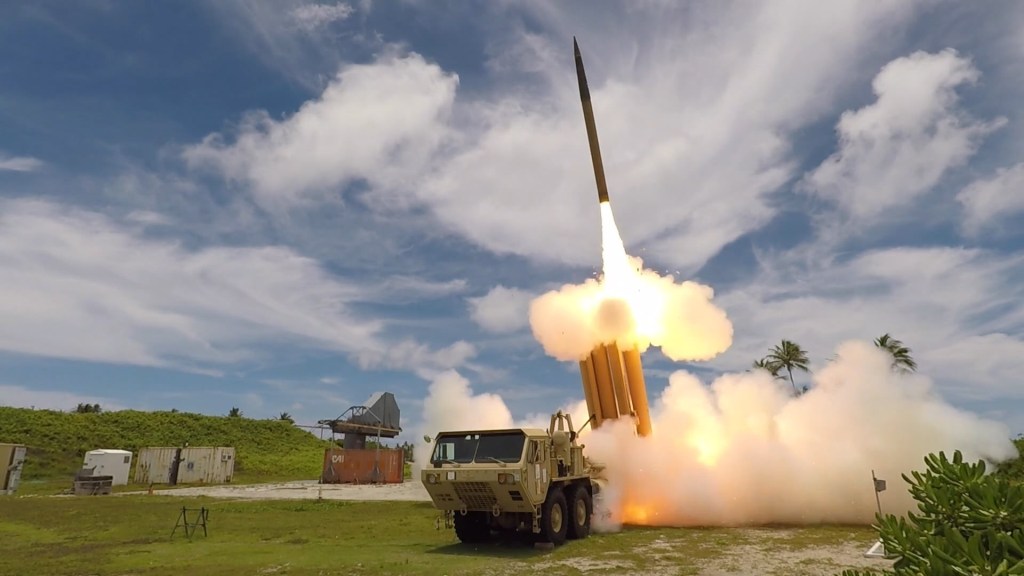
According to a recent article by the New York Times, when Trump made his threats to Iran in January the Pentagon begged him to slow down because the usual mass of US assets and forces in the region had been either redeployed or used up in the recent engagements. The U.S. burned through several months If not years worth of production of its Patriot missile stock during the Iranian ballistic missile attacks on Israel. Not to mention the even more valuable THAAD interceptor missiles,used specificly for long range theater air defense, and recently reported to have been deployed to an airbase in Jordan, had at least 25% of total stocks in 2025 engagements. A large number of Sea and air-launched air defense missiles (SM-2, SM-6) were also expended, especially in the Red Sea, during Operation Prosperity Guardian, firing hundreds of missiles defending the sea lanes against Houthi anti-ship ballistic missiles and drones.
US THAAD (Terminal High Altitude Area Defense)
While missile production has pretty much gone up across all of the defense companies, there hasn’t been a long enough time for the military to benefit from these production increases. Take the Patriot missiles for example, an important asset for any future war, Lockheed Martin only makes around 600 of them a year.
Bottom line and some opinions.
With the addition of the second CSG in the region, the potential for strikes on Iran in the near future has increased in my opinion. The Ford has been on deployment since June of 2025, being redirected multiple times to respond to the changing geopolitical landscape around the world. Moving the ford to the Middle East instead of waiting for another carrier to be available shows that the leadership believes it is important to have an another carrier there, right now.
I also believe that the U.S. should do whatever it can to avoid a long drawn out engagement in the Middle East at this time. The best option would be another “Midnight Hammer” style raid where they target several high value targets with anything other than TLAM cruise missiles, another asset the US (and CENTCOM especially) likes to deploy like it’s going out of style. My thinking here is that while the U.S. should do whatever it can for the people of Iran they also need to follow their own recommendation of focusing on the Pacific and countering China. Not to get too far off the original article but China is growing into a major threat in the Pacific and has the range with its weapons to make any engagement against them a nightmare without a surplus of land and and sea based advanced air defense weapons. The U.S. should have a base line, this is how many missiles that planners think we need for defending against China’s missiles in the Pacific and then not letting CENTCOM fire off 40-50 PAC-2 and 3 missiles in a weekend.
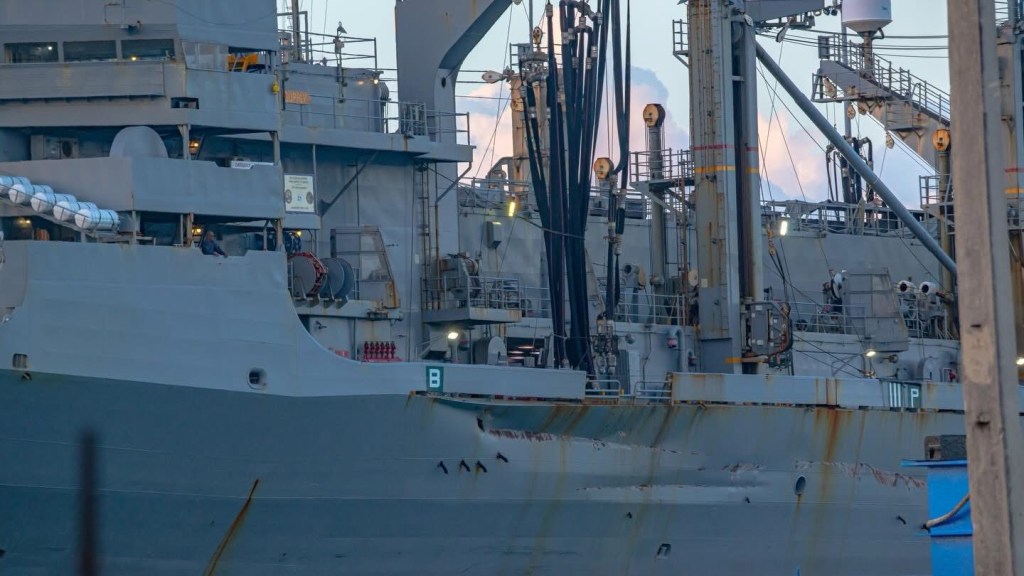
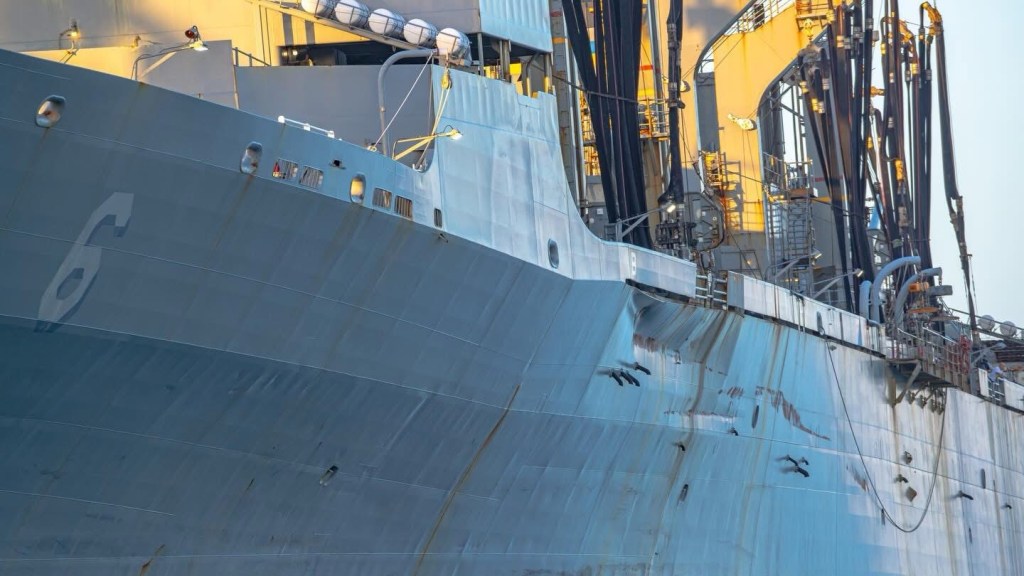
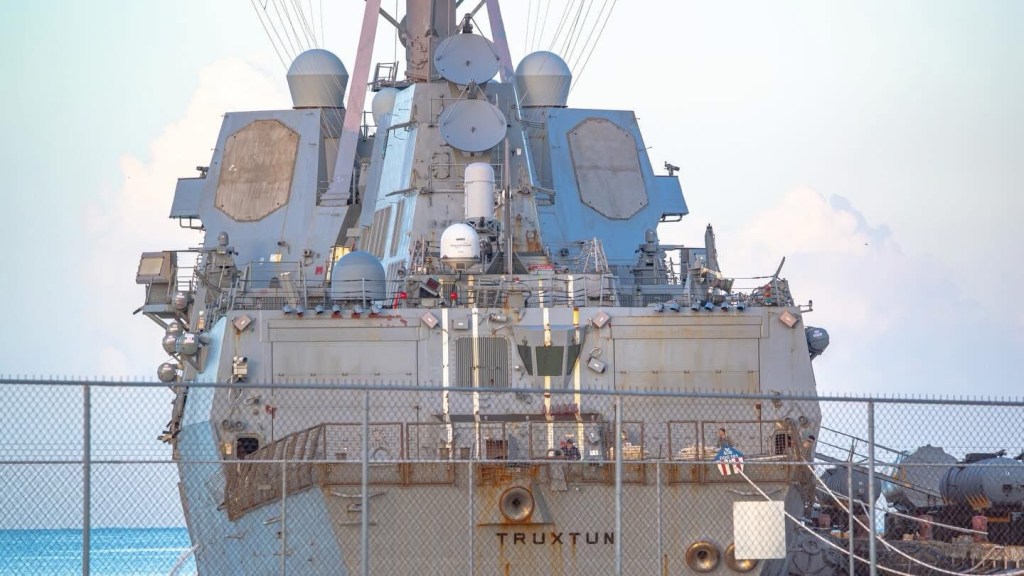
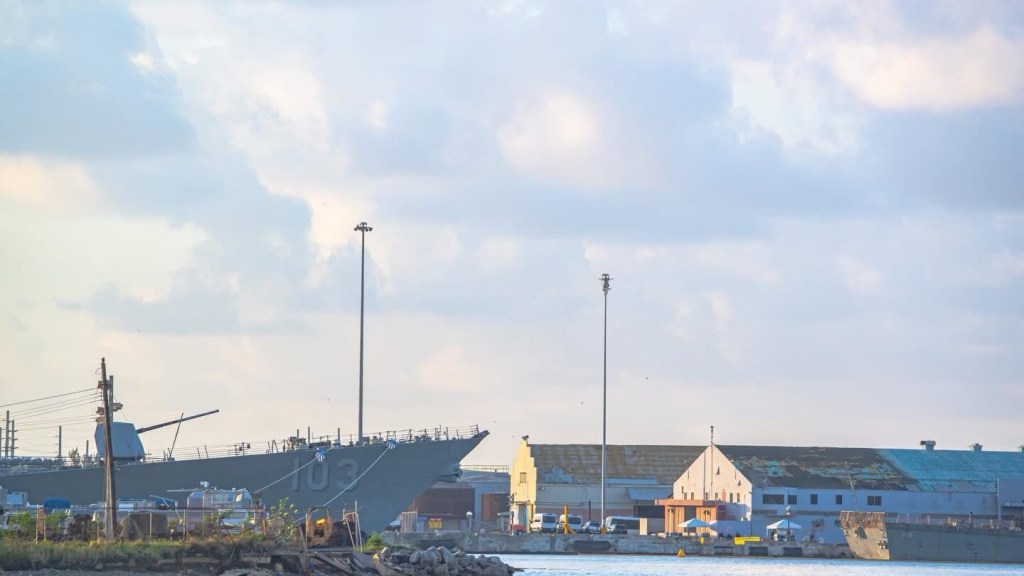
On Wednesday, February 9th, the USS Truxtun (DDG-103), an Arleigh Burke Class Guided-Missile Destroyer, collided with the USNS Supply (T-AOE-6), a Supply-Class Fast Combat Support ship during underway replenishment (UNREP) operations somewhere in the Caribbean. At the time of the incident, the USS Gettysburg (CG-64) is believed to be the ship to the port side of the USNS Supply, it can be seen for a brief second in the video.
Both known videos of the incident can be viewed below.
🚨 BREAKING: Video shows the moment the USS Truxtun and the USNS Supply collide in the Caribbean Sea.
“Yesterday afternoon, the Arleigh Burke-class guided missile destroyer USS Truxtun (DDG103) and the Supply-class fast combat support ship USNS Supply (T-AOE-6) collided during a replenishment-at-sea. Two personnel reported minor injuries and are in stable condition. Both ships have reported sailing safely. The incident is currently under investigation.”
UNREP allows ships to stay at sea and on task for much longer. Instead of finding a friendly port every time they need supplies, the supplies are brought straight to them. However, The Navy, and some sailors, consider UNREP one of the most dangerous things you can do while at sea. It’s a very hazardous operation that has the potential to go wrong in a very short amount of time even if the crews are doing everything they are supposed to do. “Seemingly minor mistakes can turn into potential severe mishaps in seconds.” Says a 2024 dispatch from the Naval Safety Center.
Mechanical malfunctions have caused a number of accidents in the past and often accounts for why these collisions take place. Problems with the rudder or even a malfunction with one of the propellers could be the cause. Certain human issues have also played a role, like stress or tiredness at the end of a long shift.
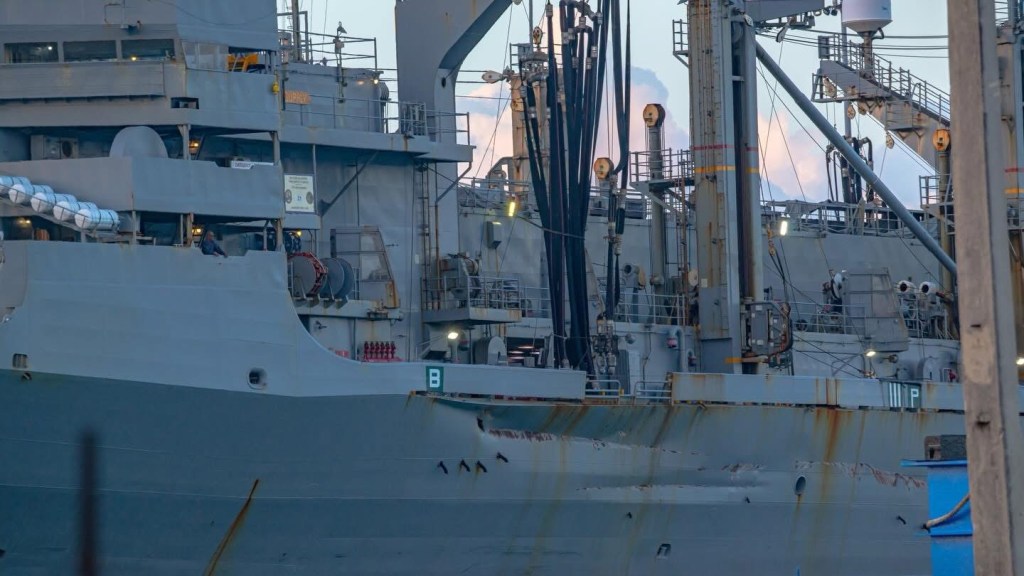
Image of the USNS Supply, taken after the ships returned to Puerto Rico.
Images taken after both ships returned to Both ships were photographed at Ponce, Puerto Rico where the ships were last spotted since the incident occurred. It’s unclear how this will affect the future for the USS Truxtun’s current deployment.
On February 3rd, six Iran patrol boats approached a U.S. flagged oil tanker operating in the Strait of Hormuz and threatened to board it.
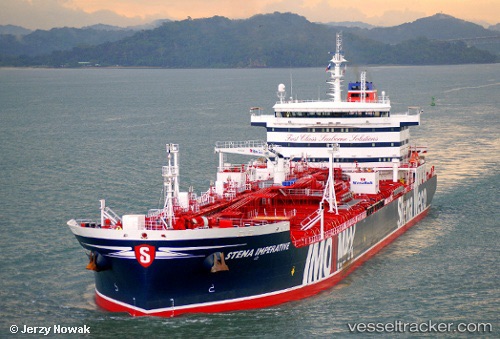
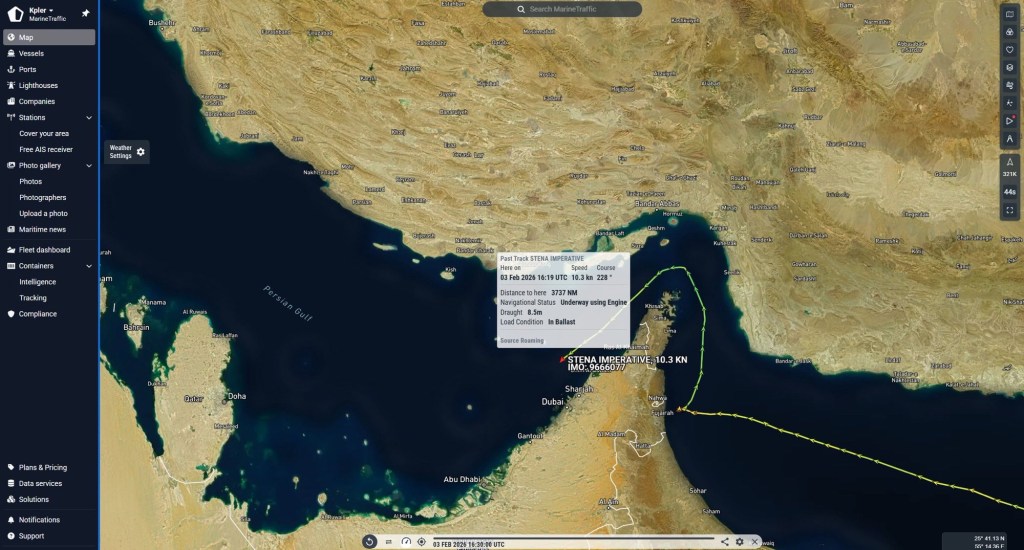
The M/V ‘Stenna Imperative’ was approached by six small gunboats, armed with .50 caliber machine guns, owned by the Iranian Revolutionary Guards Corp (IRGC) and an Iranian Mohajer Drone. At the time the tanker was approximately 16 miles North of the coast of Oman, according to maritime tracking data. It had already passed through the Strait of Hormuz when contacted by the gunboats.
Approximate location of the ahip when the incident occurred.
The gunboats attempted to contact the tanker by radio, ordering the ship to “stop the engines and prepare to be boarded.” The ship responded by increasing engine power and maintaining its course. The U.S. navy responded by ordering the USS Mcfaul, a Guided missile destroyer to respond. The destroyer escorted the ship out of the area, with the aid of two F-16’s and the ship continued on its course to Bahrain.
The M/T Stenna Imperative is a civilian tanker but also certified to carry out operations for the U.S. navy. Most importantly, This means the ship is authorized to carry out transferring fuel to underway naval ships through abeam refueling. This fusion of military and civilian operations helps the navy fill a gap in its gray-hulled military replenishment fleet.
US Central Command confirmed the incident with the patrol boats came several hours after the U.S. forces shot down an Iranian Shahed-129 drone that came too close to the Aircraft carrier USS Abraham Lincoln (CVN- 72) while the ship was sailing in international waters in the Arabian Sea. Captain Tim Hawkins said the drone came “aggressively close” to the carrier even after the U.S. forces took “de-escalatory measures”.
“CENTCOM forces are operating at the highest level of professionalism and ensuring the safety of US personnel, ships, and aircraft in the Middle East.” Said Capt. Tim Hawkins “ Continued Iranian Harassment and threats in international waters and airspace will not be tolerated. Iran’s unnecessary aggression near U.S. forces, regional partners and commercial vessels increases risk of collisions, miscalculation, and regional destabilization.”
The U.S. has built a sizable presence in the region, especially near Iran with what president Trump calls a “massive armada”. The military has sent these forces to the region under the president’s direction with the possibility for military strikes into Iran in response to a brutal crackdown on Iranian regime protesters. Thousands have been believed to have been killed by regime forces since the start of the protest.
Negotiations have been ongoing between the United States and Iran however little progress has been made.
A week after the USS Abraham Lincoln Carrier Strike Group (CSG) was redirected from the South China Sea the warships arrived in the Arabian Sea. US Central Command (US CENTCOM) confirmed the redeployment of the ship to the Middle East on social media on the 26th of January and located the ship as being somewhere in the Indian Ocean.
Sailors aboard USS Abraham Lincoln (CVN 72) perform routine maintenance as the aircraft carrier sails in the Indian Ocean, Jan. 26. The Abraham Lincoln Carrier Strike Group is currently deployed to the Middle East to promote regional security and stability. pic.twitter.com/dkuN946hce
The Carrier Strike Group was dispatched to the region by the U.S. President Donald Trump after he made warning threats to Iran to stop their crackdown on anti-regime protests. The regime’s security forces have opened fire on protesters resulting in thousands of deaths according to human rights watch groups. The carrier strike group that’s moving into the region is made up of the USS Abraham Lincoln as well as three Arleigh Burke-Class Guided Missile Destroyers (as well as a suspected Fast-Attack submarine that would usually accompany a CSG).
“We have a big force going toward Iran. I’d rather not see anything happen, but we’re watching them very closely.” Donald Trump to reporters aboard Air Force One.
While it’s unclear how long the CSG will remain in the region irs addition to the forces slowly building in the region enhances the striking capabilities of the United States.
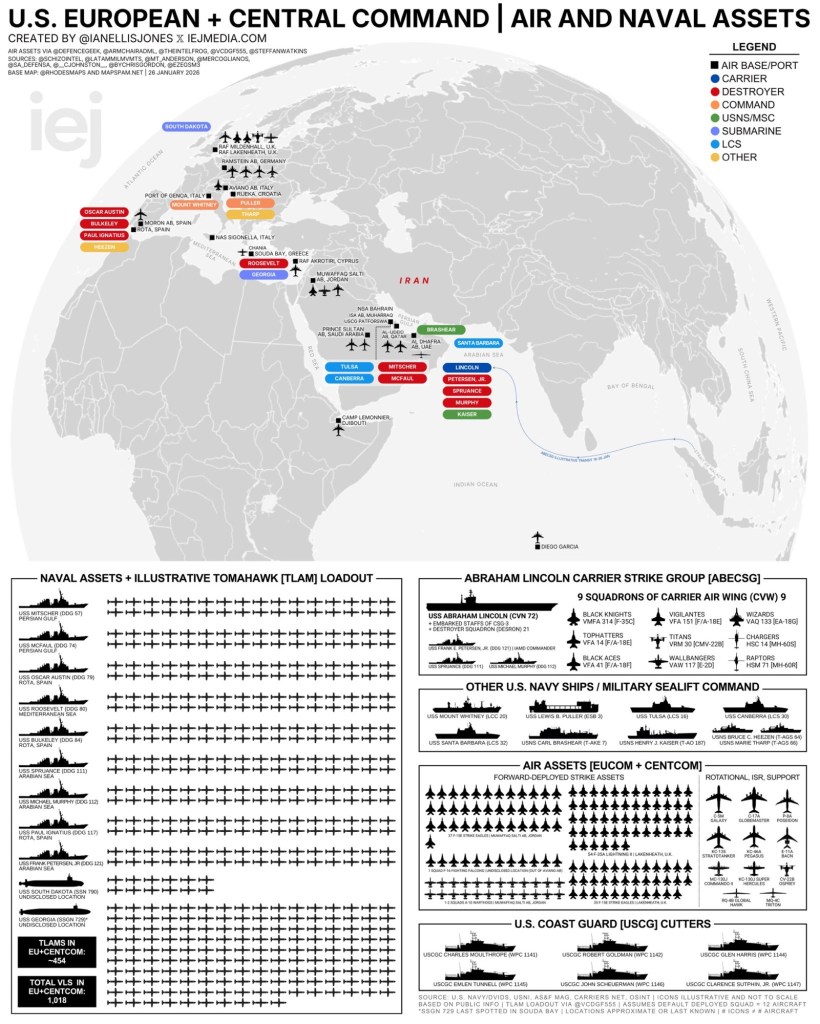
This map, posted by Twitter user and INDOPAC expert @IanEllisJones shows all of the forces that have been recently moved to the Middle East/CENTCOM region. This map only shows what has been reported publicly and focuses mostly on air and sea assets of CENTCOM and nearby involved units in EUCOM. Both US Commands have a large pool of ground forces however their involvement in any potential strikes on Iran would be minimal if any at all.
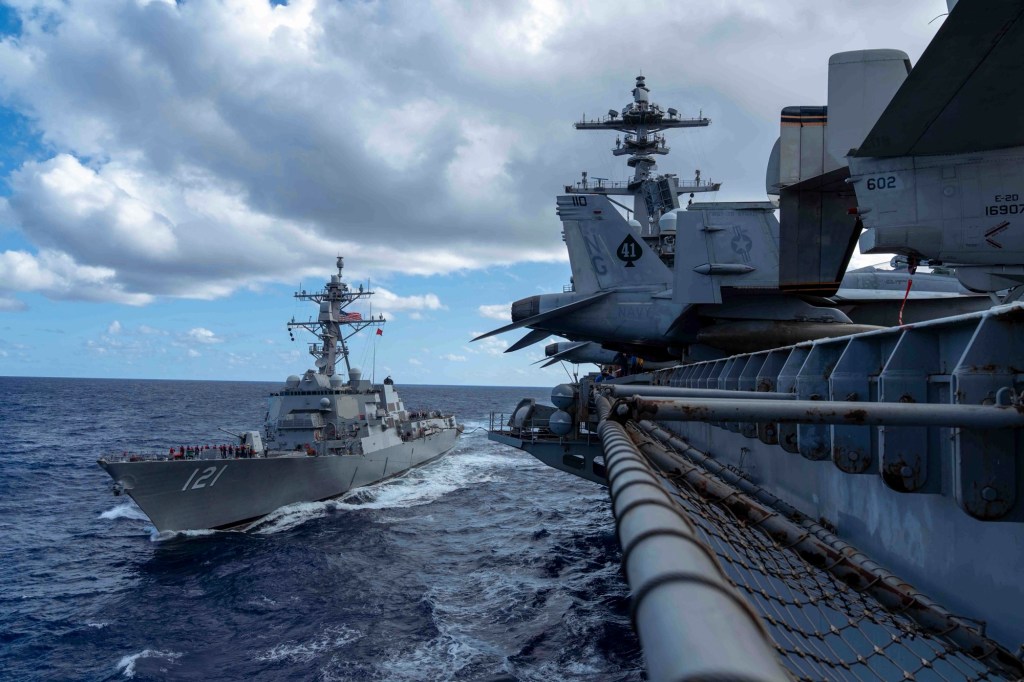
USS Frank E Peterson, JR sails alongside the USS Abraham Lincoln in the Pacific Ocean.
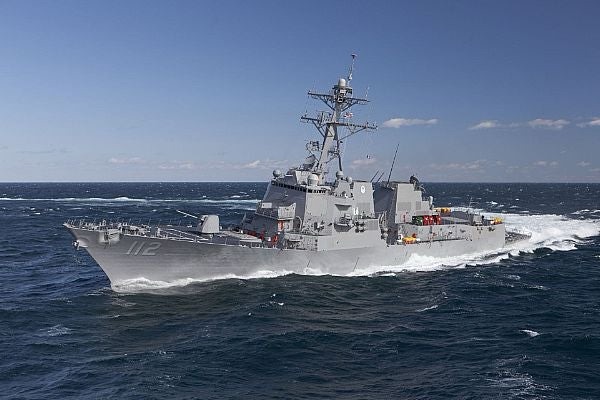
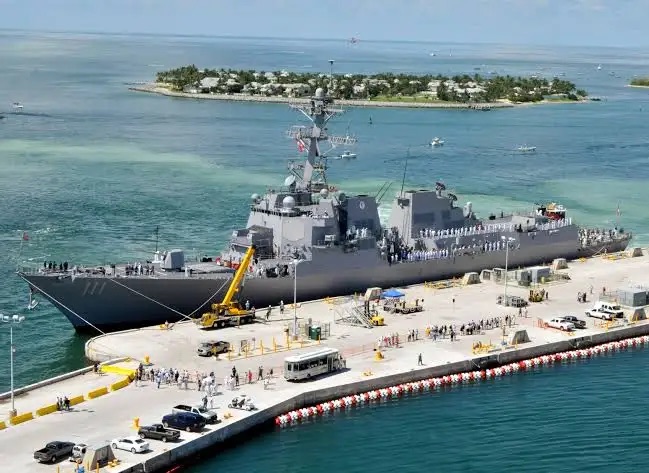
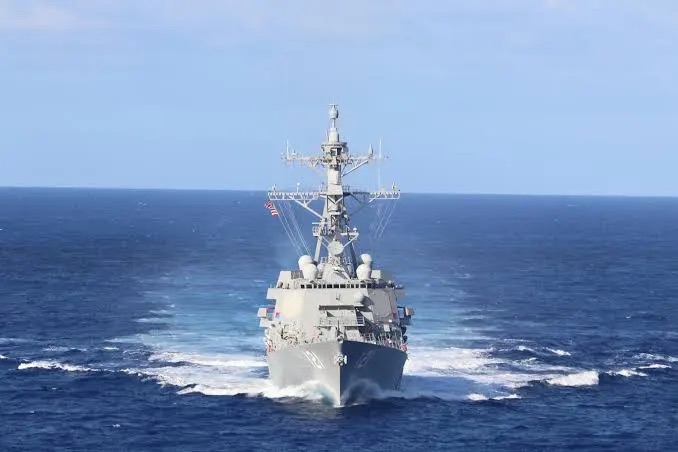
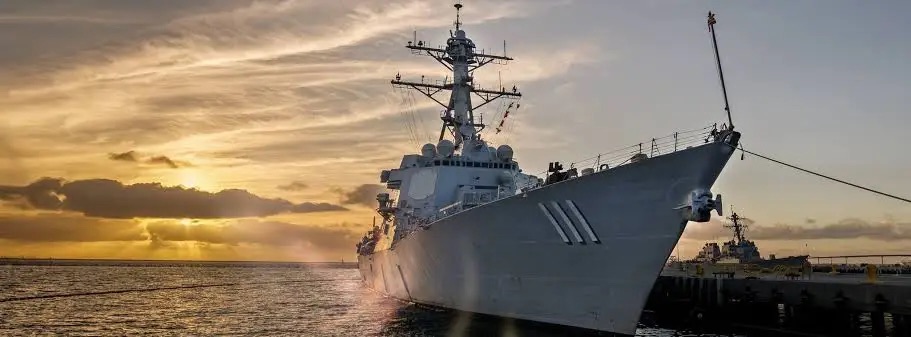
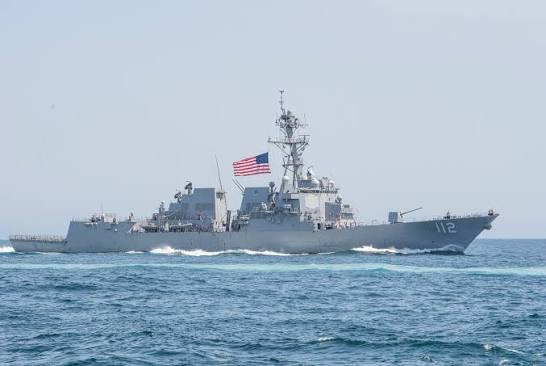
Starting off let’s look closer at the newest addition to the region, the USS Abraham Lincoln and it’s CSG. The carrier is escorted by three Arleigh Burke-Class Guided Missile Destroyers. The USS Frank E Peterson, JR. (DDG 121) operating as the Air Defense Commander. This ship integrates all the radar and defense systems of the other ships and takes charge during an attack on the ship being able to remotely use the other connected ships systems to detect, track and destroy incoming air and missile threats to the CSG. The other two destroyers make up Destroyer Squadron (DESRON)21, the USS Michael Murphy (DDG-112), and the USS Spruance (DDG-111). These ships are going to carry a variety of anti-ship, air, and ground attack missiles. The map has them all three carrying 32 Tomahawk Land Attack Missiles (TLAM’s) a piece. That number is just an estimate, the ships true loadout won’t be known but I don’t think 96 TLAM’s for the whole CSG is too far outside of the realm of possibility.
USS Michael Murphy (DDG-112)
The destroyers carry a variety of missiles but a typical loadout for a flight II and up Arleigh Burke goes something like this.
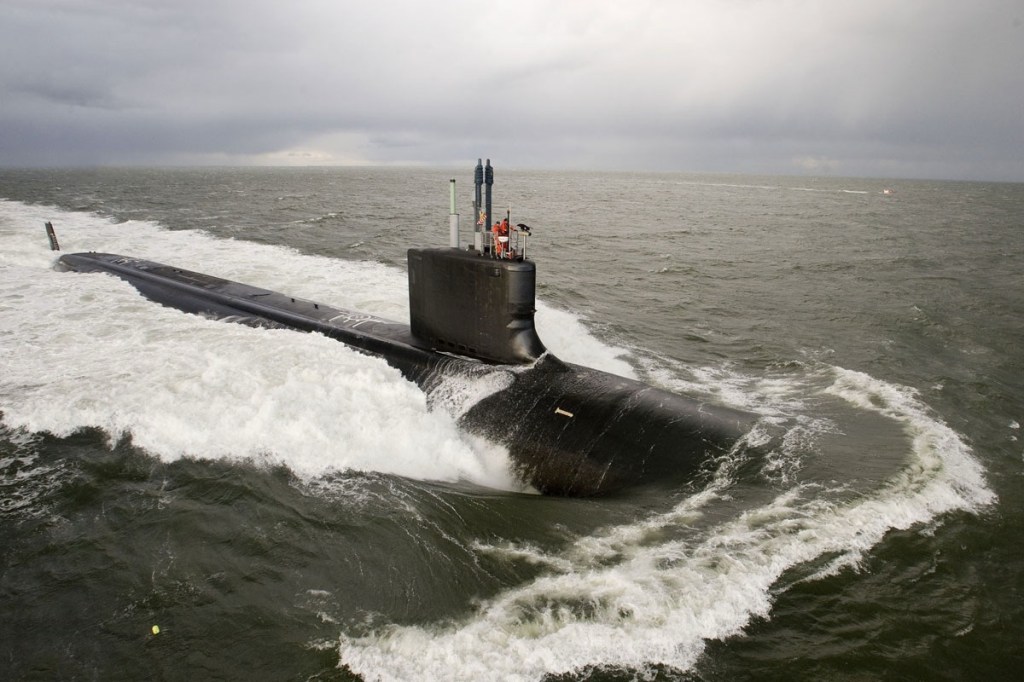
Lastly, any carrier strike group is likely to be escorted by at least one of the Navy’s fast attack sub’s. These submarines are usually not brought up in any sort of reporting or public releases from the navy but we know the carriers almost always have one nearby just for anti-submarine work as well as their ability to strike ground targets using TLAM’s.
Virginia-Class Submarine
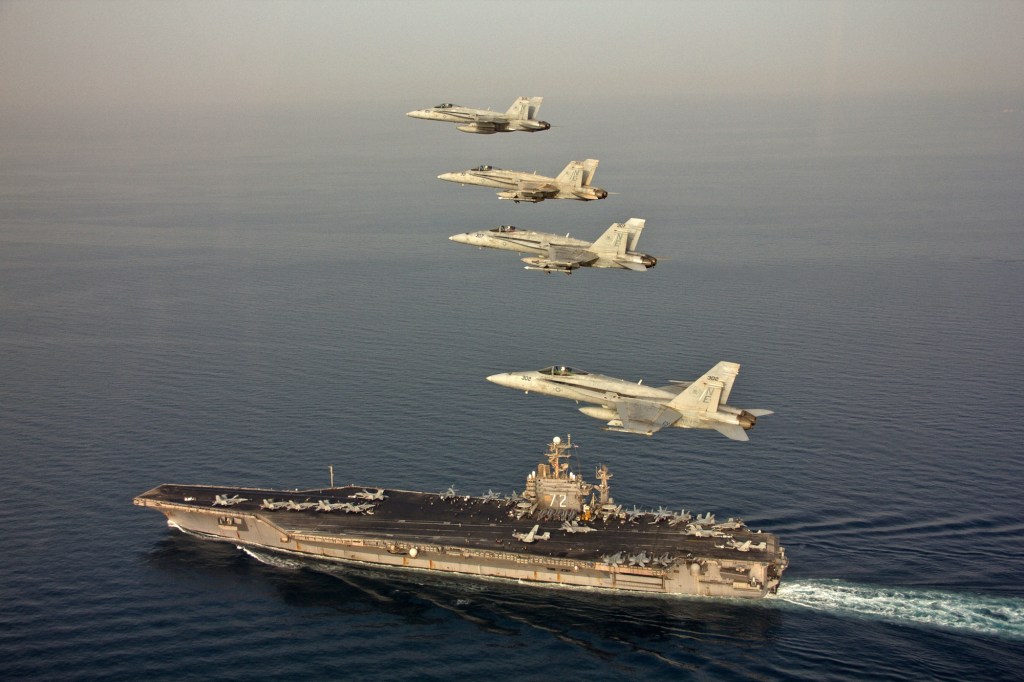
Looking specifically at the carrier, USS Abraham Lincoln (CVN-72) is a Nimitz-class aircraft carrier. The deck and hangar of the ship is filled with Carrier Air Wing 9 (CVW-9). The current list of squadrons and aircraft is as follows.
CVW-9 aboard the USS Abraham Lincoln.
The “Tophatters” of Strike Fighter Squadron (VFA) 14, flying F/A-18E Super Hornet multirole fighter jets.
The “Black Aces” of VFA 41, flying F/A-18FSuper Hornet multirole fighter jets.
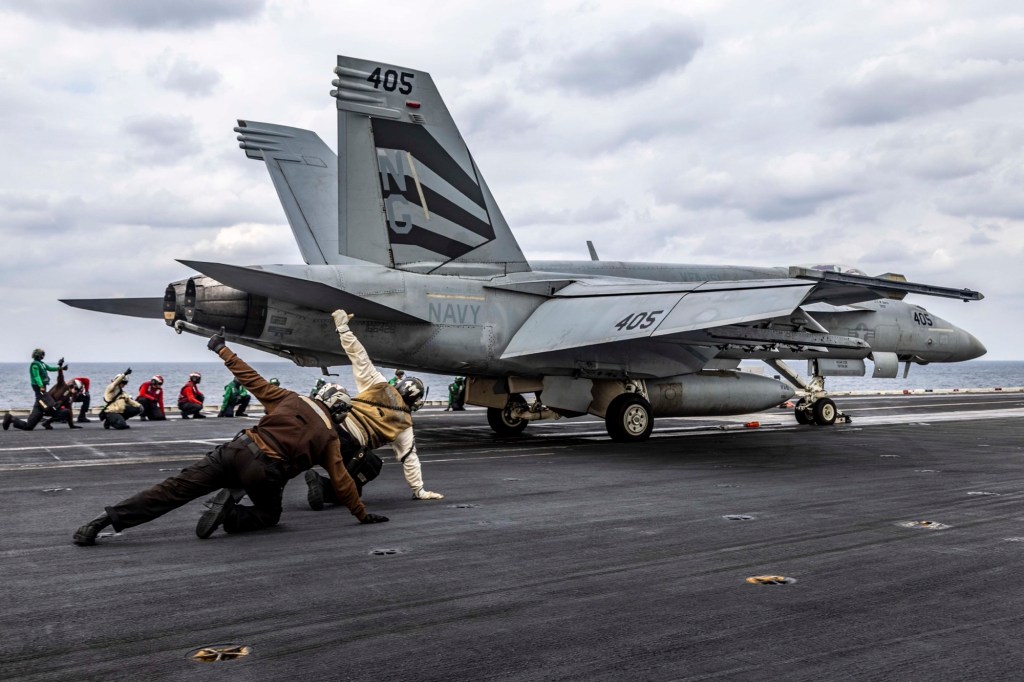
The “Vigilantes” of VFA 151, flying F/A-18E Super Hornets multirole fighter jets.
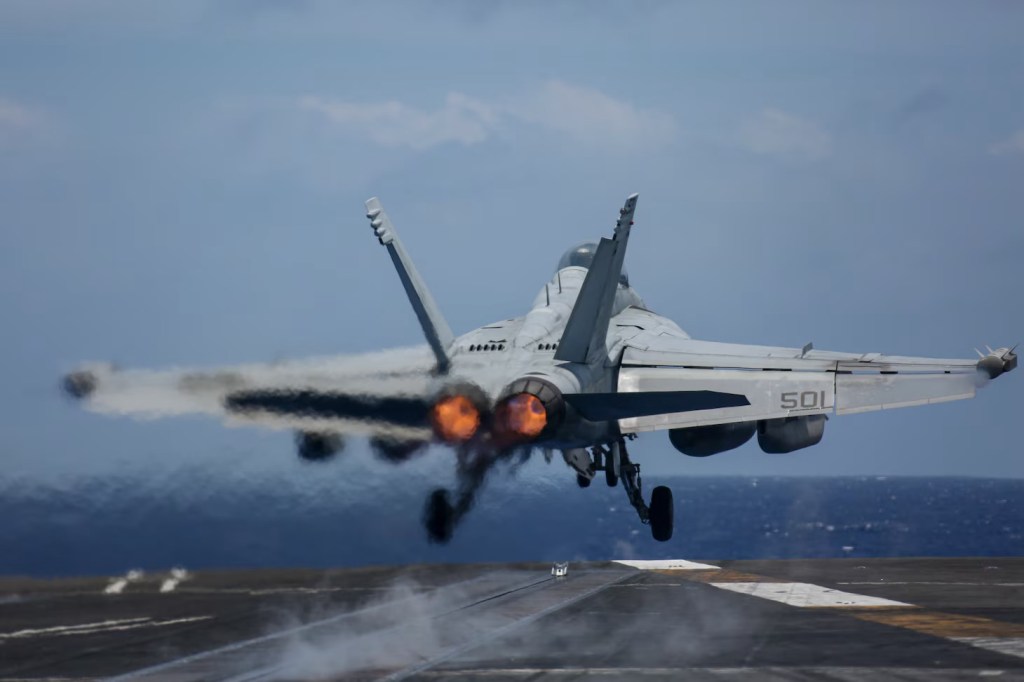
An F/A-18E Super Hornet, attached to Strike Fighter Squadron 151, launches from the flight deck of the USS Abraham Lincoln (CVN 72) while conducting routine flight operations in the Arabian Sea. Abraham Lincoln is deployed to support security and stability within the Middle East region. – CENTCOM Social Media post January 30th 2026.
The “Black Knights” of Marine Fighter Attack Squadron (VMFA) 314 flying F-35C Lightning II’s.
F-35C from the “Black Knights“ of VFMA 314.
The “Wizards” of Electronic Attack Squadron (VAQ) 133, flying EA-18G Growler Electronic Warfare Aircraft.
EA-18G Growler from VAQ 133 jumping from the Abraham Lincoln back in 2024. These recently received the upgraded ALQ-249 Next-Generation Jammer (NGJ) pods.
The “Wallbangers” of Carrier Airborne Early Warning Squadron (VAW) 117 flying E-2D Hawkeye Airborne Early Warning aircraft.
The “Titans” of Fleet Logistics Multi-Mission Squadron 30 (VRM-30) CMV-22B Osprey Multiuse Tiltrotor aircraft.
The “Raptors” of Helicopter Maritime Strike Squadron (HSM) 71, flying MH-60R Seahawk Helicopters.
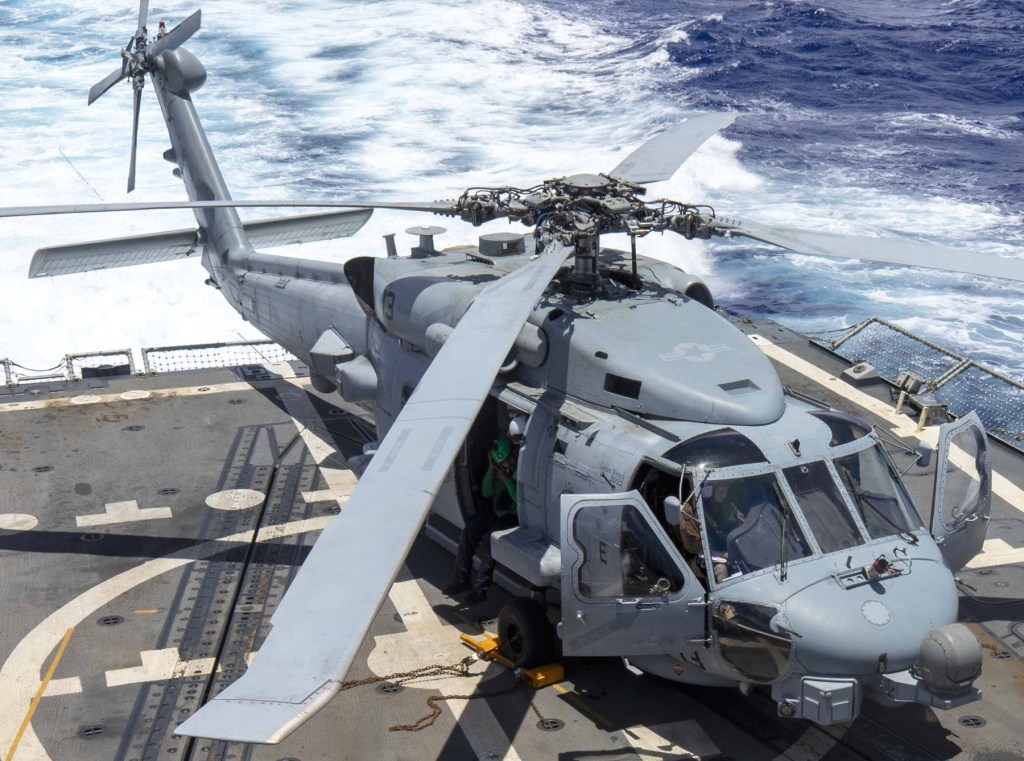
MH-60R Seahawk (HSM-71 / CVW-9) aboard USS Spruance (DDG 111) – July 2024
The “Chargers” of Helicopter Sea Combat Squadron (HSC) 14 flying MH-60S Seahawk Helicopters.
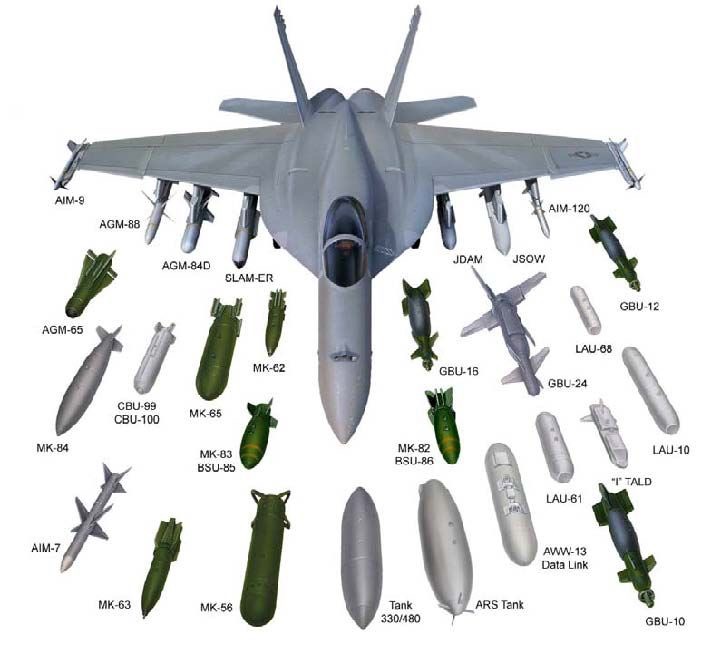
These squadrons give the USS Abraham Lincoln its main offensive capability as well as add some flexibility to any strike plans, and add support for the whole ship. The F/A-18’s especially are capable of carrying and deploying a wide array of munitions, making them one of the most versatile multirole jets in operation. Able to carry a variety of munitions like the JDAM’s, Small Diameter Bombs, as well as rockets, anti-ship, and anti-radar missiles. These multi-role titans, aided by the stealthy F-35c and the Electronic Warfare capabilities of the EA-18G you would be hard pressed to find a job this carrier air wing couldn’t handle.
The weapons able to be deployed by the Super Hornet.
Now looking back at the map from Mr. Ellis. Multiple sources have confirmed the 37 F-15E Strike Eagles arriving into Jordan. CENTCOM themselves released images showing their arrival into the midddle east.
A U.S. Air Force F-15E Strike Eagle assigned to the 494th Expeditionary Fighter Squadron lands at a base in the Middle East, Jan. 18. The F-15's presence enhances combat readiness and promotes regional security and stability. pic.twitter.com/QTXgOsOozV
The post does give a location but the location was geolocated fairly quickly to the Muwaffaq Salti Air base in Jordan. The map mentions a number of A-10’s being present at that base and while evidence exists of their presence in the Middle East, the exact location is unknown. Elsewhere in the CENTCOM AOR is a squad of F-16’s originally from Aviano AB. The map also shows the large number of F-35’s and F-15’s currently stationed in the UK which could be used if any strikes are carried out in Iran.
Several more ships are operating in the Persian gulf area. USS Mitscher (DDG-57) and USS McFaul (DDG-74), are both operating independently in the region. Littoral Combat Ships USS Canberra (LCS-30), USS Tulsa (LCS-16) and USS Santa Barbara (LCS-32) are additionally operating with a mine countermeasure mission package. The newest addition is USS Delbert Black (DDG-119) which was reported entering the Red Sea today.
USS Roosevelt (DDG-80) is close by, operating in the Mediterranean but could quickly be called to action.
Much of this map shows assets not exactly in theater but very nearby, assets that could very quickly be moved if need be. On top of all of this you have the U.S. Air Force bomber fleet which can be anywhere in the world in less than 24 hours.
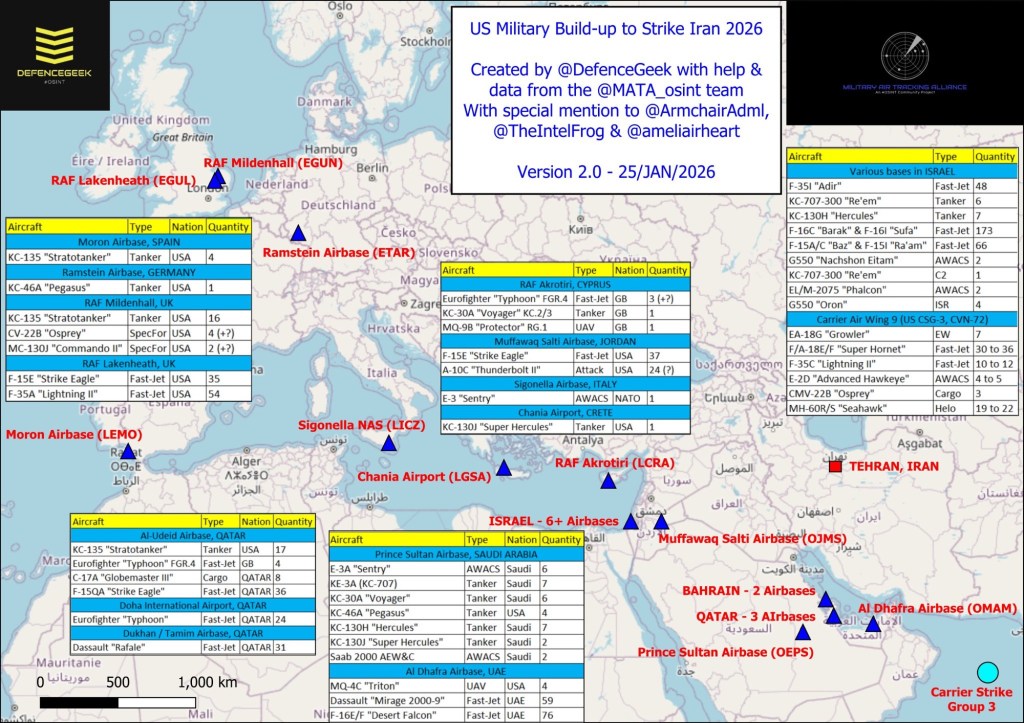
This map above, posted by investigative research user Defensegeek shows flight movements for the past couple days. The map shows recent arrivals of not only strike fighters, but logistics and recon assets as well.
As of the conclusion of this article on the 29th, reports are starting to circulate that the White House is now deciding what to do about Iran. A media outlet based in London, Iran international is claiming that a joint U.S./Israel will be carried out with the intent of completely collapsing the current Iranian government and that only the timing is being considered at this stage. President Trumps himself, on January 30th claimed that he directly laid out a deadline for some sort of agreement between the US and Iran.
This is a continuing story and will be covered here fully by GCR.
Several days ago the USS Abraham Lincoln(CVN 72) along with its Carrier Strike Group(CSG) which had most recently been sailing in the South China Sea, turned West, reportedly, with new orders- to sail to the Middle East. The ship and her escorts will join the US Fifth Fleet and conduct operations in the strategically and geopolitically important waterways of the Middle East.
Currently the USS Abraham Lincoln Carrier Strike Group is made up of destroyers USS Frank E. Petersen, Jr. (DDG-121), USS Spruance (DDG-111) and USS Michael Murphy (DDG-112). The carrier embarked with the air power of Carrier Air Wing (CVW) 9.
USS Frank E. Petersen, Jr.USS Spruance (DDG-111)USS Michael Murphy (DDG-112)
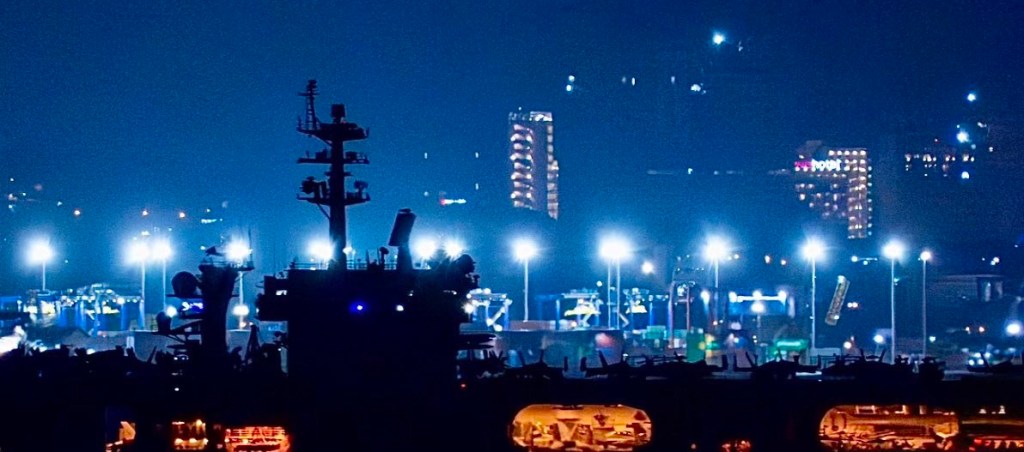
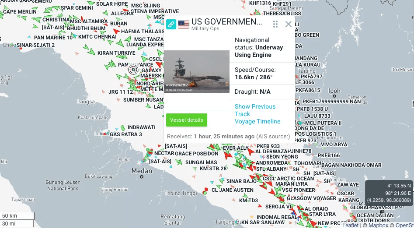
Late on Sunday (about 11:00 pm local time) the carrier was spotted entering the Malacca Strait which can be seen In the photo below, posted by USNI the ship was caught sailing past Singapore at about midnight. By Monday the carrier’s AIS data showed it was on the last stretch of the Malacca Strait before the Indian Ocean.
The dark shape of the USS Abraham Lincoln as it looked sailing through Singapore, in its way through rk mm
There are currently no U.S. aircraft carriers in the Middle East and right now there are only two CSG’s deployed at all- the Abraham Lincoln CSG heading towards the Middle East and the Gerald R. Ford CSG which has been operating in the Caribbean.
Last known position of the USS Abraham Lincoln.
GCR as well as other media outlets have reached out to the Pentagon as well as the Navy for confirmation, but we’ve received no statement back at the time of writing.
The instability in the region since 2024 has three times now caused a carrier strike group to be rerouted from the Indo-pacific region to the Middle East. USS Abraham Lincoln in 2024 and the USS Nimitz CSG last June.
The USS Abraham Lincoln will reach the Central Command (CENTCOM) area of responsibility in roughly 5-6 days. Tensions in the area are the probable cause of this redeployment and shifting of forces, with instability and conflict in both Syria and Iran.
🇸🇾 #Syria: Drone footage shows the Syrian Democratic Forces’ (SDF) drone unit, the “Martyr Haroun Units,” striking vehicles and dropping explosive payloads on militants from the Syrian Army (HTS) allegedly in the southern countryside of Hasakah. pic.twitter.com/RmNVp00UAz
Following protest being met with violence in Iran, the White House threatened military action against Iran with President Trump claiming “Help is on its way.”. Those protest have been ongoing in multiple cities around the country for several weeks now, and are often met with gunfire from the various Iranian security forces. In Syria, fighting between the regime and Kurdish SDF forces in the North has been ongoing for a time.
The redeployment of the USS Abraham Lincoln from the Indo-Pacific leaves only the forward deployed USS George Washington (CVN 73), currently undergoing maintenance in Yokosuka, Japan. It would take some time for the USS George Washington to be 6ready for sea as at the very least its carrier air wing would need to undergo carrier qualification training before being allowed to set sail.
The U.S. also has the Japan-based amphibious assault ship Tripoli (LHA-7) which is conducting patrols in the Indo-Pacific region as well as cruiser USS Robert Smalls (CG-62) and destroyer USS Rafael Peralta (DDG-115) according to USNI.
Tripoli (LHA-7)
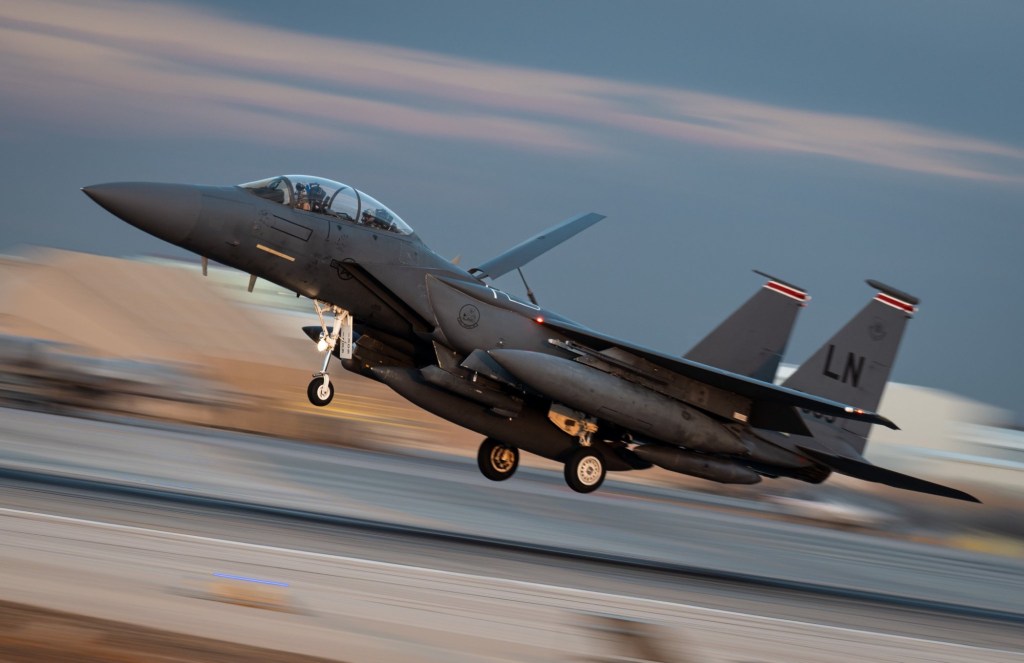
Apart from naval movements, sharp eyed flight trackers noticed an increase in flights heading to US bases in the Middle East. In the last 24 hours at least a dozen US Air Force F-15E Strike Eagles from the 48th Fighter Wing departed RAF Lakenheath in the United Kingdom and arrived at the Muwaffew Salti Air Base in Jordan. Four KC-135’s accompanied them. A number of C-17’s also reportedly departed from the UK and made their way to the Middle East.
F-15E Strike Eagle landing in Jordan, relesed this morning by US CENTCOM
On the morning of January 3rd, the U.S. launched a major operation to capture Venezuelan President Nicolás Maduro. Operation Absolute Resolve as it has come to be known took place mostly in the Caracas region however the U.S. carried out airstrikes elsewhere on certain regime military targets.
The strikes were carried out in the early morning hours of January 3rd when more than 200 special operations forces surged into Venezuela while aircraft and ships that had been gathering in the Caribbean for months conducted a number of precision airstrikes on (mostly) military targets around the Caracas area. The special forces, being flown by the helicopters of the 160th Special Operations Aviation Regiment “Night stalkers” flew in, suppressed and destroyed enemy air defense and captured Venezuelan President Nicolás Maduro and his wife Cilia Flores.
This attack was an operational success and caught the National Bolivarian Armed Forces of Venezuela completely off guard. The defenders only managed to launch a handful of Igla shoulder mounted missiles which appear to have all missed. The helicopters used by the Night stalkers have a number of countermeasures against these types of weapons.
Full video of the Igla missile being fired from Fuerte Tiuna and the response from US helicopters.
Video en el que supuestamente se muestra el lanzamiento de un misil tierra-aire 9K38 «Igla» 🇻🇪 contra un helicóptero del 160 SOAR 🇺🇸 en Caracas. pic.twitter.com/n57Trc3fjq
After this the helicopters landed, special forces ground units found and secured Maduro and his wife after fighting through a reported 30 Cuban security guards. Maduro was transported to the USS Iwo Jima after this and from there he was transferred stateside.
Maduro perpwalk.
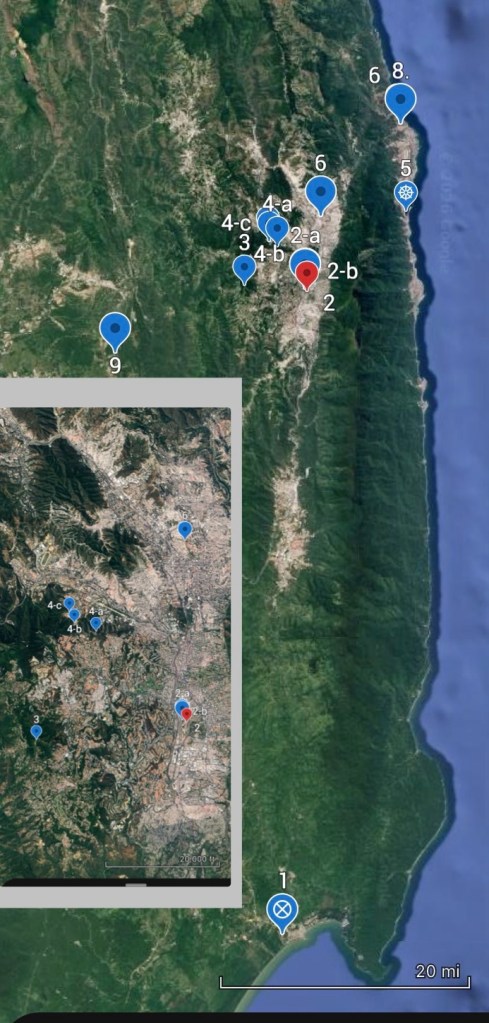
Since the morning of the strike GCR as well as many others have worked verify where some of the strikes took place and I’d like to go over the ones I’ve managed to verify as well as note any other information I have about them.
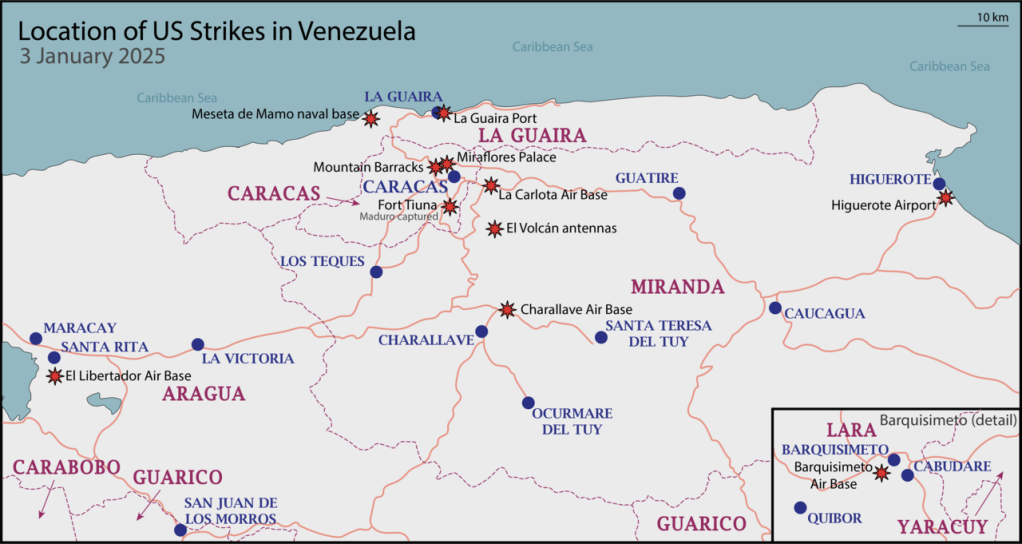
With geolocations,most of the time you will have a video and you want to find the location in took place. This case was no different, I had multiple videos and many of them had the same location shown . I also got very lucky in that some of the major networks has marked out strikes their teams had found on a map so I used one of those as an overview. I also grabbed satellite images from where ever I could, much of it is from the Center for Strategic & International Studies (CSIS), as well as released images from Planet labs and Vantor.
I found this map on the New York Times website which helped me narrow down locations of strikes making this process a lot quicker.
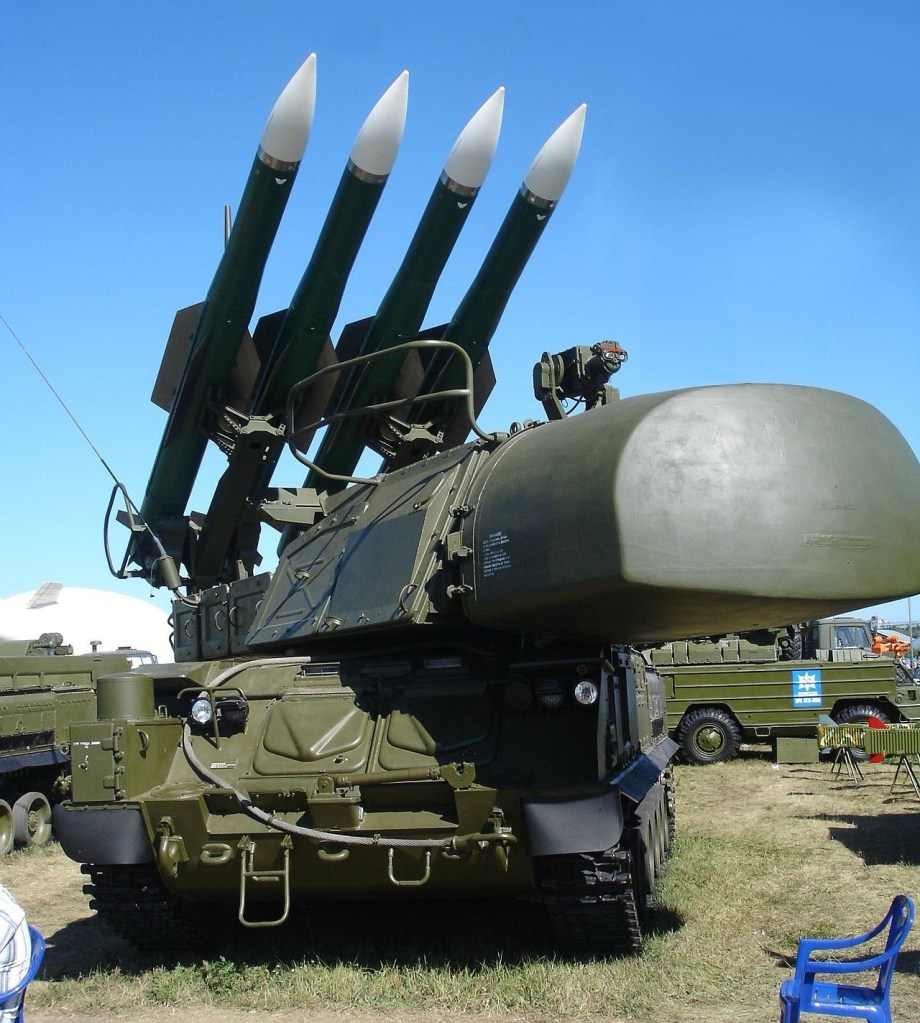
The Venezuelan air defense is made up of several systems but the one we will be talking about mainly today is the Buk series. The Buk is a family of self propelled, medium- range surface-to-air missile systems.
A Buk-M1-2 SAM system
It’s been reported in the days since the strike that none of the systems were hooked up to any sort of long- range detection radar and were only using their targeting radar which is very ineffective.
Former head of the CIA station in Venezuela Richard de la Torre, said that years of corruption, logistical problems, and the impact of international sanctions were the cause of the Venezuelan air defense network being in such a poor combat readiness state.
Moving on to the strikes.
Strikes on Aeropuerto airport.
(Number 1)
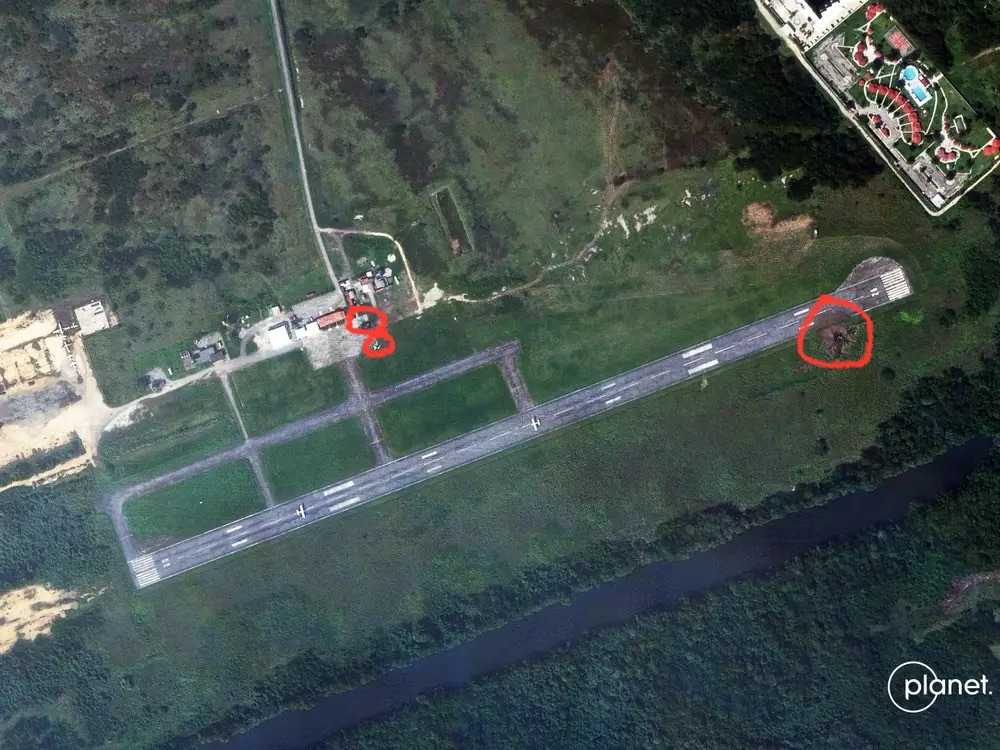
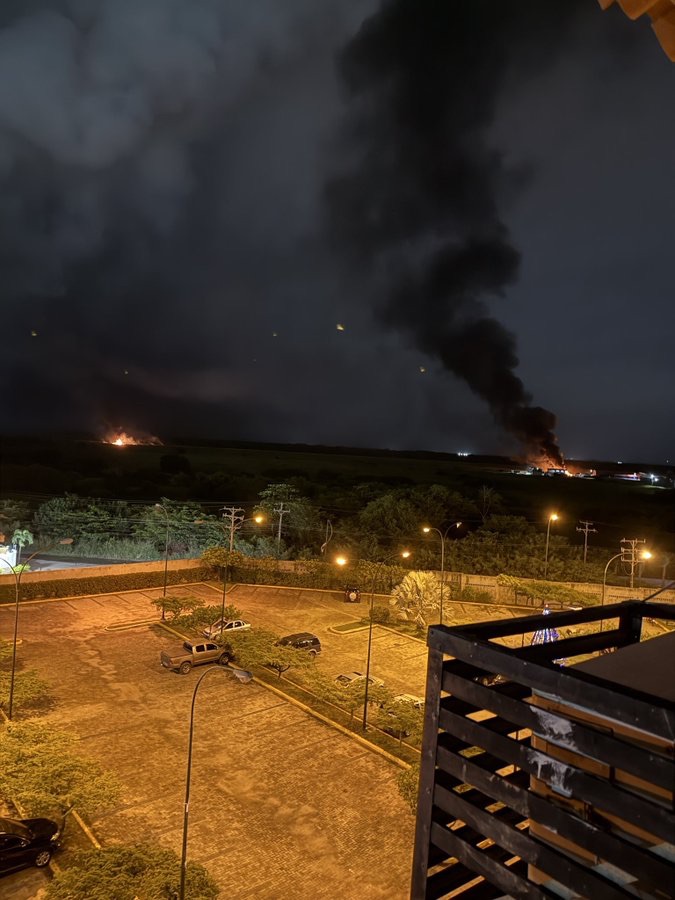
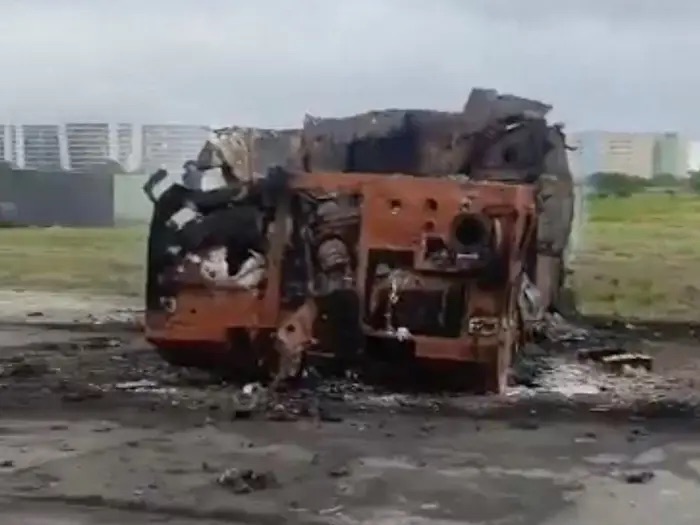
The first site I looked at was from the airport located in Higuerote. Images taken after the strikes show remains of what we believe were light airplanes and trucks that were used to block off access to the runway. Remains of a Buk air defense system command vehicle were also spotted.
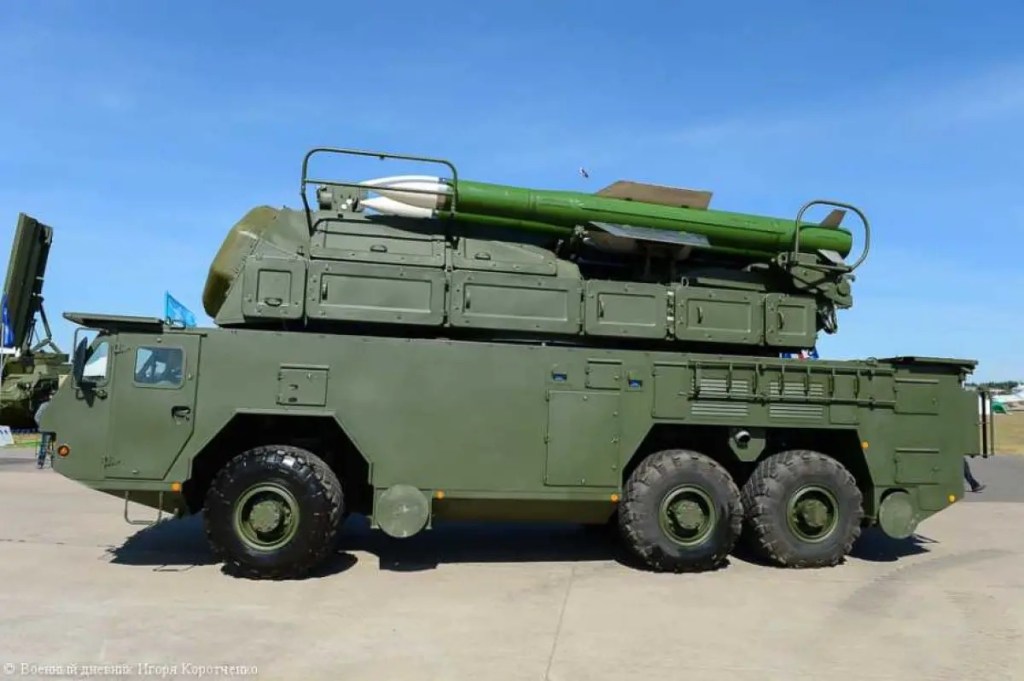
Two strikes in the center are light the Buk and the light plane. The strike at the end of the runway is an unknown target. You can also see the light planes left on the runway in an attempt to stop US forces frim using this airport. A shot of the airport in Higuerote after the strikes.I believe this to be the remains of a BUK-M2E.For comparison.
Video of the BUK’s ammo cooking off after the strike was caught.
Possibly Higuerote was an Air Defense unit cooking off?
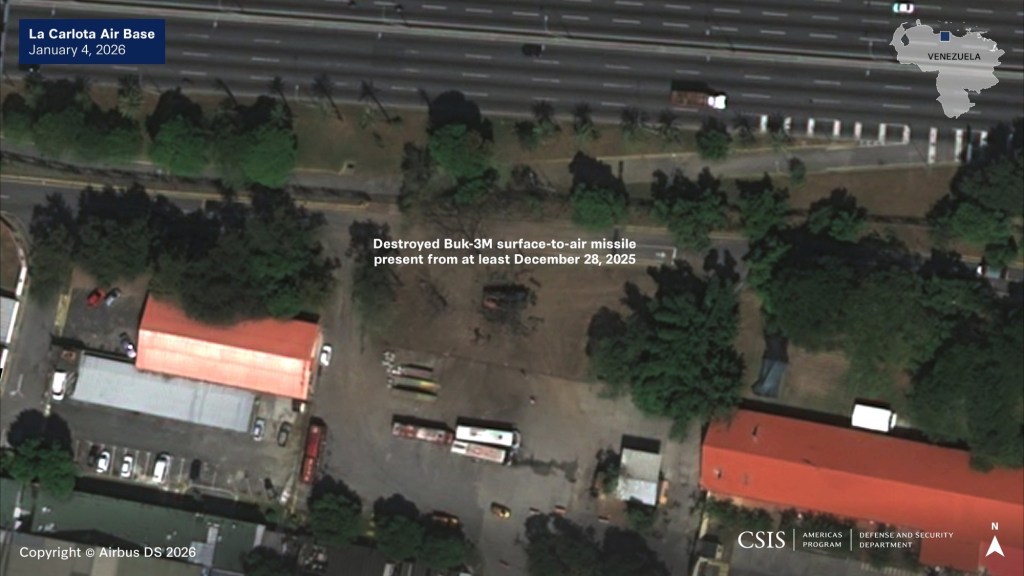
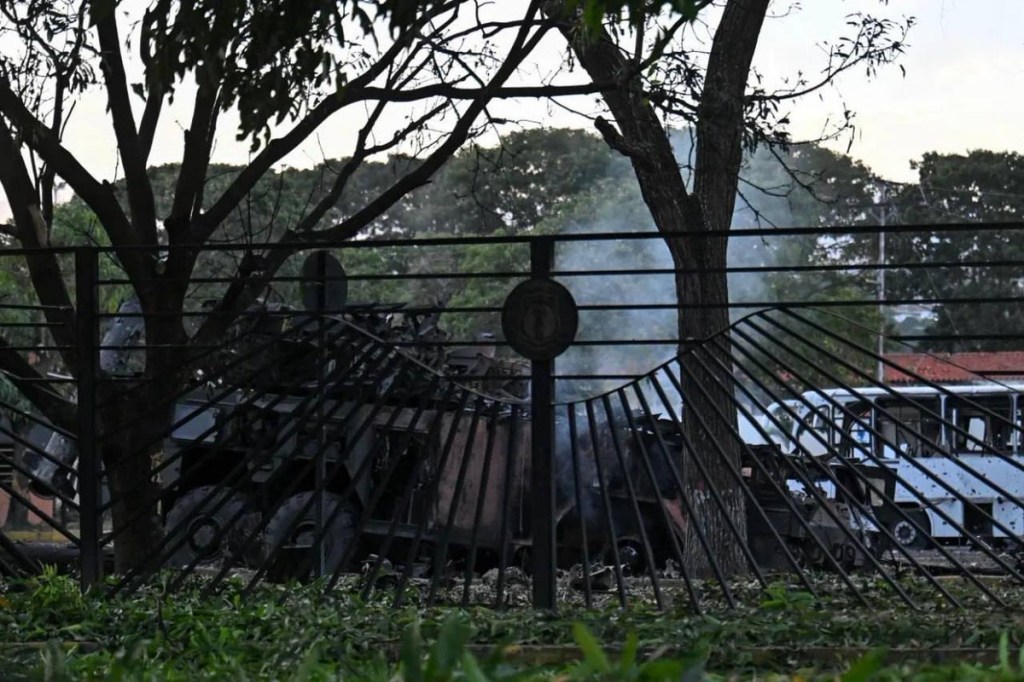
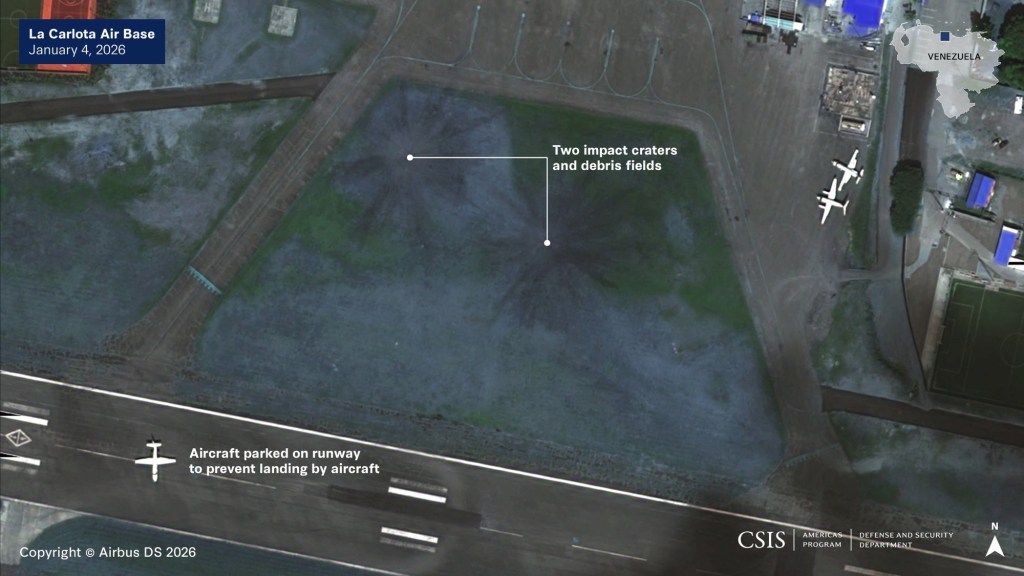
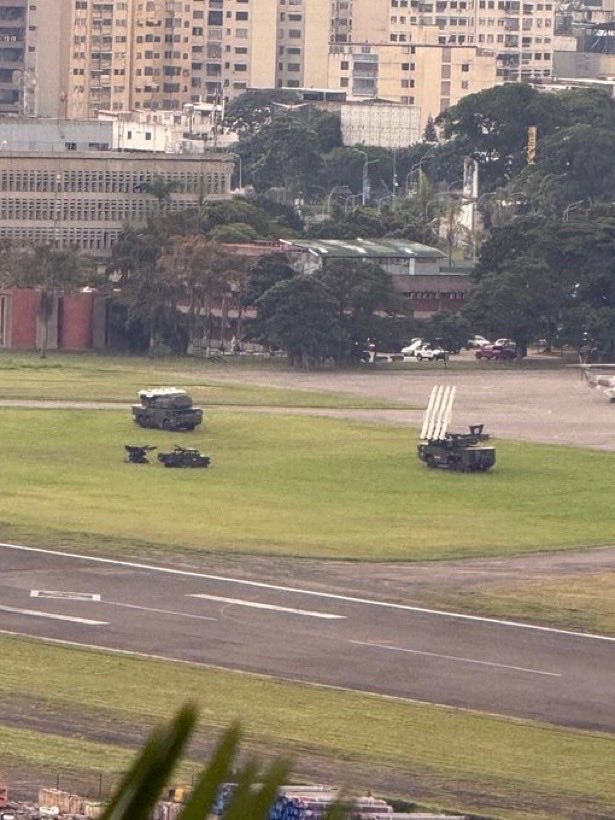
At la Carlota, the home of the General Command of the Bolivarian Military Aviation much like at Higuerote both serve a duel-role acting as civilian as well as military airports, Battle damage assessments indicate that only exposed air defense was targeted, while the hangers, runways and everything else remains intact and largely undamaged. Possibly trying to keep collateral damage to a minimum as the airport is surrounded by residential buildings on all sides.
At least three strikes on the La Carlota airport.Image shows the spot the Buk was filmed sitting in the days before the attack. A vehicle is clearly destroyed here.Two close-ups of the destroyed Buk. Note the bus visible in both images and satellite imagery.This spot, closer to the runway shows two clear impact marks.This image shows the same spot several days before the strikes. I believe these were the targets.
Satellite images from the day after the operation show all of the strikes hit in open areas and avoided targeting buildings. Open source data as well as satellite footage show that at least one BUK-M2E was targeted here, but possibly more.
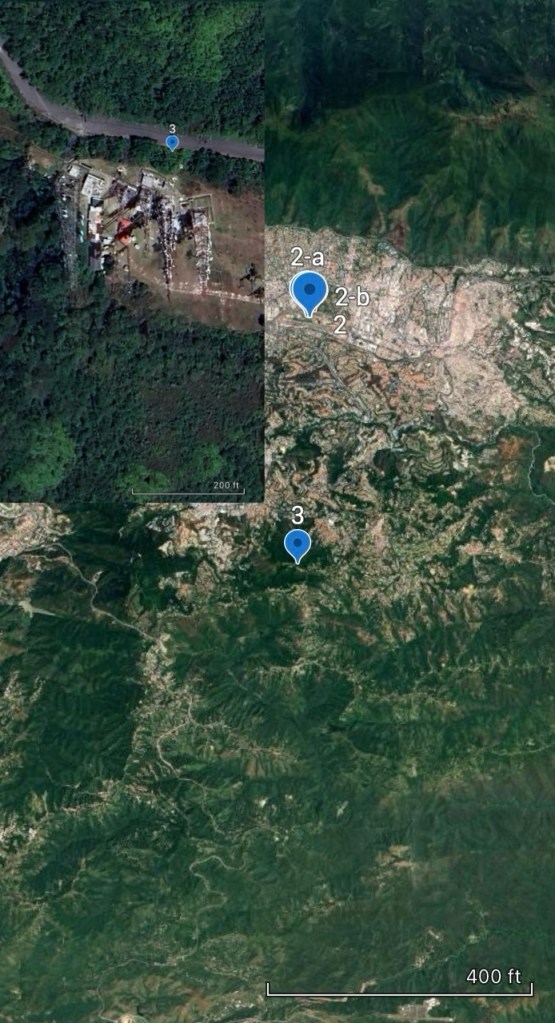
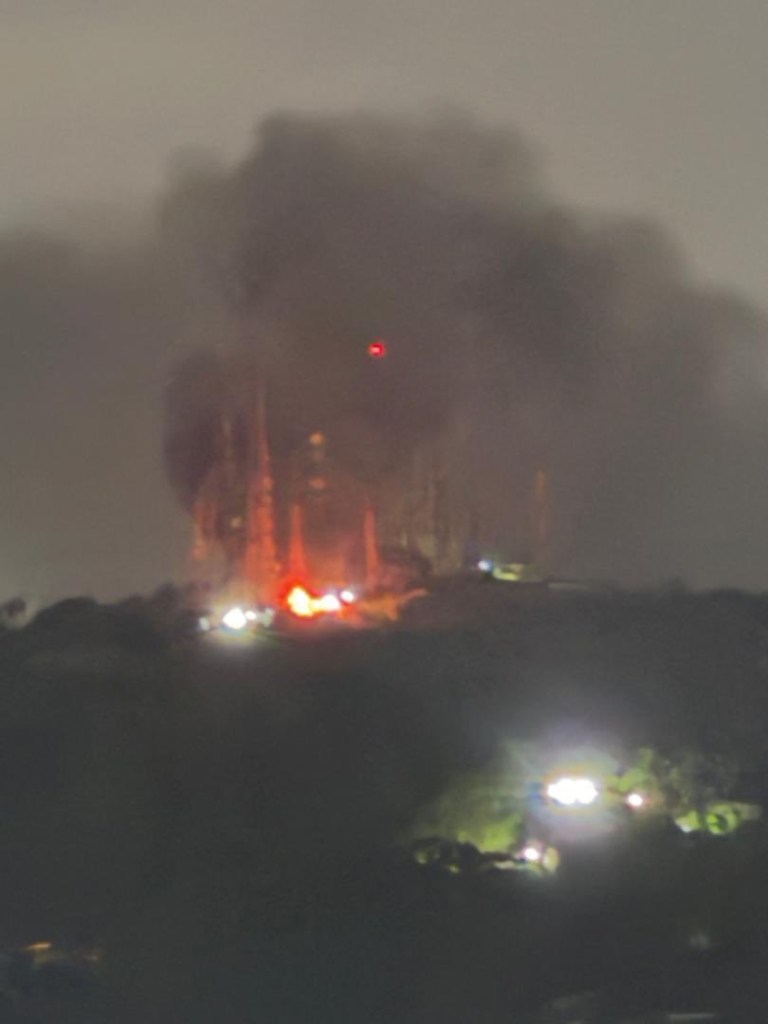
Strike on El Hatillo Telecom antenna
(Number 3)
General location and close up before the strikes.
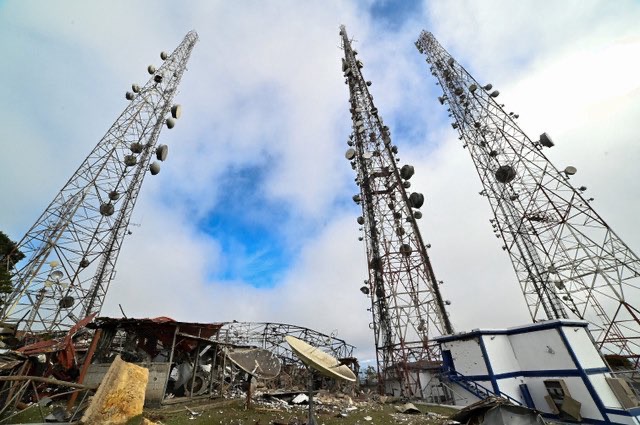
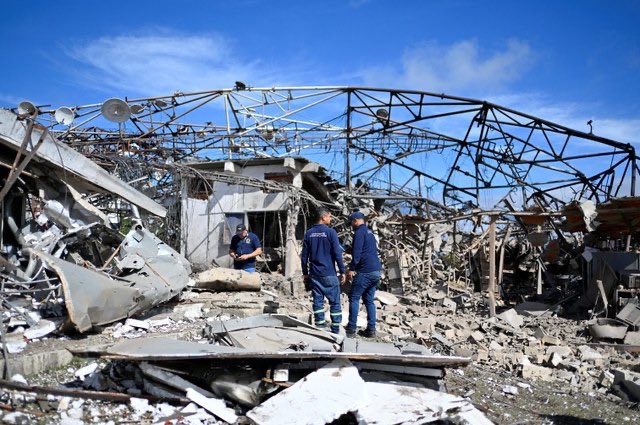
This telecommunications antenna was struck on January 3rd. This mixed with the electronic warfare we know were operating in the air would have likely knocked out most of not all communications in the area, causing confusion and preventing the military from coordinating a defense.
Directly after the strike.
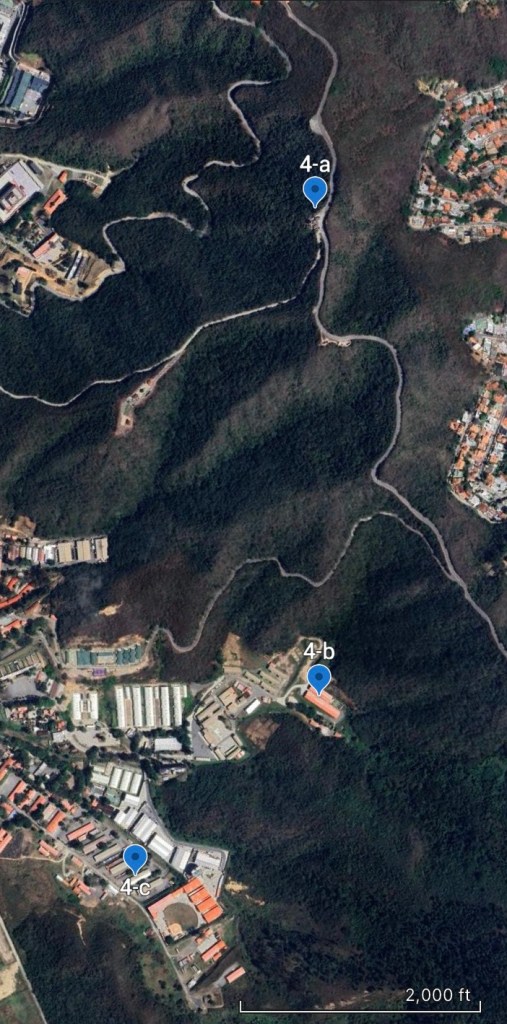
Fort Tiuna
(4A-4C)
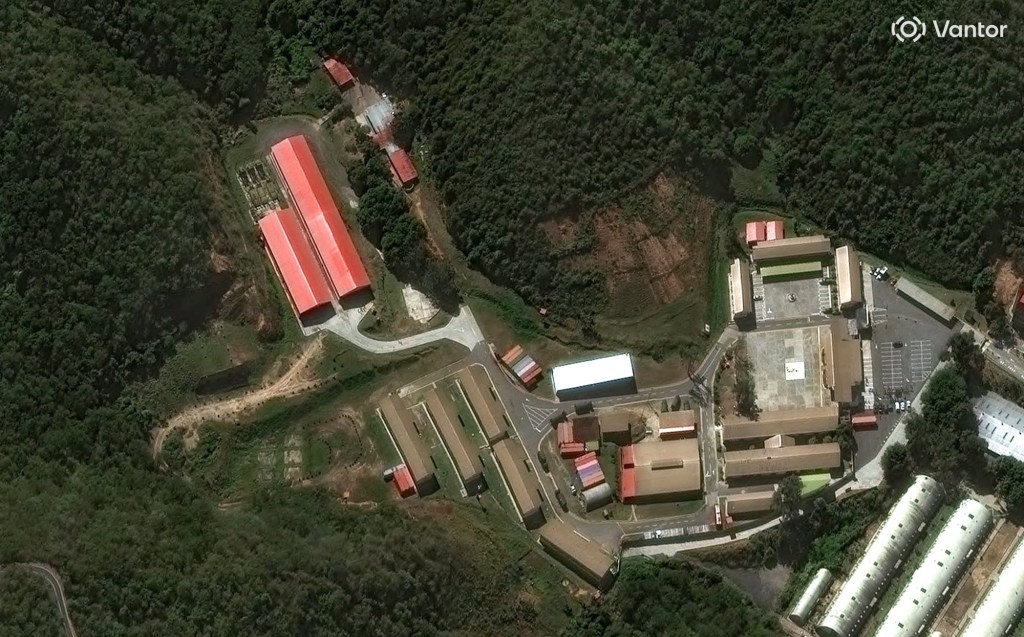
The next set of strikes targeted Fort Tiuna, the military base that housed Maduro and his wife on the night of the raid.
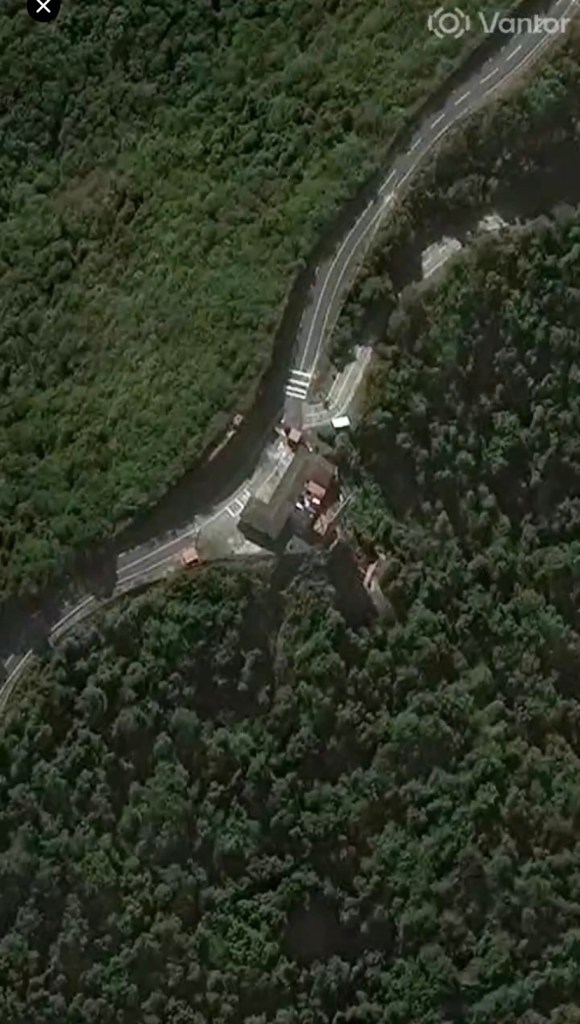
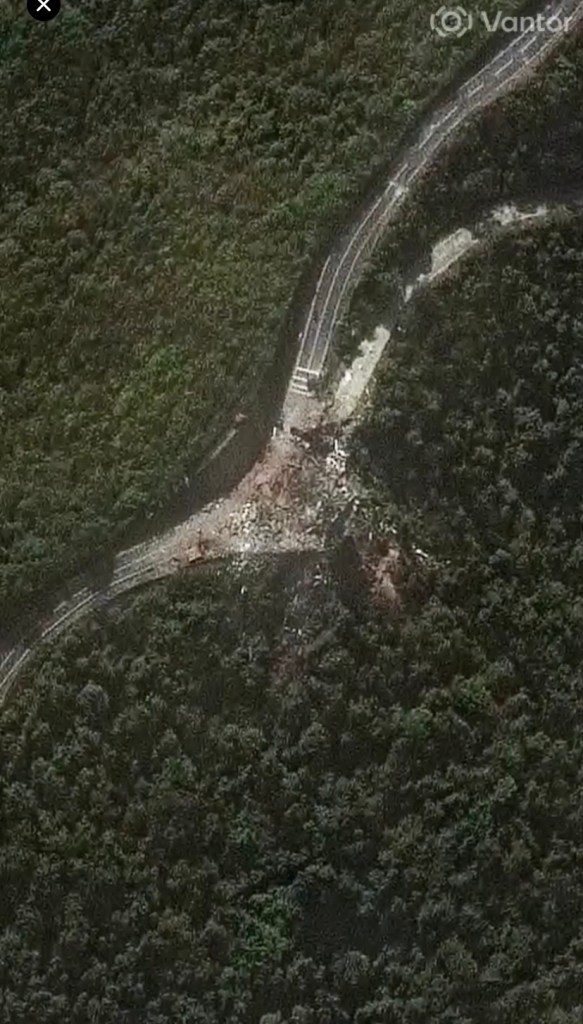
4a. Hit the what Google Earth has listed as the main entrance for the base. It’s also thought to be one of the entrances for the underground bunker built into the mountain.
BeforeAfter
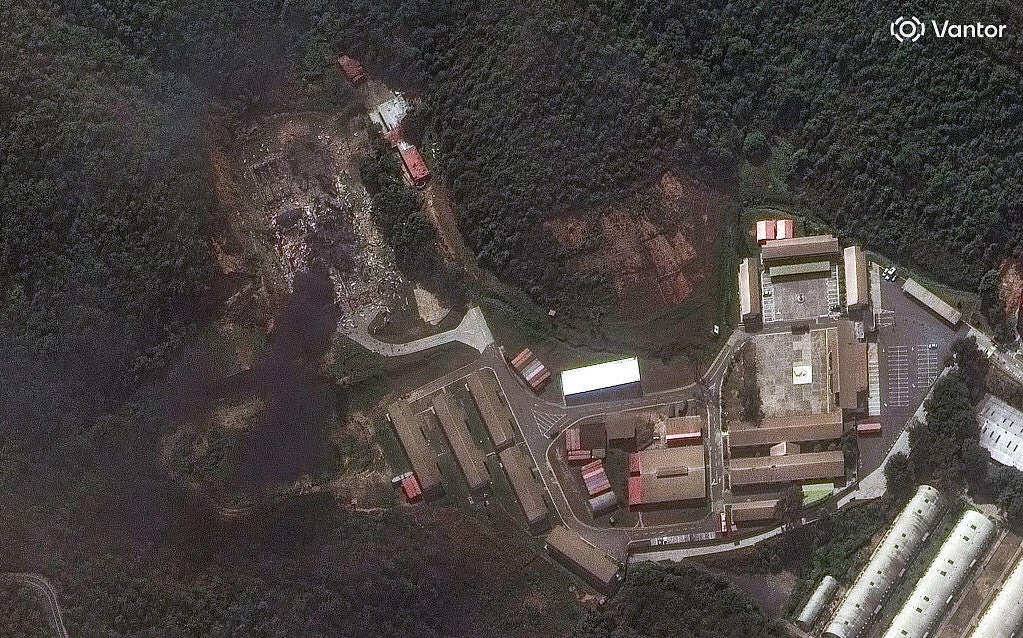
4b. This shows the destruction of a building that appears to be used for storage of mikitary equipment. It’s proximity to the mountain is building could also be one of the entrance points for the bunker.
4c. This next one shows the destruction of a vehicle storage facility as well as another building claimed to be another entrance to the underground bunker.
This shows the after ahot of 4B (far left) and 4C (top and center)
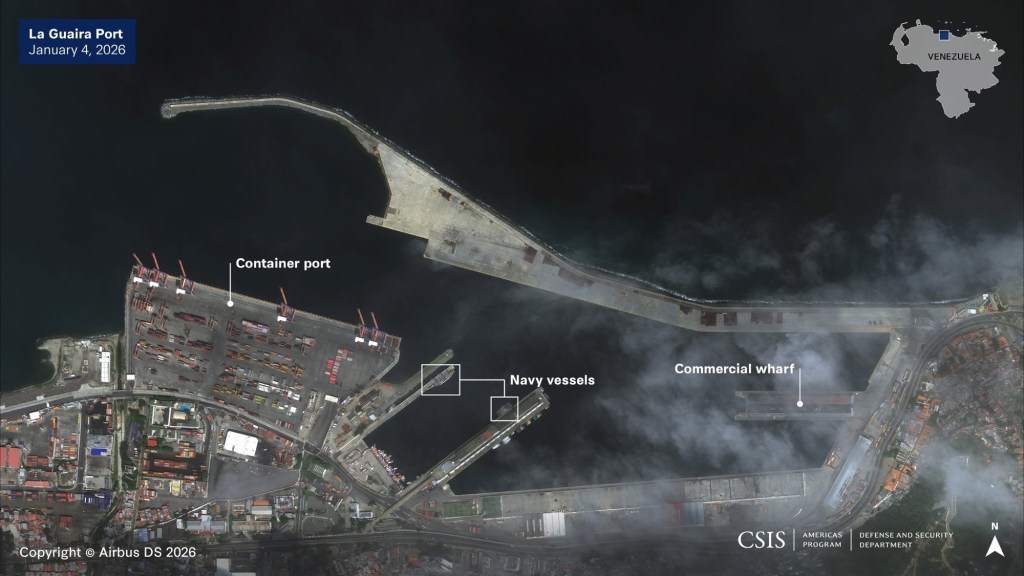
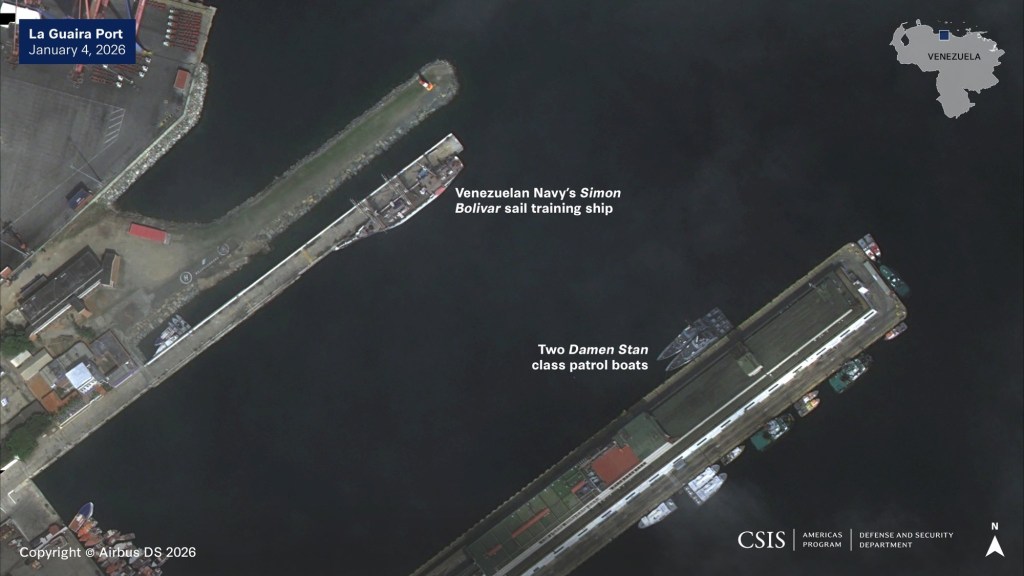
Strike at the Port of La Guaria
(Number 5)
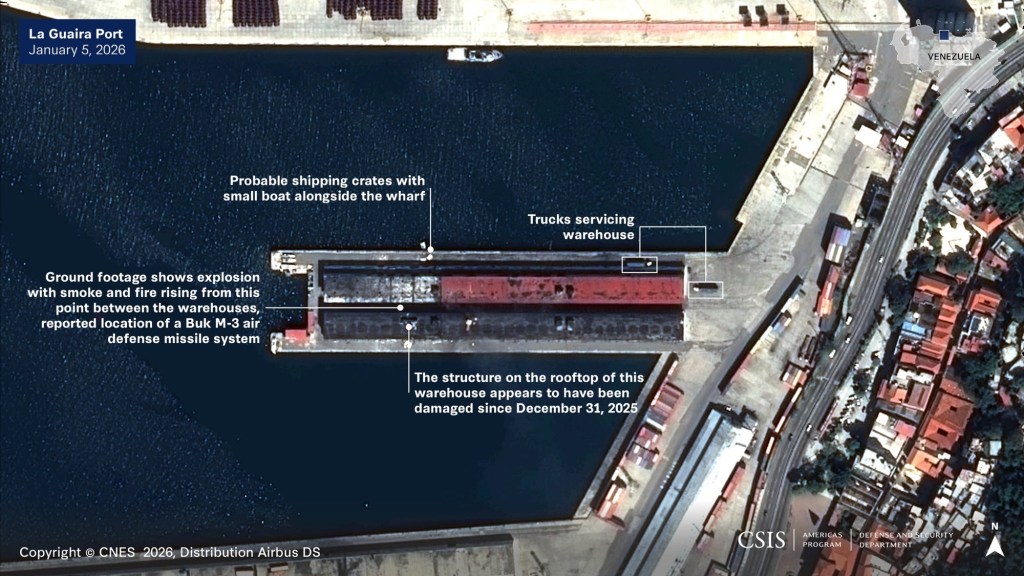
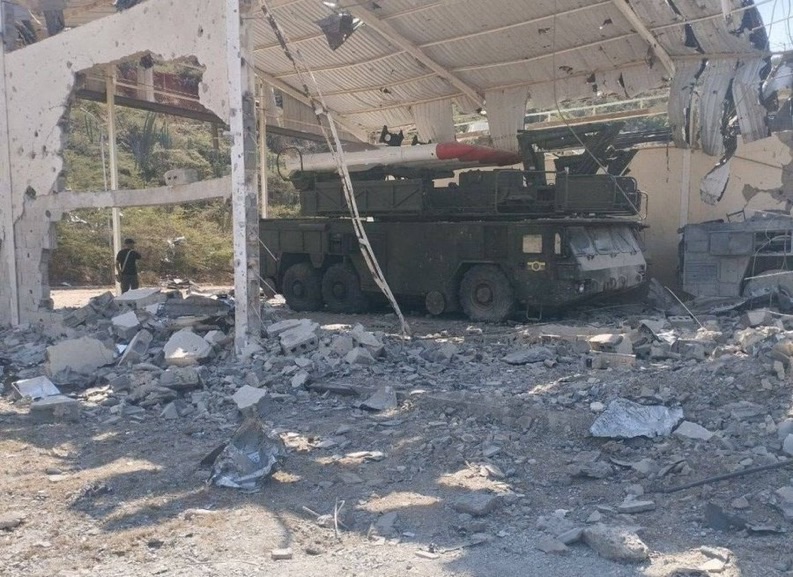
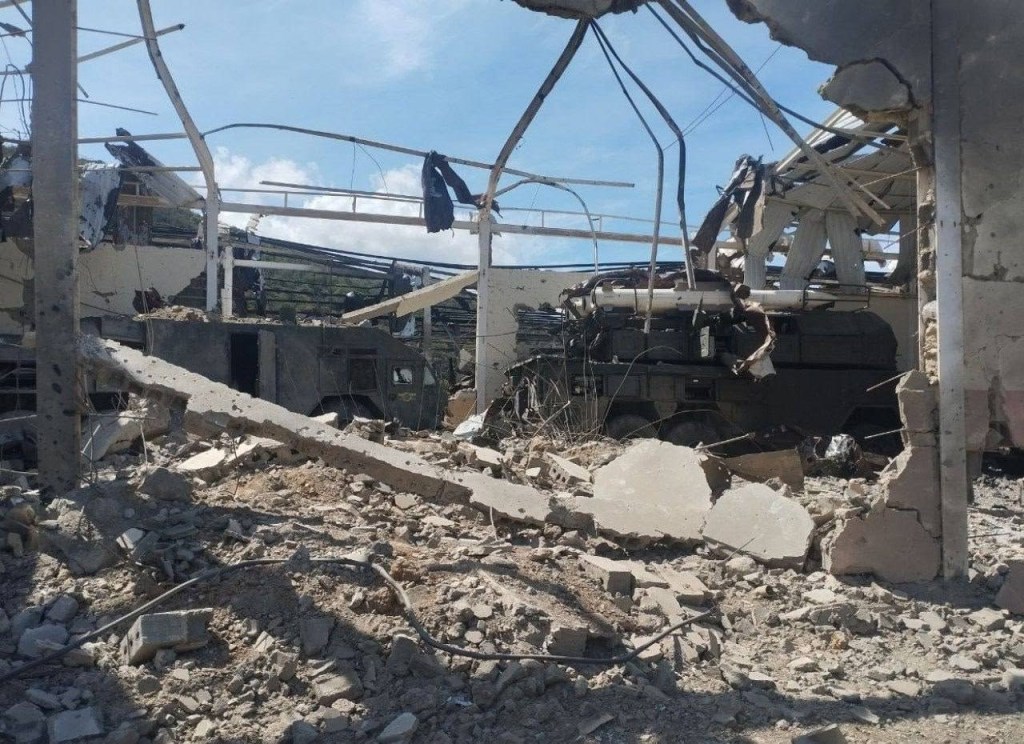
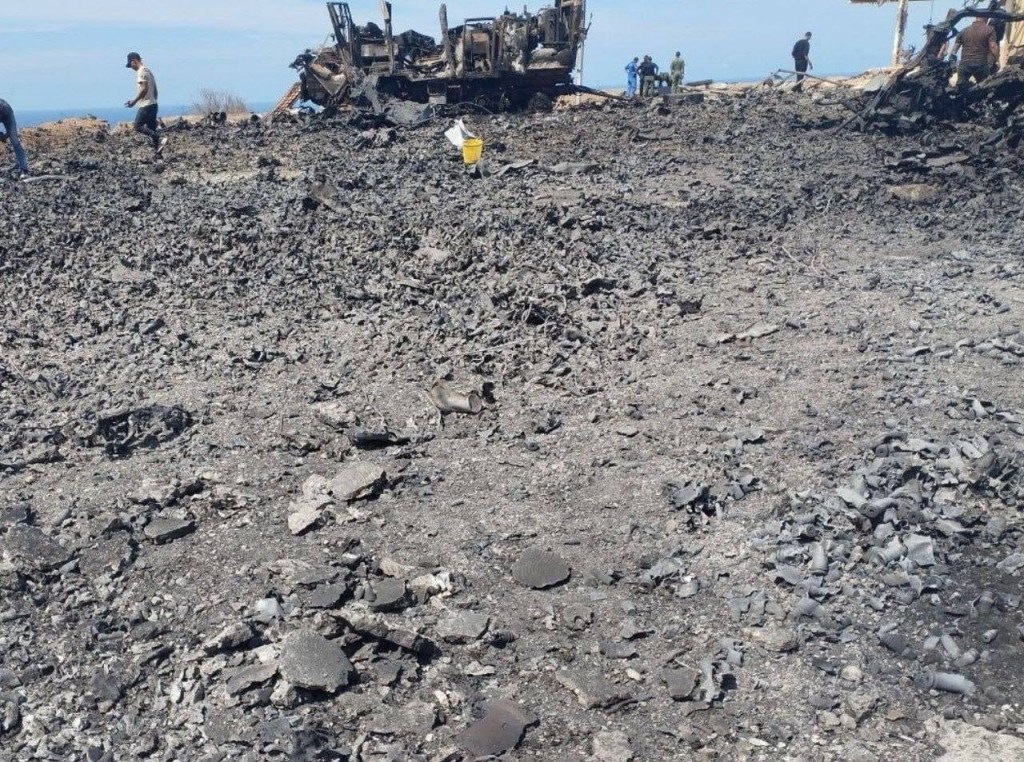
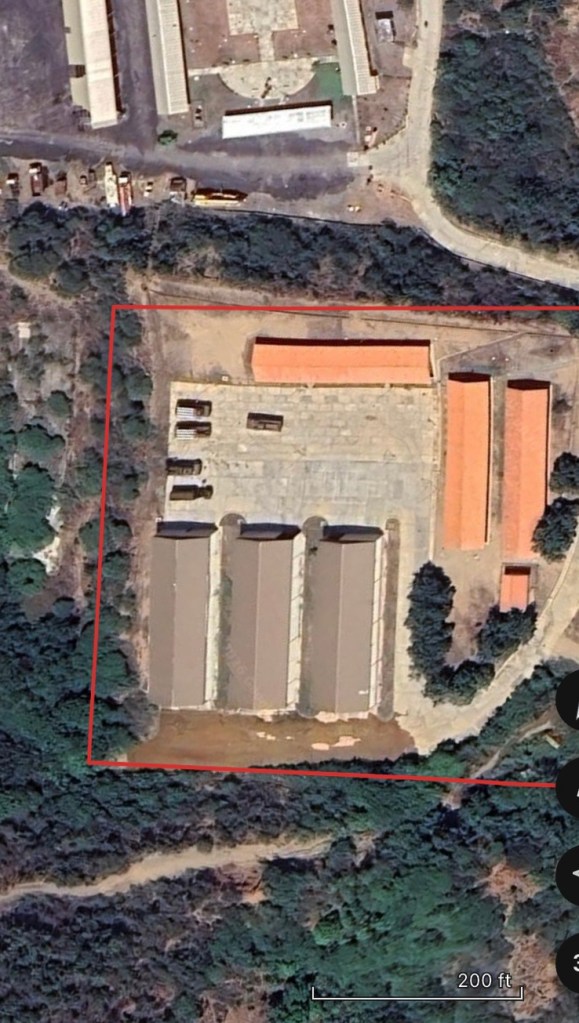
The strike on the port seems to have yet again targeted part of the Venezuelan air defense network as footage from the aftermath appears to show destroyed Buk systems. Several clips are taken in the direct aftermath of the strike and show the munitions of the AD system being ignited.
Las imágenes muestran un ataque estadounidense contra un objetivo en el puerto de La Guaira el 3 de enero que provocó la detonación de un sistema tierra-aire BUK y otras explosiones secundarias.
Pero el principal protagonista de la eliminación de las Defensas Antiaéreas fue la… pic.twitter.com/xTSvaELF4g
CSIS has a great analysis of this strike so I’ll share some of that here as well.
This next video, posted a claim that a warehouse at the port had been targeted because it contained medicines. The video actually proves it was targeted because a Buk launcher was set up between the warehouses, which was clearly the target as the warehouses survive the initial strike but are damaged during the secondary explosions from the missiles cooking off.
Misiles estadounidenses destruyeron almacenes de medicinas en el Puerto de La Guaira. El Gobernador Alejandro Terán muestra los daños causados. pic.twitter.com/acFtzveKz6
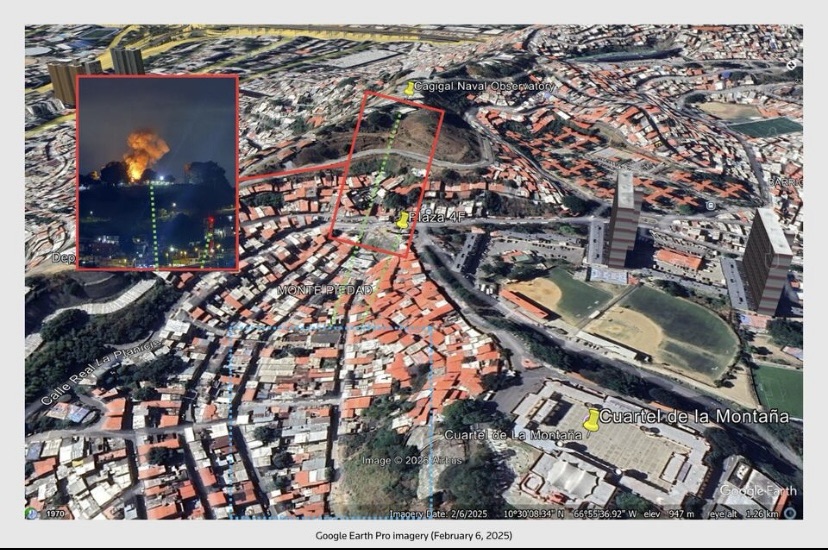
A post claiming the Mausoleum of Hugo Chávez had been hit with a U.S. airstrike.
This claim has been debunked by others as well as myself. The video is actually being recorded by a guy standing very close to the resting place of the former socialist revolutionary and president. The strike actually struck an observatory. The observatory houses the General Command of the Bolivarian Militia, a civilian volunteer military militia.
An image from Google earth showing where the location of the observatory as well as the mausoleum. Based on the angle of the video that was posted the person who took the video was standing only a couple hundred feet to the left of the mausoleum and likely knew its location. This post was misinformation put out specifically to make the U.S. look bad. Image from Reuters.
Air Defense position near the Naval academy.
(Number 7)
This strike targeted an area near the Naval Academy on the coast. This one, like many of the others targeted an area known to have been the location of air defense systems. Historical satellite imagery shows multiple Buk launchers stored here as well as buildings that housed additional launchers.
Red square shows the air defense position.
Images released in the aftermath of the attacks show that the buildings were housing additional Buk launchers.
These destroyed buildings match the ones from the satellite imagery.
A mistake.
(Number 8)
During the course of the operation the U.S. did an impressive job of protecting the civilians of the city. However evidence from the aftermath shows that a missile that was likely ment for the above air defense site target went off track and struck and apartment in Catia La Mar, killing an elderly lady by the name of Rosa Gonzalez,79.
Screenshot showing the outside and inside of the building that was struck.
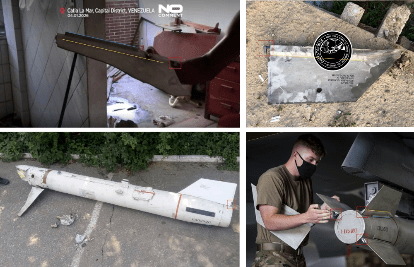
Missile appears to be a US AGM-88 HARM according to experts familiar with the weapons system as well as my own experience. The remains of the missile are shown below as well as with a comparison.
The AGM-88 HARM/AARGM missile is what’s known as an anti-radiation missile. The missiles function is to home in on radar signals it detects and is used for destroying enemy air defense and radar. The missile can be pre-fired as a plane is flying into an area if it expects an enemy air defense radar will activate. However this missile either had no target or missed its target and hit this apartment.
Bellingcat does an awesome write up on this incident that I’ll link to here:
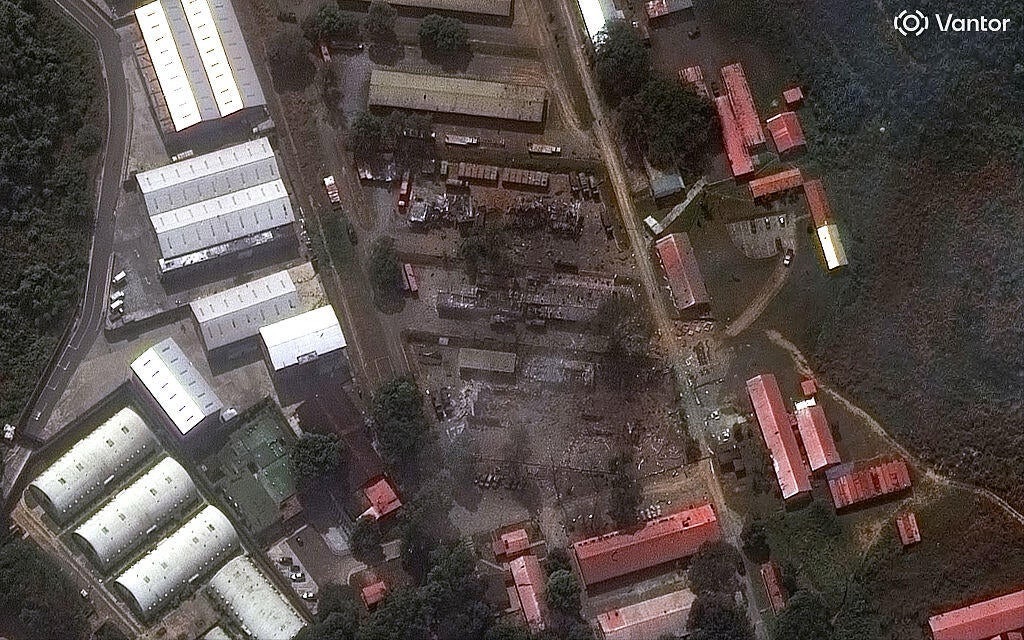
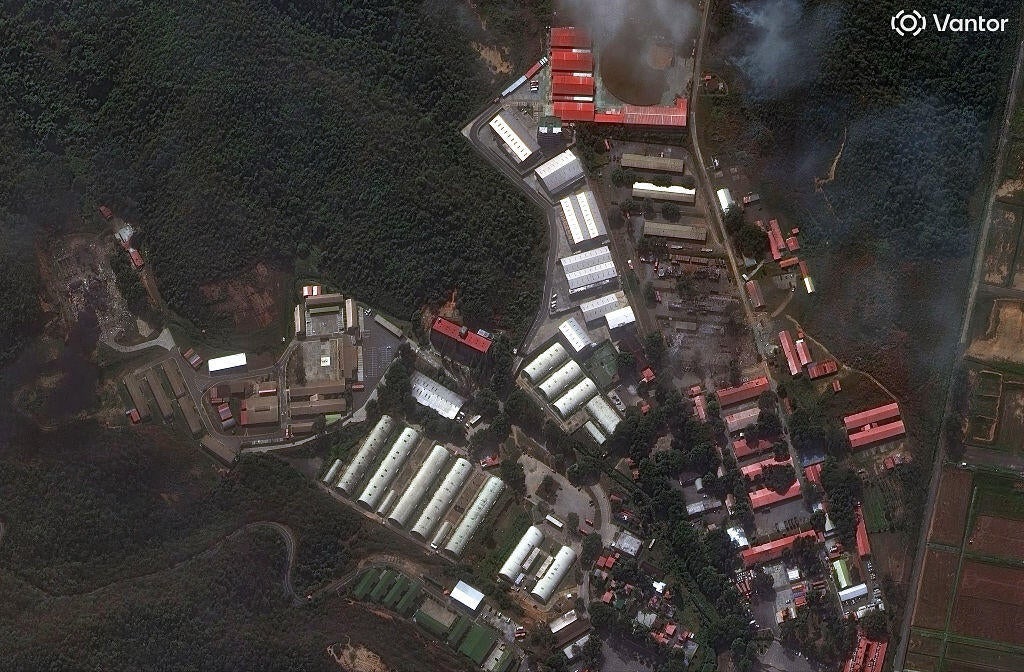
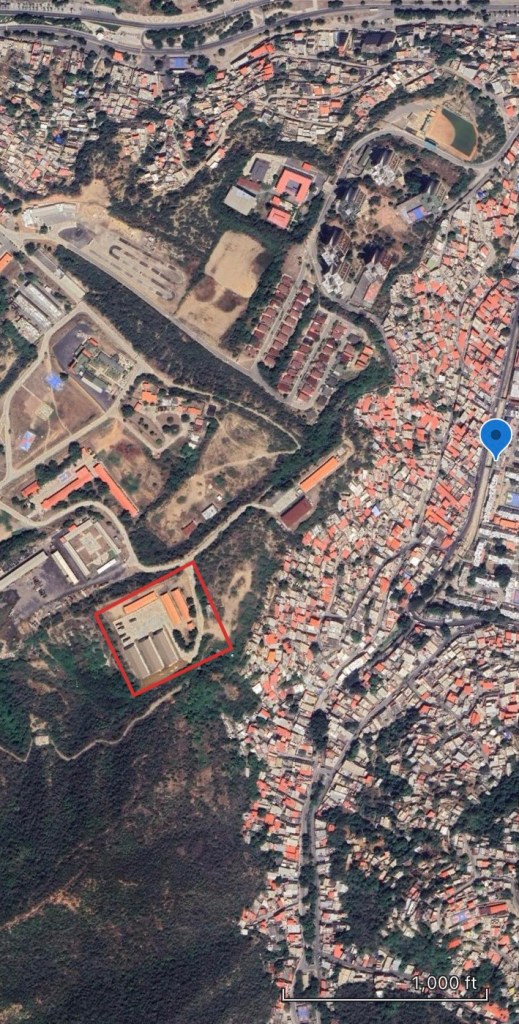
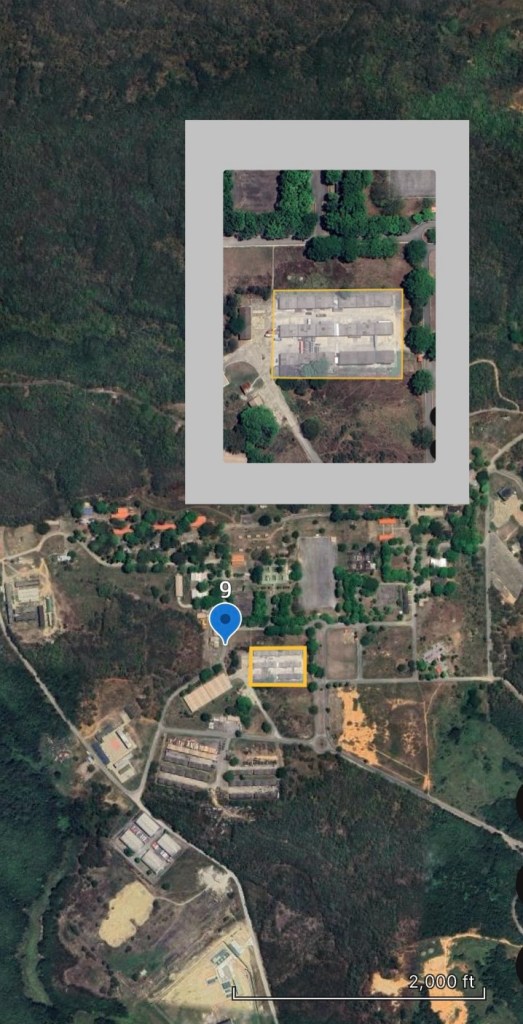
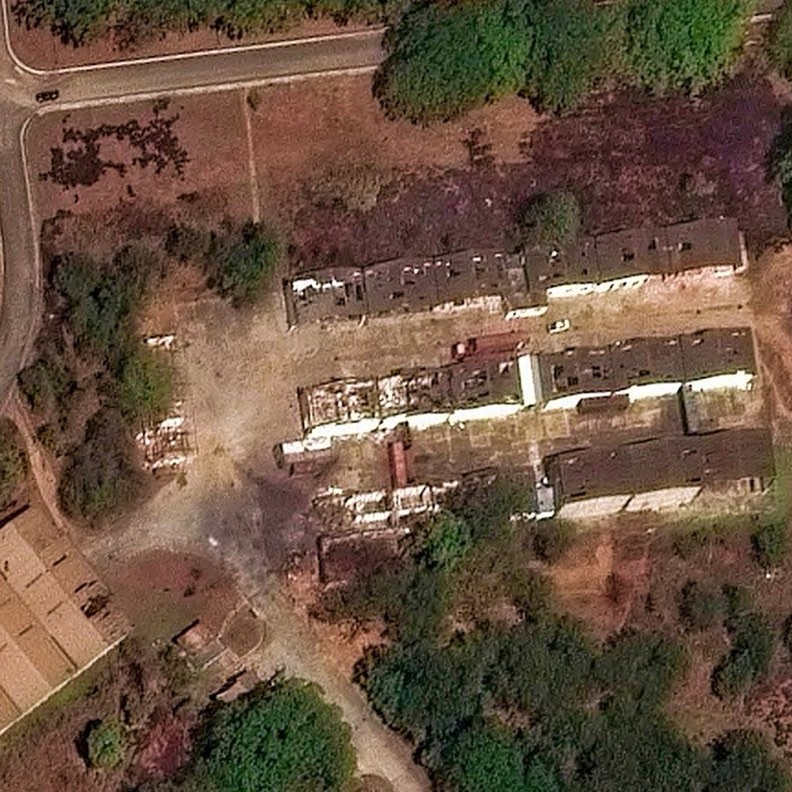
The last strike I found was on a set of buildings located at Fort Guaicaipuro, south of Caracas.
It’s unclear what is stored at this site as footage from the aftermath has yet to be released.
Thank you for taking the time to read this. It took me a lot longer than I expected to gather all the data and do the work to geolocate everything. Every time I do a big project like this I learn new skills and hopefully they will carry over and help improve future projects.
Im positive that some strikes were missed. If so, I’d like to know about it, so send me an email or message on any of my socials. The map from the New York Times has one strike I just couldn’t confirm at the El Libertador airport and I looked but couldn’t find evidence of a strike taking place there.






 Global Conflict Reporting
You must be logged in to post a comment.