Category: North America

  • Troubled Constellation-class frigate program scrapped

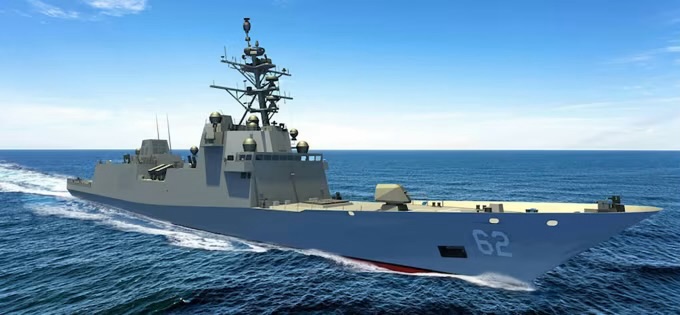
    A render of the Constellation-Class by

    By.Scott Jackson


    11.26.2025

    Today, the Secretary of the Navy John Phelan announced that the U.S. navy would be walking away from the Constellation-Class frigate program and putting more effort towards further new class of warships able to be built quicker. The navy says they have a need for 73 small surface ships. 

    Under terms set with shipbuilder Fincantieri Marinette Marine, the Wisconsin shipyard will finish the first two ships in the series. So  Constellation(FFG-62) and Congress (FFG-63) will still be built, however the other four ships that had been ordered will not be. 

    In the past the plan was for the navy to build 20 of these ships at around $1.1 billion a piece. A navy factsheet called the class a “an agile, multi-mission warship,” capable of operating in open ocean or coastal environments, “providing increased combat-credible forward presence that provides a military advantage at sea,” 

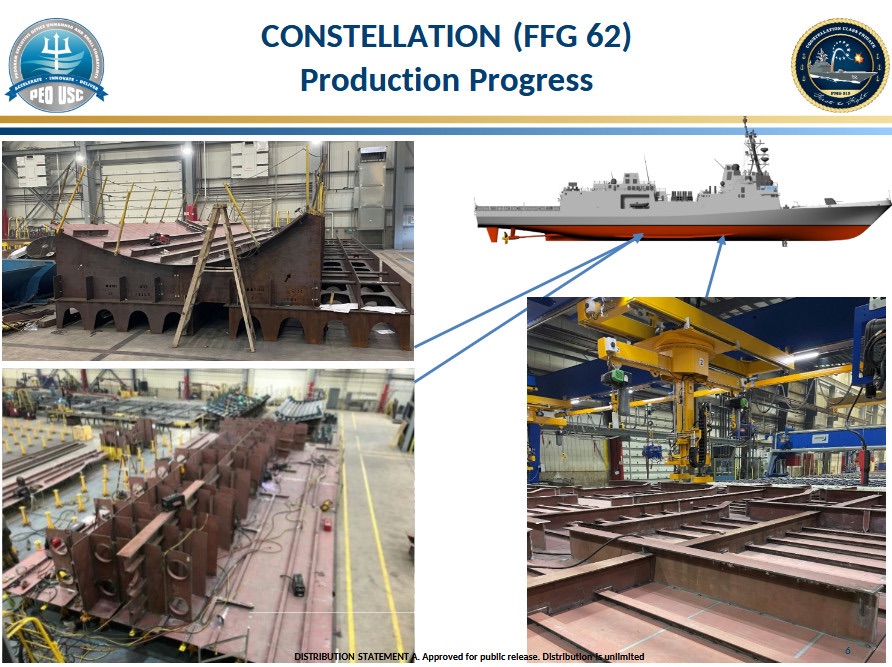
     The program’s costs have continued to rise since the original announcement,mostly due to design additions and changes. Recently, images were shared online that showed that the ship was nowhere near complete. At an estimated displacement of 7,200 tons the whole point of the program was to fill a gap between the 10,000-ton Arleigh Burke-class guided-missile destroyers – the workhorse of the US fleet – and 3,500-ton littoral combat ships. (Another ship seen mostly as a failure.) At the beginning of the program the Constellation-Class was seen as a way to get hulls in the water faster, as it was based on an Italian design, with specific modifications for the U.S. navy’s needs.  Those modifications are part of what slowed down the production of the ship as those modifications expanded and cost ballooned, leaving the ship being dreadfully behind schedule. Its 2026 launch was pushed to 2029.

    An update shared in April of 2025 showing the current progress of the ship.

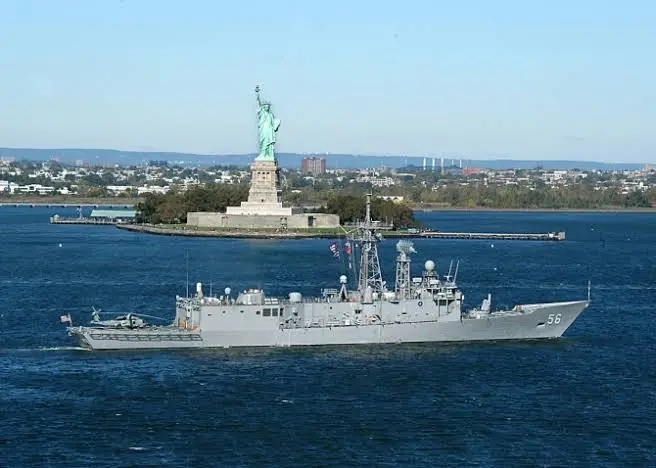
    The U.S. navy hasn’t had a frigate in its inventory since the decommissioning of the Oliver Hazard Perry-class USS Simpson (FFG-55) in 2015. 

    Oliver Hazard Perry-class USS Simpson (FFG-55) passing the Statue of Liberty in New York City.

    The Constellation-Class was seen as a way to quickly add ships to the U.S. navy. An important goal now more than ever as the military is allegedly making a shift to counter growing threats in the Pacific. China, according to a Pentagon report, is expected to have around 400 ships(50 of them frigates) in the water by the end of this year, a huge leap from the current U.S. number of 240 ships and submarines. This is troubling to analysts who believe the nation with the larger fleet will win. 

    “We are reshaping how the Navy builds its fleet. Today, I can announce the first public action is a strategic shift away from the Constellation-class frigate program,” reads the statement from Secretary of the Navy John Phelan. “The Navy and our industry partners have reached a comprehensive framework that terminates, for the Navy’s convenience, the last four ships of the class, which have not begun construction.”

    A defense official who is quoted by USNI is quoted saying “A key factor in this decision is the need to grow the fleet faster to meet tomorrow’s threats. This framework seeks to put the Navy on a path to more rapidly construct new classes of ships and deliver capabilities our war fighters need in greater numbers and faster,”

     It’s no secret that America has a major shortage in shipbuilding capability allowing the Fincantieri Marinette Marine to continue to operate and build the two Constellation-class ships will keep the workers employed for several more years and allow the shipbuilding firm the chance to bid in future U.S. navy contracts when they are finished.

  • Breaking down the recent Video from US Southern Command.

    By. Scott Jackson


    10.05.2025

    The video from US Southern Command (USSOUTHCOM)

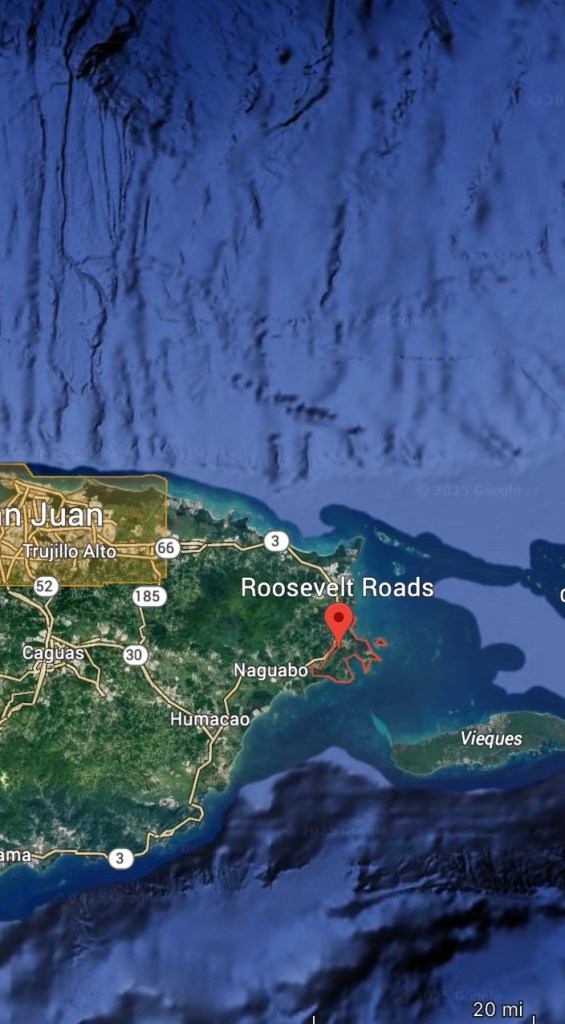
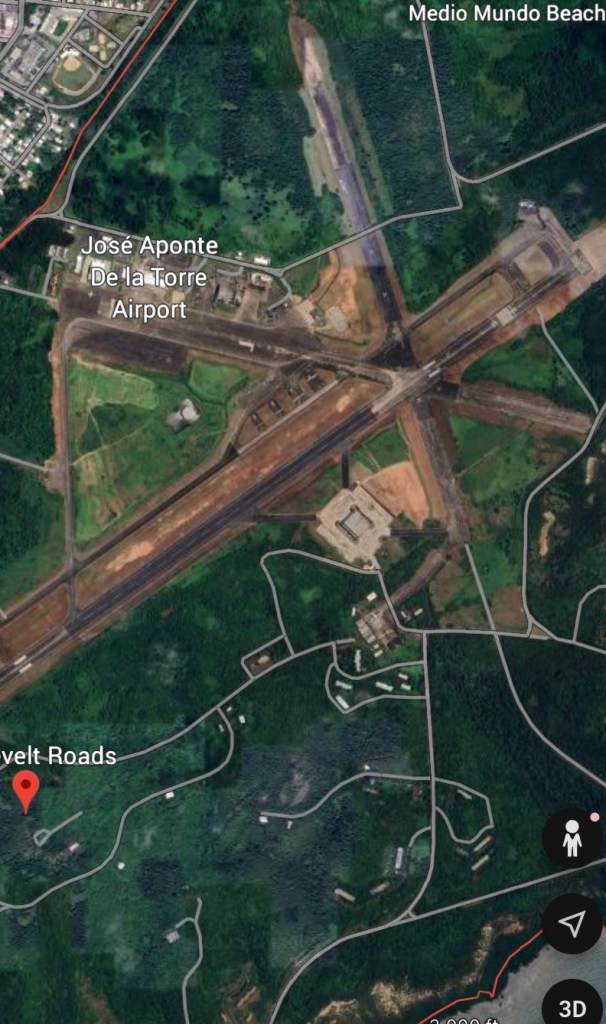
    On October the 3rd, US Southern Command released footage from US operations ongoing in the Caribbean. The video shows the loading of a U.S. Marine F-35B Lightning II with live munitions at the now reactivated Roosevelt Road Naval Station.

    Image from Google Earth showing the location of Roosevelt Road.
    Closer look at the airport.

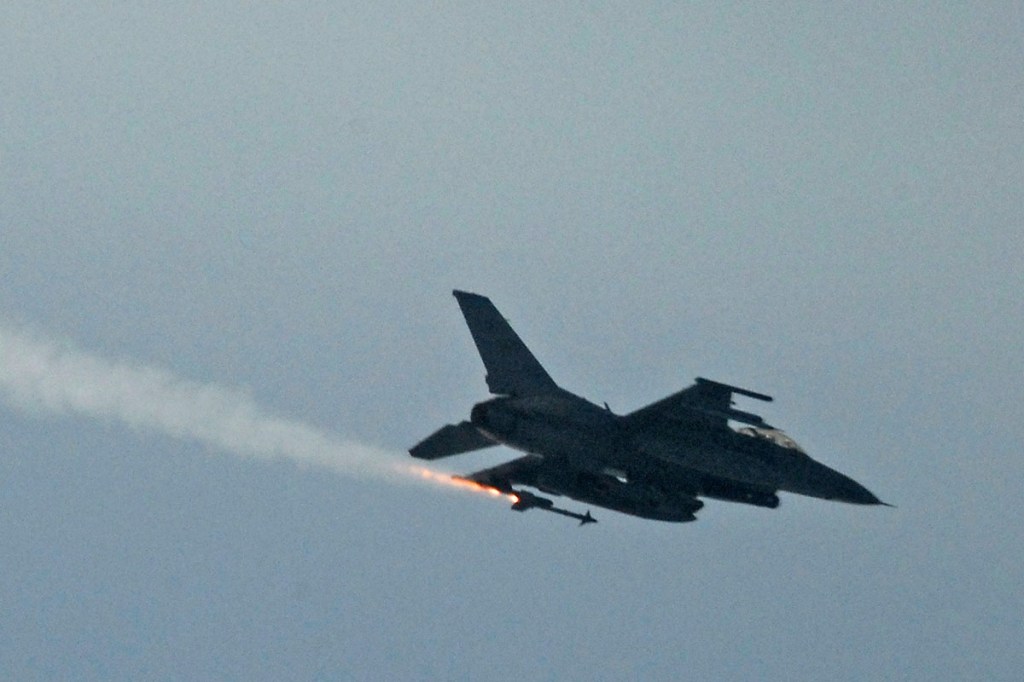
    This aircraft, if it was just one jet, it’s not clear in the video, was outfitted with a mixture of air-to-ground and air-to-air weapons. My info is coming from publicly available information on the weapons systems and some of my own knowledge of this topic from years of research. Any mistakes or opinions are,as always, my own. The first clip shows the loading of an AIM-9X Sidewinder. The AIM-9X is an inferred guided, proximity fused weapon. 

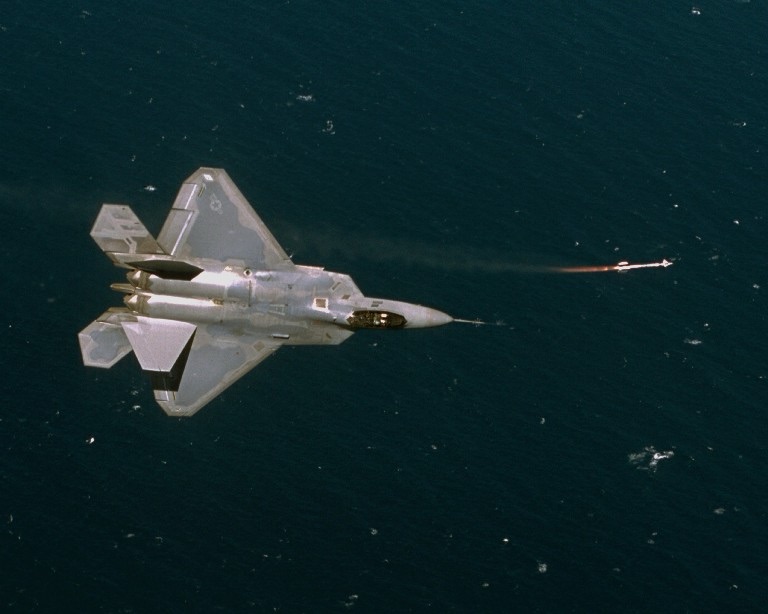
    Variations of the Sidewinder started life as the primary weapon of many early Cold War era jets alongside their main cannons. This is not that Sidewinder, it is so updated and advanced it’s hard to even think of this as the same missile. The original AIM-9 Sidewinder used in Vietnam had an abysmal success rate that averaged somewhere around 9%. So 1 out of 10 would hit their targets. While the original weapon could only heat-track a target aircraft’s exhaust, this weapon is capable of detecting the heat from the friction of the target aircraft going through the sky making shots at the front or side of the target a possibility. A thrust vectoring engine on the AIM-9X gives it incredible maneuverability. The publicly available information puts the range at somewhere around 10-15 miles depending on some factors(Altitude-speed etc.)that can shorten or extend that range. This is not your grandfather’s Sidewinder.

    F-22 firing an AIM-9 Sidewinder

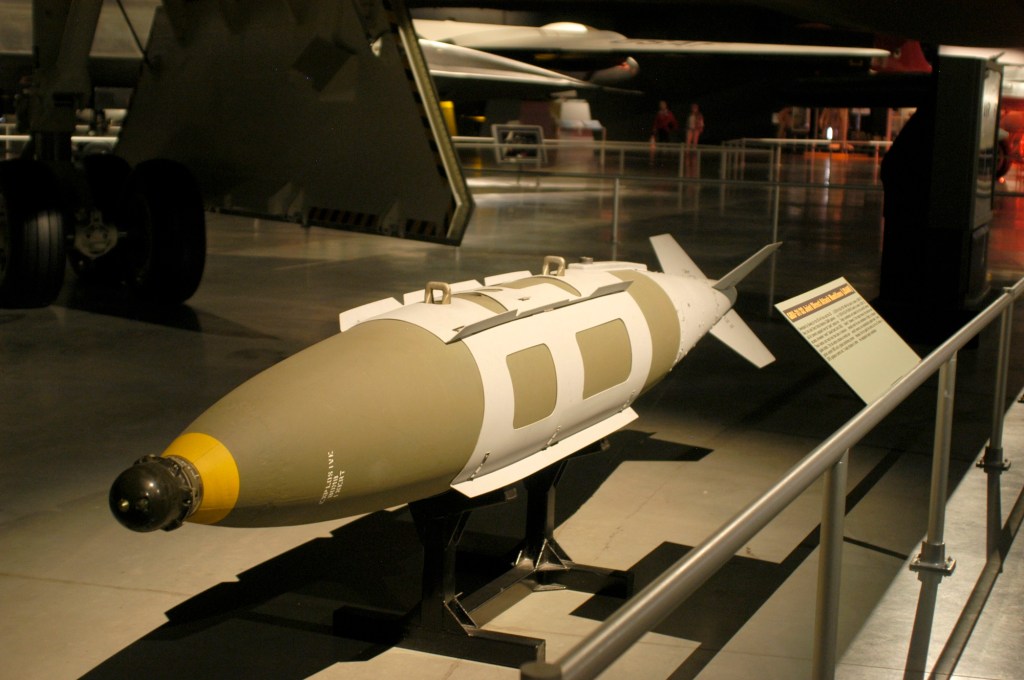
    Moving on we get a quick look at one that’s probably familiar to you (if not by look, then by name) the GBU-54(V)/B LJDAM (Laser Joint Direct Attack Munition).This is the laser guided version of a pretty standard MK 82 500 pound air-to-ground bomb with the added bolt-on JDAM guidance kit giving it some pretty spectacular accuracy. 

    JDAM on display at Airforce Museum

    JDAM is like an aftermarket part for a bomb turning it into a GPS guided precision weapon.We don’t talk enough about the effect that the JDAM and other guidance systems have had on tactical bombing, long gone are the days you have to drop 12 bombs to hit one target. If the target is a house, a decent pilot can hit the house 90% of the time, a great pilot and a bit of laser guidance can put a JDAM through the window. 

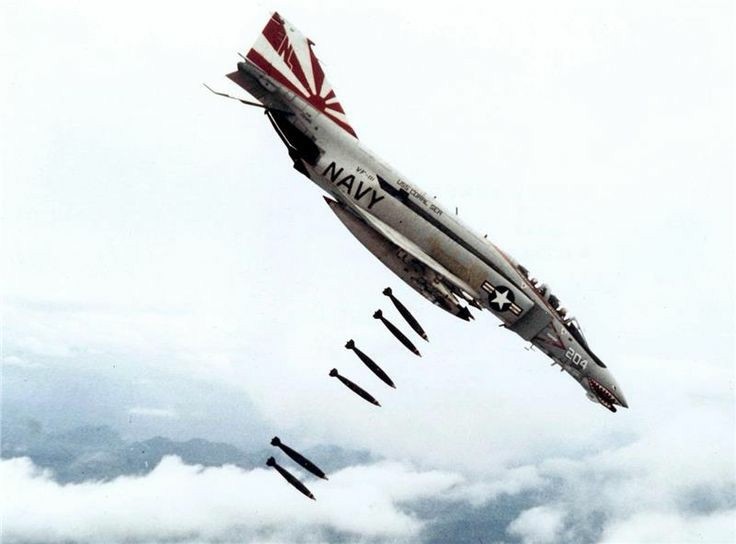
    This is how you used to drop bombs. Multiple at a time and hope that you hit your target.

    The last weapon shown is the AIM-120 AMRAAM-C/D (Advanced Medium Range Air-To-Air Missile) or, sometimes called Slammers after their first 3 shots resulted in 3 enemy takedowns in Iraq and Bosnia.The C/D is the model number for the missile, I’ve added both models because they showed two different missile models in the USSOCOM video. The AIM-120 is a BVR (Beyond Visible Range) with active radar-homing capable of striking targets at extreme ranges. Publicly available data puts the range of the AIM-120 listed at around 80 miles. The range numbers can be a little deceiving, you have to take into account that these numbers are based on any number of specific conditions for the enemy and the weapons platform. For a missile like the AIM-120 D model, while it will travel over 100 miles, its effective range is closer to 60-70 miles. 

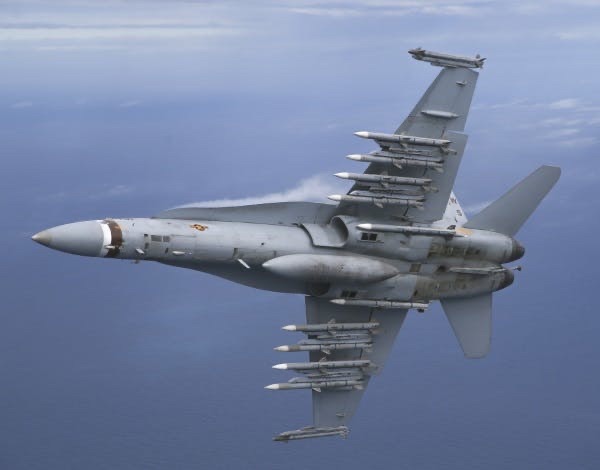
    F/A-18 Super Hornet loaded with 10 AMRAMM’s.(Murder Hornet configuration)

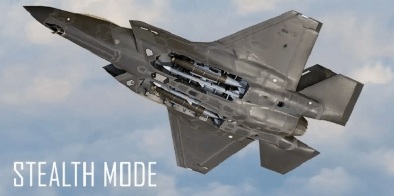
    None of these weapons are rare, two of them, the SIdewinder and AMRAAM you will find on almost every fighter in the air fleet and the laser JDAM has been used heavily since the 90’s. I’m a little uncertain on exactly how many weapons this plane in the video launched with as the F-35 in its stealth mode can only hold so many weapons, and the B version has a smaller weapons bay than the others because of the lift fan.  The two weapons bays can hold two AMRAAM’s each. I’m guessing here but maybe one JDAM and a sidewinder on one side and then the two AMRAAMS on the other. 

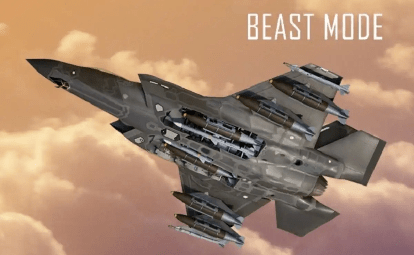
    The F-35 is technically capable of carrying more weapons on outside hard points, however this harms the stealth of the aircraft, giving it a larger radar cross section, or RCS. The idea was to use stealth mode during the opening days of a conflict and then to switch to what the manufacturer, Lockheed Martin calls “Beast mode” that the F-35B can be once air dominance has been achieved. 

    Stealth mode F-35 loaded with two JDAM’s and two AMRAAM’s.
    “Beast Mode” F-35 loaded with six JDAMS, Two AMRAAM’s and Two wingtip Sidewinders.
  • Cargo containership losses power and runs aground in Newfoundland.(Video Included)

    Cargo containership losses power and runs aground in Newfoundland.(Video Included)

    By. Scott Jackson

    02/15/2025
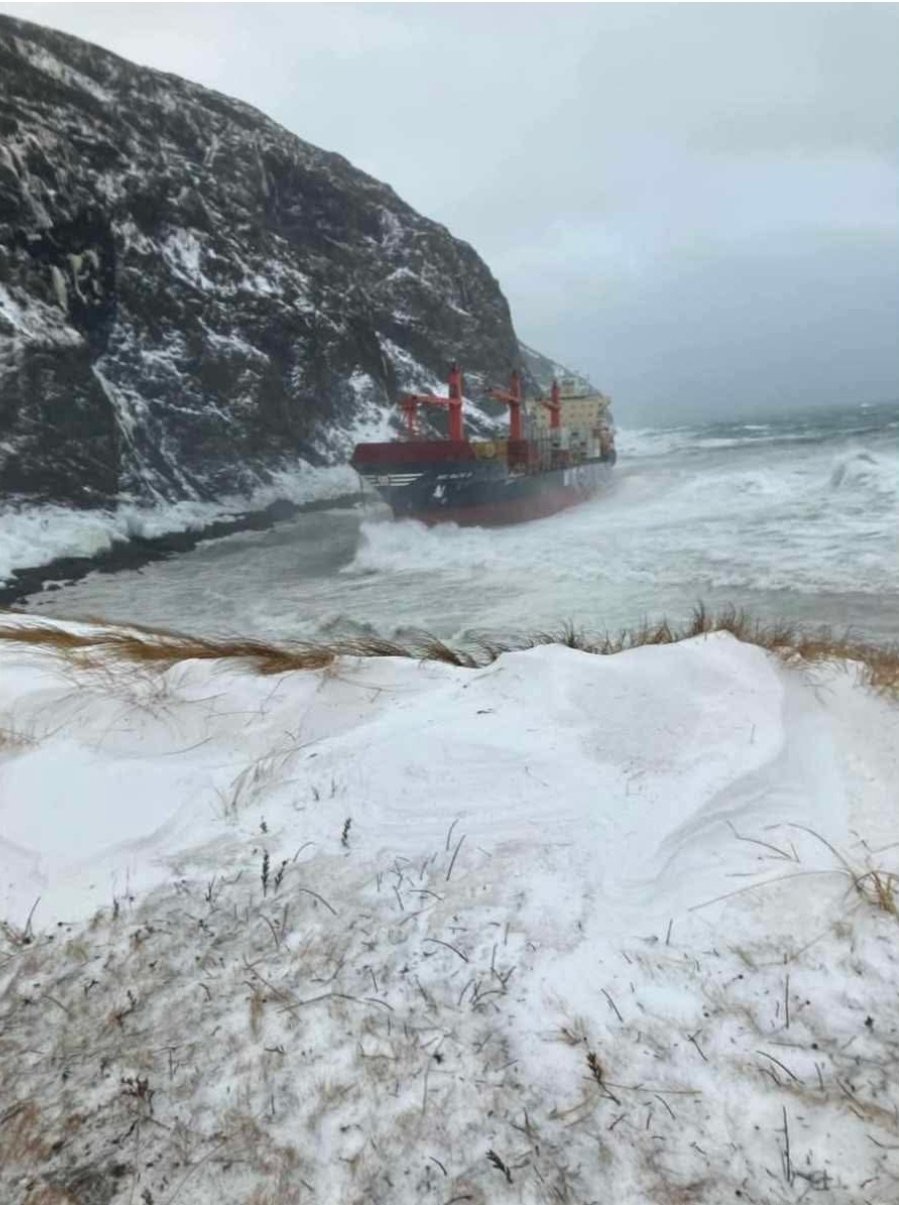
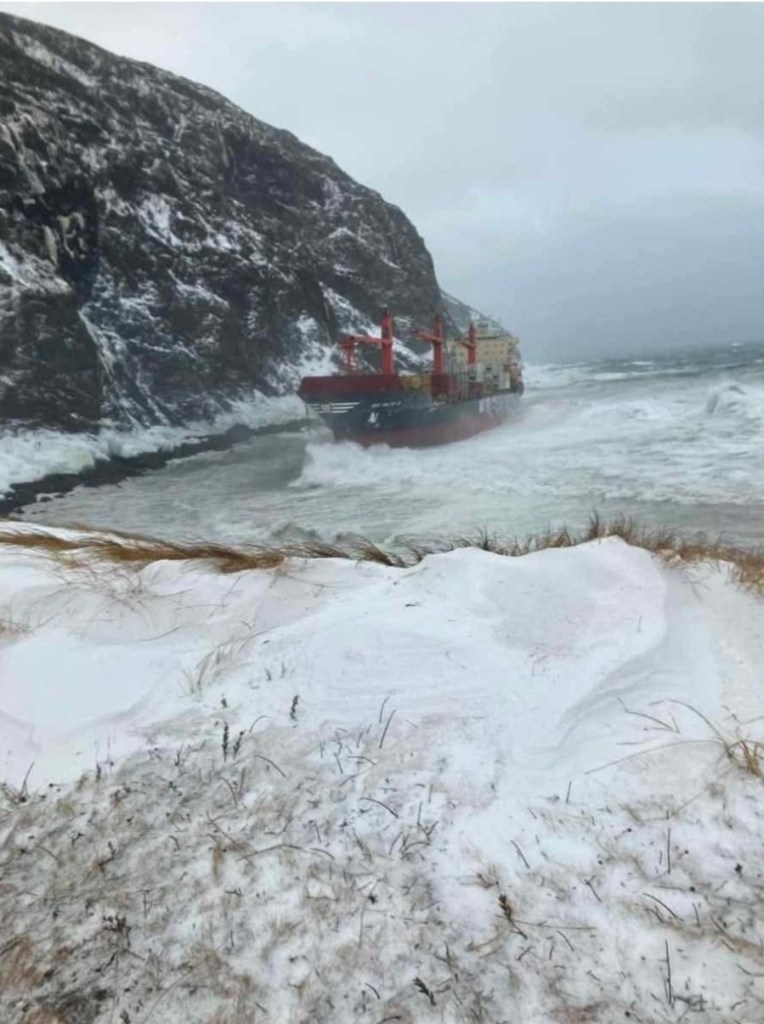
    MSC Baltic III running aground in Newfoundland.

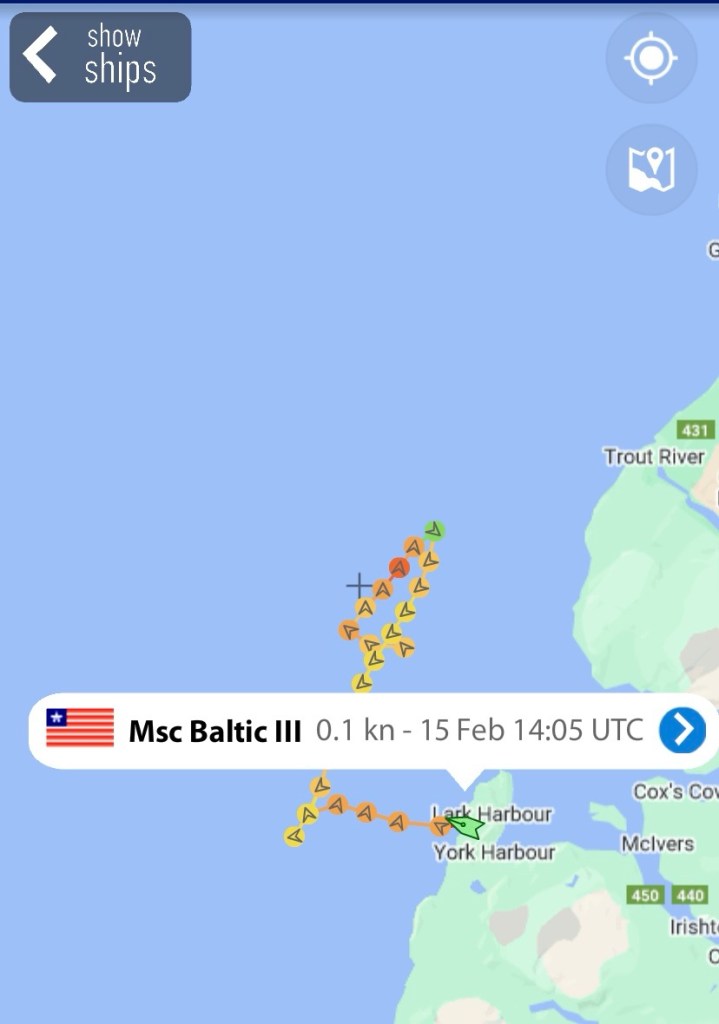
    Earlier this morning, February 15th 2025, MSC Baltic III, a Liberian flagged Cargo containership lost power and ran aground in Newfoundland. The ship has left Montreal, Canada and was heading to Corner Brook, NL. The seas I. The area are rough even on a good day but today a winter storm was raging. Allegedly a large wave hit the ship knocking out power and thus the ships propulsion. The ship was aet adrift and battered as can be seen on the AIS marine tracking data. The crew attempted to stop the ship at the point it became obvious they were going to hit land however the anchor was not able to stop them and the ship drove into Wild Cove, west of Lark Harbor and close to the mouth of the river that would take them to their destination.

    AIS Marine Tracking Data showing the ships course before she stuck ground.

    At some point before hitting ground at Wild Cove the crew had declared a MAYDAY and sent out a distress call that was picked up by Marine Communications and Traffic Services in Port aux Basques. The Canadian Coast Guard and its icebreaker Henry Larsen has responded to the scene and all 20 crew have been pulled from the ship however there are reported injuries.

    Video shows the Canadian Coast Guard airlifting crew off the ship in high winds and rough seas.

    It unknown at this time but some questions have been raised about the possibility of a potential pollution hazard in this case as the sea hammers the ship which though it’s not likely could break apart.

    The CCGS Harry Larsen that responded to the accident.