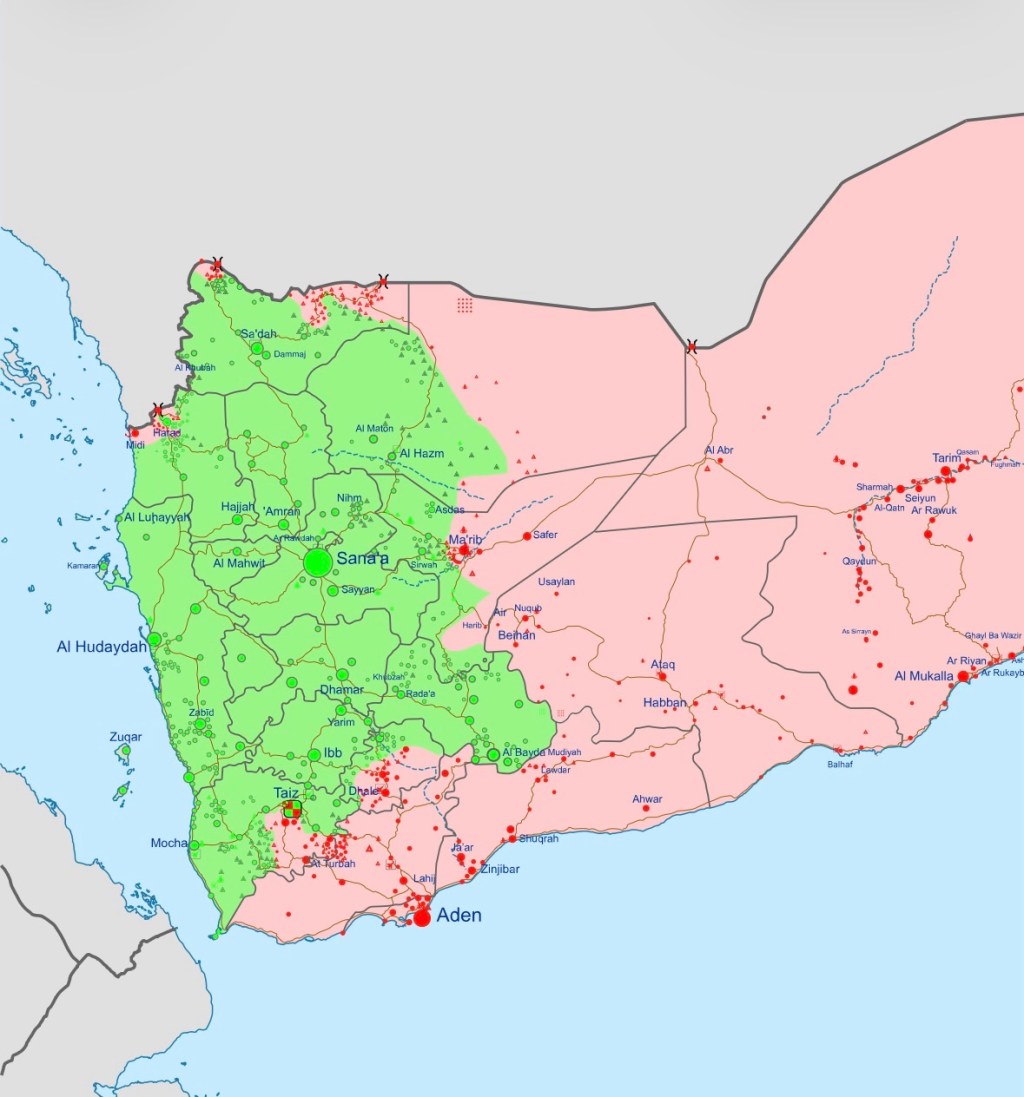
Dual choke-point pressure put on global energy.
The security situation in Yemen has been violently changed in the past week as Houthi forces in Yemen made a coordinated push down the western coast. A fighting force made up of Yemeni government soldiers and National Resistance Forces (Tareq Saleh) withdrew from the city of Mocha rather than attempt to hold it. That port city is now under solid Houthi control. Government sources further reported that the Houthis had pushed towards the Hanish islands, attacking with rockets and boat-borne landings. Government forces chose to fall back to Dhubab, the last significant town facing Perim Island and the Bab el-Mandeb. More on Dhubab later.
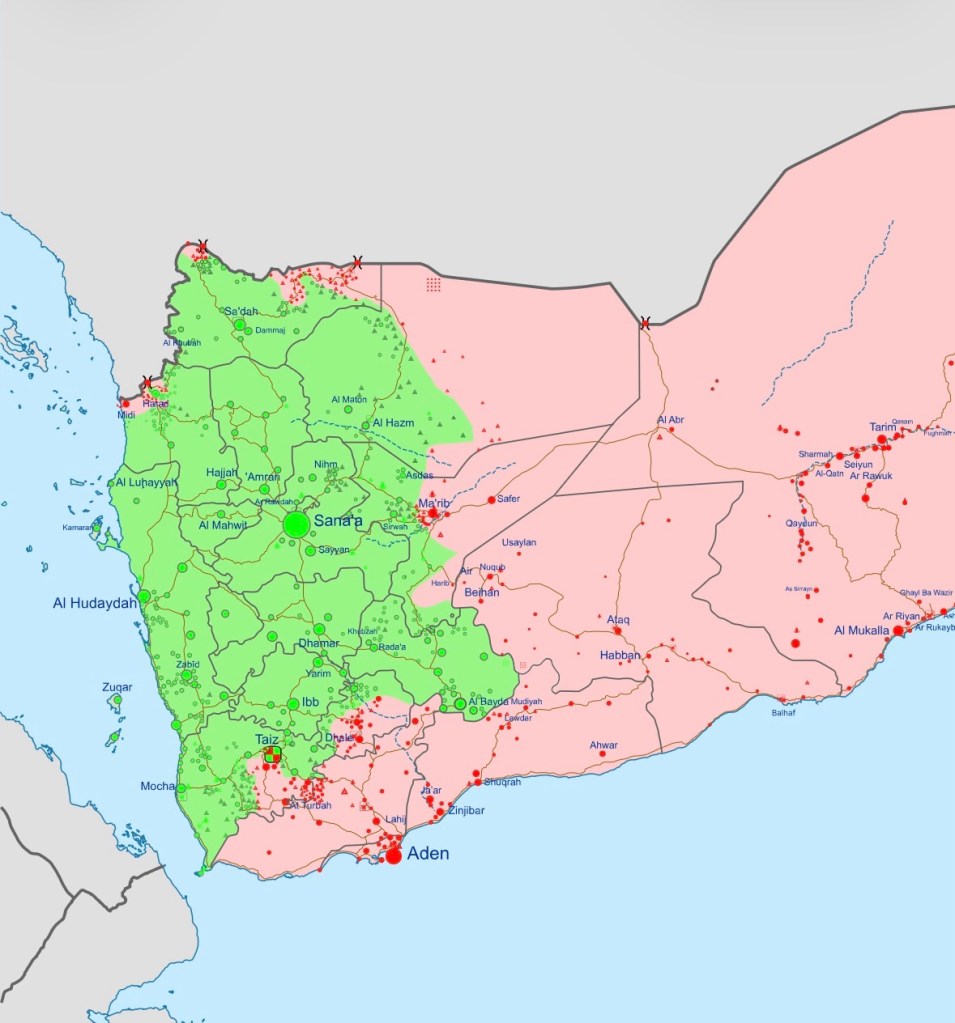
Several reports from Reuters and Al Jazera mention Yemeni government taking heavy losses at Hays, al-Wazi‘iyah, and the Khalid ibn al-Walid base, all along the costal plains in the days leading up to and the day of the loss of Mocha. The bottom line is that the Yemeni government lost the whole of their government-held Red Sea coastal belt in Taiz governorate and, according to its own officials, the main offshore positions that matter for the strait.
Moving on the Sept 11. the strategic situation in Yemen gets even worse. Two Yemeni government officials told Reuters that the town of Dhubab had been lost. The Houthis had already taken Perim, the island just across the strait from Dhubab when the forces had withdrawn from there as well. Perim Island is strategically important as it sits directly in the middle of the Bab al-Mandab Strait, where it divides the waterway into two channels. This gives them direct line of sight on incoming and outgoing shipping in one of one of the most strategic choke points in the world. So far, the Houthis are saying that shipping will not be impacted besides Saudi Arabia’s shipping. While they have said this before, notably with the U.S. and Israel during their support for Palestinian Hamas during the fighting in Gaza.
It’s fairly common knowledge that the Houthis are backed by Iran indirectly, Tehran offers them weapons and supplies as well as training. This has been expanded as Reuters said that their source’s claimed two Iranian sources told Reuters that Tehran instructed the Houthis in the last week to escalate attacks on Saudi Arabia and promised additional funding, weapons and senior officers.
With Iran and the U.S. currently locked over the Strait of Hormuz the Red Sea has turned into an important route for middle eastern oil production as most countries with the capability to do so have been pumping their oil across the country to the West and then loading there.
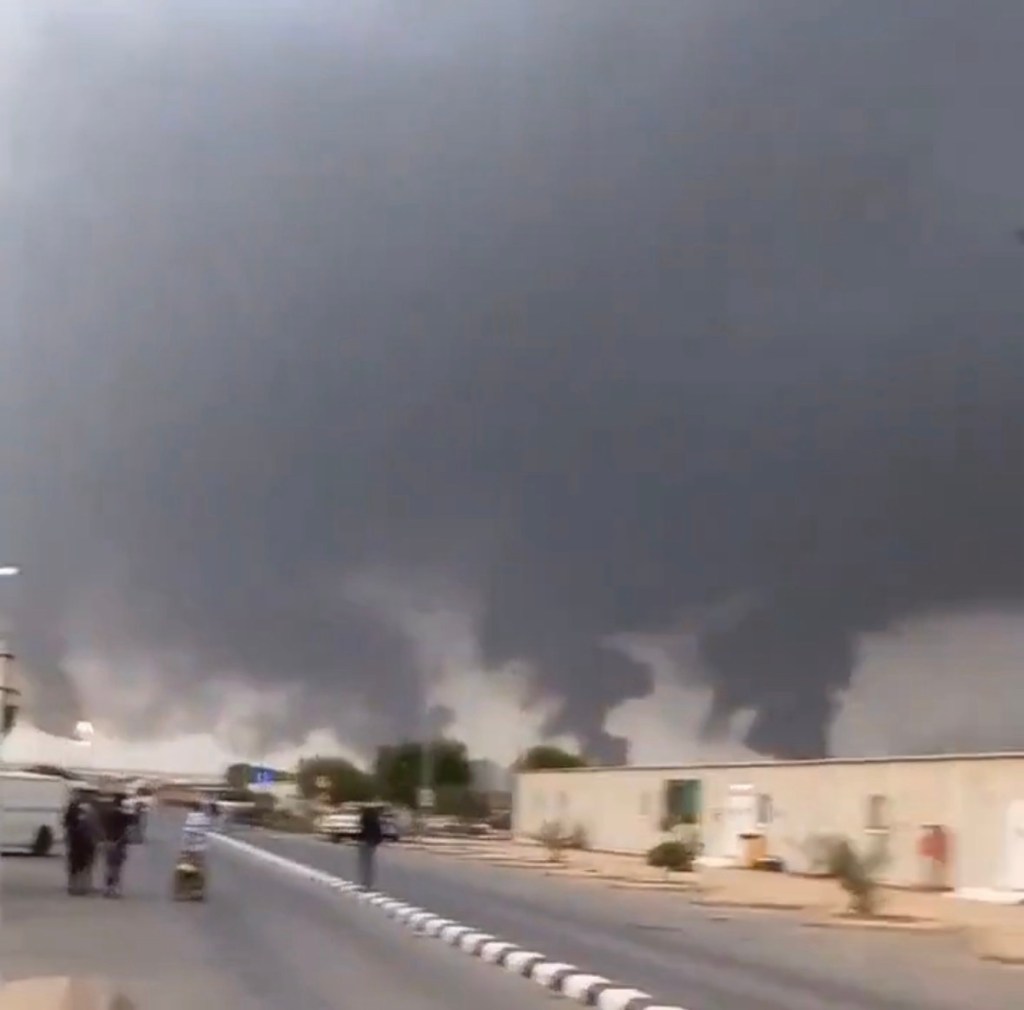
Saudi Arabia took a hit as it was forced to temporarily close their East-West oil pipeline, a 1,200km (746-mile) conduit stretching across the Arabian Peninsula. The pipeline was reported on Sept. 11 as being attacked by projectiles and drones launched from Iraq. Iraq has a large number of Iranian backed groups which are linked to the attacks.
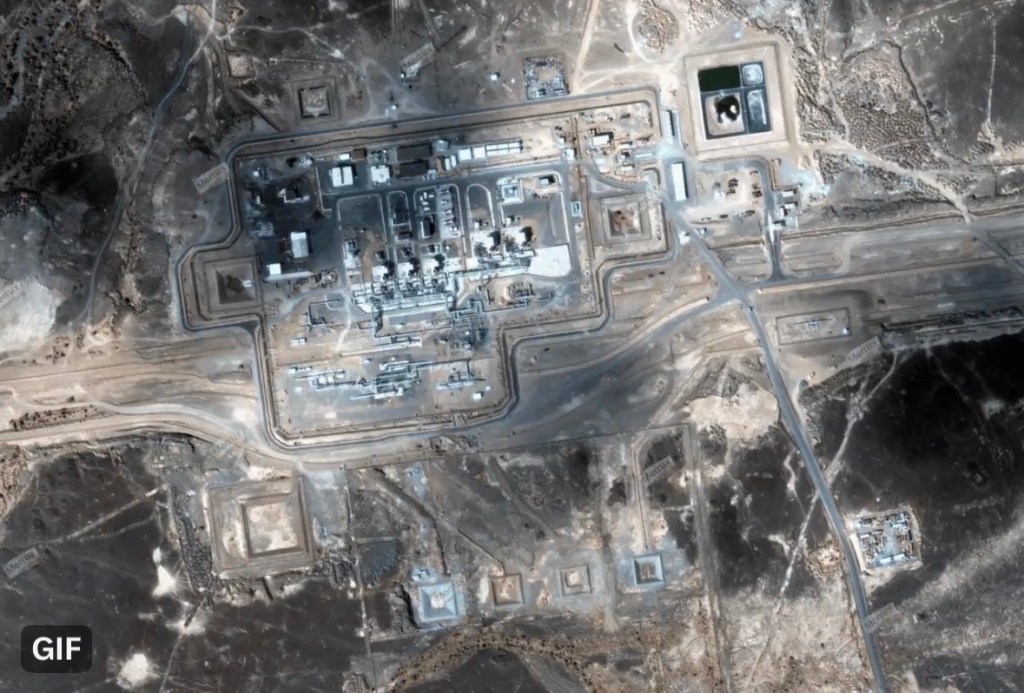
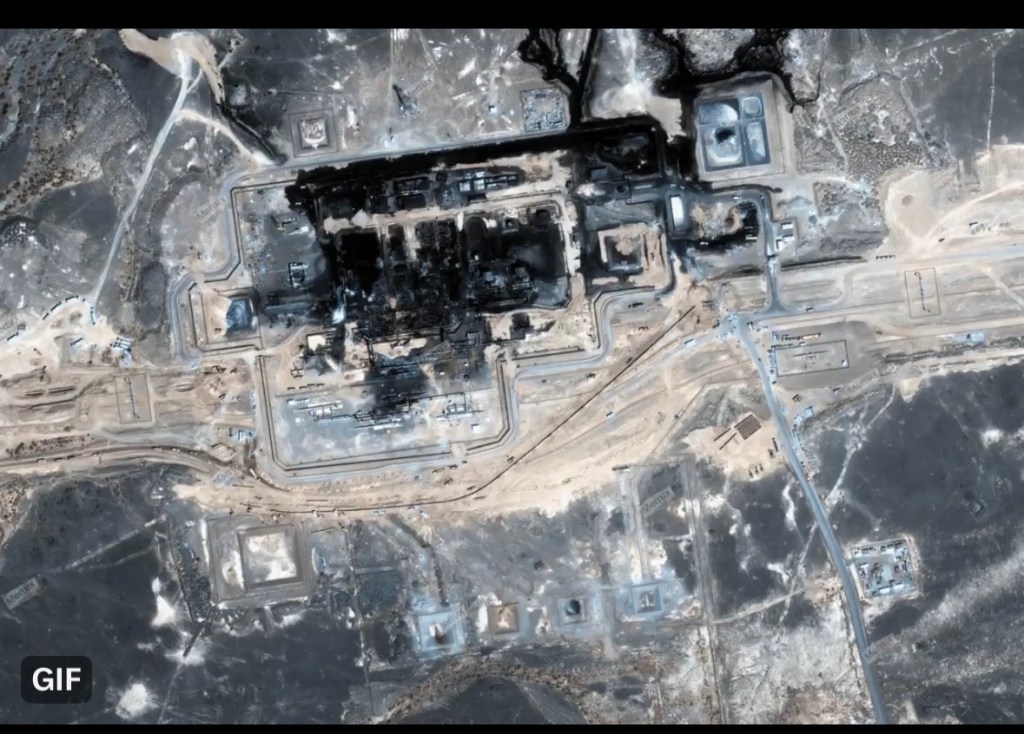
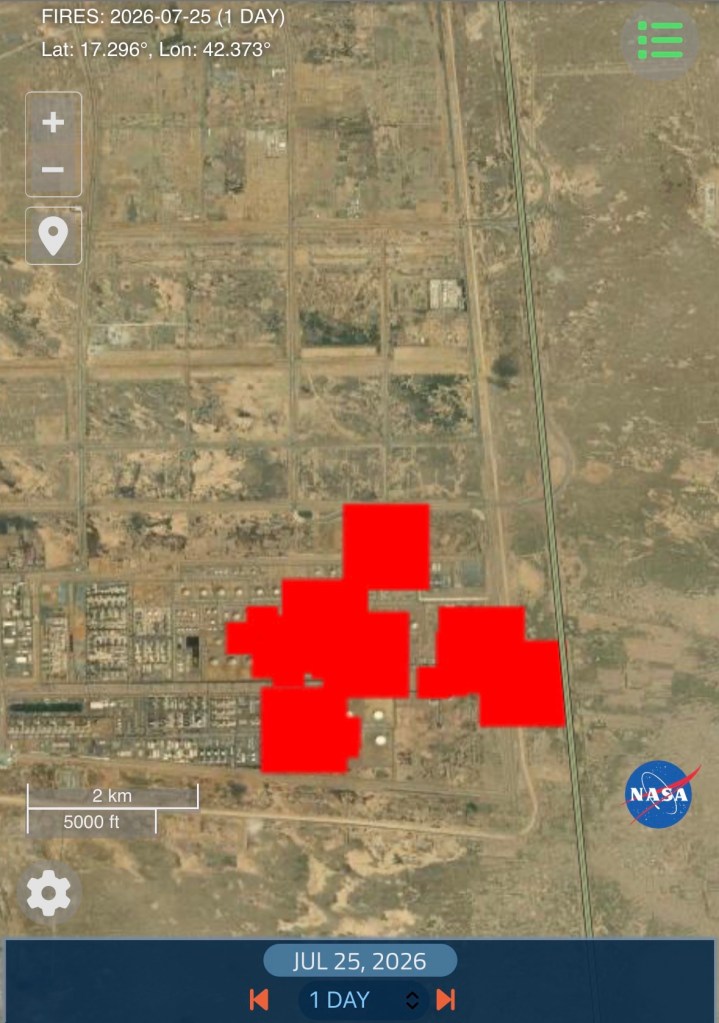
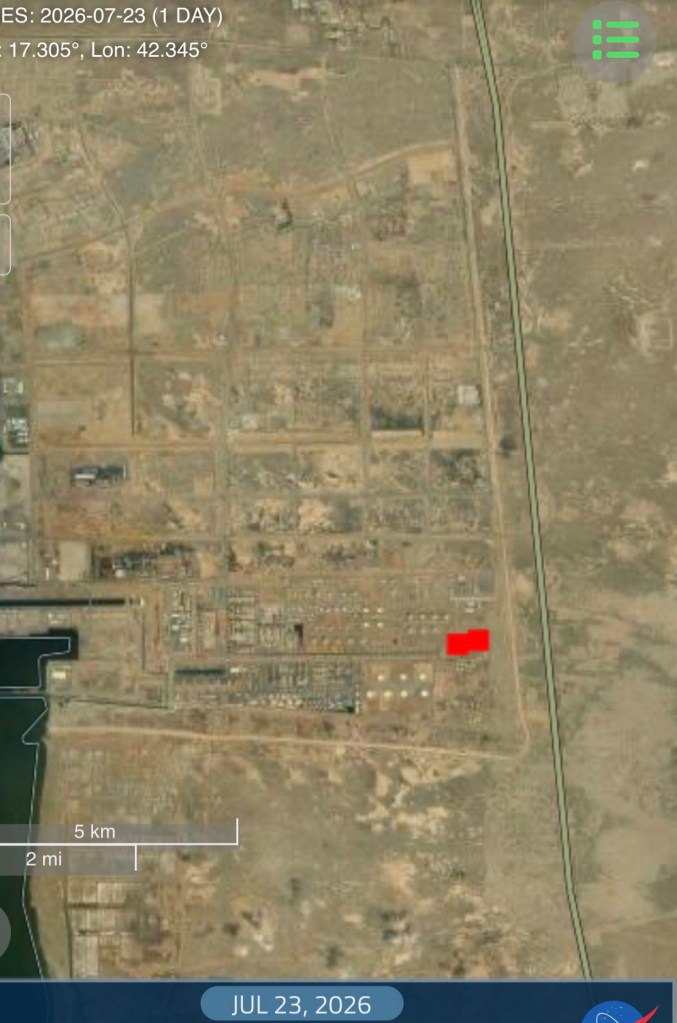
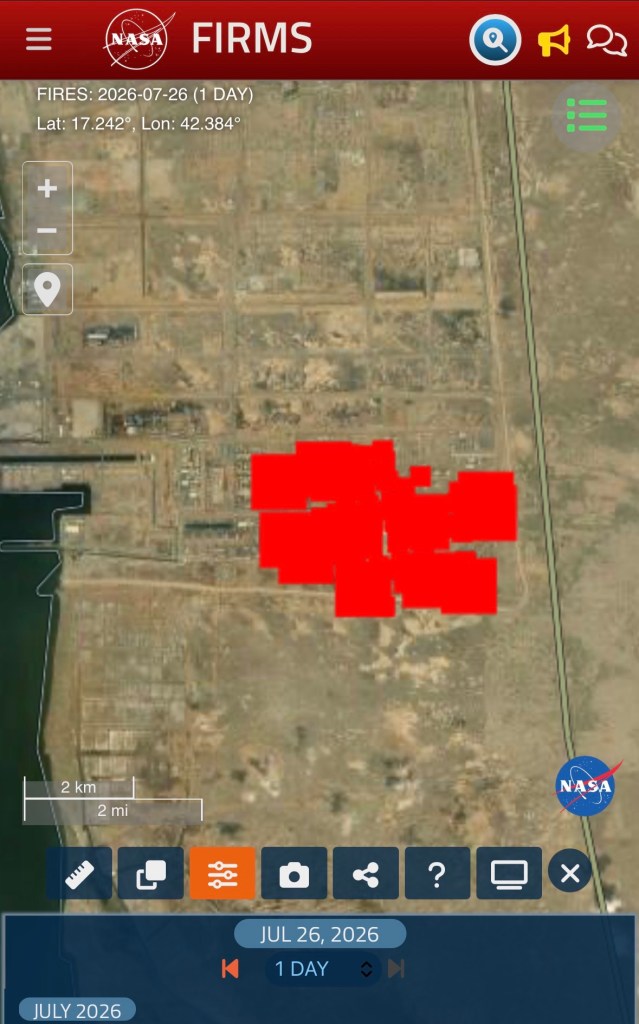
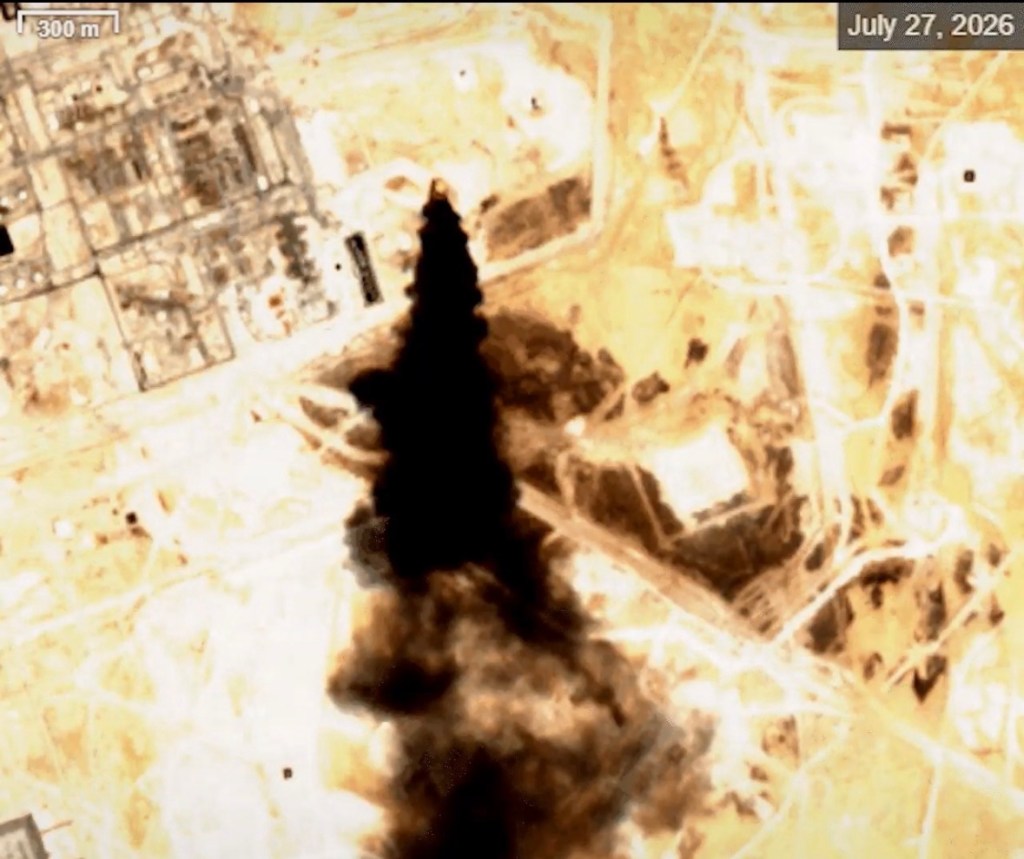
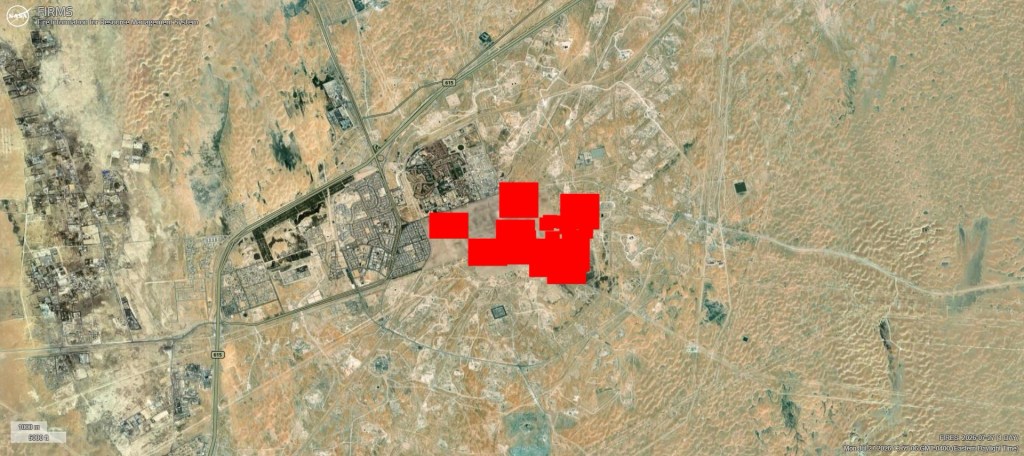
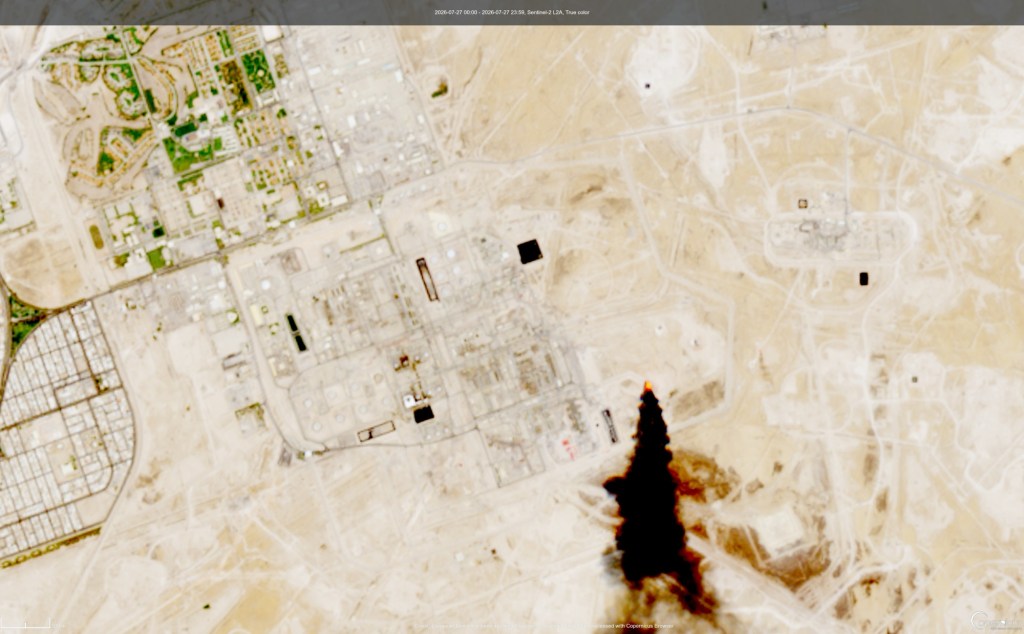
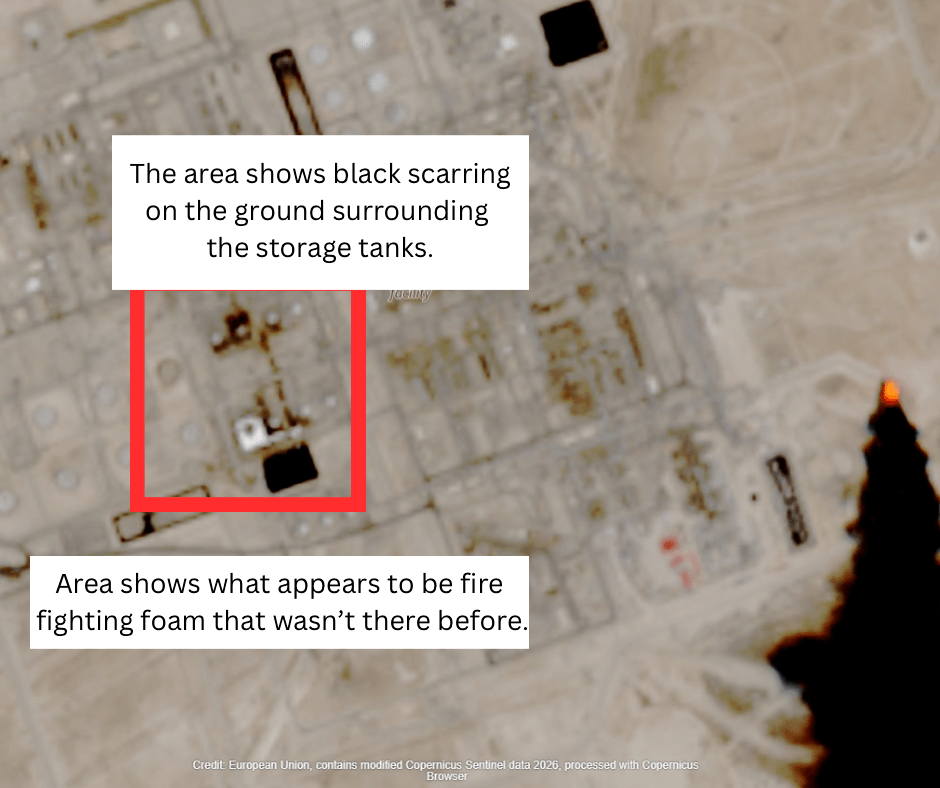
Aramco’s Abha bulk plant also received damage according to satellites image analysis. This damage was first seen on imagery from Sept 8.
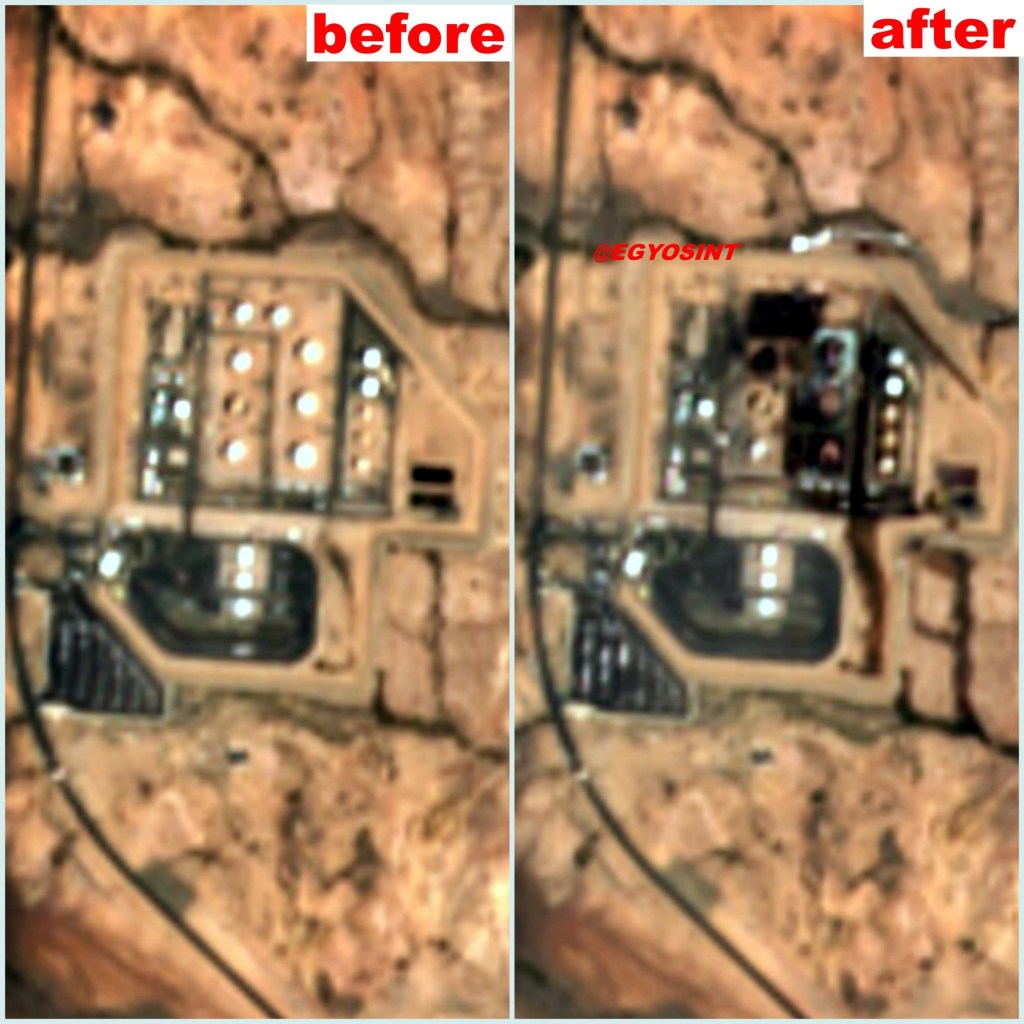
In the days since the attack, multiple pumping stations on the Saudi “East-West” pipeline have been confirmed to have been attacked. This video includes the images from above as well as additional images of other locations.
Reports from sources who spoke to CNN of Yemeni forces that were stationed in some of these towns as being partially made up of “ghost soldiers”, or only existing on paper to collect a salary make the Yemeni withdrawal and losses make more sense.After the government forces pulled out of their positions, Houthi soldiers were shown loading up Saudi/U.S. vehicles that were left behind.
The Houthis (Ansar Allah) have four primary goals in this conflict according to the Institute for the Study of War — ending Saudi military operations in Yemen, lifting the Saudi blockade of Houthi-controlled Yemeni ports and airports, coercing Saudi Arabia to pay Houthi civil servant salaries, and coercing Saudi Arabia to pay reparations to Yemeni civilians.
During the attack on Mocha, Saudi Crown Prince Mohammed bin Salman reportedly called President Trump twice on September 10 (as Mocha was falling) and urged American strikes against the advancing Houthis. Trump declined, with Us officials framing the reasoning that the U.S. president didn’t want to open up another major combat theater while U.S. forces are focused on Iran and the Strait of Hormuz.
For now, U.S. involvement in Yemen is limited to around 100 personal sent to act as advisors to Saudi Arabia who the U.S. hopes can manage the situation in this front.
Saudi Arabia carried out reportedly anywhere from several dozen to over a hundred bombing attacks on the advancing Houthi forces during their march to Mocha and Dhubab. These attacks did little to stop or slow Houthi advances. Yemeni forces report a lack of airstrikes during critical hours of fighting in Mocha.
Saudi Arabia has changed their Yemen strategy since around 2015 choosing to focus more on containment and diplomacy and limited pressure on the ground. However that was mostly as a way to avoid a full escalation in which Houthi forces targeted Saudi energy infrastructure which is now happening anyway. Saudi Arabia, like the U.S. is also facing a shortage of air defense missile interceptors which has led to key energy installations being targeted by Iranian backed elements, including the Houthis.
For now as an overall update, the Houthis are currently consolidating their control over their newly taken territories. They are digging in around the Bab-el Mandeb region in an effort to hold that area because of the large strategic advantage they hold with it . They are also moving in logistics and administration personnel to further help control the newly taken regions. The Houthis in 2014 received a lot of support from Hezbollah in Lebanon, another group with a strong focus on acting as a state institution and actually bringing benefits to the populations of regions they patrol.
This article was written primarily on and around the 11th and 12th but I took a little break and was going to just scrap this article but figured it had a lot of good info and is still relevant to everything that happened. I’ve updated some things to reflect on new information.


You must be logged in to post a comment.