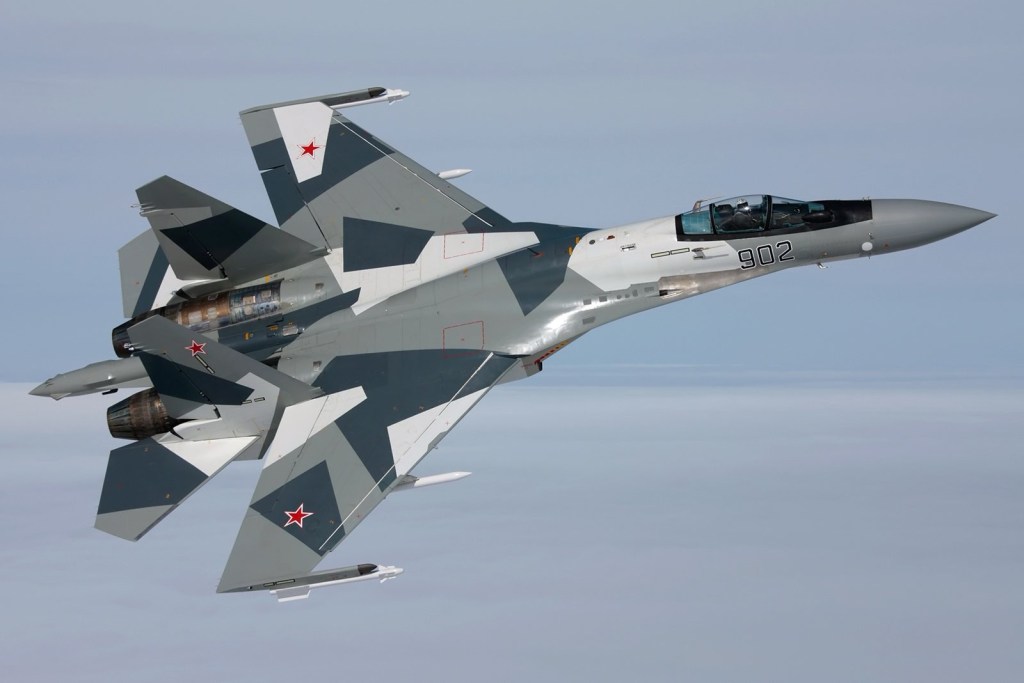
According to video evidence as well as Russian and Ukrainian sources, Ukraine has downed a Russian Sukhoi Su-35 this morning.
“This morning, on June 7, 2025, as a result of a successful Air Force operation in the Kursk direction, a Russian Su-35 fighter jet was shot down,”
Statement made on telegram from the Ukrainian military.
The Russian army hasn’t yet responded to this claim however sources claiming to be Russian soldiers have chimed in. They say the plane was shot down but that the pilot had ejected.
Video showing the wreckage of the Su-35 after being shot down.
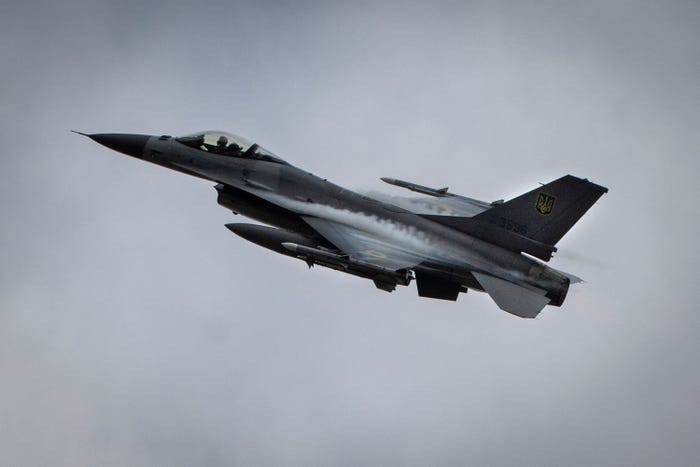
Claims have appeared online saying that a Dutch supplied F-16 using an AMRAAM was responsible for the downing.
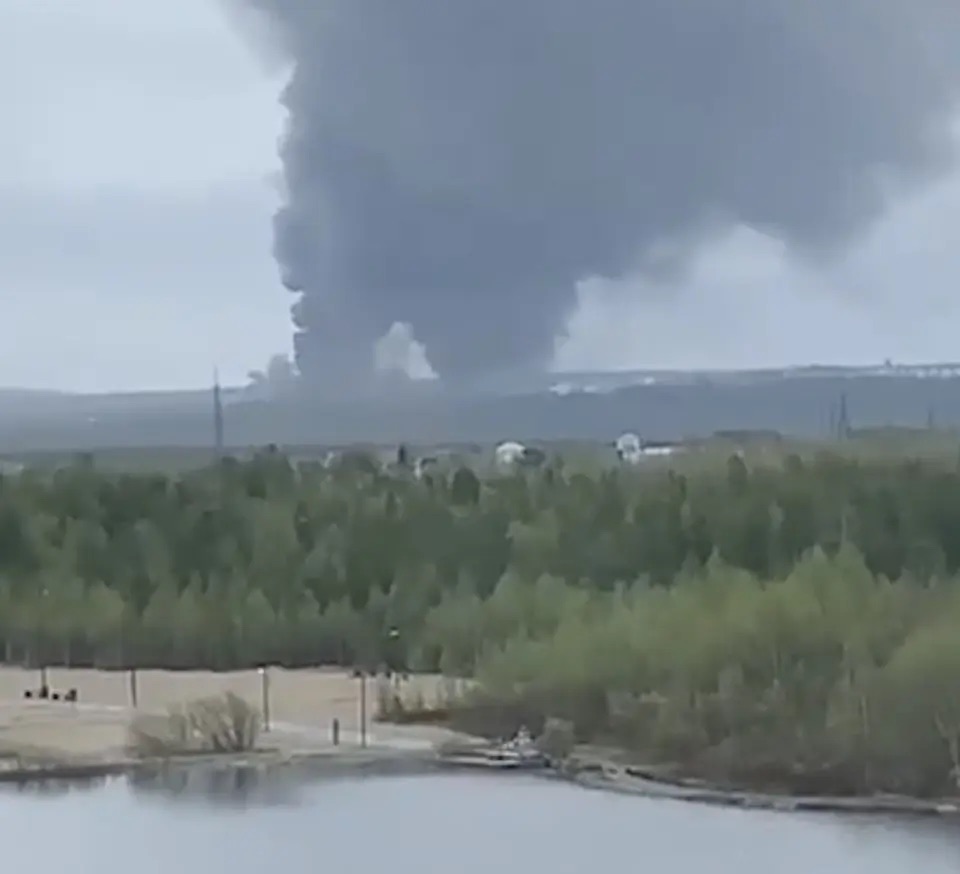
The crash is near Yurasovo village in the Kursk direction.
On Sunday, we reported on a major covert drone attack carried out by Ukraine on Russian airbases across the country destroying a not insignificant percentage of Russia’s long range strategic bomber fleet. This attack stunned Moscow as well as western leaders who by all accounts weren’t made aware of the strike beforehand.
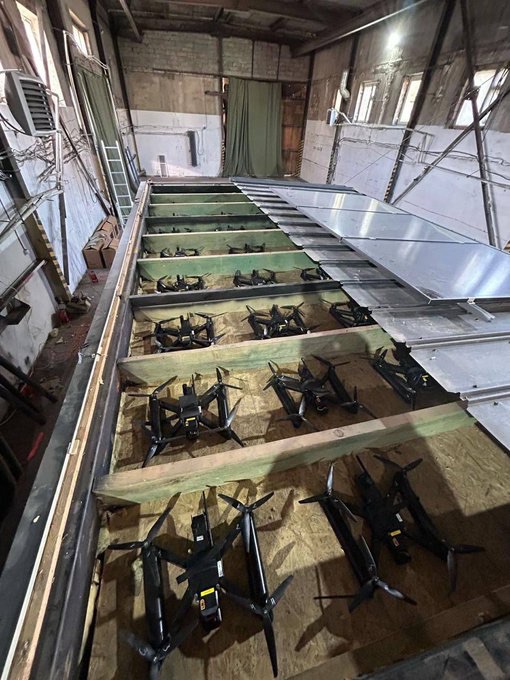
‘Operation Spiderweb’, the name given to the operation was carried out using semi trucks that were loaded up with a reported 117 drones total. The drones were used to target 4-5 different airbases spread all over Russia with the furthest being in Siberia.
The trailers on the semi trucks were each disguised as sheds being hauled. When parked near their targets the roof was activated remotely and would slid off allowing the drones inside to be piloted remotely into their targets. Ukraine has done mass drone attacks before, often even but drones launched from Ukraine have to travel much further and are at a greater danger of being shot down by Russian Air Defense.
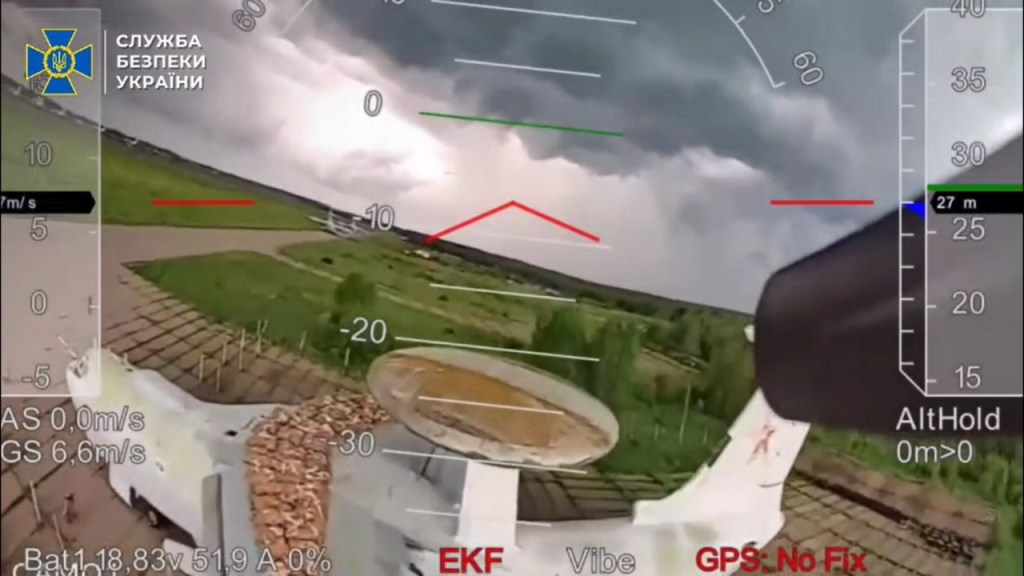
Image released by Ukrainian security services shows the back of the trucks which were used as makeshift drone carriers.
The drivers of the trucks were all Russian truck drivers contracted out by one (or several guys) using the name Artyom. They were contacted with delivery instructions and all had similar stories about getting to their drop off point and then the roof sliding off and drones started flying out. Russia is still investigating.
Let’s go over each of the airbases and look at the numbers for Russian loses as best we can. These numbers are all based on satellite images received as well as open source information. Take the following breakdown for what it’s worth, an analysis done with less than an optimal amount of data.
Before we jump in I’ll link to some videos one from the day of the attack and the other released today which has some more data we can use and is almost 5 minutes long.
Here is the first.
Video shows the first footage most were shown of Operation Spider Web.
Belaya Airbase. Probably the hardest hit of the airbases.
This video was released the day after the attack and shows strikes from all of the bases. A lot of the analysis I’m doing here will include things seen in this video.
Olenya Air Base
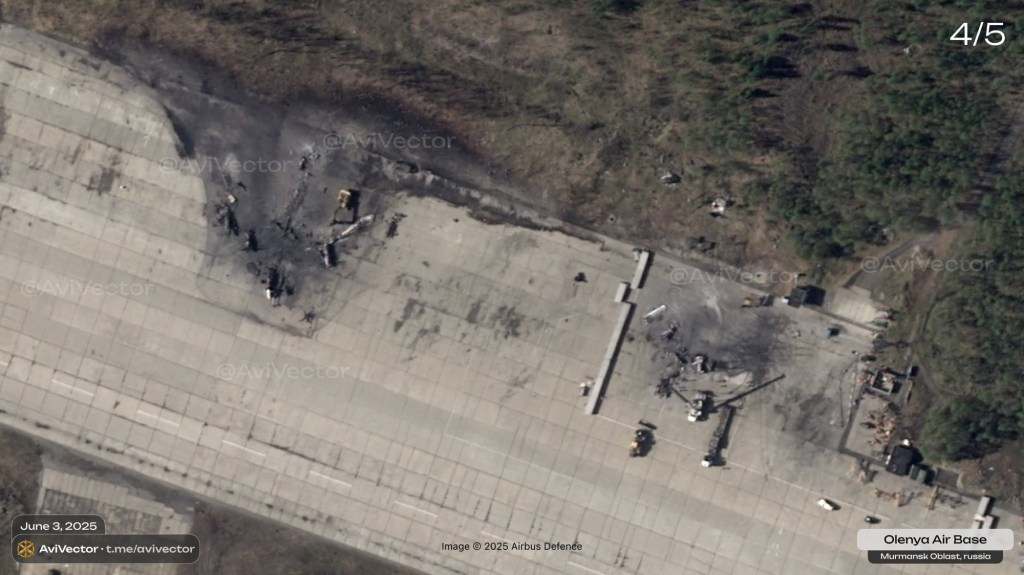
Olenya Air Base directly after the drone attack.
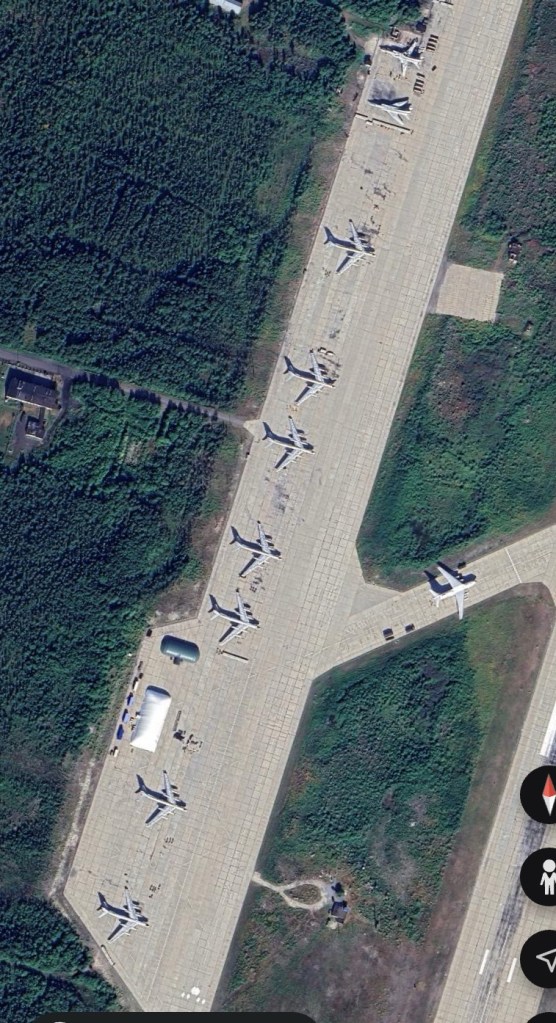
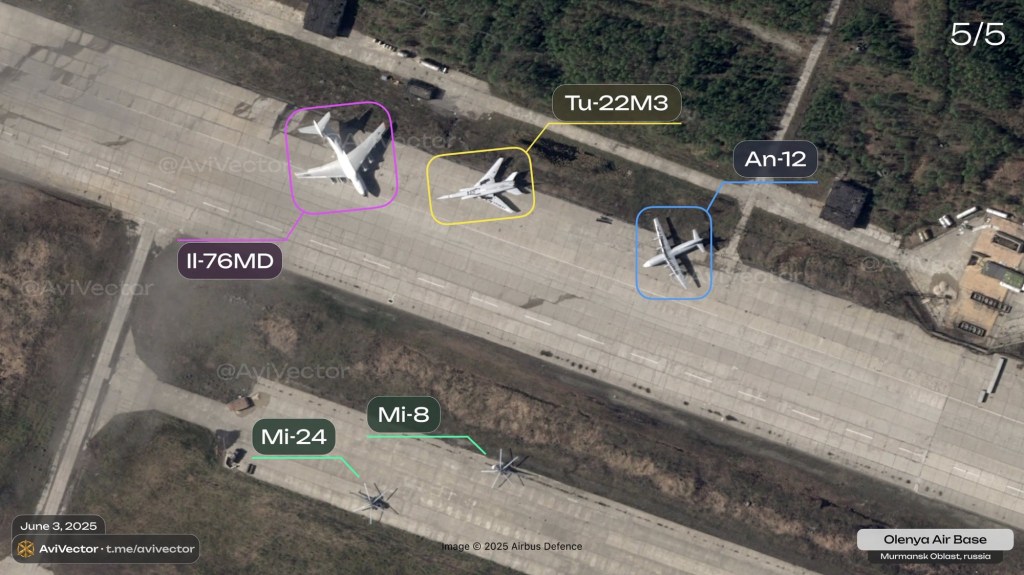
On the Kola Peninsula, Air Base Olenya is an important part of Russia’s military operations. The bases aircraft are mostly made up with a collection of Sukhoi Su-24 and Tupolev Tu-95s.
Most recent Google Earth Image from Olenya Air Base.Most recent imagery shows a line of TU-95This image is from Olenya but more recent than the Google earth inages.
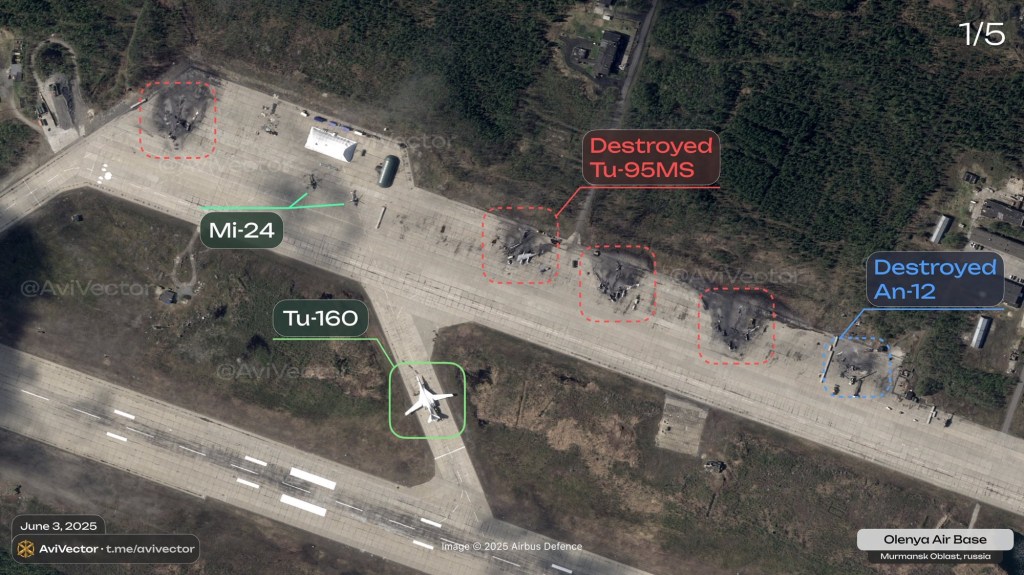
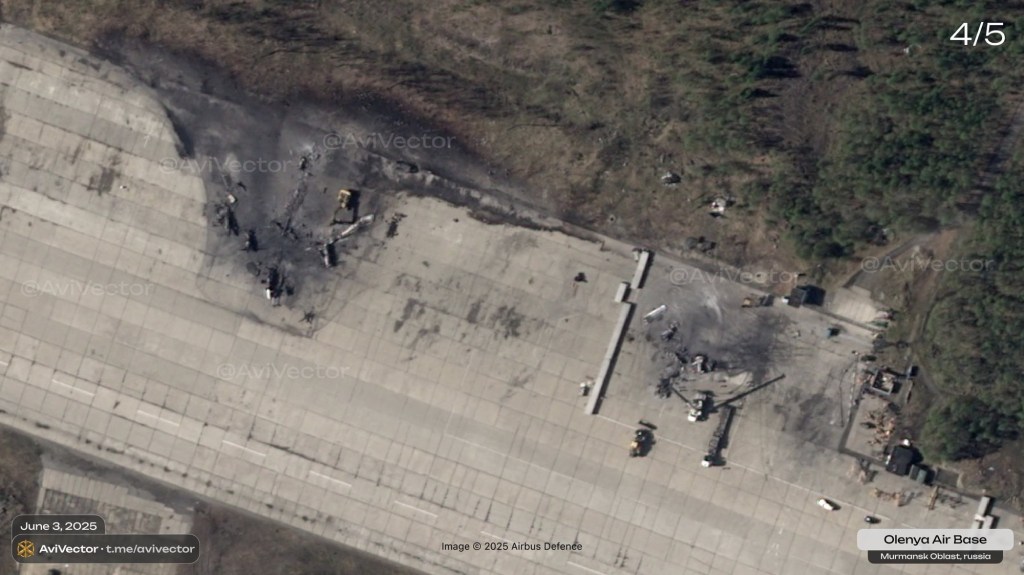
After Ukraine’s attack images look a bit different.
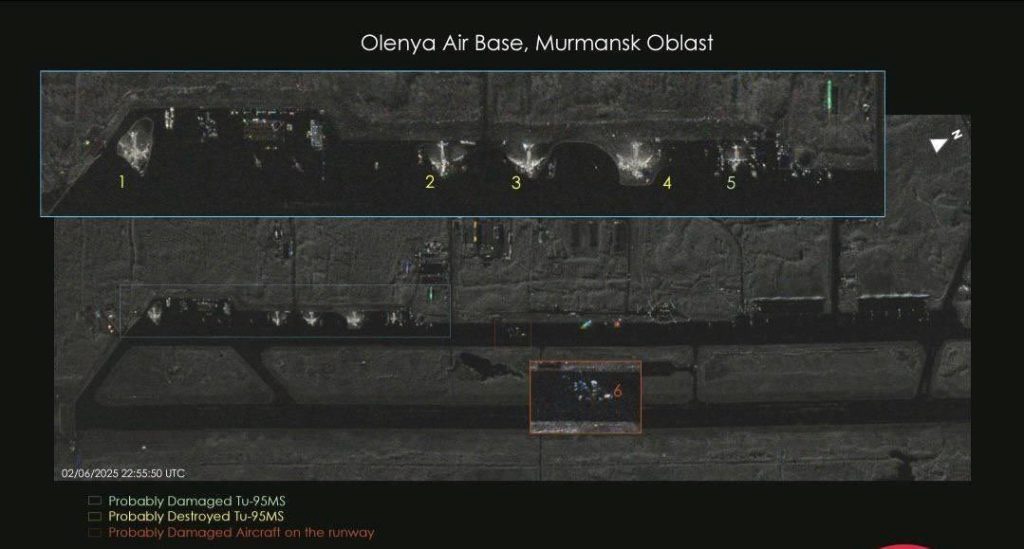
The below shows the wider view in the aftermath of the attack .
After looking at this data as well as the video clips of the attacks it’s believed that at least 4 Russian Tu-95 bombers were destroyed at Olenya air base along with one An-12 transport aircraft.
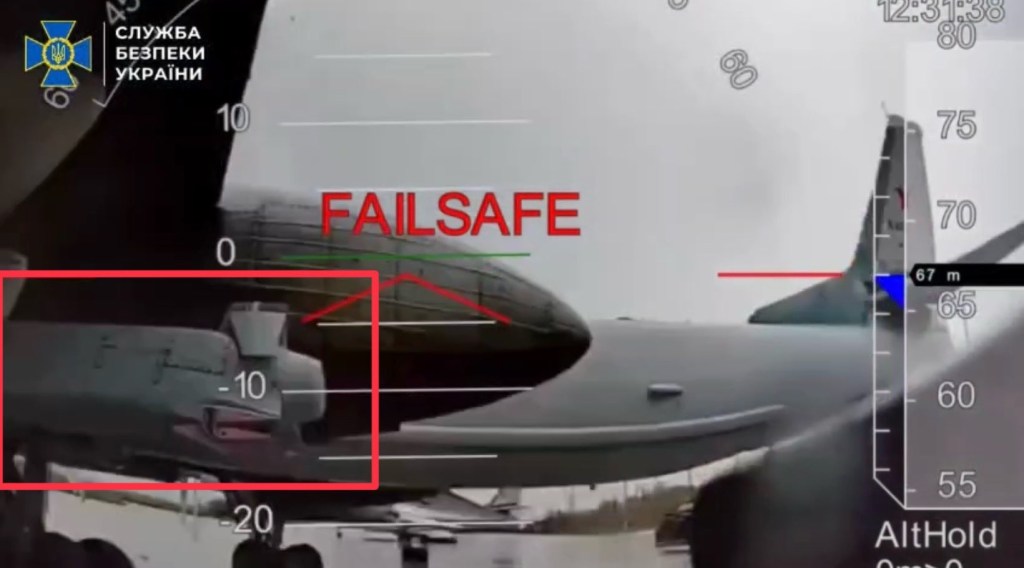
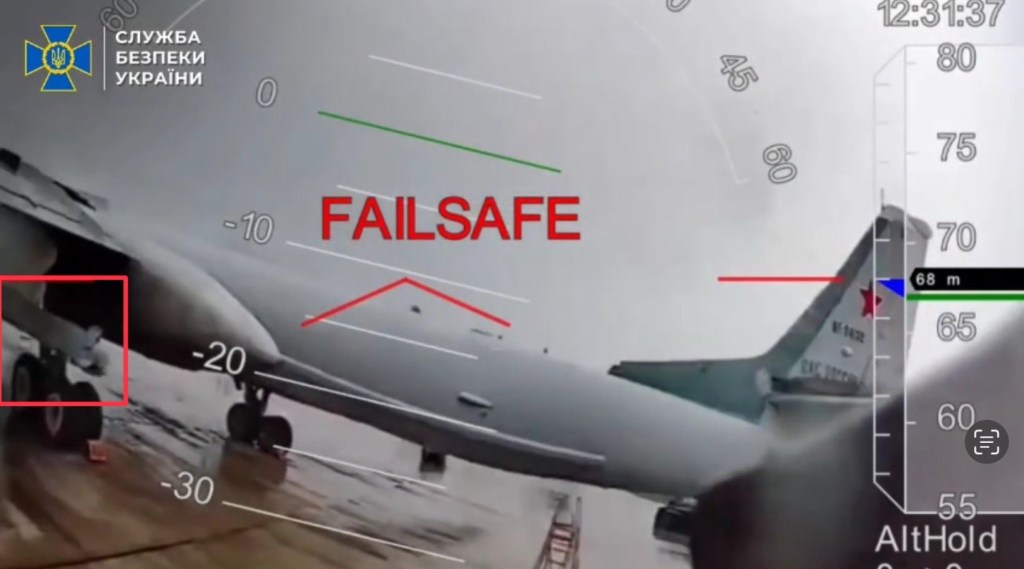
Online sleuths have pointed out that in the video released after the attack you can see that at least one of the Tu-95’s had already been loaded with Kh-101 cruise missile. These bombers among others have been responsible for the recent missile wave attacks launched at Ukraine and her city’s. Some of the largest missile and drone attacks of the war have been carried out in the past 2 weeks.
Alleged Russian cruise missile spotted during operation spiderweb.
Ivanovo
Ivanovo Severny Air base houses the 144th AEW&C regiment as well as rhe 610th Combat Use and Retraining Center for Military Transport Aviation.. The Ivanovo airbase houses a number of retired A-50 (and possibly active A-50’s) as well as transport aircraft like the Il-76. The video shows two A-50s being struck however I don’t know if these are the operational A-50s. Now we know Ukraine watched and planned this mission for a year and a half. I would like to think they wouldn’t waste the time attacking an airfield that holds nothing except some old parts planes. They had great Intel for this operation so it’s possible but I wanted to at least mention the uncertainty.
Two images from a drone on the day of the strikes. These planes are covered in tires and other things used to break up line of sight for drones. Russia often uses tires for this purpose.
Dyagilevo air base
Of all the airbases. This is the one I have the least data for. I’ve yet to see satellite imagery from after the attack so I’ll just go by the video. It seems that a number of Tu-22s were targeted. At least 4 possibly more however I did notice that some of the planes shown in the video were struck multiple times. Will update this if I can get more info.
Belaya
Belaya air base in theUsolsky District, Irkutsk Oblast was hit pretty aggressively compared to the others.
The base houses two types of Russias strategic bombers with the 200th Guards Heavy Bomber Aviation Brest Red Banner Order of Suvorov Regiment using Tu-22M3, the 444th Heavy Bomber Aviation Regiment with the Tu-22M3 and the 181st Independent Composite Aviation Squadron with the Antinov A-12 and A-30. Present at the base during the attack were also Tu-95s.
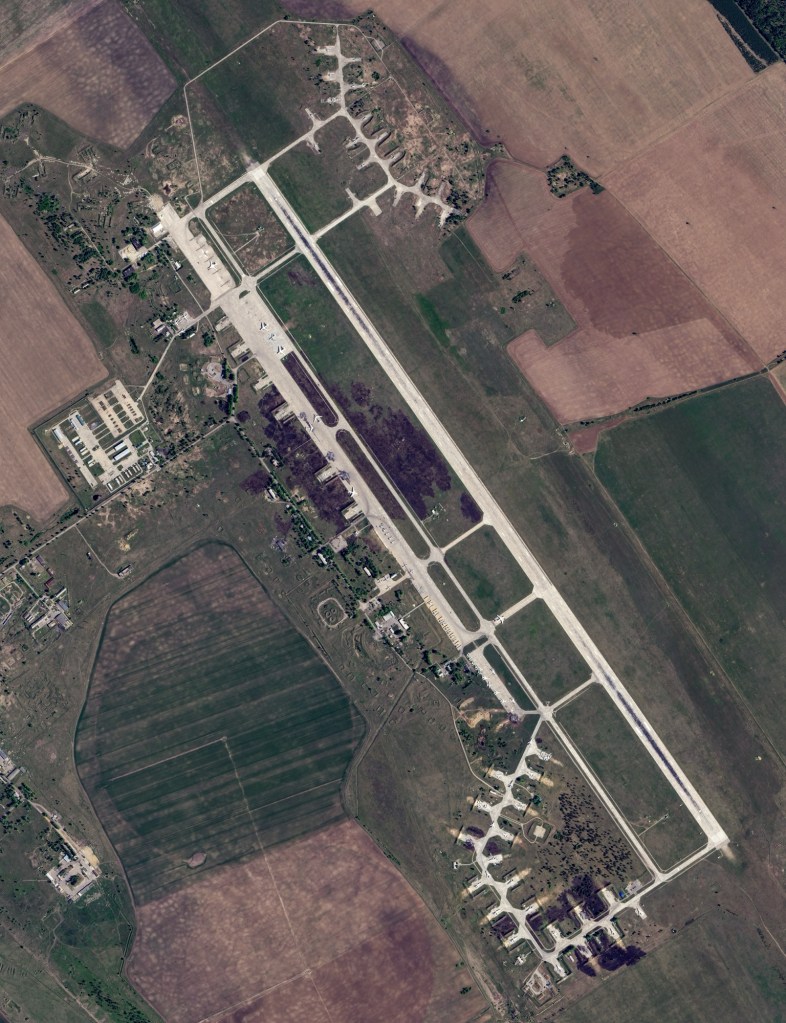
This is the before shot of the airbase. Included fkr comparison with the after shot. This base has several decoy parking slots used to fool drones and satellites. That being said the paint for the decoys is very old so it’s fairly easy to spot. Sat images done by Planet labs.The shot after Operation Spiderweb. Sat images done by Planet labs.
If my math is correct this airbase lost at least a solid 4 Tu-22’s, those are the ones that I can see, from the images, burned up and are completely destroyed. The video m of the attack shows multiple other Tu-22s that were targeted making me think that there is a good chance that some were damaged and need repaired or are not recoverable but we just can’t see it. So for now I’m sticking with 4 but it has an asterisk.
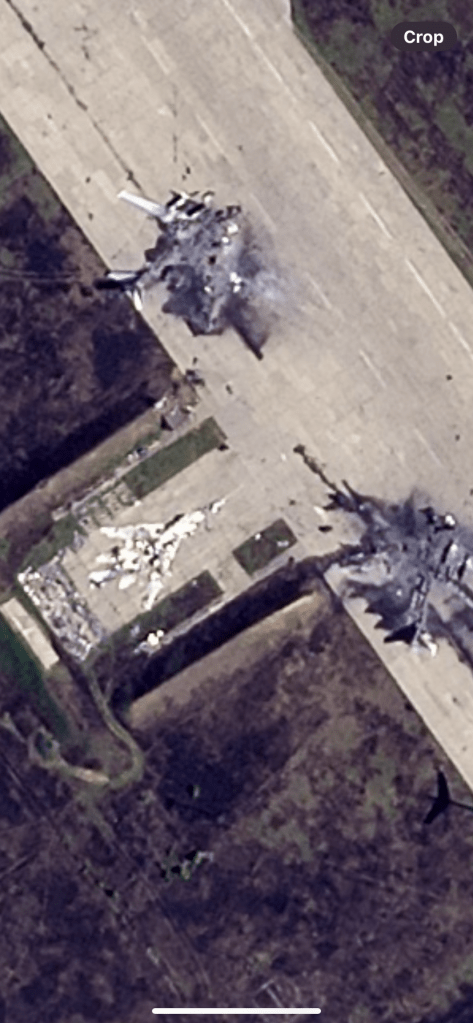
I’m not counting this one, which is an obvious decoy. The fake wreckage might have fooled me but I’ve seen this base before. Pictures of this spot exist prior to the operation.
The image with the decoy shows 2 of the 3 completely destroyed Tu-95’s. There is one more further down the runway which can be seen in the imagery and is shown to be struck in the video.
Afterthoughts
This attack will go down as one of Ukraines highlight moments in the war, showing a weakness in Russia’s current method of parking their airplanes.
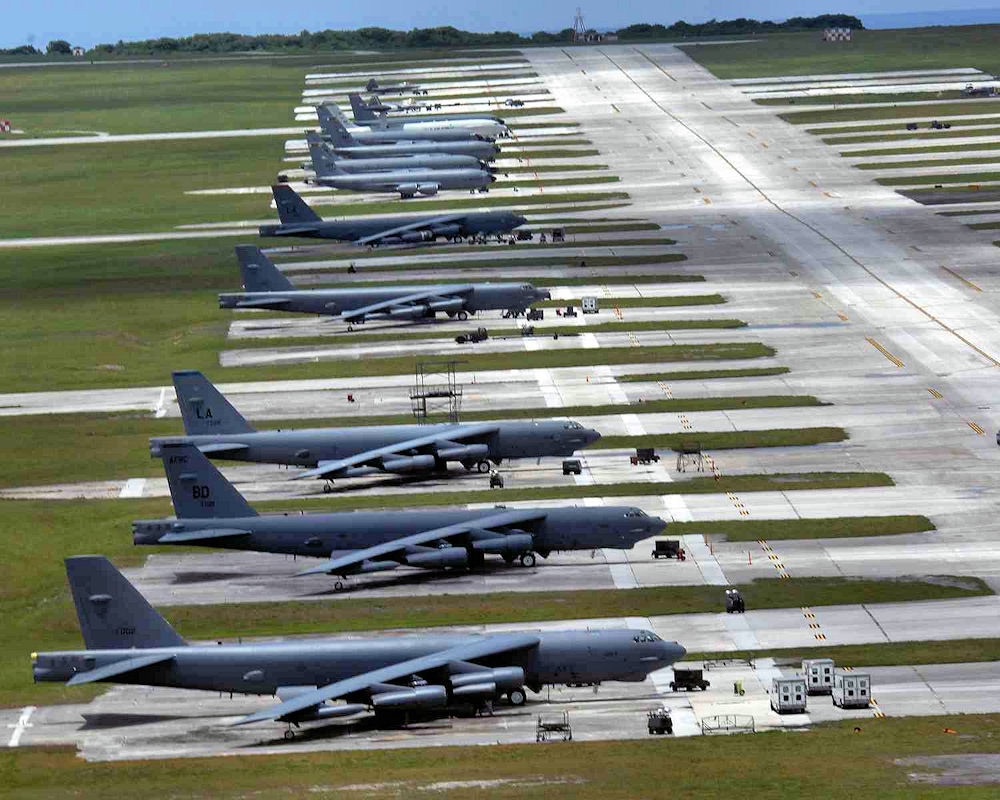
The line of B-52 Stratofortress at Anderson AFB.
However. While my own country of the U.S. does have Hardened Aircraft Shelters, they are usually only found being used on the frontlines areas like the Middle East or in The Pacific. Protecting those w deployed assets is extremely important but it’s becoming increasingly glaring that some day, one of the US’s enemy’s could stage a similar attack, knocking out multiple squadrons of long range bombers before anybody even knows what’s happening. China on the other hand has been ahead of the game in this field building vast hundreds of these shelters for their air fleets. China who also happens to be in the forefront of drone warfare and combat tech. Could it be thag China sees a threat because they know the possibility’s of what rcan be accomplished with drones?
The opening of a Hardened aircraft shelter located in South Korea.
I’d like to thank everybody who provided imagery for this, especially planet labs who allows me to be on their mailing list to receive these images when something big happens. That was a nice surprise after I started trying to find sat images to find them in my email.
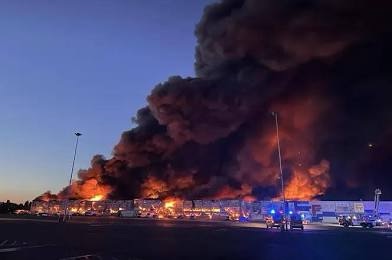
Last year Warsaw’s largest shopping center, Marywilska 44, was burned down leading to a year long investigation that was only concluded earlier this month. That investigation, led to the arrest of several Polish nationals acting as Russian operatives and connected to the Russian state and the GRU, Russia’s secret police.
“We already know for sure that the large fire on Marywilska was the result of arson ordered by Russian services. The actions were coordinated by a person staying in Russia. Some of the perpetrators are already in custody, the rest have been identified and are being sought,”
Polish Prine Minister Donold Tusk writing on Twitter.
This case of arson was one of several terrorist acts linked to Russia, all being carried out in the weeks leading up the Marywilska 44 fire. Arson is the focus of this article however attempted cyberattacks are another regular occurrence in countries that have shown support for Ukraine since Russia’s invasion. In early 2024 shipments of pillows, cosmetics and sex toys were filled with explosions being detonated in British Birmingham, Leipzig in Germany and in Warsaw, Poland. All of this is apart of an ongoing hybrid warfare campaign being waged by Russia on Poland (among others) as backlash for their support to Ukraine.
Back to the shopping center Investigators in Poland are working with those in Lithuania for a similar series of sabotage activities believed to be linked to Russia according to a statement by Justice Minister Adam Bodnar and Interior Minister. Tomasz Siemoniak. Since some of the perpetrators in Poland had been arrested Polish authorities believe they have enough evidence to directly tie Russia to these crimes and Bodnar and Siemoniak continued in their statement: “Based on the evidence collected, we know that the fire was the result of arson committed at the request of the Russian security services. We have in-depth knowledge about the course of the arson, as well as the way in which the perpetrators documented it.”
The immediate response to these attacks has been the closure of the Russian Consulate in Warsaw Poland however its still believed Russian operatives are carrying out other operations in Poland with several abductions being linked and a string of arson’s. Another consulate had been closed previously by Poland citing its link to a cyberattack, acts of sabotage, as well as other intelligence activities.
This highlights Russia’s willingness and want to wage a sort of hybrid war, using terrorism and other more covert methods in an aim to punish those it views as hostile to Russia. In October of 2024 MI5 Director General Ken McCallum had this to say of the GRU was “…on a sustained mission to generate mayhem on British and European streets”. A Romanian man was attested in 2024 in Birmingham after settling fire to a DHL warehouse on behalf of Russia.
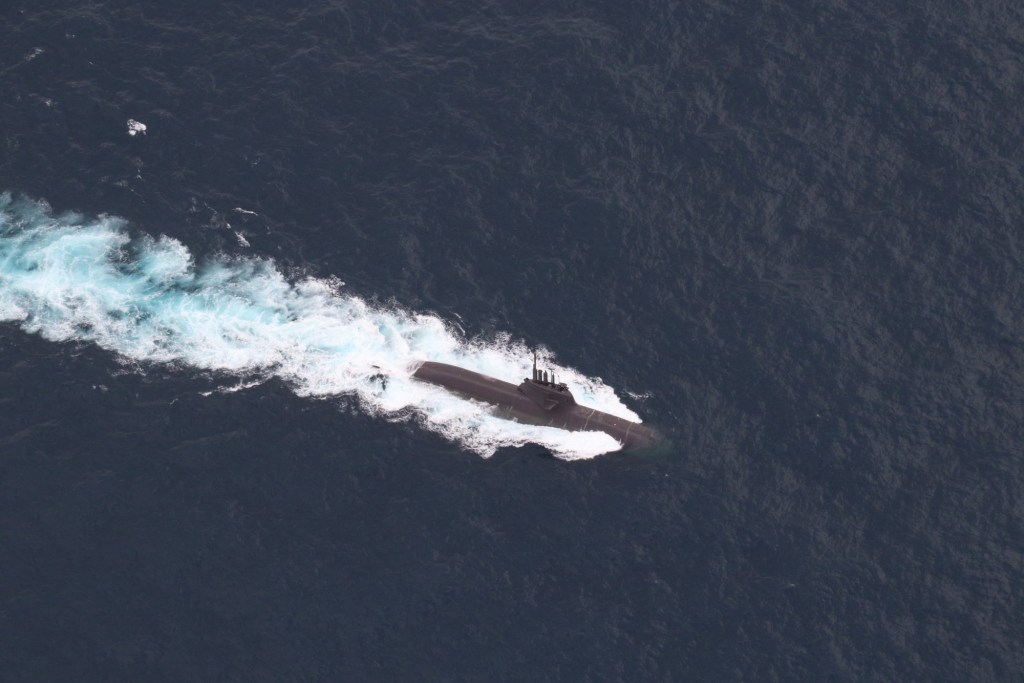
The Baltic nations have also had to deal with this extensively as Russian ships regularly attack underwater cables by dragging their anchors over them. Severing the lines. NATO warships often follow Russian linked ships now, even going so far as to have submarines tail these cargo ships.
Actions like the one here have led to a wave of diplomatic closures as European/western countries,one by one, board up embassy’s and ban Russian diplomats from entry.
Over the past several days the North Atlantic Treaty organization or NATO has carried out a series of large navel focused exercises across the Baltic, North Atlantic, Mediterranean and Norwegian Seas.
For those who don’t know NATO is a military alliance between 32 member nations. Formed in 1949 as a way to provide collective defense to its members from the then perceived threat posed by the Soviet Union. It remained in place after the fall of the Soviet Union and the Warsaw Pact.
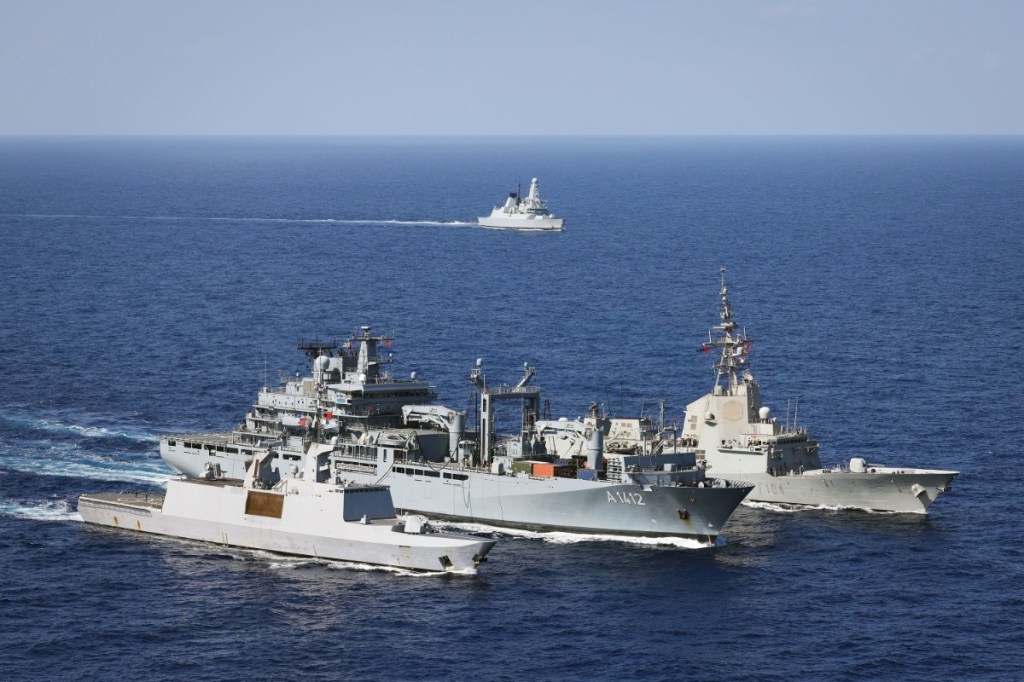
The fighting forces of of NATO are made up of the military’s of the nations that make up the treaty by rotating voluntary forces. However NATO keeps several permanent navel fleets standing as apart of NRF- NATO’s Response Force. The fleets are made up of mostly destroyers and frigates from rotating in from member nations with the supply ships used by the fleet being the only constant.
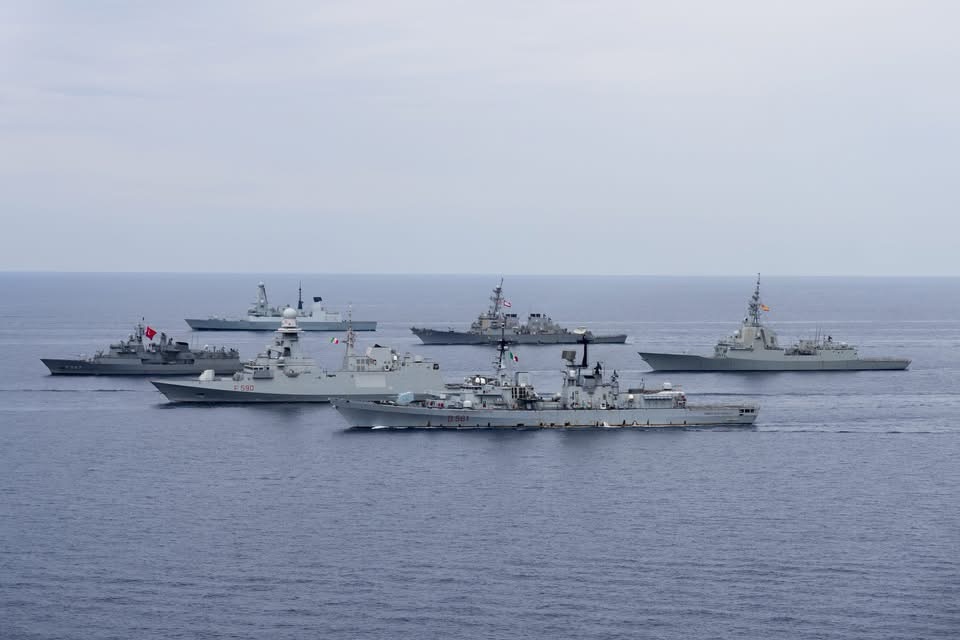
Some of rhe ships of Standing NATO Maritime Group Two (SNMG2).
The past weeks exercises not only focused on their specific goals (which I’ll get to below) but showcased the just massive amount of firepower and capabilities that NATO and its combined nations can field. Let’s take a closer look.
Dynamic mongoose 25
“Dynamic Mongoose is NATO’s largest and most intensive annual anti-submarine warfare exercise in Northern European waters. This year’s version, Dynamic Mongoose 25, has come to an end. It was both a great success and a memorable experience. With over 10 countries participating—with submarines, frigates, support ships, helicopters, Maritime Patrol Aircraft, and coast guard vessels—we have truly shown we are stronger together.”
Royal Netherlands Navy Commodore Arjen S. Warnaar, Commander of Standing NATO Maritime Group 1 (SNMG1)
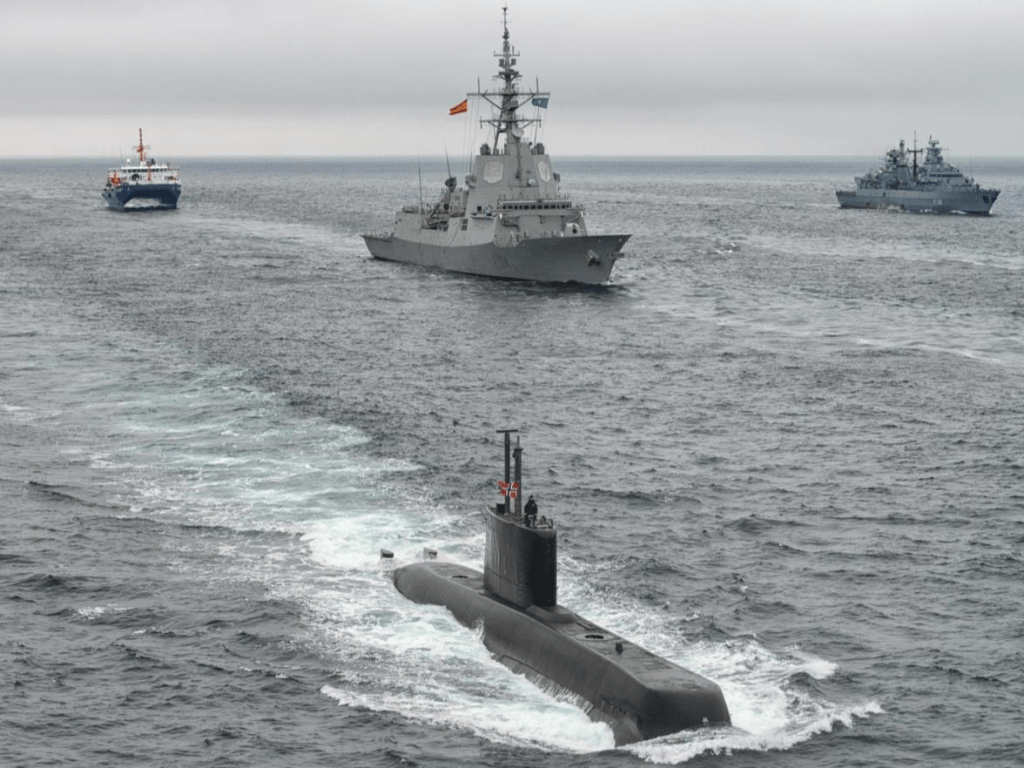
Brining together frigates, submarines, support ships and aviation maritime patrol craft Dynamic Mongoose is the largest ASW exercises conducted annually by NATO. The event was hosted by the Icelandic Coast Guard and involved personnel and equipment from more than 10 member nations all led by NATO’s Allied Maritime Command (MARCOM). Carried out in the waters of the North Atlantic the forces would carry out different scenarios all designed around Anti Submarine Warfare and all of its complexities. The event teaches the crews how different crews and assets with very different abilities can work together to solve problems.
Dynamic mongoose had the participating sides rotate through hunting and evading in complex undersea warfare scenarios in the challenging conditions of the North Atlantic waters.
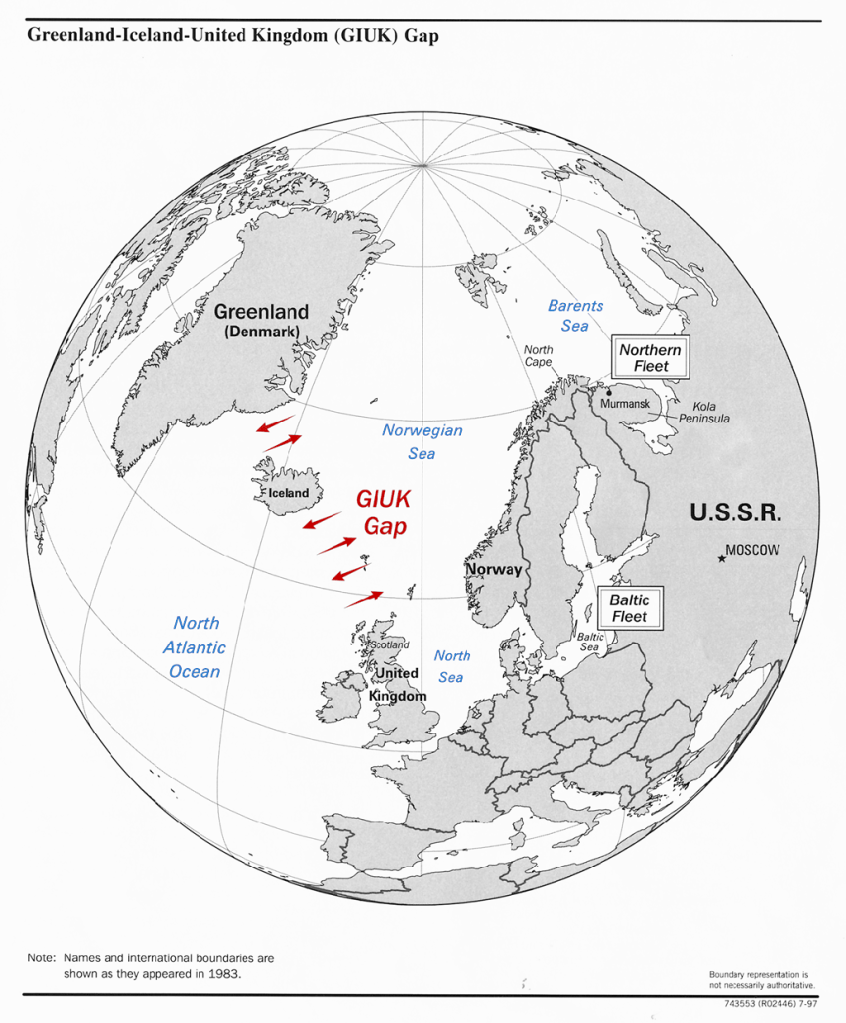
The GIUK-N Gap was a big focus for the event and is a key maritime corridor between Greenland, Iceland, and the United Kingdom/Norway. This event focused on an area that would be one of the most important areas should the capabilities become necessary. In a war between NATO and Russia for example, thag corridor would likely be a hot spot for submarines and has been considered strategically important since the beginning of the 20th century.
A map showing the GIUK-N Gap. Images from a previous year’s Dynamic Mongoose.
Formidable shield 25
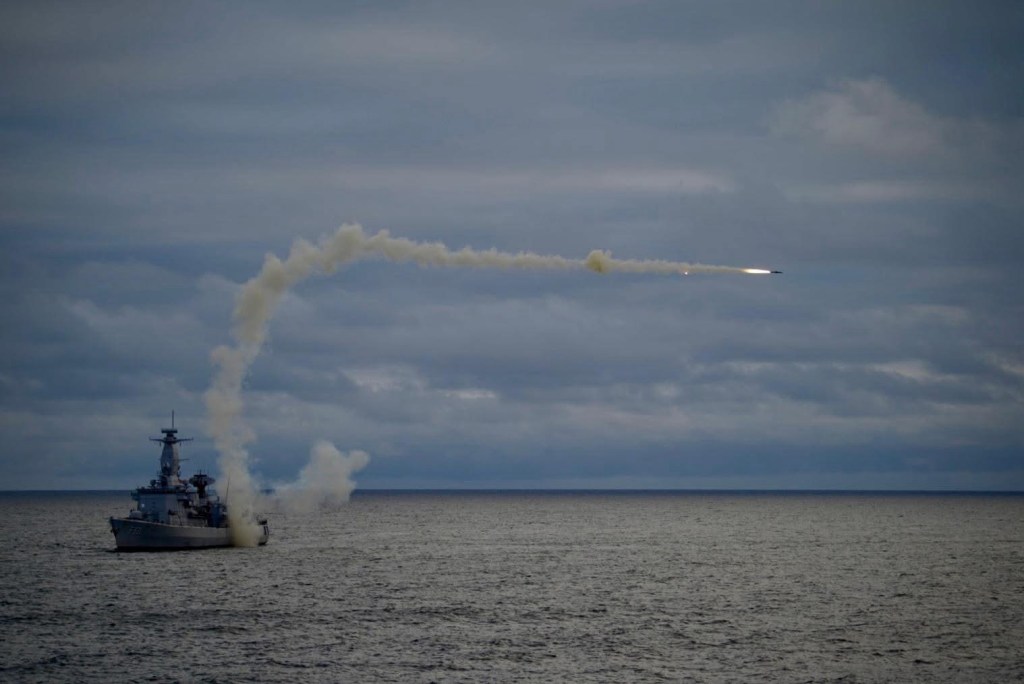
Belgian navy frigate BNS Louise-Marie fires off a Sea Sparrow missile.
Participating nations include crews, ships from Belgium, Canada, Denmark, France, Italy, The Netherlands, Norway, Spain, U.K., and U.S. with the Australians providing a radar sensor for data collection only.
Formidable Shield is the biennially (During the odd numbered years) occurring largest live fire exercise carried out in Europe. This year the event was carried out from Norway and the United Kingdom and the North Sea and Atlantic.
This exercise focuses on Integrated air and missile defense among the different nations focusing on interoperability and the different procedures. In an overall defense plan, knowing your allies capabilities and their procedures and process is a positive. Learning what they can do, how do they do it, and how can everybody come together to strengthen everybody else.
This years event was carried out with the ships of the U.S. 6th Fleet and executed by Naval Striking and Support Forces NATO (STRIKFORNATO) and with participation from 11 member nations.
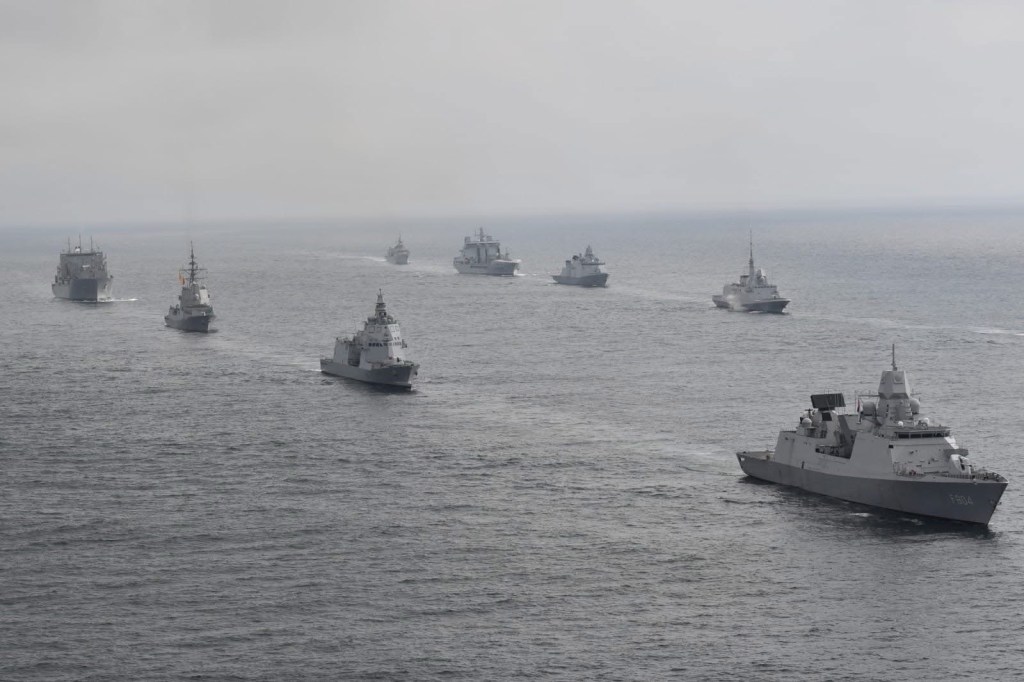
NATO’s SNMG1 fleet taking part in Formidable shield 25.
“There is simply no substitute for the training and learning that occurs when we operate in these intensely realistic scenarios…Training as a collective using NATO command and control reporting structure forges the bonds of interoperability and strengthens the alliance as a whole. Exercises like ASD/FS are critical for refining our collective integrated air and missile defense capabilities, ensuring we can respond effectively to any threat from any direction and maintain a credible deterrent posture.”
Capt. Michael Dwan, Commander, Task Group 154.64 and STRIKFORNATO’s U.S. Maritime Ballistic Missile Defense Assets Advisor
Netherlands Navy HNLMS De Ruyter (F804) De Zeven Provinciën-class guided-missile frigate served as the command ship for the event which will last for 3 weeks. During that time the participating ships will conduct live fire drills against unmanned drone and surface targets as well as subsonic, supersonic, and ballistic targets. Multiple nations ground based air defense systems will also be involved with the exercise.
The event is in part put together by UK defense company QinetiQ who supply alot of the targets that will be used as well as helps with range measurements.
Mediterranean strike
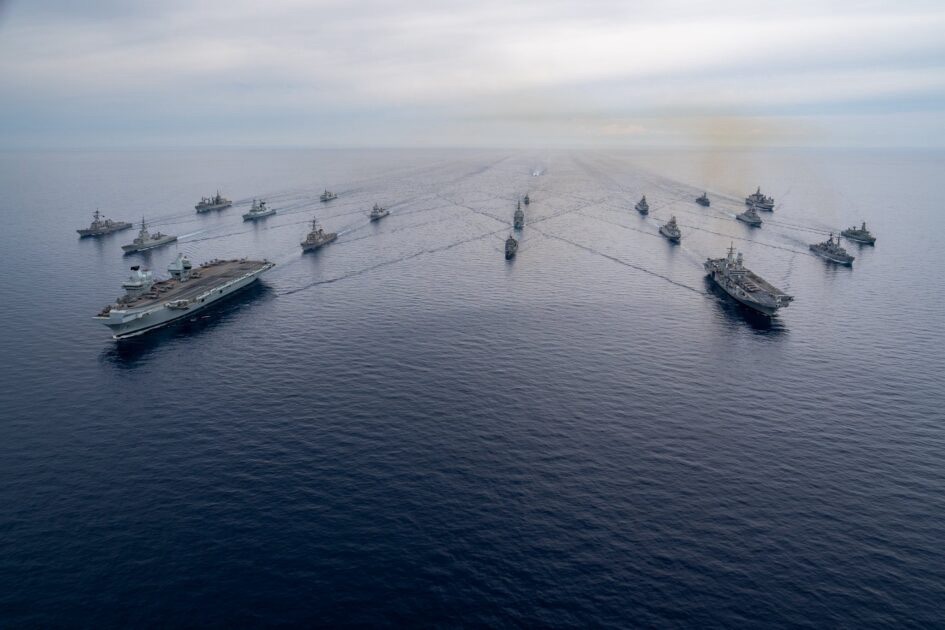
Royal Navy aircraft carrier HMS Prince of Wales (RO9), left and Italian Navy aircraft carrier ITS Cavour (550), right, lead the Mediterranean fleet.
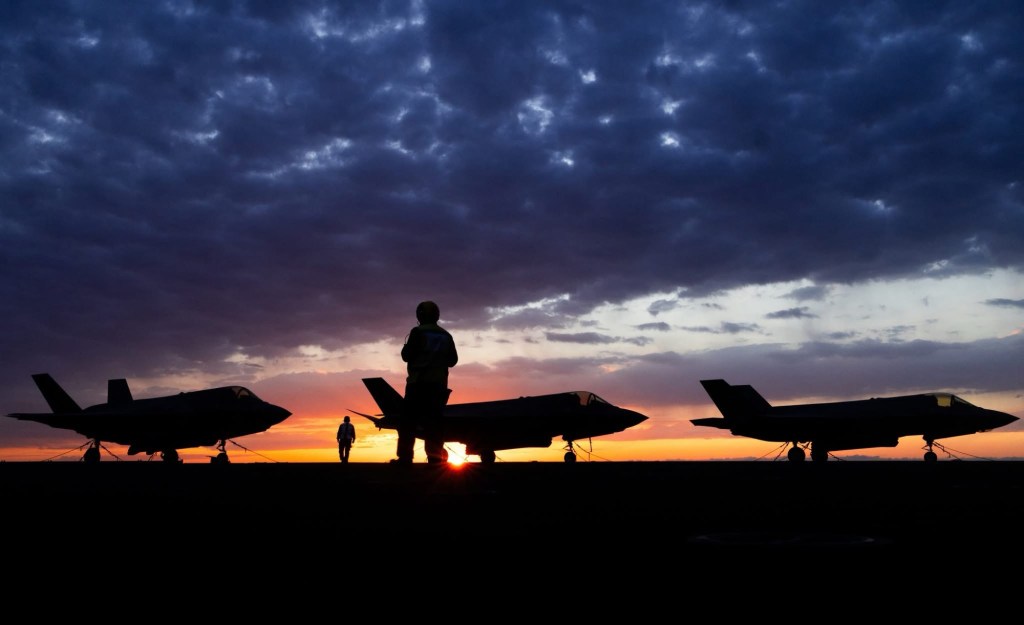
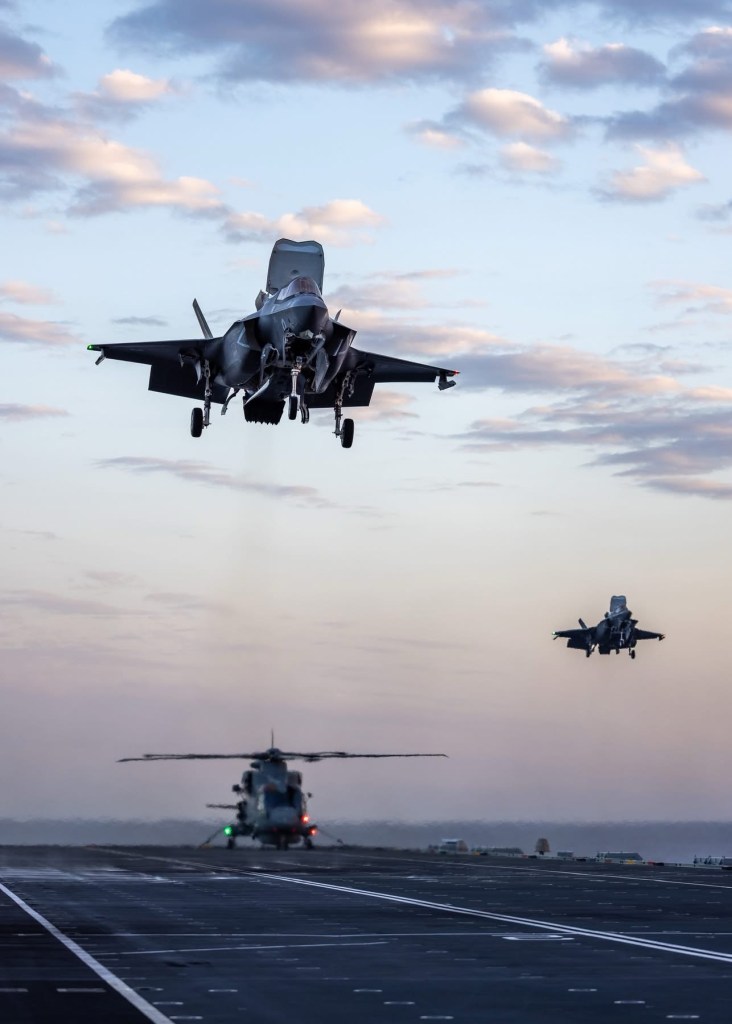
Med strike is a large exercise ptaking place in the Mediterranean. It’s brought together one of the largest military navel fleets seen in decades and includes, 21 ships from the UK and Italian navy’s. 3 submarines, 41 aircraft( half of which are F-35B’s) 19 helicopters and 10 maritime patrol aircraft and more than 8,000 crew and sailers.
Like most of these events this one has a large focus on multi-national cooperation between the different nations involved. Canada, France, Italy, Portugal, Norway, Spain,Turkey, UK and the United States. The participants will work together on several drills including, live fire exercises, air defense exercises, anti-submarine warfare, and drill covering defense against hostile drones. Also one drill will focus on cross deck flying between some of the F-35s utilizing both carrier decks for takeoff and landing.
Some images from the exercise.
Open Spirit
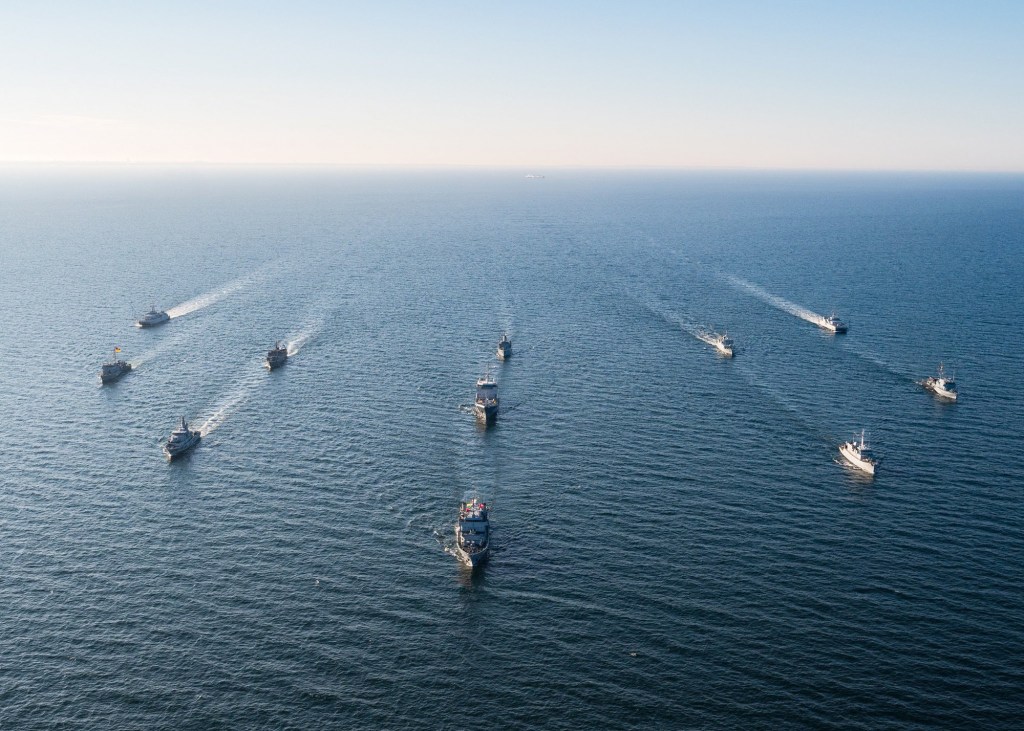
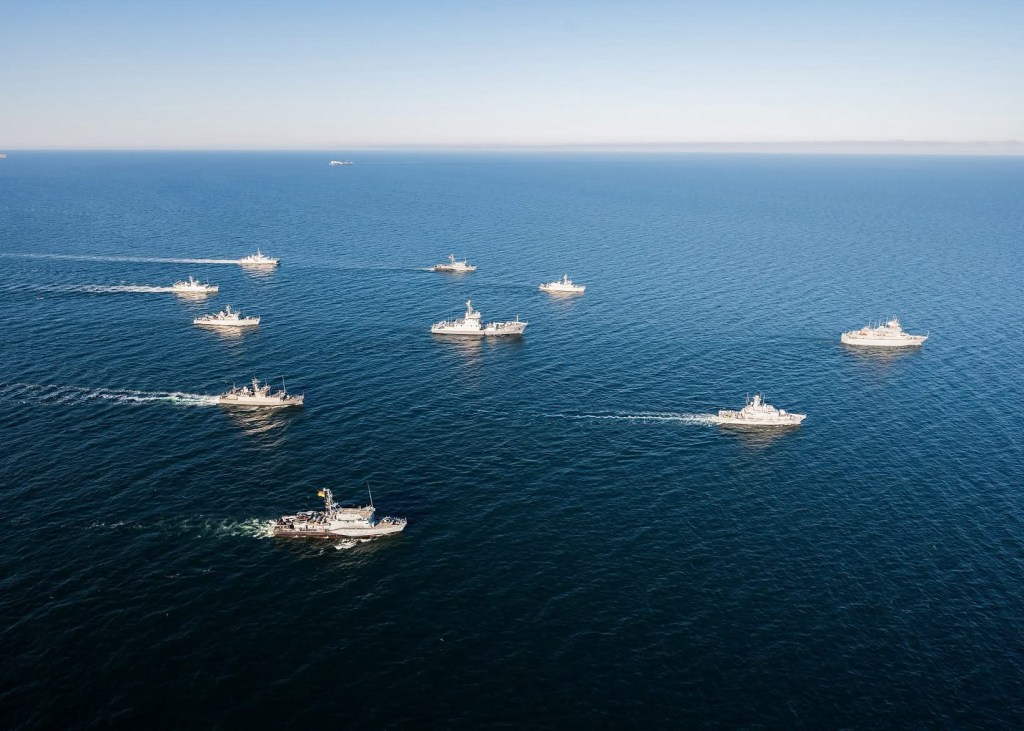
Ships from 11 nations come together in the Baltic for Open Spirit.
Open spirit is less of an exercise and more of a yearly operation however I thought I would mention it as well since it is happening now.
During the world’s two great wars, WW1 and WW2 the waters of the Baltic were heavily mined. Estonia, Latvia and Lithuania rotate yearly on leading this NATO event which see ships coming in to attempt to locate and destroy these “Historic weapons”. Last year’s event found around 40 weapons in the waters off of Estonia and was joined by a ship from the Finnish Navy for their very first NATO operation.
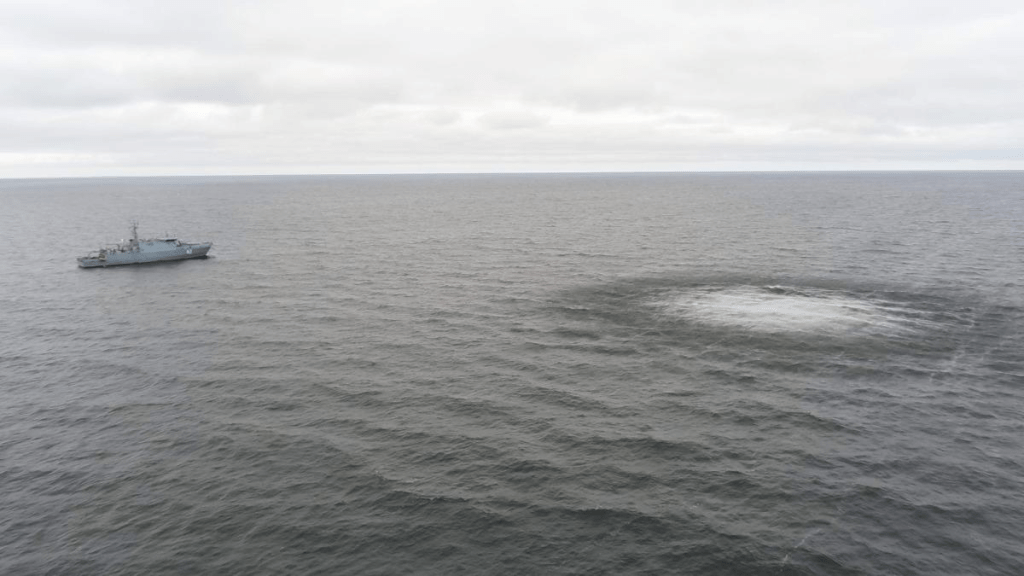
This year the focus will be on Lithuania and success is already at hand as the first of the years weapons have been found and disposed of. An explosive device was located some 38 nautical miles from Klaipėda port gate, in Lithuania by French minesweeper FS Andromeda which is currently sailing with Standing NATO Mine Countermeasures Group 1 (SNMCG1)
An image from Open Spirit 24 showing the destruction of a historic weapons on the seabed.
This operation makes the waters of the Baltic much safer for general maritime activities. Since 1997, just in Lithuania more than 200 mines, bombs, torpedoes, the remains of 17 sunken ships and two aircraft have been discovered.
All of these exercises have one major theme in common which I think is important. All of them focus mainly on how to accomplish the task while utilizing every nations strengths and working together. The working together part is a big one. NATO would crumble if these very different nations didn’t share a common focus. I suspect that the early days of the treaty were filled with a lot of communication breakdowns.
I want to thank each and every one of you for being here and reading. It’s through the support I’ve received that has brought GCR to where it is today. While I feel we have accomplished some major goals I still want to do more and with you all behind me it’s not a question of if but when. I have some major projects in the works right now and a good number of you will already have access to those when they drop on Patreon.
I can finally say that the plan is to do a big weekly recap show and possibly another if I can find some people interested in being interviewed. I’m looking to talk to people who are knowledgeable about the regions we cover or people who have interesting stories related to conflict or geopolitics. That will all drop for the members on Patreon, they have been patient long enough and I think they deserve something special. If you want access to that when it drops as well as other future benefits I’ll link to the Patreon below. It’s $1 dollar a month.
Anyway I just wanted to let everybody know about what I have going on and what I’d like to accomplish this week. I’m excited to do something new. I love writing but this will have me outside of my comfort zone and that will be good. If people like it maybe I’ll make it a daily or every couple days kind of thing.
An ongoing story in Europe as 4 US soldiers have gone missing during a training exercise being carried out in Pabradė, a town near the border between Lithuania and the Belorussian border. The four were all apart of 1st Brigade, 3rd Infantry Division and based at Fort Stewart, Georgia.
A comment from the commanding general
“I would like to personally thank the Lithuanian Armed Forces and first responders who quickly came to our aid in our search operations,” said Lt. Gen. Charles Costanza, the V Corps commanding general. “It’s this kind of teamwork and support that exemplifies the importance of our partnership and our humanity regardless of what flags we wear on our shoulders.”
The army later put out a statement that the crews M88 Hercules armored vehicle they had last been seen in had been found submerged in a body of water and that recovery efforts were ongoing. Members of the U.S. army as well as the Lithuanian army are working to recover the vehicle with the help of civilian agencies.
It’s very likely that the crew was in the vehicle when it was submerged as they probably would have showed up by now. The army would understandably want to notify the families and recover the body’s before any announcement is made.
Our thoughts are with the families and those who knew them.
Early on Tuesday morning Ukraine targeted the Moscow region with its largest drone attack on the Russian capital since the start of the war, damaging high rise buildings and leaving at least 2 dead and 20 wounded including several children. Additionally, air traffic at all 4 of Moscow’s airport and the city’s train system was suspended and delayed.
The drones approved the city in several waves according to Moscow Mayor Sergei Sobyanin who put out a statement to local and international media.
I‘ve added some videos of the attack taken by locals and local news.
The scene from around the city as hundreds of drones attack Moscow and the regions around it.
All of this comes after Ukrainian President Zelenskyy’s failed meeting with US president Donald Trump in which the two plus the Bice President JD Vance argued on live tv about the state of the war. After that meeting all US aid shipments to Ukraine were canceled along with all US supplied intel. The cancelation of the intel and supplies has been reversed but not before Russia made large gains taking back dozens of settlements that were held by Ukraine for months inside of Kursk. Tomorrow I’m going to do an overall update on the date of the war in Ukraine on all fronts, so stay tuned for that.
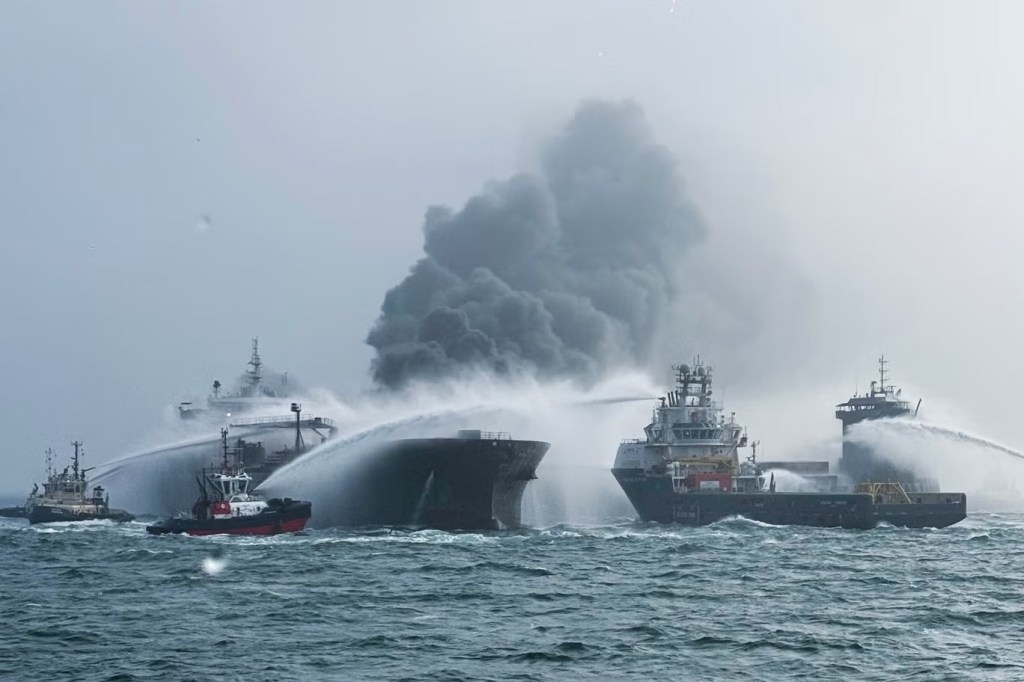
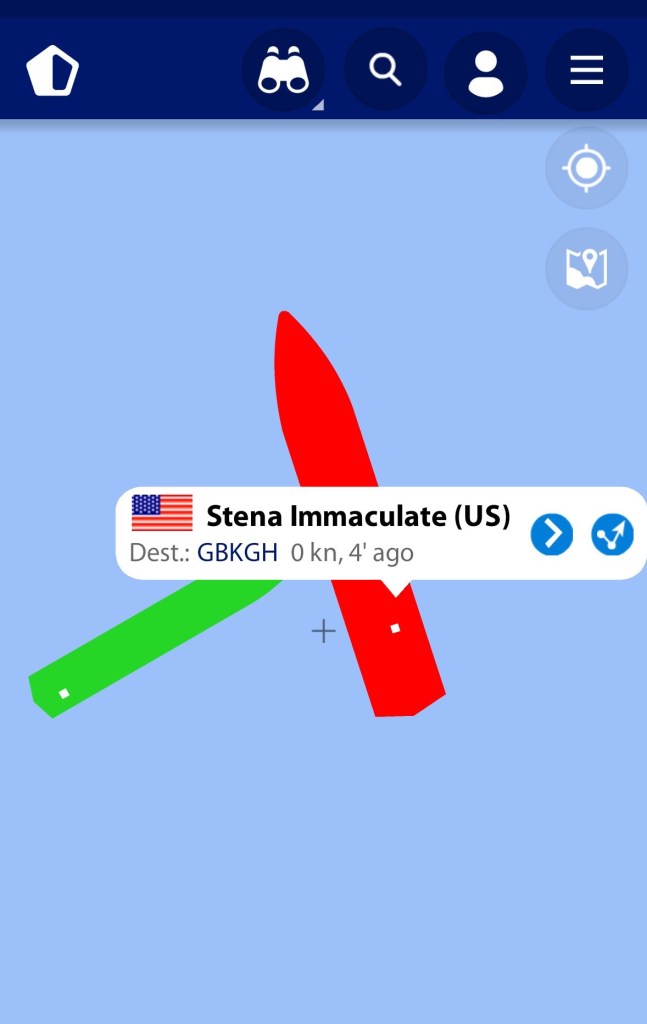
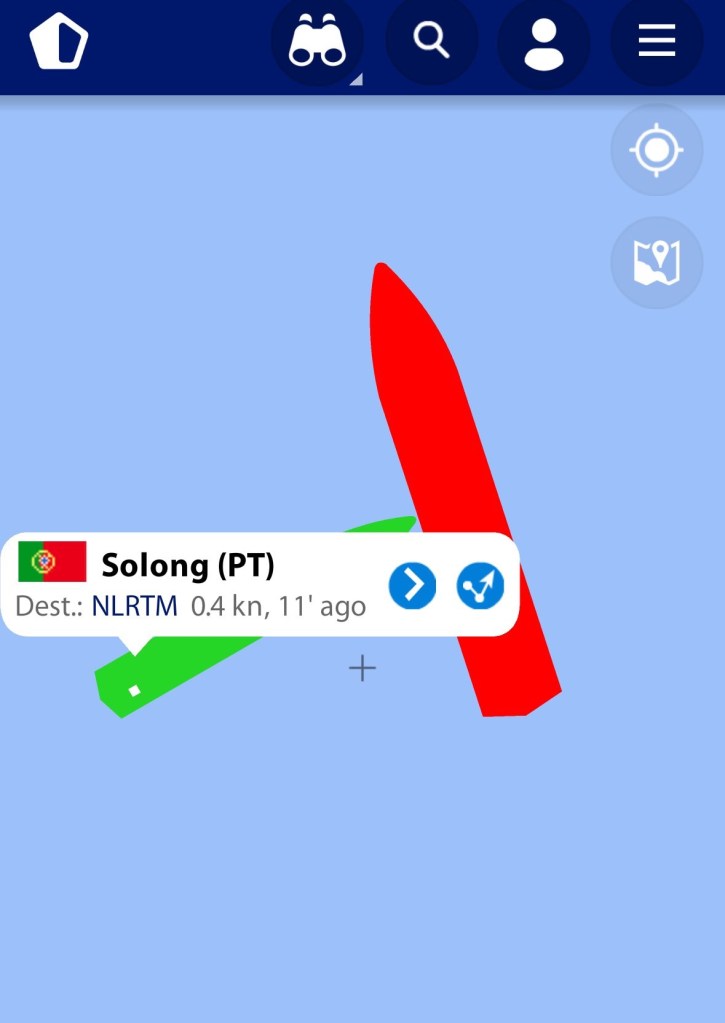
U.S. flagged tanker M/V Stena Immaculate, which had been chartered out by U.S. military Sealift command to carry around 220,000 barrels of Jet fuel for the U.S. military according to a spokesperson for the command. The ship was at anchor off the coast of England near Hull and Leeds when a Portuguese-flagged cargo ship Solong collided with the tanker. The incident sparked a massive fire in both ships as the Jet A1 fuel carried by Stena Immaculate ignited. Maritime tracking data confirms that the Solong failed to slow down or maneuver before the impact. An investigation will reveal more details but will take days or weeks to complete.
Photo from nearby as fire tugs attempt to fight the blaze from the Jet fuel.
A distress call was made by crew from the Stena Immaculate explaining what had happed and asking for ships with fire fighting equipment for assistance. The call also warned that the crew was evacuating. As of the last update from the scene 39 crew from the ships had been rescued, with most being hospitalized, all but one have since been released.
A look at the final position of both ships from Maritime Traffic data.
While jet fuel leaking into the coast of England and the North Sea might seem like a big deal(and it is) jet fuel will evaporate quickly and what doesn’t will be degraded rather quickly. The other problem is the cargo being carried by the Solong. Sodium Cyanide also known as cyanide salt has several industrial uses like extracting gold and metal from ores and being used in fumigation of ships and warehouses. However it’s highly toxic to animals and humans and can cause death rapidly.
Data showing the hours leading up to and the accident as well as the accident on maritime traffic.













 Global Conflict Reporting
You must be logged in to post a comment.