Category: Asia

  • United States aircraft carrier USS Abraham Lincoln heads towards Middle East.

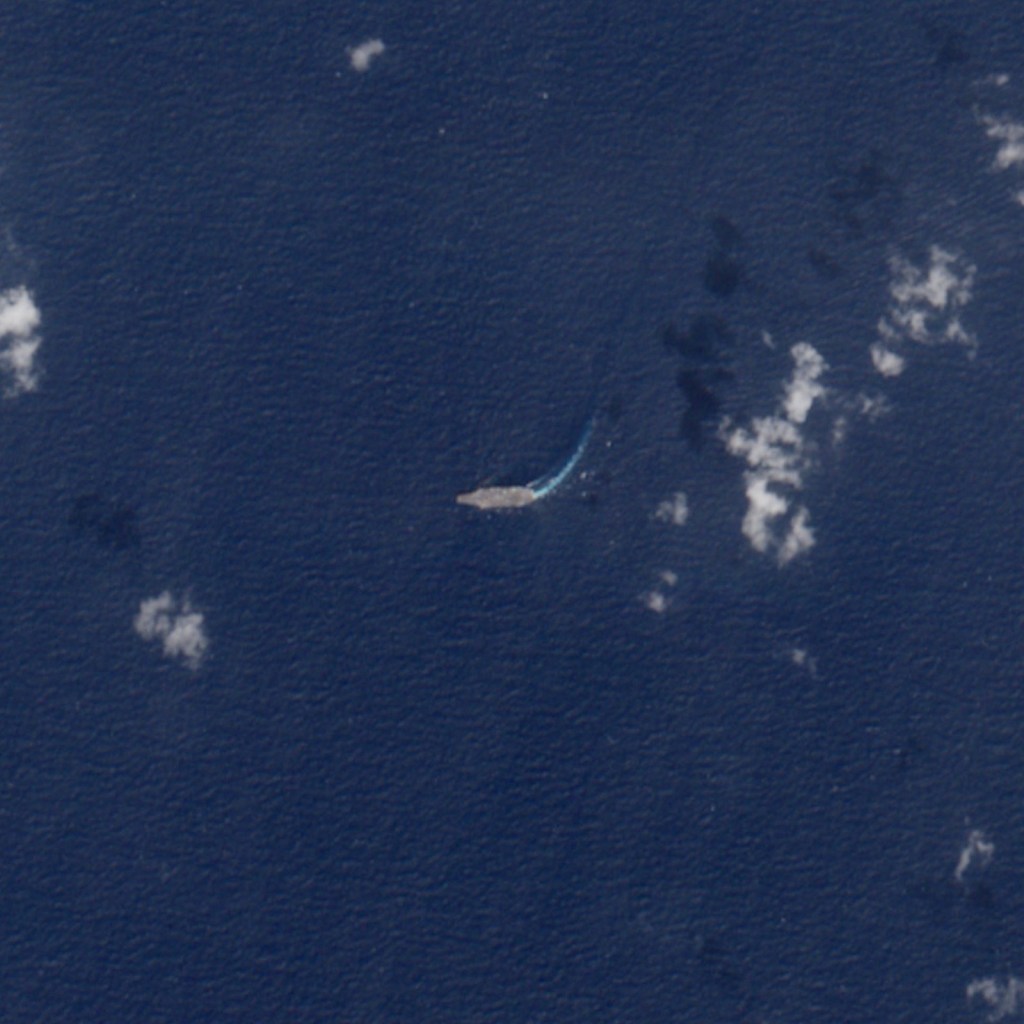
    Satellites images taken over the weekend show the USS Abraham Lincoln turning West, turning away from the Indi-Pacific and headings towards the Middle East.

    By. Scott Jackson


    01/20/2026

    Several days ago the USS Abraham Lincoln(CVN 72) along with its Carrier Strike Group(CSG) which had most recently been sailing in the South China Sea, turned West, reportedly, with new orders- to sail to the Middle East. The ship and her escorts will join the US Fifth Fleet and conduct operations in the strategically and geopolitically important waterways of the Middle East. 

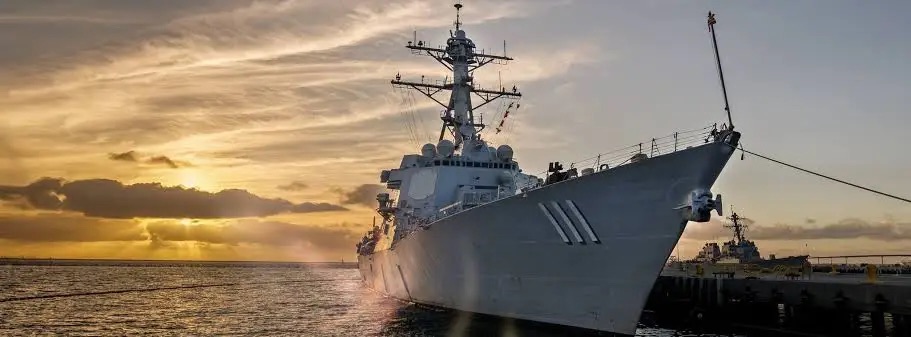
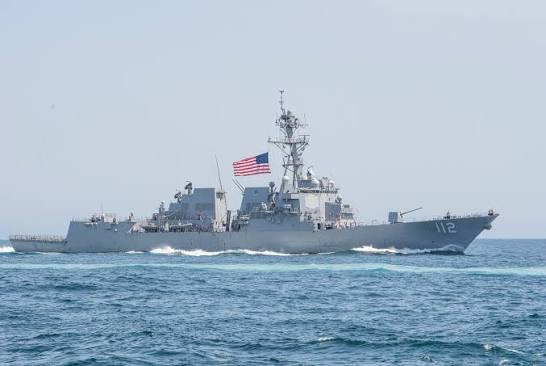
    Currently the USS Abraham Lincoln Carrier Strike Group is made up of destroyers USS Frank E. Petersen, Jr. (DDG-121), USS Spruance (DDG-111) and USS Michael Murphy (DDG-112). The carrier embarked with the air power of Carrier Air Wing (CVW) 9. 
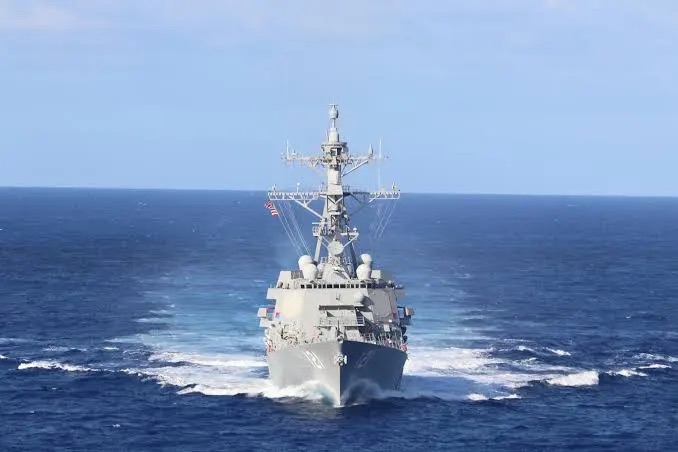
    USS Frank E. Petersen, Jr.
    USS Spruance (DDG-111)
    USS Michael Murphy (DDG-112)

    Late on Sunday (about 11:00 pm local time) the carrier was spotted entering the Malacca Strait which can be seen In the photo below, posted by USNI the ship was caught sailing past Singapore at about midnight. By Monday the carrier’s AIS data showed it was on the last stretch of the Malacca Strait before the Indian Ocean. 
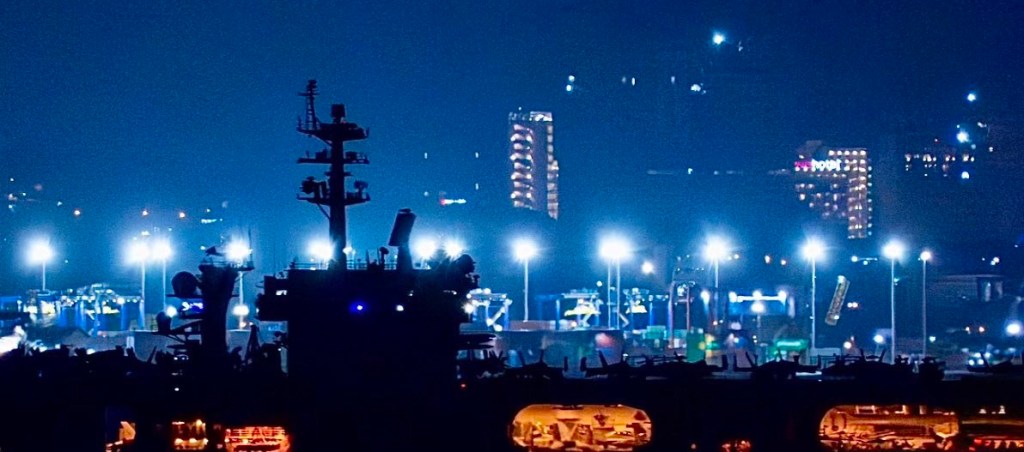
    The dark shape of the USS Abraham Lincoln as it looked sailing through Singapore, in its way through rk mm

    There are currently no U.S. aircraft carriers in the Middle East and right now there are only two CSG’s  deployed at all- the Abraham Lincoln CSG heading towards the Middle East and the Gerald R. Ford CSG which has been operating in the Caribbean. 
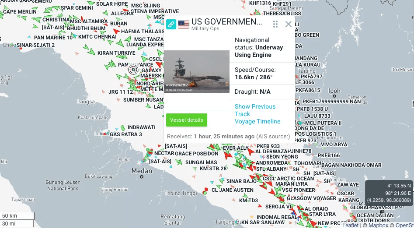
    Last known position of the USS Abraham Lincoln.

    GCR as well as other media outlets have reached out to the Pentagon as well as the Navy for confirmation, but we’ve received no statement back at the time of writing. 

    The instability in the region since 2024 has three times now caused a carrier strike group to be rerouted from the Indo-pacific region to the Middle East. USS Abraham Lincoln in 2024 and the USS Nimitz CSG last June. 

    The USS Abraham Lincoln will reach the Central Command (CENTCOM) area of responsibility in roughly 5-6 days. Tensions in the area are the probable cause of this redeployment and shifting of forces, with instability and conflict in both Syria and Iran.

    Following protest being met with violence in Iran, the White House threatened military action against Iran with President Trump claiming “Help is on its way.”. Those protest have been ongoing in multiple cities around the country for several weeks now, and are often met with gunfire from the various Iranian security forces. In Syria, fighting between the regime and Kurdish SDF forces in the North has been ongoing for a time.

    The redeployment of the USS Abraham Lincoln from the Indo-Pacific leaves only the forward deployed USS George Washington (CVN 73), currently undergoing maintenance in Yokosuka, Japan. It would take some time for the USS George Washington to be 6ready for sea as at the very least its carrier air wing would need to undergo carrier qualification training before being allowed to set sail. 

    The U.S. also has the Japan-based amphibious assault ship Tripoli (LHA-7) which is conducting patrols in the Indo-Pacific region as well as cruiser USS Robert Smalls (CG-62) and destroyer USS Rafael Peralta (DDG-115) according to USNI. 
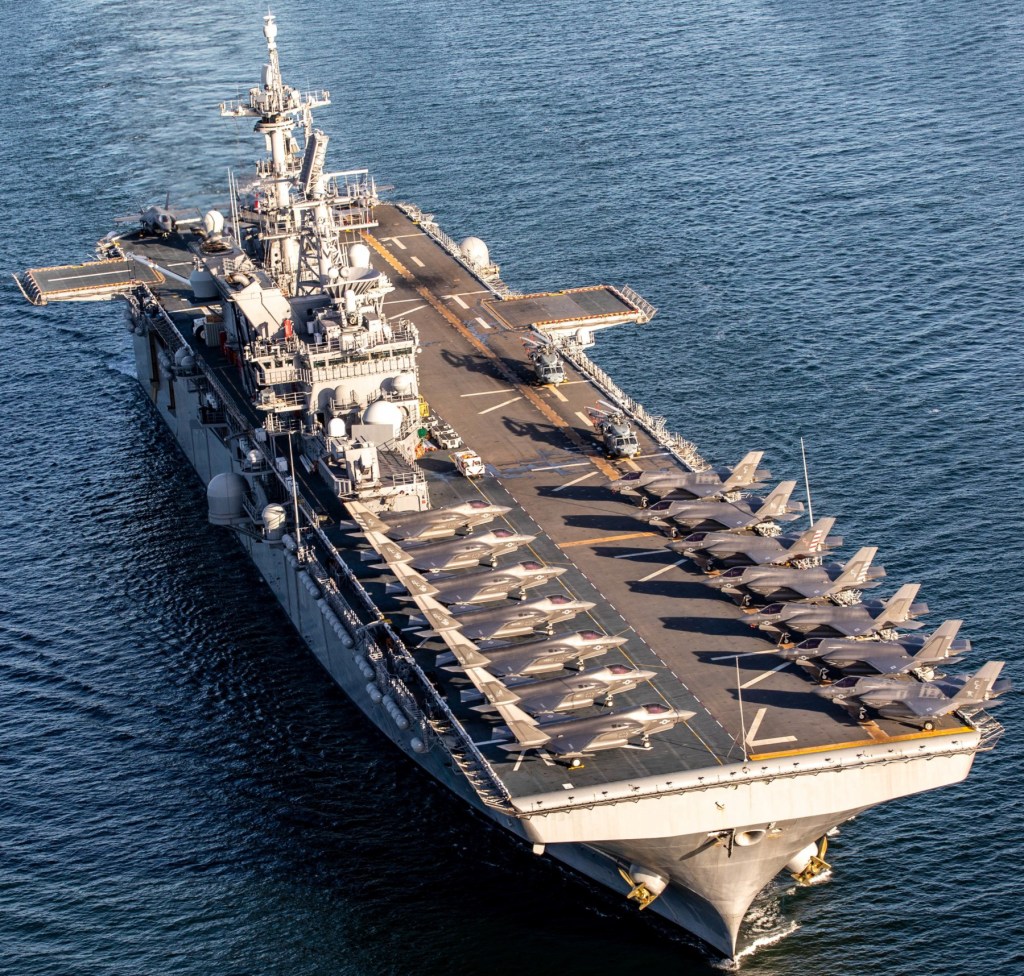
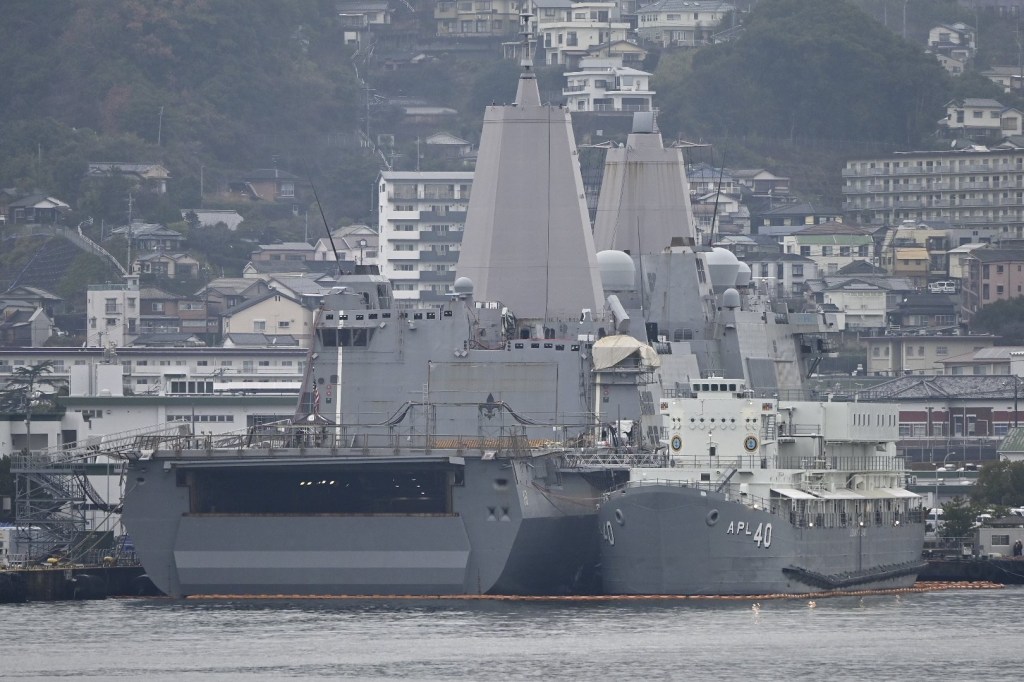
    Tripoli (LHA-7)

    Apart from naval movements, sharp eyed flight trackers noticed an increase in flights heading to US bases in the Middle East. In the last 24 hours at least a dozen US Air Force F-15E Strike Eagles from the 48th Fighter Wing departed RAF Lakenheath in the United Kingdom and arrived at the Muwaffew Salti Air Base in Jordan. Four KC-135’s accompanied them. A number of C-17’s also reportedly departed from the UK and made their way to the Middle East. 
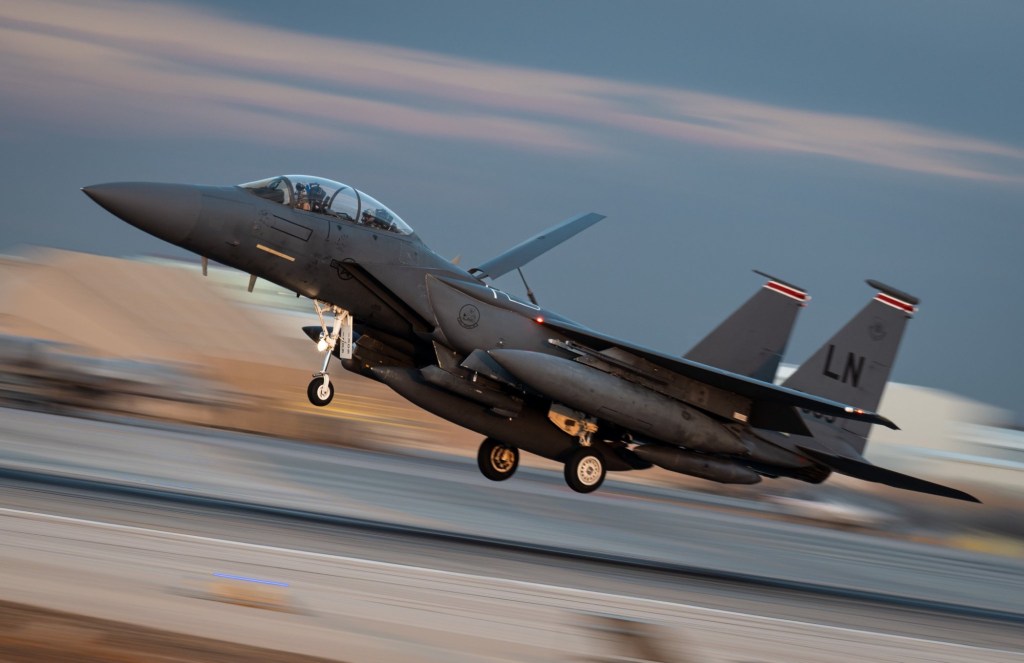
    F-15E Strike Eagle landing in Jordan, relesed this morning by US CENTCOM
  • Images from China show a cargo ship armed with containerized missiles.

    By.Scott Jackson


    12.27.2025

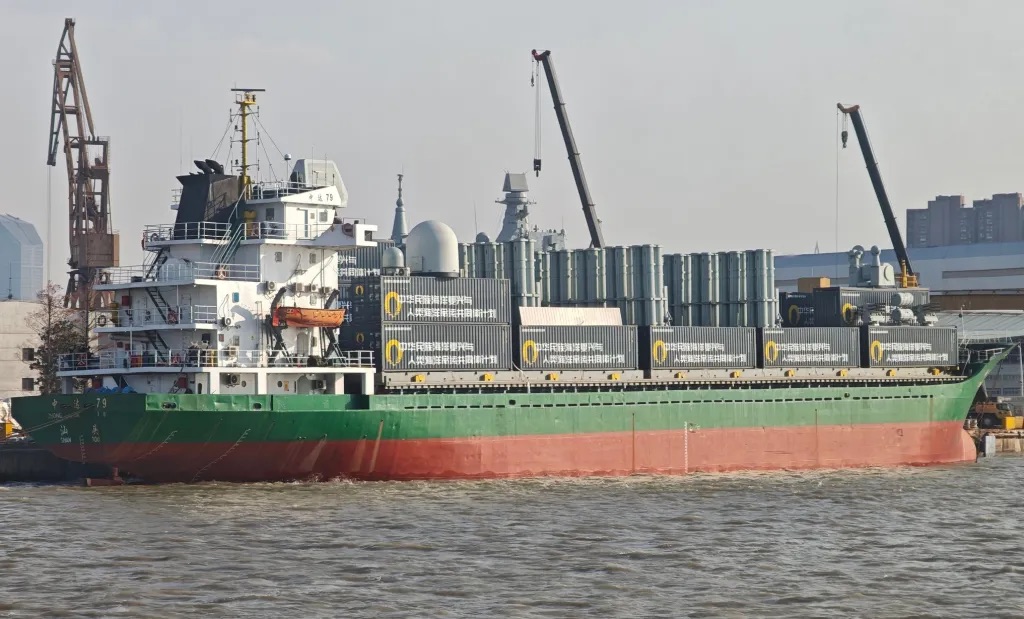
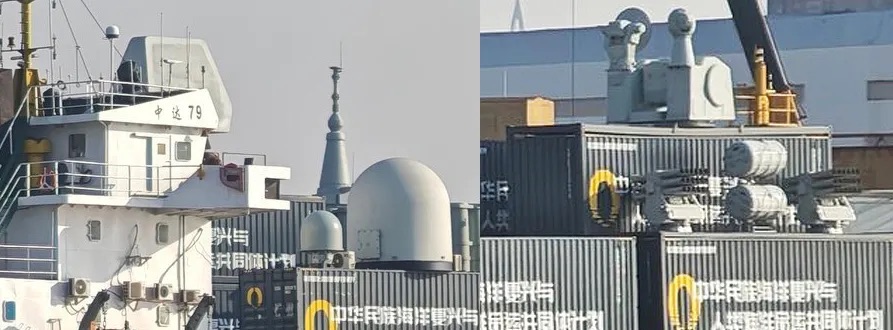
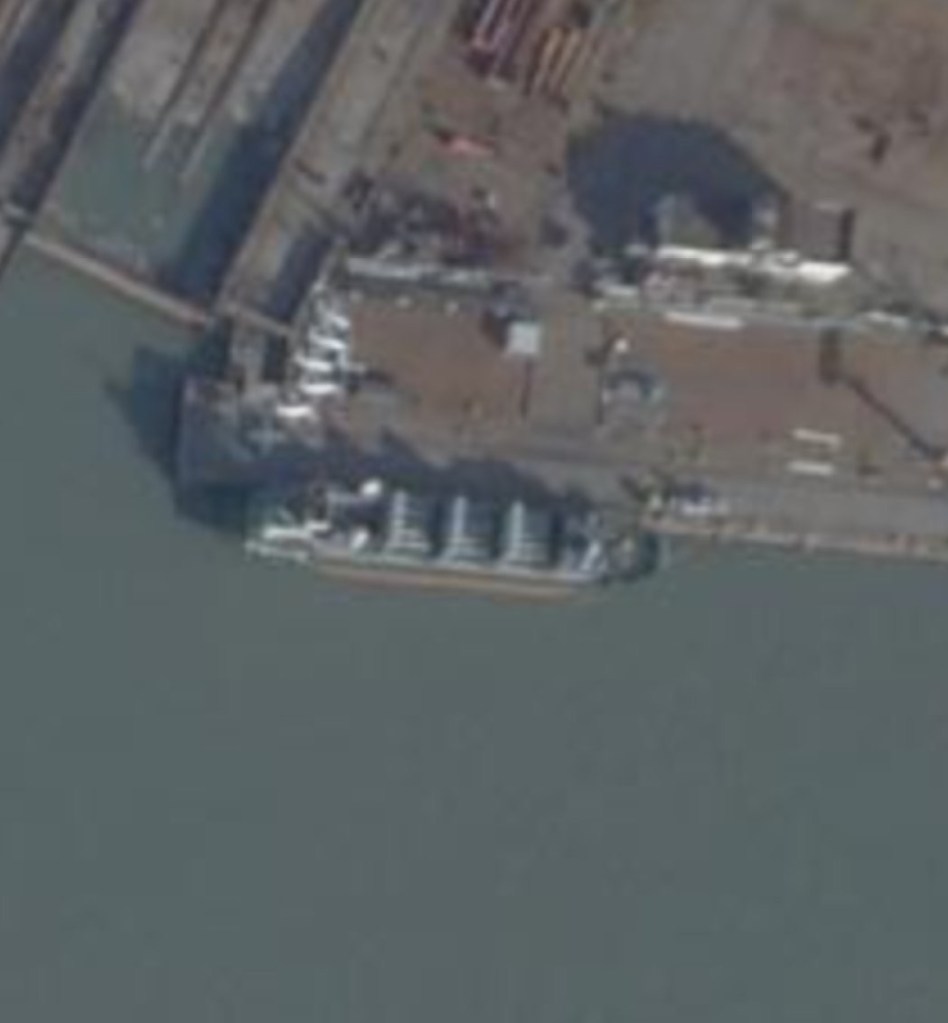
    Several days ago images were released from China showing a glimpse of an idea that was first discussed in World War 2. The images show a standard container ship however on closer inspection it’s revealed that the containers on the ship are housing dozens of vertical launch missile tubes as well as other military equipment turning the ship from a standard hauler into a weapon in disguise.

    Image showing the VLS tubes as well as the decoy launcher and radar.

    The ship’s deck is almost covered with these containerized launchers. After counting I believe it has a total of 60 launchers. From their size I would estimate this is a universal style system capable of launching several types of missiles. Including surface-to-air and land attack. We can also see a bit of what looks like the hydraulic system which can be used to raise the launch tubes out of the containers. 

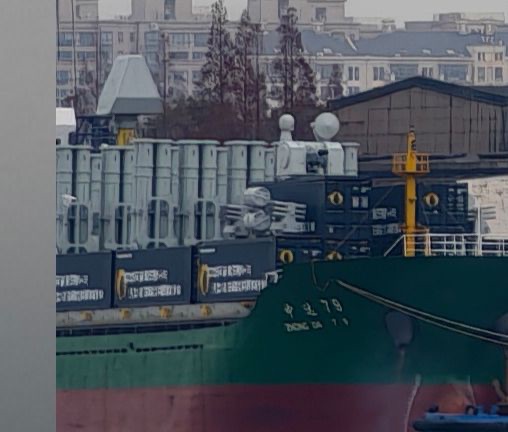
    The ship is also outfitted with a number of other upgrades like a Type 1130 30mm CIWS (Close-In Weapon System) mounted above a container. This is useful for engaging incoming threats although its short range makes it a last resort. Another container is outfitted with a Type 726 decoy launcher. These decoy launchers can reportedly fire a number of differ types of countermeasures. 

    Image showing the CIWS as well as the decoy launcher and radar.

    The ship comes with several radar systems. One large flat panel AESA (Active Electronically Scanned Array) radar (Possibly in the Type 364/ Dragon eye family).

    China isnt the only country to work towards the development of containerized weapons. Iran and the U.S. have both made advancements in this field, although neither has deployed them to my knowledge.

    China has continued to attempt to leverage their civilian maritime tech capabilities for military purposes. This includes converted semi-submersible vessel for launching helicopters, and a ferry to support invasion operations. Weapons hidden in plain sight like this could become a problem in the future as the tech improves, their disguise look more authentic, and their number increase. A fleet of these armed with anti-ship missiles operating in a heavy shipping lane could shut down a country’s trade. Operating as apart of a fleet they could be loaded up with surface-to-air missiles for added fleet air- defense.

    Right now this ship isn’t hard to spot as a military boat. The CIWS isn’t able to be hidden away as it seems to just be bolted to the top of a container. It’s unclear if the radar can be hidden away.

    This is definitely something that’s going to be more of a problem in the future, how close we are to that future, is unclear. Gathering more intel and data on this and other weapons systems remains critical for the U.S. as China pushes towards maritime domination in the pacific and beyond.

  • PLAN deployments; Satellite imagery shows an up close look at China’s navy.

    By.Scott Jackson


    12/08/2025

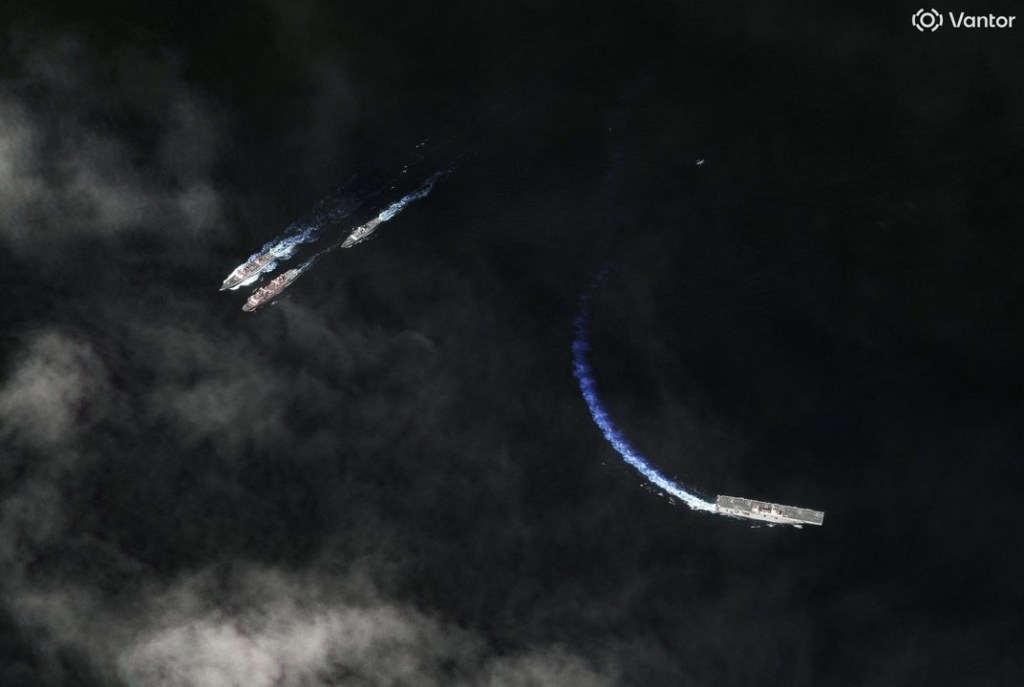
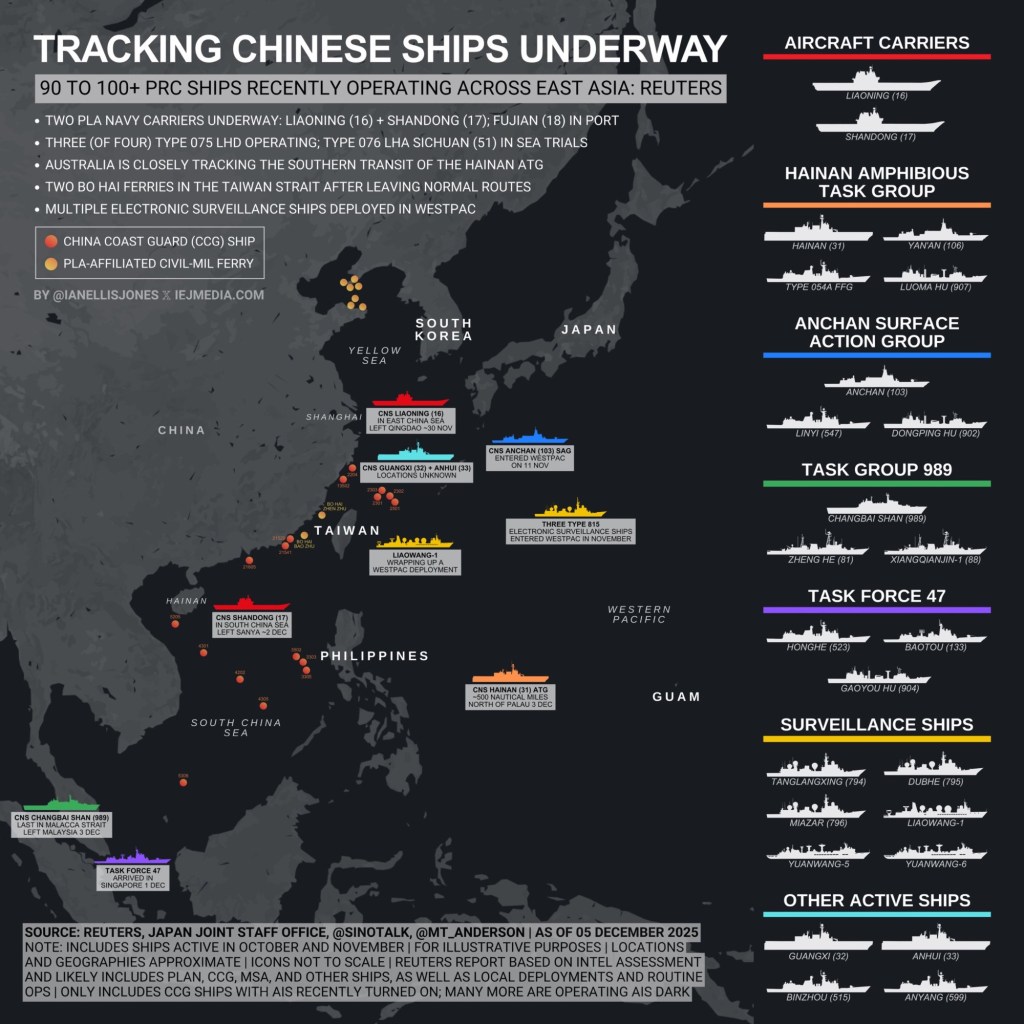
    The following incredibly clear images show several PLAN (People’s Liberation Army Navy) vessels operating in the Philippine sea. The images show just a small snapshot of the currently reported 90 vessels operating around parts of the Pacific. 

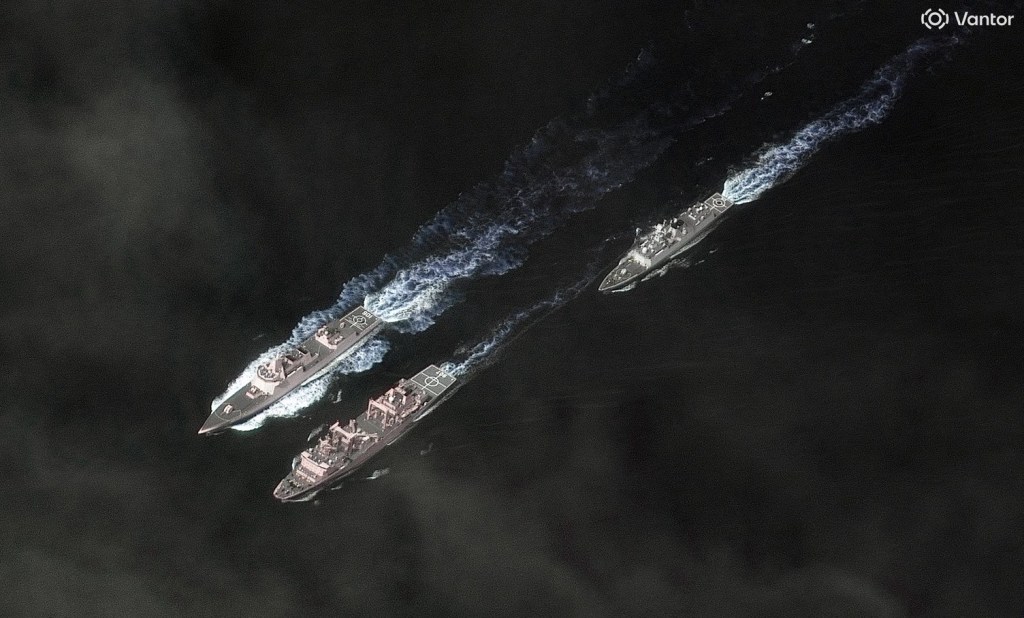
    From the left : Type 055/Renhai-class cruiser Yan’an sailing alongside the Type 903A/Fuchi-class replenishment ship, the Luomahu, both tailed by the unidentified Type 054A/JIangkai II-class frigate. Image from Vantor.

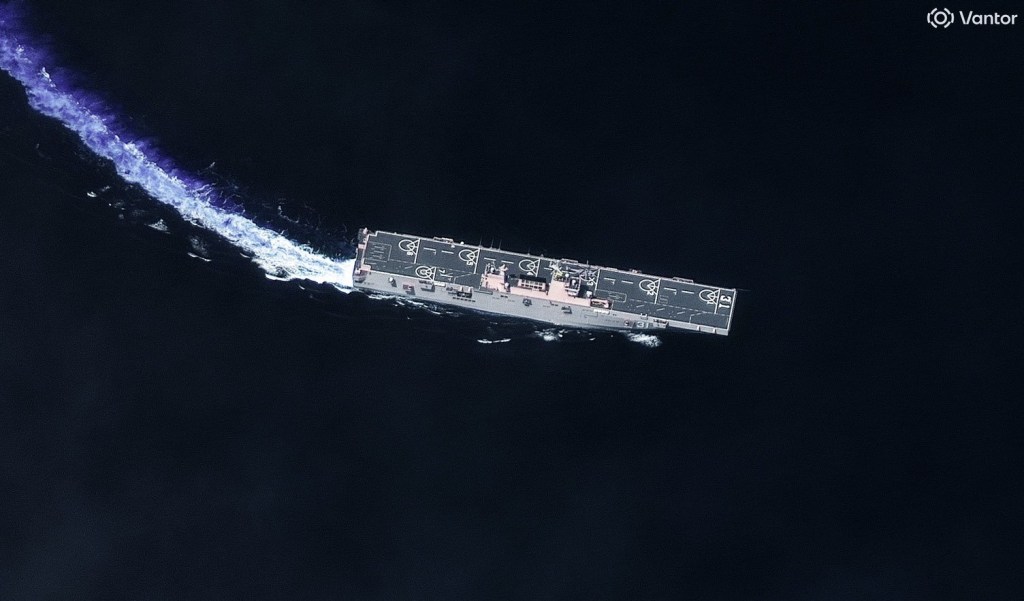
    The images are from US satellite company Vantor and show a the Type 055/Renhai-class cruiser Yan’an, an unidentified Type 054A/JIangkai II-class frigate, a Type 903A/Fuchi-class replenishment ship, the Luomahu, and the Type 075/Yushen class LHD, the Hainan.

    Type 075/Yushen class LHD, the Hainan.

    The ships shown are currently operating in the Philippine Sea, according to officials with the Australian Defense Force. 

    According to Adm. David Johnson, chief of Australia’s defense force “We are aware the task group is composed of four ships, a Yushen landing helicopter dock assault, a Renhai-class cruiser, a Jiangkai-class frigate and Fuchi-class replenishment vessel, an Australian P-8 observed the task group on the evening of the second of December in the Philippine Sea, approximately 500 nautical miles north of Palau,”

    Speaking in a Senate hearing meeting Adm. Johnson said “We will continue to monitor this task group as we learn more about its direction, its purpose and intent,”

    Image of Task Group 107 which circumnavigated Australia in early 2025.


    In February and March of this year a PLAN task force made waves when it sailed around Australia.Task Group 107 made up of the Jiangkai-class frigate Hengyang, the Renhai-class Cruiser Zunyi, and the Fuchi-class replenishment vessel Weishanhu were tracked throughout their journey by Australian maritime surveillance – Australian P-8 Poseidon aircraft.

    Image of a Royal Australian Air Force P-8 Poseidon.

    The Task force circumnavigated Australia and at one point carried out live fire drills only several miles outside of the eastern coast of Australia.


    The ships seen in the Vantor image are a good look at the PLAN capabilities.One of its biggest threats is its large destroyer, the Type 55.

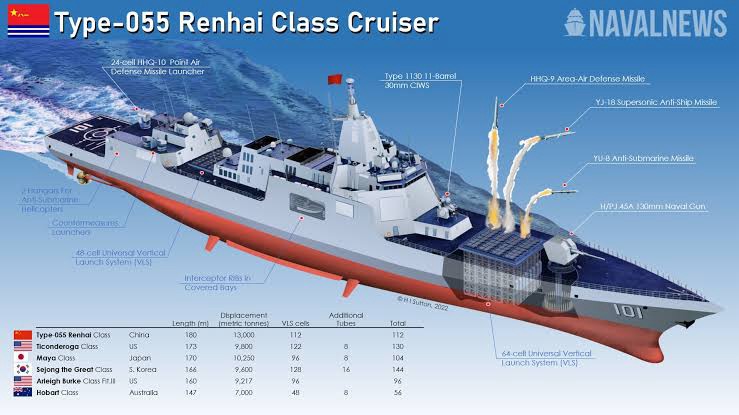
    The Type 55/ Renhai-class guided- missile stealth cruiser is China’s largest of its missile carrying ships. Technically china classifies this ship as a destroyer but the size makes it more closer to what the rest of the world would consider a cruiser. It has a substantial armament with 112 vertical launchers putting it just under the 122 Ticonderoga and just over the 90-96 cells of the Arleigh Burke. The Renhai-class can launch a mixture of armaments of missiles from these cells. Anti-air, anti-sub, anti-ship and land attack missiles can all be launched from this system. Maritime combat analyst predict that in a conflict the Renhai-class will be used in the second island chain as one of its heavy hitters while smaller class ships defend closer to home. China currently possesses 8 of these. These ships have allowed China to extend its maritime operations further, including to the Middle East.
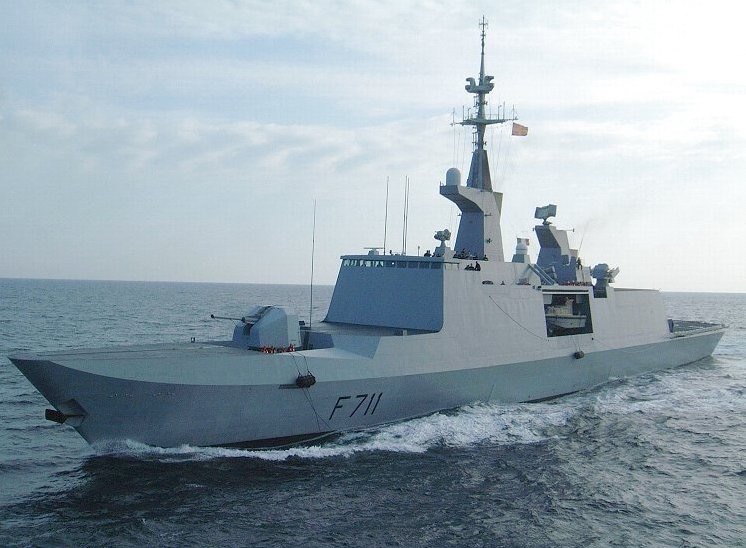
    The frigate, a Type 54 JIangkai II-class Is very similar to the Type 55 in that they were both heavily inspired by the French La Fayette-Class stealth frigate.

    French La Fayette-Class

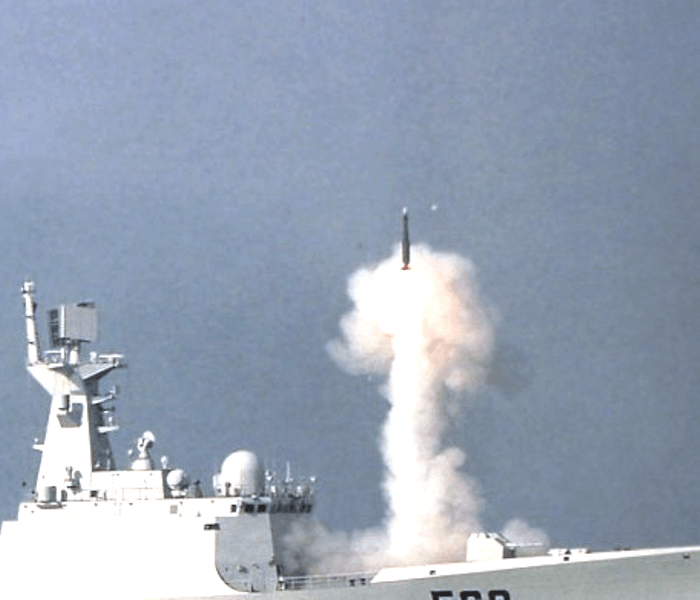
    The Type 54 frigate is one of its most numerous ships in the PLAN with around 40 in service. Each carries a 36 cell HHQ-16 vertical launch system designed for medium range air defense.


    This image was made by Twitter user Ian Ellis. Ellis produces high quality, informative infographics and reports on a wide range of defense topics. This one shows a number of the currently deployed ships in the People’s Liberation Army Navy. The group shown in orange is the ships we have in the satellite images. The locations of the ships were discovered by Ellis and other investigators who track Chinese fleet movements. Several methods can be used for this task, such as Sentinels satellite hub, and maritime tracking services.

    I wanted to shout out Ellis for his always quality work. Follow him at @Ianellisjones on Twitter. 
  • USS Nimitz losses two aircraft in South China Sea.

    USS Nimitz

    By. Scott Jackson


    10.26.2025

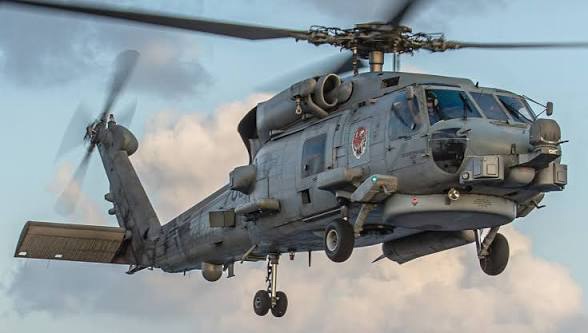
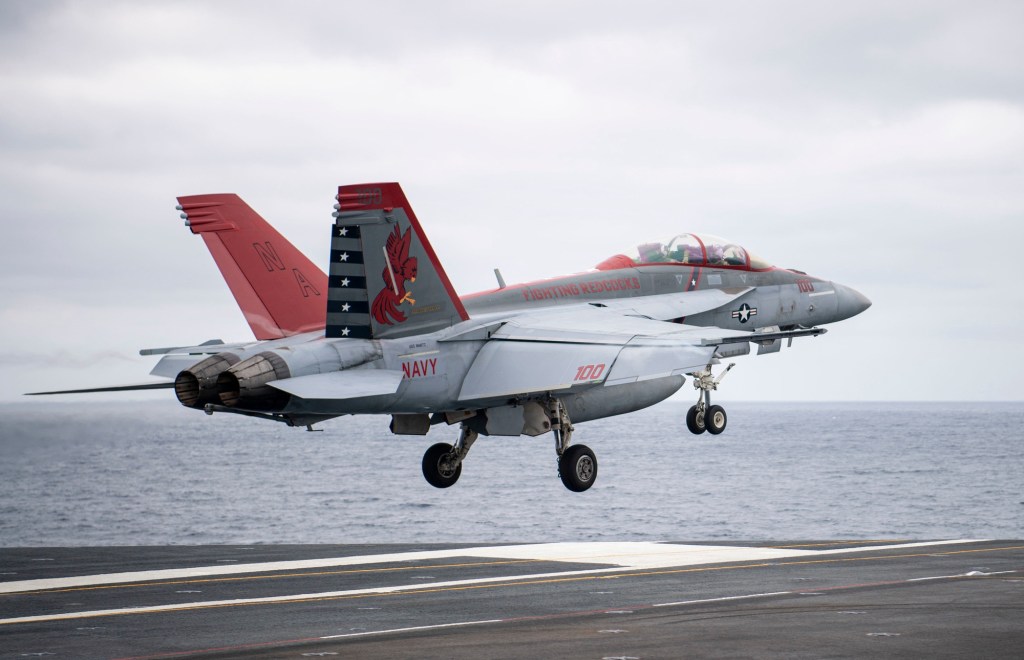
    Early reports from USS Nimitz about the loss of two aircraft in the South China Sea area both from the aircraft carrier USS Nimitz.. An FA-18F Super Hornet and an MH-60R Sea Hawk helicopter were both lost in two separate incidents on Sunday. 

    Statement from US INDOPACOM. 

    “At approximately 2:45 p.m. local time, a U.S. Navy MH-60R Sea Hawk helicopter, assigned to the ‘Battle Cats’ of Helicopter Maritime Strike Squadron 73 went down in the waters of the South China Sea while conducting routine operations from the aircraft carrier, reads a statement from U.S. Pacific Fleet. “Search and rescue assets assigned to Carrier Strike Group 11 safely recovered all three crew members.”

    MH-60 Seahawk with the Battle Cats’ of Helicopter Maritime Strike Squadron 73.

    Following the incident, separately, at 3:15 p.m., an F/A-18F Super Hornet fighter assigned to the “Fighting Redcocks” of Strike Fighter Squadron (VFA) 22 also went down in the waters of the South China Sea while conducting routine operations from Nimitz. Both crew members successfully ejected and were also safely recovered by search and rescue assets assigned to Carrier Strike Group 11.

    Fighting Redcocks” of Strike Fighter Squadron (VFA) 22

    GCR analysis. 

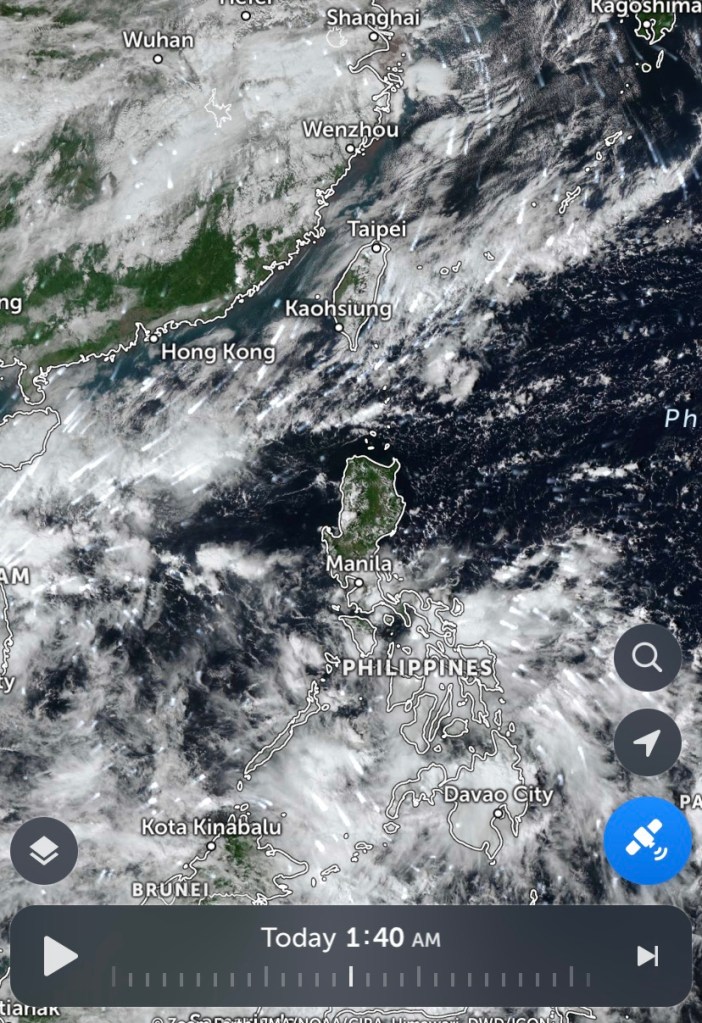
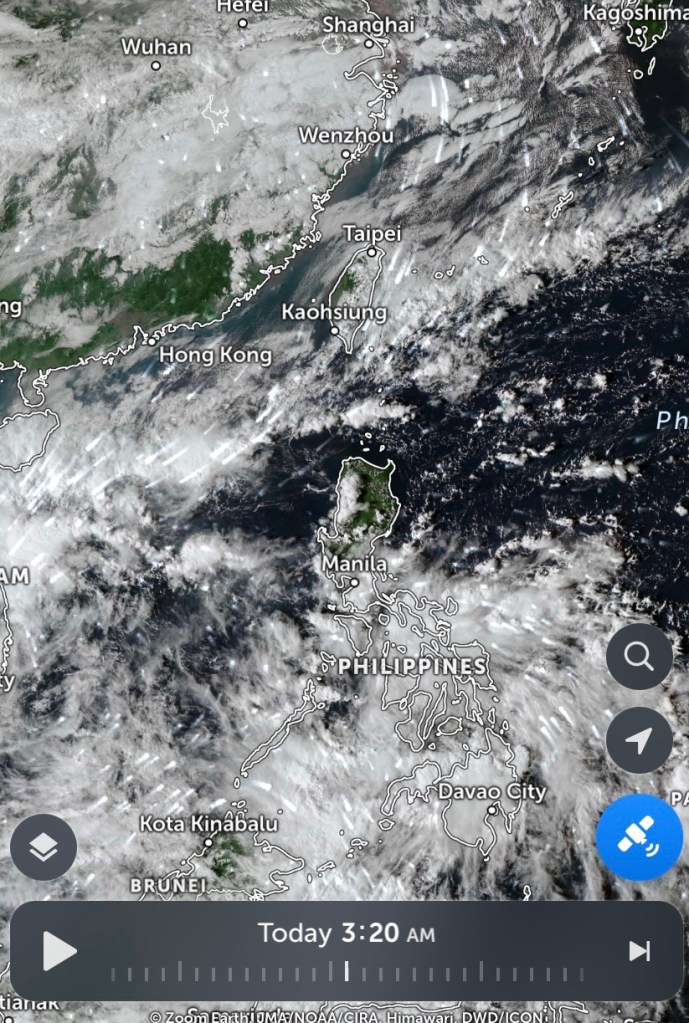
    No word on specifics yet, if I had to guess I would say it was the nasty weather that just rolled through there. Image included. 

    South China Sea wind and weather around the time of the crash of the helicopter.
    The weather when the Super Hornet went down.

    Will update when I know more.

  • Nepal’s Prime Minister resigns as anti-corruption protest continues. Parliament building burns.

    By. Scott Jackson


    09/09/2025

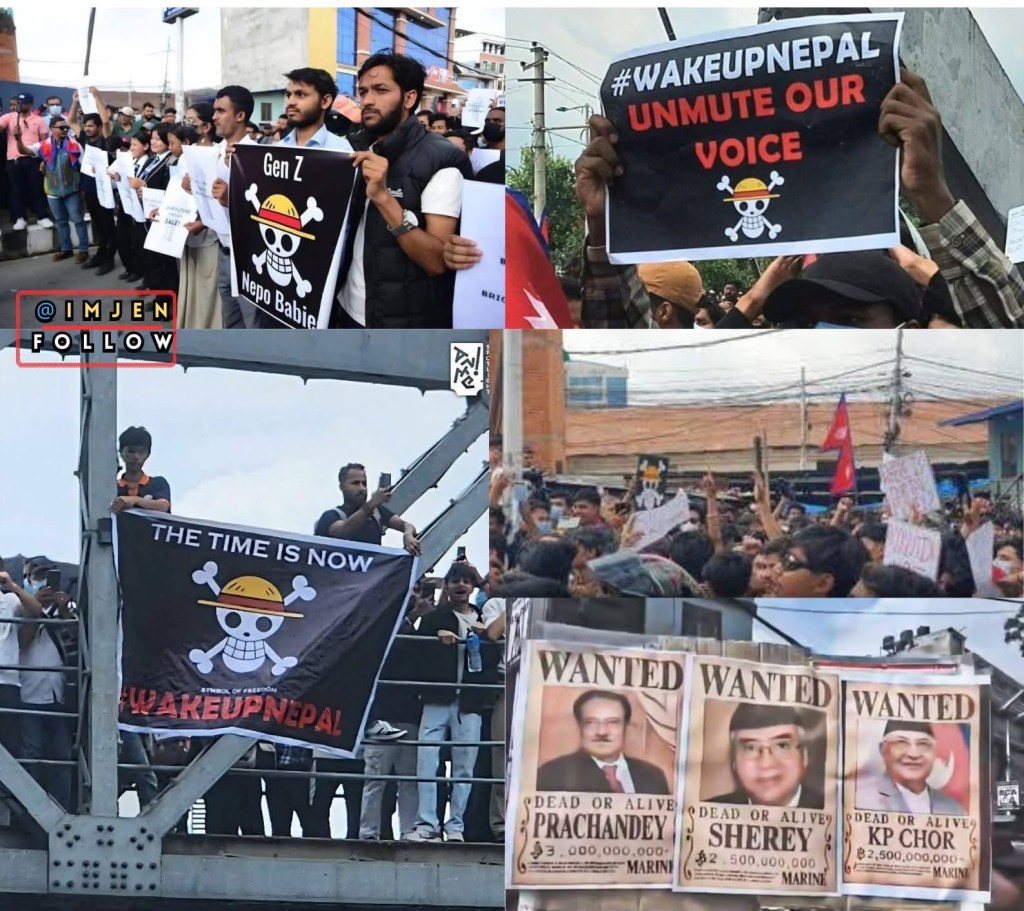
    In Nepal, anti-corruption protest has raged for the second day in a row. The worst civil unrest in decades is currently taking place in the country as citizens take to the streets to fight corruption government censorship and mass poverty. The scene took a violent turn after Nepal’s government attempted to crack down on the protest by banning social media and YouTube. The internet ban was lifted but not before the situation turned deathly serious.

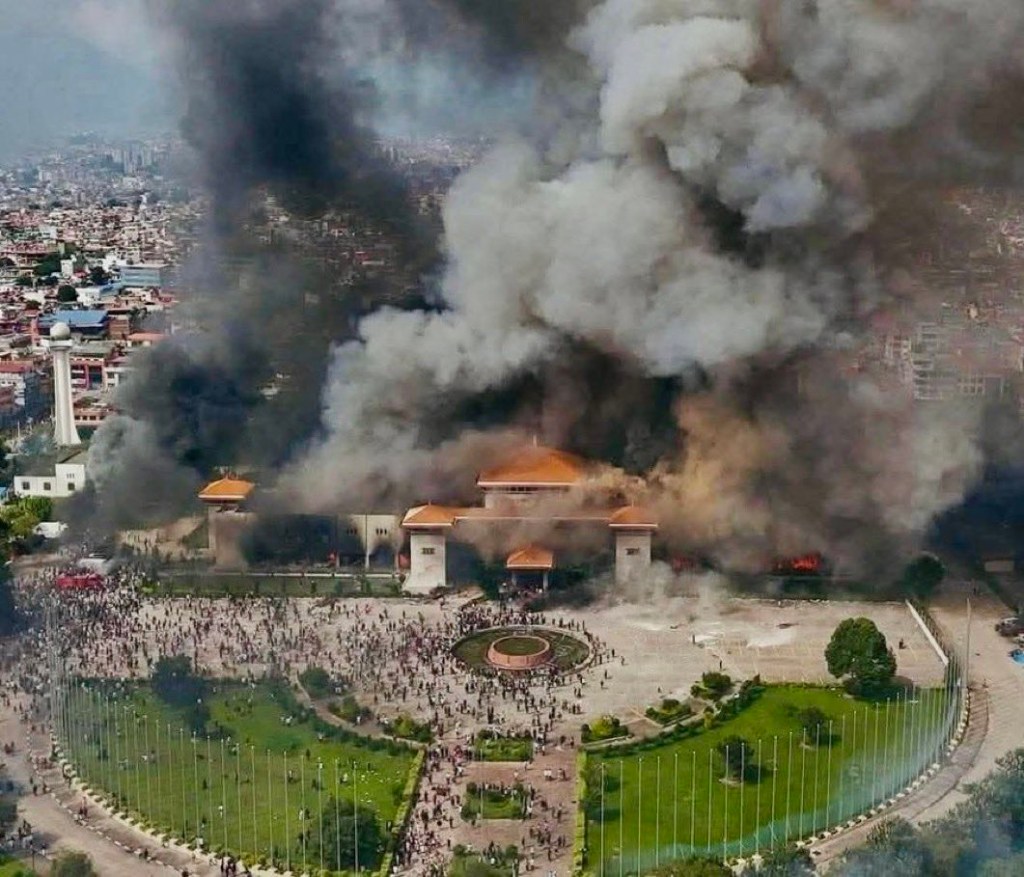
    Image showing thr Nepal parliament è

    Nepal’s parliament building in Kathmandu was set on fire by the protesters moments ago. Some of the crowd could be seen with guns in footage released online. The police are simply outmatched by the collective rage of the people, and have been unable to restore order. Fires have also been reported at the nation’s supreme court and special anti-corruption court. 

    The unrest and violence in Nepal has, so far,  left over 20 people dead and over 500 injured, including the wife of former prime minister Jhala Nath Khanal, Rabilaxmi Chitraka, who was burned alive in her home. Other scenes of violence have taken place across the city as the protest continues. The Vice-chairman of the Communist Party (UML), which is also the country’s Finance Minister, Bishnu Prasad Paudel was forced from his car into a river, where he was then forced to strip and beaten with sticks as hundreds watched from the banks.

    The military has started to respond and have shown little restraint in opening fire on the protesters. No open gun battles have been reported but citizens with long guns have been spotted on videos, with reports indicating some of the weapons may have been seized during the ongoing unrest.

  • Fire aboard USS New Orleans (LPD-18) while at anchor in Okinawa Japan

    By. Scott Jackson


    08/21/2025

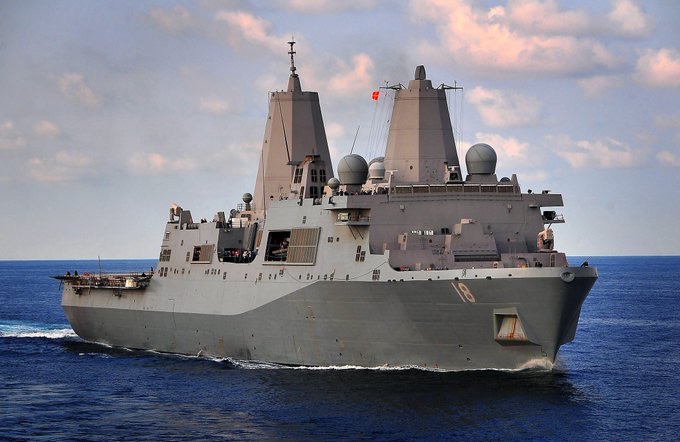
    A fire aboard the San Antonio-class amphibious transport ship USS New Orleans (LPD-18) has, after 12 hours, been extinguished according to the U.S. Navy 7th fleet. The ship was anchored in the harbor at Okinawa at the time of the fire and it at least appears that the marines were not currently on the ship, however 2 sailers received minor injuries during the incident and were treated on board.

    Video during the efforts to control the fire as tugboats cool down the metal of the hull with water.

    The crew fighting the fire was assisted by sailors from another San Antonio-class amphibious transport ship, USS San Diego (LPD-17) which was moored at the White Beach Navel Facility. The crew was also assisted by the Japanese Coast Guard and military.

    At this time the cause of the fire is still under investigation. The ship remains in Nakagusuku bay.

    The New Orleans is apart of the Navy’s forward-deployed amphibious forces based in Japan.

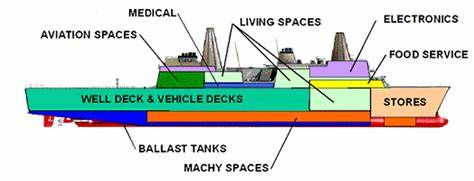
    The fire began at 4:00 PM on August 20th. Judging by where the tugs are spraying it appears the fire started near the living spaces and stores of the ship.

    The navy overhauled how it fights fires after a 2020 fire on the big deck amphibious warship, USS Bonhomme Richard (LHD-6) burned for four days and resulted in the total loss of the ship.

  • China and the U.S. clash over US patrol in South China Sea. (Video Included).

    By. Scott Jackson


    08/15/2025

    Yesterday, the  Chinese PLAN (People’s liberation, Army Navy) claimed that they expelled a U.S. Navy Destroyer that entered its territorial waters near the Scarborough Shoals in the South China Sea. 

    Here’s the facts we know. The U.S. Arleigh Burke-class guided missile destroyer USS Higgins (DDG-76) previously located at Cebu City in the Philippines  sailed near the disputed territory around the Scarborough Shoal during a freedom of navigation patrol. This was two days after a Chinese coast guard cutter collided with a Chinese guided missile destroyer while chasing a ship from the Filipino coast guard. USS Higgins came within 12 miles of Huangyan Island (another name for Scarborough Shoal) , a highly disputed territory claimed by China, Taiwan, and the Philippines. It should be noted that the Philippines coast guard said that an Independence-class Littoral combat ship , the USS Cincinnati was also nearby.

    The Chinese say that they forced the patrol to leave the area. The U.S. disputes this saying nothing thr Chinese said or did affected them in any way.

    “China’s statement about this mission is false,” a spokesperson for U.S. 7th Fleet said in a statement. “USS Higgins (DDG-76) conducted this FONOP in accordance with international law and then continued on to conduct normal operations. The operation reflects our commitment to uphold the freedom of navigation and lawful uses of the sea as a principle. The United States is defending its right to fly, sail and operate wherever international law allows, as USS Higgins did here. Nothing China says otherwise will deter us.”

    The spokesperson for U.S. 7th Fleet said that the Freedom of Navigation Operation challenged the prior requirement of a notification and authorization that China and Taiwan seek before a warship makes an innocent passage in their territorial sea. 

    A FONOP or Freedom of Navigation Operation is a naval operation carried out by the U.S. to assert the right of free transfer through an area. usually, heavily disputed area.
    “The unilateral imposition of any authorization or advance-notification requirement for innocent passage is unlawful,” the spokesperson for the Japan-based fleet said in the statement.


    This video which I believe is filmed by a PLA helicopter or drone shows a Chinese Type-055 guided missile destroyer shadowing the USS Higgins (DDG-76) a U.S. Navy Arleigh Burke-Class destroyer. We also see the USS Cleveland (LCS-31) a Freedom-class Littoral Combat Ship that was also in the region.

    A Chinese SU-27 is also briefly shown in the footage.

  • Chinese warship and Coast Guard vessel collide while attempting to blockade Scarborough Shoal.

    Chinese coast guard Jiangdao-class cutter (CCG 3104) after colliding with PLAN warship.

    By. Scott Jackson


    08/11/2025

    Earlier today Chinese maritime Forces collided with each other while attempting to stop a Filipino vessel from distributing aid and supplies to fishermen in the disputed Scarborough Shoal area. BRP Teresa Magbanua (MRRV-9701) and BRP Suluan (MRRV-4406) escorted fishing carrier MV Pamamalakaya and 35 local fishing vessels in support of Manila’s Kadiwa Operation, a Philippine government-led initiative designed to support and empower fishing communities in the country’s western exclusive economic zone.

    The video above is taken from the stern of the BRP Suluan.

    A Chinese coast guard Jiangdao-class cutter (CCG 3104) one of several former People’s Liberation Army Navy 056-class corvettes, deployed water cannons on the Philippine vessel (BRP Sultan) and while giving chase to them a guided missile destroyer from the PLA Navy, the Guilin, a Type 52D Guided Missile Destroyer, crossed into the path of the Chinese Coast Guard ship causing them to strike the port side of the destroyer. This caused large damage to the front of the coast guard ship and to the port side bow of the destroyer. The Philippine Coast guard said that this accident rendered the cutter unseaworthy. You can see in the video what appears to be at least one sailor on the cutter attempting to put a fender on the front of the cutter to absorb the impact. After the accident the Philippine ships offered support and assistance. No information on if anybody was injured or killed however I have to imagine the sailors at the front of the Chinese cutter would be lucky to still be standing afterword. 

    A shot almost directly after the two ships collided.

    During the confrontation, Filipino coast guard vessel Teresa Magbanua remained on station to escort the Kadiwa supply mission, which then resupplied Philippine fishing vessels with fuel and provisions off Scarborough Shoal.

    “The Philippine Coast Guard reaffirms its dedication to safeguarding all maritime operations in the area and wishes for the swift recovery and proper treatment of any affected CCG personnel,”  Philippine Coast Guard spokesperson Commodore Jay Tarriela said. 

    This attempt to blockade the Philippine ships is a blatant violation of the Philippines territorial sovereignty. The U.S. naval institute spoke to Ray Powell, director of the SeaLight Project at Stanford University’s Gordian Knot Center for National Security Innovation. He had this to say, commenting on the situation.

     “China is now intercepting Philippine vessels well beyond any legitimate territorial sea claim, and using gray zone tactics such as swarming, blocking and water cannons to directly violate the Philippines’ freedom of navigation on the high seas,”

    One striking observation pointed out in all of this is the presence of a People Liberation Army Navy vessel. Most of the past dust ups have been between coast guard vessels or even Chinese militia sent in as thugs. Seeing the military directly involved here could signal a hardening of Beijing’s stance on the matter.

    This is just the latest incident in a long running series of violence and disputes over the Scarborough Shoal. The shoal is a maritime feature within Manila’s exclusive economic zone that Beijing claims under its ten-dash line assertion. Chinese forces effectively seized the shoal in 2012 but the area has remained a flashpoint. 


  • Cambodia and Thailand forces exchange heavy cross border fire.

    By. Scott Jackson


    07/24/2025

    On Thursday, July 24th, 2025 cross border shelling and small-arms fire was exchanged between soldiers of the countries of Thailand and Cambodia.

    Diplomatic relations broke down between the two South Asian neighbors of Thailand and Cambodia after a border skirmish in May left one Cambodian troop killed. Tensions worsened on Wednesday (07/22/2025) when a Thai soldier lost a leg from a landmine that Thailand says was planted in a disputed territory. Thailand expelled Cambodia’s ambassador and recalled their own.

    Thursday, the situation escalated horribly. Armed clashes broke out between border forces. Small arms fire was exchanged in the area of the Ta Muen Thom Temple – which lies in disputed territory in the south of Thailand’s Surin province and in Cambodia’s northwest. Thailand claimed Cambodia had deployed a drone near the temple before sending in ground forces.A statement from the Thai military claims that Cambodia fired heavy weapons into the nearby Kap Choeng district. Videos circulating on social media correlate that statement by showing both a Russian-made BM-21 Grad Multi launch Rocket System (MLRS) and a Czechoslovak-made RM-70 GRAD 122mm rocket launchers being used by Cambodian forces. The rocket fire caused Thailand to order an evacuation of the area.

    Video shows a Russian-produced Grad launcher being used by Cambodian forces. We can’t see exactly who is firing this weapon however Thailand does not have this weapons system in its arsenal.
    Video shows Czechoslovak-made RM-70 GRAD 122mm rocket launcher in use by Cambodian forces.
    Video shows the aftermath of a Cambodian rocket attack which hit this PTT gas station in Ban Phue Sisaket Province.


    “The attack injured three civilians. Thai authorities have promptly evacuated residents from the area to ensure the safety of lives and property,” the Thai military said in a statement.

    “Cambodian forces acted strictly within the bounds of self-defence, responding to an unprovoked incursion by Thai troops that violated our territorial integrity,”Lieutenant General Maly Socheata, a cambodian defense ministry spokesperson said. 

    The US embassy put out a statement warning US citizens living or visiting Thailand “U.S. citizens living or traveling near the Thailand-Cambodia border should follow direction from Thai security services and consult local government authorities for the latest information”

    After the rocket attacks, which lit fires in the nearby Kap Choeng district, Thailand responded by launching F-16 fighter jets which Thailand’s second military command said struck two Cambodian regional military headquarters, destroying them.

    An F-16 in the service of the Royal Thai Air Force.


    Right now the fighting has remained centered around the border region, however the situation has the potential to escalate into a much wider regional conflict with the possibility of drawing in other world powers. Cambodia maintains a distinct military partnership with China, who helps fund their defense. They also have connections to the US, though not as strongly as Thailand, who operate many US weapons systems and participate in US military exercises .

    This is an ongoing story. Stay tuned for new updates. As of the latest info Cambodia is currently trying to deploy tanks into the Satta Som Mountain area in Ban Phumsarol. Thailand has deployed UAV’s and is claiming to have destroyed several armed vehicles.

  • North Korea relaunches Navy destroyer that was damaged at last launching ceremony. (images)

    Image shows North Korean Choi-Hyun class guided missile destroyer on its side after a disastrous first launch.

    By. Scott Jackson


    06/11/2025

    After last months disaster of a launch North Korea seems to have quickly managed to repair their new Choi-Hyun class guided missile destroyer. Images from Maxar show it during its relaunching ceremony.

    Choi-Hyon class destroyer, this time launched now first instead of sideways.
    A look at the road near the shipyard showing bud loads of people coming to watch the launching of the ship.

    The shipyard where the first launch first took place in the city of Chongjin has a rather narrow harbor area blocking ships from being launched bow first, leaving them with only side launching which is a much harder procedure.

    The ship was first launched on may 21st when the accident occurred but was righted by June 2nd after which it was towed to a dry dock in port city of Rajin to the northeast of Chongjin.

    This yet to be publicly named ship is second of its class with two more being planned for the future. North Korea plans to utilize these specific vessels as Anti-Air destroyers however we don’t have a full picture of their capabilities.

    Image of the ship in dry dock.

    The black and white images were taken and released today by the awesome guys over at Maxar. They do amazing things with satellite imagery.

    The ship, as noted by The Warzone article (https://www.twz.com/news-features/new-launch-ceremony-for-north-korean-frigate-that-partially-sunk-appears-to-have-occurred)that came out earlier today, is in amazing condition for a ship that was showing structural damage even earlier this month. How the ship was restored, even superficially, is unknown.


    https://linktr.ee/globalconflictreporting